10 Steps Hard Goods Manufacturers Can Take to Save Energy

Categories
Blogs

10 Steps Hard Goods Manufacturers Can Take to Save Energy

In the recent years businesses and communities across Asia have been repeatedly shaken by severe weather events with worse damages in decades caused by the destructive power of the accelerating changes in climate. The Economic and Social Commission for Asia and the Pacific (ESCAP) has concluded that climate change magnifies the risks from natural disasters, increasing the costs of protecting people from negative impacts.

The Asian Development Bank (ADB) estimates that the intense rains leading to massive floods in India, Bangladesh, and Nepal bring financial losses of up to $215 billion each year to the region’s economies. The super-typhoons battering Philippines, China, and Hong Kong are disrupting not just local business operations, but also their product supply chains around the globe. ADB projects that 410 million of Asians will be vulnerable to coastal flooding by 2025, while over 60% of the region’s population is currently employed in business sectors that are at high risk of suffering from the impacts of climate change.

The rapidly expanding manufacturing industry in Asia is a significant contributor to greenhouse gas pollution due to high energy consumption, and the region’s share is expected to reach 43% of the world electricity demand by 2030. The welfare losses from the increasing exposure to the industrial emissions are estimated to cost South and South-East Asia equal to 7.5 % of regional gross domestic product. Without radical changes in business operations, Asia and the Pacific could emit 48% of the world’s greenhouse gases during the next decade.  China is now considered the world’s biggest polluter of greenhouse gases, producing 28% of global carbon emissions, more than the United States and Europe combined. The manufacturing industry is the largest energy consumer in China, currently accounting for 56.7% of the total national annual energy consumption. The energy intensity in the Chinese manufacturing industry is high above the global average levels, and the government data shows that China’s electricity consumption has increased by 6.6 percent in 2017, with most of the additional energy supply derived from burning coal, generating drastic amounts of greenhouse gases.

The International Energy Outlook 2018 published by the U.S. Energy Information Administration predicts China will remain by far the world’s leading producer of energy-intensive goods with the projected energy consumption increasing up to 25% by 2040 unless the industry transforms its energy management practices. The resulting greenhouse gas emissions would accelerate climate change posing significant risks to local communities and ecosystems, triggering extreme weather with stronger droughts, winds, and rains, higher sea levels, and warmer oceans creating more powerful storms and coastal damage. The manufacturing industry would suffer serious losses, as its operations are sensitive to high temperatures, extreme weather conditions, and freshwater shortage. Data analysis of half a million Chinese manufacturing plants suggests that accelerating climate change would dramatically lower the output for the Chinese manufacturing sector falling by 12% annually, equivalent to a loss of $39.5 billion in 2007 dollars. As the Chinese manufacturing sector accounts for 32% of the national GDP and supplies 12% of global exports, the impacts on the local and global economies would be substantial.

In the 2015 Paris Agreement, an international treaty on climate change signed by almost 200 countries, China has officially committed to peak carbon emissions around 2030. In its  National Strategy on Energy Production and Consumption Revolution (2016-2030), China set an ambitious energy consumption target of 6 billion tonnes of coal equivalent maximum in 2030.

Complying with the National Strategy and safeguarding the manufacturing industry long-term interests requires decoupling of energy consumption from economic growth, implementing sustainable energy management strategies at the local level, investing in improving industrial energy efficiency capabilities. Sustainable energy management involves systematic continuous efforts to improve energy efficiency through behavioural changes, smart managerial and technological solutions to optimise the company operations. Luckily, these efforts tend to pay off, strengthening the company’s resource security, public image, and long-term economic resilience. The Carbon Trust estimates that a 20% cut in manufacturing energy costs will bring the same bottom line benefits as a 5% increase in sales.

API sustainability experts have developed this step-by-step guide to help manufacturers better understand their business energy performance, risks, and opportunities, implement energy efficiency best practices, and achieve a sustainable return on investment.

1. Assess your energy consumption 

Conduct a detailed documented energy review of your company’s facilities and operations, analyse energy use and consumption data, determine areas of significant energy use, identify opportunities for improving energy efficiency. Energy assessment involves analysis of the historical utility data over a period of 12-24 months with a detailed load breakdown and on-site analysis of significant energy uses, their relevant variables, risks, current energy performance, and identification of workers that influence or affect it to prevent dysfunction and energy waste.  

Create a centralised Energy Management Information System (EMIS) using a specialised software platform with instant online access to energy information, measurement data and costs, details about energy conservation measures, and records of resulting savings. Energy information can be gathered either in real time or reported on a daily basis to determine the current energy performance and identify factors of significant energy consumption, evaluate energy performance against set targets. EMIS facilitates timely informed decisions for effective operational management at the relevant level of your organisation.

2. DEFINE YOUR ENERGY BASELINE

Use the information collected from the initial energy review to establish an energy baseline using the historical utility data, recorded energy use trends, and benchmarking. Identify the appropriate energy performance indicators to monitor and measure energy performance against the energy baseline. Use specialised energy and sustainability software portals to document the calculation methodologies, data management processes, change management procedures, greenhouse gas emissions inventories, and associated roles, responsibilities, and timeframe.  

Measure any changes in the energy performance against the identified energy baseline, reassessed and update the baseline annually or when there are major changes to the static factors. The obtained data can be used to report the company’s ongoing energy and environmental performance.

3. INITIATE ENERGY AUDITS 

Use the energy information obtained from the energy review assessment to select sites and processes that are using excessive energy and have the potential for energy efficiency improvements. Employ an energy expert to perform a comprehensive on-site audit of facilities and site operations. The auditor should produce a customised action plan specifying no cost, low-cost, and medium cost solutions to reduce energy consumption, as well as areas that require capital-intensive investments in energy efficiency.

Establish an ongoing program of audits and assessments with regular internal auditions at planned intervals to evaluate the dynamics of energy consumption against the energy objectives and targets, assess the effectiveness of the implementation of energy conservation measures, develop corrective actions and preventive actions. Use an energy and sustainability portal to develop consistent audit plans and document the audit results and recommendations. Energy audits should identify individual equipment energy usage share, suggest priority areas for energy and cost reductions, and produce recommendations for further actions for on-site personnel and other corporate sustainability stakeholders.

4. DEVELOP YOUR ENERGY MANAGEMENT STRATEGY

In collaboration with energy experts, create an effective energy policy highlighting your approach to sustainable energy management, commitment to continual improvement in energy conservation specifying energy performance indicators, objectives, and targets. The energy policy should be accompanied by a document management plan describing the scope, process, and methods for reporting data including calculation methodologies, boundaries, auditing, and verification procedures.

Introduce an Energy Data Collection Plan specifying which data is required to effectively monitor the key characteristics related to significant energy uses such as relevant variables, operational characteristics, and static factors. Specify in what way and at what intervals should the data be collected and documented.

5. DESIGN AN ENERGY MANAGEMENT ACTION PLAN

The Energy Management Action Plan determines the responsibilities, resources, time frame, and methods for energy performance measurement, monitoring, evaluation, verification, and reporting. The Plan should include energy strategy communication methods and tools for management, employees, and end-users and awareness training making sure that all employees are competent to perform their roles and receive the appropriate information and training.

6. CONDUCT REGULAR ENERGY MONITORING 

Perform ongoing energy assessments to optimise your operational efficiencies: monitor, measure, and analyse the crucial aspects of your operations, significant energy uses, their variables, energy performance indicators, dynamics towards achieving energy reduction objectives and targets using real-time metering tools to collect, log, mine, and analyse energy data. Maintain accessible detailed records of the monitoring results traceable to the relevant activities.

Establish a common automated system that can process the obtained data sets and identify, model, visualise, and evaluate progress to help identify and implement the most viable control measures. Consolidating energy data, modelling production energy consumption, and expert energy analytics of actual performance against the expected energy consumption projections can save you up to 30% of the manufacturing energy costs. Regular monitoring will provide you with valuable statistics on the facility’s energy demand, facilitate forecasting and load aggregation, optimise operating performance, predict energy loads, modify production schedules according to energy demands, control capability, leverage off-peak times, identify power quality issues that can compromise your operations and protect your equipment, predict, assess, and reduce the associated environmental impacts.

7. CALCULATE ENERGY REDUCTIONS AND COST SAVINGS 

Monitor and report operational costs and procurement of energy supply, services, and assets to make informed decisions for further business development. Use financial appraisal tools such as simple payback period calculations or discounted cash flow techniques to assess the net present value and internal rate of return. For capital-intensive projects, use Life Cycle Cost Analysis to calculate the costs and financial savings that may occur over the entire project lifetime to evaluate whether the investment will be profitable in the long-term perspective.   

Based on the calculations of projected cost-savings, devise a sustainable procurement strategy. The calculations of potential energy savings from energy efficiency projects must be verified proving the adequacy of selected measures and ability to deliver the desired results. Introduce a Measurement and Verification process to increase the credibility of energy management within your organisation and ensure the future allocation of resources for implementing energy efficiency projects. The International Performance Measurement and Verification Protocol provides recognized methods and techniques for determining different types of savings across the industrial processes and facilities, describes best practices in savings recording, accurate estimation, and verifiable reporting of energy savings.

8. USE ENERGY MANAGEMENT MATRICES TO CONTROL ENERGY PERFORMANCE

Utilize performance-based energy management matrices to review the existing energy management practices within your organization, analyse your operations in terms of energy management, financial allocation, awareness and organization, technical issues. Define clear targets for all activities and prioritize energy management actions.

Manufacturers typically apply three levels of matrices: top level matrix summarising the results for an organization, organisational matrices mapping out activity levels in each of the areas listed above and then feeding results into the top level, and detailed matrices covering all the technologies within the built environment and feeding the results into the second level technical matrix.

9. Get carbon neutral certified

Introducing carbon management programs for your business can help you evaluate, monitor, reduce, prevent, or compensate your greenhouse gas emissions by tracking the dynamics of your carbon footprint and implementing adequate carbon reduction measures. Carbon neutral certifications can significantly reduce your company’s ecological footprint and boost your brand image showing your customers, partners, and investors that your products are environmentally safe and sustainable.

Proactively implementing carbon management work practices helps companies to comply with the increasingly strict national and international environmental regulations. Obtaining recognized certifications and labels for the household goods industry helps  optimize the resource use, reduce the energy demand throughout the product’s life cycle, prevent environmental damage, minimize risks, financial losses, and production costs in the long run.

10. WORK WITH EXPERTS IN SUSTAINABLE ENERGY MANAGEMENT

Seek professional help from energy experts experienced in sustainable manufacturing best practices to build an effective energy management framework for your business.

API is a recognized expert in energy conservation and sustainable manufacturing of household goods with a rich practical experience in strategic energy management and preparation for carbon neutral certification . Our sustainability experts and specialists in household goods can help you develop and implement sustainable management strategies, policies and action plans, achieve legal compliance with environmental legislation, implement long-term carbon reduction initiatives, verify your energy performance and implement international standards.

We specialize in sustainability services, evaluation of manufacturing processes, carbon footprint calculation, life cycle assessment, independent performance verification and validation, sustainable supply chain management, and professional sustainability training.

For more information and guidance, please book an API consultation.

All data is quoted from and belongs to published literature. API does not hold any responsibility for the accuracy, timeliness or validity of any data or information. 

Categories
Blogs

Hardgoods Industry: Environmental Legislation & Standards

The global expansion of the hardgoods industry is creating incredible opportunities for business growth and an unprecedented pressure on communities and ecosystems across all continents.

The hardgoods production has significant impacts on the environment and human health causing extensive pollution, increasing land degradation, destructing wildlife habitats, over-exploiting natural resources, contaminating water, and accumulating hazardous waste. Life cycle assessment (LCA) is a recognized tool for assessing all the direct and indirect impacts of goods production, consumption, and utilization that must be accounted for to evaluate the environmental performance of your business.

The industry impacts include:

  • Emissions of greenhouse gas (GHG) that accelerate global climate change
  • Pollution with eutrophying substances like nitrogen and phosphorus
  • Contamination with toxic waste dangerous to human health and ecosystems
  • Depletion of nonrenewable resources including fossils and metals
  • Exploitation of biotic resources such as wood leading to deforestation and ecosystem degradation
  • Industrial use of land leading to erosion and natural habitat destruction
  • High freshwater demand for production resulting in water scarcity, and contamination of waterways.

Intensive energy demand is a significant factor, as the household consumption accounts for 60% or more of the product life cycle impacts,  reaching up to 70% for industrialized countries. Manufactured products, particularly electrical appliances, are among top three contributors to the carbon footprint of rich countries due to their high energy use. As the products are traded globally through complex supply chains, it can be difficult to assess their total impact contribution. Emerging economies across Asia are exporting large amounts of products, so a substantial share of the environmental burden from their consumption by the Western countries is translocated to the Asian countries where the products are being manufactured.

The human health impacts are related to the emissions of greenhouse gases, chemical air pollutants, ozone-depleting, and radioactive emissions. The environmental health risk factors are associated with the production emissions of carbon dioxide, nitrous oxide, methane, fine particulate matter, Nitrogen oxides, Sulphur dioxide, and ammonia that are dangerous to human health. Unsafe water, sanitation, and hygiene contribute 3.7% of the global burden of disease, lead exposure accounts for 0.9%, urban air pollution 0.4%, climate change 0.4%, occupational exposure to particulates 0.3%, and carcinogens 0.06%.

International Legislation

As the nations grow more aware of these ecotoxic effects on their economies and wellbeing, the environmental legislation is becoming ever more stringent. To make the industry safer and sustainable in the long run, the governments are introducing strict mandatory restrictions and industry regulations. The European Union has successfully adopted Ecodesign and energy labeling to improve the resource efficiency of goods production. Product life cycle analysis is applied to identify and eliminate the least efficient products from the market, driving environmental innovation, stimulating industrial competitiveness, and sustainable investment. The Ecodesign Directive provides rules for all member states aimed at improving the environmental performance and energy efficiency of products including household appliances, electronic goods, information and communication technologies. National market surveillance authorities verify that products sold in the EU follow the requirements of Ecodesign and Energy Labelling Regulations.

Such a holistic approach removes barriers to sustainable trade, boosts product quality, and ensures environmental protection. A number of countries outside the EU have developed similar legislation including the USA, Australia, Japan, China, and Brazil. Hong Kong, which annually generates 70,000 tonnes of waste electrical and electronic equipment, has now introduced the Producer responsibility scheme (PRS) as a key policy tool for sustainable waste management. The concept is based on the principle of “polluter pays” and “eco-responsibility” requiring manufacturers, importers, wholesalers, retailers, and consumers to share the responsibility for collecting, recycling, treatment, and disposal of end-of-life products to avoid and reduce their environmental impacts at the post-consumer stage. Starting from August 2018, suppliers of regulated electrical equipment (REE) including computers, televisions, printers, scanners, monitors, as well as washing machines, air-conditioners, and refrigerators, must be registered by the Environmental Protection Department of Hong Kong before distributing REE. Registered suppliers must fulfill a set of statutory obligations such as submitting returns to Department, providing recycling labels, and paying recycling levies. Sellers must further provide their consumers with recycling labels, a receipt for recycling levies, and arrange a free equipment disposal service.

National and international environmental certifications provide various useful tools for the hardgoods industry players to identify, evaluate, improve, and verify their environmental performance and help fulfill their legal obligations. TCO Certified, an international sustainability certification for IT products, sets out sustainability criteria for to ensure safety, environmental and social responsibility during the whole life cycle of the IT product from design, to manufacturing, use, and recycling. This certification requires detailed verification of the key aspects of sustainability performance.

The Green Electronics Council has developed a global rating system known as the Electronic Product Environmental Assessment Tool (EPEAT) that rates electronic products on a life cycle basis. EPEAT allows evaluating, comparing, and choosing electronics based on their environmental attributes specified for different categories including PCs, displays, televisions, printers, copiers, scanners, multifunction devices, fax machines, and more. The system aims to eliminate toxic substances from the manufacturing, promote use of recycled and recyclable materials, facilitate product design for recycling, extend product longevity, improve energy efficiency, boost corporate performance, and implement sustainable product packaging strategies.

Mandatory Product Labeling In China

The General Administration of Quality, Supervision, Inspection and Quarantine (AQSIQ) is the main body in China regulating all aspects of product quality including energy efficiency standards and environmental compliance. All manufacturers must submit energy efficiency information for their products to the China Energy Label Center before putting those products on the market. The Energy Label currently applies to four products including air conditioners, household refrigerators, washing machines, and unitary air conditioners.

The Certification and Accreditation Commission of China (CNCA) gives accreditations to testing laboratories and overseeing any certification schemes including the voluntary energy efficiency endorsement labeling program operated by the China Quality Certification Center (CQC).

The National Energy Conservation Law requires all enterprises manufacturing, importing, or selling energy-using products which fail to meet MEPS to stop production. The products that fail compliance and any associated gains are considered illegal and get confiscated, and the responsible persons are fined 1-5 times of money equal to the illegal gains. The Industrial and Commercial Administrative Department can also revoke the enterprise’s business license. High penalties are imposed for products covered by mandatory label requirements in cases when the labeling is irregular or missing, or the record product energy efficiency parameters have not been registered under the China National Institute of Standardization (CNIS) database before labeling, or if the labeling is misleading or false. These programs proved to be successful significantly reducing the energy consumption of appliances in China.

Voluntary Standards

Customers all over the world tend to have more trust in products with environmental labels or recognized certifications. Manufacturers, distributors, and retailers can attract more clients and gain a strong competitive advantage on the modern market by implementing international voluntary standards for environmental management.

The ISO 14040 Standard utilizes the product life cycle assessment (LCA) methods for developing the life cycle inventory analysis (LCI), the life cycle impact assessment (LCIA), the life cycle interpretation, reporting, critical review, and intended application. LCA is a remarkable tool for strategic planning that allows companies to identify opportunities for improving the product design and environmental performance throughout their life cycle. It also helps to market their achievements using ecolabelling schemes, environmental claims, and environmental product declarations (EPD).

EPD is a useful tool compliant with the ISO 14025 Standard for Environmental labels and declarations that verifies information about the environmental impacts associated with a product, enables objective communication, and product comparison based on the LCA. EPD includes product and company information covering raw material acquisition, energy use and efficiency, material and chemical content, emissions to air, soil, and water, as well as waste generation. ISO 14044 provides guidelines and specifies requirements for all stages of the LCA, establishes the relationship between the LCA phases, and conditions for use of value choices and optional elements.

ECOLOGO certifies products, services, and packaging for reduced environmental impacts based on their LCA. ECOLOGO Certifications are voluntary and multi-attribute, indicating that a product has undergone adequate scientific testing, exhaustive auditing, or both, in order to prove compliance with third-party environmental performance standards. These standards set metrics for a wide variety of criteria for environmental health and safety, materials management, energy efficiency, manufacturing, operations, product performance and use, product stewardship, and innovation.

The Cradle to Cradle Certified™ Product Standard provides guidance for designers and manufacturers for establishing a continual improvement process addressing key product quality categories including renewable energy and carbon management, material health and reutilization, water stewardship, and social fairness. The assessment allows choosing the safest materials by evaluating the potential hazards of chemicals used in production, maximize the percentage of renewable and recycled content and ensure the materials can be safely reused, recycled, or composted at the product’s end of life. The Standard also promotes renewable sources of energy and offsetting carbon emissions from the manufacturing, addresses industrial water impacts and chemicals in the wastewater. Additionally, the certification verifies fair conditions for employees, supply chain and the local communities.

Complying with voluntary environmental standards and obtaining certifications like ECOLOGO can bring multiple benefits for any business. Demonstrating your commitment and leadership in sustainability will attract new clients and elevate your customer perception using smart sustainable branding and marketing strategies. It will also reduce your production costs, facilitate sustainable procurement, and establish a green supply chain.

Professional Help

API household goods specialists can help you prove your customers, partners, and investors that your products meet world-class environmental, social, and quality standards. Our experts will help you assess, improve the environmental performance of your manufacturing activities, identify and verify the production impacts, conduct product life cycle assessment, calculate carbon footprint, prepare your business for environmental certification, and ensure legal compliance.

Contact us today to discuss how we can help you make your business more sustainable.

For more information about sustainability in the household industry, please visit our page.

Categories
Blogs

Getting Carbon Neutral Certified: A 2018 Guide

Climate leadership is the key to business success in the modern market of household goods, and the long-term economic growth largely depends on how well the companies understand the climate-related risks and implement appropriate mitigation strategies.

Climate change already has visible measurable impacts on our society: air pollution causes over 7 million premature deaths worldwide each year, and if we do not change our business practices urgently, the resulting health costs could amount to $4 billion per year by 2030. Any further increase in temperatures will pose major risks to human health, security, well-being, assets, economy, and ecosystems. Climate scientists predict that global warming of 1.5°C – 2°C will significantly disrupt human and ecological systems accelerating extreme weather events such as heat waves, heavy rains, floods, droughts, and wildfires, amplifying human morbidity and mortality, increasing the spread of vector-borne diseases, causing water and food supply shortages due to reduced crop yields and livestock.

Unabated climate change will also have devastating economic effects: the World Bank estimates the equivalent cost of extreme natural disasters globally as $520 billion loss in annual consumption, projecting that 26 million people would be pushed into poverty each year, and as many as 143 million people from developing regions could become climate migrants by 2050, especially communities that strongly depend on agricultural and coastal livelihoods.

Carbon Neutrality

Carbon neutrality implies achieving net zero carbon emissions by compensating the equivalent amount of greenhouse gases released during all the processes associated with energy consumption, industrial production, and transportation. Greenhouse gases (GHG) are measured in terms of their carbon dioxide equivalence reflecting the impact each GHG has on the atmosphere including methane (CH4), nitrous oxide (N2O), hydrofluorocarbons (HFC), perfluorocarbons (PFC), and sulphur hexafluoride (SF6).

To achieve carbon neutrality, we must adopt a new business approach using sustainable investment to develop adequate infrastructure and implement technological innovations that increase the resource productivity allowing lasting, balanced, sustainable, inclusive, and carbon neutral economic growth. Companies must reduce and avoid carbon emissions as much as possible by improving their resource efficiency and implementing energy conservation measures. The unavoidable emissions released from using fossil fuels can be balanced with producing a similar amount of renewable energy or switching entirely to renewable energy sources. Emissions can also be offset by paying other companies to remove or sequester the equivalent carbon dioxide, funding carbon projects that help prevent future greenhouse gas emissions, or buying carbon credits from recognised carbon trading schemes.

The 2018 Report of the Commission on the Economy and Climate concludes that limiting the cumulative global anthropogenic emissions of greenhouse gases will require an investment of US$90 trillion for developing climate neutral solutions and resilient infrastructure in the period up to 2030 in order to stay in a secure total global carbon budget. A big share of this investment will be programmed in the next few years, and the International Finance Corporation estimates that the climate investment opportunities will total $23 trillion in emerging markets by 2030.

Carbon Policies And Regulations

As the regulators are placing increasingly stringent restrictions on the industrial emissions and hazardous material use, companies have a higher risk of legal liability and litigation. are becoming more vulnerable to litigation and liability risks. To ensure compliance and stay competitive on the market, businesses must implement proactive strategies and sustainable work practices to make their products carbon neutral.

The 1997 Kyoto Protocol signed by 192 parties became the first legally binding intergovernmental agreement under the United Nations Framework Convention on Climate Change (UNFCCC) that obliged industrialised countries to reduce their collective emissions of greenhouse gases. Countries that ratified the Kyoto Protocol were assigned maximum carbon emission levels and could participate in the Clean development mechanism (CDM), Joint implementation (JI), and Emissions Trading  designed to help stimulate green investment and meet emission targets in a cost-effective way.

In 2016, Kyoto Protocol was officially replaced by the Paris Agreement ratified by 183 Parties (174 countries and the European Union) with the aim  to reduce greenhouse gas emissions and limit the global temperature increase to below 2 degrees Celsius (3.6 F) above pre-industrial levels by the year 2100. The Agreement acknowledges the urgent need for governments, cities, regions, businesses, and investors to scale up the global response to climate change and provides an international framework to reach a net-zero carbon market obliging countries to set ambitious goals for driving GHG emissions reductions and implementing national decarbonisation plans.

In 2015, China has declared an official commitment to the greenhouse gas reduction accord under a plan submitted to the United Nations in support of the Paris Agreement aiming to cut its greenhouse gas emissions per unit of gross domestic product by 60-65% from 2005 levels. The Chinese government is now introducing strong national policies, action plans, and regulations to combat climate change and minimise environmental degradation. The objectives for reducing the carbon emission intensity have been specified individually for different provinces and cities across China ranging from 12% to 20.5% by 2020. The long-term goal is to lower the carbon intensity of GDP by 60%–65%, increase the share of non-fossil energy carriers up to 20% and grow the forest stock volume by 4.5 billion cubic metres compared to 2005 levels by 2030.

China plans to launch a national carbon emission trading market this year aiming to lower the cost of achieving GHG reduction goals using a total carbon emission cap and quota for enterprises with annual energy consumption of at least 10,000 tons of coal equivalent. The Chinese carbon market is estimated to become the largest in the world, double the size of the current EU Emissions Trading System. The new rules will cover eight industrial sectors including electric power generation, aviation, chemicals, petrochemicals, construction materials, iron and steel, non-ferrous metals, and paper production. Based in Shanghai, trading will involve 1,700 power companies covering over 3 billion tonnes of carbon dioxide annually.

Additionally, 13th Five-Year Eco-environmental Protection Plan has been adopted to promote a cleaner and greener economy by improving the air, water and soil quality, expanding forest reserve and coverage, and reducing key pollutant emissions. The main goal is to reach more than 292 days a year of excellent and good air quality by 2020 in major cities across China.

The Central People’s Government has confirmed that the Paris Agreement also applies to the Hong Kong Special Administrative Region. An ambitious carbon intensity target was set to achieve 65%-70% reduction by 2030 against the baseline from 2005. This is equivalent to 26%-36% absolute reduction and a decrease to 3.3-3.8 tonnes per capita. Meanwhile, Singapore has pledged to reduce emissions intensity by 16% from business-as-usual levels by 2020 and by 36% from 2005 levels by 2030.  

Sunset Wind Farm (1)

Recognized Certifications And Labels For Household Goods

China Environmental Label is a governmental approval symbol that establishes environmental standards for electronics, cosmetics, textiles, vehicles, construction materials, packaging, and more. The Label is awarded to products that maintain high-quality standards and meet the environmental protection requirements during the production, use, and disposal phases. The labelled products are considered less harmful, less energy intensive, and more resource-efficient when compared with the same type of products on the market. Product categories for labelling include electronics and electric appliances, building products, cleaning products, cosmetics, and personal care.

Hong Kong Eco-label is a product certification that validates whether the environmental performance of the product conforms to the relevant technical environmental standards.

It has been developed by the Hong Kong Federation of Environmental Protection to mark products and their packaging that comply with the quality standards, conform to the certain environmental requirements in the process of producing, use and recycle, and are proven to have superior environmental performance compared to similar products on the market in terms of energy conservation, contamination, and damage to the environment. The categories of household goods eligible for the certification include household furniture, toys, television sets, air coolers, and more.

Hongkong Eco-label integrates China National Standards and international standards for eco-labelling including ISO 14021, ISO 14024 and ISO 14025 aiming to establish technical requirements for products, lift the technical barriers to trade, and promote the certification business in accordance with the international best practices. The requirements to conform with Hong Kong Eco-label standard vary depending on the standard following ISO 17025 Testing and Calibration Laboratories, ISO / IEC Guide 65 Product Certification.

The Hong Kong Green Label Scheme (HKGLS) is an independent voluntary scheme for the certification of environmentally preferable products launched by the Green Council. The Scheme sets out environmental standards and awards “Green Label” to products that qualify in terms of environmental performance. “Green Label” encourages manufacturers to supply eco-friendly products and promotes sustainable consumption, offering a convenient way for consumers to recognise environmentally responsible products. Applicants are certified against the standard’s criteria before using the label. Conformity is verified by an independent organisation following ISO 17025 Testing and Calibration Laboratories, ISO / IEC Guide 65 Product Certification. HKGLS is an ISO 14024 Type 1 label that requires compliance with applicable legislation and a third-party certification with considerations of life cycle impacts.

Products eligible for HKGLS certification include computers, monitors, fax machines, printers, electronic and electrical appliances, refrigeration appliances, air-conditioners, air cleaners, and small home appliances. HKGLS certification has been granted to various new green label products including  the ECO Toner Cartridge developed by Print-Rite.Unicorn Image Products Co., Ltd. of ZhuHai), bizhub C220, C280, C360, Multifunction Devices by Konica Minolta Business Solutions (H.K.) Ltd., EC CLEAN by Green Concept Limited, 288 Liquid Biological Multi-function Micro-organism Additive (Pro-Digest) by Champion Chemicals Limited, verifying that these products are recognised as safe and environmentally friendly.

Business Benefits Of Carbon Neutral Labelling

Manufacturers, distributors, and marketers selling certified environmentally sustainable products enjoy significant benefits from reducing their carbon footprint and contributing towards sustainable development goals.

Improved customer perception: a credible and independent ecolabel allows consumers to easily identify and distinguish your products among your competitors, highlighting your commitment to the highest environmental and quality standards.

Effective branding and marketing tool: an ecolabel improves your corporate image, brand recognition and reputation, demonstrates your social responsibility, confirms the product’s safety and superior environmental performance, giving your brand a strong competitive advantage.

Reduced production cost: commitment to improving environmental performance during manufacturing typically leads to significant financial savings resulting from more efficient resource use, waste minimisation, material recycling, reduced risks, and legal compliance.

Sustainable procurement: greening the production process and establishing a sustainable supply chain uncovers new opportunities for business expansion and partnership with governments, commercial organisations, and industry associations. 

Industry Leaders In Sustainability

The household goods industry is experiencing an increasing demand for eco-friendly products and smart home solutions. Successful companies strive to stand out through smart brand management, sustainable innovation, improved product quality, and environmental safety. Leading companies proactively implement sustainable business models focusing on climate stewardship, operational eco-efficiency, sustainable material sourcing, enhanced transparency, environmental certifications and product labelling, as well as implementing end-of-life solutions for waste management.

In 2018, Electrolux AB and Essity AB have become the global sustainability leaders in the Household Products and Durables category of the RobecoSAM’s Corporate Sustainability Assessment based on their Total Sustainability Score. The Assessment identifies companies that create the most long-term sustainable shareholder value, evaluating crucial factors that impact a company’s value drivers, competitive position, and long-term financial performance, such as capabilities for innovation, environmental management, product stewardship in social dimension, and operational eco-efficiency improvements.

How To Make Your Business Carbon Neutral 

Adopting a carbon neutral business strategy will send a powerful message to your customers, investors, employees, and other stakeholders about your commitment to environmental protection and industry best practices.

Start by introducing a carbon management strategy with clear measurable goals and action plans to assess, reduce, avoid, or compensate your GHG emissions. This involves calculating and tracking the total carbon footprint from your business activities, implementing a cost-effective carbon reduction program, conducting ongoing monitoring and evaluation of your environmental performance, and obtaining environmental product labels and certifications. You will also need to educate your managers and employees about sustainable business practices, and incorporate sustainability aspects into your marketing and communications strategy to promote your environmental achievements.

To learn more about the implementation of environmental regulations and best practices in the household goods industry, please see our sustainability section.

Expert Sustainability Services

API is a leading specialist in quality assurance for household goods with profound knowledge of sustainable manufacturing processes and a rich practical experience in environmental management and certification preparation. Our sustainability experts and specialists in household goods can help you develop and implement carbon reduction strategies, ensure legal compliance with environmental legislation, obtain recognised certifications, and implement long-term carbon management strategies.

We provide a comprehensive range of sustainability services focused on the evaluation of manufacturing processes, product life cycle assessment and carbon footprint calculation, independent verification and validation for environmental certification, sustainable supply chain management, and professional environmental training.

Contact us any time to discuss your business challenges and find the best solutions for your sustainable growth.

Categories
Blogs

Mold: The Unspoken Supply Chain Issue

Managing supply chain risk and disruption is currently one of the key priorities globally. In addition, many companies are rethinking their entire supply chain model, from raw materials to finished products. In that context, mold remains one of the issues that, while sometimes overlooked, may have an irreversible impact on different product types such as furniture made out of wood or natural materials, leather furniture and decorative items or soft and stuffed toys.  

Mold is not a new problem for suppliers, brands, and retailers, yet it has been accentuated since the ban on chemicals and anti-mold agents such as 2-Naphthol, P-Nitrophenol, pentachlorophenol, sodium arsenite, copper arsenite, chromate, dimethyl fumarate, etc. Additionally, there remains a lack of preventive measures in many factories, leading to the identification of the issue when it is too late.

In the current context of uncertainty, factories and brands are increasing their stocks of materials, components, and finished products and storing them for longer, leaving them ill-prepared to tackle mold prevention. The level of risk varies depending on the area and factory, but it remains a topic worth addressing when working with a new supplier. One additional variable to take into account is the type of product. Some materials need the right balance between dryness and humidity; for example, wood and bamboo require a certain humidity to avoid cracks. If the level becomes too high, it might lead to mold generation and potentially ruin the entire production.

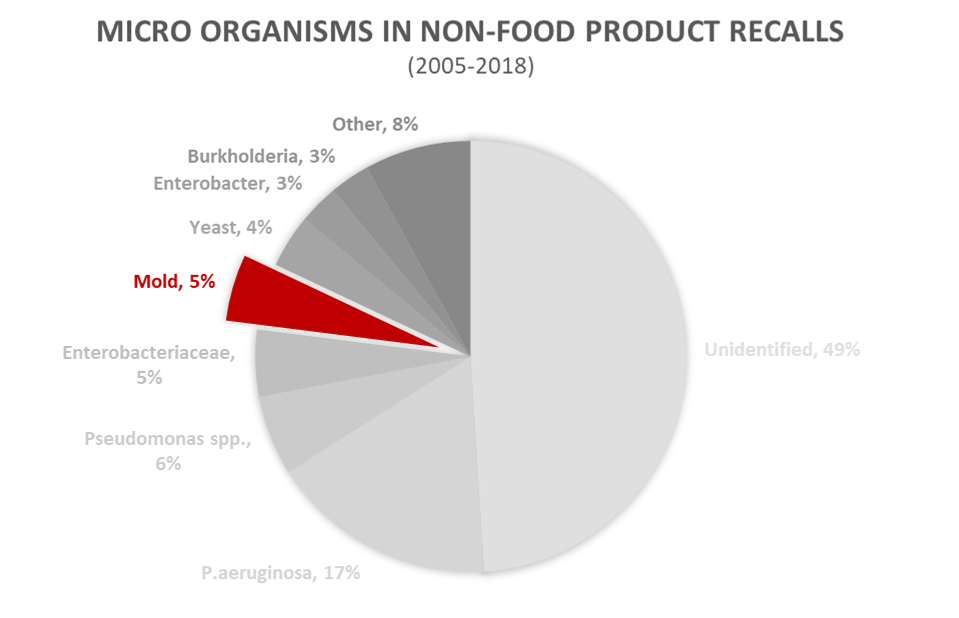
Micro-organisms_W

Mold was among the top 10 most common microorganisms in non-food product recalls between 2005 and 2018
Source: FEMS Microbiology Letters, Dec 2019, Oxford Academic

Mold Formation: A close-up What is mold?

Mold is a destructive fungus that can grow in a high number of materials and be highly damaging if not adequately treated. Mold is reproduced by spores that can travel great distances and affect products from the early stages of development or even during shipping.

What are the main categories affected in the hardlines industry?

  • Leather items
  • Wood and natural materials
  • Soft toys
  • Packaging

What are the main associated risks?
Depending on the degree and the stage at which mold is identified, it can lead to:

  • Product damage (bad smell, stains, material damage…)
  • Product recalls
  • Negative brand impact

What are the main reasons for mold formation?

  • Process (ex. finishing line cooling units malfunctioning or non-existing)
  • Lack of environmental control in factory or warehouse
  • Raw materials / finished goods subjected to hot and humid conditions
  • Transportation conditions
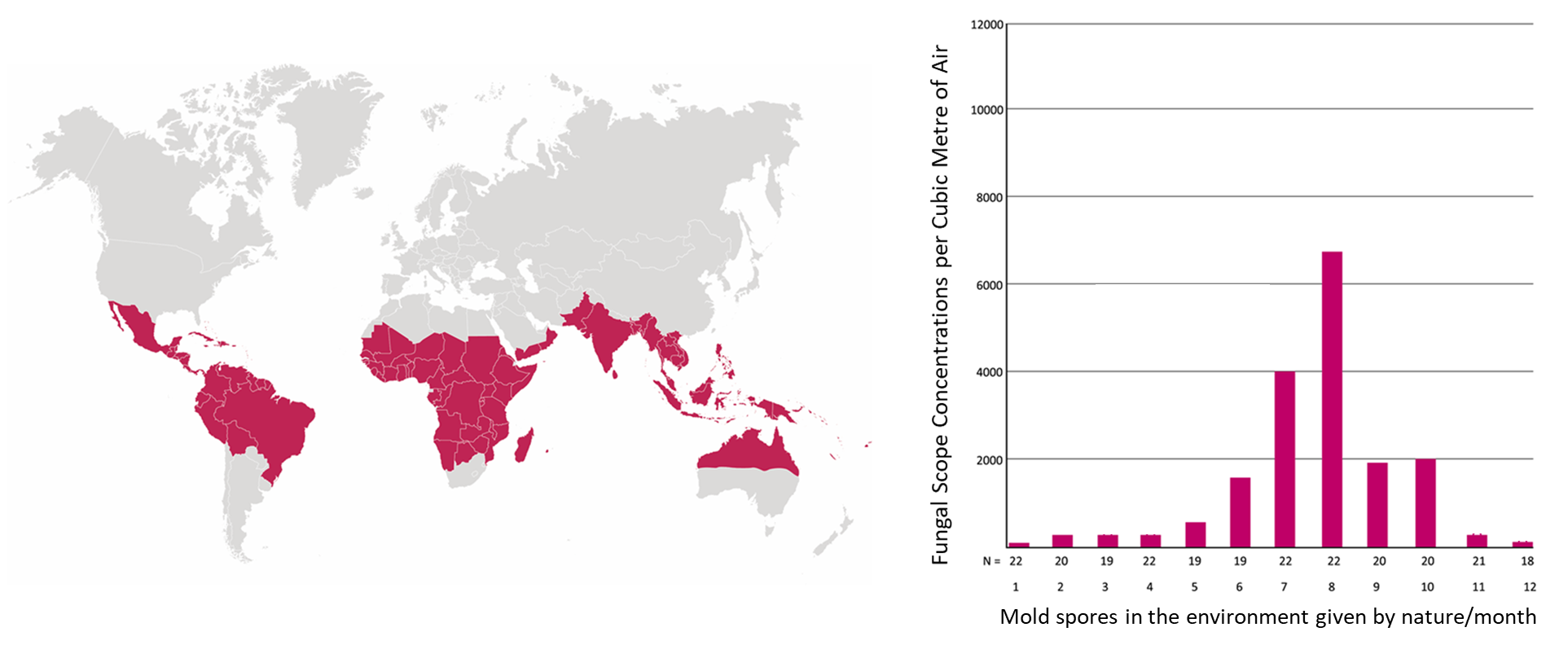
  • Climatic conditions (ex. countries with high temperature and humidity are ideal for mold growth)

Climatic Conditions in Some Countries Favor Mold Formation

Mold_conditions

Ideal conditions for mold formation: pH 5, Temperature (25 – 37 degrees), humidity (56 – 90% RH), 3-7 days growth period. Environmental conditions combined with mold spores naturally occurring  have a big impact on mold generation, making June to October critical months

Mold remains one of the unspoken issues of the supply chain. There are many factors to consider, but is mold an issue that can be prevented? The answer is yes. There are many solutions available to tackle the problem, and the earlier in the supply chain the problem can be addressed, the lower your chances of affecting your production.

API can support you in your mold prevention from the early stages of development. Our solutions include:

  • Technical audit: review of the whole factory at system level to evaluate general conditions leading to mold formation
  • Warehouse assessment: visual control and humidity measurements of warehouse conditions, storage and dispatch of goods, etc.
  • Training on mold formation: tailor-made training based on actual factory and warehouse processes
  • Testing and risk evaluation
  • Re-inspection of long-term stored raw materials, components or finished goods


Interested in learning more about how our mold prevention solutions can help prepare factories and suppliers avoid mold generation, even in the critical monsoon season?

Categories
Blogs

Sourcing Diversification: New Countries, New Risks

With the outbreak of COVID-19, it became clear for many companies that there was a need for diversification in their supply chain-sourcing base. Businesses worldwide have become dependent on China, but leaving the country is not an option for all of them. The trend of avoiding trade war-related tariffs that had already started a few months earlier is persisting and brings new options to the table.

Sourcing_overview

China’s advanced role in global manufacturing makes it almost irreplaceable in the short term. Although the diversification of manufacturing options mitigates the risk of one central point of production, the challenges of new developing sourcing locations are to be assessed within the development of a new sourcing strategy. Vietnam, India and Indonesia seem to be some of the preferred destinations for upper-end furniture goods, while Malaysia is typically targeted for promotional to lower-middle price wood and upholstery items. Other industries, such as toys and DIY, are also changing their focus to other sourcing locations, with India a top destination followed by other SEA countries such as Vietnam.

what are some of the challenges to keep in mind?

China has been an industrial superpower for the last decade, accounting in 2018 for 28% of global manufacturing output. The mature industrial setup developed by the manufacturing powerhouse is yet to be replicated by some of the new manufacturing countries. In many occasions, a shift or sourcing diversification is not supported with the addition of local teams on-site, which combined with the current travel restrictions, lack of knowledge of the local manufacturing practices, and the impossibility to replicate the systems already functioning in China due to its inadequacy with the local situation, increases the risk of compromising the production’s safety and quality.


68% of companies considering sourcing out of China think of product quality as the greater risk
(Source: PwC ‘Global Sourcing Shifting Strategies’ report)

Some of the main challenges of the new sourcing destinations include:

Lack of parts and components locally
As an example, the furniture industry may face shortages of some metals and stone when producing in Vietnam, limited access to some wood species and components in Indonesia, or inadequate access in India to some hardware.

Less globally qualified workforce
Although some areas benefit from a highly skilled workforce, some countries present challenges when compared with China’s mature market, such as more limited finishing capabilities or limitations when working with some materials.

Lack of traceability of process and engineering changes
Reduced visibility in terms of product development and adjustments in the manufacturing process increases the need for a more accurate and standardized manufacturing process when compared with China.

New setups and lack of previous experience
The new processes make it difficult for the local workforce to prevent inadequate factory practices and anticipate risks.

Systems not adjusted to real risks of quality and safety
Limited risk mitigation before design and production results in products of potentially lower quality, and longer lead times.


Specialized solutions, such as technical audits, can help mitigate these risks in addition to assessing new suppliers when shifting sourcing locations and helping to secure production.

A technical audit will allow you to identify whether the factory can correctly manage the supply chain and has an adequate setup to mitigate risks. A factory with good procedures, instructions, and a clear record will be more likely to run properly – even with a less experienced workforce – thus reducing the risk of product quality and safety.

Some of the common points checked during a technical audit will cover:

  • Quality management
  • Product development
  • Incoming quality control
  • Production process control
  • Finished product quality control
  • Resource management
  • Measuring and testing equipment control


Our Technical Solutions

At API, we support our clients in their relocation to new destinations, helping them assess their suppliers’ risk.

Our proven experience has strengthened our customers’ ‘out of China’ strategies, benefiting from our expertise and supply chain knowledge. For example, we supported one of our customers in the relocation of some of their furniture lines to India with a tailor-made program with eight key steps that allowed the brand to shift a significant part of its orders in less than six months.


“A tailor-made program with eight key steps allowed the brand to shift a significant part of its orders in less than six months”

Some of the critical points addressed were:

  • Identification of the local manufacturing specificities and inadequate factory practices
  • Product risk and quality improvement
  • Lead time improvement

Some of our solutions to support brands, retailers and manufacturers in their relocation to a new sourcing location include:

  • Technical Audits: Our technical audit solutions cover the critical points addressed by industry standards, and our expert approach combines product expertise and manufacturing knowledge.
  • Dedicated Local Support: A lack of local support from your own teams in a new sourcing location can be remedied with API’s Dedicated Local Technical Support Program. Benefiting from our experts’ support on-site will allow a smoother relocation and help maintain quality during production thanks to an adequate risk assessment, resulting in process amelioration and improved product quality.

Interested in learning more about how we can support you in shifting sourcing locations?

Categories
Blogs

Anticipating Toy Risks at the Early Stages of Development

The toy and children-related industries are responsible for guaranteeing the safety of their product categories to make ‘play safe’ for the little ones of the house. This presents the challenge of meeting stringent regulations while ensuring the timely delivery of finished goods that meet consumer expectations. A deeper focus on safety and compliance is already in place within most industry players, including manufacturers, importers and retailers. 

Despite global authorities and consumer associations putting the safety of vulnerable young consumers first, many risks and non-compliances are still uncovered. In Europe alone, toys were among the most notified products in 2018, representing 31% of the RAPEX alerts.

RAPEX_2018_categories
Source: RAPEX 2018 Annual Report

Many precautions can be taken to secure the supply chain and help reduce risks throughout the production process such as factory audits, in-line inspections or in-production assessments. But there are some measures that can be adopted even before production starts, allowing brands to anticipate risks, including:  

Toy / non-toy classification 

Although toy regulations in different countries give clear guidance on the classification of a product as a toy, there are some borderline products that are occasionally difficult to classify. In some specific cases it is necessary to evaluate additional criteria in order to classify a product as a toy. For example, in Europe, the Toy Safety Directive provides the following criteria: ‘Any product designed or intended whether or not exclusively for use in play by children under 14 years of age’. A similar definition is used in the USA in the standard ASTM F963: ‘toy- any object designed, manufactured, or marketed as a plaything for children under 14 years of age’.

The main difficulty here relates to the concept of ‘use in play’ or ‘plaything’. Most objects have a play value for children, but this does not mean they fall within the toy category. The ‘play value’ must be intended by the manufacturer and not as a result of the child’s preference for an object. If the manufacturer labels the product as a ‘non-toy’ it needs to be able to support this claim.

Adequate age recommendation and corresponding marking

This indicates the safety of a toy based on following capabilities:

  • Physical ability of the child to play with the toy
  • Mental ability of the child to know how to use the toy
  • Play needs and interests present at various levels of the child development
  • Safety aspects of a particular toy

Consumers rely on the age recommendation provided by the manufacturer on the toy’s packaging when choosing a product that will match the interests and the skills of the child. The age recommendation also plays an essential role in guaranteeing the child’s safety, ensuring they are not exposed to toys that are too small and that can present a choking hazard.

One frequent issue in the industry comes from an inadequate age recommendation that is usually found prior to shipment during a Pre-Shipment Test. Identifying this issue at the end of the production once all the packaging has been printed will require either the reproduction of all packaging or a ‘re-sticking’ of the adequate marking on all existing packaging. This results in additional cost as well as a delay in shipping.

Risk management on design or prototype

Identification of the possible risks regarding:

  • Choking
  • Falling or drowning
  • Suffocation and strangulation
  • Other injuries


Additional added value: Performance and fit-for-play

When bringing a toy to the market, it is not only important to consider its expected use but also to simulate the actual and potential use by the child. While regulatory requirements ensure safety standards are met, there is still a risk that young children will misuse the toy. Identifying such risks is possible when evaluating the product from a performance perspective using adapted, tested protocols that take safety one step further.

For example, a product not adapted to the size of the child can bring some additional risks despite the item being compliant. In the case of a mask for instance, if the product is too large for the child it will most likely obscure its vision when wearing it, thus resulting in an increased risk of accidents occurring.

Mask


How to anticipate these risks?

Relying on third-party expertise can help you anticipate these risks through support from the early stages of development. An adequate risk evaluation from the stages of product design and prototype can help you avoid ‘fail’ results in pre-production tests, or even worse, in pre-shipment tests. This early intervention will save you time and money.  

At API, our product and manufacturing expertise – acquired daily on-the-ground – allows us to identify and anticipate risks before they reach the production line. Our toy experts can guide and assess your teams from the design and prototype stages, helping you manage risks and make your products safer. We work closely with toy committees, staying abreast of changes in standards and regulations and receiving the latest news on the current areas of concern and hot industry topics.

Some of our preventive solutions for toys include:

  • Product Validation Report: Exhaustive report highlighting the specifications of the golden sample and flagging critical points that could represent a safety or quality risk. It includes an evaluation of the functionality and performance from an end-user perspective and in-depth evaluation of the toy marking.
  • Collection Review: Product review in showroom, allowing identification of risks and non-conformity of mechanical issues, and advice from our experts and recommendations on product amelioration.
  • Risk Assessment on design or prototype: Risk evaluation at the initial stages of development. It allows to identify critical points for improvement and to receive recommendations from our experts for increased product safety.
  • Marking verification: Review of regulatory marking and instruction manual adapted to the adequate age grade.
  • Recommendations on performance and fit-for-play: Adapted tailor-made protocols that simulate the toy utilization by a child.
  • Pre-production test

Talk to our experts to find the right solution for your needs in anticipating the risks in your toy production.

Categories
Blogs

Technical Compliance – API’s I-TCF solution

An end to spending hours gathering technical compliance documents, thanks to API’s I-TCF solution

Brands around the globe have an obligation to ensure their product’s compliance with its market destination standards and regulations. But guaranteeing the accuracy and validity of all documents proving your product’s conformity is an arduous task. Many factors weigh in the complex job of ensuring compliance:

  • Stricter regulation and increased picking in stores
  • Need for improved traceability and records
  • Large number of product references requiring time and technical staff…

Authorities scrutinize the non-compliance and associated risks of the products entering their markets, where stricter penalties have been imposed on products with incomplete and invalid documentation. In Europe alone, 2,257 alerts were sent in 2018 through the Rapid Alert System, with 4,050 follow-up actions.

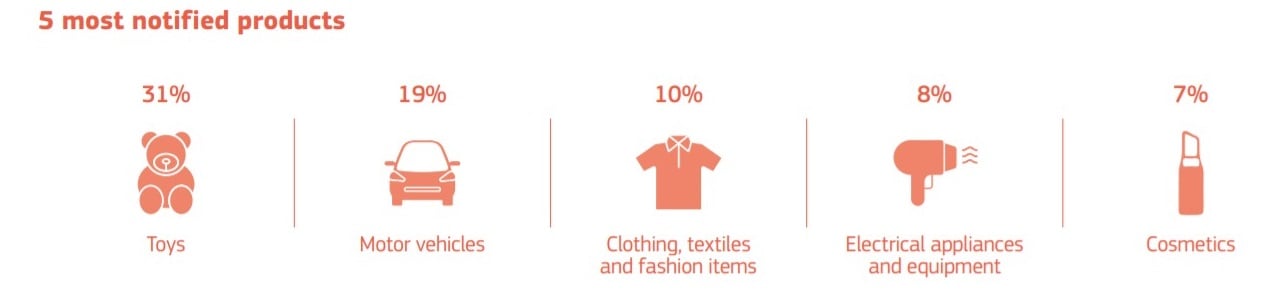
The 5 most notified products were:

Rapid Alert System - Technical Compliance - API's I-TCF solution

The 5 most notified risks:

Raid Alert System Technical Compliance - API's I-TCF solution

Source: EU Rapid Alert System for dangerous non-food products 2018 results

API can help your company comply with strict requirements and gather documentation demonstrating that compliance with our +15 years’ experience developing Product Integrity Technical Compliance File (I-TCF) solutions that:

  • Define the relevant scope of compliance
  • Collect and quickly validate high volume of documents
  • Have a proven track record of starting a program of 1,500 items in 8 weeks – average close time of 36 days

The I-TCF is a digital ID of your product and its proven compliance with the latest applicable standards and regulations, showing:

  • Applicable protocols
  • Document validation / rejection
  • Validity over the time

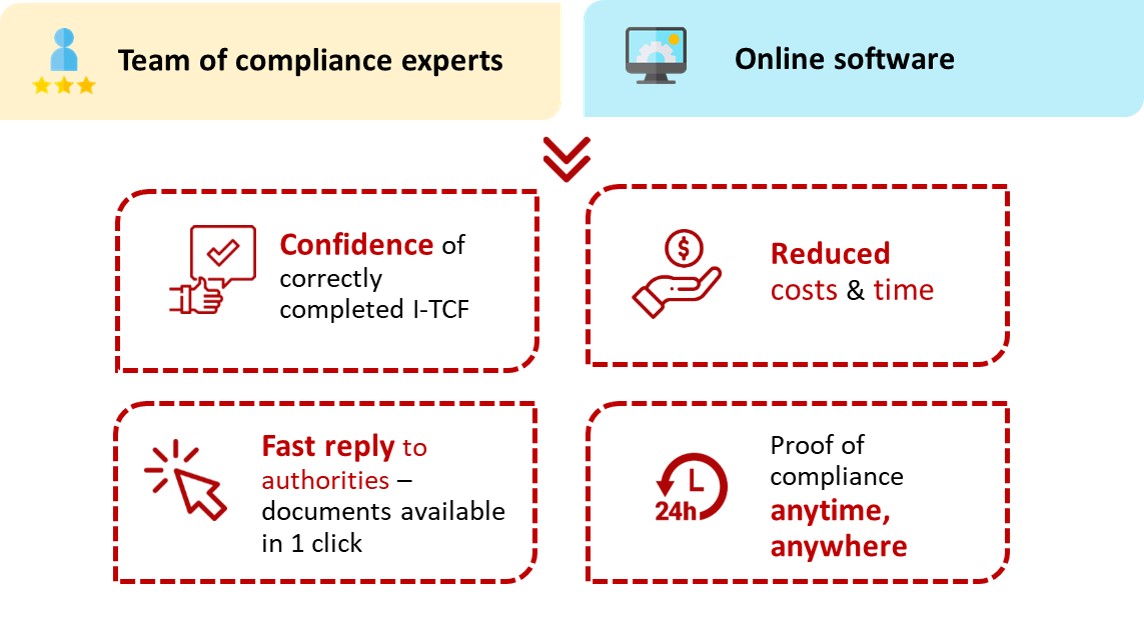
The benefits for your brand of API’s I-TCF solution?

Technical Compliance - API's I-TCF solution

Interested in finding our more about how our I-TCF solutions can help your brand?

Categories
Blogs

Share your Quality Challenges With Us at ICPHSO Dublin

We’ll be exhibiting at ICPHSO’s International Symposium 2019 in Dublin on 24-25 October, a two-day symposium for product safety stakeholders to learn, network and share information.

Are you also attending the event? Come and discuss your unsolved quality challenges with our team and gain insights from our customers’ technical success stories!

A client’s example:

Icphso 2019 
Share your Unsolved Quality Challenges With Our Team

Book your appointment to talk to our team!

Categories
Blogs

DIY & Home Improvement: Our 20+ Years’ Expertise

While the DIY and home improvement segment is growing at a considerable speed, brands and retailers face an increasing number of challenges. In addition to greater competition, diversification and the rise of e-commerce, market players must deal with the risks associated with production for a very large product range that still lacks harmonized and mandatory global standards. On the other side, consumers are expecting higher levels of product functionality and performance while maintaining the durability and safety of the products purchased.

With these factors in mind, at API we put at your disposal our 20+ years’ experience working with some of the industry’s top players. We can help you minimize risks and meet your consumers’ expectations with our in-depth quality solutions for DIY and tools covering all the stages of your supply chain.

Our solutions include:

https://campaign-image.com/zohocampaigns/180659000003544031_zc_v34_diy_solutions_api_aug.png

Interested in discussing your challenges with our experts?

Categories
Blogs

Audits for Supply Chain Sustainability and Transparency

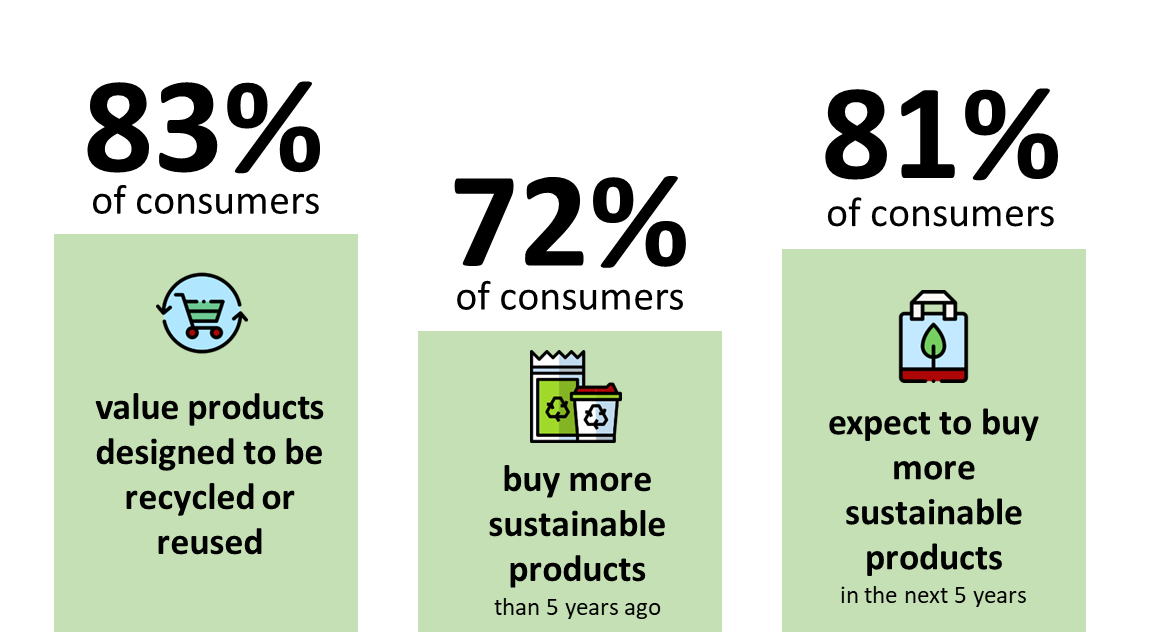
The supply chain is changing, with increasing consumer demand for sustainable products. Many large and small brands are struggling to adapt to this new demand for transparency at every stage of the product’s lifecycle: from the raw materials to the disposal or recycling at the end of the product’s life.

Sustainability is a key consideration influencing buying decisions together with quality, price, and health and safety:

Source: Accenture Survey April 2019 on 6,000 consumers in 11 countries
across North America, Europe and Asia
Source: Accenture Survey April 2019 on 6,000 consumers in 11 countries across North America, Europe and Asia

Source: Accenture Survey April 2019 on 6,000 consumers in 11 countries
across North America, Europe and Asia

At API we can help you truly evaluate, verify and improve the environmental impact of your factories and processes to allow you to provide additional transparency to your consumers. Our team has more than a decade of experience in supply chain environmental sustainability across various products categories and a deep understanding of the different industry initiatives. We are, for example, one of the companies able to refer to the Higg Index* to provide verification and training solutions. We are uniquely positioned to understand the manufacturing process and its challenges thanks to our specialists being on the ground at the factories in real time.

We can support you from scratch in evaluating your supply chain with globally accredited assessment audit checklists or API’s tailor-made environmental audits checklists. Our personalized service, which follows API’s comprehensive environmental checklist and adapted corrective action plans, includes wide-ranging areas of assessment:

  • Environmental Management Systems (EMS)
  • Energy & Green House Gas Emissions (GHG)
  • Water consumption
  • Waste Water / Effluent Treatment
  • Emissions to air
  • Hazardous waste management
  • Hazardous chemical management

Interested in learning more about our environmental audit solutions?

en_USEnglish