Production competitiveness has become so high in countries like China that suppliers often find ways to cut corners in order to save costs, often putting the quality and safety of your toys, and their extremely vulnerable user base, in jeopardy. When it comes to upholding product safety and compliance, no other consumer goods product is more highly regulated than toys. However, despite stringent requirements and mandatory safety toy testing around the world, unsafe children’s products continue to reach the market today.
As recent as 2017, many importers of the popular ‘fidget spinners’ were found to be selling products in the US that contained alarmingly high levels of mercury and lead leading to mass product recalls and damaged brand reputations.
Non-compliance in the toy industry present a myriad of dangers for brands that can lead to heavy financial losses, unnecessary recalls, and a damaged reputation. It’s reasons like these that quality managers constantly live in fear of quality issues with toys, but it doesn’t have to be this way with strict compliance regulations and proper toy testing procedures.
Improving Your Existing Toy Quality Assurance Processes
As a quality manager who is responsible for producing toys you know that where quality is concerned the stakes are sky-high.
You need to know that toys adhere to the demands of every test they might face when being exported globally to markets with different demands.
At API, our quality inspectors and laboratories follow a comprehensive set of 8 toy quality testing steps (built through decades of experience) that helps quality managers effectively manage quality right from the outset.
This article will take a brief look at
the global toy testing standards themselves, and the step by step procedures API follows to help minimise the risk of quality issues sneaking through and danger of recalls happening, as well as protecting your supply chain and ensuring customer safety and satisfaction.
API’s 8 Step Toy Quality Assurance Process
Click here to watch our comprehensive toy testing process video
1. Preventing Mechanical Risks In The Design Stage
Product Design Specification (PDS) serves as the guideline for understanding the various problems identified early on in the design stage. Possibilities need to be investigated and filtered through various criteria laid out in the PDS to be set forth as practical, viable solutions that require further evaluation.
Through comprehensive design evaluation and hazard assessments, API help you identify potentially dangerous design features and mechanical risks from the outset, helping you save on costly redesign and engineering resources related to product modification, and more serious quality and safety issues later down the line.
Furthermore, the evaluation also helps to identify all of the necessary tests that you would need to submit your product to.
2. Preventing Toxic Risks With Raw Materials Testing

Raw material quality control is paramount in helping to prevent product failure and ensuring a consistent level of quality that you and your customers expect.
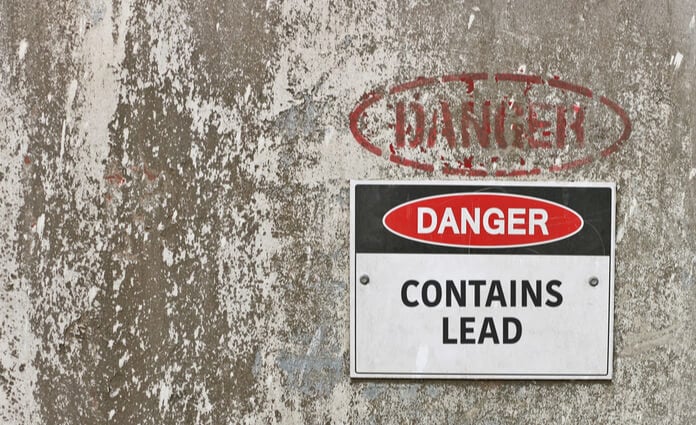
Making sure that players in your supply chain are continuously subjected to testing of raw materials being used in your toy production, or when they decide to switch suppliers, verifies that the materials are at the level of quality you’re paying for and that no toxic elements such as lead and cadmium finding their way into your finished product.
Complying with chemical restrictions in raw materials laid out by the EU and US chemical content regulations such as REACH,
EN71 and CPSIA starts with chemical testing.
API’s laboratories help to identify toxic elements that can aid you in defining a list of approved materials to be used in the toy production process early on, ensuring your products comply with the limits set for safe use now and into the future.
3. Evaluating Toy Safety Before Mass-Production Through Prototype Testing
The practical solutions and tests identified in the design evaluation stage are embodied in the form of a prototype. The aesthetics, functionality, mechanical aspects, as well as the potential manufacturing issues are all considered, and these aspects need to be thoroughly tested.
API’s technical experts are part of technical committees that discuss and write standards for toys, and can ensure you are up to date on the latest developments and discussions on regulation before new regulations are officially published.
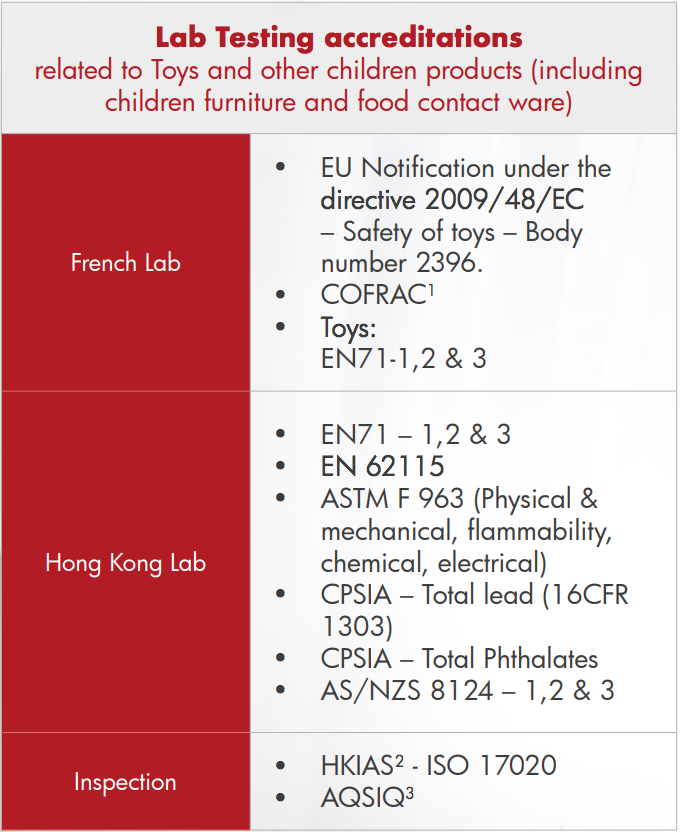
API’s Hong Kong Laboratory is accredited by HOKLAS to perform laboratory testing for the European, American and Australasian markets.
The three main areas of testing are:
1) ‘Mechanical and Physical Properties’
- Drop Test
- Compression Test
- Torque Test
- Tension Test
- Flexure Test
- Bite Test
2) ‘Flammability’
- Conducted on toys to examine their flammability characteristics
3) ‘Restricted Substances – Chemical Testing’
- Lead content test
- Cadmium content test
- Phthalate content test
- Other applicable chemical tests
Prototype testing helps to identify the shortcomings of initial toy design and how they will hold up in real use case scenarios.
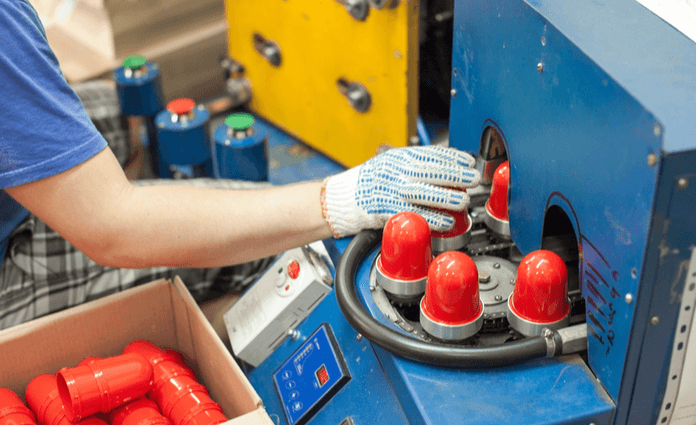
Evaluate your Factory
Perform a quality management audit with specific points related to toys, such as ensuring that sharp tool equipment and a broken needle policy has been used and properly calibrated. It is also important to ensure that your factory has also established traceability system for identification and tracking materials through production.
Through this testing process, API helps you to further refine the product design and remove any obstacles that may detract from the original concept by making it safer for use, and ultimately, preventing the need for costly recalls well before the products hit the production line. On top of this testing process, API are also entitled to issue certificates of conformity as a ‘Notified Body’.
4. Ensuring Compliance Through All Inclusive Compliance Software
Whether your brand is directly or indirectly affected by Directive 2009/48/EC, it is of vital importance to ensure the collection and gathering of all the necessary technical documentation needed from your manufacturer to demonstrate the conformity of the product to the applicable requirements of the TSD.
It is up to your product manufacturer to draw up this technical documentation, or request it from relevant parties, and keep it and the EC declaration of conformity for a period of 10 years after the toy has been placed on the market.
It is up to you as the importer to ensure that the manufacturer fulfills this duty, that the toy bears the required conformity marking, and is accompanied by the required technical documents. These documents must be made available to national surveillance authorities upon request for the same period of time to demonstrate conformity of the toy.
Technical documentation to be drawn up and collected must be presented in one of the official languages in the EU and shall include:
1. Description of the design and manufacture
2. List of components and materials
3. Safety data sheets
4. Safety assessments
5. Conformity assessment procedure
6. EC declaration of conformity
7. Addresses of manufacture and storage
8. Documents submitted to a Notified Body
9. Test reports
10. Conformity of series production details
11. EC-type examination details
12. Conformity of series production details
Today, many manufacturers, importers and retailers are still operating on outdated systems like collecting multiple spreadsheets and files, leading to unreliable data and outdated documentation, which creates an almost insurmountable task of trying to accurately trace and maintain the information for each product reference.
API’s Technical Compliance File (TCF) solution is a one process procedure that consists of
5 steps to ensure total product compliance:
1. Expert intervention to define the scope of compliance
2. Document collection
3. Document review
4. TCF report issuance
5. Record keeping and database integration (all available online 24/7)
A solution like this promises increased visibility and transparency into your supply chain that will prove invaluable to optimizing your current quality systems, allowing you the time to mitigate any potential quality risks as and when they become apparent.
5. Monitoring Production Consistency With DUPRO/Inline Inspection
The production line is inspected when at least 25% of the order has been completed. The DUPRO verifies that initial discrepancies found out during an Initial Production Check (IPC) have been rectified.
Each stage of the assembly process will be analysed and samples of the goods in progress will be collected and checked. This means that any impending problem can be identified on-site and addressed at the very stage where it is occurring.
By
checking unfinished products during production and assessing if AQL standards are being met, API assures that corrective actions can be taken in order to assure the quality of your toys moving forward.
6. Checking and Classifying Non-Conformities Right Before Shipping
API conduct both
Final Random Inspections and Loading Check inspections to ensure your products conform and that they are being shipped in a safe and secure manner.
Final Random Inspection
A FRI (Final Random Inspection) is basically an acceptance sampling inspection performed prior to shipment. The Sampling is derived from the inspection level requested in accordance with MIL-STD-105E (ISO2859-1). API is also certified HKIAS which endorses third-party inspection based on an in-house procedure.
The sampled goods are then checked piece by piece and the non-conformities found, if any, will be classified into three categories (critical, major and minor).
The selection of an AQL (Acceptable Quality Level) per type of non-conformities will determine the acceptance or rejection of the goods.
Sample Collection For Lab Testing
Products randomly picked from mass production for pre-shipment testing which can occur in DuPro or FRI. The test checks the alignment of product quality from mass production and pre-production.
Pre-shipment Testing
The aim of pre-shipment testing is to verify the consistency of the production quality with a focus on critical aspects of the toys, without having to perform the full test again.
API provides tailor-made testing solutions based on client requirements to ensure quality is maintained at this stage of the process.
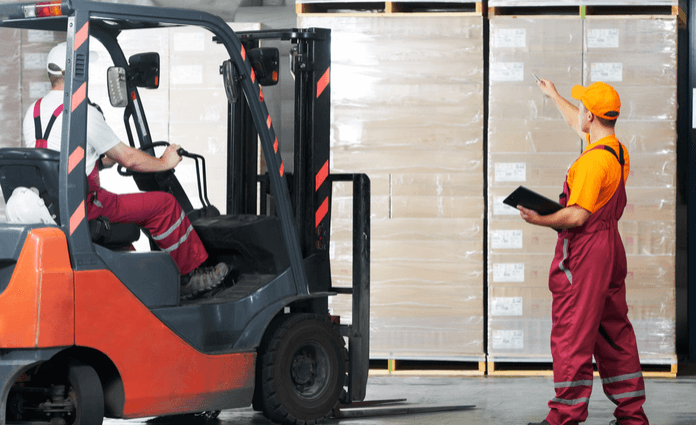
Loading Check Inspections
The loading check serves as a way to control container quantity and to adequately manage stuffing arrangement.
API performs inspections of packed goods as they are being loaded into the shipping container to ensure the correct products are loaded, in a secure and safe manner.
7. Taking Quality Assurance Full Cycle With Reorders and Random Sampling
Sample collection for testing during the reorder process is a concept of a highly effective continuous quality improvement monitoring program, helping you determine the frequency of testing per supplier performance.
This policy sends a clear message to suppliers that you’re watching their product quality closely, and that any unauthorized product/material change is strictly prohibited, and at the same time encourages them to improve.
8. Business Intelligence Tools
In order to the determine the frequency of sampling per factory, you’ll need a comprehensive vendor scorecard. API have developed its own platform for you that records quality data of each factory’s test and defect levels during inspection.
It also provides you with a comprehensive data analysis on factory performance across your own suppliers and across others in our database that you may not currently be working with. The database record does not simply include just the pass or failure of the product test/ inspection, but also a record and classification of each defect.
Through this database we’re able to point out top defects recorded per factory and compare your own suppliers against others in the industry.



 Both of these retailers experienced significant challenges within their supply chains, one had even previously adopted the services of a 3rd party QA provider, who made no strides in overcoming their challenges with them.
 More often than not performing an inspection after the production of toys is finished is problematic and too late to rectify any quality problems found within the product.
Enter During Production Inspection (DUPRO).
This inspection type is designed to catch quality issues right on the production line to prevent any delays in getting your product to market.
More often than not performing an inspection after the production of toys is finished is problematic and too late to rectify any quality problems found within the product.
Enter During Production Inspection (DUPRO).
This inspection type is designed to catch quality issues right on the production line to prevent any delays in getting your product to market.

 The quality of a product can be defined in many ways and is almost always dependent on your specific consumer and their definition of quality for your specific item. So in that light, you will need to know exactly what your consumer is looking for to create the quality your brand is looking to achieve.
When a consumer sets out to look for a quality product, they want to feel as though they have paid less than what the actual product is worth, the quality of the product far surpassing the amount they ended up paying. Fulfilling the need to exceed the consumer’s expectations, this is what true quality is all about.
If fulfilling the need to meet your consumer’s expectations is at the top of your company’s agenda, is it not essential for your brand’s products to meet a level of quality that does just that? Let me leave you pondering that for a bit.
In attempting to understand your customer’s definition of quality, it will be important to note that fulfilling consumer expectation and experience forms a part of that definition.
Let me give you an example; If a consumer orders a product that has met and passed all quality tests it needed to meet, that product for all intents and purposes is a quality item. But, if the order arrives later than promised or arrives with a missing screw or the incorrect color, the consumer may not define this product as an item of value and quality.
Striving for product quality is a stems right from the raw materials used, to the way in which it arrives to your customer, therefore every step needs to be taken into consideration.
The quality of a product can be defined in many ways and is almost always dependent on your specific consumer and their definition of quality for your specific item. So in that light, you will need to know exactly what your consumer is looking for to create the quality your brand is looking to achieve.
When a consumer sets out to look for a quality product, they want to feel as though they have paid less than what the actual product is worth, the quality of the product far surpassing the amount they ended up paying. Fulfilling the need to exceed the consumer’s expectations, this is what true quality is all about.
If fulfilling the need to meet your consumer’s expectations is at the top of your company’s agenda, is it not essential for your brand’s products to meet a level of quality that does just that? Let me leave you pondering that for a bit.
In attempting to understand your customer’s definition of quality, it will be important to note that fulfilling consumer expectation and experience forms a part of that definition.
Let me give you an example; If a consumer orders a product that has met and passed all quality tests it needed to meet, that product for all intents and purposes is a quality item. But, if the order arrives later than promised or arrives with a missing screw or the incorrect color, the consumer may not define this product as an item of value and quality.
Striving for product quality is a stems right from the raw materials used, to the way in which it arrives to your customer, therefore every step needs to be taken into consideration.
 craze of fidget spinners and, where 200, 000 of these spinners have been recalled due to it
  they want to know where its raw materials were sourced, how it was made, who made it and what its level of quality is. They ask themselves whether or not your product will be an investment in their lives.
The key here will be to know your target market, know your consumer. If you do not know what they want, you will struggle to be their go-to brand; you will lose out on their brand evangelism and praise affecting your bottom line
“Is this the type of brand and product you wish to create?”
Retailers today are under so much pressure with the current supply and demand of products, that quality and/or compliance is not always a priority.
“But, it should be!”
Bad quality and non-compliance both mean that your brand is at an unnecessarily high risk with regards to meeting regulations and your reputation. It will be worth all the hard yards that you put in from the creation and design to the manufacturing and distribution of your products. This will help mitigate unnecessary risk, saving you money and precious time.
they want to know where its raw materials were sourced, how it was made, who made it and what its level of quality is. They ask themselves whether or not your product will be an investment in their lives.
The key here will be to know your target market, know your consumer. If you do not know what they want, you will struggle to be their go-to brand; you will lose out on their brand evangelism and praise affecting your bottom line
“Is this the type of brand and product you wish to create?”
Retailers today are under so much pressure with the current supply and demand of products, that quality and/or compliance is not always a priority.
“But, it should be!”
Bad quality and non-compliance both mean that your brand is at an unnecessarily high risk with regards to meeting regulations and your reputation. It will be worth all the hard yards that you put in from the creation and design to the manufacturing and distribution of your products. This will help mitigate unnecessary risk, saving you money and precious time.

 A POA is essential for filling out shippers exportation documents. This exportation document cannot be completed without a valid POA. Without it, your shipment will not be released, costing you time and money.
“So, what happens when one of these documents are not in order?”
You incur costs that begin adding up on a daily basis. Your shipment will be warehoused, where you will be billed for every day your shipment is there. It will be time consuming. Much of the paperwork mentioned above takes time to complete, but now you will be waiting on paperwork while raking up warehouse fees. This is not an ideal situation but can be avoided with thorough, well-kept, organized paperwork and a dash of patience to go along with it.
A POA is essential for filling out shippers exportation documents. This exportation document cannot be completed without a valid POA. Without it, your shipment will not be released, costing you time and money.
“So, what happens when one of these documents are not in order?”
You incur costs that begin adding up on a daily basis. Your shipment will be warehoused, where you will be billed for every day your shipment is there. It will be time consuming. Much of the paperwork mentioned above takes time to complete, but now you will be waiting on paperwork while raking up warehouse fees. This is not an ideal situation but can be avoided with thorough, well-kept, organized paperwork and a dash of patience to go along with it.
 will provide an easier platform to discuss these matters in-depth, with absolute understanding and clarity. Personally I find Zoom a favorite for all conference calling, it has helped me stay in touch with a lot more ease than just relying on email.
Now that we have spoken about the means of communication, we need to address the frequency and manner of communication.
“How often do you phone your supplier to just talk about basic business operations?”
The more constant the flow of communication is, the more you will begin to get to know your supplier, and where your business sits in the grander scheme of their operations (and how much they stand to lose if they make mistakes).
This level of trust that you begin to build with your supplier will help to keep them honest and accountable if you happen to receive a delivery of products that are non compliant.
This kind of communication provides clarity and indicates to your supplier that you trust them to fix the problem to achieve the level of compliance that your company has set as the standard.
will provide an easier platform to discuss these matters in-depth, with absolute understanding and clarity. Personally I find Zoom a favorite for all conference calling, it has helped me stay in touch with a lot more ease than just relying on email.
Now that we have spoken about the means of communication, we need to address the frequency and manner of communication.
“How often do you phone your supplier to just talk about basic business operations?”
The more constant the flow of communication is, the more you will begin to get to know your supplier, and where your business sits in the grander scheme of their operations (and how much they stand to lose if they make mistakes).
This level of trust that you begin to build with your supplier will help to keep them honest and accountable if you happen to receive a delivery of products that are non compliant.
This kind of communication provides clarity and indicates to your supplier that you trust them to fix the problem to achieve the level of compliance that your company has set as the standard.
 importers that do not pay on time so as to avoid those kinds of risks for themselves in the future.
What is advisable with regards to payment is ensuring that you have laid out all your payment terms with your supplier. In doing this you create a level of transparency with your supplier which can prove to be invaluable.
If you have been in this position before, as I am sure you have, I would say that the best practice here would be the same as tip #1;
Communication
You need to communicate your situation immediately, creating an honest and open relationship with your supplier which will put you in good stead for future orders.
importers that do not pay on time so as to avoid those kinds of risks for themselves in the future.
What is advisable with regards to payment is ensuring that you have laid out all your payment terms with your supplier. In doing this you create a level of transparency with your supplier which can prove to be invaluable.
If you have been in this position before, as I am sure you have, I would say that the best practice here would be the same as tip #1;
Communication
You need to communicate your situation immediately, creating an honest and open relationship with your supplier which will put you in good stead for future orders.
 This knowledge creates an improvement in their service to you as operational times and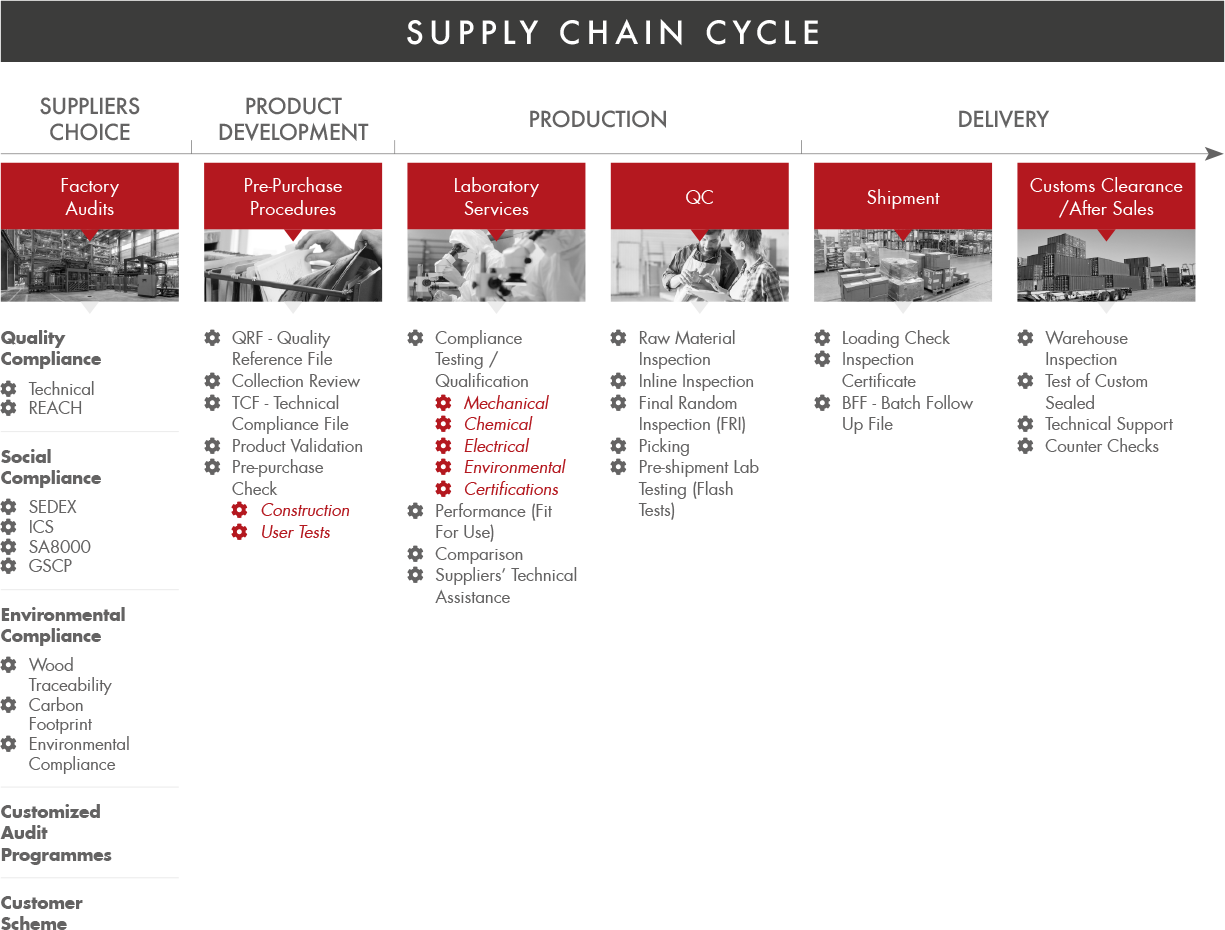
 To minimise the possibility of heavy metal migration in toy manufacturing, the EU has tightened the regulations of toy quality control. Testing according to the revised EN71-3 standard includes 19 elements and the migration limits have been revised. The update has divided toys into three categories: