


How does one go about skipping on lengthy delays, dodging product recalls and potentially damaging brand reputation that is brought on by furniture quality issues before it’s too late?
Importing furniture from South-East Asia is as attractive, if not more, than any other market in the world, but the logistics, compliance, and potential communication challenges it presents does little to guarantee that the standards of quality for your destination market will be met.
In this blog post, we seek to outline what you can do to ensure that your furniture reaches you at its highest level of quality, ultimately, to give your brand the competitive advantage it deserves.
.png "Furniture inspection - DUPRO")
 A DUPRO inspection could assess some of these critical points at the right moment before the production was completed. DUPRO could focus on finished products, evaluate production status and quality system implemented on the production line.
In many cases, a couch or piece of furniture is inspected before the entire purchase order has been completed. This type of inspection means that any problem that has come about should be identified early on and will, therefore, be addressed on site.
Your DUPRO inspection report needs to be inclusive of any and all quality issues that were found during the production process. No issue is too small to include.
A DUPRO inspection could assess some of these critical points at the right moment before the production was completed. DUPRO could focus on finished products, evaluate production status and quality system implemented on the production line.
In many cases, a couch or piece of furniture is inspected before the entire purchase order has been completed. This type of inspection means that any problem that has come about should be identified early on and will, therefore, be addressed on site.
Your DUPRO inspection report needs to be inclusive of any and all quality issues that were found during the production process. No issue is too small to include.
 It is at this point that you will need to re-communicate your products specifications to begin addressing those furniture items with “pending” status.
Sourcing in Asia is not without communication and language barriers. You can look to overcome these barriers by using a neutral third party quality provider who has the expertise in your sourcing area. Having boots on the ground will ensure that your product specifications are communicated correctly and clearly.
It is at this point that you will need to re-communicate your products specifications to begin addressing those furniture items with “pending” status.
Sourcing in Asia is not without communication and language barriers. You can look to overcome these barriers by using a neutral third party quality provider who has the expertise in your sourcing area. Having boots on the ground will ensure that your product specifications are communicated correctly and clearly.
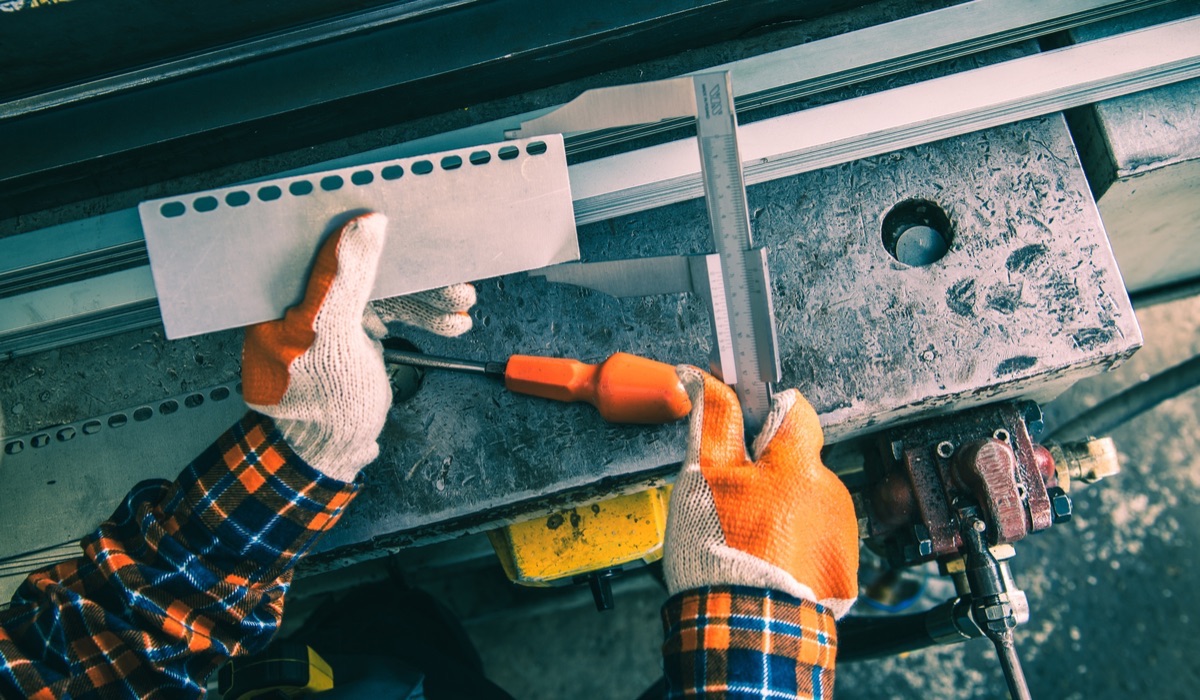 A random furniture sample will be selected at this point, where they will each be checked one by one to inspect whether or not they meet the following;
Have you determined your DCL (defect classification list)?
This is often a step that is an afterthought, but classifying this, in the beginning, will help to clarify the meaning of your furniture inspection report. This is the most widely used defect category;- Critical defect Un défaut critique est un défaut qui, selon le jugement et l’expérience, est susceptible de :
- entraîner des conditions dangereuses ou non sûres pour les utilisateurs, lors de l’utilisation, de l’entretien ou selon l’usage prévu des produits ; ou
- empêcher la fonction essentielle d’un élément majeur. Un défaut critique est une unité de produit contenant un ou plusieurs défauts critiques.
- Major defect – A major defect is one, that is likely to result in failure, or to reduce the usability of the product for its intended purpose.
- Minor defect – A minor defect is one that is not likely to reduce the usability of the product for its intended purpose, or is a departure from established standards having little bearing on the effective or operation of the product.
DUPRO (During Production Inspection) to help resolve your furniture quality issues early on
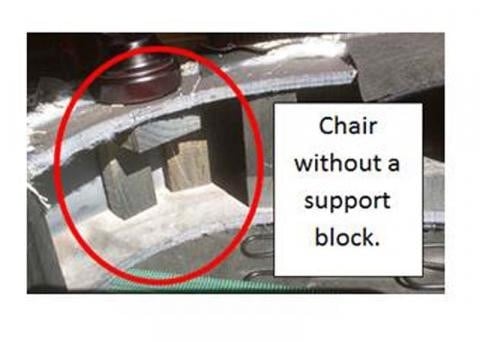
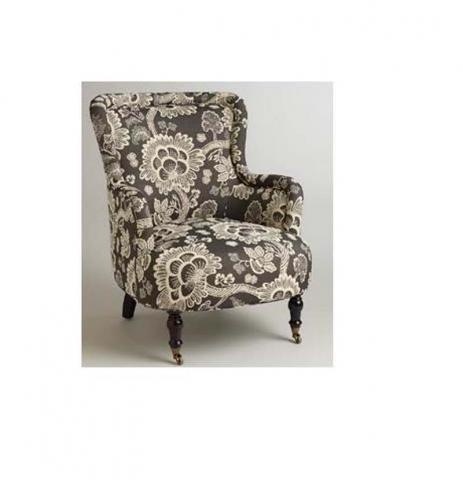
This is often a critical stage in ensuring that your final piece of furniture will reach its expected level of quality. Referring to the below, 2700 chairs were recalled because of fall hazards that were due to the breaking or bending of the leg. The CPSC found that structural frame of the upholstery chairs was missing a support block to the leg this was against original design.
Such as this upholstery chair, you would never check the structure frame inside visually after it is wrapped by fabric when the production was completed.
A DUPRO inspection could assess some of these critical points at the right moment before the production was completed. DUPRO could focus on finished products, evaluate production status and quality system implemented on the production line.
In many cases, a couch or piece of furniture is inspected before the entire purchase order has been completed. This type of inspection means that any problem that has come about should be identified early on and will, therefore, be addressed on site.
Your DUPRO inspection report needs to be inclusive of any and all quality issues that were found during the production process. No issue is too small to include.
Update your furniture specifications, based on the DUPRO feedback
Upon receiving your DUPRO furniture inspection report, you will need to go through every step of the report thoroughly. Look at what “pending” results there may be. You should have a strategy in place on how you address these “pending” quality issues.
It is at this point that you will need to re-communicate your products specifications to begin addressing those furniture items with “pending” status.
Sourcing in Asia is not without communication and language barriers. You can look to overcome these barriers by using a neutral third party quality provider who has the expertise in your sourcing area. Having boots on the ground will ensure that your product specifications are communicated correctly and clearly.
Do a root cause analysis as a preventative measure going forward
It is important to note that a root cause analysis should not be a once off thing that you implement in the odd major defective production case. You should have an RCA strategy of exactly how you will handle defective furniture products with your supplier. Don’t have an RCA strategy? Follow the steps I’ve outline below to help you;- Problem Recognition and Definition – Acknowledge and define what your furniture’s production problem is.
- Identify the causes – Go through the process of cause identification. The trick here is to not spend too much time brainstorming or mind mapping. This needn’t be a time-consuming aspect of the RCA.
- Identify solutions – Based on your cause identification you will need to identify the best possible solutions to addressing the problem so that it does not happen again.
- Implement the solutions – If your furniture’s quality was compromised on the production line, you would need to begin implementing the solutions that you were able to identify to prevent any future occurrences of this. The solution needs to be one that optimizes and betters your operational processes. If the proposed solution does not accomplish this, you may need to repeat the above steps to ensure you come up with something that will.
A FRI (Final Random Inspection) is based on sampling inspections
An FRI is a pre-shipment inspection of a small sample of your furniture. This inspection type is used to determine any quality defects that may have come from the production process.
A random furniture sample will be selected at this point, where they will each be checked one by one to inspect whether or not they meet the following;
- Does it meet all of the product specifications as laid out by you?
- How many visual defects are there?
- What onsite tests need to be done?
Key Takeaways
The steps as laid out above should be planned and strategized over for each product category that you source. The benefits of the above inspection types;- They allow you to detect quality issues early on.
- A step-by-step analysis of the root cause of the problem which allows you to make sure this problem doesn’t recur.
- They allow room for re-communication of product specifications.


 A social compliance audit can be difficult to attain, but is an absolute necessity for that transparent supply chain your consumers today are demanding.
A social compliance audit ensures that a factory and its practices are abiding by all local laws and that you meet all of the social obligations as set out by the guidelines of the audit, from fair wages to no instances of child labor in a factory.
In this blog post, I will outline the exact procedure of this audit, the benefits it offers to your consumer electronics brand and how you can go about conducting this audit for yourself.
So, let’s dive in…
A social compliance audit can be difficult to attain, but is an absolute necessity for that transparent supply chain your consumers today are demanding.
A social compliance audit ensures that a factory and its practices are abiding by all local laws and that you meet all of the social obligations as set out by the guidelines of the audit, from fair wages to no instances of child labor in a factory.
In this blog post, I will outline the exact procedure of this audit, the benefits it offers to your consumer electronics brand and how you can go about conducting this audit for yourself.
So, let’s dive in…
 Document reviews – Auditors will check all the documentation of the supplier to determine the presence of any possible child labour, an all too common violation within the consumer electronics industry. They also assess whether there are any violations of extended working hours and wages. They will also look into what types of social insurance are available to workers and review any fire and safety documentation, which will help to determine whether or not any safety precautions or plans are in place. They will also inspect whether or not there is any environmental monitoring being done and, if so, how it is conducted.
Employee interviews – The auditors conduct interviews with the factory in question staff, where they ask them about their working hours, overtime, and about their holiday/leave time. Auditors also like to cross check these statements by interviewing factory management to ensure there are no discrepancies. This helps to clarify whether there are any instances of abuse or misconduct between staff and management. In the case of a re-audit these interviews will then be conducted again to ensure improvement plans are being implemented properly.
Closing meeting with audit status – This meeting reveals the audit results of your CE factory and also makes suggestion for improvements. If you use
Document reviews – Auditors will check all the documentation of the supplier to determine the presence of any possible child labour, an all too common violation within the consumer electronics industry. They also assess whether there are any violations of extended working hours and wages. They will also look into what types of social insurance are available to workers and review any fire and safety documentation, which will help to determine whether or not any safety precautions or plans are in place. They will also inspect whether or not there is any environmental monitoring being done and, if so, how it is conducted.
Employee interviews – The auditors conduct interviews with the factory in question staff, where they ask them about their working hours, overtime, and about their holiday/leave time. Auditors also like to cross check these statements by interviewing factory management to ensure there are no discrepancies. This helps to clarify whether there are any instances of abuse or misconduct between staff and management. In the case of a re-audit these interviews will then be conducted again to ensure improvement plans are being implemented properly.
Closing meeting with audit status – This meeting reveals the audit results of your CE factory and also makes suggestion for improvements. If you use 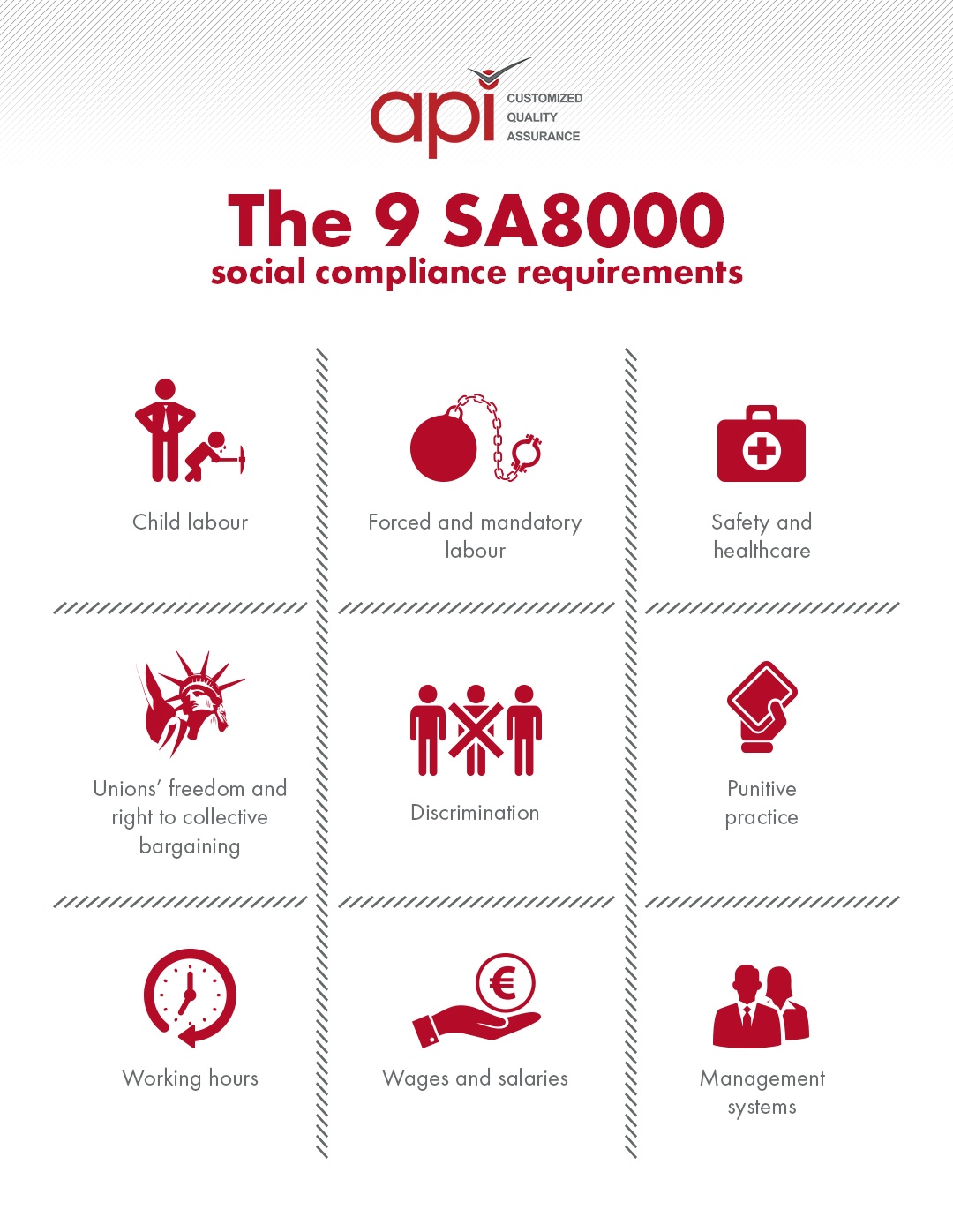 In understanding the ethical compliance standards as laid out above, you are able to make informed decisions about the suppliers you choose to use in the manufacturing of your electrical products.

 It turns out that
  Many organizations do not have the extensive geographical networks that larger retailers have.
Therefore your internal staff ends up spending a lot of time traveling for quality control inspections, with not enough time spent focusing on the quality of a product. This often slows down production processes, with a longer eventual time to market.
If we take the Fidget Spinner example into consideration, what is the likelihood of your in-house team being aware of that noncompliance before it hit the market.
Think about it.
An occurrence such as the above puts your brand at an unnecessary risk, with the potential for bad publicity and a major loss in sales.
Can your organization afford this?
Many organizations do not have the extensive geographical networks that larger retailers have.
Therefore your internal staff ends up spending a lot of time traveling for quality control inspections, with not enough time spent focusing on the quality of a product. This often slows down production processes, with a longer eventual time to market.
If we take the Fidget Spinner example into consideration, what is the likelihood of your in-house team being aware of that noncompliance before it hit the market.
Think about it.
An occurrence such as the above puts your brand at an unnecessary risk, with the potential for bad publicity and a major loss in sales.
Can your organization afford this?
 Some testing equipment may be unique to a specific product or if there is an update in testing procedures to be inclusive of recent changes in regulation.
Often external providers are able to provide technical solutions based on the above specifications, along with teams that are well versed in new testing procedures.
External providers will often send their inspectors on training to familiarize themselves with new equipment and testing procedures to ensure a high quality service is offered with a minimum product recall rate.
For third party quality providers it is a priority to be up to date with the latest trends and developments in your industry along with the best practices that you should be following.
This kind of knowledge and expertise can be leveraged to your competitive advantage.
Some testing equipment may be unique to a specific product or if there is an update in testing procedures to be inclusive of recent changes in regulation.
Often external providers are able to provide technical solutions based on the above specifications, along with teams that are well versed in new testing procedures.
External providers will often send their inspectors on training to familiarize themselves with new equipment and testing procedures to ensure a high quality service is offered with a minimum product recall rate.
For third party quality providers it is a priority to be up to date with the latest trends and developments in your industry along with the best practices that you should be following.
This kind of knowledge and expertise can be leveraged to your competitive advantage.
 your product.
Add all of this together, and you begin to see higher profit margins and the ability in which you can meet your products supply and demand will also have grown, creating that desired competitive advantage.
Let’s take a brief look at the Technical Compliance File solution;
This is a compliance solution that allows you reliable and accurate insights into your compliance processes.
It is offered through a web-based platform and is a
your product.
Add all of this together, and you begin to see higher profit margins and the ability in which you can meet your products supply and demand will also have grown, creating that desired competitive advantage.
Let’s take a brief look at the Technical Compliance File solution;
This is a compliance solution that allows you reliable and accurate insights into your compliance processes.
It is offered through a web-based platform and is a  Inspection reports are essential in getting shipments released from customs. It will be up to the retailer alongside your quality provider to set up a report rating guideline.
This report rating guideline forms a baseline of automation which reduces the amount of manual changes after the reports review. The manual reviewing of these reports slow down the auto shipment processes immensely and this entire process becomes less meaningful.
An external quality provider will be able to provide you with industry knowledge and best practices relating to rating reports. You will also be able customize your rating reports according to your product needs.
Once this report rating has been created, your quality provider can utilize their technical systems to send daily reports to both the client and your chosen cargo company. This creates a much clearer and faster release process for both you and the cargo company.
The mountain of paperwork from import licenses to full inspection reports, they have it down to a tee, enabling a streamlined, efficient process for your organization.
Inspection reports are essential in getting shipments released from customs. It will be up to the retailer alongside your quality provider to set up a report rating guideline.
This report rating guideline forms a baseline of automation which reduces the amount of manual changes after the reports review. The manual reviewing of these reports slow down the auto shipment processes immensely and this entire process becomes less meaningful.
An external quality provider will be able to provide you with industry knowledge and best practices relating to rating reports. You will also be able customize your rating reports according to your product needs.
Once this report rating has been created, your quality provider can utilize their technical systems to send daily reports to both the client and your chosen cargo company. This creates a much clearer and faster release process for both you and the cargo company.
The mountain of paperwork from import licenses to full inspection reports, they have it down to a tee, enabling a streamlined, efficient process for your organization.
 Traditionally an inhouse team often releases inspection reports as and when they receive them causing major delays, this is often due to in-house QC teams needing to travel extensively, which means they don’t have enough time to make the approvals that are needed for the shipments to be released in a timely manner.
Not to sound repetitive, but to have an in-house team that has the capacity to manage the logistics involved with shipping would be a dream, no doubt, but getting through customs safely stems from being efficient in all the other points I’ve made above.
In-house teams without the right amount of time, resources and technical expertise will struggle to cope with issues that could have otherwise been prevented.
So here’s the deal…
Managing quality is a complex system that needs 100% of your attention and focus.
Are you able to dedicate that kind of time and resource to ensuring just that?
This is a question that many often do not want to answer, but the reality is that you often cannot afford the time and resource that goes into creating fully optimized quality systems that can produce high-quality products for your brand and on time.
So, what then?
It might be worth considering hiring an external third party quality provider that can give you the time and resources that you need to streamline your supply chain operations.
A third party quality provider is able to provide you with;
* The latest in product regulation
* Technical expertise
* They have the appropriate technology to streamline your operations
* They have the know how on how to navigate the waters of international logistics for your brand.
This will give you room to begin focusing on what you are good at; producing those high-quality products and creating a level of trust with your consumer that is globally competitive.
Have experienced working with third party quality inspection services?
Traditionally an inhouse team often releases inspection reports as and when they receive them causing major delays, this is often due to in-house QC teams needing to travel extensively, which means they don’t have enough time to make the approvals that are needed for the shipments to be released in a timely manner.
Not to sound repetitive, but to have an in-house team that has the capacity to manage the logistics involved with shipping would be a dream, no doubt, but getting through customs safely stems from being efficient in all the other points I’ve made above.
In-house teams without the right amount of time, resources and technical expertise will struggle to cope with issues that could have otherwise been prevented.
So here’s the deal…
Managing quality is a complex system that needs 100% of your attention and focus.
Are you able to dedicate that kind of time and resource to ensuring just that?
This is a question that many often do not want to answer, but the reality is that you often cannot afford the time and resource that goes into creating fully optimized quality systems that can produce high-quality products for your brand and on time.
So, what then?
It might be worth considering hiring an external third party quality provider that can give you the time and resources that you need to streamline your supply chain operations.
A third party quality provider is able to provide you with;
* The latest in product regulation
* Technical expertise
* They have the appropriate technology to streamline your operations
* They have the know how on how to navigate the waters of international logistics for your brand.
This will give you room to begin focusing on what you are good at; producing those high-quality products and creating a level of trust with your consumer that is globally competitive.
Have experienced working with third party quality inspection services?  Product specification can look anything like your products dimensions, the volume, it’s weight, the color and any specific labeling that it may need to meet regulation.
In your specifications you need to ensure that you are as specific as you can possibly be, from specific color palettes to the maximum weight of an electric blender. The more specific you are, the easier it will be for your supplier to meet your specifications.
These specifications will also provide your supplier’s quality control team with a standard/guide to monitor the production of the item appropriately.
This is where the
Product specification can look anything like your products dimensions, the volume, it’s weight, the color and any specific labeling that it may need to meet regulation.
In your specifications you need to ensure that you are as specific as you can possibly be, from specific color palettes to the maximum weight of an electric blender. The more specific you are, the easier it will be for your supplier to meet your specifications.
These specifications will also provide your supplier’s quality control team with a standard/guide to monitor the production of the item appropriately.
This is where the 
 A laptop’s battery overheating that when unattended whilst charging can cause fires would be classified as a critical defect.
 Therefore an important question you should be asking your supplier before all this is, how they will go about preventing any quality issues that may arise during your operation?
Understanding how your supplier handles quality pressures and compliance procedures will help define what kind of relationship you have with them.
Before mass production, your supplier needs to provide you with a
Therefore an important question you should be asking your supplier before all this is, how they will go about preventing any quality issues that may arise during your operation?
Understanding how your supplier handles quality pressures and compliance procedures will help define what kind of relationship you have with them.
Before mass production, your supplier needs to provide you with a .jpg)
 is also a dedicated IT team to ensuring the safety of the software and only API employees are allowed to make modifications to the platform.
 Both of these retailers experienced significant challenges within their supply chains, one had even previously adopted the services of a 3rd party QA provider, who made no strides in overcoming their challenges with them.
 The quality of a product can be defined in many ways and is almost always dependent on your specific consumer and their definition of quality for your specific item. So in that light, you will need to know exactly what your consumer is looking for to create the quality your brand is looking to achieve.
When a consumer sets out to look for a quality product, they want to feel as though they have paid less than what the actual product is worth, the quality of the product far surpassing the amount they ended up paying. Fulfilling the need to exceed the consumer’s expectations, this is what true quality is all about.
If fulfilling the need to meet your consumer’s expectations is at the top of your company’s agenda, is it not essential for your brand’s products to meet a level of quality that does just that? Let me leave you pondering that for a bit.
In attempting to understand your customer’s definition of quality, it will be important to note that fulfilling consumer expectation and experience forms a part of that definition.
Let me give you an example; If a consumer orders a product that has met and passed all quality tests it needed to meet, that product for all intents and purposes is a quality item. But, if the order arrives later than promised or arrives with a missing screw or the incorrect color, the consumer may not define this product as an item of value and quality.
Striving for product quality is a stems right from the raw materials used, to the way in which it arrives to your customer, therefore every step needs to be taken into consideration.
The quality of a product can be defined in many ways and is almost always dependent on your specific consumer and their definition of quality for your specific item. So in that light, you will need to know exactly what your consumer is looking for to create the quality your brand is looking to achieve.
When a consumer sets out to look for a quality product, they want to feel as though they have paid less than what the actual product is worth, the quality of the product far surpassing the amount they ended up paying. Fulfilling the need to exceed the consumer’s expectations, this is what true quality is all about.
If fulfilling the need to meet your consumer’s expectations is at the top of your company’s agenda, is it not essential for your brand’s products to meet a level of quality that does just that? Let me leave you pondering that for a bit.
In attempting to understand your customer’s definition of quality, it will be important to note that fulfilling consumer expectation and experience forms a part of that definition.
Let me give you an example; If a consumer orders a product that has met and passed all quality tests it needed to meet, that product for all intents and purposes is a quality item. But, if the order arrives later than promised or arrives with a missing screw or the incorrect color, the consumer may not define this product as an item of value and quality.
Striving for product quality is a stems right from the raw materials used, to the way in which it arrives to your customer, therefore every step needs to be taken into consideration.
 craze of fidget spinners and, where 200, 000 of these spinners have been recalled due to it
  they want to know where its raw materials were sourced, how it was made, who made it and what its level of quality is. They ask themselves whether or not your product will be an investment in their lives.
The key here will be to know your target market, know your consumer. If you do not know what they want, you will struggle to be their go-to brand; you will lose out on their brand evangelism and praise affecting your bottom line
“Is this the type of brand and product you wish to create?”
Retailers today are under so much pressure with the current supply and demand of products, that quality and/or compliance is not always a priority.
“But, it should be!”
Bad quality and non-compliance both mean that your brand is at an unnecessarily high risk with regards to meeting regulations and your reputation. It will be worth all the hard yards that you put in from the creation and design to the manufacturing and distribution of your products. This will help mitigate unnecessary risk, saving you money and precious time.
they want to know where its raw materials were sourced, how it was made, who made it and what its level of quality is. They ask themselves whether or not your product will be an investment in their lives.
The key here will be to know your target market, know your consumer. If you do not know what they want, you will struggle to be their go-to brand; you will lose out on their brand evangelism and praise affecting your bottom line
“Is this the type of brand and product you wish to create?”
Retailers today are under so much pressure with the current supply and demand of products, that quality and/or compliance is not always a priority.
“But, it should be!”
Bad quality and non-compliance both mean that your brand is at an unnecessarily high risk with regards to meeting regulations and your reputation. It will be worth all the hard yards that you put in from the creation and design to the manufacturing and distribution of your products. This will help mitigate unnecessary risk, saving you money and precious time.

 A POA is essential for filling out shippers exportation documents. This exportation document cannot be completed without a valid POA. Without it, your shipment will not be released, costing you time and money.
“So, what happens when one of these documents are not in order?”
You incur costs that begin adding up on a daily basis. Your shipment will be warehoused, where you will be billed for every day your shipment is there. It will be time consuming. Much of the paperwork mentioned above takes time to complete, but now you will be waiting on paperwork while raking up warehouse fees. This is not an ideal situation but can be avoided with thorough, well-kept, organized paperwork and a dash of patience to go along with it.
A POA is essential for filling out shippers exportation documents. This exportation document cannot be completed without a valid POA. Without it, your shipment will not be released, costing you time and money.
“So, what happens when one of these documents are not in order?”
You incur costs that begin adding up on a daily basis. Your shipment will be warehoused, where you will be billed for every day your shipment is there. It will be time consuming. Much of the paperwork mentioned above takes time to complete, but now you will be waiting on paperwork while raking up warehouse fees. This is not an ideal situation but can be avoided with thorough, well-kept, organized paperwork and a dash of patience to go along with it.


