Avoid Compliance Issues With Our Quality Assurance Solutions

Catégories
Blogs

Avoid Compliance Issues With Our Quality Assurance Solutions

Quality Assurance is essential to the efficient operating systems of your supply chain and, ultimately, your brand’s bottom line. But, the question is how often do you get caught up in procedural changes that leave your supply chain trapped in a web of complexities that you are unable to get out of or make sense of?

As a retailer, you know better than anyone that these complexities come with the territory of managing a supply chain, with the continuous changes in product regulation and compliance issues, to audit and inspection essentials, to also being able to get your product to market on time, having sufficiently passed all the compliance and quality inspections necessary.

Quality Assurance solutions.jpg

At this stage, you have either considered revising all of your operational procedures to encompass all the changes that need to be adhered to, or you have likely considered a third party QA provider. The thing to keep in mind here is that you are not alone. The web of complexities that have you entangled can be dealt with efficiently and according to your exact specification.

“What do I mean?”

Our case study takes a closer look at the QA challenges that two large European retailers were facing, and delves into exactly how they overcame this through API’s uniquely devised QA solutions.


The Challenges

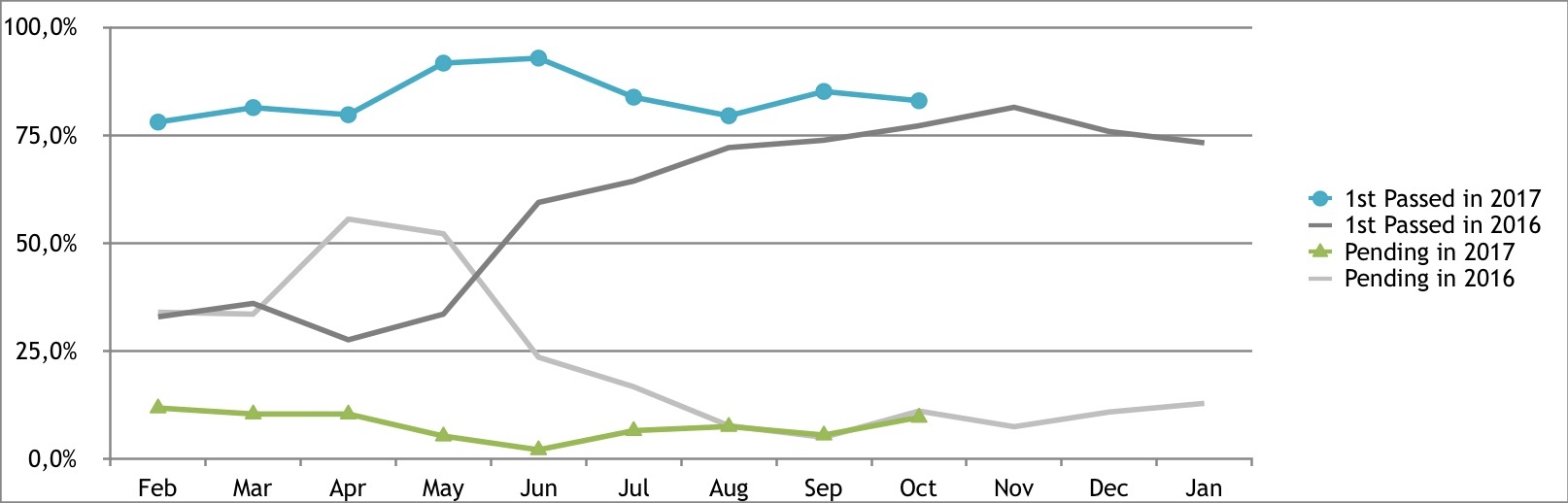
Retailer A – Underwent major procedural changes and experienced 50% of their shipment being held due to basic procedural non-compliance rendering them “pending”.

“I am sure you are aware of how this can put huge pressure on your supply chain and bottom line.”

Retailer B – Began experiencing a large number of product recalls due to incomplete or unavailable Technical Compliance Files.

If you have had experience with the authorities, then you know exactly how complex acquiring a full and complete TCF is!


The Solutions

Retailer A – After implementing a customized quality management program, they were able to reduce their “pending” rate for non-compliance from 50% to 15%.

Retailer B – In a year they experienced a 60% decrease in the number of product recalls they had, owing to API’s in-house designed compliance software.

customized quality assurance solutions and compliance issuesBoth of these retailers experienced significant challenges within their supply chains, one had even previously adopted the services of a 3rd party QA provider, who made no strides in overcoming their challenges with them.

“There is no one size fits all approach to QA.”

Keep this in mind when you begin pondering over the use of an external QA provider.

This case study seeks to showcase the huge value in using a provider that is able to customize and tailor their quality assurance solutions based on your exact needs and requirements. This provides valuable insights into your supply chain allowing you to identify risks early, but also create somewhat of a partnership with your provider, based on trust and a quantifiable solution promoting growth and sustainability for your brand. 

Catégories
Blogs

Quality Vs Compliance – The Case For Supply Chain Synergy

The age old debate of quality vs compliance or compliance over quality is something that we still wrestle with today. By defining what these concepts mean, we can start to paint a picture of why one may take precedence over the other in your eyes: Quality – This specifically refers to the ability of a product or service to consistently meet and exceed customer expectation from its design to its functionality. Compliance – This specifically refers to whether or not your product meets specific product compliance regulations so as to be responsibly bought or consumed by a customer. Now, depending on your brand’s positioning and goals, you will likely be placing value on one over the other, putting your brand at unnecessarily high risks that can result in avoidable costs for you. “Does it really have to be one over the other?”  When quality and compliance are able to strike a harmonious balance within your supply chain, you create operational efficiencies that are able to create opportunities for growth in the marketplace, something your brand can benefit from by setting you at a bench mark above the rest In this blog post, we seek to uncover the importance of both quality and compliance and the benefits they have to manufacturers, suppliers and retailers all over the world, ultimately taking a closer look at what the perfect union of these two concepts can mean for you.

The case for quality

When one speaks of the quality of a product from a manufacturing perspective, it refers to the external review of a product. It seeks to satisfy consumers through its quality with regards to design, functionality, durability and aesthetic appeal. Quality vs compliance - aesthetic furnitureThe quality of a product can be defined in many ways and is almost always dependent on your specific consumer and their definition of quality for your specific item. So in that light, you will need to know exactly what your consumer is looking for to create the quality your brand is looking to achieve. When a consumer sets out to look for a quality product, they want to feel as though they have paid less than what the actual product is worth, the quality of the product far surpassing the amount they ended up paying. Fulfilling the need to exceed the consumer’s expectations, this is what true quality is all about. If fulfilling the need to meet your consumer’s expectations is at the top of your company’s agenda, is it not essential for your brand’s products to meet a level of quality that does just that? Let me leave you pondering that for a bit. In attempting to understand your customer’s definition of quality, it will be important to note that fulfilling consumer expectation and experience forms a part of that definition. Let me give you an example; If a consumer orders a product that has met and passed all quality tests it needed to meet, that product for all intents and purposes is a quality item. But, if the order arrives later than promised or arrives with a missing screw or the incorrect color, the consumer may not define this product as an item of value and quality. Striving for product quality is a stems right from the raw materials used, to the way in which it arrives to your customer, therefore every step needs to be taken into consideration.

The case for compliance

When a brand takes on compliance, it seeks to meet the minimum regulatory requirements specific to a product or item sold to a retailer. This may mean that although the product is not of the highest quality, it at least meets the minimum mandatory regulation requirements specific to it. Depending on your product’s destination market, it will likely need to comply with one or more of the following; * Product safety regulations * Substance regulations * Document requirements * Labeling requirements * Testing requirements You do not have to comply with all of these; as it will depend very much on your product and the market that it needs to enter. The importance of compliance is highlighted none the better than with the recent global Quality vs Compliance - Fidget Spinnerscraze of fidget spinners and, where 200, 000 of these spinners have been recalled due to it massive non-compliance failures. Many of these items that are being imported have been found to be non-compliant with the regulatory requirements specific to its markets. This is becoming a big problem as they have also proven to be a danger to children as the small parts they are made out of can and are causing serious harm. Where the confusion sets in, is that a product is capable of being compliant, but also not be the best quality product. The opposite is also true; you can have a quality item that does not meet all the regulatory requirements either. An issue like this can often arise within your supply chain whether it be in the design process, or even within the manufacturing process. This can create a high level of risk for your brand, and could land you in a position you do not want to be in.
The case for supply chain synergy

So as the debate goes, we seek to uncover the myth that quality supersedes compliance and vice versa. They need to work together, hand-in-hand, where they can create true value for your brand through optimized quality procedures from your factory to the consumers. Striving for compliance means to create operational efficiency for your supply chain. This means continuous improvements for your brand and its systems. These improvements can take the form of a compliance program which will begin to address the quality procedures (operationally and product quality) of your entire supply chain. The improvement of these systems will mean that you reduce your exposure to risk and also create a more visible and transparent supply chain, which consumers today base their buying decisions on. Always keep this in mind. A compliance program will also extend into the manner in which you select your supplier and evaluate the factory that your product will ultimately be made in. Ensuring that your supply chain is compliant will mean that you are essentially creating quality operating systems. Quality operating systems will mean that the product you produce is being made in the most optimal environment. A well-functioning environment where quality and compliance is a part of every operating system will flow into the very essence of your product, making consumers want to purchase your product at a price that they feel is undervalued for an item of such great quality Today’s consumer is empowered with access and knowledge into your product and your supply chain;Quality vs Compliance they want to know where its raw materials were sourced, how it was made, who made it and what its level of quality is. They ask themselves whether or not your product will be an investment in their lives. The key here will be to know your target market, know your consumer. If you do not know what they want, you will struggle to be their go-to brand; you will lose out on their brand evangelism and praise affecting your bottom line “Is this the type of brand and product you wish to create?” Retailers today are under so much pressure with the current supply and demand of products, that quality and/or compliance is not always a priority. “But, it should be!” Bad quality and non-compliance both mean that your brand is at an unnecessarily high risk with regards to meeting regulations and your reputation. It will be worth all the hard yards that you put in from the creation and design to the manufacturing and distribution of your products. This will help mitigate unnecessary risk, saving you money and precious time.


Conclusion

These two concepts can be integrated into your supply chain through a Quality Management System – “QMS is a set of policies, processes and procedures required for planning and execution of a product or service.” This should help you create a structured system for continuous improvements that can be made to all areas of your supply chain and its operations. Today’s empowered consumers show us just how important both quality and compliance are for your products and brand. It will be important to make these a priority in order to maintain that globally competitive advantage. If you are interested in learning how to build a compliance program that also addresses product compliance within your supply chain take a look at the eBook we wrote on how to go about doing just that.

Get started with your very own compliance program today!

Click here to begin

Catégories
Blogs

Shipment Stuck In Customs? 7 Steps To Avoid Import Delays

As a professional importer, a dreaded shipment delay is likely something that keeps you up all night and keeps you pacing the office all day. Then the day arrives! You get the call you’ve been waiting for alerting you that your shipment has arrived, and suddenly, your worst nightmare becomes a reality… Your goods are stuck in customs! Tackling customs is a bureaucratic nightmare most importers have had to deal with one time or another, and it’s something that if not dealt with quickly could spell a host of problems you’d much rather not have to deal with at all. What if you could avoid import delays all together? It’s all about the preparation of your import documentation. In this blog post, I want to provide you with a 7 step checklist that will help you navigate customs without a hitch or hassle in sight. We will take a look at the documentation that needs to be filled in correctly from start to finish, so you can say goodbye to your shipment stuck in customs for good! “So, what is the process?”

#1 An import license

Ensure that you have applied for an import license. You will not be able to ship your goods without this license. It specifies your permission to bring a certain amount of goods into a specific country and is only valid for a certain period of time. A top tip would be to create a file to keep all your import and shipping documents in one place. This may seem obvious, but with the mountain of paperwork that begins to pile up, it becomes easy to lose a document, which could result in a costly and time-consuming delay that could have been avoided with just a little bit of organization on your part.

Shipment stuck in customs - customs declaration

#2 An import declaration

This document is to merely state your intention as an importer to bring valid goods into a specific country. You need this document to verify you, as an importer, and to verify your goods in your destination country.

#3 Your invoice needs to be all inclusive

Your invoice needs to match your actual shipment. While this may seem like an obvious thing, it is often overlooked and can cause havoc during your customs clearance. An all inclusive invoice can look something like this:
  • Country of origin
  • Destination country
  • Name, surname, all possible contact information of both supplier and importer
  • In some cases, a Tax Id number will need to be provided
  • Payment method will all reference numbers and dates
  • Quantity of shipment
  • Total price of shipment
  • Total weight of shipment
  • A full description with the common naming of each item you are importing – I will touch base on this in my next point.
“Wait, there’s more…”

#4 Classification of goods

When classifying your goods for import, you need to be as in depth and detailed as possible with regards to each item that you are shipping. This classification of your goods will create a smoother process for the customs official, which will in turn ensure a faster turn around time for your shipment.

#5 Declaration of conformity

In many countries importers are in need of preparing a declaration of conformity; “What is a declaration of conformity?” “This is an official document confirming that the product was manufactured (as well as developed) in full compliance with all applicable requirements in place and technical rules that are described in certain Technical Regulations of Customs Union.” As an importer you will need to be aware of the specific regulations that your product needs to comply with in order to know which certification you need.

# 6 POA – Not a plan of action, a Power Of Attorney

Stcuk in customs - POAA POA is essential for filling out shippers exportation documents. This exportation document cannot be completed without a valid POA. Without it, your shipment will not be released, costing you time and money. “So, what happens when one of these documents are not in order?” You incur costs that begin adding up on a daily basis. Your shipment will be warehoused, where you will be billed for every day your shipment is there. It will be time consuming. Much of the paperwork mentioned above takes time to complete, but now you will be waiting on paperwork while raking up warehouse fees. This is not an ideal situation but can be avoided with thorough, well-kept, organized paperwork and a dash of patience to go along with it.

#7 Do use a customs agency

If you think that managing large orders on your own is something that you are willing to put all of your efforts and time into, then, by all means, go ahead. But my advice would be to use a customs agency. A customs agency has the expertise and knowledge to ensure that all the right paper work, permits, licensing and classifications are in order, so as to relieve yourself of those dreaded moments of hearing that your shipment is stuck in customs due to incorrect paperwork. They are also familiar with regulations and compliance standards that need to be met, that are also specific to your desired location and specific to your product.

Takeaways

Your documentation is absolutely crucial to a smooth customs experience. Nip customs issues in the bud by:
  • keeping all of your import documentation in one place
  • ensuring you have the right documentation that is specific to your product and destination country’s regulations
  • being clear in your classification of each and every item you are importing
  • not under valuing your product. If there is just a whiff of under valued items your shipment will be flagged, and you will get stuck unnecessarily which will prove to be a much more costly exercise for you
With these actionable steps, some sharpening of your organizational skills, and a bit of patience, you can begin to systematically tackle the paperwork that will see you through the import process.

compliance challenges?

Start building your own compliance program today – Click on the image below to get your free copy!

Catégories
Blogs

Improve Product Compliance with Good Supplier Relationships

When it comes down to accurately communicating quality expectations, importer/supplier relationships matter. The way importers of old dealt with their suppliers has indeed come a long way from the humble medium of email correspondence. Expectations were simply laid out, and promises were made of securing the lowest possible cost per unit and a compliant product, delivered in the fastest possible time. The distant nature of the entire process meant that importers were often kept in the dark when the pressure of an increase in the demand of products hit. The factory often suffered setbacks and compromised on all of their promises purely to maintain the relationship, as long as the quota was met and the order was sent out. Fact is, working within the confines of a relationship like this was high risk. Luckily, times have changed, technology has advanced and smart importers have learned to bring their suppliers a lot closer into the fold from the very beginning. This type of engagement creates an open platform where expectations are communicated and agreed upon clearly, so that each partner can meet the needs of the other, and hold each other accountable when things go awry. With the current volatility of global markets and increased amount of product recalls we are seeing, building a mutually beneficial relationship with your supplier to ensure product compliance has never been as important as it is today. In this post we will share 3 tips to help you ensure improved product compliance by showing you how you can (and should) be building good supplier relationships for your brand today. #1 IMPROVED PRODUCT COMPLIANCE STARTS WITH COMMUNICATION As an importer you will have likely experienced the challenges of communication with your supplier, whether it be a language barrier or simply them not keeping you in the loop. What you may not have come to realize is that the manner in which you communicate with your supplier may be a part of your struggle. “So how will you communicate? Email?” Whilst this platform forms the basis of almost all business related matters with its easy access, it is a platform that keeps us somewhat at arm’s length and often misunderstandings happen, creating a back and forth flurry of emails that becomes incredibly difficult to keep track of, creating more confusion than any kind of clarity. “If not email, then what?” There are a host of other professional communication tools that you can use to your advantage, but before we dive into what those tools are, let’s get old school… Pick up the telephone. As obvious as it may sound, a personal call will go a long way to helping clear up any and all confusion at once, freeing up your inbox and allowing your thoughts and expectations to be understood more clearly. Now, just jumping on the phone with no clear direction will not be a good use of your time, or your supplier’s time. Prepare a list of questions that you may have to address any misgivings you may have. This will save you both time and provide clarity going forward. Let’s take a look at some of the communication tools that are out there that can begin aiding a communicative relationship between you and your supplier;

Skype -This is an online messaging application that also has video and voice chat services.

Zoom – This application provides convenient video conferencing services for any meetings that you want to include your supplier in on.

Whatsapp -A mobile application that allows for instant messaging and in-app calling.

When it comes to clearing up product specifications, you may find that the above toolsGood supplier relationships - Clear communication will provide an easier platform to discuss these matters in-depth, with absolute understanding and clarity. Personally I find Zoom a favorite for all conference calling, it has helped me stay in touch with a lot more ease than just relying on email. Now that we have spoken about the means of communication, we need to address the frequency and manner of communication. “How often do you phone your supplier to just talk about basic business operations?” The more constant the flow of communication is, the more you will begin to get to know your supplier, and where your business sits in the grander scheme of their operations (and how much they stand to lose if they make mistakes). This level of trust that you begin to build with your supplier will help to keep them honest and accountable if you happen to receive a delivery of products that are non compliant. This kind of communication provides clarity and indicates to your supplier that you trust them to fix the problem to achieve the level of compliance that your company has set as the standard.

#2 IMPROVED PRODUCT COMPLIANCE STARTS WITH AGREEABLE PAYMENT TERMS (AND STICKING TO THEM)

Cash flow that affects the bottom line is a very real struggle. The margins for many suppliers is always very thin. So when you do not pay, it puts your supplier in a really difficult position, and not only for you (and how they treat your order of products), but for their other customers too. This kind of behavior will break any form of trust. Suppliers will often take a note of Good supplier relationships - clear payment termsimporters that do not pay on time so as to avoid those kinds of risks for themselves in the future. What is advisable with regards to payment is ensuring that you have laid out all your payment terms with your supplier. In doing this you create a level of transparency with your supplier which can prove to be invaluable. If you have been in this position before, as I am sure you have, I would say that the best practice here would be the same as tip #1; Communication You need to communicate your situation immediately, creating an honest and open relationship with your supplier which will put you in good stead for future orders.

#3 IMPROVED PRODUCT COMPLIANCE STARTS WITH SETTING CLEAR GOALS AND EXPECTATIONS

Ensure that your goals are clearly communicated upfront. This can be done in the initial meeting with a potential supplier if you are able to visit their factory, or via correspondence. You should draw up a document stating your expectations from the get-go, along with a set of achievable goals that need to be reached. A document like this will also need to be clear about the level of product and supply chain compliances that need to be achieved.

This goes for your supplier as well. They too will have expectations of you. Write these down to ensure absolute clarity between both parties.

The longer you work with a supplier, the more familiar they become with the way in which you prefer to operate. Good supplier relationships - goal setting This knowledge creates an improvement in their service to you as operational times and quality procedures are improved accordingly. If any issues arise, your supplier will also be able to handle them more effectively, and continue to stay in line with your brand’s compliance standards. While these tips may seem overly obvious, if you can perfect them you will be well on your way to building a strong, healthy supplier relationship that will have far-reaching benefits for you; from improved delivery times to high quality compliant products for your brand. This is only some of what you can do to begin aiding a trustworthy long-term supplier relationship.
Conclusion

Creating a high level of compliance and transparency has become crucial to business success. Today, consumers are more concerned and aware of where their products come from and the manner in which they were made than they ever were. Better importer/supplier collaboration helps foster growth for your brand as your products are able to get to the market faster, and represent the quality you promise your customers. Your supplier will also begin to firmly recognize the importance of your business, and start to take real ownership of the end products and their quality. “How has creating a good supplier relationship been of benefit to creating a compliant, transparent supply chain for you, and if it hasn’t, why do you think so? Let me know your thoughts in the comments section below.

Is compliance a challenge for you?

CLICK  BELOW to Build a compliance program

unique to your needs today

Catégories
Blogs

Hardgoods Industry: Environmental Legislation & Standards

The global expansion of the hardgoods industry is creating incredible opportunities for business growth and an unprecedented pressure on communities and ecosystems across all continents.

The hardgoods production has significant impacts on the environment and human health causing extensive pollution, increasing land degradation, destructing wildlife habitats, over-exploiting natural resources, contaminating water, and accumulating hazardous waste. Life cycle assessment (LCA) is a recognized tool for assessing all the direct and indirect impacts of goods production, consumption, and utilization that must be accounted for to evaluate the environmental performance of your business.

The industry impacts include:

  • Emissions of greenhouse gas (GHG) that accelerate global climate change
  • Pollution with eutrophying substances like nitrogen and phosphorus
  • Contamination with toxic waste dangerous to human health and ecosystems
  • Depletion of nonrenewable resources including fossils and metals
  • Exploitation of biotic resources such as wood leading to deforestation and ecosystem degradation
  • Industrial use of land leading to erosion and natural habitat destruction
  • High freshwater demand for production resulting in water scarcity, and contamination of waterways.

Intensive energy demand is a significant factor, as the household consumption accounts for 60% or more of the product life cycle impacts,  reaching up to 70% for industrialized countries. Manufactured products, particularly electrical appliances, are among top three contributors to the carbon footprint of rich countries due to their high energy use. As the products are traded globally through complex supply chains, it can be difficult to assess their total impact contribution. Emerging economies across Asia are exporting large amounts of products, so a substantial share of the environmental burden from their consumption by the Western countries is translocated to the Asian countries where the products are being manufactured.

The human health impacts are related to the emissions of greenhouse gases, chemical air pollutants, ozone-depleting, and radioactive emissions. The environmental health risk factors are associated with the production emissions of carbon dioxide, nitrous oxide, methane, fine particulate matter, Nitrogen oxides, Sulphur dioxide, and ammonia that are dangerous to human health. Unsafe water, sanitation, and hygiene contribute 3.7% of the global burden of disease, lead exposure accounts for 0.9%, urban air pollution 0.4%, climate change 0.4%, occupational exposure to particulates 0.3%, and carcinogens 0.06%.

International Legislation

As the nations grow more aware of these ecotoxic effects on their economies and wellbeing, the environmental legislation is becoming ever more stringent. To make the industry safer and sustainable in the long run, the governments are introducing strict mandatory restrictions and industry regulations. The European Union has successfully adopted Ecodesign and energy labeling to improve the resource efficiency of goods production. Product life cycle analysis is applied to identify and eliminate the least efficient products from the market, driving environmental innovation, stimulating industrial competitiveness, and sustainable investment. The Ecodesign Directive provides rules for all member states aimed at improving the environmental performance and energy efficiency of products including household appliances, electronic goods, information and communication technologies. National market surveillance authorities verify that products sold in the EU follow the requirements of Ecodesign and Energy Labelling Regulations.

Such a holistic approach removes barriers to sustainable trade, boosts product quality, and ensures environmental protection. A number of countries outside the EU have developed similar legislation including the USA, Australia, Japan, China, and Brazil. Hong Kong, which annually generates 70,000 tonnes of waste electrical and electronic equipment, has now introduced the Producer responsibility scheme (PRS) as a key policy tool for sustainable waste management. The concept is based on the principle of “polluter pays” and “eco-responsibility” requiring manufacturers, importers, wholesalers, retailers, and consumers to share the responsibility for collecting, recycling, treatment, and disposal of end-of-life products to avoid and reduce their environmental impacts at the post-consumer stage. Starting from August 2018, suppliers of regulated electrical equipment (REE) including computers, televisions, printers, scanners, monitors, as well as washing machines, air-conditioners, and refrigerators, must be registered by the Environmental Protection Department of Hong Kong before distributing REE. Registered suppliers must fulfill a set of statutory obligations such as submitting returns to Department, providing recycling labels, and paying recycling levies. Sellers must further provide their consumers with recycling labels, a receipt for recycling levies, and arrange a free equipment disposal service.

National and international environmental certifications provide various useful tools for the hardgoods industry players to identify, evaluate, improve, and verify their environmental performance and help fulfill their legal obligations. TCO Certified, an international sustainability certification for IT products, sets out sustainability criteria for to ensure safety, environmental and social responsibility during the whole life cycle of the IT product from design, to manufacturing, use, and recycling. This certification requires detailed verification of the key aspects of sustainability performance.

The Green Electronics Council has developed a global rating system known as the Electronic Product Environmental Assessment Tool (EPEAT) that rates electronic products on a life cycle basis. EPEAT allows evaluating, comparing, and choosing electronics based on their environmental attributes specified for different categories including PCs, displays, televisions, printers, copiers, scanners, multifunction devices, fax machines, and more. The system aims to eliminate toxic substances from the manufacturing, promote use of recycled and recyclable materials, facilitate product design for recycling, extend product longevity, improve energy efficiency, boost corporate performance, and implement sustainable product packaging strategies.

Mandatory Product Labeling In China

The General Administration of Quality, Supervision, Inspection and Quarantine (AQSIQ) is the main body in China regulating all aspects of product quality including energy efficiency standards and environmental compliance. All manufacturers must submit energy efficiency information for their products to the China Energy Label Center before putting those products on the market. The Energy Label currently applies to four products including air conditioners, household refrigerators, washing machines, and unitary air conditioners.

The Certification and Accreditation Commission of China (CNCA) gives accreditations to testing laboratories and overseeing any certification schemes including the voluntary energy efficiency endorsement labeling program operated by the China Quality Certification Center (CQC).

The National Energy Conservation Law requires all enterprises manufacturing, importing, or selling energy-using products which fail to meet MEPS to stop production. The products that fail compliance and any associated gains are considered illegal and get confiscated, and the responsible persons are fined 1-5 times of money equal to the illegal gains. The Industrial and Commercial Administrative Department can also revoke the enterprise’s business license. High penalties are imposed for products covered by mandatory label requirements in cases when the labeling is irregular or missing, or the record product energy efficiency parameters have not been registered under the China National Institute of Standardization (CNIS) database before labeling, or if the labeling is misleading or false. These programs proved to be successful significantly reducing the energy consumption of appliances in China.

Voluntary Standards

Customers all over the world tend to have more trust in products with environmental labels or recognized certifications. Manufacturers, distributors, and retailers can attract more clients and gain a strong competitive advantage on the modern market by implementing international voluntary standards for environmental management.

The ISO 14040 Standard utilizes the product life cycle assessment (LCA) methods for developing the life cycle inventory analysis (LCI), the life cycle impact assessment (LCIA), the life cycle interpretation, reporting, critical review, and intended application. LCA is a remarkable tool for strategic planning that allows companies to identify opportunities for improving the product design and environmental performance throughout their life cycle. It also helps to market their achievements using ecolabelling schemes, environmental claims, and environmental product declarations (EPD).

EPD is a useful tool compliant with the ISO 14025 Standard for Environmental labels and declarations that verifies information about the environmental impacts associated with a product, enables objective communication, and product comparison based on the LCA. EPD includes product and company information covering raw material acquisition, energy use and efficiency, material and chemical content, emissions to air, soil, and water, as well as waste generation. ISO 14044 provides guidelines and specifies requirements for all stages of the LCA, establishes the relationship between the LCA phases, and conditions for use of value choices and optional elements.

ECOLOGO certifies products, services, and packaging for reduced environmental impacts based on their LCA. ECOLOGO Certifications are voluntary and multi-attribute, indicating that a product has undergone adequate scientific testing, exhaustive auditing, or both, in order to prove compliance with third-party environmental performance standards. These standards set metrics for a wide variety of criteria for environmental health and safety, materials management, energy efficiency, manufacturing, operations, product performance and use, product stewardship, and innovation.

The Cradle to Cradle Certified™ Product Standard provides guidance for designers and manufacturers for establishing a continual improvement process addressing key product quality categories including renewable energy and carbon management, material health and reutilization, water stewardship, and social fairness. The assessment allows choosing the safest materials by evaluating the potential hazards of chemicals used in production, maximize the percentage of renewable and recycled content and ensure the materials can be safely reused, recycled, or composted at the product’s end of life. The Standard also promotes renewable sources of energy and offsetting carbon emissions from the manufacturing, addresses industrial water impacts and chemicals in the wastewater. Additionally, the certification verifies fair conditions for employees, supply chain and the local communities.

Complying with voluntary environmental standards and obtaining certifications like ECOLOGO can bring multiple benefits for any business. Demonstrating your commitment and leadership in sustainability will attract new clients and elevate your customer perception using smart sustainable branding and marketing strategies. It will also reduce your production costs, facilitate sustainable procurement, and establish a green supply chain.

Professional Help

API household goods specialists can help you prove your customers, partners, and investors that your products meet world-class environmental, social, and quality standards. Our experts will help you assess, improve the environmental performance of your manufacturing activities, identify and verify the production impacts, conduct product life cycle assessment, calculate carbon footprint, prepare your business for environmental certification, and ensure legal compliance.

Contact us today to discuss how we can help you make your business more sustainable.

For more information about sustainability in the household industry, please visit our page.

Catégories
Blogs

Heavy Metals Testing in Toys: EN 71-3 and ASTM F963-17

Heavy metals testing in toys and safety requirements have become increasingly stringent in recent years, and with due cause: 29% of recalls in 2016/2017 were due to chemical hazards alone. The onus lies on manufacturers and importers to comply with safety standards, ensuring that toys are manufactured according to the latest specifications. In this post we look at the new updates for toy safety regulations, the tests to be performed to meet the new safety specifications, as well as the steps you should take to avoiding heavy metal migration in toys and preventing future quality issues. It’s little wonder then that the new limits for the EN 71-3 standard as set out by the European Union (EU) will become mandatory as of 28 October 2018. Additionally, ASTM International published a direct final rule on 4 December 2017, approving ASTM F963-17 as the obligatory standard. The chemical composition of toys can pose an alarming threat to a child’s health. Toys can contain traces of heavy metals such as antimony, arsenic, bromine, cadmium, chromium, lead and mercury. These heavy metals can cause a range of harmful effects, from respiratory disorders to neurodevelopmental issue, from cancer and even to death. As these effects are untreatable, when it comes to heavy metal migration in toys, prevention is better than cure, which is what the safety specifications seek to ensure.

Why the need for safety regulations arose

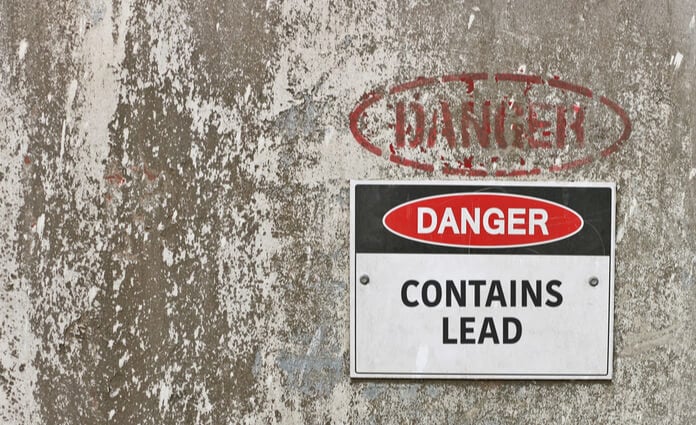
Toy quality control plays a role in not only ensuring the health of consumers, but also in brand reputation. However, the use of the toxic metal, lead, in the manufacture of toys has not been banned. Lead is often found in chalk, crayons, modelling clay, paint and varnish plus it is widely used as a stabilising material in the manufacture of PVC.

Cost is one of the common reasons toys are manufactured with materials containing heavy metals. For example, lead-based paints are up to 30% cheaper than paint with lower lead levels. In the highly competitive toy manufacturing market, many factories will attempt to lower overheads and boost profits by using cheaper leaded paint on toys.

A 2015 study, which was performed by Nepal’s Society for Legal and Environmental Analysis and Development Research in conjunction with Ministry of Science Technology and Environment, analysed the heavy metal content of 100 toys. This research showed that 99% of the toy samples contained a higher level of chromium than the limit of multiple countries. Additionally, 26% of the samples contained lead contamination while 13% held traces of cadmium and every sample had more zinc than the limits allowed by ISO or the US. In another case study, published in the Journal of Taibah University for Science in November 2017, 25 toys imported from China to Nigeria were sampled for potentially toxic materials. Ternary acid digestion and Atomic Absorption Spectrophotometry determined the potentially toxic metals in the sample. Alarmingly, the total concentrations of potentially toxic metals in the samples were 36.1-107mg/kg for lead, 3.55-40.7mg/kg for cadmium, 1.83-38.9mg/kg for chromium and 9.78-159mg/kg for copper. In an unregulated market, it’s clear that heavy metal migration could run rife, with potentially disastrous consequences.

Updates to toy safety regulations

Heavy metals testing in toys for leadTo minimise the possibility of heavy metal migration in toy manufacturing, the EU has tightened the regulations of toy quality control. Testing according to the revised EN71-3 standard includes 19 elements and the migration limits have been revised. The update has divided toys into three categories:

  • Category 1: Dry, brittle, powder-like or pliable materials.
  • Category 2: Liquid or sticky materials
  • Category 3: Scraped-off materials

The limits for lead – which were previously set at 13,5mg/kg in dry material, 3,4mg/kg in liquid material and 160mg/kg in scraped off material – have been revised and the new limits are 2.0mg/kg, 0.5mg/kg and 23mg/kg respectively.

It is a requirement of the CPSC that toys manufactured after 30 April 2017 are tested according to the ASTM F963-17 standard, which covers eight heavy metals. Manufacturers and importers of children’s products must certify, in a written Children’s Product Certificate (CPC) based on test results from a CPSC-accepted laboratory, that their children’s products comply with applicable children’s product safety rules.

What tests must be performed to meet the safety specifications?

It’s vital that third-party laboratories are accredited to ensure compliance. Labs must be able to determine their measurement uncertainty and correctly interpret if this result complies with the migration limits of EN 71-3. To accurately measure heavy metal content, raw material chemical testing should be carried out:

  • Raw Material Chemical Testing
Tests are carried out for the full range of common toxic chemicals and elements, including phthalates, lead, mercury, and cadmium.

Pre-testing raw materials before they’re crafted into toys avoids taking goods to market that are unsafe for use, and that can lead to costly redesigns or recalls.

API offers RSL (restricted substances list) screening services and toy testing to assure that your products comply with the latest REACH and EN 71-3 safety requirements.

Under the ASTM F963-17 regulations, laboratories must also test compliance for eight heavy metals including toy substrate metals. These include arsenic, barium, cadmium, chromium, lead, mercury, and selenium. The soluble limits for each (in parts per million) are as follows: arsenic: 60ppm, arsenic 25ppm, barium 1 000ppm, cadmium 75ppm, chromium 60ppm, lead 90ppm, mercury 60ppm, selenium 500ppm.

How to prevent heavy metals from entering your raw materials

Toy raw material quality control

Prevention is better than cure, particularly with toy safety control. Follow these steps to circumvent heavy metals entering your raw materials:
  • Raw material quality control is vital to ensure compliance, as well as chemical testing. Ensure accountability in your supplier chain through regular testing of raw materials. API offers a Restricted Substances List (RSL) screening service. Through this screening service, we can quickly determine whether non-compliant products need to be re-tested. We also advise that our clients undertake a chemical test for the full range of toxic chemicals, including cadmium, lead, mercury and phthalates.
  • You can successfully avoid putting your brand’s reputation at risk by using only high-quality materials, rather than sub-standard, cheaper alternatives.
  • Source environmentally-friendly, non-toxic raw materials rather than those which contain lead and other heavy metals.
  • Use an accredited, reliable third-party quality provider that is up-to-date in toy testing and safety regulations. Our Hong Kong laboratory is accredited by major accreditation bodies globally to perform laboratory testing for the American, Australasian and European markets.
  • With API’s DUPRO/Inline inspection, we can assist you in achieving EN 71-3 compliance. For full assurance of toy quality control, a DUPRO inspection will monitor the production line when at least 25% of the order has been completed. The DUPRO tests whether irregularities from the Initial Production Check have been corrected.
If a test comes back positive, an evaluation of the formula of the material/varnish should be carried out in order to highlight ingredients that may have caused the failure. Such ingredients should be changed or the material/varnish should be replaced with a safe one.

How API can assist with Toy Safety compliance

At API, we offer our clients a host of tailored solutions to enable you to meet your regulatory requirements. We are dedicated to staying abreast of the latest regulations and updates across international markets. From lab testing to certification to inspection, we ensure your factory is compliant with global safety and legal standards. We provide customised factory audits according to your needs and protocols as well as combined audits (technical and social as well as social and environmental.) As one of the first foreign entities to offer accredited inspection services in China across all consumer product categories, our Hong Kong laboratory has EN 71-1, 2 and 3 accreditation, EN 62115 as well as ASTM F963-17 (physical and mechanical, flammability, chemical and electrical.) Contact us today for assistance with EN 71-3 and ASTM F963-17 compliance.
Catégories
Blogs

8 étapes pour limiter les risques dans vos procédures d’essais de jouets

Production competitiveness has become so high in countries like China that suppliers often find ways to cut corners in order to save costs, often putting the quality and safety of your toys, and their extremely vulnerable user base, in jeopardy. When it comes to upholding product safety and compliance, no other consumer goods product is more highly regulated than toys. However, despite stringent requirements and mandatory safety toy testing around the world, unsafe children’s products continue to reach the market today.

As recent as 2017, many importers of the popular ‘fidget spinners’ were found to be selling products in the US that contained alarmingly high levels of mercury and lead leading to mass product recalls and damaged brand reputations.

Non-compliance in the toy industry present a myriad of dangers for brands that can lead to heavy financial losses, unnecessary recalls, and a damaged reputation. It’s reasons like these that quality managers constantly live in fear of quality issues with toys, but it doesn’t have to be this way with strict compliance regulations and proper toy testing procedures.

Improving Your Existing Toy Quality Assurance Processes

Toy quality assurance and toy testing As a quality manager who is responsible for producing toys you know that where quality is concerned the stakes are sky-high. You need to know that toys adhere to the demands of every test they might face when being exported globally to markets with different demands. At API, our quality inspectors and laboratories follow a comprehensive set of 8 toy quality testing steps (built through decades of experience) that helps quality managers effectively manage quality right from the outset. This article will take a brief look at the global toy testing standards themselves, and the step by step procedures API follows to help minimise the risk of quality issues sneaking through and danger of recalls happening, as well as protecting your supply chain and ensuring customer safety and satisfaction.

API’s 8 Step Toy Quality Assurance Process

Click here to watch our comprehensive toy testing process video

1. Preventing Mechanical Risks In The Design Stage

Product Design Specification (PDS) serves as the guideline for understanding the various problems identified early on in the design stage. Possibilities need to be investigated and filtered through various criteria laid out in the PDS to be set forth as practical, viable solutions that require further evaluation.

Through comprehensive design evaluation and hazard assessments, API help you identify potentially dangerous design features and mechanical risks from the outset, helping you save on costly redesign and engineering resources related to product modification, and more serious quality and safety issues later down the line. Furthermore, the evaluation also helps to identify all of the necessary tests that you would need to submit your product to.

2. Preventing Toxic Risks With Raw Materials Testing

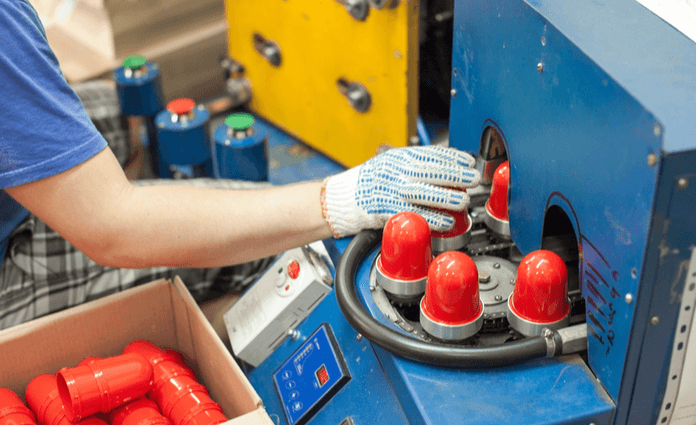
Raw material toy testing to ensure toy quality Raw material quality control is paramount in helping to prevent product failure and ensuring a consistent level of quality that you and your customers expect. Making sure that players in your supply chain are continuously subjected to testing of raw materials being used in your toy production, or when they decide to switch suppliers, verifies that the materials are at the level of quality you’re paying for and that no toxic elements such as lead and cadmium finding their way into your finished product. Complying with chemical restrictions in raw materials laid out by the EU and US chemical content regulations such as REACH, EN71 and CPSIA starts with chemical testing. API’s laboratories help to identify toxic elements that can aid you in defining a list of approved materials to be used in the toy production process early on, ensuring your products comply with the limits set for safe use now and into the future.
3. Evaluating Toy Safety Before Mass-Production Through Prototype Testing

The practical solutions and tests identified in the design evaluation stage are embodied in the form of a prototype. The aesthetics, functionality, mechanical aspects, as well as the potential manufacturing issues are all considered, and these aspects need to be thoroughly tested. API’s technical experts are part of technical committees that discuss and write standards for toys, and can ensure you are up to date on the latest developments and discussions on regulation before new regulations are officially published. API’s Hong Kong Laboratory is accredited by HOKLAS to perform laboratory testing for the European, American and Australasian markets. The three main areas of testing are:

1) ‘Mechanical and Physical Properties’

  • Drop Test
  • Compression Test
  • Torque Test
  • Tension Test
  • Flexure Test
  • Bite Test

2) ‘Flammability’

  • Conducted on  toys to examine their flammability characteristics

3) ‘Restricted Substances – Chemical Testing’

  • Lead content test
  • Cadmium content test
  • Phthalate content test
  • Other applicable chemical tests

Prototype testing helps to identify the shortcomings of initial toy design and how they will hold up in real use case scenarios.

Toy testing at a factory

Evaluate your Factory

Perform a quality management audit with specific points related to toys, such as ensuring that sharp tool equipment and a broken needle policy has been used and properly calibrated. It is also important to ensure that your factory has also established traceability system for identification and tracking materials through production. Through this testing process, API helps you to further refine the product design and remove any obstacles that may detract from the original concept by making it safer for use, and ultimately, preventing the need for costly recalls well before the products hit the production line. On top of this testing process, API are also entitled to issue certificates of conformity as a ‘Notified Body’.

4. Ensuring Compliance Through All Inclusive Compliance Software

Whether your brand is directly or indirectly affected by Directive 2009/48/EC, it is of vital importance to ensure the collection and gathering of all the necessary technical documentation needed from your manufacturer to demonstrate the conformity of the product to the applicable requirements of the TSD.

It is up to your product manufacturer to draw up this technical documentation, or request it from relevant parties, and keep it and the EC declaration of conformity for a period of 10 years after the toy has been placed on the market. It is up to you as the importer to ensure that the manufacturer fulfills this duty, that the toy bears the required conformity marking, and is accompanied by the required technical documents. These documents must be made available to national surveillance authorities upon request for the same period of time to demonstrate conformity of the toy. Technical documentation to be drawn up and collected must be presented in one of the official languages in the EU and shall include: 1. Description of the design and manufacture 2. List of components and materials 3. Safety data sheets 4. Safety assessments 5. Conformity assessment procedure 6. EC declaration of conformity 7. Addresses of manufacture and storage 8. Documents submitted to a Notified Body 9. Test reports 10. Conformity of series production details 11. EC-type examination details 12. Conformity of series production details Today, many manufacturers, importers and retailers are still operating on outdated systems like collecting multiple spreadsheets and files, leading to unreliable data and outdated documentation, which creates an almost insurmountable task of trying to accurately trace and maintain the information for each product reference. API’s Technical Compliance File (TCF) solution is a one process procedure that consists of 5 steps to ensure total product compliance: 1. Expert intervention to define the scope of compliance 2. Document collection 3. Document review 4. TCF report issuance 5. Record keeping and database integration (all available online 24/7)
A solution like this promises increased visibility and transparency into your supply chain that will prove invaluable to optimizing your current quality systems, allowing you the time to mitigate any potential quality risks as and when they become apparent.

5. Monitoring Production Consistency With DUPRO/Inline Inspection

The production line is inspected when at least 25% of the order has been completed. The DUPRO verifies that initial discrepancies found out during an Initial Production Check (IPC) have been rectified.

Each stage of the assembly process will be analysed and samples of the goods in progress will be collected and checked. This means that any impending problem can be identified on-site and addressed at the very stage where it is occurring. By checking unfinished products during production and assessing if AQL standards are being met, API assures that corrective actions can be taken in order to assure the quality of your toys moving forward.

6. Checking and Classifying Non-Conformities Right Before Shipping

API conduct both Final Random Inspections and Loading Check inspections to ensure your products conform and that they are being shipped in a safe and secure manner.

Inspection finale aléatoire

A FRI (Final Random Inspection) is basically an acceptance sampling inspection performed prior to shipment. The Sampling is derived from the inspection level requested in accordance with MIL-STD-105E (ISO2859-1). API is also certified HKIAS which endorses third-party inspection based on an in-house procedure. The sampled goods are then checked piece by piece and the non-conformities found, if any, will be classified into three categories (critical, major and minor). The selection of an AQL (Acceptable Quality Level) per type of non-conformities will determine the acceptance or rejection of the goods.

Sample Collection For Lab Testing

Products randomly picked from mass production for pre-shipment testing which can occur in DuPro or FRI. The test checks the alignment of product quality from mass production and pre-production.

Pre-shipment Testing

The aim of pre-shipment testing is to verify the consistency of the production quality with a focus on critical aspects of the toys, without having to perform the full test again. API provides tailor-made testing solutions based on client requirements to ensure quality is maintained at this stage of the process. Loading check inspections to ensure toy quality

Loading Check Inspections

The loading check serves as a way to control container quantity and to adequately manage stuffing arrangement. API performs inspections of packed goods as they are being loaded into the shipping container to ensure the correct products are loaded, in a secure and safe manner.

7. Taking Quality Assurance Full Cycle With Reorders and Random Sampling

Sample collection for testing during the reorder process is a concept of a highly effective continuous quality improvement monitoring program, helping you determine the frequency of testing per supplier performance. This policy sends a clear message to suppliers that you’re watching their product quality closely, and that any unauthorized product/material change is strictly prohibited, and at the same time encourages them to improve.

8. Business Intelligence Tools

In order to the determine the frequency of sampling per factory, you’ll need a comprehensive vendor scorecard. API have developed its own platform for you that records quality data of each factory’s test and defect levels during inspection.

It also provides you with a comprehensive data analysis on factory performance across your own suppliers and across others in our database that you may not currently be working with. The database record does not simply include just the pass or failure of the product test/ inspection, but also a record and classification of each defect. Through this database we’re able to point out top defects recorded per factory and compare your own suppliers against others in the industry.
Catégories
Blogs

5 Global Sourcing Challenges for Hardlines in 2018

Procurement used to manage vendors and negotiate costs. In today’s global sourcing landscape, it’s about so much more; it’s about effectively managing risk, ensuring sustainability, all to the ends of creating a strategic competitive advantage for your brand.

The key to this progression?

Technology.

Technology has been a lead disruptor in many industries. It has enabled a more visible supply chains calling for more effective ways of managing areas of risk and sustainability.

Advancement in this industry comes with its own unique set of challenges, ones that can only be met with innovative strategies, preparation and the adoption of technology to enhance your capabilities.   

As we move into 2018, we move into a new year with new possibilities and new heights to be achieved. But before then, what does the state of retail look like today?

The Current State Of Retail

Over the last couple of years we have seen the shift towards omnichannel retailing, where there is a demand for product to get to the end-user faster than ever before.

Amazon has been leading the charge in this area with their online purchasing systems and same day delivery options. This increase in pace has lead to an increase in pressure on retail supply chains, and that is of course not without its own challenges.

The state of retail research report states that the top three experienced retail supply chain challenges for 2017 are: handling promotions, better collaboration with suppliers and availability without increasing stockholding.

This can be achieved through the automation of your demand forecasting and accurate centralised data tracking will be key as you look to overcoming this year’s challenges.

Successfully addressing your current challenges, lays the foundation for a competitive position in the marketplace with systems already in place to handle the challenges that the new year has to offer.

The future of global sourcing holds as many opportunities as it does new, more complex challenges, a few of which we will take a look at it below.

What global sourcing and procurement challenges can your hardlines retail supply chain expect to face in the future?

Risk management for global sourcing

I list but five of the predicted challenges to arise over the next 10 years:

  • Risk – Over the next 10 years we will see a shift in the way that risk is approached. Currently the risk management approach taken by most quality and procurement professionals has to do mainly with product and regulation compliance. It is predicted that a more holistic approach to handling risk will be adopted.This is predicted to be accomplished through defining new metrics and data points for a fuller, more defined picture, enabling the ability to plan and address risk in a way that has not successfully been accomplished before.  
  • La durabilité. – The cost of sustainable supply chains has always been a primary factor for not adopting sustainable approaches to business. The future sees that the role of procurement will move beyond that, and look to creating and sustaining social value. This point cannot go without mention that within the next 10 years we will see the largest sector of our workforce being filled with millenials, who care about sustainable and economic growth. It is predicted that there will be less exploitation of resources with a stronger use and reuse cyclical economy.
  • Collaboration – Collaborative outsourcing will be key to managing the array of everyday supply chain complexities. This will be based on mutual interest and trust leading to a mutually beneficial outcome. In 10 years time, the complexities you are currently experiencing will need to increase as you endeavour to manage multiple vendors at one time. If you are collaborating and building successful relationships with your suppliers, then this will be an easier transition for you.
  • Transparency – Much of the supply chain has nothing to do with the end-user of your product, but with the dawn of social media your role as a quality or procurement professional may need to. The era of social media has brought about transparency like no other, increasing the spotlight on retail brands and their supply chain operations. You will need to ensure that your entire supply chain adopts a “social” mindset which will create a business model that has the brands image at the fore.
  • Information – We are in the age of big data, the success of your supply chain relies on it. You will need to embrace big data through advanced data mining and analysis. We are increasingly finding ourselves in a world driven by data, and this will only increase over time with more access to real-time data tracking and updates. The key is to begin planning for this. Start asking yourself what your data capacity currently is, look at your own data and begin mapping how you will embrace the coming of a bigger data age.  

So, how will these challenges impact you?

So while you are still in the process of building systems to deal with your 2017 challenges as you move into a busy 2018 season, the quality systems you put in place today will form the foundation, the very building blocks of how you are to manage the above mentioned challenges as we journey towards to the future.

Think of it as a road map allowing you to effectively plan for the future.  

The above global sourcing challenges increase your level of supply chain transparency, a holistic approach to managing your risk, but each one of these challenges requires technology to optimise the current and predicted supply chain pace.

The adoption of new technology will mean that more data will be available for analysis, allowing a lot more insight, visibility and transparency into your operations. The more data you have the more effectively you can produce products of the highest quality, and the better you can identify risk early on.

Key Takeaways

After delving into some of the top challenges that retailers came up against in 2017 and as you seek to efficiently plan for 2018, the key will be to improve your current operating systems through clever, more advanced technologies and strategic planning.

So let’s look at some ways that you can begin this process;

  • Automate your forecasting processes – There are technologies and systems that you can adopt to ease this process for your brand. You can use the well reviewed SAS demand forecasting software to help you solve your forecasting troubles; “the combined power of automation, analytics and workflow, you can generate the most unbiased and accurate large-scale demand forecasts.” Resistance to this will only set you back, as your competitors will be doing everything to embrace growth. In adopting technology to automate your forecasting process you will be saving yourself time, a resource that can be used elsewhere.Data tracking for better global sourcing.jpg
  • Data tracking – For store stock levels, online stocks, current distribution centre stocks, predicted future stock levels in distribution centres, finished goods in transit, inventory being shipped from freight forwarders etc. Accuracy in this regard is key and technology can provide that, and do away with human controlled data entries.
  •  
  • Supplier collaboration – Fostering a culture of supplier collaboration will have long term benefits for your brand. While we have all sorts of technology that can be used to aid communication with your supplier, it is often the tried and tested face to face experience that truly allows for an effective and mutually beneficial relationship that is collaborative in nature.

Adopting new technologies and strategies, while you may be resistant at first, will only be if benefit to the optimisation of your supply chain operations, resulting in bottom line benefits for your brand.  

Facing supply chain challenges head on is not easy, but it will require your leadership to embrace the challenge that lies ahead and grasp the opportunity for learning, in order to create a well run and competitive supply chain for your brand.

Let us know in the comments section if you are currently facing these challenges and what you have done to address them?

Catégories
Blogs

Humans, Robots & Supply Chain Automation

The rise of things like Blockchain, IoT (internet of things), cryptocurrencies and robots and automation have all been defining disruptors for the retail supply chain over the last few years.

How are supply chains across the globe currently being impacted by the rise of these disruptors?

Are human jobs at risk?

How can your business adapt to utilise these new technologies? 

Answers to all of these questions and more as we take a look into the ‘Four Industrial Revolution’ of modern-day commerce.

The State Of Automation And Its Role In The Retail Supply Chain

The Fourth Industrial Revolution and the emergence of big data, automation, robots and AI have created disruption in the supply chain for many retailers today.

While many retailers have been slow to adapt to the age of digitisation, they have adopted advanced software that has been able to provide them with operational efficiencies and increased data visibility. What I mean by this is that many retail brands have slowly shifted from the age-old manual entry excel spreadsheets to software that can provide accurate, real-time data that is visible to all of their supply chain stakeholders.

So this is where the majority of SME’s (Small, Medium Enterprises) find themselves. 

But…

A rapidly changing, technologically driven retail landscape means that each day an increasing number of robots and AI are integrating themselves into the global retail supply chain operations.

What Supply Chain Operations Are Integrating Robotics?

In understanding what supply chain operations global supply chains are currently integrating with robotics, you can start to imagine how you could begin to digitize your supply chain operations. So let’s dive in;

Warehousing Management – The introduction of robots and wearable technology has been introduced into warehouse management activities allowing for greater efficiencies, minimizing the likelihood of human error.

So what does this look like? 

Amazon is a prime example of automating some of their warehouse activities. They adopted the Kiva system which cost $775 million to put in place. This Kiva system is made of robots that place and stack products all over the warehouse, creating system efficiencies for Amazon as well as reducing overhead expenses. Warehouse management and the retail supply chain

Whilst this is a ghastly amount and likely very unaffordable if you are an SME (Small, Medium Enterprises), there are entry-level robots that are cheaper and can be used to create this kind of efficiency for your operations. The cheaper Baxter robot has an approximated lifespan of about three years and, costs approximately $25,000 is able to work over 2000 hours straight in a plastic factory.

This, as you know, is not a possibility within the human workforce as it is in violation with the social compliance standards as laid out by the SA8000. The level of production efficiencies that can be achieved through automated process are definitely worth your time in research.      

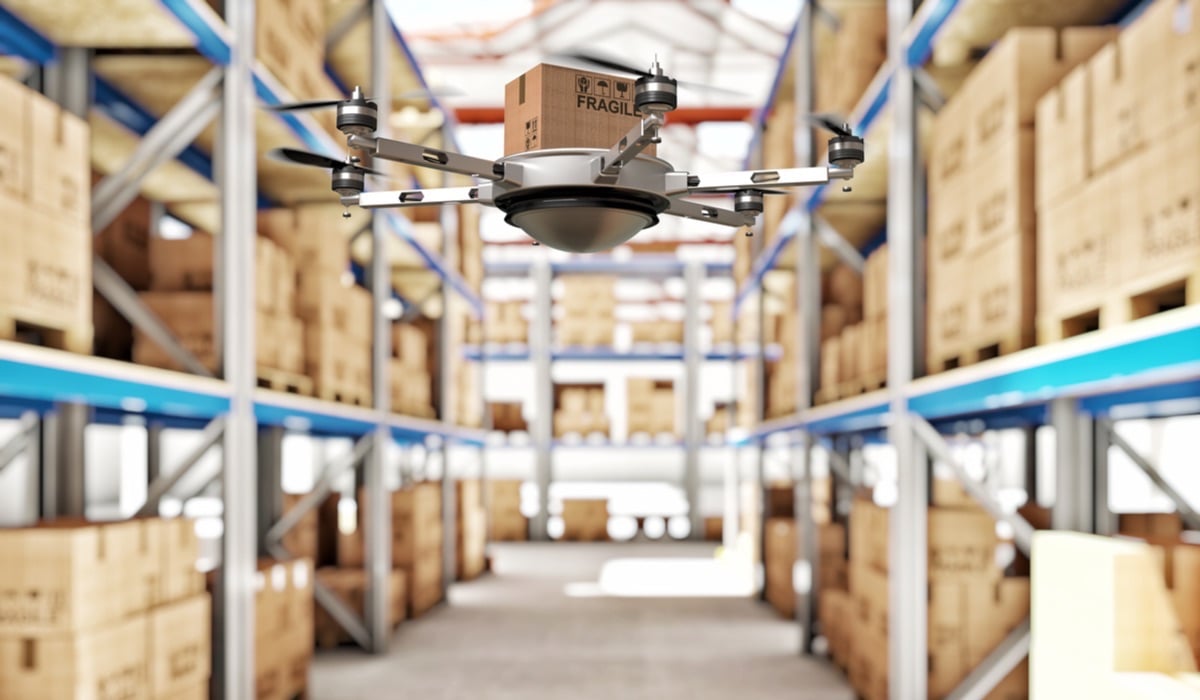
Inventory Management – In June 2016, Walmart began testing the use of drones for better inventory management. Walmart said that it could take up to a month for its inventory to be checked manually, but takes only 24 hours with the use of a drone. The drone flies around the warehouse, scans every items’ barcode, allows for real time data insight and is also able to quickly locate any misplaced items. This not only makes for an efficient inventory management system, but also a well managed warehouse.

The automation of the simpler routine warehouse and inventory systems such as stacking/moving stock around and labeling boxes as per specifications should free up your labour force to spend more time and resources into optimizing your supply chain and its operations for further enhancements and innovation. Robotics and automation should be seen as collaborative for more enhanced and optimised operating systems.   

 These are only two of the examples of where automated robots and technological advancements are currently being applied to supply chain activities, but they are certainly not the only areas that are being technologically transformed. 

Last year the world saw Amazon make the very first drone delivery, an exciting technological advancement in the area of delivery and transportation. This, however also indicates the rapid pace at which retail is moving and transforming.

In order for you to keep up with the likes of a global retailer like Amazon or Walmart, you will need to begin planning for the digitisation of your supply chain. 

So the big question then…

Are Robots And Automation Taking Human Jobs Away?

The number one question much of the retail labour force is asking “Will robots be taking away our human jobs?”

There is absolutely no doubt that with the rise of automated robots and AI that there will be a reduction in the number of labour needed in your retail supply chain;

The production line – Robots can work through the night, doing away with overtime, overworked and underpaid working conditions that often result in social compliance violations.

Automated robots improve the efficiency of the production line, they are able to produce products at a much faster rate than is ever achieved automation and bots in the retail supply chainthrough human labour.

Warehouse and inventory management – Stock can be moved around and stacked up accordingly, inventory can be managed through the flight of a drone with real-time data updates and the ability to trace misplaced inventory. This all helps to create an optimised warehouse and provides near perfect insight into inventory enabling, better stock control and demand forecasting.  

While at this point you may think that I have painted the picture of a robotic, automated retail supply chain, this is not true.

Human labour is still very much needed.

Let me tell you why.

1. Production and supply chain automation is expensive. The initial start up costs may be too much for many smaller retail brands.

2. Robots will need maintenance and calibration – This may require additional training for your current labour force, but this should also be seen as an opportunity in the market for the employment of a higher skilled labour force.

Humans are necessary for the running of your supply chain. “No matter how well encoded your robots are, technology is not advanced enough for the appropriation of human judgment.”  

According to Brandon White of Kenco, “The best solution to introducing AI innovation into the supply chain is a “hybrid” of humans and AI technology working alongside one another.” Adopt an optimistic perspective – robots and automation should enhance productivity and efficiency.

How?

Collaboration. Collaboration with machinery is absolutely necessary to create an efficient technologically advanced supply chain.  

Key Takeaways

So, while robots and AI certainly have a place in the supply chain, humans are still essential for every aspect of the supply chain. However, the current jobs of your existing labour force will have to change to accomodate the age of technology and the efficiencies that it presents.

You will essentially need a higher skilled workforce to work in collaboration with the automation technology that you seek to adopt. You will need people who can calibrate and code higher tech machinery, and you will also need more leadership and HR roles.

You may or may not be feeling the pressure to adopt AI automation into your supply chain, but the reality is, it’s on the horizon. Your customer demands more of you and more of your supply chain. The question is, what are you doing to meet their demands? As we move into the future, your comfort zone may need to be left behind.

Let us know in the comments section how automation, robotics or AI have affected your supply chain. 

avoid unnecessary supply chain complexities with our guide to preventive quality management

Catégories
Blogs

Case Study: CQI (Continuous Quality Improvement) Strategy

A CQI strategy should be adopted to provide you with a road map toward improvement of your supply chain activities. It should be designed in such a way that takes your retail brand through the process of data collection, data analysis and a continuous cycle of monitoring of activities for efficiency.In this blog post, we take a look at one of our very own retailers that experienced various supply chain complications, and what we did to help them implement an effective CQI plan that would ultimately reduce their expenses and optimise their quality systems.

A continuous quality improvement Case Study

A well known European sourcing company kept finding that 60% or more of their inspection reports failed or were declared pending. As a quality director you will know that a high pending rating slows down your decision making process and directly affects productivity rates. It was at this point the retailer decided to review the problem in a lot more detail; through the services of a third-party quality provider – API.

So, what was API’s approach?

  • We needed to quantify the difficulties that they experienced. We went and recorded all of their product defects and fail or pending reasons for their products. Our inspectors capture all available data which is then entered directly into API’s data capture system. This process allows for data analysis to be done across all inspections or per category/ supplier.CQI

What was the problem?

One of the top reasons for pending products was a discrepancy in information that was found on the shipping mark compared to that of the product specifications.

But, why were these problems experienced?

The retailer had three different coding systems, which made it difficult for the supplier and they often mixed these numbers up.

API was able to find this problem through various stages of data collection and analysis.  API then presented their finding to the management team where it was discussed how to deal with these different coding systems, and what kinds of things should be present on the shipping mark in order to minimise their current supplier confusion.

What solution was implemented?

API was able to identify an opportunity for improvement within the rules and guidelines of the retailer, and the documents were modified to help minimise their suppliers’ confusion. An opportunity was also identified to update the supplier manual to be inclusive of these new modifications, which then needed to be re-distributed to all of the existing suppliers.

As a part of the continuous quality improvement plan it was strongly suggested to consistently monitor the company’s passing, fail and pending rates in order to effectively evaluate levels of improvement as a direct result of the implementation of the plan suggested by API.

What were the results of implementing this CQI plan?

The retailer experienced great success by implementing this solution. They experienced a passing rate that remained mostly over 80% even during peak season. 


CQI graph

After the improvement suggestions were implemented it helped this retailer to significantly reduce their pending and failure rates. In a situation like this, it’s important to note that even though the problem was not directly related to manufacturing, it still required both the quality and merchandising team to implement the changes as suggested by API.


Key Takeaways

Implementing a a continuous quality improvement strategy for your retail brand is essential for production, quality and management effectiveness – without it you will be firefighting problems all along the way. As a part of your strategy you need to be answering these five questions – if you aren’t go back and make sure that you do:

How did your CQI strategy improve;

       1.  Your organisational effectiveness?
       2. Your level of customer satisfaction?
       3. Your levels of compliance?
       4. Your organisational culture?
       5. Your organisation’s documentation?

If you cannot answer those questions definitively you may need to reevaluate your strategy to be more inclusive of addressing them.

Let us know in the comments section below about how you have gone about improving your own quality systems

Ready to begin tackling preventive quality management?

check out our preventive quality management guide to get you started