Toy Testing: How To Comply With En 71 & ASTM F963

Categorías
Blogs

Toy Testing: How To Comply With En 71 & ASTM F963

With the strict safety and quality standards of children’s toys, there is absolutely no room for non-compliance. Compliance issues can cause potential health hazards and in some cases fatalities. Here we discuss the importance of toy testing and provide you with an exact outline of toy safety regulations and all of the most recent updates to help you avoid compliance issues, so that you can continue to produce toys of the highest quality. The toy industry is a lucrative one with “toy sales in 2015 increasing by 4% over 2014 to $87.4billion…with estimated growth expected to exceed $90 billion in sales in 2016.”

There is surely continued opportunities for economic growth and sustainable innovation in this massive industry going into 2017 and beyond.

But, the toy market, and product safety specifically, makes it a volatile one.

What happens when due diligence is left by the wayside?

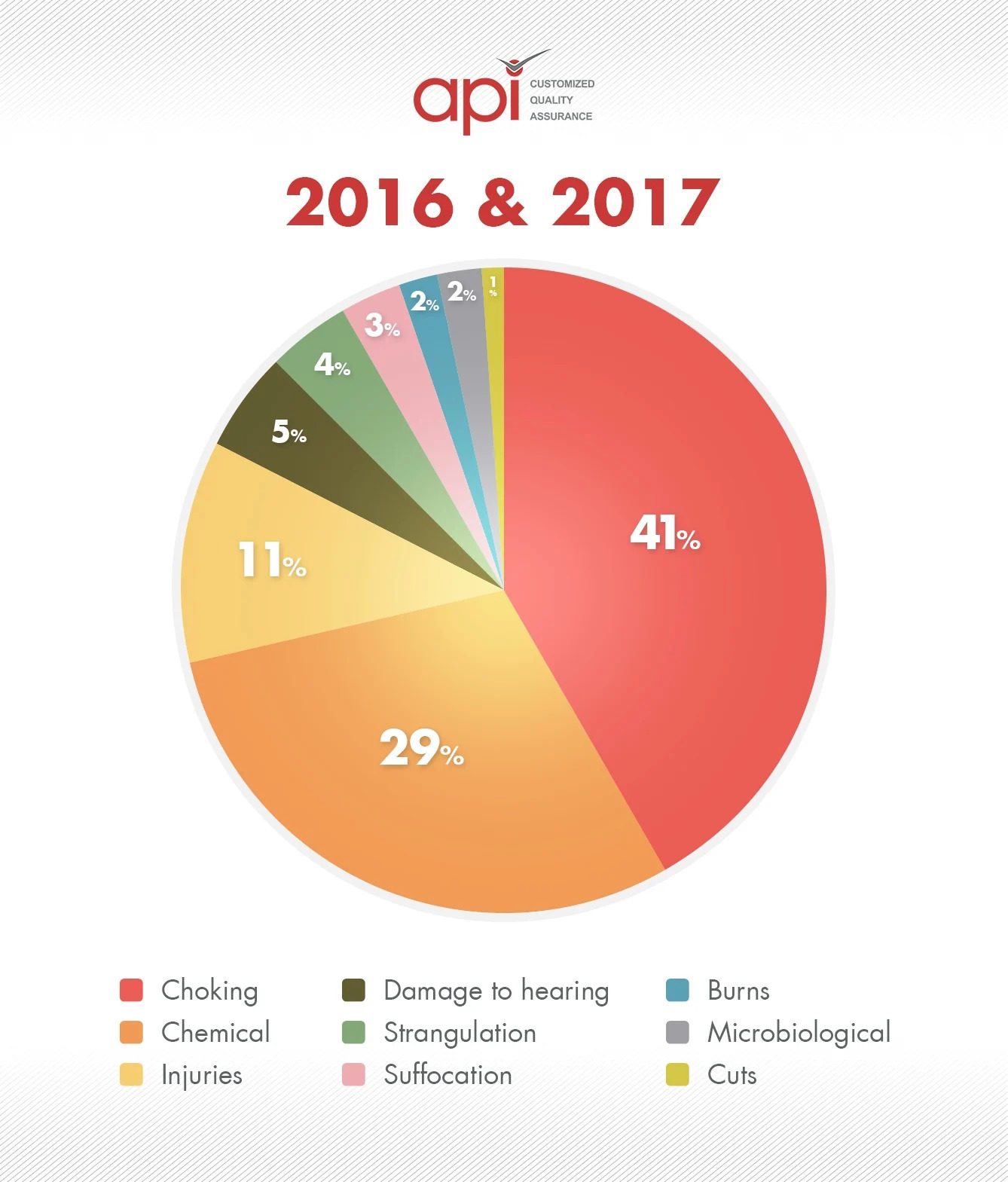
41% of toys that were recalled in the EU alone were due to choking hazards, whilst chemical compositions makes the second largest recall between January 2016 and July 2017.

By looking at the graph below, you will see the breakdown of recalls over this period of time:

Toy testing regulations and compliance issues

The stats above paint a clear picture for importers to abide by toy safety compliance standards, for it is not only in your best economic interest, but also for your brand’s protection and growth.

Today, children’s toys are subject to some of the strictest safety and quality standards in the retail marketplace due to the sensitive nature of their consumer base.

The question is…

How do importers keep up with the latest news in toy safety regulations to avoid potential disasters and recalls as reflected above?

In this blog post, I seek to highlight the EU EN71 safety standards that your imported toys need to comply with. I will also highlight the latest updates of this standard, to ensure you are up to date with the latest in toy compliance.

We also look at the US standard, ASTM F963, where we will highlight the latest updates to ensure that your products are in compliance. Lastly, I seek to provide you with actionable steps to achieving compliance according to these standards and what you can do to continue producing children’s toys of the highest quality.

EN 71

The EN71 is a set of European Product Safety standards that apply to all toys, sold in the European Union. The EN 71 also forms a part of the CE directive. As an importer of children’s toys you will need to ensure that the toys you are importing into Europe are labelled with this CE mark.

This mark basically stipulates that a particular toy is compliant with the safety regulations as laid out by the European Union and its safety standard.

Here is a table of what this standard is inclusive of, but I will also highlight the ones that have been updated recently so that you, know exactly what your products need to be compliant with;

TABLE of EN71

Toy testing & safety regulations - En 71

The latest EN71 update includes

The latest children’s toy update and revision of the above table is as follows;
The CEN has published Toy safety standard EN 71-12:2016 for n-nitrosamines and n-nitrosatable substances. This standard is expected to be harmonized under Toy Safety Directive 2009/48/EC by publication in the Official Journal of the European Union (OJEU).
Major change of the new version includes this;

  • More stringent limits of n-nitrosamines and n-nitrosatable substances for toys intended for use by children under 36 months and intended or likely to be placed into the mouth of the child.
  • a modified definition for ‘elastomer’ from ISO 472:2013 (Plastics – Vocabulary, for better clarity)
  • a new procedure for the extraction process for toys and parts of toys other than balloons
  • use of porous graphitic carbon (PGC) reversed phase (C18) high performance liquid chromatography (HLPC) columns as an additional option for analysis
  • an additional set of multiple reaction monitoring-transitions (MRM-transitions) for quantification and identification

What this revision should mean for your sourcing and production strategies

This standard is applicable to the following products;

  • Toys and parts of toys made from elastomers and intended for use by children under 36 months
  • Toys and parts of toys made from elastomers and intended to be placed in the mouth
  • Finger paints for children under 36 months

Manufacturers will need to provide evidence of compliance from the supplier of these materials, before the manufacturing of these items can proceed. There may also be a random sampling after mass production for post production testing to ensure you are not in violation of the above safety regulations.

ASTM F963-16

El ASTM F 963-16, The Standard Consumer Safety Specification for Toy Safety, is a comprehensive standard that addresses numerous hazards that have been identified with toys.

Toy testing & safety regulations ASTM F963-16


The latest ASTM F963 update includes

  • Among the changes, the 2016 revision addresses ride-on toys with: a new curb impact requirement, a clarification of overload and stability requirements, and a strap exemption.
  • new labelling requirements for toys that have certain small coins or button batteries,
  • temperature and current-limiting requirements for lithium-ion batteries, and
  • new requirements for materials and toys that could expand if accidentally swallowed.
  • Other revisions include:

– new soaking and compression tests for magnets

– new requirements and clarifications related to microbiological safety;

– clarifications to heavy elements requirements for toy substrate materials

– revised requirements for toys involving projectiles; and,

– clarification of requirements and supplemental guidance for impact hazards.

What this revision should mean for your sourcing and production strategies

You will have noticed that all children’s toys that have been produced after 30 April 2017 needed to be tested according to ASTM F963-16.

According to ASTM F963-16 all toys that are intended for children of 12 years old and under need to be tested by a registered CPC third party testing and quality provider, who will then furnish you with the appropriate product specific CPC which declares that your product complies with the federal toy safety standard.

Suggestions for complying with these toy testing regulations

As an importer you may be feeling overwhelmed about adhering to the regulations as laid out above and while you should be doing everything you can to adhere to them, here we lay out a few suggestions of how to go about doing this;

  • You need to work towards improving quality control procedures by strictly monitoring the quality of raw materials. Do not fall into the trap of using cheaper, substandard materials. Whilst this may be appealing for cost reduction, you will be putting your brand at unnecessary risks.
  • Improving your products quality always needs to be a primary goal. Many of the new updates in regulation also stipulate the use of a third party quality provider as mandatory for your products compliance.
  • Ensure you use a third party company that is up to date with the latest in toy testing and safety regulations. This will reduce the risks of potential product recalls resulting in a bad image for your brand, but also a loss in revenue.
  • Seek new non-toxic environmentally-friendly raw materials. How do you go about sourcing your raw materials? This may step may be a little more difficult to pursue, but let’s take a look at Lego. Their blocks are made of plastic, but currently, they are investing loads of money and time into finding alternatives to plastic for their famous building blocks. It’s this kind of commitment that ensures a positive and innovative position in the market place.

Understanding the regulations and what they mean for your current sourcing strategy for children’s toys will help give appropriate direction and guidelines to your current competitive positioning in the market place.

By understanding these regulations and ensuring compliance according to them, you are able to guard yourself against potential product recalls and even potential lawsuits that could come from health and safety violations that are sadly too often found within children’s toys.

“API is equipped to meet the above product testing and safety requirements accordingly to ensure your brand’s safety and protection.”


Categorías
Blogs

Social Compliance Audit For Consumer Electronics

How should importers of consumer electronics avoid a supply chain which includes suppliers who use child labour, have dirty and unsafe conditions, or who don’t follow labour rules? Here we endeavour to outline how a social compliance audit for consumer electronics can positively position your brand in the market place. Conditions as mentioned above have made themselves all too familiar within the retail supply chain, and the worst part is that many retailers claim that they didn’t even know about this right up until before these tragedies became global news. So how can we prevent this? A social compliance audit. This audit can go a long way in preventing some of the damaging issues many brands of consumer electronic products, and indeed other items, are all too familiar with. Social Compliance Audit For Consumer Electronics A social compliance audit can be difficult to attain, but is an absolute necessity for that transparent supply chain your consumers today are demanding. A social compliance audit ensures that a factory and its practices are abiding by all local laws and that you meet all of the social obligations as set out by the guidelines of the audit, from fair wages to no instances of child labor in a factory. In this blog post, I will outline the exact procedure of this audit, the benefits it offers to your consumer electronics brand and how you can go about conducting this audit for yourself. So, let’s dive in…

What can consumer electronic importers can expect from a social compliance audit?

Consumer electronic brands endeavour toward social compliance for these main reasons;
  • Brand protection
  • To ensure your factory is clean and meets high levels of standards
I have gone on to create a list of what can be expected of a social compliance audit of your electronics factory, to help you better prepare for this; Onsite inspection – The auditors go around and inspect your factory for health and safety violations, this can also be inclusive of any sleeping quarters that may be on site, which will be relevant to the factory being audited. In the case of consumer electronics, which is less labour intensive, but has more machinery which may cause potential mechanical and electrical hazards. Therefore your auditor will spend more time assessing the safety and working environment, from sufficient fire exits to clear instructions of how to exit the building in the case of an emergency. They will also spend time assessing whether sufficient personal protective equipment (PPE) has been made available to each worker. Social Compliance Audit For Consumer Electronics - Document review Document reviews – Auditors will check all the documentation of the supplier to determine the presence of any possible child labour, an all too common violation within the consumer electronics industry. They also assess whether there are any violations of extended working hours and wages. They will also look into what types of social insurance are available to workers and review any fire and safety documentation, which will help to determine whether or not any safety precautions or plans are in place. They will also inspect whether or not there is any environmental monitoring being done and, if so, how it is conducted. Employee interviews – The auditors conduct interviews with the factory in question staff, where they ask them about their working hours, overtime, and about their holiday/leave time. Auditors also like to cross check these statements by interviewing factory management to ensure there are no discrepancies. This helps to clarify whether there are any instances of abuse or misconduct between staff and management. In the case of a re-audit these interviews will then be conducted again to ensure improvement plans are being implemented properly. Closing meeting with audit status – This meeting reveals the audit results of your CE factory and also makes suggestion for improvements. If you use a qualified third party quality management provider to conduct this audit, they will provide you with an improvement plan and customize it according to your needs. Continuous improvement – A reputable third party quality assurance solution provider will provide you with a plan of execution to rectify the shortcomings of a factory. To ensure the factory is executing the suggested improvements there are also unannounced visits by auditors to evaluate the factory’s improvement progress. Factories that attain a clean audit, will only be audited on an annual basis. In factories that achieve marginal results, they are often dropped in on unannounced and also receive audits on an annual basis. Factories that fail will then have a follow up audit again in a few months.
Protecting your electronics brand through a social compliance audit

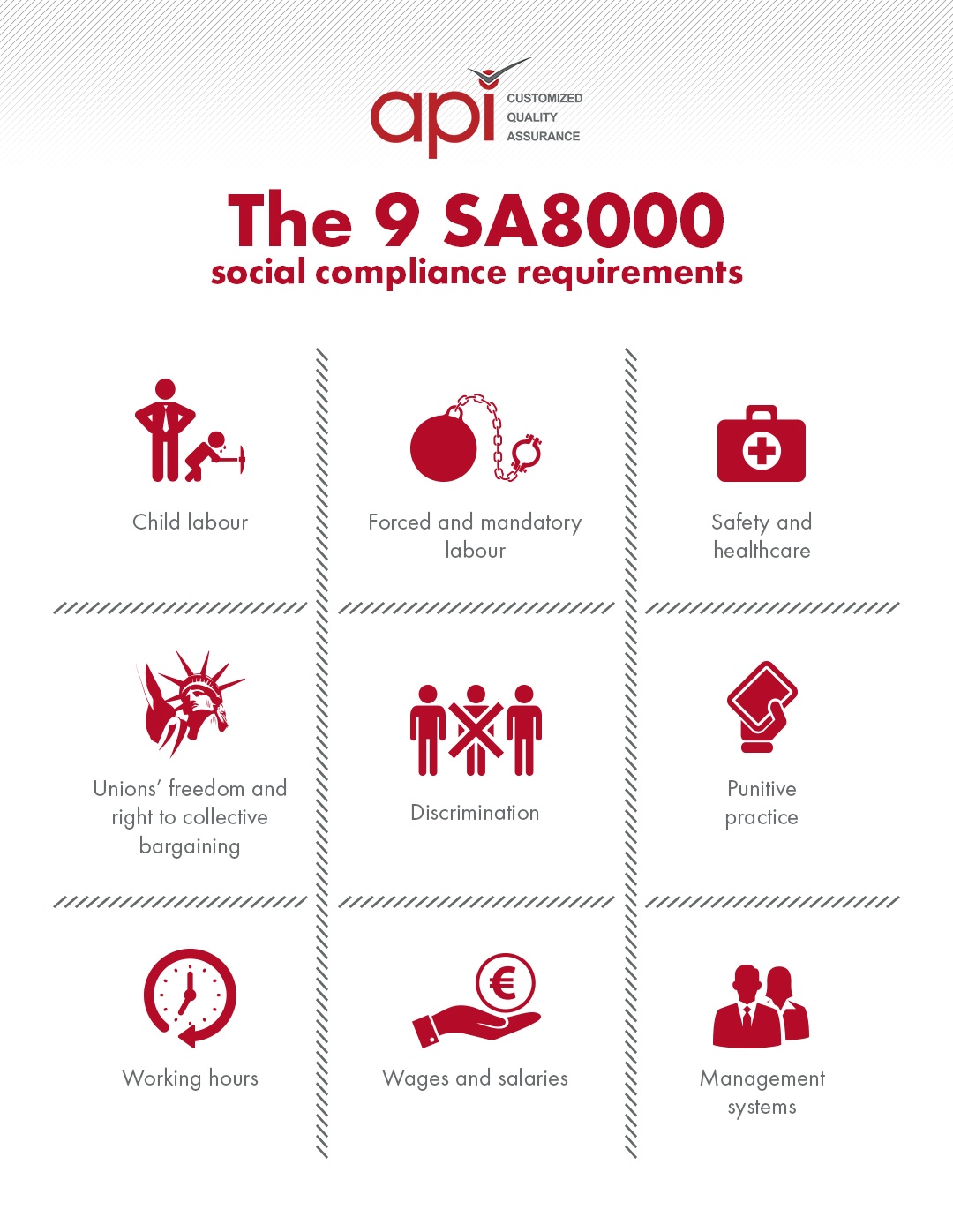
Attaining a pass on your social compliance audit report is a commitment that your organization makes to ensuring that you are socially responsible and that you are committed to treating your factory’s staff ethically and in compliance with global ethical standards. So the question is… Is your consumer electronics brand committed to achieving an ethically responsible supply chain? Let’s take a look at the standards as laid out by SA8000: The 9 SA8000 social compliance requirements are:
  • Child labour – No children younger than 15 years of age may be employed by any factory.
  • Forced labour – No person may be employed by a factory if they haven’t offered to do so voluntarily or be forced to work under the threat of punishment or retaliation.
  • Health and safety – A safe and healthy workplace environment must be provided by the factory, who should also prevent any potential health and safety incidents and work related injury or illness from occurring. In the case of consumer electronics you would need to ensure that there is sufficient personal protective equipment within factories.
  • Freedom of association and collective bargaining – All staff have the right to form, join and organize trade unions and to bargain collectively on their behalf.
  • Discrimination – A factory is prohibited from engaging in discrimination in hiring, remuneration, access to training, promotion, termination or retirement.
  • Disciplinary practices – A factory is prohibited from engaging in or tolerating the use of corporal punishment, mental or physical coercion or verbal abuse of employees.
  • Working hours – A factory must comply with applicable laws, collective bargaining agreements and industry standards on working hours, breaks and public holidays.
  • Remuneration – The right of staff to a living wage must be respected by the factory.
  • Management systems – Compliance must be reviewed and implemented to the SA8000 standard through developed policies and procedures.
Social Compliance Audit For Consumer Electronics - SA8000 In understanding the ethical compliance standards as laid out above, you are able to make informed decisions about the suppliers you choose to use in the manufacturing of your electrical products. Panasonic and Sony have been caught in supply chain scandals, that have created immense amounts of bad media coverage for the global electronic brands. Accused of unfair labor practices in factories, with vastly underpaid staff and electrical components that are said to be sourced from parts of the world known to be inclusive of child slave labour. With this in the media, consumers will begin to think twice about purchasing your product as they do not want to be affiliated with brands who are not achieving progress toward a transparent, sustainable retail supply chain as laid out by SA8000 guideline. Can your consumer electronics brand afford publicity like this? Achieving your social compliance audit will reduce any potential risks relating to the violations of global ethical standards, which puts your brand in a risky position and can cost your organization public shaming and embarrassment, scarring your brand. Dependent on the severity of the violation it could also cost you millions in lawsuits too. This type of audit provides the desired transparency many consumers are looking for within the retail supply chain. Today’s consumers are becoming more concerned with the way in which products are sourced and manufactured, and rightly so. So what are you doing to maintain consumer trust in your brand?

Who should conduct your factory’s social audit?

Many suppliers choose to conduct their own audits with in house teams, this method is untrustworthy which can produce bias results of the supplier.

Unless you have an extremely good relationship with the supplier in question and know for a fact that they are not going to lie on your audit report, then this way of passing a factory social audit is not our recommendation. Hiring an impartial third party quality management provider may be the answer They are viewed as independent parties with all the technical expertise to be able to produce unbiased reports and provide you with actionable improvement plans for you to progress forward in achieving your factory’s social compliance. auditoría social de la fábrica

Independent audits are also taken into higher consideration by NGO’s and the media to be a truer and an honest reflection of the findings within the factory.

By outsourcing this service you not only are able to protect your brand’s image, but you minimize any potential risks you might face by not having a social audit, that can prove to be costly for your brand in many more ways than just revenue loss. Many consumer electronic factories are still found in violation of unfair labor practices or extensive work hours. This doesn’t have to be… Let’s take a look at what Apple has implemented when underage labor is found within their factories; “If we find underage workers in our suppliers’ factories, we make the suppliers return the children to their homes, pay for their education at a school of their family’s choice, and continue to provide income for basic needs until they reach the legal working age. We also enlist a third-party organization to monitor the children’s progress and report back to us. After they complete their education, suppliers must offer them reemployment. In 2015, we found three cases of underage labor — and we will continue to look for it.” Apple has shown that ethical and fair practice within your factory is not impossible to attain. It will be up to you to implement an appropriate strategy to deal with the social challenges felt within consumer electronic factories. Apple is a global leader for consumer electronics, but is also innovating in the way that they say no to injustices in a supply chain and go above and beyond to achieve an ethical and fair supply chain to produce the high quality electronics that they offer. Are you willing to do what it takes to achieve that transparent supply chain? API can help you attain this goal as your third party auditing partner. Have you undertaken SC audits across your CE supply chain?  If you have any question about factory social audits, feel free to Contacto and we will be pleased to answer them and help where we can.
Categorías
Blogs

Auditoría de calidad de terceros frente a auditoría de calidad interna

Mantener la eficiencia de su cadena de suministro y la calidad general de sus productos puede ser algo que puede gestionar a través de un auditoría interna de calidadpero las preguntas son; - ¿Realmente puede dedicar el tiempo y los recursos necesarios para medir y gestionar eficazmente sus sistemas? - ¿Es capaz de realizar un análisis objetivo del estado de sus sistemas? - ¿Cómo garantiza esto su posición en el mercado a los ojos de sus clientes? Si conoce los pros y los contras de realizar tanto una auditoría de calidad interna como una auditoría de calidad de terceros, podrá asegurarse no sólo de que sus productos superan los requisitos mínimos de conformidad, sino de que tienen el máximo nivel de calidad posible, al tiempo que garantiza que está racionalizando sus operaciones de producción para que sean de la máxima calidad. ¿Le parece algo de lo que su organización puede beneficiarse? Siga leyendo para descubrir las ventajas de realizar una auditoría de calidad por terceros en lugar de recurrir a un equipo interno de auditoría de calidad.

¿Está al día de las últimas normativas sobre productos?

La oferta y la demanda de nuestro actual panorama minorista mundial hacen que siempre sea necesario estar al día de los cambios en la normativa sobre productos.

Auditoría de calidad por terceros

Un proveedor de calidad externo tiene acceso a recursos a través de asociaciones y una red de sistemas en línea basados en la nube que les permiten estar al día de las últimas normativas sobre productos. El acceso a una red como ésta es una parte clave de su oferta de servicios, esto es lo que distinguirá a un proveedor de servicios externos de buena calidad. Capacidades como esta son capaces de racionalizar sus operaciones, lo que puede ayudarle a sacar su producto al mercado con mayor rapidez, permitiéndole mantenerse a la cabeza de las presiones de la oferta y la demanda que se sienten en el mercado. Sin embargo, al realizar una auditoría de calidad por terceros, deberá asegurarse de que los auditores que elija estén especializados en su categoría de producto específica; de este modo, se asegurará de que estén al día de la información más relevante sobre productos y normativas. Tomemos como ejemplo la moda mundial de los fidget spinners; este juguete infantil llegó a las estanterías más rápido de lo que el mercado podía parpadear. Servicios de inspección de calidad por terceros - fidget spinner Resulta que más de 200 000 tuvieron que ser retirados debido al incumplimiento de los procedimientos, así como a que el producto presenta defectos críticos, lo que significa que este producto puede causar lesiones o daños a su consumidor final. Un auditor de calidad externo podría proporcionarle un informe de inspección imparcialIncluya la información anterior, protegiendo así su marca de daños y retiradas de productos que pueden llegar a ser extremadamente costosos.

Auditoría interna de calidad

La fiabilidad es clave. ¿Su personal interno puede dedicar el tiempo necesario a asegurarse de que comprende toda la información relevante sobre el producto que usted necesita? Aunque su organización tenga los conocimientos necesarios, es probable que no disponga de los recursos o la capacidad para dedicar a alguien que se asegure de que está bien documentado sobre las últimas normativas que se exigen. servicios de inspección de calidad de terceros - redes geográficasMuchas organizaciones no disponen de las amplias redes geográficas que tienen los grandes minoristas. Por lo tanto, su personal interno acaba dedicando mucho tiempo a viajar para realizar inspecciones de control de calidad, sin dedicar suficiente tiempo a centrarse en la calidad de un producto. Esto suele ralentizar los procesos de producción, con un tiempo eventual de comercialización más largo. Si tomamos en consideración el ejemplo del Fidget Spinner, ¿cuál es la probabilidad de que su equipo interno sea consciente de esa no conformidad antes de que salga al mercado? Piense en ello. Un suceso como el anterior pone a su marca en un riesgo innecesario, con el potencial de una mala publicidad y una importante pérdida de ventas. Puede ¿Se lo puede permitir su organización?

¿Dispone de todos los conocimientos técnicos?

Los conocimientos técnicos sobre productos y la amplia experiencia en pruebas e inspecciones son un bien infravalorado en la cadena de suministro minorista, ¿cómo puede empezar a aprovecharlos en su beneficio?

Terceros

Un proveedor de calidad externo puede poner a su disposición una amplia red de conocimientos técnicos relacionados con su producto y sus sistemas de calidad, desde auditorías de fábrica hasta equipos de inspección y ensayo y cualquier técnica específica que pueda ser necesaria para garantizar el cumplimiento de su producto. servicios de inspección de calidad de terceros - red tecnológicaAlgunos equipos de ensayo pueden ser exclusivos de un producto específico o si hay una actualización de los procedimientos de ensayo para incluir los cambios recientes en la normativa. A menudo, los proveedores externos pueden ofrecer soluciones técnicas basadas en las especificaciones anteriores, junto con equipos que conocen bien los nuevos procedimientos de ensayo. Los proveedores externos suelen enviar a sus inspectores a cursos de formación para que se familiaricen con los nuevos equipos y procedimientos de ensayo, a fin de garantizar un servicio de alta calidad con un índice mínimo de retirada de productos. Para los proveedores de calidad externos es prioritario estar al día de las últimas tendencias y novedades de su sector, junto con las mejores prácticas que deben seguir. Este tipo de conocimiento y experiencia puede aprovecharse para obtener una ventaja competitiva.

Calidad interna

Aunque su equipo interno puede tener conocimientos sobre el funcionamiento interno de su producto y sus procedimientos de calidad ideales, la realidad es que no siempre es suficiente. Mantenerse al día y supervisar lo último en normas y reglamentos requiere muchos recursos, a lo que se añade el reto de mantener y garantizar que toda la documentación se actualiza correctamente, lo que a menudo no ocurre. Esta cantidad limitada de recursos puede crear procedimientos innecesariamente complejos, que se amontonan hasta el cielo, pero que podrían haberse evitado con mucha planificación estratégica y estructura. Esto no suele ser el fuerte de muchas organizaciones pequeñas. La clave está en conocer tus puntos fuertes y centrarte en ellos para el crecimiento de tu organización.

Tecnología adecuada para procedimientos de alta calidad

El uso de una tecnología adecuada que le permita hacer un seguimiento de su progreso operativo y de aspectos como los informes de inspección de sus productos es esencial para agilizar sus operaciones de calidad.

Terceros

Es esencial que los proveedores de calidad externos dispongan de plataformas adecuadas y apropiadas para gestionar eficazmente los sistemas de calidad de sus clientes. Estas plataformas también deben ser capaces de registrar y hacer un seguimiento adecuado de todos los datos, así como de gestionar determinados aspectos de la documentación y la comunicación. Esta tecnología proporciona datos exhaustivos que permiten conocer mejor la cadena de suministro, algo que de otro modo no estaría disponible. Estos datos pueden aprovecharse en estrategias para su marca, desde la mitigación de riesgos a la gestión de inventarios, pasando por la forma en que realiza las pruebas de producto en su laboratorio y los tipos de informes de inspección que se están elaborando. Tiene que proporcionar información valiosa y práctica para que pueda optimizar sus sistemas de calidad y lograr una mayor eficiencia, lo que debería llevarle a una mayor tasa de producción y a una comercialización más rápida de sus productos. inspección de calidad por terceros - solución TCFsu producto. Si sumamos todo esto, empezaremos a ver márgenes de beneficio más altos y también habrá aumentado la capacidad de satisfacer la oferta y la demanda de nuestros productos, creando esa deseada ventaja competitiva. Veamos brevemente la solución del Expediente de Conformidad Técnica; Se trata de una solución de conformidad que le permite obtener información fiable y precisa sobre sus procesos de conformidad. Se ofrece a través de una plataforma basada en web y es una una ventanilla única para todos sus documentos de conformidadcon actualizaciones en tiempo real y acceso y perspectiva 24 horas al día, 7 días a la semana. Este tipo de tecnología permite a su organización una mayor concentración, control y conocimiento.
Calidad interna

Disponer de tecnologías o sistemas actualizados puede suponer un reto porque los equipos de calidad internos siguen dependiendo en gran medida de hojas de cálculo de entrada manual, lo que crea demasiado margen para el error humano. Los datos sesgados pueden tener implicaciones de largo alcance para sus sistemas de calidad, que a menudo pueden desembocar en retiradas de productos y pérdidas económicas para su marca. A menudo se debate sobre el coste del software. Aunque se trata de un argumento válido, sobre todo para las PYME que intentan mantener la cabeza fuera del agua, que suele ser su única prioridad, se recomienda considerar la posibilidad de integrar poco a poco la tecnología en los sistemas de calidad para empezar a racionalizar los procedimientos y aumentar la eficacia. Uno de los mayores retos es la gestión sistemática de toda la documentación técnica. Es importante recordar que las autoridades tienen derecho a acceder al expediente técnico, que debe contener toda la documentación técnica. Algunos minoristas intentan recopilar esta documentación técnica a través de un equipo interno, pero a menudo es un poco lioso debido a diversas normas industriales como;
  • El fabricante cambia los materiales de vez en cuando porque ha encontrado un precio más barato en otro sitio
  • El comprador personalizará los productos solicitados para que sean únicos y tengan un mayor valor de mercado.
  • La mayoría de los informes de ensayo caducan un año después, por lo que a menudo la documentación está caducada o no existe.
Por lo tanto, un equipo interno tendrá que seguir persiguiendo a los proveedores para que proporcionen toda la documentación válida y, al mismo tiempo, estará sometido a la presión interna del equipo de merchandising para liberar el envío.

agilizar el proceso de liberación de envíos

Navegar por las aguas de la logística internacional es poco menos que un pequeño milagro que hay que superar sin el efecto dominó de las pesadillas que se producen por el camino. Sus envíos se atascan en la aduana debido a una documentación incorrecta crea una serie de retrasos para el resto de su operación.

Terceros

Trabajar con un proveedor de calidad externo que pueda desempeñar un papel clave en el proceso de liberación de envíos puede ayudar a evitar tener que navegar solo por esta compleja red logística. servicios de inspección de calidad por tercerosLos informes de inspección son esenciales para obtener el despacho de aduana de los envíos. Corresponderá al minorista, junto con su proveedor de calidad, establecer una pauta de calificación de los informes. Esta pauta de calificación de informes constituye una base de automatización que reduce la cantidad de cambios manuales tras la revisión de los informes. La revisión manual de estos informes ralentiza enormemente los procesos de autoenvío y todo este proceso pierde sentido. Un proveedor de calidad externo podrá proporcionarle los conocimientos del sector y las mejores prácticas relativas a los informes de calificación. También podrá personalizar sus informes de calificación en función de las necesidades de su producto. Una vez creado este informe de calificación, su proveedor de calidad puede utilizar sus sistemas técnicos para enviar informes diarios tanto al cliente como a la empresa de carga que haya elegido. Esto crea un proceso de liberación mucho más claro y rápido tanto para usted como para la empresa de carga. La montaña de papeleo, desde las licencias de importación hasta los informes de inspección completos, ellos lo tienen todo bajo control, lo que permite un proceso racionalizado y eficiente para su organización.

Calidad interna

¿Cuántas veces se le ha atascado un envío sólo para que le digan que no tiene la documentación correcta? Servicios de inspección de calidad de terceros - trámites aduanerosTradicionalmente, un equipo interno suele publicar los informes de inspección a medida que los recibe, lo que provoca retrasos importantes. Esto suele deberse a que los equipos internos de control de calidad tienen que viajar mucho, lo que significa que no tienen tiempo suficiente para realizar las aprobaciones necesarias para que los envíos se publiquen a tiempo. No quiero parecer repetitivo, pero tener un equipo interno capaz de gestionar la logística de los envíos sería un sueño, sin duda, pero pasar la aduana con seguridad depende de ser eficiente en todos los demás puntos que he mencionado antes. Los equipos internos que no dispongan del tiempo, los recursos y los conocimientos técnicos adecuados tendrán dificultades para hacer frente a problemas que, de otro modo, podrían haberse evitado. Así que este es el trato... La gestión de la calidad es un sistema complejo que requiere 100% de su atención y concentración. Es usted capaz de dedicar tanto tiempo y recursos a garantizarlo? Esta es una pregunta que muchos no quieren responder, pero la realidad es que a menudo no puede permitirse el tiempo y los recursos necesarios para crear sistemas de calidad totalmente optimizados que puedan producir productos de alta calidad para su marca y a tiempo. Entonces, ¿qué? Puede que merezca la pena considerar la posibilidad de contratar a un proveedor de calidad externo que pueda dedicarle el tiempo y los recursos que necesita para racionalizar las operaciones de su cadena de suministro. Un proveedor externo de calidad puede proporcionarle; * Lo último en regulación de productos * Experiencia técnica * Disponen de la tecnología adecuada para agilizar sus operaciones * Tienen los conocimientos sobre cómo navegar por las aguas de la logística internacional para su marca. Esto le dará margen para empezar a centrarse en lo que se le da bien: fabricar productos de alta calidad y crear un nivel de confianza con su consumidor que sea competitivo a escala mundial. ¿Tiene experiencia trabajando con servicios de inspección de calidad de terceros?

Categorías
Blogs

7 Pasos para Prevenir Defectos en Productos de Bienes para el Hogar

Encontrar una forma infalible de prevenir los defectos de los productos y reducirlos a cero es un sueño, pero, lamentablemente, la realidad suele ser más una pesadilla para la mayoría de los importadores. La dura verdad es que, sin adoptar un enfoque sistemático para abordar el aspecto de la producción de su cadena de suministro desde el principio, pondrá en riesgo toda su operación. En esta publicación, buscamos ayudar a delinear 7 pasos específicos que puede tomar para minimizar la cantidad de defectos del producto que experimenta durante todo su proceso de producción, con la esperanza de prevenir los defectos del producto, pero también ayudándole a adoptar un enfoque más colaborativo para tratar con sus proveedores. Cuando las cosas empiezan a ir mal Puede suceder que recibas un lote de productos con las dimensiones incorrectas, el color de costura equivocado en un sofá o te des cuenta de que se realizaron pruebas incorrectas, lo que resulta en incumplimiento y que no se cumplan las normativas. Mientras tanto… Su envío ahora está retrasado (o peor), posiblemente atascado en la aduana y la montaña de problemas y papeleo no deja de acumularse, un efecto dominó de problemas de producción sin ver la luz al final del túnel. Entonces, ¿qué puedes hacer para prevenir los defectos del producto por completo? Todo comienza con estos 7 pasos:
  1. Comunicando los requisitos del producto con su personal de control de calidad y proveedores
  2. Comunicar tus requisitos específicos para el embalaje
  3. Definición de pruebas in situ y pruebas en línea con su proveedor y fábrica
  4. Definir la terminología de clasificación con tu proveedor
  5. Estableciendo una muestra perfecta
  6. Realizar control de calidad DUPRO
  7. Control de calidad posterior a la producción

Comunicar los requisitos de tu producto al personal de control de calidad y a los proveedores puede ayudar a prevenir defectos de calidad.

Comunicar las especificaciones de su producto a su proveedor es esencial para protegerse contra defectos del producto. Pasos para ayudar a prevenir defectos del productoLa especificación del producto puede parecerse a las dimensiones de sus productos, el volumen, su peso, el color y cualquier etiquetado específico que pueda necesitar para cumplir con la normativa. En sus especificaciones debe asegurarse de ser lo más específico posible, desde paletas de colores específicas hasta el peso máximo de una batidora eléctrica. Cuanto más específico sea, más fácil será para su proveedor cumplir sus especificaciones. Estas especificaciones también proporcionarán al equipo de control de calidad de su proveedor un estándar/guía para supervisar adecuadamente la producción del artículo. Aquí es donde inspección interna vs. inspección externalizada Surgen argumentos. Debes establecer si un equipo interno es plenamente capaz de realizar todas las pruebas y la presentación de informes necesarios para tu producto, o si será de mayor beneficio externalizar la experiencia profesional a un proveedor de calidad externo. Como importador, debes asegurarte de estar al día con todas las últimas regulaciones específicas de tu producto. ¿Eres tú? {{cta(‘37580c78-0398-44e8-8f88-7682a9c94777′,’justifycenter’)}}
Comunica tus requisitos de embalaje para prevenir defectos del producto

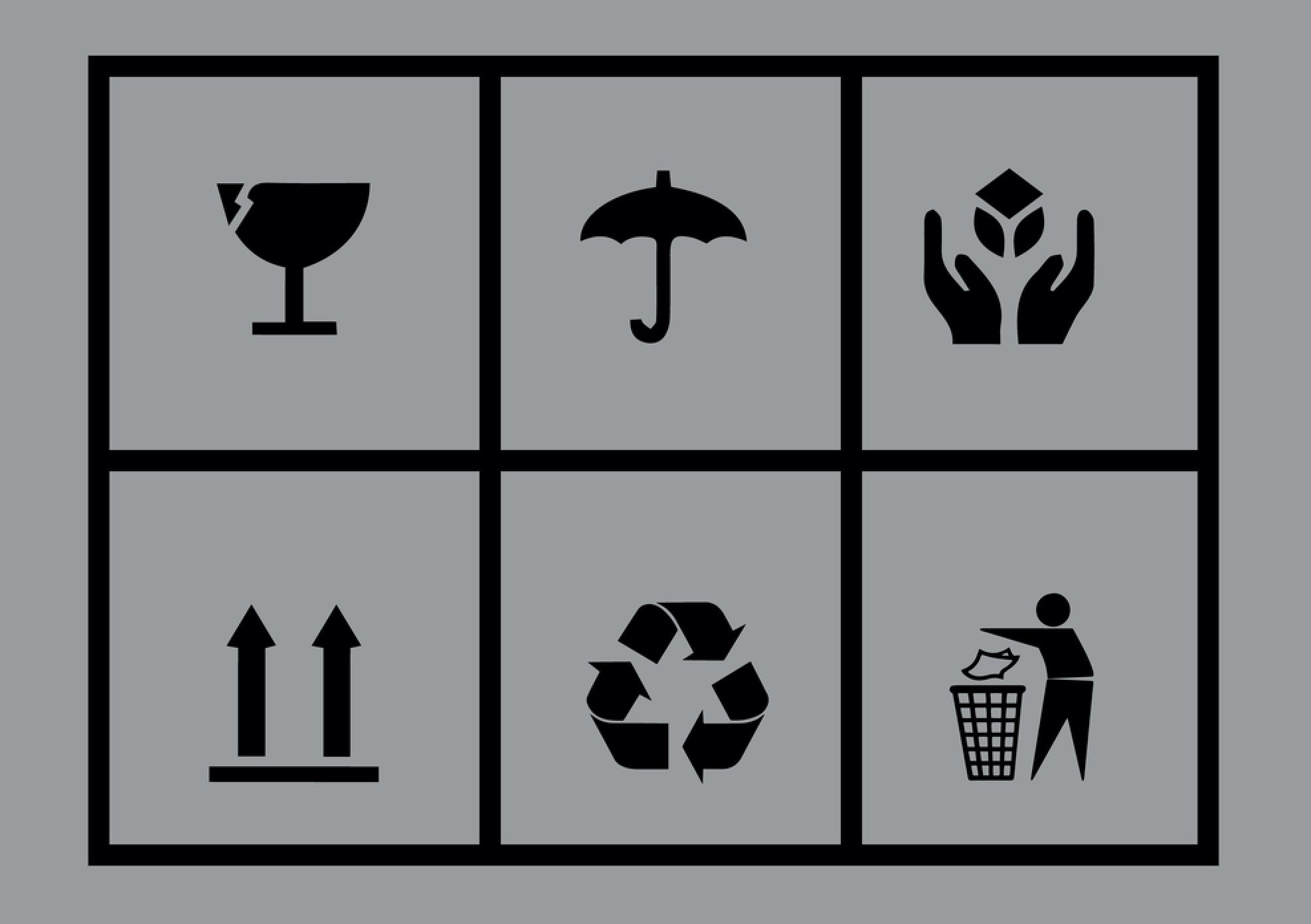
Su producto debe cumplir con los requisitos de embalaje al ser enviado. Esto a menudo significará que toda la documentación necesaria estará presente y/o visible en el paquete durante el proceso aduanero de importación y exportación. Debe especificar los requisitos de embalaje y qué es exactamente lo que debe estar presente en el exterior de la caja. Esto protegerá contra posibles daños durante el envío, asegurando su llegada en buen estado. Requisitos de embalaje para prevenir defectos del producto

¿Qué pruebas y comprobaciones realizará in situ?

Tu equipo de control de calidad, ya sea interno o externo, debe estar informado sobre los tipos de pruebas de calidad que se deben realizar en el sitio. Una vez que confirmes qué pruebas se necesitan, tu equipo de inspección deberá saber qué equipo de prueba se requiere por producto. Un exprimidor eléctrico, por ejemplo, se probará de manera diferente a las pruebas que se necesitarán para otras categorías de productos. Si eliges usar un proveedor experimentado de calidad de terceros podrá aprovechar su experiencia técnica, por ejemplo, el tipo exacto de prueba de carga que puede ser necesaria para un sofá destinado al mercado europeo. Un proveedor externo experimentado también dispondrá de laboratorios con entornos controlados y todo el equipamiento adecuado para probar su producto, además del seguimiento constante de cualquier actualización en la regulación de la que necesite estar al tanto.  

¿Se ha acordado la terminología de clasificación de defectos?

Muchos importadores optan por usar la siguiente terminología de clasificación cuando tratan con sus proveedores:

Un defecto crítico – Esto se define cuando el producto puede causar posibles lesiones o daños al usuario final. La seguridad de este producto está comprometida.

Prevención de defectos del producto - pruebas de laboratorioUn defecto crítico sería el sobrecalentamiento de la batería de un portátil que, si se deja desatendida mientras se carga, puede provocar incendios.
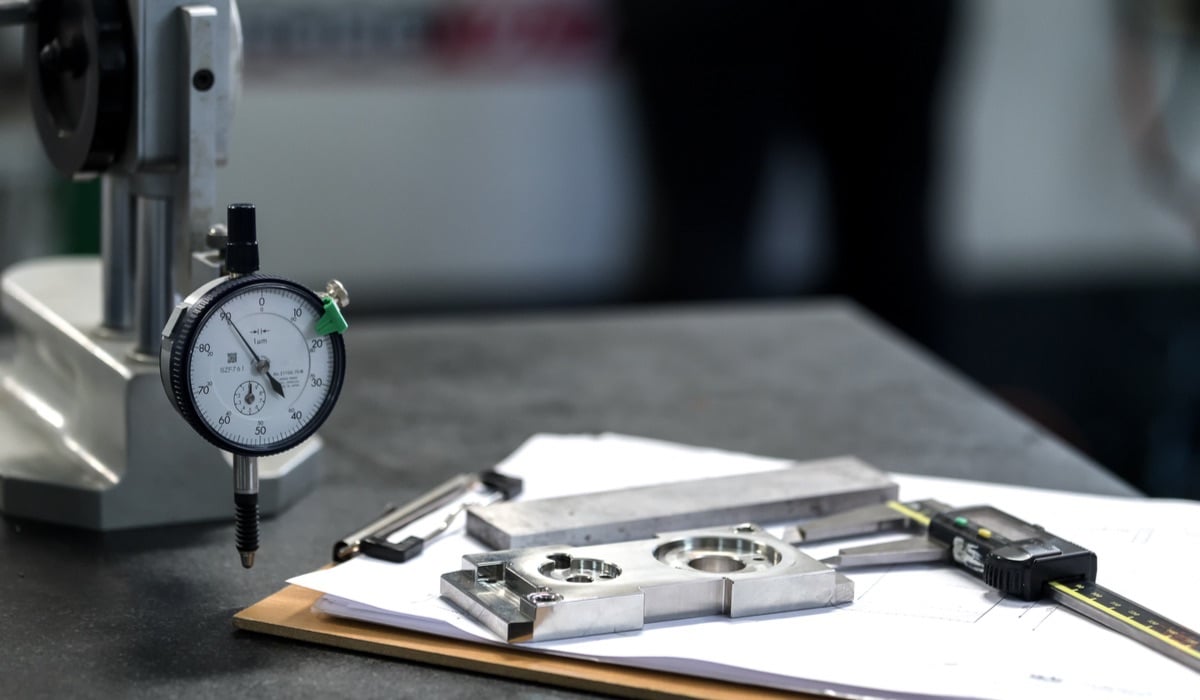
Donde el producto en cuestión pueda causar lesiones al usuario final, esto da lugar a retiradas de productos y es enormemente perjudicial para su marca.

Un defecto importante – Esto se define cuando su condición afectará la venta del producto en el mercado, lo que probablemente resultará en que el usuario final lo devuelva con insatisfacción.

Una cafetera que no calienta el agua adecuadamente para hacer una taza de café decente y bebible se considera un defecto importante.

Este producto ha causado insatisfacción entre sus usuarios finales y estos lo devuelven a la tienda, probablemente reseñándolo en línea, lo que tendrá un impacto en las ventas futuras de ese artículo.

Un defecto menor – Esto se define cuando su defecto es pequeño, no afectará su comercialización en el mercado y no representa ningún daño o lesión al usuario final.

Tomemos como ejemplo una mesa de centro de madera. Su equipo de control de calidad somete el producto a sus pruebas y se encuentra con un rasguño debajo de la mesa.

Esto es un rasguño que su usuario final no verá en el uso normal del producto, o es posible que ni siquiera lo vea. Esto lo clasificaríamos como un defecto menor por el cual este producto saldrá al mercado, ya que no causará ningún daño ni perjuicio al usuario final.

Pero eso no es todo…

¿Qué tal una muestra? He dejado la obtención de una muestra para el final… ya que algunos importadores no requieren una muestra antes de la producción. Si bien esto no es una necesidad, al agregar esto a su procedimiento de producción puede ayudarle a reducir significativamente los defectos del producto que provienen de tu proveedor y fábrica seleccionados. Una vez que hayas establecido los requisitos adecuados del producto, podrás solicitar una muestra a tu proveedor. Una vez que recibas tu muestra, deberás analizarla y asegurarte de que cumpla con todos tus requisitos, y luego enviársela de vuelta a tu proveedor con una confirmación para proceder con tu producción, o con una lista de especificaciones adicionales que deben cumplir. Y si no cumple tus requisitos? Las muestras no siempre cumplirán con los requisitos de su producto especificados. A menudo se puede detectar esto simplemente sosteniendo o mirando el producto. Pero, la mayoría de las veces, un producto substandard llegará al consumidor final, exponiendo su marca a daños y riesgos graves. Prevención de defectos del producto - herramientas de prueba Por lo tanto, una pregunta importante que deberías hacerle a tu proveedor antes de todo esto es, ¿cómo evitarán cualquier problema de calidad que pueda surgir durante tu operación? Comprender cómo tu proveedor maneja las presiones de calidad y los procedimientos de cumplimiento te ayudará a definir qué tipo de relación tienes con ellos. Antes de la producción en masa, tu proveedor debe proporcionarte un carpeta de cumplimiento técnico (TCF) que deben contener informes completos de cumplimiento, desde seguridad física hasta seguridad química y eléctrica. Para cualquier informe faltante, su producto de muestra deberá pasar por todos los procedimientos de prueba requeridos para cumplir con los niveles de cumplimiento específicos de su país de destino. Si después de ser probado y analizado no cumple con los requisitos mínimos necesarios para el producto, su fábrica debería poder proporcionarle un análisis de causa raíz para abordar lo que salió mal y luego asesorar sobre cualquier plan de acción correctiva o preventiva. Desde aquí podrán hacer los ajustes necesarios y también querrás que te envíen otra muestra después de que hayan hecho los ajustes que especificaste.  

Cómo gestionar la calidad durante su proceso de producción en masa

Durante el proceso de producción, a menudo existe una variación en la calidad de los productos. Es por eso que debe emplear un equipo de control de calidad de fábrica para minimizar este alcance de variación. Este equipo lo hace a través de comprobaciones de producción en línea que identificarán cualquier defecto que pueda ser enmendado en la línea de producción. Durante la fase de selección de proveedores, habrá realizado un análisis de la tasa de éxito de su fábrica. Esto le ayudará a determinar si debe o no subcontratar sus inspecciones en línea a un proveedor de calidad externo calificado. Su experiencia en la línea de producción ayudará a elevar el nivel del sistema de calidad general de la fábrica, minimizando así el número de defectos del producto que salen de la fábrica.  

También puede asegurar la calidad de su producción mediante controles de inspección final

prevención de defectos del producto - Prueba de muestra La gestión de defectos del producto también puede abordarse después de la producción en masa a través de un Inspección aleatoria final para verificar y eliminar cualquier defecto final en sus productos. A menudo, las muestras se extraen después de la producción en masa para realizar pruebas químicas, nuevamente durante su primer envío y también en caso de un envío de reposición. Realizar pruebas químicas en muestras durante estas tres etapas es una forma de asegurar que sus productos sigan cumpliendo, ya que la contaminación puede haber ocurrido en la línea de producción o durante su proceso de envío.

Puntos Clave

Los defectos del producto no son ideales, los proveedores los odian tanto, si no más que tú. Siguiendo la guía descrita anteriormente, sentarás una base sólida sobre la cual comenzar a minimizar la cantidad de defectos del producto que experimentas. Así que resumamos:
  • Comunica los requisitos de tu producto
  • Comunique sus requisitos de empaque
  • Definición de pruebas in situ y pruebas en línea
  • Definición de su terminología de clasificación
  • Establecer una muestra perfecta
  • Durante la producción, el proceso de control de calidad debe definirse.
  • Después del proceso de control de calidad de producción, se necesita definir
Siguiendo los pasos descritos anteriormente, obtendrá productos de la más alta calidad cada vez. ¡Un consejo de experto! Construye una relación colaborativa con tu proveedorUn elemento a menudo subestimado en la prevención de defectos de producto es la construcción de una buena relación de colaboración con su proveedor. Esfuércese por desarrollar esto y puede tener beneficios a largo plazo para su organización y los productos que se fabrican.

¿SUPONE EL CUMPLIMIENTO DE LA NORMATIVA UN RETO PARA TI?

CONTÁCTANOS PARA CONSTRUIR HOY MISMO UN PROGRAMA DE CUMPLIMIENTO ÚNICO PARA TUS NECESIDADES

Categorías
Blogs

Comparing the old and the new in compliance software

Maintaining supply chain compliance is an issue retailers/importers have found more difficult to navigate in recent years with an increase in pressure from consumers for more ethical products, and the digitization of retail supply chains.

Dealing with compliance issues have long been managed by manual compliance document filing procedures, which may have provided one a greater level of control in some respects in the past, but also made it that much more difficult to stay on top of one’s supply chain with all the heavy paperwork.

The need for an update in the way that compliance was documented, implemented and achieved was evident.

This brought about the advent and introduction of an online compliance solution. Web-based filing presented an all-in-one platform that promised greater transparency, and control over one’s supply chain in real time.

However, even with this tool there are still retailers/importers today who rely on more traditional means by which to tackle ever evolving issues that can be more readily addressed with more the accurate reporting data, flexibility and speed of an online solution.

In this blog post we will take a look at the benefits of the online compliance software known as the TCF solution over traditional compliance filing procedures, in the hope of showcasing why bringing supply chain compliance into the online age is a must for your household goods business.

tcf_software_vs_traditional_compliance (2).jpg

Often times retailers locally and globally are unaware of the options that are available to them, and also what benefits they can have for their organization. This often leads to sticking with what you know, sticking to a solution that may not always have the best ROI for your organization.

Why is this TCF solution right for you?

TCF is an online compliance software solution that:

  • streamlines your compliance and regulatory operations
  • provides actionable insights into the performance of your suppliers
  • allows insight into areas of risk that you may not have seen before
  • is extremely cost effective and efficient

The kind of visibility that a solution like this promises goes very far to help increase your productivity, therefore having a positive impact on your ROI.  

Learn more about the TCF solution API provides for household goods here!

Achieving compliance traditionally is a challenge right from the start. The constant back and forth communication with your suppliers, with a flood of emails to your inbox to constantly keep track of, to the unreliable manual entry spreadsheets. There is too much room for human error here to remain as productive as what consumers today are demanding.  

The digital landscape we find ourselves in is all about keeping up with the constant demand of the retail supply chain. If your current compliance systems are holding you back with errors that can be avoided easily, then your supply chain may not be as competitive or as productive as it likely should be.

TAKE A DIVE INTO LEARNING ABOUT HOW RETAILERS WERE ABLE TO OVERCOME THEIR BIGGEST QA CHALLENGES TODAY! SIMPLY CLICK HERE TO GET YOUR CASE STUDY NOW

Categorías
Blogs

¿Problemas de cumplimiento? Necesita este software en línea

Cumplimentar un Expediente Técnico de Conformidad, como sabemos, es un requisito exigido por la normativa. Consolidar los documentos de conformidad es un reto inmenso y es una red de complejidades que a menudo crea confusión e incertidumbre. Las numerosas normas y reglamentos necesarios para que un producto específico alcance un determinado nivel de conformidad son tan complejos que puede resultar poco claro cómo empezar a abordarlos, por no hablar de tener las capacidades internas para empezar a abordarlos.

"¿Existe una solución a esta maraña de complejidad?".

En plataforma web de desarrollo propio con disponibilidad 24/7 y almacenamiento seguro de sus documentos. Una plataforma como esta puede crear un valor inmenso para minoristas, importadores y directores de calidad, ayudando a aliviar algunas de las presiones y complejidades de cumplimiento al mantener todo en un solo lugar.

En este post, entrevisto a Aurelien Dalle, Director de Operaciones de API, donde tratamos de desvelar algunas de las preguntas más frecuentes en torno a este nuevo software de cumplimiento, y los beneficios que puede proporcionar a las marcas que luchan con problemas de cumplimiento provocados por la falta de documentación, incompleta o incorrecta.  

P: ¿Cuáles son algunos de los retos habituales a los que se enfrentan las organizaciones en relación con el FCT y el cumplimiento de la normativa en general?

  • A menudo resulta difícil disponer y mantener internamente todos los conocimientos sobre productos, normas y reglamentos, así como la vigilancia reglamentaria, ya que la mayoría de las veces se necesita la ayuda de expertos técnicos en muchos campos diferentes.
  • Es difícil hacer un seguimiento de la documentación, ya que no existe un sistema informático de apoyo adecuado y a menudo se depende de muchos correos electrónicos y archivos Excel para los documentos.problemas de cumplimiento.jpg
  • En muchas organizaciones, el equipo de calidad es pequeño. En algunos casos, los únicos equipos lo suficientemente grandes como para llevar a cabo esta tarea son los del equipo de compras, e incluso entonces suelen necesitar la ayuda de los laboratorios para que les asesoren y juzguen sobre la conformidad y la calidad en general.
  • Es una tarea ingente y tediosa determinar los requisitos de cada producto y ponerse en contacto con los proveedores para recopilar toda la documentación. También puede ser una tarea agotadora revisar documentos de 50 páginas en un solo día.

P: ¿Qué hay que hacer después de aplicar el servicio TCF?

  • Si el cliente desconoce las normas y reglamentos aplicables para completar un TCF, el equipo de TCF de API puede definir y dar recomendaciones sobre el alcance del cumplimiento (normas obligatorias y documentación técnica, así como requisitos de rendimiento recomendados) del producto para su mercado de destino.
  • El equipo del TCF de la API empieza a ponerse en contacto con los proveedores proporcionándoles acceso a la base de datos e informándoles, a través de la herramienta TCF, de los requisitos exactos que se aplican a los productos para que los proveedores puedan empezar a cargar los documentos, en caso de que ya tengan la documentación a mano; de lo contrario, el proveedor empezará a organizar las pruebas necesarias en laboratorios.

P: ¿Cómo puede beneficiarse una organización de este cumplimiento de la normativa? ¿software?

  • La herramienta TCF proporciona información centralizada, disponible 24 horas al día, 7 días a la semana. Ofrecemos conocimientos técnicos del laboratorio API y estadísticas automáticas para supervisar el rendimiento específico de los proveedores. También hay recordatorios organizados integrados en el sistema, que hacen un seguimiento de todo tipo de actividades y fechas dentro de la herramienta.
  • Seguimiento de las fechas de validez y caducidad de las normas/documentos y control de versiones, de modo que no sea necesario volver a comprobar el mismo archivo para los siguientes pedidos.

P: ¿Cuál es el plazo de entrega de un TCF completo?

El plazo de entrega depende del rendimiento del proveedor, así que en general puede ser de 1-2 semanas hasta 2-3 meses. A veces puede ser más, ya que algunas pruebas de resistencia específicas duran varios meses.

P: ¿Qué ventajas tiene utilizar una plataforma web?

Este software y su información están centralizados y se puede acceder a ellos desde distintos países. Minimiza la cantidad de correos electrónicos enviados y recibidos, al tiempo que reduce el número de colecciones de documentos de gran tamaño. Además, estos documentos se archivan de forma automática y adecuada para cada elemento.

P: ¿Cómo garantizan la seguridad y confidencialidad de los documentos?

Hay un acceso protegido por contraseña y páginas seguras encriptadas que garantizan la confidencialidad. Ensoftware de conformidad - almacenamiento seguro también hay un equipo informático dedicado a garantizar la seguridad del software y sólo los empleados de la API están autorizados a realizar modificaciones en la plataforma.


Son muchas las ventajas de este software de cumplimiento de las normas TCF, una solución integral capaz de agilizar todas sus cuestiones de cumplimiento, creando eficacia operativa para su marca, una mayor visibilidad de su proveedor y su rendimiento, así como la posibilidad de mitigar cualquier riesgo innecesario. 

Una entrevista informativa que ha sabido definir claramente las ventajas de esta solución ¿Tiene alguna idea o pregunta al respecto? Póngase en contacto con nosotros


¿SUPONE EL CUMPLIMIENTO DE LA NORMATIVA UN RETO PARA TI?
HAZ CLIC AQUÍ PARA CREAR UN PROGRAMA DE CUMPLIMIENTO
¡ÚNICO PARA SUS NECESIDADES HOY MISMO! 


Categorías
Blogs

[VIDEO] What is a Technical Compliance File (TCF)

Compliance and regulation has changed so much over the years with far more stricter regulations required for retail products today than ever before.The changing landscape has meant the very nature of compliance has become rather complex and difficult to achieve without adequate knowledge and expertise.

Compliance solution documentsMany of the compliance complexities that arise are in the collection and gathering of all the necessary documentation. Many manufacturers, importers and retailers today are still operating on outdated systems like spreadsheets, creating unreliable data and documentation, which creates an almost insurmountable task trying to maintain the information for each product reference.  

Often times professionals find themselves in a position of begging and pleading for documentation with nowhere to turn but to wait on the slow turning wheels of doing everything manually. Data, technology and cloud-based systems and solutions are where supply chains are headed.

Today’s consumers dictate the level of safety and performance they need to make a purchase of your product; this can either be seen as a challenge for your supply chain or as a golden opportunity.

What if there was an all inclusive compliance software that could streamline all your supplier and compliance operations in one place… accurately and reliably?

In this post, we seek to uncover the Technical Compliance File (TCF) solution – A compliance solution that will help relieve many of the compliance pressures that your supply chain currently faces.

What is a TCF?

Why a TCF?

At this point you may be wondering about the exact operating of this system, and what kind of benefits a compliance solution like this can have for your current operating systems. So let me tell you;

There are a number of reasons why retailers are in preference for this solution;

  • Technical expertise – There are dedicated teams to review what exact documents are required for the products and that the documents received are exactly what you are in need of, including all follow up with any supplier or factory that may be delaying you. These experts are also able to give technical advice where necessary, ensuring you don’t find yourself in a sticky supplier situation that can easily be avoided.
  • Online 24/7 access – The TCF solution has a 24/7 online dashboard with real-time updates allowingTCF compliance software you insight into your compliance status whenever you need it. There are also progress charts allowing you actionable insight into timelines and your supplier progress. This solution is also able to store all your documents for up to 10 years, ensuring your documents are safely stored for any future reference.  
  • Transparency – A solution like this can provide you with a real look into your supplier and/or manufacturer’s status in the workplace. It provides invaluable insights into the kind of supplier you have chosen to work with as you can track their compliance and regulatory progress online. 
  • Visibility – This allows you insight into what tests are being done and achieved in the lab, placing you in a better position of understanding the level of compliance your products are achieving.
  • Additional custom services – In having the expertise to analyze and determine the exact compliance and regulatory documents you are in need of, there are other custom services that can be offered if you find yourself short of an audit or specific product test that you need done to form a part of your TCF.
  • Separate supplier reporting – You are able to access reports on your organizational progress, but also your supplier’s progress. Your supplier is given access to a separate dashboard, so your information remains confidential.
  • Cost reduction – Streamlining the incredibly complex compliance process into one solution will be cost effective for your brand. Let me break this down for you; As mentioned earlier, a TCF is required as part of regulation, you already know what the process is in collecting documents from your factory, and all the follow-up communication that is required to get your documents. It’s often difficult and complex with little or slow results.

Regarding product compliance, let’s say for a furniture retailer, each item may need up to 30 documents (without counting all the submitted and rejected docs, which can be even more) to demonstrate compliance just for that product. As a retailer, you likely have more than 1 item that needs to achieve compliance, and with every document that is needed, each could take up to 30 minutes to evaluate properly, which equates to about 15 hours for just one product! If you have a whole range of products, you can begin to see how costly this whole process can become.

Risk Mitigation – The insight that this solution can provide into the most vulnerable areas of your supply chain can be invaluable information. The information that you will have access to should alert you to potential risks early on, allowing you the time to mitigate those potential risks. 

Enhancing your current quality management systems to include a web-based solution like this can set your brand at a benchmark above the rest.Compliance software web-based solution

As supply chains are increasingly becoming more digitally adaptive with cloud-based operating systems, it will be necessary for you to analyze your current solutions to be more adaptive to the current supply chain climate.

A comprehensive solution like this can create an operational efficiency for your supply chain that may have never even crossed your path. The benefits and increased visibility into your supply chain will be invaluable to optimizing your current quality systems.

In a better place of understanding this web-based solution, do you have thoughts or questions regarding the TCF? Leave your questions in the comments section; I would love to engage with you on this.

GET STARTED WITH YOUR VERY OWN COMPLIANCE PROGRAM TODAY!
CLICK HERE TO BEGIN 


Categorías
Blogs

Avoid Compliance Issues With Our Quality Assurance Solutions

Quality Assurance is essential to the efficient operating systems of your supply chain and, ultimately, your brand’s bottom line. But, the question is how often do you get caught up in procedural changes that leave your supply chain trapped in a web of complexities that you are unable to get out of or make sense of?

As a retailer, you know better than anyone that these complexities come with the territory of managing a supply chain, with the continuous changes in product regulation and compliance issues, to audit and inspection essentials, to also being able to get your product to market on time, having sufficiently passed all the compliance and quality inspections necessary.

Quality Assurance solutions.jpg

At this stage, you have either considered revising all of your operational procedures to encompass all the changes that need to be adhered to, or you have likely considered a third party QA provider. The thing to keep in mind here is that you are not alone. The web of complexities that have you entangled can be dealt with efficiently and according to your exact specification.

“What do I mean?”

Our case study takes a closer look at the QA challenges that two large European retailers were facing, and delves into exactly how they overcame this through API’s uniquely devised QA solutions.


The Challenges

Retailer A – Underwent major procedural changes and experienced 50% of their shipment being held due to basic procedural non-compliance rendering them “pending”.

“I am sure you are aware of how this can put huge pressure on your supply chain and bottom line.”

Retailer B – Began experiencing a large number of product recalls due to incomplete or unavailable Technical Compliance Files.

If you have had experience with the authorities, then you know exactly how complex acquiring a full and complete TCF is!


The Solutions

Retailer A – After implementing a customized quality management program, they were able to reduce their “pending” rate for non-compliance from 50% to 15%.

Retailer B – In a year they experienced a 60% decrease in the number of product recalls they had, owing to API’s in-house designed compliance software.

customized quality assurance solutions and compliance issuesBoth of these retailers experienced significant challenges within their supply chains, one had even previously adopted the services of a 3rd party QA provider, who made no strides in overcoming their challenges with them.

“There is no one size fits all approach to QA.”

Keep this in mind when you begin pondering over the use of an external QA provider.

This case study seeks to showcase the huge value in using a provider that is able to customize and tailor their quality assurance solutions based on your exact needs and requirements. This provides valuable insights into your supply chain allowing you to identify risks early, but also create somewhat of a partnership with your provider, based on trust and a quantifiable solution promoting growth and sustainability for your brand. 

Categorías
Blogs

Quality Vs Compliance – The Case For Supply Chain Synergy

The age old debate of quality vs compliance or compliance over quality is something that we still wrestle with today. By defining what these concepts mean, we can start to paint a picture of why one may take precedence over the other in your eyes: Quality – This specifically refers to the ability of a product or service to consistently meet and exceed customer expectation from its design to its functionality. Compliance – This specifically refers to whether or not your product meets specific product compliance regulations so as to be responsibly bought or consumed by a customer. Now, depending on your brand’s positioning and goals, you will likely be placing value on one over the other, putting your brand at unnecessarily high risks that can result in avoidable costs for you. “Does it really have to be one over the other?”  When quality and compliance are able to strike a harmonious balance within your supply chain, you create operational efficiencies that are able to create opportunities for growth in the marketplace, something your brand can benefit from by setting you at a bench mark above the rest In this blog post, we seek to uncover the importance of both quality and compliance and the benefits they have to manufacturers, suppliers and retailers all over the world, ultimately taking a closer look at what the perfect union of these two concepts can mean for you.

The case for quality

When one speaks of the quality of a product from a manufacturing perspective, it refers to the external review of a product. It seeks to satisfy consumers through its quality with regards to design, functionality, durability and aesthetic appeal. Quality vs compliance - aesthetic furnitureThe quality of a product can be defined in many ways and is almost always dependent on your specific consumer and their definition of quality for your specific item. So in that light, you will need to know exactly what your consumer is looking for to create the quality your brand is looking to achieve. When a consumer sets out to look for a quality product, they want to feel as though they have paid less than what the actual product is worth, the quality of the product far surpassing the amount they ended up paying. Fulfilling the need to exceed the consumer’s expectations, this is what true quality is all about. If fulfilling the need to meet your consumer’s expectations is at the top of your company’s agenda, is it not essential for your brand’s products to meet a level of quality that does just that? Let me leave you pondering that for a bit. In attempting to understand your customer’s definition of quality, it will be important to note that fulfilling consumer expectation and experience forms a part of that definition. Let me give you an example; If a consumer orders a product that has met and passed all quality tests it needed to meet, that product for all intents and purposes is a quality item. But, if the order arrives later than promised or arrives with a missing screw or the incorrect color, the consumer may not define this product as an item of value and quality. Striving for product quality is a stems right from the raw materials used, to the way in which it arrives to your customer, therefore every step needs to be taken into consideration.
The case for compliance

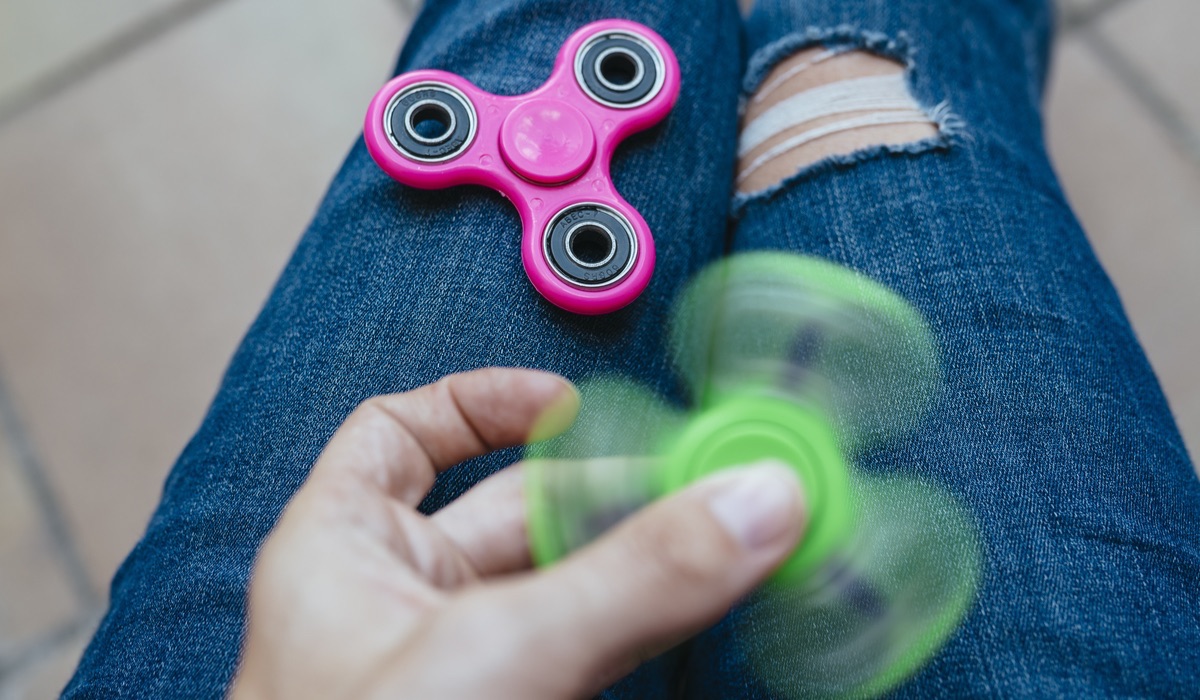
When a brand takes on compliance, it seeks to meet the minimum regulatory requirements specific to a product or item sold to a retailer. This may mean that although the product is not of the highest quality, it at least meets the minimum mandatory regulation requirements specific to it. Depending on your product’s destination market, it will likely need to comply with one or more of the following; * Product safety regulations * Substance regulations * Document requirements * Labeling requirements * Testing requirements You do not have to comply with all of these; as it will depend very much on your product and the market that it needs to enter. The importance of compliance is highlighted none the better than with the recent global Quality vs Compliance - Fidget Spinnerscraze of fidget spinners and, where 200, 000 of these spinners have been recalled due to it massive non-compliance failures. Many of these items that are being imported have been found to be non-compliant with the regulatory requirements specific to its markets. This is becoming a big problem as they have also proven to be a danger to children as the small parts they are made out of can and are causing serious harm. Where the confusion sets in, is that a product is capable of being compliant, but also not be the best quality product. The opposite is also true; you can have a quality item that does not meet all the regulatory requirements either. An issue like this can often arise within your supply chain whether it be in the design process, or even within the manufacturing process. This can create a high level of risk for your brand, and could land you in a position you do not want to be in.
The case for supply chain synergy

So as the debate goes, we seek to uncover the myth that quality supersedes compliance and vice versa. They need to work together, hand-in-hand, where they can create true value for your brand through optimized quality procedures from your factory to the consumers. Striving for compliance means to create operational efficiency for your supply chain. This means continuous improvements for your brand and its systems. These improvements can take the form of a compliance program which will begin to address the quality procedures (operationally and product quality) of your entire supply chain. The improvement of these systems will mean that you reduce your exposure to risk and also create a more visible and transparent supply chain, which consumers today base their buying decisions on. Always keep this in mind. A compliance program will also extend into the manner in which you select your supplier and evaluate the factory that your product will ultimately be made in. Ensuring that your supply chain is compliant will mean that you are essentially creating quality operating systems. Quality operating systems will mean that the product you produce is being made in the most optimal environment. A well-functioning environment where quality and compliance is a part of every operating system will flow into the very essence of your product, making consumers want to purchase your product at a price that they feel is undervalued for an item of such great quality Today’s consumer is empowered with access and knowledge into your product and your supply chain;Quality vs Compliance they want to know where its raw materials were sourced, how it was made, who made it and what its level of quality is. They ask themselves whether or not your product will be an investment in their lives. The key here will be to know your target market, know your consumer. If you do not know what they want, you will struggle to be their go-to brand; you will lose out on their brand evangelism and praise affecting your bottom line “Is this the type of brand and product you wish to create?” Retailers today are under so much pressure with the current supply and demand of products, that quality and/or compliance is not always a priority. “But, it should be!” Bad quality and non-compliance both mean that your brand is at an unnecessarily high risk with regards to meeting regulations and your reputation. It will be worth all the hard yards that you put in from the creation and design to the manufacturing and distribution of your products. This will help mitigate unnecessary risk, saving you money and precious time.


Conclusión

These two concepts can be integrated into your supply chain through a Quality Management System – “SGC is a set of policies, processes and procedures required for planning and execution of a product or service.” This should help you create a structured system for continuous improvements that can be made to all areas of your supply chain and its operations. Today’s empowered consumers show us just how important both quality and compliance are for your products and brand. It will be important to make these a priority in order to maintain that globally competitive advantage. If you are interested in learning how to build a compliance program that also addresses product compliance within your supply chain take a look at the eBook we wrote on how to go about doing just that.

Get started with your very own compliance program today!

Click here to begin

Categorías
Blogs

Shipment Stuck In Customs? 7 Steps To Avoid Import Delays

As a professional importer, a dreaded shipment delay is likely something that keeps you up all night and keeps you pacing the office all day. Then the day arrives! You get the call you’ve been waiting for alerting you that your shipment has arrived, and suddenly, your worst nightmare becomes a reality… Your goods are stuck in customs! Tackling customs is a bureaucratic nightmare most importers have had to deal with one time or another, and it’s something that if not dealt with quickly could spell a host of problems you’d much rather not have to deal with at all. What if you could avoid import delays all together? It’s all about the preparation of your import documentation. In this blog post, I want to provide you with a 7 step checklist that will help you navigate customs without a hitch or hassle in sight. We will take a look at the documentation that needs to be filled in correctly from start to finish, so you can say goodbye to your shipment stuck in customs for good! “So, what is the process?”

#1 An import license

Ensure that you have applied for an import license. You will not be able to ship your goods without this license. It specifies your permission to bring a certain amount of goods into a specific country and is only valid for a certain period of time. A top tip would be to create a file to keep all your import and shipping documents in one place. This may seem obvious, but with the mountain of paperwork that begins to pile up, it becomes easy to lose a document, which could result in a costly and time-consuming delay that could have been avoided with just a little bit of organization on your part.

Shipment stuck in customs - customs declaration

#2 An import declaration

This document is to merely state your intention as an importer to bring valid goods into a specific country. You need this document to verify you, as an importer, and to verify your goods in your destination country.

#3 Your invoice needs to be all inclusive

Your invoice needs to match your actual shipment. While this may seem like an obvious thing, it is often overlooked and can cause havoc during your customs clearance. An all inclusive invoice can look something like this:
  • Country of origin
  • Destination country
  • Name, surname, all possible contact information of both supplier and importer
  • In some cases, a Tax Id number will need to be provided
  • Payment method will all reference numbers and dates
  • Quantity of shipment
  • Total price of shipment
  • Total weight of shipment
  • A full description with the common naming of each item you are importing – I will touch base on this in my next point.
“Wait, there’s more…”

#4 Classification of goods

When classifying your goods for import, you need to be as in depth and detailed as possible with regards to each item that you are shipping. This classification of your goods will create a smoother process for the customs official, which will in turn ensure a faster turn around time for your shipment.

#5 Declaration of conformity

In many countries importers are in need of preparing a declaration of conformity; “What is a declaration of conformity?” “This is an official document confirming that the product was manufactured (as well as developed) in full compliance with all applicable requirements in place and technical rules that are described in certain Technical Regulations of Customs Union.” As an importer you will need to be aware of the specific regulations that your product needs to comply with in order to know which certification you need.

# 6 POA – Not a plan of action, a Power Of Attorney

Stcuk in customs - POAA POA is essential for filling out shippers exportation documents. This exportation document cannot be completed without a valid POA. Without it, your shipment will not be released, costing you time and money. “So, what happens when one of these documents are not in order?” You incur costs that begin adding up on a daily basis. Your shipment will be warehoused, where you will be billed for every day your shipment is there. It will be time consuming. Much of the paperwork mentioned above takes time to complete, but now you will be waiting on paperwork while raking up warehouse fees. This is not an ideal situation but can be avoided with thorough, well-kept, organized paperwork and a dash of patience to go along with it.

#7 Do use a customs agency

If you think that managing large orders on your own is something that you are willing to put all of your efforts and time into, then, by all means, go ahead. But my advice would be to use a customs agency. A customs agency has the expertise and knowledge to ensure that all the right paper work, permits, licensing and classifications are in order, so as to relieve yourself of those dreaded moments of hearing that your shipment is stuck in customs due to incorrect paperwork. They are also familiar with regulations and compliance standards that need to be met, that are also specific to your desired location and specific to your product.

Takeaways

Your documentation is absolutely crucial to a smooth customs experience. Nip customs issues in the bud by:
  • keeping all of your import documentation in one place
  • ensuring you have the right documentation that is specific to your product and destination country’s regulations
  • being clear in your classification of each and every item you are importing
  • not under valuing your product. If there is just a whiff of under valued items your shipment will be flagged, and you will get stuck unnecessarily which will prove to be a much more costly exercise for you
With these actionable steps, some sharpening of your organizational skills, and a bit of patience, you can begin to systematically tackle the paperwork that will see you through the import process.

compliance challenges?

Start building your own compliance program today – Click on the image below to get your free copy!