


Is your retail buying office falling behind with quality assurance procedures that should be taken on as best practice?
In this part one blog post, we delve into the reasons why your retail buying office could be falling behind, and not adopting the best practice quality assurance procedures that will keep your brand competing in the global market place.
The goal of quality assurance (QA) used to be simple; make sure that a product performs the way it is supposed to.
Over time the goal has evolved, from simple post production judgments to a multi-step process that begins with management defining outcomes all the way to distribution. This evolution is ongoing, and it has seen the adoption of QA within modern companies become almost ubiquitous – from mortgage lenders to software developers, to engineering firms.
The reason, you ask?
QA is vital to success!
To keep your business competitive in a fast-paced world, you need to make sure that you’re keeping up with the best practices for QA. Best practices are clear processes integrated into every facet of product design, development, and implementation, which ensure the highest chance of achieving your objectives.
Now you know about QA, and you want the best practices. We’re here to help.
But first…
Acknowledge your weaknesses. While this may be difficult to do, there is immense value in spending the time analysing this.
Here are five reasons why your buying office could be falling behind, and not adopting the best practices for QA that will keep you competing in the global market:
1. Forgetting that it’s a team effort

With QA being an increasingly integrative process, as opposed to final product inspection, it has become important to realize that QA has become a team effort.
The responsibility here begins with senior management
The staff that management chooses to carry out QA reflects how seriously management considers that role. This choice is important because QA staff need to have relevant experience to meet the objectives and closely follow the processes required by management.
This part may seem obvious, but what is critical is that the staff need to be able to work with senior management.
Mutual respect is key
A fully functioning QA team needs an open, responsive channel with senior management in order to perform their jobs properly. You do not want to be put in a position where there is a lack of communication from management, and subsequently, have the QA team blamed for not having the perspective of what they are required to do.
Alternatively, you also do not want the QA team struggling to resolve an issue because they cannot communicate with senior management about it. The role of a QA team is critical for the product success, so make sure that it is staffed with respected people that can be approached and worked with.
Other than QA staff choice, it is also key to have early involvement of the suppliers, designers, developers, consumers, and any other party involved in the process.
The more interaction there is with suppliers, the more close monitoring there can be of the quality of the material and products.
Involvement of designers and developers will minimize later conflict on what is expected and what is possible. And the involvement of potential consumers is critical to assess the projected profitability of the product.
This will all allow an efficient QA process, which minimizes the need for final-stage inspections/testing that could be costly or find issues that are difficult to rectify at that late stage. It also allows for early termination of unprofitable enterprises, without the massive financial losses that would come from realizing that post production/purchase.
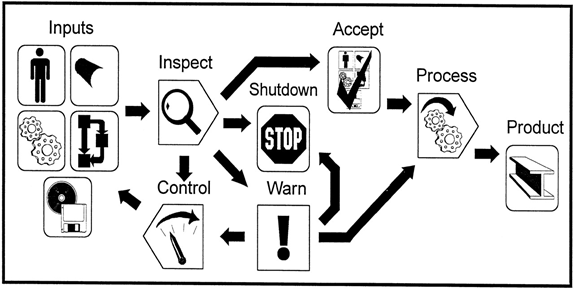
Figure 1. Involving all relevant parties in the process early on will allow for inspections of the design, production protocol, and consumer interest before the product is actually manufactured. This will allow for integrated QA, reducing the need for post-production and final stage inspection/testing, and in some cases for the timely shutdown of unprofitable projects (Adapted from Hinckley 1997).
2. Inadequately defining your QA objectives can create misaligned goals

Involving more people in the QA process from conceptualisation to purchase raises the next important step toward improving QA.
For QA to function properly it is critical to clearly define the objectives.
Remember that with any product there will be trade-offs between the target quality, release date, budget, and consumer satisfaction. The relative importance of each of these factors is situational and needs to be decided on and formalized in detail.
An overarching, vague goal for QA such as “Achieve greater QA” can be difficult to attain if the QA personnel are not provided with clear objectives that deal with trade-offs. If you’re prepared to sacrifice time for higher quality, make this clear in the objectives so that the QA inspectors know what to prioritize.
Clarity is paramount.
When defining objectives, remember not to assume. The more detailed the objectives are, the easier they are to follow. With that said, beware of removing all autonomy from the QA process, because this will undermine the role of those carrying it out. Strike a balance that is clearly understood, but leaves maneuverability for the staff to know that their experience and skill is valued. In the same vein, make sure that everyone is on the same page as far as your set standards/benchmarks for quality go.
Keep the quality checks consistent, with well-defined checklists for each team unit in the process, which are not open to differential interpretation by the QA staff, the producers, and the buyers.
QA as a procedure has changed over the years to ensure there is success from production to distribution.
This is part one of a two part series on QA best practices and how they can empower you to help your company achieve the goals and objectives you set out to achieve.

 They initially had committed to making this transition by 2020, but they ended up meeting their target 3 years early! This is one great commitment to the realm of renewable energy.
Apart from this they are currently investing loads of money and time into finding alternatives to plastic for their famous building blocks.
As consumers increasingly dictate how manufacturers design and make toys, the power of adopting CSR and green initiatives as a part of your competitive strategy will have global results for your brand.
What do I mean by this?
The toy quality management system you choose to adopt will provide a framework for which CSR is able to be strategically implemented for your brand. Lego is a prime example of this. Whilst they are a children’s toy brand, they have committed fully to sourcing a more environmentally friendly plastic for their iconic plastic blocks. Even though they have not yet found a suitable alternative, their commitment and investment in trying to, puts them at the forefront of an initiative consumers the world over want to see and be a part of.
So I put the question to you…
They initially had committed to making this transition by 2020, but they ended up meeting their target 3 years early! This is one great commitment to the realm of renewable energy.
Apart from this they are currently investing loads of money and time into finding alternatives to plastic for their famous building blocks.
As consumers increasingly dictate how manufacturers design and make toys, the power of adopting CSR and green initiatives as a part of your competitive strategy will have global results for your brand.
What do I mean by this?
The toy quality management system you choose to adopt will provide a framework for which CSR is able to be strategically implemented for your brand. Lego is a prime example of this. Whilst they are a children’s toy brand, they have committed fully to sourcing a more environmentally friendly plastic for their iconic plastic blocks. Even though they have not yet found a suitable alternative, their commitment and investment in trying to, puts them at the forefront of an initiative consumers the world over want to see and be a part of.
So I put the question to you…

.png "Furniture inspection - DUPRO")
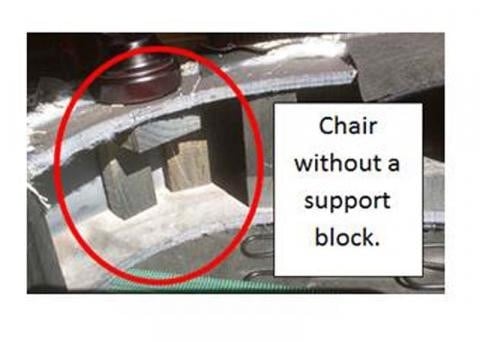

 It is at this point that
 A random furniture sample will be selected at this point, where they will each be checked one by one to inspect whether or not they meet the following;


 A social compliance audit can be difficult to attain, but is an absolute necessity for that transparent supply chain your consumers today are demanding.
A social compliance audit ensures that a factory and its practices are abiding by all local laws and that you meet all of the social obligations as set out by the guidelines of the audit, from fair wages to no instances of child labor in a factory.
In this blog post, I will outline the exact procedure of this audit, the benefits it offers to your consumer electronics brand and how you can go about conducting this audit for yourself.
So, let’s dive in…
A social compliance audit can be difficult to attain, but is an absolute necessity for that transparent supply chain your consumers today are demanding.
A social compliance audit ensures that a factory and its practices are abiding by all local laws and that you meet all of the social obligations as set out by the guidelines of the audit, from fair wages to no instances of child labor in a factory.
In this blog post, I will outline the exact procedure of this audit, the benefits it offers to your consumer electronics brand and how you can go about conducting this audit for yourself.
So, let’s dive in…
 Document reviews – Auditors will check all the documentation of the supplier to determine the presence of any possible child labour, an all too common violation within the consumer electronics industry. They also assess whether there are any violations of extended working hours and wages. They will also look into what types of social insurance are available to workers and review any fire and safety documentation, which will help to determine whether or not any safety precautions or plans are in place. They will also inspect whether or not there is any environmental monitoring being done and, if so, how it is conducted.
Employee interviews – The auditors conduct interviews with the factory in question staff, where they ask them about their working hours, overtime, and about their holiday/leave time. Auditors also like to cross check these statements by interviewing factory management to ensure there are no discrepancies. This helps to clarify whether there are any instances of abuse or misconduct between staff and management. In the case of a re-audit these interviews will then be conducted again to ensure improvement plans are being implemented properly.
Closing meeting with audit status – This meeting reveals the audit results of your CE factory and also makes suggestion for improvements. If you use
Document reviews – Auditors will check all the documentation of the supplier to determine the presence of any possible child labour, an all too common violation within the consumer electronics industry. They also assess whether there are any violations of extended working hours and wages. They will also look into what types of social insurance are available to workers and review any fire and safety documentation, which will help to determine whether or not any safety precautions or plans are in place. They will also inspect whether or not there is any environmental monitoring being done and, if so, how it is conducted.
Employee interviews – The auditors conduct interviews with the factory in question staff, where they ask them about their working hours, overtime, and about their holiday/leave time. Auditors also like to cross check these statements by interviewing factory management to ensure there are no discrepancies. This helps to clarify whether there are any instances of abuse or misconduct between staff and management. In the case of a re-audit these interviews will then be conducted again to ensure improvement plans are being implemented properly.
Closing meeting with audit status – This meeting reveals the audit results of your CE factory and also makes suggestion for improvements. If you use 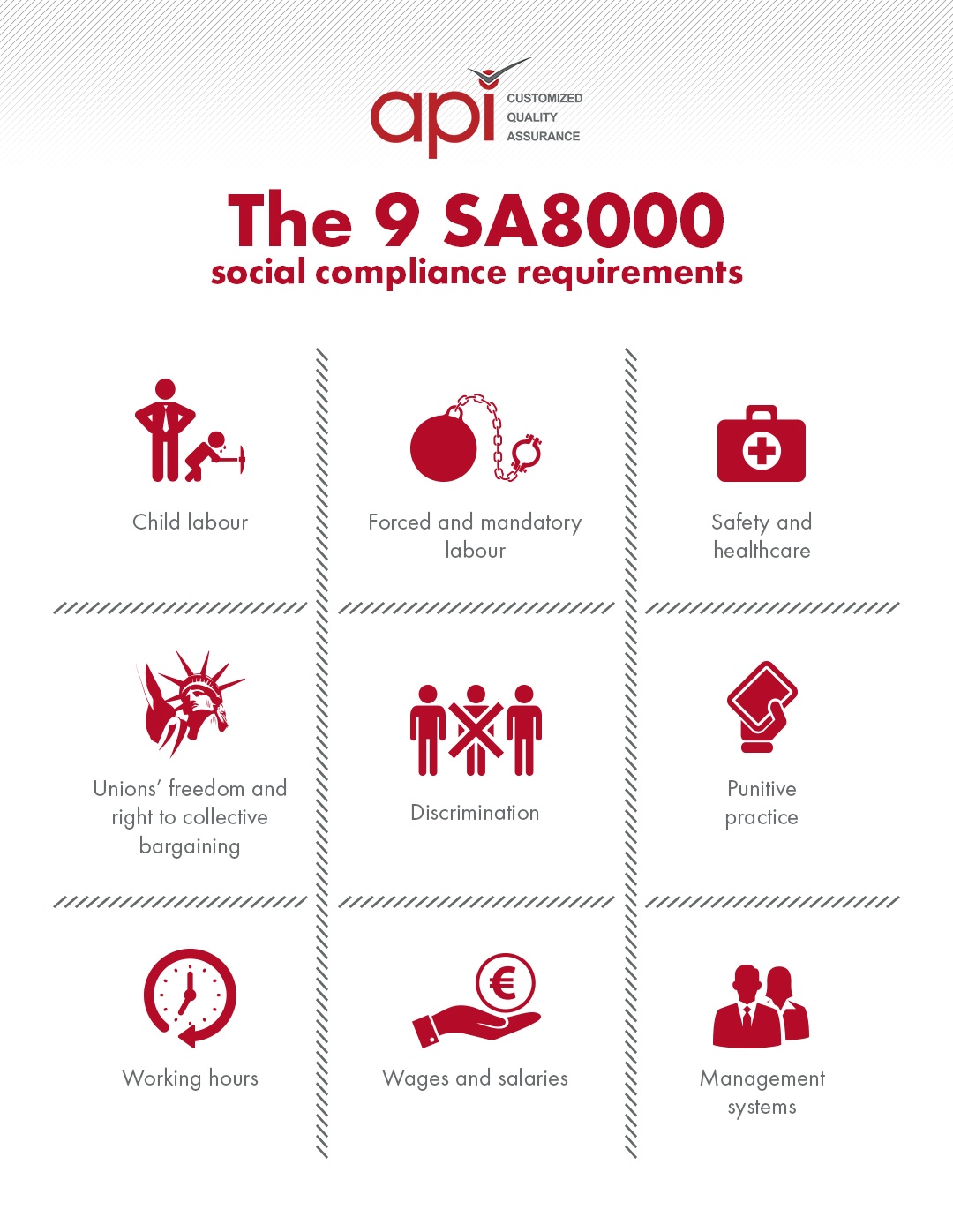 In understanding the ethical compliance standards as laid out above, you are able to make informed decisions about the suppliers you choose to use in the manufacturing of your electrical products.

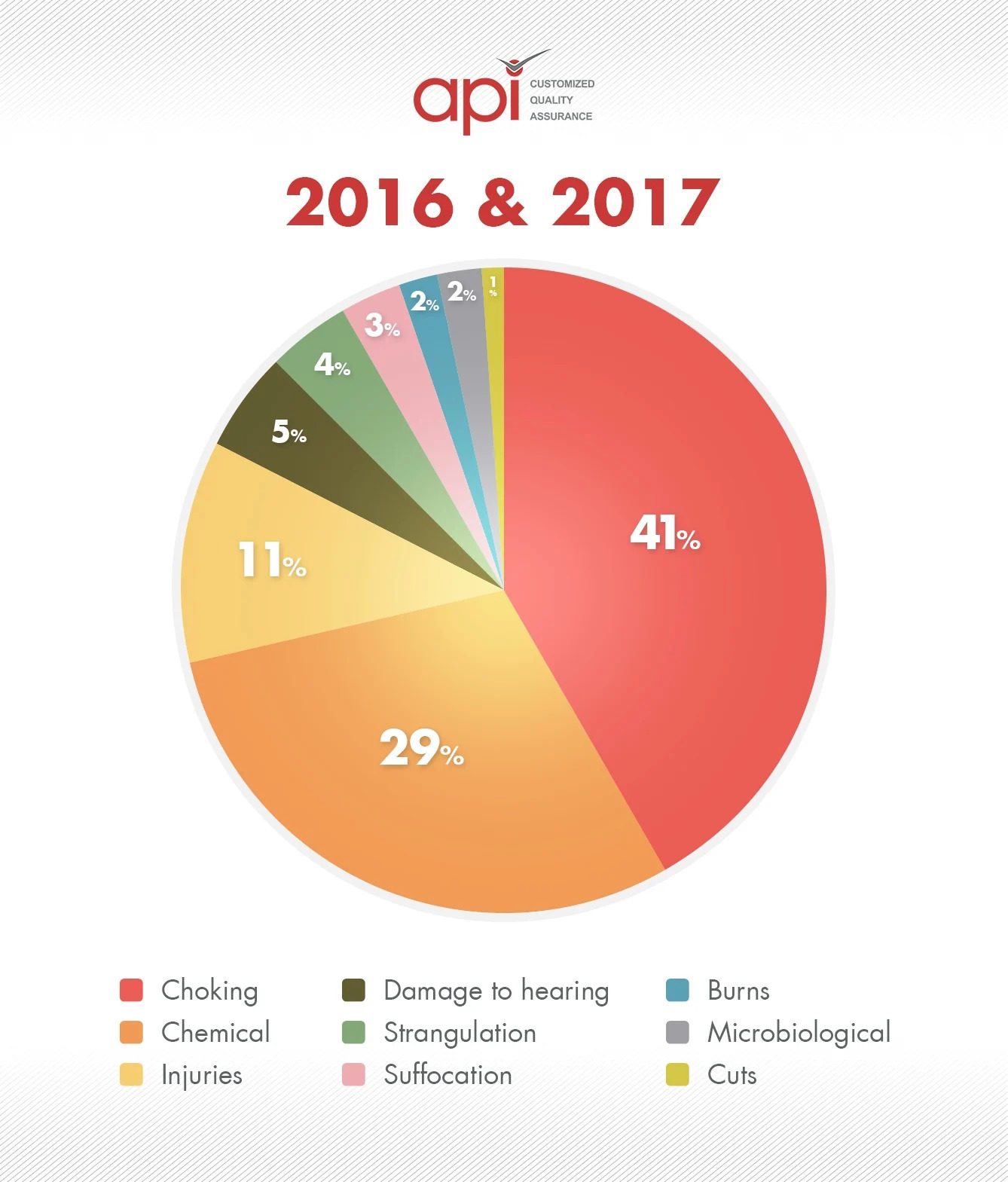
 On 23rd December 2014, the Consumer Product Safety Commission (CPSC) announced the recall of over 7 million coffee machines.Between 2010-2014, there were over 200 complaints of boiling water spraying out of the machine and approximately 90 burn injuries reported.It has been recently announced that Keurig has
  In fact, the inventor today does not get a dime out of the sales of this popular children’s toy, as she was told her idea was not good enough and wouldn’t sell. Needless to say, millions of these toys are sold the world over.
But, she could count that as somewhat of a blessing…
Recently, over
In fact, the inventor today does not get a dime out of the sales of this popular children’s toy, as she was told her idea was not good enough and wouldn’t sell. Needless to say, millions of these toys are sold the world over.
But, she could count that as somewhat of a blessing…
Recently, over 

