


Wie kann man langwierige Verzögerungen, Produktrückrufe und eine potenzielle Schädigung des Markenrufs aufgrund von Qualitätsproblemen bei Möbeln vermeiden, bevor es zu spät ist?
Der Import von Möbeln aus Südostasien ist so attraktiv wie jeder andere Markt der Welt, wenn nicht sogar noch attraktiver. Die damit verbundenen Herausforderungen in Bezug auf Logistik, Einhaltung von Vorschriften und potenzielle Kommunikation bieten jedoch kaum eine Garantie dafür, dass die Qualitätsstandards Ihres Zielmarktes eingehalten werden.
In diesem Blogbeitrag möchten wir Ihnen zeigen, was Sie tun können, um sicherzustellen, dass Ihre Möbel auf höchstem Qualitätsniveau bei Ihnen ankommen, damit Ihre Marke den Wettbewerbsvorteil erhält, den sie verdient.
.png "Möbelkontrolle - DUPRO")
 Eine DUPRO-Inspektion könnte einige dieser kritischen Punkte bewerten zum richtigen Zeitpunkt, bevor die Produktion abgeschlossen war. DUPRO konnte sich auf die fertigen Produkte konzentrieren, den Produktionsstatus und das in der Produktionslinie implementierte Qualitätssystem bewerten.
In vielen Fällen wird eine Couch oder ein Möbelstück inspiziert, bevor der gesamte Auftrag abgeschlossen ist. Diese Art der Inspektion bedeutet, dass jedes Problem, das auftritt, frühzeitig erkannt und daher vor Ort behoben wird.
Ihr DUPRO Inspektionsbericht muss alle Qualitätsprobleme enthalten, die während des Produktionsprozesses festgestellt wurden. Kein Problem ist zu klein, um es zu berücksichtigen.
Eine DUPRO-Inspektion könnte einige dieser kritischen Punkte bewerten zum richtigen Zeitpunkt, bevor die Produktion abgeschlossen war. DUPRO konnte sich auf die fertigen Produkte konzentrieren, den Produktionsstatus und das in der Produktionslinie implementierte Qualitätssystem bewerten.
In vielen Fällen wird eine Couch oder ein Möbelstück inspiziert, bevor der gesamte Auftrag abgeschlossen ist. Diese Art der Inspektion bedeutet, dass jedes Problem, das auftritt, frühzeitig erkannt und daher vor Ort behoben wird.
Ihr DUPRO Inspektionsbericht muss alle Qualitätsprobleme enthalten, die während des Produktionsprozesses festgestellt wurden. Kein Problem ist zu klein, um es zu berücksichtigen.
 Dies ist der Punkt, an dem Sie müssen die Spezifikationen Ihrer Produkte erneut mitteilen. um mit der Bearbeitung der Möbelstücke mit dem Status "ausstehend" zu beginnen.
Die Beschaffung in Asien ist nicht ohne Kommunikations- und Sprachbarrieren. Sie können diese Hürden überwinden, indem Sie einen neutralen dritten Qualitätsdienstleister hinzuziehen, der über das Fachwissen in Ihrem Beschaffungsgebiet verfügt. Durch seine Präsenz vor Ort wird sichergestellt, dass Ihre Produktspezifikationen korrekt und klar kommuniziert werden.
Dies ist der Punkt, an dem Sie müssen die Spezifikationen Ihrer Produkte erneut mitteilen. um mit der Bearbeitung der Möbelstücke mit dem Status "ausstehend" zu beginnen.
Die Beschaffung in Asien ist nicht ohne Kommunikations- und Sprachbarrieren. Sie können diese Hürden überwinden, indem Sie einen neutralen dritten Qualitätsdienstleister hinzuziehen, der über das Fachwissen in Ihrem Beschaffungsgebiet verfügt. Durch seine Präsenz vor Ort wird sichergestellt, dass Ihre Produktspezifikationen korrekt und klar kommuniziert werden.
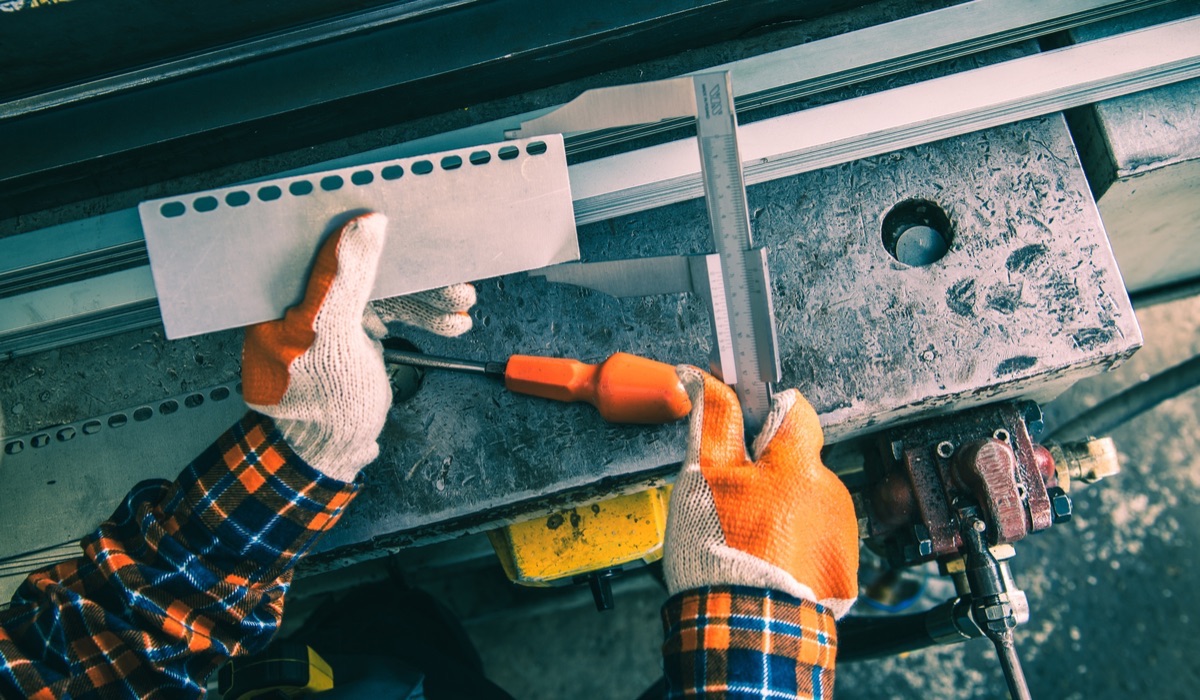 Zu diesem Zeitpunkt wird eine Zufallsstichprobe von Möbeln ausgewählt, die dann einzeln daraufhin überprüft werden, ob sie die folgenden Kriterien erfüllen oder nicht;
Haben Sie Ihre DCL (Defektklassierungsliste) ermittelt?
Dies ist oft ein Schritt, der erst im Nachhinein erfolgt, aber eine Klassifizierung zu Beginn hilft, die Bedeutung Ihres Möbelinspektionsberichts zu klären. Dies ist der am häufigsten verwendete Fehler-Kategorie;- Kritischer Fehler - Ein kritischer Fehler ist ein Fehler, der nach Urteil und Erfahrung wahrscheinlich auftritt:
- zu gefährlichen oder unsicheren Bedingungen für Personen führen, die die Produkte verwenden, warten oder von ihnen abhängig sind; oder
- Verhinderung der Erfüllung der taktischen Funktion eines wichtigen Endprodukts. Ein kritischer Fehler ist eine Produkteinheit, die einen oder mehrere kritische Fehler aufweist.
- Erheblicher Mangel - Ein schwerwiegender Fehler ist ein Fehler, der wahrscheinlich zu einem Ausfall führt oder die Verwendbarkeit des Produkts für den vorgesehenen Zweck beeinträchtigt.
- Geringfügiger Mangel - Ein geringfügiger Fehler ist ein Fehler, der die Gebrauchstauglichkeit des Produkts für den vorgesehenen Zweck nicht beeinträchtigt oder eine Abweichung von den geltenden Normen darstellt, die sich nur geringfügig auf die Wirksamkeit oder den Betrieb des Produkts auswirkt.
DUPRO (During Production Inspection) zur frühzeitigen Behebung von Qualitätsproblemen bei Möbeln
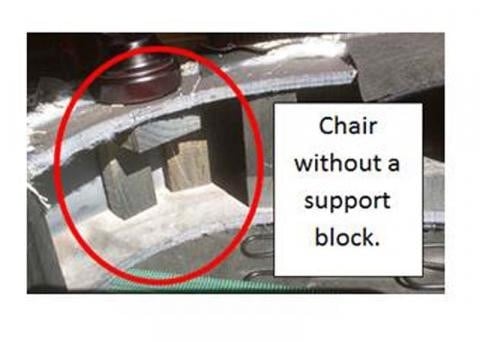
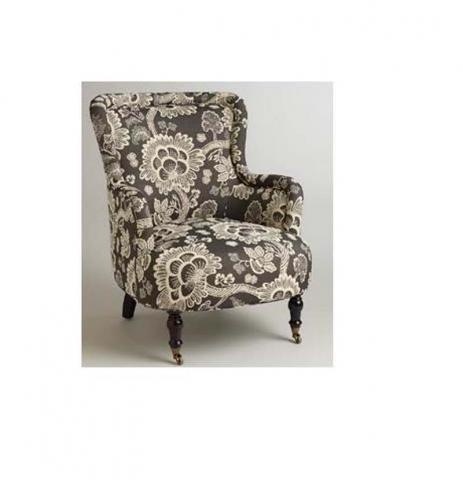
Dies ist oft ein entscheidender Schritt, um sicherzustellen, dass Ihr endgültiges Möbelstück das erwartete Qualitätsniveau erreicht. Im Folgenden werden 2700 Stühle wegen Sturzgefahr zurückgerufen, die auf das Brechen oder Verbiegen der Beine zurückzuführen ist. Die CPSC stellte fest, dass am strukturellen Rahmen der Polsterstühle ein Stützblock für das Bein fehlte, was gegen das ursprüngliche Design verstößt.
So wie bei diesem gepolsterten Stuhl würde man den Rahmen der Struktur im Inneren niemals visuell überprüfen, nachdem er nach Abschluss der Produktion mit Stoff umhüllt wurde.
Eine DUPRO-Inspektion könnte einige dieser kritischen Punkte bewerten zum richtigen Zeitpunkt, bevor die Produktion abgeschlossen war. DUPRO konnte sich auf die fertigen Produkte konzentrieren, den Produktionsstatus und das in der Produktionslinie implementierte Qualitätssystem bewerten.
In vielen Fällen wird eine Couch oder ein Möbelstück inspiziert, bevor der gesamte Auftrag abgeschlossen ist. Diese Art der Inspektion bedeutet, dass jedes Problem, das auftritt, frühzeitig erkannt und daher vor Ort behoben wird.
Ihr DUPRO Inspektionsbericht muss alle Qualitätsprobleme enthalten, die während des Produktionsprozesses festgestellt wurden. Kein Problem ist zu klein, um es zu berücksichtigen.
Aktualisieren Sie Ihre Möbelspezifikationen, basierend auf dem DUPRO Feedback
Nach Erhalt Ihres DUPRO Möbelinspektionsberichts müssen Sie jeden Schritt des Berichts gründlich durchgehen. Schauen Sie sich an, welche "ausstehenden" Ergebnisse es geben könnte. Sie sollten sich eine Strategie zurechtlegen, wie Sie diese "offenen" Qualitätsprobleme angehen.
Dies ist der Punkt, an dem Sie müssen die Spezifikationen Ihrer Produkte erneut mitteilen. um mit der Bearbeitung der Möbelstücke mit dem Status "ausstehend" zu beginnen.
Die Beschaffung in Asien ist nicht ohne Kommunikations- und Sprachbarrieren. Sie können diese Hürden überwinden, indem Sie einen neutralen dritten Qualitätsdienstleister hinzuziehen, der über das Fachwissen in Ihrem Beschaffungsgebiet verfügt. Durch seine Präsenz vor Ort wird sichergestellt, dass Ihre Produktspezifikationen korrekt und klar kommuniziert werden.
Durchführung einer Ursachenanalyse als Präventivmaßnahme für die Zukunft
Es ist wichtig zu beachten, dass eine Ursachenanalyse keine einmalige Angelegenheit sein sollte, die Sie bei einem seltenen größeren Produktionsfehler durchführen. Sie sollten eine RCA-Strategie haben, die genau festlegt, wie Sie mit Ihrem Lieferanten mit fehlerhaften Möbelprodukten umgehen werden. Sie haben noch keine RCA-Strategie? Befolgen Sie die Schritte, die ich im Folgenden skizziert habe;- Erkennen und Definieren von Problemen - Erkennen und definieren Sie, was das Produktionsproblem Ihrer Möbel ist.
- Identifizieren Sie die Ursachen - Gehen Sie den Prozess der Ursachenfindung durch. Der Trick dabei ist, nicht zu viel Zeit mit Brainstorming oder Mindmapping zu verbringen. Dies muss kein zeitaufwändiger Aspekt der RCA sein.
- Lösungen identifizieren - Auf der Grundlage Ihrer Ursachenermittlung müssen Sie die bestmöglichen Lösungen zur Behebung des Problems ermitteln, damit es nicht wieder auftritt.
- Umsetzung der Lösungen - Wenn die Qualität Ihrer Möbel am Fließband beeinträchtigt wurde, müssen Sie mit der Umsetzung der Lösungen beginnen, die Sie ermittelt haben, um dies in Zukunft zu verhindern. Es muss sich um eine Lösung handeln, die Ihre betrieblichen Abläufe optimiert und verbessert. Wenn die vorgeschlagene Lösung dies nicht leistet, müssen Sie die oben genannten Schritte wiederholen, um sicherzustellen, dass Sie eine Lösung finden, die dies tut.
Ein Die FRI (Final Random Inspection) basiert auf Stichprobeninspektionen
Eine FRI ist eine Vorversandkontrolle eines kleinen Musters Ihrer Möbel. Diese Art der Prüfung dient dazu, eventuelle Qualitätsmängel festzustellen, die aus dem Produktionsprozess stammen könnten.
Zu diesem Zeitpunkt wird eine Zufallsstichprobe von Möbeln ausgewählt, die dann einzeln daraufhin überprüft werden, ob sie die folgenden Kriterien erfüllen oder nicht;
- Entspricht es allen von Ihnen festgelegten Produktspezifikationen?
- Wie viele Sehfehler gibt es?
- Welche Tests müssen vor Ort durchgeführt werden?
Wichtigste Erkenntnisse
Die oben beschriebenen Schritte sollten für jede Produktkategorie, die Sie beschaffen, geplant und strategisch überdacht werden. Die Vorteile der oben genannten Prüfarten;- Sie ermöglichen es Ihnen, Qualitätsprobleme frühzeitig zu erkennen.
- Eine schrittweise Analyse der Ursache des Problems, mit der Sie sicherstellen können, dass das Problem nicht wieder auftritt.
- Sie lassen Raum für die erneute Übermittlung von Produktspezifikationen.


 A social compliance audit can be difficult to attain, but is an absolute necessity for that transparent supply chain your consumers today are demanding.
A social compliance audit ensures that a factory and its practices are abiding by all local laws and that you meet all of the social obligations as set out by the guidelines of the audit, from fair wages to no instances of child labor in a factory.
In this blog post, I will outline the exact procedure of this audit, the benefits it offers to your consumer electronics brand and how you can go about conducting this audit for yourself.
So, let’s dive in…
A social compliance audit can be difficult to attain, but is an absolute necessity for that transparent supply chain your consumers today are demanding.
A social compliance audit ensures that a factory and its practices are abiding by all local laws and that you meet all of the social obligations as set out by the guidelines of the audit, from fair wages to no instances of child labor in a factory.
In this blog post, I will outline the exact procedure of this audit, the benefits it offers to your consumer electronics brand and how you can go about conducting this audit for yourself.
So, let’s dive in…
 Document reviews – Auditors will check all the documentation of the supplier to determine the presence of any possible child labour, an all too common violation within the consumer electronics industry. They also assess whether there are any violations of extended working hours and wages. They will also look into what types of social insurance are available to workers and review any fire and safety documentation, which will help to determine whether or not any safety precautions or plans are in place. They will also inspect whether or not there is any environmental monitoring being done and, if so, how it is conducted.
Employee interviews – The auditors conduct interviews with the factory in question staff, where they ask them about their working hours, overtime, and about their holiday/leave time. Auditors also like to cross check these statements by interviewing factory management to ensure there are no discrepancies. This helps to clarify whether there are any instances of abuse or misconduct between staff and management. In the case of a re-audit these interviews will then be conducted again to ensure improvement plans are being implemented properly.
Closing meeting with audit status – This meeting reveals the audit results of your CE factory and also makes suggestion for improvements. If you use
Document reviews – Auditors will check all the documentation of the supplier to determine the presence of any possible child labour, an all too common violation within the consumer electronics industry. They also assess whether there are any violations of extended working hours and wages. They will also look into what types of social insurance are available to workers and review any fire and safety documentation, which will help to determine whether or not any safety precautions or plans are in place. They will also inspect whether or not there is any environmental monitoring being done and, if so, how it is conducted.
Employee interviews – The auditors conduct interviews with the factory in question staff, where they ask them about their working hours, overtime, and about their holiday/leave time. Auditors also like to cross check these statements by interviewing factory management to ensure there are no discrepancies. This helps to clarify whether there are any instances of abuse or misconduct between staff and management. In the case of a re-audit these interviews will then be conducted again to ensure improvement plans are being implemented properly.
Closing meeting with audit status – This meeting reveals the audit results of your CE factory and also makes suggestion for improvements. If you use 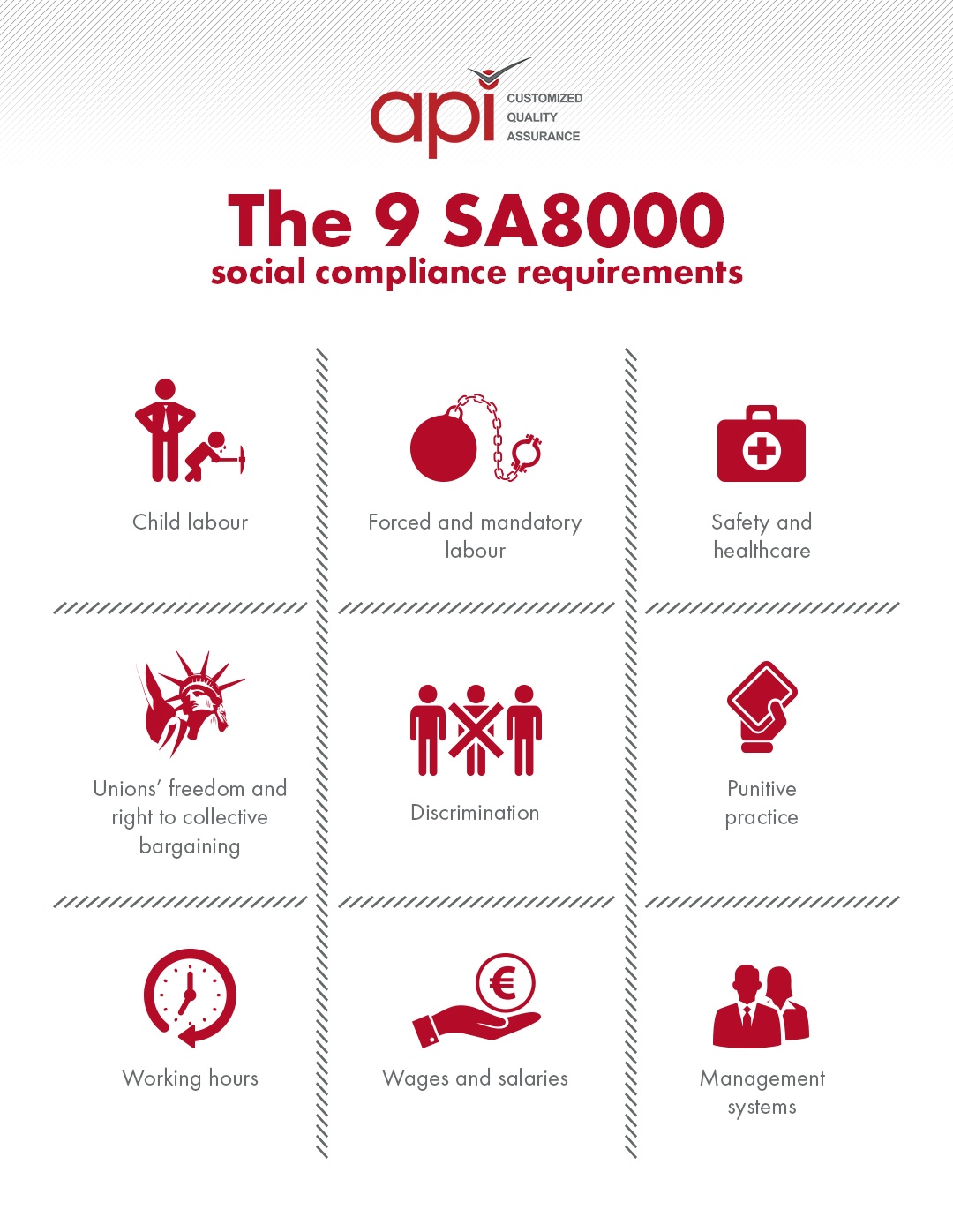 In understanding the ethical compliance standards as laid out above, you are able to make informed decisions about the suppliers you choose to use in the manufacturing of your electrical products.

 Es stellt sich heraus, dass
  Viele Unternehmen verfügen nicht über die umfangreichen geografischen Netze, die größere Einzelhändler haben.
Daher verbringen Ihre internen Mitarbeiter viel Zeit mit Reisen für Qualitätskontrollen und haben nicht genug Zeit, sich auf die Qualität eines Produkts zu konzentrieren. Dadurch verlangsamen sich oft die Produktionsprozesse, und die Zeit bis zur Markteinführung wird länger.
Nehmen wir das Beispiel des Fidget Spinners: Wie groß ist die Wahrscheinlichkeit, dass Ihr internes Team von der Nichtkonformität erfährt, bevor das Produkt auf den Markt kommt?
Denken Sie darüber nach.
Ein Vorfall wie der oben beschriebene setzt Ihre Marke einem unnötigen Risiko aus, das zu schlechter Publicity und erheblichen Umsatzeinbußen führen kann.
Dose Kann sich Ihre Organisation das leisten?
Viele Unternehmen verfügen nicht über die umfangreichen geografischen Netze, die größere Einzelhändler haben.
Daher verbringen Ihre internen Mitarbeiter viel Zeit mit Reisen für Qualitätskontrollen und haben nicht genug Zeit, sich auf die Qualität eines Produkts zu konzentrieren. Dadurch verlangsamen sich oft die Produktionsprozesse, und die Zeit bis zur Markteinführung wird länger.
Nehmen wir das Beispiel des Fidget Spinners: Wie groß ist die Wahrscheinlichkeit, dass Ihr internes Team von der Nichtkonformität erfährt, bevor das Produkt auf den Markt kommt?
Denken Sie darüber nach.
Ein Vorfall wie der oben beschriebene setzt Ihre Marke einem unnötigen Risiko aus, das zu schlechter Publicity und erheblichen Umsatzeinbußen führen kann.
Dose Kann sich Ihre Organisation das leisten?
 Einige Prüfgeräte sind möglicherweise nur für ein bestimmtes Produkt geeignet, oder die Prüfverfahren werden aktualisiert, um den jüngsten Änderungen der Vorschriften Rechnung zu tragen.
Oft sind externe Anbieter in der Lage, technische Lösungen auf der Grundlage der oben genannten Spezifikationen anzubieten, zusammen mit Teams, die sich mit den neuen Prüfverfahren gut auskennen.
Externe Anbieter schicken ihre Inspektoren oft zu Schulungen, damit sie sich mit neuen Geräten und Prüfverfahren vertraut machen können, um sicherzustellen, dass eine qualitativ hochwertige Dienstleistung mit einer minimalen Rückrufquote angeboten wird.
Für externe Qualitätsdienstleister ist es von vorrangiger Bedeutung, über die neuesten Trends und Entwicklungen in Ihrer Branche auf dem Laufenden zu sein und die besten Verfahren zu kennen, die Sie befolgen sollten.
Diese Art von Wissen und Erfahrung kann zu Ihrem Wettbewerbsvorteil genutzt werden.
Einige Prüfgeräte sind möglicherweise nur für ein bestimmtes Produkt geeignet, oder die Prüfverfahren werden aktualisiert, um den jüngsten Änderungen der Vorschriften Rechnung zu tragen.
Oft sind externe Anbieter in der Lage, technische Lösungen auf der Grundlage der oben genannten Spezifikationen anzubieten, zusammen mit Teams, die sich mit den neuen Prüfverfahren gut auskennen.
Externe Anbieter schicken ihre Inspektoren oft zu Schulungen, damit sie sich mit neuen Geräten und Prüfverfahren vertraut machen können, um sicherzustellen, dass eine qualitativ hochwertige Dienstleistung mit einer minimalen Rückrufquote angeboten wird.
Für externe Qualitätsdienstleister ist es von vorrangiger Bedeutung, über die neuesten Trends und Entwicklungen in Ihrer Branche auf dem Laufenden zu sein und die besten Verfahren zu kennen, die Sie befolgen sollten.
Diese Art von Wissen und Erfahrung kann zu Ihrem Wettbewerbsvorteil genutzt werden.
 Ihr Produkt.
Wenn Sie all dies zusammenzählen, werden Sie feststellen, dass die Gewinnspannen höher sind und dass Sie in der Lage sind, Angebot und Nachfrage Ihrer Produkte zu befriedigen, was Ihnen den gewünschten Wettbewerbsvorteil verschafft.
Werfen wir einen kurzen Blick auf die Lösung Technical Compliance File;
Dies ist eine Compliance-Lösung, die Ihnen einen zuverlässigen und genauen Einblick in Ihre Compliance-Prozesse ermöglicht.
Sie wird über eine webbasierte Plattform angeboten und ist eine
Ihr Produkt.
Wenn Sie all dies zusammenzählen, werden Sie feststellen, dass die Gewinnspannen höher sind und dass Sie in der Lage sind, Angebot und Nachfrage Ihrer Produkte zu befriedigen, was Ihnen den gewünschten Wettbewerbsvorteil verschafft.
Werfen wir einen kurzen Blick auf die Lösung Technical Compliance File;
Dies ist eine Compliance-Lösung, die Ihnen einen zuverlässigen und genauen Einblick in Ihre Compliance-Prozesse ermöglicht.
Sie wird über eine webbasierte Plattform angeboten und ist eine  Inspektionsberichte sind für die Freigabe von Sendungen durch den Zoll unerlässlich. Es ist Sache des Einzelhändlers und Ihres Qualitätsanbieters, eine Richtlinie für die Bewertung der Berichte aufzustellen.
Diese Richtlinie für die Berichtsbewertung bildet eine Grundlage für die Automatisierung, die den Umfang der manuellen Änderungen nach der Überprüfung der Berichte verringert. Die manuelle Überprüfung dieser Berichte verlangsamt die automatischen Versandprozesse immens und der gesamte Prozess wird weniger sinnvoll.
Ein externer Qualitätsanbieter ist in der Lage, Sie mit Branchenkenntnissen und bewährten Verfahren in Bezug auf Ratingberichte zu versorgen. Außerdem können Sie Ihre Rating-Berichte an die Anforderungen Ihres Produkts anpassen.
Sobald der Ratingbericht erstellt ist, kann Ihr Qualitätsdienstleister seine technischen Systeme nutzen, um tägliche Berichte sowohl an den Kunden als auch an das von Ihnen gewählte Frachtunternehmen zu senden. Dadurch wird der Freigabeprozess sowohl für Sie als auch für das Transportunternehmen wesentlich klarer und schneller.
Der Berg an Papierkram - von Einfuhrlizenzen bis hin zu vollständigen Inspektionsberichten - ist für sie kein Problem mehr, so dass sie einen rationalisierten, effizienten Prozess für Ihr Unternehmen ermöglichen.
Inspektionsberichte sind für die Freigabe von Sendungen durch den Zoll unerlässlich. Es ist Sache des Einzelhändlers und Ihres Qualitätsanbieters, eine Richtlinie für die Bewertung der Berichte aufzustellen.
Diese Richtlinie für die Berichtsbewertung bildet eine Grundlage für die Automatisierung, die den Umfang der manuellen Änderungen nach der Überprüfung der Berichte verringert. Die manuelle Überprüfung dieser Berichte verlangsamt die automatischen Versandprozesse immens und der gesamte Prozess wird weniger sinnvoll.
Ein externer Qualitätsanbieter ist in der Lage, Sie mit Branchenkenntnissen und bewährten Verfahren in Bezug auf Ratingberichte zu versorgen. Außerdem können Sie Ihre Rating-Berichte an die Anforderungen Ihres Produkts anpassen.
Sobald der Ratingbericht erstellt ist, kann Ihr Qualitätsdienstleister seine technischen Systeme nutzen, um tägliche Berichte sowohl an den Kunden als auch an das von Ihnen gewählte Frachtunternehmen zu senden. Dadurch wird der Freigabeprozess sowohl für Sie als auch für das Transportunternehmen wesentlich klarer und schneller.
Der Berg an Papierkram - von Einfuhrlizenzen bis hin zu vollständigen Inspektionsberichten - ist für sie kein Problem mehr, so dass sie einen rationalisierten, effizienten Prozess für Ihr Unternehmen ermöglichen.
 Dies ist häufig darauf zurückzuführen, dass die internen Qualitätskontrollteams viel reisen müssen, was bedeutet, dass sie nicht genug Zeit haben, um die Genehmigungen zu erteilen, die für eine rechtzeitige Freigabe der Sendungen erforderlich sind.
Ich will mich nicht wiederholen, aber ein internes Team, das die mit dem Versand verbundene Logistik bewältigen kann, wäre zweifellos ein Traum, aber um sicher durch den Zoll zu kommen, muss man in all den anderen oben genannten Punkten effizient sein.
Interne Teams, die nicht über genügend Zeit, Ressourcen und technisches Fachwissen verfügen, werden es schwer haben, mit Problemen fertig zu werden, die andernfalls hätten vermieden werden können.
Also, so sieht es aus...
Das Qualitätsmanagement ist ein komplexes System, das 100% Ihrer Aufmerksamkeit und Konzentration erfordert.
Sind Sie in der Lage, diese Art von Zeit und Ressourcen zu investieren, um genau das zu gewährleisten?
Das ist eine Frage, die viele nicht beantworten wollen, aber die Realität ist, dass Sie sich die Zeit und die Ressourcen nicht leisten können, die nötig sind, um ein vollständig optimiertes Qualitätssystem zu schaffen, das qualitativ hochwertige Produkte für Ihre Marke pünktlich produziert.
Und was dann?
Es könnte sich lohnen, einen externen Qualitätsdienstleister zu beauftragen, der Ihnen die Zeit und die Ressourcen zur Verfügung stellt, die Sie für die Rationalisierung Ihrer Lieferkettenabläufe benötigen.
Ein externer Qualitätsdienstleister kann Ihnen Folgendes bieten;
* Die neuesten Produktvorschriften
* Technisches Fachwissen
* Er verfügt über die geeignete Technologie, um Ihre Abläufe zu optimieren
* Sie verfügen über das Know-how, wie Sie die internationale Logistik für Ihre Marke meistern können.
So können Sie sich auf das konzentrieren, worin Sie gut sind: die Herstellung hochwertiger Produkte und die Schaffung eines weltweit wettbewerbsfähigen Vertrauensverhältnisses zu Ihren Kunden.
Haben Sie Erfahrung in der Zusammenarbeit mit Qualitätskontrolldiensten von Dritten?
Dies ist häufig darauf zurückzuführen, dass die internen Qualitätskontrollteams viel reisen müssen, was bedeutet, dass sie nicht genug Zeit haben, um die Genehmigungen zu erteilen, die für eine rechtzeitige Freigabe der Sendungen erforderlich sind.
Ich will mich nicht wiederholen, aber ein internes Team, das die mit dem Versand verbundene Logistik bewältigen kann, wäre zweifellos ein Traum, aber um sicher durch den Zoll zu kommen, muss man in all den anderen oben genannten Punkten effizient sein.
Interne Teams, die nicht über genügend Zeit, Ressourcen und technisches Fachwissen verfügen, werden es schwer haben, mit Problemen fertig zu werden, die andernfalls hätten vermieden werden können.
Also, so sieht es aus...
Das Qualitätsmanagement ist ein komplexes System, das 100% Ihrer Aufmerksamkeit und Konzentration erfordert.
Sind Sie in der Lage, diese Art von Zeit und Ressourcen zu investieren, um genau das zu gewährleisten?
Das ist eine Frage, die viele nicht beantworten wollen, aber die Realität ist, dass Sie sich die Zeit und die Ressourcen nicht leisten können, die nötig sind, um ein vollständig optimiertes Qualitätssystem zu schaffen, das qualitativ hochwertige Produkte für Ihre Marke pünktlich produziert.
Und was dann?
Es könnte sich lohnen, einen externen Qualitätsdienstleister zu beauftragen, der Ihnen die Zeit und die Ressourcen zur Verfügung stellt, die Sie für die Rationalisierung Ihrer Lieferkettenabläufe benötigen.
Ein externer Qualitätsdienstleister kann Ihnen Folgendes bieten;
* Die neuesten Produktvorschriften
* Technisches Fachwissen
* Er verfügt über die geeignete Technologie, um Ihre Abläufe zu optimieren
* Sie verfügen über das Know-how, wie Sie die internationale Logistik für Ihre Marke meistern können.
So können Sie sich auf das konzentrieren, worin Sie gut sind: die Herstellung hochwertiger Produkte und die Schaffung eines weltweit wettbewerbsfähigen Vertrauensverhältnisses zu Ihren Kunden.
Haben Sie Erfahrung in der Zusammenarbeit mit Qualitätskontrolldiensten von Dritten?  Product specification can look anything like your products dimensions, the volume, it’s weight, the color and any specific labeling that it may need to meet regulation.
In your specifications you need to ensure that you are as specific as you can possibly be, from specific color palettes to the maximum weight of an electric blender. The more specific you are, the easier it will be for your supplier to meet your specifications.
These specifications will also provide your supplier’s quality control team with a standard/guide to monitor the production of the item appropriately.
This is where the
Product specification can look anything like your products dimensions, the volume, it’s weight, the color and any specific labeling that it may need to meet regulation.
In your specifications you need to ensure that you are as specific as you can possibly be, from specific color palettes to the maximum weight of an electric blender. The more specific you are, the easier it will be for your supplier to meet your specifications.
These specifications will also provide your supplier’s quality control team with a standard/guide to monitor the production of the item appropriately.
This is where the 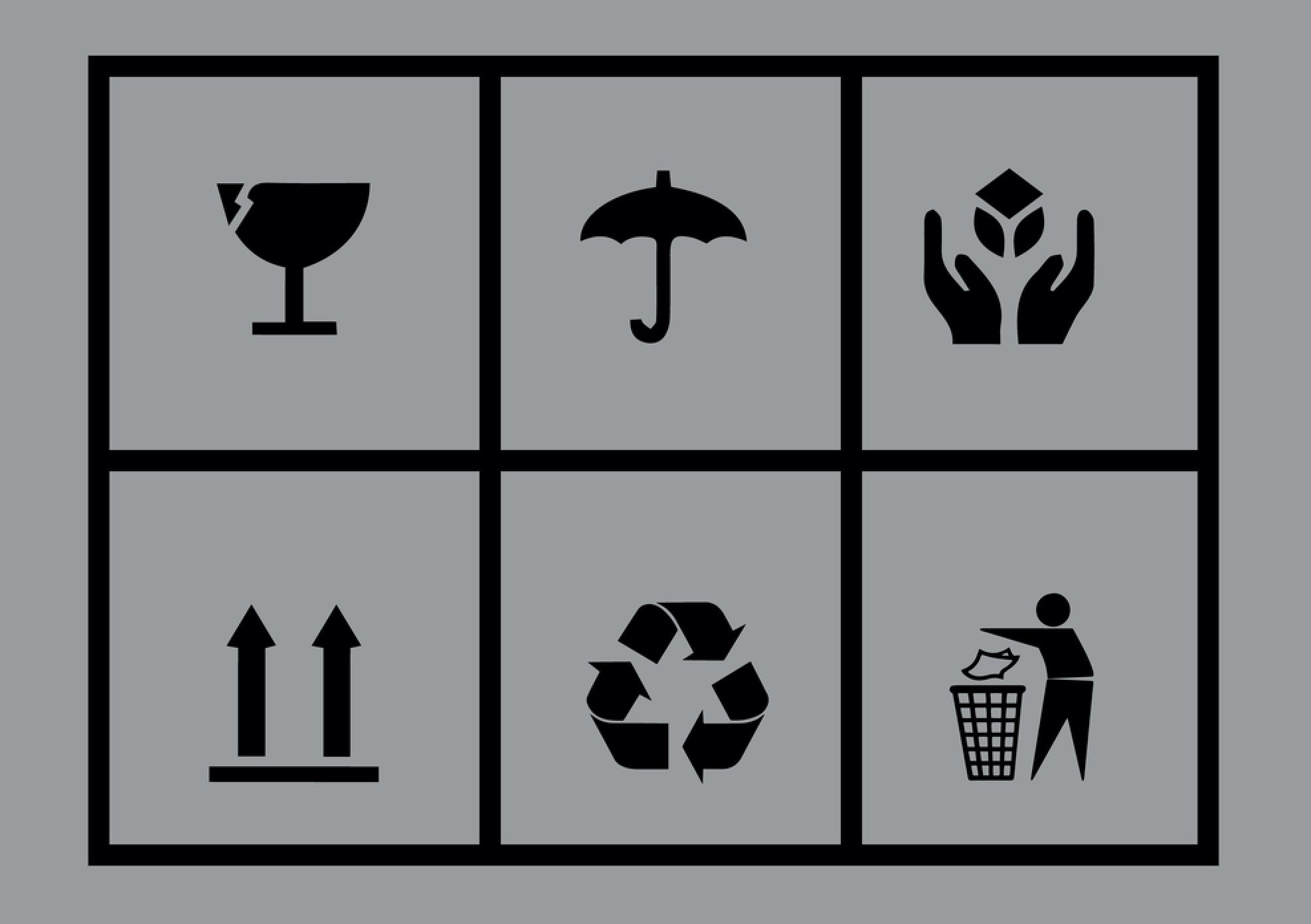
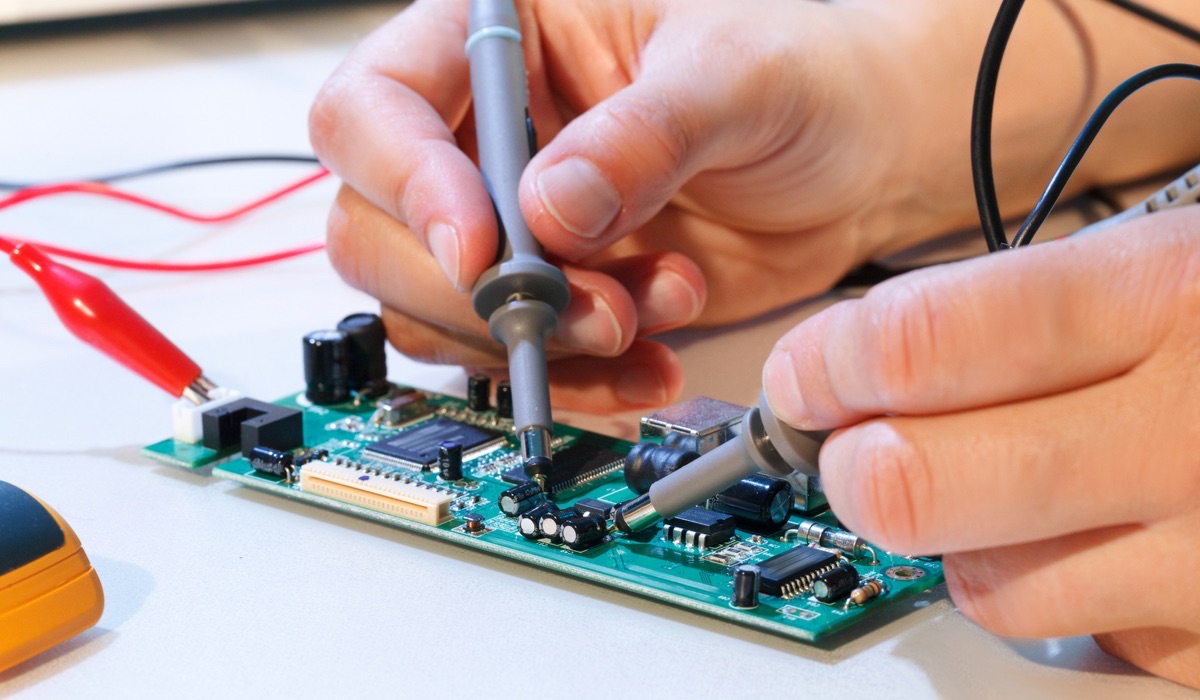 A laptop’s battery overheating that when unattended whilst charging can cause fires would be classified as a critical defect.
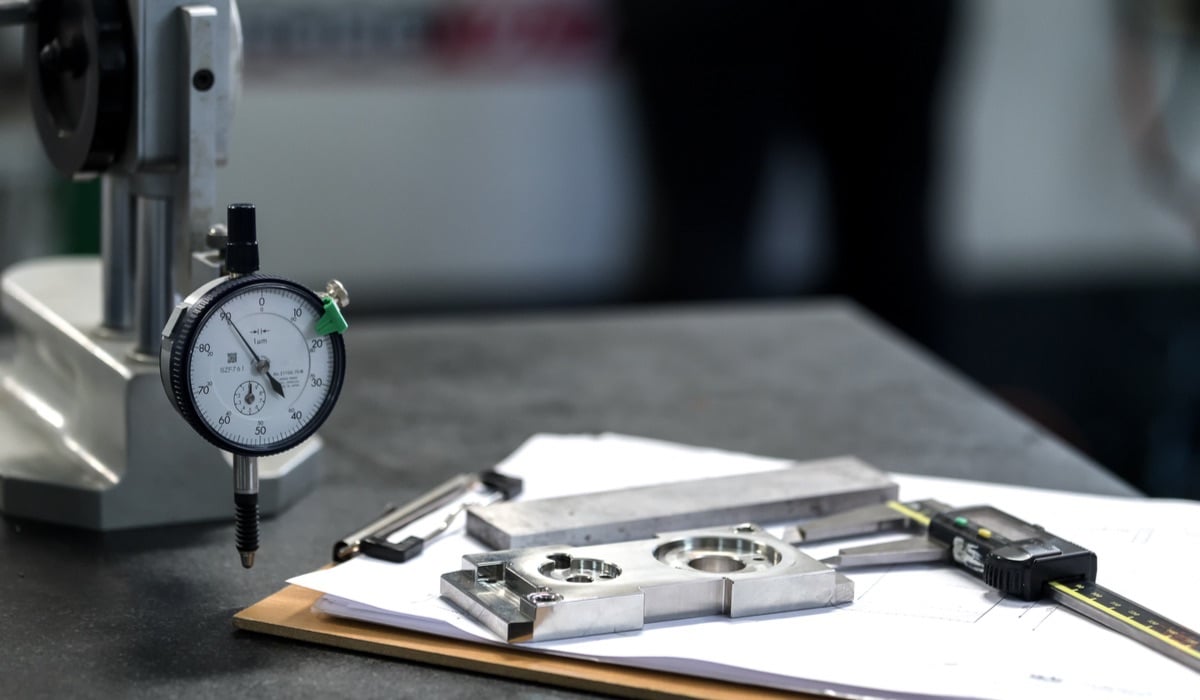 Therefore an important question you should be asking your supplier before all this is, how they will go about preventing any quality issues that may arise during your operation?
Understanding how your supplier handles quality pressures and compliance procedures will help define what kind of relationship you have with them.
Before mass production, your supplier needs to provide you with a
Therefore an important question you should be asking your supplier before all this is, how they will go about preventing any quality issues that may arise during your operation?
Understanding how your supplier handles quality pressures and compliance procedures will help define what kind of relationship you have with them.
Before mass production, your supplier needs to provide you with a .jpg)
 is also a dedicated IT team to ensuring the safety of the software and only API employees are allowed to make modifications to the platform.
 Beide Einzelhändler sahen sich innerhalb ihrer Lieferketten mit erheblichen Problemen konfrontiert, einer von ihnen hatte sogar zuvor die Dienste eines externen QS-Anbieters in Anspruch genommen, der jedoch keine Fortschritte bei der Bewältigung der Probleme mit ihnen machte.
 The quality of a product can be defined in many ways and is almost always dependent on your specific consumer and their definition of quality for your specific item. So in that light, you will need to know exactly what your consumer is looking for to create the quality your brand is looking to achieve.
When a consumer sets out to look for a quality product, they want to feel as though they have paid less than what the actual product is worth, the quality of the product far surpassing the amount they ended up paying. Fulfilling the need to exceed the consumer’s expectations, this is what true quality is all about.
If fulfilling the need to meet your consumer’s expectations is at the top of your company’s agenda, is it not essential for your brand’s products to meet a level of quality that does just that? Let me leave you pondering that for a bit.
In attempting to understand your customer’s definition of quality, it will be important to note that fulfilling consumer expectation and experience forms a part of that definition.
Let me give you an example; If a consumer orders a product that has met and passed all quality tests it needed to meet, that product for all intents and purposes is a quality item. But, if the order arrives later than promised or arrives with a missing screw or the incorrect color, the consumer may not define this product as an item of value and quality.
Striving for product quality is a stems right from the raw materials used, to the way in which it arrives to your customer, therefore every step needs to be taken into consideration.
The quality of a product can be defined in many ways and is almost always dependent on your specific consumer and their definition of quality for your specific item. So in that light, you will need to know exactly what your consumer is looking for to create the quality your brand is looking to achieve.
When a consumer sets out to look for a quality product, they want to feel as though they have paid less than what the actual product is worth, the quality of the product far surpassing the amount they ended up paying. Fulfilling the need to exceed the consumer’s expectations, this is what true quality is all about.
If fulfilling the need to meet your consumer’s expectations is at the top of your company’s agenda, is it not essential for your brand’s products to meet a level of quality that does just that? Let me leave you pondering that for a bit.
In attempting to understand your customer’s definition of quality, it will be important to note that fulfilling consumer expectation and experience forms a part of that definition.
Let me give you an example; If a consumer orders a product that has met and passed all quality tests it needed to meet, that product for all intents and purposes is a quality item. But, if the order arrives later than promised or arrives with a missing screw or the incorrect color, the consumer may not define this product as an item of value and quality.
Striving for product quality is a stems right from the raw materials used, to the way in which it arrives to your customer, therefore every step needs to be taken into consideration.
 craze of fidget spinners and, where 200, 000 of these spinners have been recalled due to it
  they want to know where its raw materials were sourced, how it was made, who made it and what its level of quality is. They ask themselves whether or not your product will be an investment in their lives.
The key here will be to know your target market, know your consumer. If you do not know what they want, you will struggle to be their go-to brand; you will lose out on their brand evangelism and praise affecting your bottom line
“Is this the type of brand and product you wish to create?”
Retailers today are under so much pressure with the current supply and demand of products, that quality and/or compliance is not always a priority.
“But, it should be!”
Bad quality and non-compliance both mean that your brand is at an unnecessarily high risk with regards to meeting regulations and your reputation. It will be worth all the hard yards that you put in from the creation and design to the manufacturing and distribution of your products. This will help mitigate unnecessary risk, saving you money and precious time.
they want to know where its raw materials were sourced, how it was made, who made it and what its level of quality is. They ask themselves whether or not your product will be an investment in their lives.
The key here will be to know your target market, know your consumer. If you do not know what they want, you will struggle to be their go-to brand; you will lose out on their brand evangelism and praise affecting your bottom line
“Is this the type of brand and product you wish to create?”
Retailers today are under so much pressure with the current supply and demand of products, that quality and/or compliance is not always a priority.
“But, it should be!”
Bad quality and non-compliance both mean that your brand is at an unnecessarily high risk with regards to meeting regulations and your reputation. It will be worth all the hard yards that you put in from the creation and design to the manufacturing and distribution of your products. This will help mitigate unnecessary risk, saving you money and precious time.

 A POA is essential for filling out shippers exportation documents. This exportation document cannot be completed without a valid POA. Without it, your shipment will not be released, costing you time and money.
“So, what happens when one of these documents are not in order?”
You incur costs that begin adding up on a daily basis. Your shipment will be warehoused, where you will be billed for every day your shipment is there. It will be time consuming. Much of the paperwork mentioned above takes time to complete, but now you will be waiting on paperwork while raking up warehouse fees. This is not an ideal situation but can be avoided with thorough, well-kept, organized paperwork and a dash of patience to go along with it.
A POA is essential for filling out shippers exportation documents. This exportation document cannot be completed without a valid POA. Without it, your shipment will not be released, costing you time and money.
“So, what happens when one of these documents are not in order?”
You incur costs that begin adding up on a daily basis. Your shipment will be warehoused, where you will be billed for every day your shipment is there. It will be time consuming. Much of the paperwork mentioned above takes time to complete, but now you will be waiting on paperwork while raking up warehouse fees. This is not an ideal situation but can be avoided with thorough, well-kept, organized paperwork and a dash of patience to go along with it.


