DIY & Home Improvement: Our 20+ Years’ Expertise

Catégories
Blogs

DIY & Home Improvement: Our 20+ Years’ Expertise

While the DIY and home improvement segment is growing at a considerable speed, brands and retailers face an increasing number of challenges. In addition to greater competition, diversification and the rise of e-commerce, market players must deal with the risks associated with production for a very large product range that still lacks harmonized and mandatory global standards. On the other side, consumers are expecting higher levels of product functionality and performance while maintaining the durability and safety of the products purchased.

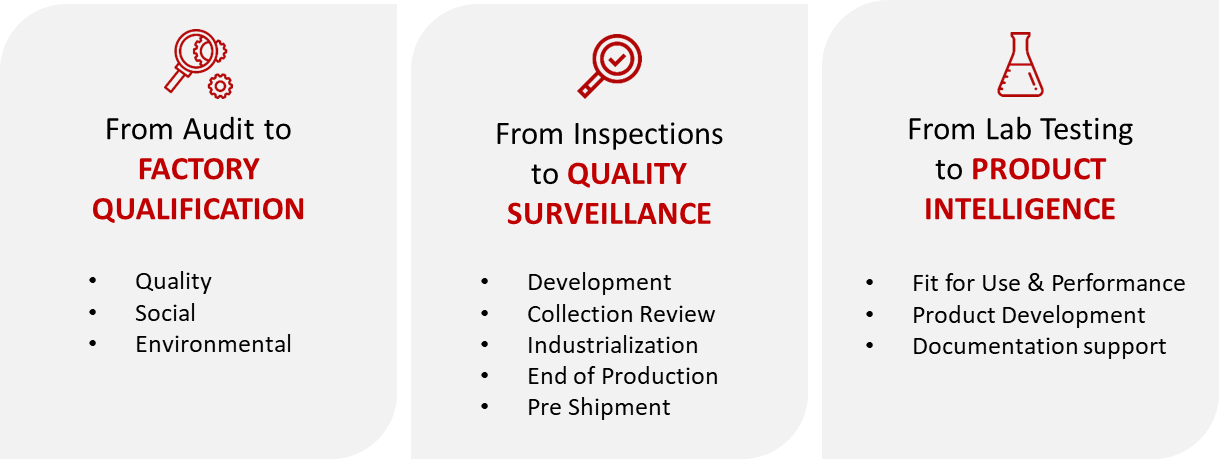
With these factors in mind, at API we put at your disposal our 20+ years’ experience working with some of the industry’s top players. We can help you minimize risks and meet your consumers’ expectations with our in-depth quality solutions for DIY and tools covering all the stages of your supply chain.

Our solutions include:

https://campaign-image.com/zohocampaigns/180659000003544031_zc_v34_diy_solutions_api_aug.png

Interested in discussing your challenges with our experts?

Catégories
Blogs

Audits for Supply Chain Sustainability and Transparency

The supply chain is changing, with increasing consumer demand for sustainable products. Many large and small brands are struggling to adapt to this new demand for transparency at every stage of the product’s lifecycle: from the raw materials to the disposal or recycling at the end of the product’s life.

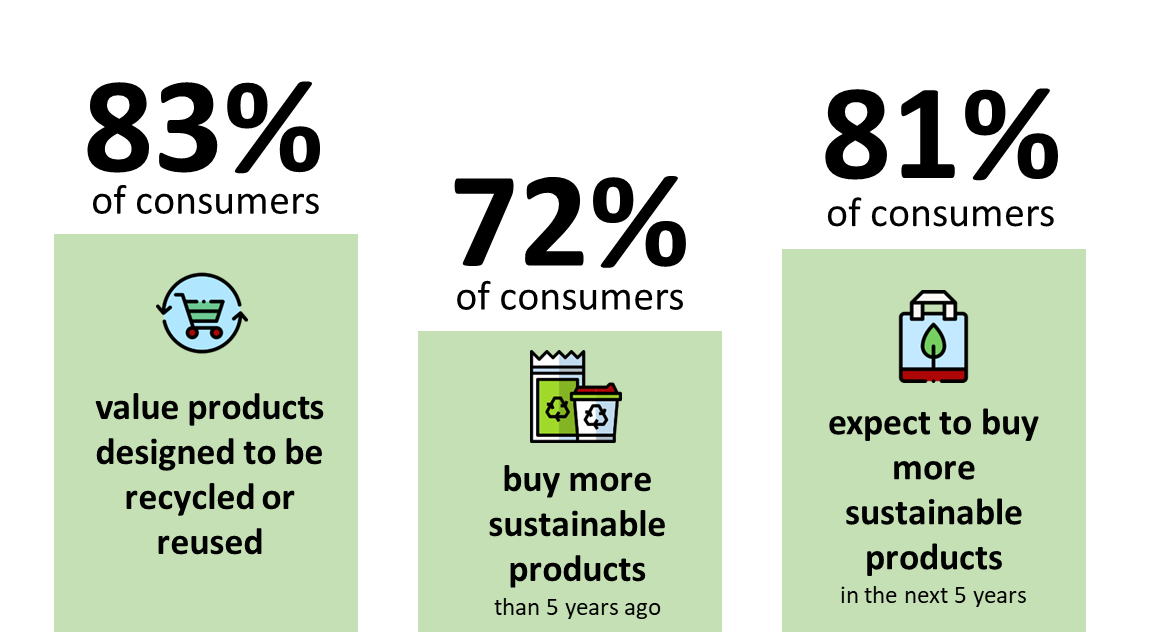
Sustainability is a key consideration influencing buying decisions together with quality, price, and health and safety:

Source: Accenture Survey April 2019 on 6,000 consumers in 11 countriesacross North America, Europe and AsiaSource: Accenture Survey April 2019 on 6,000 consumers in 11 countries across North America, Europe and Asia

Source: Accenture Survey April 2019 on 6,000 consumers in 11 countries
across North America, Europe and Asia

At API we can help you truly evaluate, verify and improve the environmental impact of your factories and processes to allow you to provide additional transparency to your consumers. Our team has more than a decade of experience in supply chain environmental sustainability across various products categories and a deep understanding of the different industry initiatives. We are, for example, one of the companies able to refer to the Higg Index* to provide verification and training solutions. We are uniquely positioned to understand the manufacturing process and its challenges thanks to our specialists being on the ground at the factories in real time.

We can support you from scratch in evaluating your supply chain with globally accredited assessment audit checklists or API’s tailor-made environmental audits checklists. Our personalized service, which follows API’s comprehensive environmental checklist and adapted corrective action plans, includes wide-ranging areas of assessment:

  • Environmental Management Systems (EMS)
  • Energy & Green House Gas Emissions (GHG)
  • Water consumption
  • Waste Water / Effluent Treatment
  • Emissions to air
  • Hazardous waste management
  • Hazardous chemical management

Interested in learning more about our environmental audit solutions?

Catégories
Blogs

API Audit: Accredited to perform ICS audits

L’engagement constant d’API, API’s division responsible for auditing operations, is accredited by ICS to perform social and environmental audits that comply with the ICS Code of Conduct. ICS – Initiative for Compliance and Sustainability – is an international sectorial initiative that aims to enhance working conditions among the global supply chains of its member retailers and brands. ICS is composed of 43 multinational retailers and brands in the sectors of textile, retail, footwear, electronics, and furniture. ICS members collaborate with common tools to mutualize audits, contributing to the reduction of ‘audit fatigue’ while sharing knowledge and best practices*.

https://campaign-image.com/zohocampaigns/180659000003436046_zc_v52_ics_logo.png

As specialists in our field, drawing from our vast hands-on industry experience, we are ready to accompany ICS members and factories in the process of improvement. Our solutions adhering to ICS methodology include:

  • ICS social and environmental audits
  • Follow up and solutions

Interested in our ICS audit solutions?

*ICS logo and description are property of ICS

Catégories
Blogs

Improve Your Social Compliance

Corporate Social Responsibility (CSR) has evolved in recent years from being a ‘beneficial asset’ to a compliance requirement that’s also gaining influence in the buyers’ decision-making process. In 2018, 69% of consumers said they were influenced by brands’ ethical values and authenticity*. An adequate social compliance plan can support your brand in going one step beyond with associated benefits such an increased productivity. These benefits include, for example, an end to duplicated work processes or the implementation of better time management within your workforce.

At API, we offer tailor-made social audit assessments utilizing our experts’ knowledge in developing programs adapted to your needs, and implement ad-hoc plans based on the specific requirements that matter the most to you. We can help you meet your social compliance objectives and challenges that follow:

  • Global industry initiatives & local labor laws: Our experience, expertise and specialization ensure fast and comprehensive results
  • Your own code(s) of conduct: Our industry knowledge and on-the-ground know-how will evaluate and reinforce your objectives – because CSR could be a key asset for brand reputation and differentiation
  • API’s standard: We help you from scratch through personalized service specific to these areas

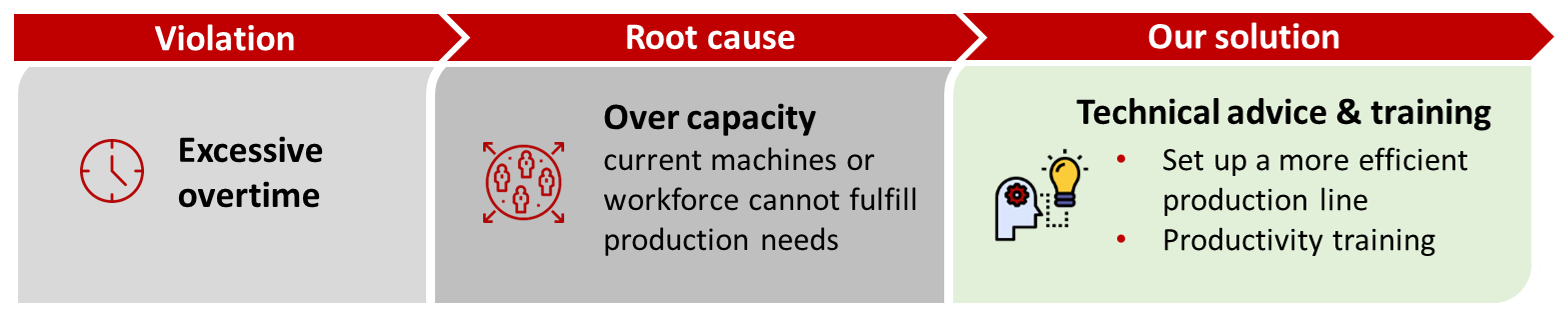
Looking to implement an effective corrective action plan after completion of a social compliance audit? You can benefit from API’s manufacturing experience and deep industry expertise that enables us to suggest informed and productive technical improvements. API’s technical experts will help you identify main factory issues and their root causes with a professional follow-up. You can increase your factory’s productivity with its available resources thanks to our experts’ recommendations on optimum corrective strategies.

Example: Increased supplier’s productivity based on its resources

Improved Social Compliance: Enhanced Brand Reputation and Supplier Productivity

Interested in our social audit solutions?

*Survey of 30,000 consumers in 35 countries, 2018 (Accenture)

Catégories
Blogs

Fit for Use & Performance Testing

Fit for Use & Performance Testing: Meeting Consumer Expectations by Going Beyond Simple Standardized and Regulatory Tests


In the increasingly competitive global marketplace, retailers face numerous issues when sourcing products. Their greatest challenge is to live up to — and even exceed — growing consumer expectations in a market saturated with products.

Since consumers have a wealth of options to choose from, they are no longer satisfied with products that merely meet their basic needs. They consider the minutest of details in regards to quality, construction, features, and price of products.

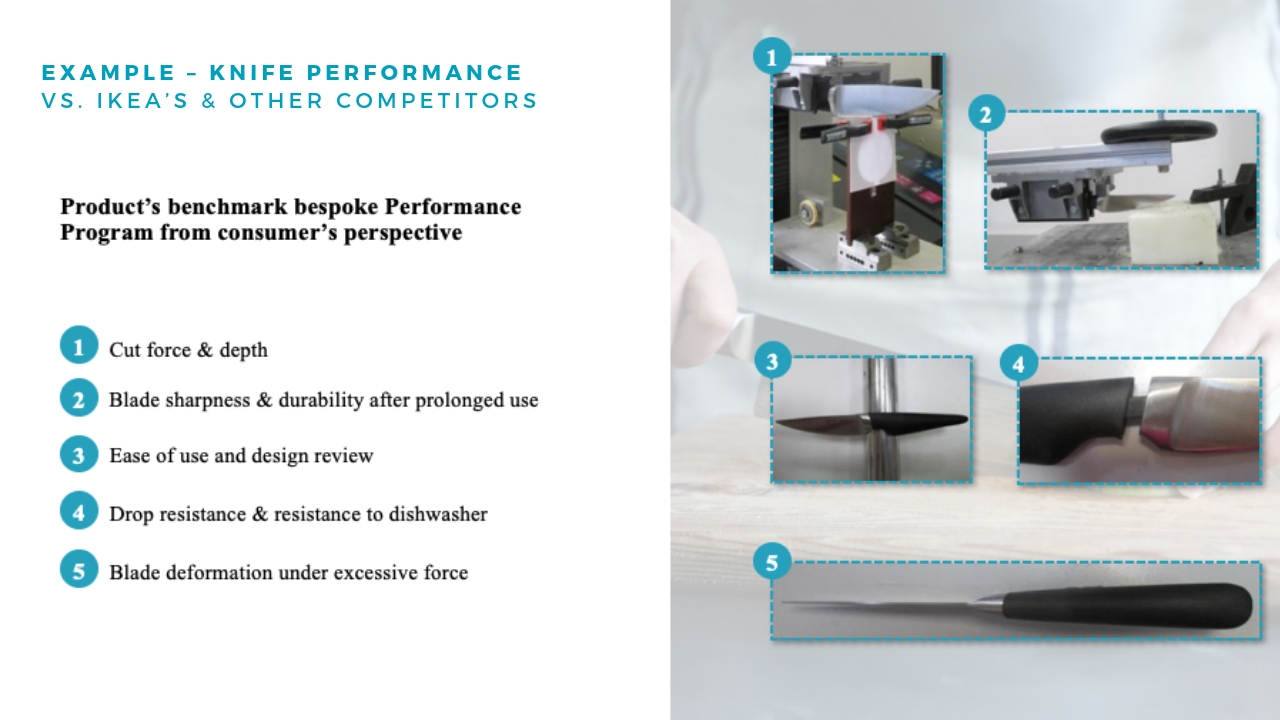
In considering knives, for example, consumers are no longer satisfied with a product that can simply slice their vegetables and meat. They look for knives with ergonomic handles that retain their edge for an extended period and meet a dozen other additional expectations.

In this competitive and demanding landscape, the necessity of Fit for Use and Performance Testing should not be underestimated.

Knives Sourcing Case Study

The following is a case study on sourcing knives. The purpose of this case study is to give a brief example of the various tests that will be conducted during a Fit for Use & Performance and about how a knife’s performance can be compared to that of IKEA knives and other competitors.

Add a heading


Benefits to the Client

  • Help you  source knives that can pass a wide range of advanced performance tests. This can establish a benchmark for the product based on your brand current products and other similar products on the market. This standard can be used as a basis on which to make future products and improvements.
  • Come up with technical ad-hoc solutions for product performance.
  • Get an edge on the competitors by sourcing the most advanced knives possible.
  • Weeding out products that miss the mark on quality in terms of performance.

As you can see, in this global consumer-driven age, the necessity of Fit for Use & Performance Testing is absolutely crucial.

At API, we offer our clients a host of tailored solutions powered by our sister company AXIS to help your products stand out and go beyond the regulatory requirements of your destination markets. Our common objective? Your products fit their purpose and provide outstanding technical grounds to be chosen by your customers.

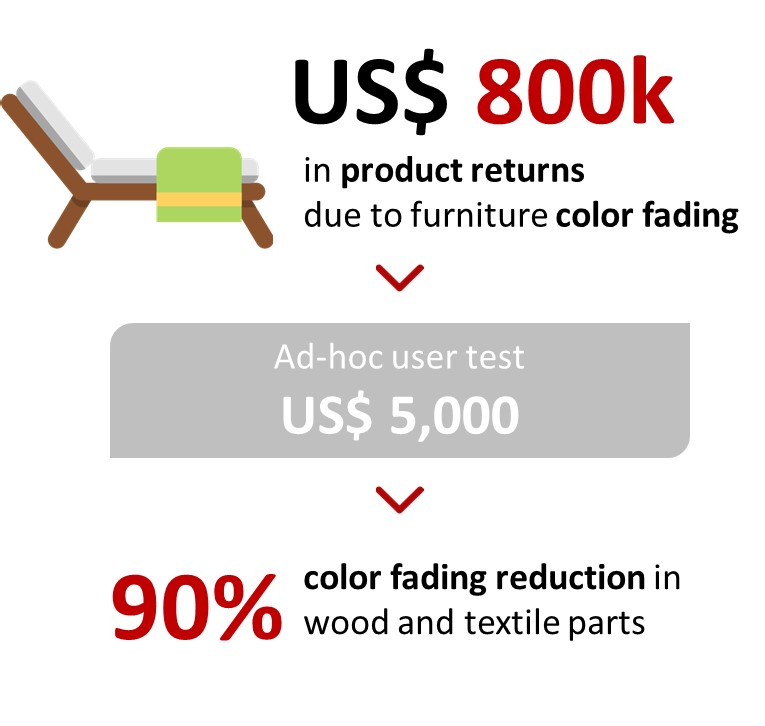
With 300+ product categories covered, 3,000+ tests performed, and +1,800 ad-hoc tests developed, AXIS – technological resource center of WORMS SAFETY – is able to provide tailor-made fit-for-use performance assessments of all household goods. AXIS has 20+ years’ experience in mechanical properties and performance, climatic aging, colorimetry and dimensional measurement.

Interested in learning more about how performance testing can bring competitive advantages to your products? Contact us today to receive a professional consultation and find out more about our Fit for Use and Performance solutions.

Catégories
Blogs

Sustainable Practices For Manufacturing Hard Goods

Implementing sustainable business strategies is getting increasingly popular in the manufacturing industry as more prominent international and local industry players of all sizes acknowledge the long-term value of sustainable management for business growth and resilience.

Sustainable manufacturing starts with building a sustainability team for effective collaboration between managers, material experts, process engineers, product designers, production, procurement specialists, and environmental, health, and safety officers.

Engaging representatives from every department helps organizations to evaluate all the key sustainability aspects of the manufacturing process and understand how to work more effectively to save resources, time, and money.

Sustainable manufacturing has a lot to offer:

  • Integrating sustainability across business functions improves production processes and profitability
  • Using innovation, scenario planning, and strategic analysis reduces environmental, health, and safety risks and associated financial losses
  • Improving environmental performance helps ensure compliance with increasingly stringent regulatory constraints
  • Optimizing operational efficiencies reduces resource costs and industrial waste from production
  • Introducing stakeholder engagement policies helps train and retain qualified employees, builds long-term business viability and resilience
  • Strengthening brand reputation and public trust with a visible commitment to sustainability enhances sales and competitiveness on the market attracting new customers, partners, and investors.

Sustainable/Recycled Raw Materials

Choosing sustainable raw or recycled materials improves the resource efficiency and safety of the manufacturing, prevents eco-toxicity, extends the lifespan of many instruments and equipment, minimizing the risks and need for repairs.

Recycling materials preserves their embodied energy, so the amount of energy required for the recycling process is usually far less than the energy used for the primary production. The largest energy savings can be achieved by recycling metals and thus avoiding the energy-intensive mining and processing of ore. For example, recycling aluminium from scrap uses 88-95% less energy than primary aluminium production, secondary copper results in 15-65% energy savings. Lead can be effectively recycled multiple times without losing its properties with 60-75% energy savings compared to the primary lead production. Energy savings from recycling iron and steel can be up to 72%, beryllium recycling saves 80%, and 50% for recycling cadmium. An estimated 40% of the nickel used in the production of stainless steel comes from post-consumer stainless steel scrap resulting in 90% energy savings for the secondary nickel production. However, when it comes to recycling paper, although the secondary production requires 40% less energy than the primary production, more fossil fuels can actually be required for paper recycling.

Smart solutions like using antimicrobial copper alloys to protect solid surfaces from microbial contamination instead of using enhanced chemical cleaning protocols can prevent the spread of bacterial infections and reduce human exposure to toxic substances from the cleaning products. The EPA has registered 500 copper alloys including brass and bronze as capable of killing 99.9% of disease-causing, potentially deadly bacteria within two hours even after recontamination.

ECO Design

Sustainable product design strategies allow manufacturers to evaluate and address the environmental impacts throughout the entire life cycle of the product, optimize resource consumption, minimize energy use and waste during production and transportation of the products.

Incorporating sustainability considerations into product development ensures the long-term availability of materials and resources, helps achieve compliance with product quality and safety regulations, and avoid using harmful materials that can be restricted in some countries or highly likely to be banned in the future. Material choices and product design should incorporate the recycling capability and publish the specifications in their product declarations.

Sustainable Packaging 

Sustainable packaging logistics help develop integrated packaging, product, and supply chain systems to ensure safe, efficient, and effective handling, transportation, distribution, storage, retail, use, reuse, recovery, and disposal of goods, minimizing the negative environmental impacts and risks, while maximizing the social and consumer value, sales, and profits. For example, replacing wasteful single-use containers, plastic, Styrofoam, cardboard, and pallets with reusable, recycled, and recyclable packaging like collapsible bulk boxes helps optimize the shipping, storage, and handling of hard goods.

The Sustainable Packaging Coalition defines the following criteria for sustainable packaging:

  • Designed to optimize the material and energy use
  • Sourced, manufactured, transported, and recycled using clean production technologies and best practices, renewable energy sources
  • Maximum use of renewable and recycled materials
  • Satisfying the market demand for performance and cost.
  • Healthy, safe, and beneficial for individuals and communities throughout the entire life cycle and in all probable end of life scenarios
  • Effectively recovered and utilized in biological and/or industrial cradle to cradle cycles.

Analysis of sustainable packaging logistics strategies shows that an upfront investment in sustainability actually accelerates the economic growth and profitability due to significant savings from multiple reuses, easier handling, less labor for assembling boxes and crates, smaller floor space use during storage and shipping, and reduced packaging costs per piece. Sustainable packaging gives a strategic competitive advantage to manufacturers, as it shows their commitment to implement the best industry practices, improves public trust, and strengthens their brand reputation.

Recycling Programs

Manufacturers are the primary consumers of recycled materials obtained from end-of-life products and industrial scrap, and they can also contribute to closed-loop material recycling. Incorporating waste recovery and recycling in-house as part of the manufacturing process or supplying scrap materials from production to other companies for recycling can reduce your company’s waste and associated costs. Utilizing scrap processing solutions and including post-consumer recycled materials like metal, plastic, paper, glass, rubber, electronics, or textiles as part of your manufacturing process can bring significant savings of energy, raw materials, and reduction in emissions from production.   

It is important to remember that recycling is not the ultimate sustainable solution as it also consumes energy and water contributing to resource depletion and pollution. An efficient recycling program for manufacturing requires a detailed analysis of the environmental footprint including energy use at each phase of the recycling processes to determine the most sustainable recycling routes. To optimize the recycling processes, manufacturers must carefully develop their sustainable recycling strategies and the supporting structures, systems, performance goals, key performance indicators, measurements, and performance monitoring protocols.

Sustainable Factories

Incorporating diverse business intelligence tools, specialized sustainability software, artificial intelligence, and the Internet of Things (IoT) into your factory operations can help you predict, model, plan, monitor, and evaluate the efficiency of factory operations, adapt manufacturing workflows, conduct preventative maintenance, coordinate, and implement robust environmental, health, safety, and quality control systems to ensure continual performance improvement. The International Organization for Standardization has just released a new voluntary standard ISO/IEC 30141, Internet of Things (IoT)Reference architecture that provides a framework with reusable designs and industry best practices that can help establish reliable, safe, secure systems for smart, sustainable manufacturing by gathering the key performance data, protecting the privacy, and preventing disruptions from cyber attacks and natural disasters

Sustainable Energy

The carbon footprint from manufacturing operations can be reduced through various energy-efficient solutions, and not all of them require much capital investment. The International Renewable Energy Agency (IRENA) estimates that renewables could reach up to 27% of the total manufacturing energy consumption by 2030 with the availability of affordable sustainable, biomass sources, and can further grow up to 34% due to carbon emissions trading. IRENA’s analysis shows that energy efficiency and renewable energy production are the most cost-effective methods for reducing the energy-related industrial CO2 emissions, but to achieve the climate objectives of the Paris Agreement renewables deployment must accelerate six times faster than today.

Investing in green energy production systems to support the manufacturing process like using biomethane obtained from renewable resources instead of the natural gas can make manufacturing self-sufficient and carbon-neutral. Rethinking the lighting positions, schedule, and intensity of lights to target work areas more effectively helps avoid wasting energy, reduce electricity bills, and improve the working conditions for employees.

Hazardous Waste

Manufacturing waste often contains elements classified as hazardous, which may accumulate in production areas that are difficult to access, posing health and safety risks to employees. Using non-toxic materials for production, finding sustainable alternatives to traditional chemical solutions, and extending the life cycle of the chemistry, can significantly reduce the quantity of waste production, prevent employee exposure to toxic solvents and fumes, reduce costs for hazardous material disposal, and ease the environmental regulatory burden on the company.

API Sustainability Services

Our team unites experts in sustainable manufacturing practices with extensive experience in environmental management, material assessment, and recycling.

API Recycling Verification Services will help verify and validate the authenticity of your recycled products, processes, and raw material sources.

Supply chain traceability and verification

  • Tracking your products back to the source and authenticating the raw material sources.
  • Assessment and validation of the percentage of post-consumer recycled content, post-industrial recycled content or total recycled content contained in a product

Recycled product footprint – calculating the sustainability impacts of your recycled products

Séparation du contenu recyclé – consulting service to help you ensure a recycled product has the right percentage of recycled content

Contact us today to receive a professional consultation on introducing effective sustainability strategies, incorporating recycling programs into your manufacturing process, developing supporting protocols, systems, performance goals, indicators, measurements, and more.

For more information about sustainability in manufacturing, click here.

All data is quoted from and belongs to published literature. API does not hold any responsibility for the accuracy, timeliness or validity of any data or information.

Catégories
Blogs

Safer toys: Managing risks from the early stages

2020 was a challenging year for most industries, driving companies to adapt and disrupt their habits and ways of doing business. Despite this, the global toy industry maintained stronger-than-expected performance, with parents and grandparents looking for new ways to keep children entertained at home.

This extraordinary context, however, brought unexpected pressures to supply chains – including shortages of qualified workers, limited access to materials, difficulties in performing quality checks, and more – adding to the existing challenge of meeting stringent regulations while ensuring the timely delivery of finished goods that meet consumer expectations. Regardless of changing circumstances, the responsibilities of toy- and children-related industries remain the same: guaranteeing the safety of products to ensure that little ones always ‘play safe’.

Despite global authorities and consumer associations putting vulnerable young consumers’ safety first, many risks and non-compliances are being uncovered. In Europe alone, toys were again the most notified product in 2019, representing 29% of RAPEX alerts.

Source: RAPEX 2019 Annual Report

Today, the importance of adopting measures at the earliest stages of production is more crucial than ever, enabling brands to anticipate risks before production even begins to avoid ‘fail’ results in pre-production tests – or even worse – in pre-shipment tests. This can not only help brands save time and money but also prevent the feared product recall and consequent negative impacts.

Many precautions can be taken to secure the supply chain and reduce risks throughout the production process, such as factory audits, in-line inspections, and in-production assessments. However, some measures that can be adopted before production even starts, allowing brands to anticipate risks at the earliest stages.

Leveraging product and manufacturing expertise

At API, our product and manufacturing expertise – acquired daily, on the ground – allows us to identify and anticipate risks before they reach the production line. Our toy experts can guide and assess your teams from the design and prototype stages, helping you manage risks and make your products safer. We work closely with toy committees, keeping up to date with changes in standards and regulations and receiving the latest news on current areas of concern and hot industry topics.

Example


Some of our preventive solutions for toys in our laboratories in Asia and Europe include:

  • Product Validation Report: An exhaustive report highlighting golden sample specifications and flagging critical points that could represent a safety or quality risk. Also assesses the functionality and performance from an end-user’s perspective and provides in-depth evaluation of the toy marking.
  • Collection Review: A product review in the showroom that includes identifying risks and non-conformity of mechanical issues and advice from our experts and recommendations on product amelioration.
  • Risk Assessment on design or prototype: A risk evaluation at the initial stages of development, which identifies any critical areas for improvement and provides expert recommendations for increased product safety.
  • Marking verification: A review of regulatory markings and instruction manuals adapted to the appropriate age grade.
  • Recommendations on performance and fit-for-play: Adapted, tailor-made protocols that simulate the child’s use of and interest in the toy.
  • Pre-production test

Our experts can help you find the right solution for your needs in anticipating toy production risks.

Catégories
Actualités

L'API partage l'expertise de l'industrie à l'occasion de l'ICPHSO 2021

API will address the ‘new normal’ and share technical insights and expertise at the ICPHSO (International Consumer Product Health and Safety Organization) 2021 Annual Virtual Meeting and Symposium.

During a plenary session on ‘Practical Strategies for Business Continuity, Ongoing Product Safety, and Increased Visibility,’ Jennifer Miller, the senior director of business development, North America, for SgT (API’s sister company), will discuss the impacts of COVID-19 on supply chains and how companies should adapt to ensure business continuity and ongoing safety and quality through a ‘boots on the ground’, preventative approach.

About the Session

Plenary 3: “Practical Strategies for Business Continuity, Ongoing Product Safety, and Increased Visibility”

Thursday February 25, from 8:15AM to 9:00AM ET

Ensuring supply chain continuity while managing risk and disruption has become a key priority globally. Practices that ran smoothly before COVID-19 must now be reassessed, with the need to evaluate vendors and suppliers more carefully and develop processes that protect resilience. Traditional onsite product controls have been challenged by ongoing travel restrictions, budget constraints, lack of transparency, and more, compelling businesses to adapt and find new ways to safeguard continuity.

Securing product safety and quality in this ‘new normal’ requires visibility over the entire supply chain to better understand its composition and processes for greater traceability. With the help of advanced technologies and adaptable tools, teams can also remotely monitor this improved transparency to ensure product safety and quality in an unprecedented era.

Interested in learning more about this or other topics?

Catégories
Blogs

Collect the right data for product compliance with our I-TCF

Data has undoubtedly been one of this year’s most repeated words when discussing how to make supply chains more resilient. Collecting, sharing and analyzing the right data can enable the entire supply chain to run more efficiently thanks to more informed decisions. In the context of quality control, data remains one of the basics.

COVID-19 has brought unprecedented challenges to supply chains and highlighted the importance of increased visibility and agility to maintain product safety and quality. Ensuring product compliance with each market’s standards and regulations remains a key obligation of brands and retailers, but guaranteeing every document’s validity and accuracy is a tedious task.

Collecting the right information about a product to prove compliance with the latest applicable standards and regulations is time-consuming at best. On top of this already arduous task, brands and retailers must remain aware of changes in standards and regulations for numerous product references in their portfolio, which can be labor-intensive and prone to errors.

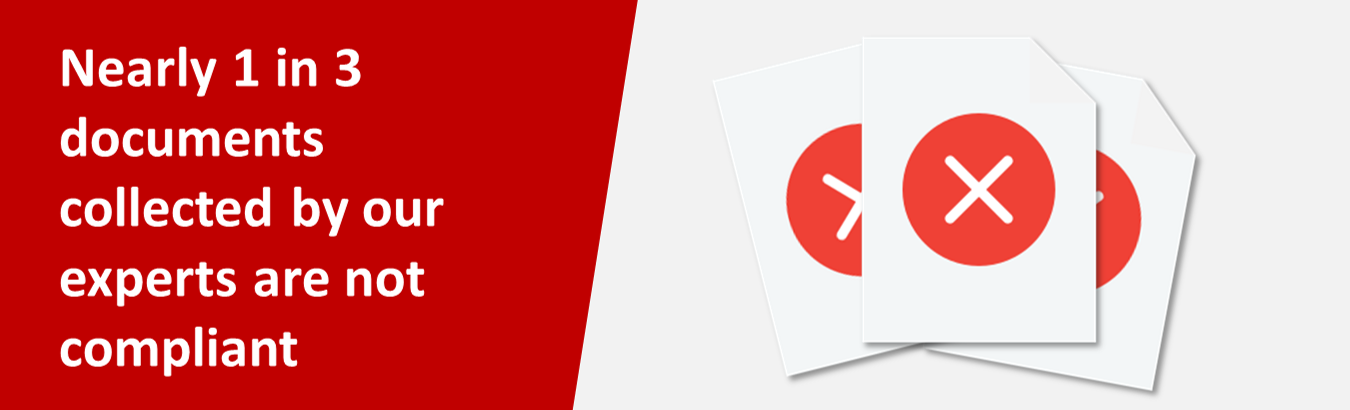
The I-TCF teams at API experienced that nearly one in three documents collected are not compliant and need additional follow-up steps to complete the TCF file according to requirements and establish the product’s conformity.

Documents_TCF_W

API’s team of experts can support companies in preparing a ‘digital ID’ of each product with our I-TCF solutions (Product Integrity and Technical Compliance File). This digital ID helps verify product compliance and includes key information such as applicable protocols, document validation or rejection, and validity over time. In addition to our experts’ regulatory guidance, brands appreciate the minimal investment required, enjoy a higher degree of control with our clear digital platform, and are ultimately ready to provide the valid required documentation in cases of custom verification. 

With more than 15 years’ experience developing I-TCF solutions, we can help brands and retailers save time and money on this task. We offer support with:

  • Définir le périmètre de conformité pertinent
  • Collecting and quickly validating a high volume of documents

Interested in finding out more about how our I-TCF solutions can help your brand?

Catégories
Actualités

Base de données SCIP pour les déclarations SVHC - à partir du 5 janvier

From January 5, 2021, the new SCIP database – the Substances of Concern In articles as such or in complex objects (Products) – will come into force. Established under the Waste Framework Directive (WFD), the database requires companies that supply articles containing substances of very high concern (SVHCs) on the Candidate List in a concentration above 0.1% weight by weight (w/w) in the EU market to submit information on these articles to the European Chemicals Agency (ECHA).

Companies in the household goods and toys segments also need to respond to this new directive when their articles or packaging contain a higher concentration than is allowed. Products at lower risk of such concentration levels will most likely be those made from inorganic materials such as metal or glass. On the other hand, consumer goods made of plastic, rubber, or with high levels of ink, paint or glue have higher chances of being at risk. The spectrum of products that can be affected is broad, ranging from such items as toys or inflatable articles, to luggage, outdoor furniture and other household goods. 

This database collects information about substances of concern, aiming to decrease the generation of waste containing hazardous substances and promote substitution. It will also contribute to a safer circular economy, providing waste operators with more information on the hazardous substances in the waste they process, making sorting waste easier and improving the quality of recycled materials due to greater visibility over chemicals. It will also allow consumers to make more informed purchasing decisions and choose safer products.


What needs to be submitted?

  • Information relevant to the identification of the article;
  • Name, concentration range, and location of the SVHC; and
  • Other information on the safe use of the article, particularly if the above information is not sufficient to ensure the proper management of the article as waste.

Who needs to submit information?

Companies supplying articles containing substances of very high concern (SVHC) on the Candidate List must be present in an article in a concentration above 0.1 % weight by weight, including:

  • EU producers and assemblers;
  • EU importers; and
  • EU distributors of articles and other actors who place articles on the market.

Retailers and other actors supplying articles directly to consumers are not obliged to submit information to ECHA.


Do you have questions about how the new SCIP database requirements may affect your business?