5 rappels notables d'ustensiles de cuisine : des pistes pour une meilleure assurance qualité

Catégories
Blogs

5 rappels notables d'ustensiles de cuisine : des pistes pour une meilleure assurance qualité

5 rappels notables d'ustensiles de cuisine : des pistes pour une meilleure assurance qualité

Dans le secteur de la fabrication d’ustensiles de cuisine, la sécurité est non négociable. Des revêtements à la résistance thermique en passant par la conception des poignées, chaque détail doit répondre à des normes strictes. Lorsque ces normes ne sont pas respectées, les conséquences peuvent être graves — tant sur le plan financier que réputationnel. Voici cinq cas réels de rappels d’ustensiles de cuisine qui illustrent ces enjeux et soulignent l’importance cruciale de l’assurance qualité.

1. Rappel de cocottes-minute d’une grande marque internationale (2025)

Coût estimé : potentiellement supérieur à 50 millions USD

En 2025, une grande marque d’articles de cuisine a rappelé environ 1,85 million de cocottes-minute multifonctions. Le rappel a été déclenché par des signalements indiquant que les couvercles pouvaient être ouverts alors que l’appareil était encore sous pression, provoquant des projections de contenu chaud et des brûlures. La Consumer Product Safety Commission (CPSC) des États-Unis a enregistré 106 cas de blessures, dont plus de 50 brûlures au deuxième et troisième degré. Selon les estimations, ce rappel pourrait coûter à la marque plus de 50 millions USD.

Comment une inspection produit aurait pu prévenir ce rappel de cocotte-minute

Les inspections sur site des cocottes-minute incluent généralement des tests critiques pour garantir une utilisation sûre. Des tests en conditions réelles — tels que des essais fonctionnels complets et des tests de fuite — permettent de détecter rapidement des anomalies, comme des composants défectueux, et de prévenir tout incident potentiel sur le marché ou rappel produit.

Points clés :

  • Tester en conditions réelles pour vérifier la sécurité
  • Détecter les risques critiques avant la mise sur le marché
  • Éviter des rappels coûteux grâce à une intervention précoce

2. Rappel de mugs isothermes à bouton-poussoir d’une marque américaine populaire (2025)

Coût estimé : non communiqué

Début 2025, une marque américaine populaire de contenants pour boissons a rappelé plus de 2,6 millions de mugs de voyage en acier inoxydable à ouverture par bouton-poussoir dans le monde. Le rappel faisait suite à un défaut de conception : le couvercle pouvait se détacher sous l’effet de la chaleur et de la pression, entraînant 38 cas de brûlures signalés. Les produits concernés étaient disponibles en plusieurs tailles et couleurs via des distributeurs tels qu’Amazon et Walmart. La marque propose un couvercle de remplacement compatible avec les produits rappelés.

Comment une inspection aurait pu prévenir ce rappel de mug de voyage

Une inspection produit approfondie — notamment axée sur des tests fonctionnels en conditions réelles — aurait permis d’identifier ces défauts qualité. Les essais sur site, tels que les tests d’exposition à la chaleur et de résistance à la pression, auraient permis de détecter le problème de détachement du couvercle à un stade précoce. Une détection lors de l’inspection aurait permis une correction rapide avant la mise sur le marché.

Points clés :

  • Tester la résistance à la chaleur et aux contraintes
  • Simuler l’utilisation quotidienne pour identifier les défauts fonctionnels
  • Prévenir les risques pour la sécurité grâce à une détection précoce

3. Rappel d’ustensiles en fonte d’une marque britannique (2025)

Coût estimé : non communiqué

Au premier trimestre 2025, une marque britannique d’ustensiles en fonte a lancé un rappel urgent concernant plusieurs produits vendus depuis 2023. Les tests réalisés par l’Office britannique pour la sécurité des produits et les normes ont révélé que ces articles pouvaient libérer des métaux lourds lors de leur utilisation, représentant un risque sérieux pour la santé. Le rappel a concerné plusieurs produits, notamment des bouilloires et des plaques de cuisson, et les consommateurs ont été invités à cesser immédiatement leur utilisation.

Comment les essais en laboratoire permettent de détecter les risques de substances toxiques dans les ustensiles de cuisine

Les essais en laboratoire jouent un rôle essentiel dans la détection des substances nocives, telles que les métaux lourds, avant que les produits n’atteignent les consommateurs. Les tests professionnels permettent d’identifier rapidement les risques de migration chimique, garantissant ainsi la sécurité et la conformité. Des tests approfondis de contamination des aliments sur des échantillons de production constituent une méthode efficace pour détecter la présence de substances toxiques dans les ustensiles de cuisine et les articles culinaires.

Points clés :

  • Détecter les substances toxiques avant la mise sur le marché
  • Simuler l’utilisation réelle pour évaluer la sécurité chimique
  • Assurer la conformité aux réglementations sanitaires grâce à des essais en laboratoire rigoureux

4. Rappel de cocottes en fonte émaillée d’une marque reconnue (2020)

Coût estimé : non communiqué

À la mi-2020, une grande entreprise d’ustensiles de cuisine à revêtement céramique a rappelé environ 11 160 cocottes. Le rappel a été lancé car les couvercles pouvaient exploser lors de l’utilisation au four, entraînant un risque important de blessures et de brûlures. L’entreprise a reçu quatre signalements de consommateurs, dont un cas de dommage matériel, sans qu’aucune blessure n’ait été rapportée.

Comment une inspection produit aurait pu aider à identifier les vulnérabilités

Des inspections complètes — incluant des tests clés tels que les essais de fuite, d’étanchéité et de résistance à la fatigue — auraient permis d’identifier en amont des problèmes potentiels, comme des fuites ou des faiblesses structurelles, avant l’expédition. La détection précoce de ces risques permet d’éviter des incidents de sécurité et des rappels coûteux.

Points clés :

  • Simuler les conditions de cuisson pour tester la durabilité
  • Identifier les défauts de conception avant la production complète
  • Prévenir les défaillances produit grâce à des contrôles en amont

5. Rappel d’un multicuiseur par un fabricant d’appareils de cuisine (2018)

Coût estimé : plusieurs millions (estimation basse)

En 2018, ce fabricant d’ustensiles de cuisine a rappelé un lot de ses multicuiseurs en raison d’un défaut pouvant entraîner des risques d’incendie. Le problème était lié à un défaut de fabrication affectant certains codes de lot. Étant donné que plus de 100 000 unités étaient concernées, la marque a dû agir rapidement pour maintenir la confiance des consommateurs dans un marché très concurrentiel. Ce cas souligne l’importance des contrôles par lot et de la détection précoce des anomalies dans les appareils de cuisine intelligents.

Comment l’inspection peut prévenir les problèmes de surchauffe des ustensiles de cuisine

Les appareils à usage quotidien, comme les multicuiseurs, doivent être fiables et sûrs. L’inspection en cours de production (DUPRO) permet de détecter rapidement des problèmes tels que des capteurs défectueux, une mauvaise isolation ou des matériaux instables dès les premières étapes de fabrication. Cela permet aux marques de prendre des mesures correctives pendant que les produits sont encore en production et d’éviter des retouches coûteuses avant l’assemblage final.

Points clés :

  • Inspecter les composants pendant la phase de production
  • Détecter précocement les défauts sur les produits semi-finis
  • Identifier les risques électriques et protéger les consommateurs ainsi que la réputation de la marque

La sécurité est fondamentale pour les ustensiles de cuisine : l’assurance qualité en est la clé

Chaque cas de rappel d’ustensiles de cuisine mentionné ci-dessus met en évidence le rôle essentiel que joue chaque produit dans la sécurité des consommateurs. Des dysfonctionnements d’étanchéité aux défauts de matériaux, même des anomalies mineures peuvent entraîner des risques graves. C’est pourquoi une assurance qualité rigoureuse est indispensable pour garantir la conformité.

Les principaux aspects de la conformité des ustensiles de cuisine comprennent :

  • Sécurité des matériaux : les matériaux des ustensiles ne doivent pas libérer de substances chimiques nocives ou de métaux lourds dans les aliments, en particulier lorsqu’ils sont exposés à la chaleur.
  • Conformité au contact alimentaire : des réglementations comme celles de la FDA américaine et de l’Union européenne (ex. EN 12983) encadrent les matériaux en contact avec les aliments afin de garantir leur innocuité.
  • Normes de performance : les ustensiles doivent répondre à des normes relatives à la répartition de la chaleur, à la conductivité thermique et à la durabilité, telles que définies par des standards comme EN 12983.
  • Sécurité chimique : les tests portant sur des substances telles que les PFAS (y compris le PTFE) et d’autres composés sont essentiels pour garantir l’absence de risques pour la santé.

Comment garantir la conformité pour protéger votre marque et vos consommateurs ? Voici comment une stratégie d’assurance qualité solide peut vous aider à éviter ces erreurs fréquentes :

  • Inspection produit :garantir que les produits finis respectent vos spécifications et les exigences de sécurité applicables
  • Tests sur site :simuler des conditions d’utilisation réelles afin d’identifier les problèmes de durabilité et de sécurité dans des situations quotidiennes
  • Audits fournisseurs :de nombreux ustensiles étant fabriqués à l’étranger, des audits réguliers permettent de s’assurer que les fournisseurs respectent vos standards qualité et les exigences réglementaires
  • Essais en laboratoire :ils permettent de vérifier la sécurité, la qualité et la conformité réglementaire des produits, notamment pour les produits en contact avec les aliments (composition des matériaux, durabilité des revêtements, tolérance à la chaleur et absence de substances nocives)

L’assurance qualité ne consiste pas seulement à cocher des cases — il s’agit de protéger vos clients et votre marque. Un investissement modeste dans la qualité peut prévenir des pertes considérables, tant financières que réputationnelles.
Anticipez les risques de rappel. Protégez votre marque grâce à une assurance qualité experte pour les ustensiles de cuisine — des audits fournisseurs aux essais en laboratoire et aux inspections produit.

Contactez-nous dès aujourd’hui..

Catégories
Blogs

API at the ICPHSO 2025 Annual Meeting and Training Symposium

Ensuring Product Safety: A Collective Responsibility

Product safety is crucial for providing necessary protections to consumers, and it is the responsibility of all stakeholders to uphold these standards. Evaluating product safety thoroughly involves assessing both its negative and positive risks, which is vital for maintaining the highest level of consumer protection. There is zero tolerance for compromising on this.

To build connections within the product safety community, API will be participating in ICPHSO’s 2025 Annual Meeting and Training Symposium, taking place from February 17th to 20th, 2025, in Orlando, Florida.

Join us in discussing how we can collaborate to bridge gaps in compliance, product safety, toxic substance control, data transparency and more.

Name: ICPHSO’s 2025 Annual Meeting and Training Symposium
Date : February 17-20, 2025
Stand : 29 & 30
Lieu : Hyatt Regency Grand Cypress
Adresse : One Grand Cypress Blvd
Orlando, FL 32836

About ICPHSO’s 2025 Annual Meeting and Training Symposium
L’International Consumer Product Health and Safety Organization (ICPHSO) est un forum international neutre réunissant les acteurs de la sécurité des produits afin d’apprendre, de réseauter et de partager des informations pour améliorer la sécurité des produits de consommation à l’échelle mondiale.

The 2025 Annual Meeting and Training Symposium’s theme is “Fostering Bridges Within the Product Safety Community” is to show how within ICPHSO we bring together the stakeholders representing different categories of the product safety community, often competitors, to provide a neutral and safe forum for all to hear and understand different perspectives as it relates to product safety. Product safety is a non-partisan issue and our goal and mission is to unite the global product safety community to further safety and reduce risks.

Pour en savoir plus sur le symposium, veuillez consulter le site de l’ICPHSO : https://icphso.org/page/2025_Annual_Symposium

Catégories
Blogs

A complete guide to supply chain mapping

The international supply chain is presently grappling with regular disruptions and uncertainties due to a variety of factors such as shifts in the geopolitical environment, disruptions in key global trade routes, and policies related to climate change. These issues present substantial risks and strains on companies, necessitating them to enhance their supply chain visibility, traceability, and transparency to effectively tackle these challenges.

A crucial element of ethical sourcing is supply chain mapping. Ethical sourcing requires companies to consciously and actively source and procure goods and services in a manner that is ethical, sustainable, and socially responsible. This implies that a firm will ensure that its business operations, both internally and throughout its supply chain, do not negatively impact people and the environment.

The initial stage in supply chain due diligence and traceability is Supply Chain Mapping. This is crucial when providing compliance reports regarding regulations on forced labour, the German Supply Chain Act, the Corporate Sustainability Due Diligence Directive, EUDR (European Union Regulation on Deforestation-free products), the California Transparency in Supply Chain Act, the UK Modern Slavery Act, among other regulations.

A complete guide to supply chain mapping_1

Understanding Supply Chain Mapping

Supply chain mapping is the process of creating a full picture of the network of activities and entities involved in producing and delivering a product.

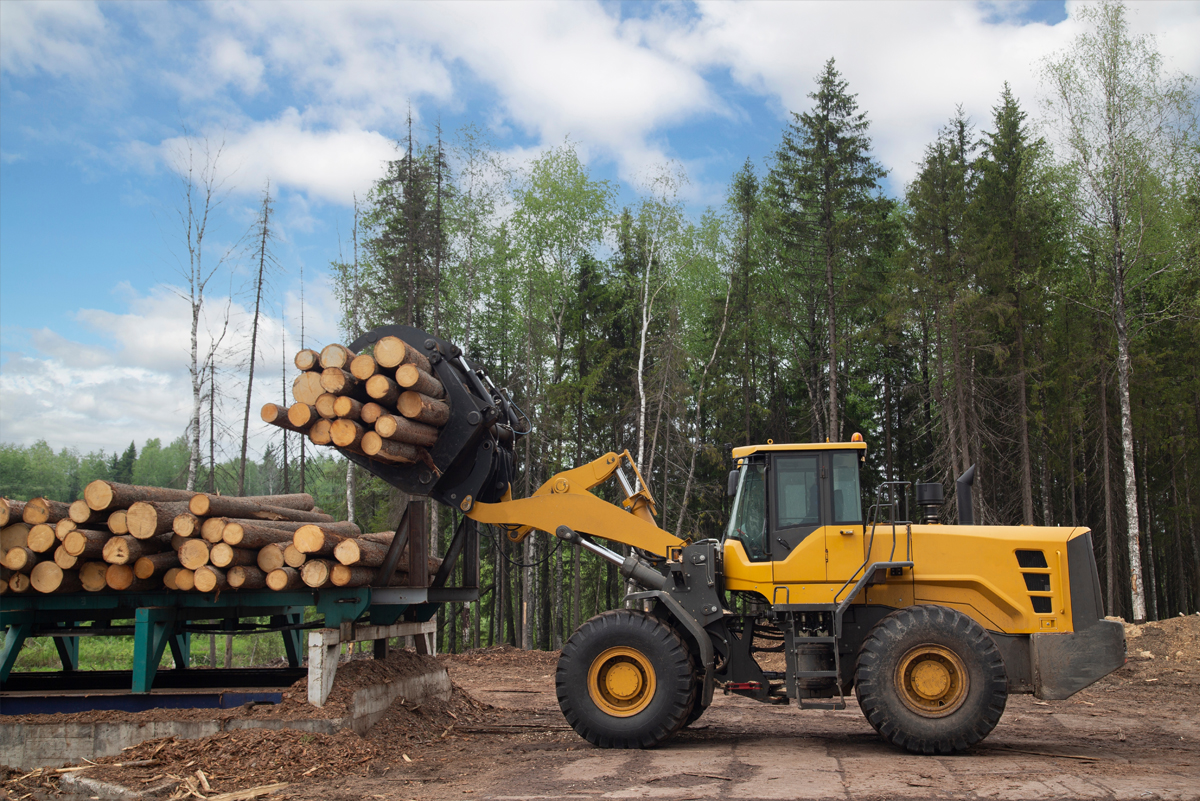
Supply chains can be extremely complex, often involving multiple tiers with numerous suppliers in each tier. While most companies know who their Tier 1 suppliers (main manufacturers) are, the visibility often ends there. Taking the example of a wooden chair, the supply chain starts with harvesting trees from forests, then continues with timber processing, transporting and distributing, and ends with manufacturing and delivering the finished goods to end-users and consumers.

It is important to map the entire supply chain to gain a thorough understanding of the business and the entities it works with. This process involves more than just recognizing the top tiers; it necessitates comprehending the flow of materials and products within the chain, the relationships among various stakeholders, and the external factors that affect these interactions.

A complete guide to supply chain mapping_2

Why is supply chain mapping important for businesses?

The benefits of Supply Chain Mapping:

  1. To manage risks
    Supply chain mapping is an essential tool for businesses to identify potential risks and opportunities for improvement within their supply chain. By pinpointing risks and areas for improvement, companies can take measures to mitigate risks, such as diversifying their supplier base and improving the resilience of their supply chains.
  2. To Improve efficiency and reduce costs
    With a better understanding of the supply chain, businesses can take measures to streamline processes, minimise waste, and enhance communication and coordination with suppliers and customers.
  3. To ensure regulatory compliance
    In addition, understanding your multi-tier supply chain is critical for compliance with regulations on supply chain due diligence and to meet ESG reporting requirements.
  4. To become more transparent and sustainable
    Today’s consumers are more conscious about product origin, sustainability, and safety. According to a McKinsey survey, 66% of all respondents and 75% of millennials consider sustainability when making a luxury purchase. An environmentally sustainable supply chain can help improve a brand’s reputation and market position.

A complete guide to supply chain mapping_3

Challenges with Supply Chain Mapping

In today’s globalized sourcing environment, companies, regardless of their size, have suppliers located in various parts of the world. As a result, organizations must oversee supply chains that cross boundaries and continents. This presents numerous difficulties stemming from communication, logistics, cultural distinctions, language obstacles, and regulatory compliance.

Businesses encounter multiple challenges in supply chain visibility. These include intricate supply chain networks, absence of standardized systems and clarity, inadequate understanding of supply chain mapping, reluctance in information sharing, and unauthorized subcontracting and raw material sourcing.

A complete guide to supply chain mapping_4

API can help you map your supply chain

Mapping your supply chain is not an easy task. API’s household goods and toy experts can assist your company in the identification and end-to-end mapping of all suppliers. We have experience mapping supply chains for companies around the world.

API’s added value:

  • Cross expertise: CSR + Sustainability + Technical departments working closely together. Combining knowledge and expertise.
  • Field Experience: Thanks to our teams being on the ground at the factories in real time, API’s household goods specialists are uniquely positioned to understand the manufacturing process and its challenges. This allows us to provide bespoke services to address issues at each and every one of the manufacturing stages to help our customers achieve their sustainability goals.
  • Sustainability training / seminars: We offer sustainability training for your internal teams, suppliers and factories in English or in your local language.

API creates programs that are tailored to meet the specific requirements of each customer. To find out more about supply chain mapping services, Nous contacter.

Catégories
Blogs

EU – 5 new chemicals added to the SVHC Candidate List

EU – 5 new chemicals added to the SVHC Candidate List

On January 23, 2024, the European Chemicals Agency (ECHA) published an update of the Candidate List of substances of very high concern (SVHC). With the addition of five new chemicals, the current Candidate list of SVHC now contains 240 substances.

Additionally, the ECHA has updated the existing Candidate List entry for dibutyl phthalate to include its endocrine-disrupting properties for the environment.

5 new substances added to the Candidate List on 23 January 2024 (ECHA/NR/24/01)

Substance name

EC number

CAS number

Reason for inclusion   

Examples of uses

2,4,6-tri-tert-butylphenol

211-89-5

732-26-3

· Toxic for reproduction

· Persistent, bioaccumulative and toxic (PBT)

· Manufacture of another substance

· Formulation of mixtures

· Fuel products

2-(2H-benzotriazol-2-yl)-4-(1,1,3,3-tetramethylbutyl)phenol

221-573-5

3147-75-9

Very persistent and very bioaccumulative (vPvB)

· Air care products

· Coating products

· Adhesives and sealants

· Lubricants and greases

· Polishes and waxes

· Washing and cleaning products

2-(dimethylamino)-2-[(4-methylphenyl)methyl]-1-[4-(morpholin-4-yl)phenyl]butan-1-one

438-340-0

119344-86-4

Toxic for reproduction

· Inks and toners

· Coating products

Bumetrizole

223-445-4

3896-11-5

vPvB

· Coating products

· Adhesives and sealants

· Washing and cleaning products

Oligomerisation and alkylation reaction products of 2-phenylpropene and phenol

700-960-7

vPvB

· Adhesives and sealants

· Coating products

· Fillers

· Putties

· Plasters

· Modelling clay

· Inks and toners

· Polymers

Consequences of the Candidate List


  • Under the EU REACH Regulation, the inclusion in the Candidate List brings immediate legal obligations for suppliers of the substance – either on its own, in mixtures or in articles. The obligations include:
    • Communicating on safe use: EU or EEA suppliers of articles which contain substances on the Candidate List in a concentration above 0.1% weight by weight have to provide sufficient information to allow safe use of the article to their customers. If a consumer requests such information, EU or EEA suppliers must provide the necessary details within 45 days of receiving the request.
    • Notifying ECHA: EU and EEA importers and producers of articles have to notify ECHA if their article contains a Candidate List substance within six months after it has been included in the list. 
    • supplying a safety data sheet: EU and EEA suppliers of substances on the Candidate List must provide their customers with an up-to-date safety data sheet.

  • Under the EU Waste Framework Directive, companies must also notify ECHA if the articles they produce contain SVHC in a concentration above 0.1 % (weight by weight). This notification will be recorded in ECHA’s database of substances of concern in products (SCIP).


Our technical experts at API can also help support your transition to this or any other regulatory changes.

Catégories
Blogs

Update on the Proposed New Toy Regulation

The European Commission has adopted a proposal for a Toy Safety Regulation – to replace the TSD – that would apply directly to all Member States. This will better ensure Member States do not impose national technical requirements that go beyond the requirements and/or contradict those requirements.

Two objectives of the Toy Safety Regulation:

  1. Increase protection from harmful chemicals: the proposal extends the current ban on substances classified as carcinogenic, mutagenic, and toxic for reproduction to include endocrine disruptors (these are chemicals that affect the endocrine system) as well as chemicals that are toxic to a specific organ or affect the immune, neurological, or respiratory system. It also proposes a wider definition of children’s health to include mental health, wellbeing and cognitive development.
  2. Strengthen enforcement: checks along the value chain will be strengthened. All toys, including those sold online, should have a Digital Product Passport with all information concerning compliance with the regulation.

API’s specialised solutions for the Proposed EU Toy Safety Regulation

As a member of the CEN/TC52/WG3 Technical Committee Working Group, the French AFNOR/S51C Standards Commission and the EUROLAB France, API are the toy safety experts that can help support you in navigating these changes.
 
API can help support you in navigating these changes. Our specialised services for the Proposed EU Toy Safety Regulation cover all your needs, from product design and development through to shipping:

Catégories
Blogs

The Cookware Laboratory Tests That You Should Know

The Cookware Laboratory Tests That You Should Know

Because of their close contact with food, cookware products carry a higher risk of safety issues than many other consumer products. If an object poses a potential safety hazard to users, product recalls may occur.

Product recalls can be expensive and harmful to a brand’s reputation. They can also have long-term effects on how the company is viewed by the public. To ensure cookware complies with international standards, additional tests may be necessary beyond what can be done during a regular product inspection.

In this blog post, we will explore the international regulations in the EU and U.S. that cookware manufacturers need to be aware of. We will also list the most important cookware safety tests that can help prevent product recalls.

Why do cookware safety regulations exist?

The food contact segment is heavily governed, with strict regulations/standards in place to ensure the health and safety of consumers.

These regulations differ from country to country and depend on the material used. For example, items marketed in the EU and the US are required to comply with rules like EC No. 1935/2004 (for the EU) and the FDA 21 CFR (for the US). Moreover, various EU nations have extra regulations, like Germany’s LFGB Law and France’s DGCCRF suggestions.

Product safety tests on cookware provide brands and retailers with assurance that the product is of good quality and safe for consumers to use if the manufacturer complies with safety regulations in the country.

The Cookware Laboratory Tests That You Should Know - Regulations

The importance of cookware testing / food contact testing

Product safety tests are typically conducted on prototypes before the manufacturing process begins. These tests are crucial for both the manufacturing companies and customers for many reasons:

  1. Implementing quality control measures can help prevent products from being recalled from the market.
  2. Meeting quality requirements is important for satisfying customers.
  3. Ensuring the safety of materials used in the manufacturing process is crucial for producing safe products.
  4. Quality control measures can prevent product failures during use.
  5. By implementing proper quality control measures, accidents to the user can be prevented.
  6. Quality control measures safeguard the brand reputation of the company.

Cookware Testing / Food Contact Testing

The Cookware Laboratory Tests That You Should Know

Regulations vary depending on where the product is distributed.

However, there are some common cookware laboratory tests that brands and retailers should know:

  1. Burning resistance test ensures handles remain unaffected by heat.
    The bottom part of the handle, including any embedded or inlaid parts made of organic material, should not melt or continue to burn.
  2. Heat resistance tests ensure that products are free of cracks or splits, and determine the maximum temperature at which the item can be used.
    Any furniture designed to be affixed to the primary structure of a product should exhibit no cracks or blisters following a test at a temperature of (150 ± 5) °C for one hour. This requirement does not apply to purely ornamental elements, such as thermoplastic inserts or covers.
  3. Bending strength test is used to ensure that the handle can withstand a bending force of 100N.
    None of the components of the handle or its attachment system should break or come loose when subjected to a bending force of 100 N for 30 seconds.
  4. Resistance to fatigue involves subjecting cookware products to loads greater than their capacity to ensure they don’t fail after multiple uses.
    The handle assembly must endure 15,000 cycles without any permanent deformation or loosening of the handle or its attachment system. If any loosening of the handle is observed, it is permissible to tighten it as instructed in the user and maintenance guide. Any deformation less than 5% of the handle’s length, measured from the handle’s end, is disregarded unless it affects product safety or functionality.
  5. Resistance to torque is the measure of the cookware handle’s ability to resist rotational forces on the screw axis, avoiding handle rotation beyond the set angle.
    After the test, the movement of the handle shall be no more than 10° in either direction. This test should not cause any harm that impacts the functionality of the handle, ferrule, or fixing system.
  6. Resistance to pull off handle assembly
    The handle assembly should be able to endure a dynamic impact of 1.5 Nm without experiencing any fractures or decrease in the stability of the handle or the fixing system.
  7. Specific migration of metals release – EDQM 23 HV metal test Metals and alloys used in food contact materials and articles shall not transfer their constituents to foods in quantities exceeding the specific release limits (SRLs). This is to ensure that, under normal and foreseeable conditions of use, they do not pose a risk to human health, cause an unacceptable change in the food composition or lead to a deterioration in its organoleptic properties.

API’s specialized solutions for kitchenware

The Cookware Laboratory Tests That You Should Know

API offers personalized solutions to ensure the safety, quality, and performance of kitchenware for brands and retailers. We assist in several key areas such as:

  • Lab Testing: We conduct tests in compliance with EU/US or national guidelines to uphold chemical and physical safety. Additionally, we offer testing with specific protocols to guarantee performance and fit for use.
  • Support in product development by pinpointing crucial aspects and proposing modifications during the design or purchase stage.
  • Technical Compliance File: This involves reviewing documentation to ensure that a product complies with protocol definitions, from document collection and verification to report issuance.
  • Factory Inspections: Assessments of factory abilities to meet production standards and ensure timely delivery of safe products.
  • Dedicated programs: customized programs that provide support at every stage of the supply chain, based on each client’s specific needs.

Interested in learning more about API’s kitchenware solutions?

Catégories
Blogs

Verify Product Compliance with our TCF solution

Verify Product Compliance with our TCF solution

Do you have an internal QA team dedicated to completing technical compliance files? Or do you have simply too many SKUs and suppliers to manage that consolidating compliance documents becomes an administrative burden?

Completing a Technical Compliance File is mandatory for most products that require CE marking in the European Union. Brands and retailers globally are obligated to ensure their products are compliant with market destination standards and regulations.

However, consolidating compliance documents can be a challenging task. Many factors weigh in the complex job of ensuring compliance:

  • Stricter regulation and the complexity of the regulation
  • Increased specific product safety obligations for providers of online marketplaces
  • Reinforced product traceability requirements
  • Large number of product documentation from various supply chain stakeholders requiring time and technical expertise

Verify Product Compliance with our TCF solution

In the European Union alone, 3,412 alerts were issued through Safety Gate in 2023 (as of 10 Jan 2023) for products at risk of non-compliance. It is an increase of 61% compared with the number of alerts issued in 2022.

Verify Product Compliance with our TCF solution

Source: Safety Gate: the EU rapid alert system for dangerous non-food products

In many instances, it is not easy to handle this internally. This administrative burden also attracts its own risks and the need for technical review, as nearly one-third of the documents evaluated by our experts are found to be non-compliant. Reasons for this include:

  • Complexity with keeping records up to date
  • Multiplicity of suppliers with different maturity and contacts (to be competitive and ensure effective pricing, brands tend to diversify)
  • Numerous documents requiring the right expertise, including knowing the applicable regulations to ask for the appropriate documents
  • No dedicated team: Considered a dull, administrative task by brand engineers but cannot be completed by someone without technical knowledge
  • Process too slow vs. rotation of collections too fast
  • Significant time required
  • No proper interface to coordinate document collection and review


API’s TCF (Technical Compliance File) solution

To help relieve many of the compliance pressures that your supply chain currently faces, API presents our dedicated TCF solution. Leveraging over 18 years of experience in this service, our team of local and global experts successfully guided customers through an increasingly regulated market with all the technical compliance files available 24/7 online.

The TCF is a digital ID of your product and its proven compliance with the latest applicable standards and regulations, including:

  • Protocoles applicables
  • Document validation/rejection
  • Validity over time

Verify Product Compliance with our TCF solution

We offer support with:

  • Setting adequate procedures
  • Définir le périmètre de conformité pertinent
  • Helping establish additional quality and safety criteria that go beyond compliance
  • Collecter et valider rapidement un grand volume de documents
  • Gathering all the documents in one place (available for 10 years)
  • Corrective actions and suggestions for artworks.
  • Monitor the relevancy of the scope in the context of regulation changes
  • Product Compliance lab testing if missing
  • Product Validation Report (PVR).

In addition to our experts’ regulatory guidance, brands appreciate the minimal investment required, enjoy a higher degree of control with our clear digital platform, and are ultimately ready to provide the valid required documentation in cases of custom verification.

Avantages

Reliable proof and increased visibility


Réduction des coûts et gain de temps
(par rapport à une gestion interne)

Optimisation de l’allocation des ressources internes pour les tâches stratégiques

Transmission rapide aux autorités
(documents disponibles en un clic)

Amélioration de la satisfaction des consommateurs

Our easy-to-use TCF platform

Leveraging our years of experience in offering this service and valuable feedback from our clients, we have designed a user-friendly platform that supports our TCF solutions, which enables you to continually keep your eye on files in progress, those completed, and those expiring soon.

Suppliers benefit from this convenient system by uploading the documents required to complete a TCF, receiving regular updates about a TCF status, and guidance from our experts on the next steps needed for any rejected documentation.

Interested in finding out more about how our TCF solutions can help your brand?

Catégories
Blogs

Updated Regulation (EU) 2023/1542

Updated Regulation (EU) 2023/1542 New EU Batteries Regulation

Updated Regulation (EU) 2023/1542 (New EU Batteries Regulation, with enhanced sustainability, recycling and safety requirements)

A new regulation (EU) 2023/1542 was issued by the European Parliament and the Council on 12 July 2023, addressing the topic of batteries and waste batteries. This regulation amends Directive 2008/98/EC and Regulation (EU) 2019/1020 and repeals Directive 2006/66/EC (with effect from 18 Aug 2025).

Some of the key changes include:

  • Non-chemical part: requirements on sustainability, safety, labelling, marking and information to allow the placing on the market or putting into service of batteries within the Union.
    • Labelling and marking of batteries
      • All batteries shall be marked with detailed manufacturing information (including manufacturer name, postal address, web and email address, place of manufacture, date of manufacture…), battery info, hazardous substances present in the battery other than mercury, cadmium or lead, QR code, EU declaration of conformity and CE mark, etc.
    • Carbon footprint declaration for electric vehicle batteries, rechargeable industrial batteries and LMT batteries
    • Performance and durability requirements
      • From 18 Aug 2027, portable batteries of general use excluding button cells shall meet electrochemical performance and durability requirements
        • By 31 Dec 2023, the European Commission will publish measures to phase out non-rechargeable portable batteries of general use.
    • EU declaration of conformity
  • Restriction on substances
    Updated Regulation EU 2023 1542 Restriction on substances

To ensure compliance, API can help test your batteries in our Hong Kong laboratory.

Our experts at API can also help support your transition to this or any other regulatory changes.

Contact our experts now for more information!

Catégories
Blogs

Toys go green, but are they safe?

The sustainability mega-trend hasn’t missed the toy market. Today’s eco-conscious consumers have put toy makers under pressure to produce products that are sustainable, but the reality is that very few toys can be recycled. Most are made from a combination of plastics, metals, and other components that most recycling companies don’t accept. To put a number to it, experts suggest that the toy industry alone is on track to produce more than one million tons of plastic waste annually from 2023. In the face of this staggering plastics problem, the sustainable toy market is growing, valued at US$19 million in 2020 and forecast to reach US$60 million by 2030.

Environmental responsibility isn’t the only driving force behind the rise of green toys. Consumers have become more aware of the health effects of toxic chemicals and materials found in products intended for children and are demanding alternatives. Technological and material innovations have also advanced the sustainability quest, but obstacles remain in sourcing and testing. Furthermore, a combination of kids being stuck at home and eco-anxiety caused by the pandemic has accelerated consumer appetite for made-to-last, planet-friendly toys.

Many of the major players in the toy industry are leading the way to reduce the environmental impact of toys. The Lego Group is on a challenging mission to make all its core products out of sustainable materials by 2030, and by 2025, all its packaging will be made from renewable or recycled materials. The brand has also introduced an initiative (Lego Replay) that invites children to donate their pre-loved Lego bricks to children in need. Mattel Inc. has expanded its Mattel Playback program, which allows consumers to send back a broad range of Mattel toys for recycling and reuse. The brand has also introduced certified carbon-neutral toys and aims to use entirely recycled, recyclable, or bio-based plastics in all its toys and packaging by 2030.

It may be recycled, but is it safe?

Consumers naturally expect safe products from the brands they trust—especially those targeting children. When implementing sustainable materials and processes, toy brands must ensure that they’re not introducing products that may be dangerous for children. Toxic chemicals in toys are of particular concern, especially those made for kids under 3 because of their mouthing and rapid metabolic rate, high surface area to body weight ratio, and rapid physical development. The product safety risks of toys made with sustainability in mind include:

  • Recycled materials, such as plastic, may contain toxic chemicals due to exposure during the recycling process.
  • Toys made from recycled plastic may contain toxic chemicals such as flame-retardants (PBDEs, HBCDs) or POPs (persistent organic pollutants).
  • Sustainable toys may also contain toxic materials like lead paint on wooden toys.
  • Different mechanical properties may introduce risks: for example, a sustainable product may be more brittle and not pass all tests.
  • It’s difficult to be sure where old materials came from, and they may contain unknown chemical sources.

Most toy safety testing relates to chemicals, and any substances found to be potentially damaging to human health are immediately banned from the industry. Regulation in this area is increasing and becoming more expensive and challenging to navigate. A third-party expert can help you determine which tests are required based on your BOM and materials and work with you to streamline the testing process. This will not only enable you to stay ahead of regulations and avoid costly risks but will, most importantly, put your customers’ health and wellbeing first. It will also give you visibility over your supply chain so you can anticipate and manage risks throughout the product life cycle.


Missteps can be costly, and they do happen. In 2022, 213 toy products were recalled in Europe because of chemical risks.

By not actively managing your chemical risks, you risk a lot more: your brand reputation. After consumer trust satisfaction plummets, it can be a tall and expensive mountain to climb to win that trust back—especially for toy companies that are perceived to not care about the wellbeing of children. Mattel Inc., the largest brand in the US, recalled millions of toys in 2007 due to hazards from small, powerful magnets and lead paint. The recall costs and lawsuits have cost the brand over US$100 million, but the damage to brand reputation may cost them for many years to come.

How can toy brands align their sustainability efforts with the importance of product safety? Compliance is essential, but it’s only the starting block. Supply chain visibility, improved traceability, and scientific methods that help verify the origin of new materials and the potential presence of harmful substances can help you anticipate risks early on and focus on the areas where risks are highest, ultimately saving you time and money.

Chemical Risk Assessment is the identification and mapping of product risks based on:

  • Materials
  • Product group: e.g., toys for under 3 years
  • Factory performance: an audit be performed within the last 12 months
  • Industry insights: e.g., product recalls or newly banned substances

This risk-based approach allows you to maximize safety while managing costs.

API’s specialized solutions for sustainable toys

At API, we combine our on-the-ground experience with our scientific expertise in an end-to-end approach, allowing you to create more sustainable products that are still safe to use. Some of our specialized solutions include:

  • Chemical Risk Assessment
  • Traceability and increased visibility over your entire supply chain
  • rPET testing, advanced testing that verifies and quantifies rPET in products to ensure your recycled polyester claims are genuine.  
  • Chem Scan Check™, a new testing approach that detects more than 250 chemical substances in one test.

Interested in finding out more about how our safety solutions can benefit your brand?

Catégories
Blogs

It all boils down to safety: Reducing the risks of sustainable kitchenware

Blog - It all boils down to safety: Reducing the risks of sustainable kitchenware

The global sustainability movement has also led consumers to pursue safe and reliable kitchen products that positively impact the planet. While consumers once shared a concern about risks associated with non-stick or aluminum materials, brands are now focusing on recycled materials and sustainable processes and whether they’re introducing new risks to kitchenware safety.

Demand for home cookware products is skyrocketing due to everything from the rise of home cooking during the pandemic to the growing popularity of cooking shows and modular kitchens. Consumers everywhere have been busy trying new recipes, improving their skills, and looking to replace their old cookware with new items.

Food Contact / Kitchenware - A highly regulated industry

The kitchen utensils and cookware segment has long been highly regulated, with strict standards in place to ensure products don’t jeopardize the health and safety of consumers. Since kitchenware often comes into direct contact with food, one of the key risks centers on the potential presence of chemicals in these materials that could potentially migrate to the foods they touch. Consumers tend to trust that the products they purchase are safe, but how can they be certain – especially amid constant changes to materials and processes driven by the sustainability push?

Most countries around the world have strict regulations for products and materials that come into contact with food, and the rules vary based on the country and material. For instance, products sold in the EU and the US need to follow regulations such as the EC No. 1935/2004 (the EU) and the FDA 21 CFR (the US). Different countries in the EU have additional regulations, such as the LFGB Law in Germany and the DGCCRF recommendations in France.

These regulations typically cover the most common kitchenware materials, such as plastics, silicone and rubbers, metals and alloys, ceramics, wood, paper and board, and varnishing and end coating. The specific criteria depends not only on the type of material but its intended use. For example, a regulation may consider whether a container is plastic or ceramic and if it’s intended to be used for aqueous food such as water or coffee, acidic foods like juice, or alcoholic beverages like beer or wine, and if it’s designed for hot or cold.

It might seem surprising, but risks are still identified today in destination markets, even for well-known brands. Such events can not only damage the brand’s image but can also generate additional risks if the brand is subject to a fine or a product recall. Not even major brands are immune to product recalls, such as the global furniture and décor brand that had a mug recalled from the market that was found to be potentially migrating excessive levels of dibutyl phthalate (DBP).

Sustainable materials and harmful substances

While the global shift toward sustainable products and a circular economy is great news for the planet, it’s bringing with it new risks that may put product safety in danger. As one of many examples, the use of recycled materials is subject to risks due to the lack of visibility over the materials’ origin and the potential use of harmful chemicals in the transformation of raw materials to finished goods.

So, how can brands align their quest for increased sustainability with the importance of product safety? Clear visibility over the supply chain, improved traceability, and scientific methods that help verify the origin of new materials and the potential presence of harmful substances are some of the trends gaining traction to ensure a future that’s both sustainable and safe.

Other risks to think about

While chemical risks often come to mind first when discussing food contact materials, kitchen accessories have some associated physical risks related to fatigue, corrosion, and heat resistance as well as thermal hazards. Simply put, they need to fit their expected use, meaning if they’re marketed as microwave-safe or dishwasher-resistant, they must be able to handle the heat or water without breaking or suffering damage. Physical risks are also frequently identified in the kitchenware market, with the most common recalls including the risk of injury and burns due to products breaking under heat exposure, or laceration hazards resulting from product cracks.

Going beyond compliance

The kitchen utensils and accessories industry is highly competitive, with numerous brands competing for consumer attention amid constant product redevelopments and price battles. This adds additional complexity for brands and retailers, highlighting the importance of innovation and fit-for-use to bring products to the market that meet consumer expectations.

In this challenging environment in which supply chains are under constant pressure and shipping delays put delivery times at risk, ensuring product quality and safety before the end of production is key, so you ‘get it right the first time.’

API’s specialized solutions for kitchenware

API helps brands and retailers ensure their kitchenware’s safety, quality, and performance with tailor-made solutions. Some of our key areas of support include:

  • Laboratory testing: Testing according to EU/US or country-based directives to maintain chemical and physical safety, as well as testing with specific protocols to ensure performance and fit-for-use.

    Two of our latest innovations to support brands and retailers in their sustainability journeys include:
    – Recycled polyester testing to verify and quantify the amount of recycled polyester in your products.
    – Chem Scan Check – a scientific screening method that can detect 285+ substances in a single test to ensure there are no unexpected harmful substances.

  • Product development support: Identification of critical areas and recommendations for adjustment at the design or purchase stage.
  • Technical Compliance File: Documentation review that attests product compliance according to protocol definitions, from document collection and verification to report issuance.
  • Factory audits: Factory evaluations that assess factory capabilities to meet production standards and deliver safe products on time.
  • Dedicated programs: Bespoke programs based on each client’s needs that provide support at every stage of the supply chain.

Interested in learning more about API’s kitchenware solutions?