Third-Party Quality Audit Vs. Internal Quality Audit

Catégories
Blogs

Third-Party Quality Audit Vs. Internal Quality Audit

Maintaining the efficiency of your supply chain and overall product quality may be something that you can handle through an internal quality audit, but the questions are; – Are you really able to afford the time and resources that is constantly required to keep up with effectively measuring and managing your systems? – Are you able to conduct an objective analysis of the state of your systems? – How does doing this ensure your place in the market in the eyes of your customers? By understanding the pro’s and con’s of both conducting both an internal quality audit vs a third party quality audit, you will be able to ensure that not only your products pass the minimum compliance requirements, but that they are of the highest possible standard of quality, while also ensuring that you are streamlining your production operations to that of the highest quality. Sound like something your organisation can benefit from? Read on to discover the benefits of conducting a third party quality audit as opposed to using an in-house quality audit team here.

Are you up to date with all of the latest in product regulations?

The supply and demand of our current global retail landscape means that there is always a need to be up to date with the changes in product regulation.

Third party quality Audit

A third party quality provider has access to resources through associations and a network of online cloud-based systems that enable them to keep up to date with the latest in product regulations. Access to a network like this is a key part of their service offering, this is what will distinguish a good quality external service provider. Capabilities like this are able to streamline your operations which can assist you in getting your product to the market faster, allowing you to stay on top of the supply and demand pressures that are felt in the marketplace. However, when conducting a third party quality audit, you will need to ensure that the auditors you choose specialize in your specific product category, by doing this you will ensure that they are up to date with the most relevant product and regulation information. Let’s take the global fidget spinner craze; this children’s toy  hit the shelves faster than what the market could blink. Third party quality inspection services - fidget spinner It turns out that over 200 000 of these had to be recalled due to procedural non-compliance as well as the product having critical defects; meaning that this product may cause injury or harm to its end consumer. A third party quality auditor would be able to provide you with an unbiased inspection report, including the above information, thus protecting your brand from damage and product recalls that can become extremely costly.

Internal quality audit

Reliability is key. Is your internal staff able to spend the time they need ensuring that they understand all of the relevant product information that you need? While your organization may have the know-how, you likely do not have the resources or capacity to dedicate someone to ensure they are well researched into the latest regulations that are required. third party quality inspection services - geographical networksMany organizations do not have the extensive geographical networks that larger retailers have. Therefore your internal staff ends up spending a lot of time traveling for quality control inspections, with not enough time spent focusing on the quality of a product. This often slows down production processes, with a longer eventual time to market. If we take the Fidget Spinner example into consideration, what is the likelihood of your in-house team being aware of that noncompliance before it hit the market. Think about it. An occurrence such as the above puts your brand at an unnecessary risk, with the potential for bad publicity and a major loss in sales. Can your organization afford this?

Do you have all of the technical expertise?

Product technical expertise and extensive testing and inspection experience is an undervalued commodity in the retail supply chain, how can you begin to leverage it to your advantage?

Third party

An external quality provider can provide you with an extensive network of technical expertise relating to your product and your quality systems, from factory audits to inspection and testing equipment and any specific techniques that may be needed to ensure that you meet your product’s compliance. third party quality inspection services - technological networkSome testing equipment may be unique to a specific product or if there is an update in testing procedures to be inclusive of recent changes in regulation. Often external providers are able to provide technical solutions based on the above specifications, along with teams that are well versed in new testing procedures. External providers will often send their inspectors on training to familiarize themselves with new equipment and testing procedures to ensure a high quality service is offered with a minimum product recall rate. For third party quality providers it is a priority to be up to date with the latest trends and developments in your industry along with the best practices that you should be following. This kind of knowledge and expertise can be leveraged to your competitive advantage.

In-house quality

While your in-house team may have the knowledge about the inner workings of your product and your ideal quality procedures, the reality is that it may not always be enough. Keeping up to date and monitoring the latest in standard and regulation requires a lot of resources, whilst there is also the challenge in maintaining and ensuring all documentation is updated properly, which is often not the case. This limited amount of resources can create unnecessarily complex procedures, that pile up to the sky, but that could have been avoided through a lot of strategic planning and structure. This is often not a strong suit for many smaller organizations. The key is to knowing your strengths and focus on them for your organization’s growth.

Appropriate technology for high quality procedures

Using appropriate technology that enables you to track your operational progress and things like your product inspection reports are essential to streamlining your quality operations.

Third party

It is essential for third party quality providers to have adequate and appropriate platforms in place to manage their clients quality systems effectively. These platforms also need to be capable of recording and tracking all data properly as well as manage certain aspects of documentation and communication. This technology provides thorough data, allowing you insights into your supply chain that would otherwise not have been available. This data can be leveraged into strategies for your brand, from risk mitigation to inventory management, to the way in which you conduct product tests in your lab and the kinds of inspection reports that are being produced. It needs to provide valuable and actionable insight so that you can optimize your quality systems for greater efficiency, which should lead you to a higher production rate and a faster time to market for third party quality inspection - TCF solutionyour product. Add all of this together, and you begin to see higher profit margins and the ability in which you can meet your products supply and demand will also have grown, creating that desired competitive advantage. Let’s take a brief look at the Technical Compliance File solution; This is a compliance solution that allows you reliable and accurate insights into your compliance processes. It is offered through a web-based platform and is a one-stop shop for all of your compliance documents, with real time updates and 24/7 access and insight. This kind of technology allows your organization more focus, control and insight.

In-house quality

Having up to date technologies or systems might be challenging because in-house quality teams still rely heavily on manual entry spreadsheets, which creates far too much room for human error. Skewed data can have far reaching implications for your quality systems, which can often build up into product recalls and financial losses for your brand. There is often the debate about the costliness of software. Now, while this is a valid argument, especially for SME’s trying to keep head above water which is often the only priority, it is suggested to consider slowly integrating technology into your quality systems to begin streamlining your procedures for greater efficiency One of biggest challenges is to manage all technical documentation systemically. It is important to remember that the authorities have the right to access the technical file which is meant to contain a full set of technical documents. Some retailers try to collect this technical documentation through in-house team, but often it is a bit of a mess due to various industrial norms such as;
  • The manufacturer changes the materials from time to time because they found a cheaper price elsewhere
  • The buyer will customize products that are being ordered to make it unique and at a higher market value
  • Most test reports expire a year later, so often documentation is either expired or non-existent.
Therefore an in-house team will have to keep chasing suppliers to provide all the valid documentation and at the same time they are under internal pressure from the merchandising team to release the shipment.

streamlining your shipment release process

Navigating the waters of international logistics is nothing short of a small miracle to get through without the domino effect of nightmares that occur along the way. Your shipments getting stuck in customs due to incorrect documentation creates a series of delays for the rest of your operation.

Third party

Working with a third party quality provider that is able to play a key role in the shipment release process can help avoid having to navigate this web of complex logistics by yourself. third party quality inspection servicesInspection reports are essential in getting shipments released from customs. It will be up to the retailer alongside your quality provider to set up a report rating guideline. This report rating guideline forms a baseline of automation which reduces the amount of manual changes after the reports review. The manual reviewing of these reports slow down the auto shipment processes immensely and this entire process becomes less meaningful. An external quality provider will be able to provide you with industry knowledge and best practices relating to rating reports. You will also be able customize your rating reports according to your product needs. Once this report rating has been created, your quality provider can utilize their technical systems to send daily reports to both the client and your chosen cargo company. This creates a much clearer and faster release process for both you and the cargo company. The mountain of paperwork from import licenses to full inspection reports, they have it down to a tee, enabling a streamlined, efficient process for your organization.

In-house quality

How often have you had a shipment stuck only to be told that you don’t have the correct paperwork? Thrd party quality inspection services - customs paperworkTraditionally an inhouse team often releases inspection reports as and when they receive them causing major delays, this is often due to in-house QC teams needing to travel extensively, which means they don’t have enough time to make the approvals that are needed for the shipments to be released in a timely manner. Not to sound repetitive, but to have an in-house team that has the capacity to manage the logistics involved with shipping would be a dream, no doubt, but getting through customs safely stems from being efficient in all the other points I’ve made above. In-house teams without the right amount of time, resources and technical expertise will struggle to cope with issues that could have otherwise been prevented. So here’s the deal… Managing quality is a complex system that needs 100% of your attention and focus. Are you able to dedicate that kind of time and resource to ensuring just that? This is a question that many often do not want to answer, but the reality is that you often cannot afford the time and resource that goes into creating fully optimized quality systems that can produce high-quality products for your brand and on time. So, what then? It might be worth considering hiring an external third party quality provider that can give you the time and resources that you need to streamline your supply chain operations. A third party quality provider is able to provide you with; * The latest in product regulation * Technical expertise * They have the appropriate technology to streamline your operations * They have the know how on how to navigate the waters of international logistics for your brand. This will give you room to begin focusing on what you are good at; producing those high-quality products and creating a level of trust with your consumer that is globally competitive. Have experienced working with third party quality inspection services?

Catégories
Blogs

7 Steps To Prevent Product Defects in Household Goods

Finding a surefire way to prevent product defects and reduce them to zero is what good dreams are made of, but, sadly, the reality is usually closer to somewhat of a living nightmare for most importers. The hard truth is that without taking a systematic approach to tackling the production aspect of your supply chain from the very outset it will put your entire operation at risk. In this post we seek to help outline 7 specific steps that you can take to minimise the amount of product defects that you experience during your entire production process, all in the hope of preventing product defects, but also helping you take a more collaborative approach to dealing with your suppliers. When things start to go wrong It may happen that you’ll receive a batch of products with the incorrect dimensions, the wrong color stitching on a couch or become aware that the incorrect tests were done, resulting in non-compliance and regulations not being met. Meanwhile… Your shipment is now delayed (or worse), possibly stuck in customs and the mountain of problems and paperwork just keeps stacking up, a domino effect of production issues with no light at the end of the tunnel. So, what can you do to prevent product defects all together? It all starts with these 7 steps:
  1. Communicating product requirements with your QC staff and suppliers
  2. Communicating your specific requirements for packaging
  3. Defining onsite tests and inline tests with your supplier and factory
  4. Defining your classification terminology with your supplier
  5. Establishing a perfect sample
  6. Conducting DUPRO quality control
  7. Conducting after production quality control

Communicating your product requirements with your QC staff and suppliers can help prevent quality defects

Communicating your product specification with your supplier is essential to safe guarding against product defects. Steps to help prevent product defectsProduct specification can look anything like your products dimensions, the volume, it’s weight, the color and any specific labeling that it may need to meet regulation. In your specifications you need to ensure that you are as specific as you can possibly be, from specific color palettes to the maximum weight of an electric blender. The more specific you are, the easier it will be for your supplier to meet your specifications. These specifications will also provide your supplier’s quality control team with a standard/guide to monitor the production of the item appropriately. This is where the in-house vs outsourced inspection arguments come in. You need to establish whether an in-house team is fully capable of conducting all of the appropriate tests and reporting that is needed for your product, or whether it will be of greater benefit to outsource the professional expertise to a third party quality provider. As an importer, you need to ensure that you are up to date with all the latest regulation that is specific to your product. Are you? {{cta(‘37580c78-0398-44e8-8f88-7682a9c94777′,’justifycenter’)}}
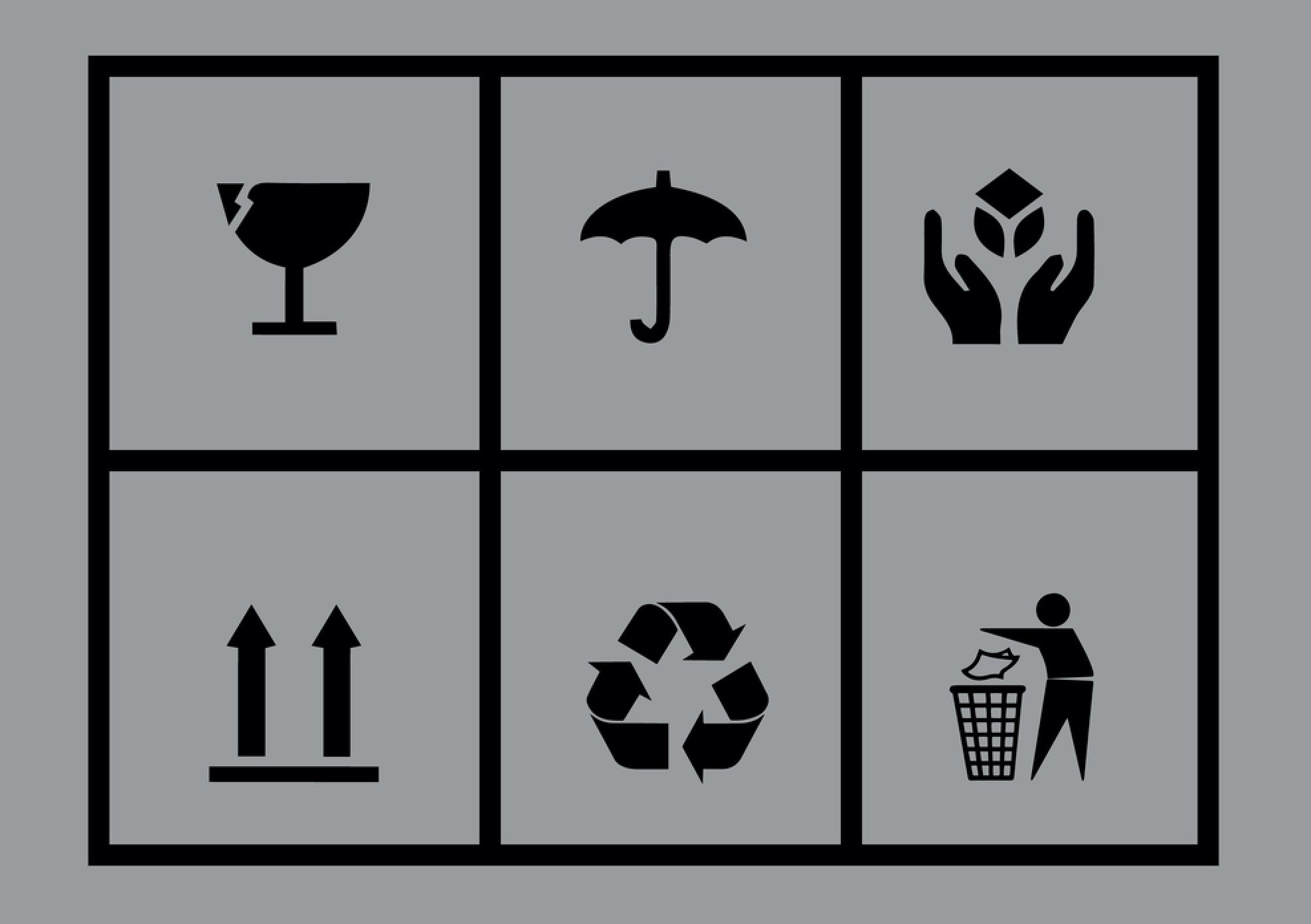
Communicate your packaging requirements to Prevent product defects

Your product needs to meet packaging requirements when shipped. This will often mean that all the necessary documentation will be present and/or visible on the package during the import and export customs process. You need to specify the packaging requirements and what exactly needs to be present on the outside of the box. This will safeguard against possible damage during shipment, ensuring their safe arrival. Packaging requirements to prevent product defects

What onsite tests and checks will you be doing?

Your quality control team, whether an in-house or outsourced team, have to be informed about the types of quality tests that need to be conducted on site. Once you confirm what tests are needed, your inspection team will need to know what testing equipment is needed per product. An electrical juicer for example will be tested differently to what tests will be needed for other product categories. If you choose to use an experienced third party quality provider you will be able to leverage their technical expertise, for example, the exact type of load testing that may be needed for a couch that is destined for the European market. An experienced third party provider will also have labs with controlled environments and all the right equipment to test your product, along with the constant monitoring of any updates in regulation that you may need to be aware of.  

Have you agreed upon the defect classification terminology?

Many importers choose to use the following classification terminology when dealing with their suppliers:

A critical defect – This is defined when the product may cause possible injury or harm to the end user. This product’s safety is compromised.

Preventing product defects - lab testingA laptop’s battery overheating that when unattended whilst charging can cause fires would be classified as a critical defect.

Where the product in question can cause injury to the end user, this results in product recalls and is hugely damaging to your brand.

A major defect – This is defined when its condition will affect the sale of the product in the marketplace, likely resulting in the end user returning it with dissatisfaction.

A coffee maker that does not heat the water adequately to make a decent, drinkable cup of coffee is classified as a major defect.

This product has caused dissatisfaction amongst its end users and they then return it to the store, likely reviewing the product online, which will have an impact on the future sales of that item.

A minor defect – This is defined when its defect is small, and will not affect its saleability in the marketplace and does not pose any harm or injury on the end user.

Take a wooden coffee table for example. Your quality control teams takes the product through its tests and they come across a scratch underneath the table.

This is a scratch that your end user will not see in normal use of the product or may never even see it for that matter. This is what we would classify as a minor defect where this product will still go to market as it will not cause any damage or harm to the end user.

But that’s not all…

What about a sample? I have left obtaining a sample for the end…as some importers don’t require a sample before production. While this is not a necessity, by adding this into your production procedure it can help you significantly reduce product defects that come from your selected supplier and factory. Once you have established the appropriate product requirements, you can then request a sample from your supplier. Once you receive your sample you need to analyze it and ensure that it meets all of your requirements, and then send it back to your supplier with either a confirmation to go ahead with your production, or with a list of further specifications that they need to meet. Well, what happens if it doesn’t meet your requirements? Samples will not always meet your specified product requirements. Often times you can catch this just by holding or looking at the product. But, more often than not a substandard product of will reach the end consumer opening your brand up to severe damage and risk. Preventing product defects - testing tools Therefore an important question you should be asking your supplier before all this is, how they will go about preventing any quality issues that may arise during your operation? Understanding how your supplier handles quality pressures and compliance procedures will help define what kind of relationship you have with them. Before mass production, your supplier needs to provide you with a technical compliance folder (TCF) which must contain full compliance reports from physical safety reports, to chemical safety to electrical safety. For any missing reports, your sample product will need to go through all of the testing procedures that is required to meet specific levels of compliance for your destination country. If after being tested and analyzed it does not pass the minimum requirements needed for the product, your factory should be able to provide you with a root cause analysis to address what went wrong and then advise on any corrective or preventive action plan. From here they will be able to make the adjustments as needed and you may also want them to send you another sample after they have made the adjustments that you specified.  

How to manage quality during your mass production process?

During the production process, there is often a variation in the quality of the products. This is why you should be employing a factory quality control team to minimize this scope of variation. This team does this through inline production checks that will identify any defects that can be amended on the production line. During your supplier selection phase you would have done an analysis on the success rate of your factory. This will help you determine whether or not you should outsource your inline inspections to a qualified third party quality provider. Their production line expertise will help raise the level of the overall quality system of the factory, therefore minimizing the number of product defects coming out of the factory.  

You can also secure the quality of your production through final inspection controls

preventing product defects - Sample test Managing product defects can also be addressed after mass production through a Inspection finale aléatoire to check to filter out any last defects within your products. Often times samples are drawn after mass production for chemical testing and again during your first shipment and also in the case of a re-order shipment. Doing chemical tests on samples during these three stages is a way of ensuring that your products are still in compliance as contamination may have occurred on the production line or during your shipment process.

Key Takeaways

Product defects are not ideal, suppliers hate them as much, if not more than you do. By following the guide laid out above, you will be setting a solid foundation on which to begin minimizing the amount of product defects that you experience. So let’s round this all up:
  • Communicate your product requirements
  • Communicate your packaging requirements
  • Defining onsite tests and inline tests
  • Defining your classification terminology
  • Establish a perfect sample
  • During production quality control process needs to be defined
  • After production quality control process needs to be defined
By following the steps as laid out above you will be achieving products of the highest quality every time. An insider’s tip! Build a collaborative relationship with your supplier. An often underrated element of preventing product defects is building a good collaborative relationship with your supplier. Go out of your way to develop this and it can have long term benefits for your organisation and the products that are manufactured.

IS COMPLIANCE A CHALLENGE FOR YOU?

CONTACT US TO BUILD A COMPLIANCE PROGRAM UNIQUE TO YOUR NEEDS TODAY

Catégories
Blogs

Comparing the old and the new in compliance software

Maintaining supply chain compliance is an issue retailers/importers have found more difficult to navigate in recent years with an increase in pressure from consumers for more ethical products, and the digitization of retail supply chains.

Dealing with compliance issues have long been managed by manual compliance document filing procedures, which may have provided one a greater level of control in some respects in the past, but also made it that much more difficult to stay on top of one’s supply chain with all the heavy paperwork.

The need for an update in the way that compliance was documented, implemented and achieved was evident.

This brought about the advent and introduction of an online compliance solution. Web-based filing presented an all-in-one platform that promised greater transparency, and control over one’s supply chain in real time.

However, even with this tool there are still retailers/importers today who rely on more traditional means by which to tackle ever evolving issues that can be more readily addressed with more the accurate reporting data, flexibility and speed of an online solution.

In this blog post we will take a look at the benefits of the online compliance software known as the TCF solution over traditional compliance filing procedures, in the hope of showcasing why bringing supply chain compliance into the online age is a must for your household goods business.

tcf_software_vs_traditional_compliance (2).jpg

Often times retailers locally and globally are unaware of the options that are available to them, and also what benefits they can have for their organization. This often leads to sticking with what you know, sticking to a solution that may not always have the best ROI for your organization.

Why is this TCF solution right for you?

TCF is an online compliance software solution that:

  • streamlines your compliance and regulatory operations
  • provides actionable insights into the performance of your suppliers
  • allows insight into areas of risk that you may not have seen before
  • is extremely cost effective and efficient

The kind of visibility that a solution like this promises goes very far to help increase your productivity, therefore having a positive impact on your ROI.  

Learn more about the TCF solution API provides for household goods here!

Achieving compliance traditionally is a challenge right from the start. The constant back and forth communication with your suppliers, with a flood of emails to your inbox to constantly keep track of, to the unreliable manual entry spreadsheets. There is too much room for human error here to remain as productive as what consumers today are demanding.  

The digital landscape we find ourselves in is all about keeping up with the constant demand of the retail supply chain. If your current compliance systems are holding you back with errors that can be avoided easily, then your supply chain may not be as competitive or as productive as it likely should be.

TAKE A DIVE INTO LEARNING ABOUT HOW RETAILERS WERE ABLE TO OVERCOME THEIR BIGGEST QA CHALLENGES TODAY! SIMPLY CLICK HERE TO GET YOUR CASE STUDY NOW

Catégories
Blogs

Compliance issues? You need this online software

Completing a Technical Compliance File as we know is a requirement by regulation. Consolidating compliance documents is an immense challenge and is a web of complexities that often creates confusion and uncertainty. The many rules and regulations that are needed for a specific product to attain a certain level of compliance are so complex that it can be unclear on how to begin addressing them let-alone having the in-house capabilities to begin addressing them.

“Is there a solution to this web of complexity?”

An in-house developed, web-based platform with 24/7 availability and safe storage of your documents has been created. A platform like this can create immense value for retailers, importers and quality directors, helping to alleviate some of the compliance pressures and complexities by keeping everything in one place.

In this post, I interview Aurelien Dalle, Chief Operating Officer for API, where we endeavor to uncover some of the frequently asked questions surrounding this new compliance software, and the benefits that it can provide for brands that struggle with compliance issues brought on by missing, incomplete or incorrect documentation.  

Q: What are some of the common challenges that organizations face with TCF and compliance in general?

  • There is often difficulty in having and keeping all the product, standards and regulation expertise and regulatory watch internally as more often than not it needs technical experts in many different fields to assist.
  • There is difficulty in keeping track of the documentation with no proper IT system for support and often relying on many emails and excel files for documents.compliance issues.jpg
  • In many organizations, the quality team is small. In some instances the only teams big enough to support such task are within the purchasing team and even then they are often in need of assistance from the laboratories for advice and judgement regarding compliance and quality in general.
  • That it is a huge and tedious task to map out the requirements for each product and to contact the suppliers to collect the all the documents. It can also be a wearisome task to review 50 page documents all in one day.

Q: What is the follow-up action after applying the TCF service?

  • If the client is unaware of the standards and regulations that are applicable to complete a TCF, the API TCF team can define and give recommendations on the scope of compliance (mandatory standards and technical documentation as well as recommended performance requirements) of the product for its destination market.
  • The API TCF team start contacting the suppliers by providing them access to the database and inform them, through the TCF tool about the exact requirements applying to the products so that suppliers can begin uploading the documents, should they already have the documentation on hand, otherwise the supplier will start arranging the necessary testing in laboratories.

Q: How can an organization benefit from this compliance software?

  • The TCF tool provides centralized information, that is available 24/7. We offer technical expertise from the API lab and automatic statistics to monitor specific supplier performance. There are also organized reminders embed in the system, tracking all sort of activity and dates within the tool.
  • Tracking of standards/documents validity and expiry dates and versioning, so the same file does not need to be re-checked for the following orders.

Q: What is the turn around time of a completed TCF?

The turnaround time is dependent on the supplier’s performance, so generally it can be from 1-2 weeks all the way up to 2-3 months. It can sometimes be more as some specific endurance tests span over several months.

Q: What are the benefits of using a web-based platform?

This software and its information is centralized and can be accessed from different countries. It minimizes the amount of emails sent and received while also reducing the number of collections of large documents. These documents are also then automatically and properly archived for each item.

Q: How do you ensure document security and confidentiality?

There is password protected access and secure encrypted pages that guarantee confidentiality. Therecompliance software - safe storage is also a dedicated IT team to ensuring the safety of the software and only API employees are allowed to make modifications to the platform.

There are many benefits to this TCF compliance software, an all inclusive solution that is able to streamline all of your compliance issues creating operational efficiency for your brand, increased visibility into your supplier and their performance as well as being able to mitigate against any unnecessary risks. 

An informative interview that has been able to clearly define the benefits of this solution do you have thoughts or questions regarding this? Contact Us!


IS COMPLIANCE A CHALLENGE FOR YOU?
CLICK HERE TO BUILD A COMPLIANCE PROGRAM
UNIQUE TO YOUR NEEDS TODAY! 


Catégories
Blogs

[VIDEO] What is a Technical Compliance File (TCF)

Compliance and regulation has changed so much over the years with far more stricter regulations required for retail products today than ever before.The changing landscape has meant the very nature of compliance has become rather complex and difficult to achieve without adequate knowledge and expertise.

Compliance solution documentsMany of the compliance complexities that arise are in the collection and gathering of all the necessary documentation. Many manufacturers, importers and retailers today are still operating on outdated systems like spreadsheets, creating unreliable data and documentation, which creates an almost insurmountable task trying to maintain the information for each product reference.  
Often times professionals find themselves in a position of begging and pleading for documentation with nowhere to turn but to wait on the slow turning wheels of doing everything manually. Data, technology and cloud-based systems and solutions are where supply chains are headed.

Today’s consumers dictate the level of safety and performance they need to make a purchase of your product; this can either be seen as a challenge for your supply chain or as a golden opportunity.

What if there was an all inclusive compliance software that could streamline all your supplier and compliance operations in one place… accurately and reliably?

In this post, we seek to uncover the Technical Compliance File (TCF) solution – A compliance solution that will help relieve many of the compliance pressures that your supply chain currently faces.

What is a TCF?

Why a TCF?

At this point you may be wondering about the exact operating of this system, and what kind of benefits a compliance solution like this can have for your current operating systems. So let me tell you;

There are a number of reasons why retailers are in preference for this solution;

  • Technical expertise – There are dedicated teams to review what exact documents are required for the products and that the documents received are exactly what you are in need of, including all follow up with any supplier or factory that may be delaying you. These experts are also able to give technical advice where necessary, ensuring you don’t find yourself in a sticky supplier situation that can easily be avoided.
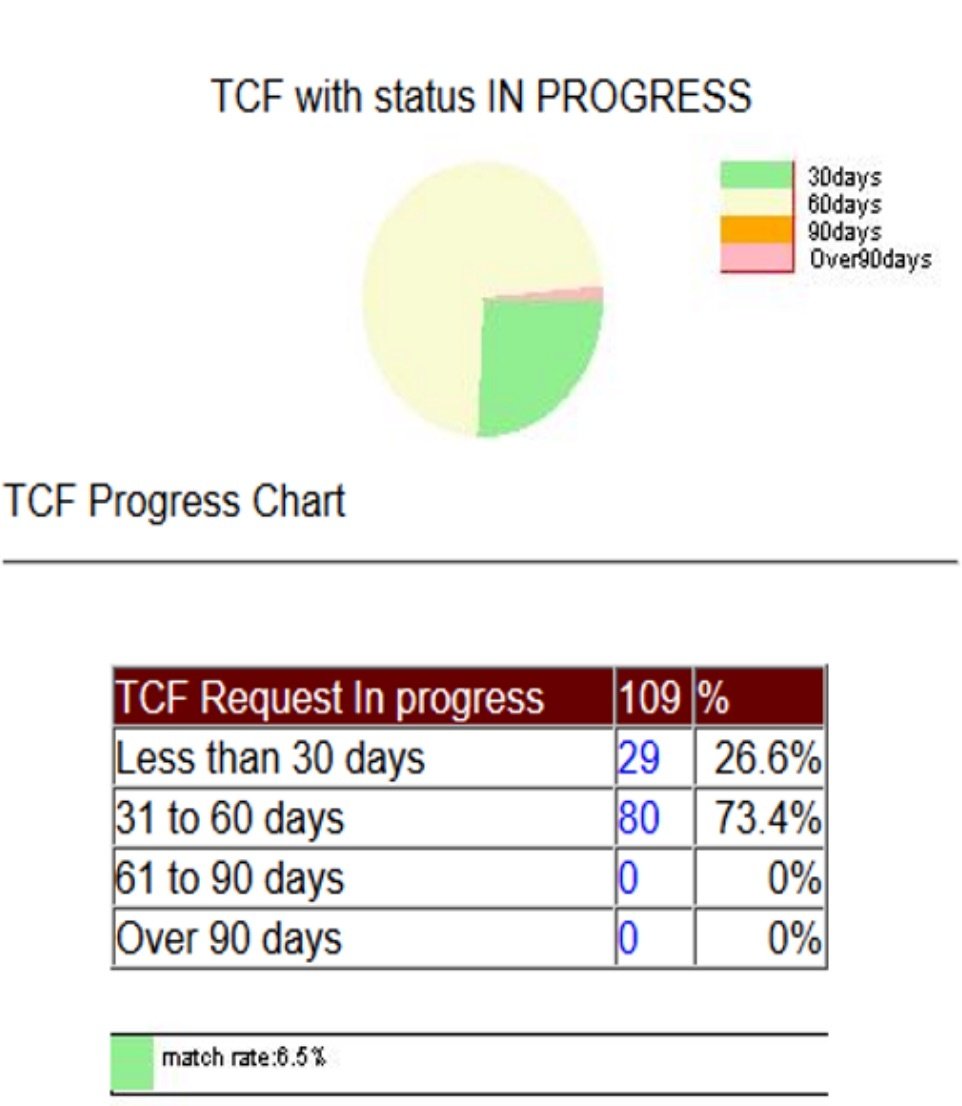
  • Online 24/7 access – The TCF solution has a 24/7 online dashboard with real-time updates allowingTCF compliance software you insight into your compliance status whenever you need it. There are also progress charts allowing you actionable insight into timelines and your supplier progress. This solution is also able to store all your documents for up to 10 years, ensuring your documents are safely stored for any future reference.  

  • Transparency – A solution like this can provide you with a real look into your supplier and/or manufacturer’s status in the workplace. It provides invaluable insights into the kind of supplier you have chosen to work with as you can track their compliance and regulatory progress online. 
  • Visibility – This allows you insight into what tests are being done and achieved in the lab, placing you in a better position of understanding the level of compliance your products are achieving.
  • Additional custom services – In having the expertise to analyze and determine the exact compliance and regulatory documents you are in need of, there are other custom services that can be offered if you find yourself short of an audit or specific product test that you need done to form a part of your TCF.
  • Separate supplier reporting – You are able to access reports on your organizational progress, but also your supplier’s progress. Your supplier is given access to a separate dashboard, so your information remains confidential.
  • Cost reduction – Streamlining the incredibly complex compliance process into one solution will be cost effective for your brand. Let me break this down for you; As mentioned earlier, a TCF is required as part of regulation, you already know what the process is in collecting documents from your factory, and all the follow-up communication that is required to get your documents. It’s often difficult and complex with little or slow results.

Regarding product compliance, let’s say for a furniture retailer, each item may need up to 30 documents (without counting all the submitted and rejected docs, which can be even more) to demonstrate compliance just for that product. As a retailer, you likely have more than 1 item that needs to achieve compliance, and with every document that is needed, each could take up to 30 minutes to evaluate properly, which equates to about 15 hours for just one product! If you have a whole range of products, you can begin to see how costly this whole process can become.

Risk Mitigation – The insight that this solution can provide into the most vulnerable areas of your supply chain can be invaluable information. The information that you will have access to should alert you to potential risks early on, allowing you the time to mitigate those potential risks. 

Enhancing your current quality management systems to include a web-based solution like this can set your brand at a benchmark above the rest.Compliance software web-based solution

As supply chains are increasingly becoming more digitally adaptive with cloud-based operating systems, it will be necessary for you to analyze your current solutions to be more adaptive to the current supply chain climate.

A comprehensive solution like this can create an operational efficiency for your supply chain that may have never even crossed your path. The benefits and increased visibility into your supply chain will be invaluable to optimizing your current quality systems.

In a better place of understanding this web-based solution, do you have thoughts or questions regarding the TCF? Leave your questions in the comments section; I would love to engage with you on this.

GET STARTED WITH YOUR VERY OWN COMPLIANCE PROGRAM TODAY!
CLICK HERE TO BEGIN 


Catégories
Blogs

Do You Know The Purposes of Your Factory Quality Audit?

The state of retail has recently seen an increase in supply chain pressure from retail giants like Amazon that are increasing the pace at which supply chains need to operate. This increase in pressure and pace mean that your product needs to be on the shelves faster which puts large amounts of strain on your quality procedures, which can result in lower quality products hitting the market. This is risky. Quality is complex at the best of times, and as you juggle this increase in pace, it can be difficult to stay on top of the smaller cogs of the quality machine. So what are retailers doing to avoid potential low quality products? They have begun outsourcing their quality systems to qualified third-party providers to help alleviate some of that supply chain pressure. One of the primary solutions retailers opt for, is a quality audit – to highlight those weak spots within your supply chain and create a plan of action for how you can address them. In this blog post, we take a look at the purposes of a quality audit for your household goods brand; we take a brief look at what the benefits of outsourcing your quality procedures are and what these benefits can mean for your organization.

Three Ways To Do conduct an Audit

Auditing has become a crucial tool for managing and monitoring the implementation of the quality systems of many factories. Let’s take a look at the three ways that these audits can be performed;
  • In-house audit – This is performed internally by an in-house team. They measure the strengths and weakness of quality and production systems against any international/external standards and regulation. This form of auditing is unable to provide your organization with any form of certification.
  • Second-party audit – This is when an organization performs an audit of their potential supplier, to ensure that they can meet your production requirements. Often these audits can be completed onsite to review the internal technical processes of the supplier, but this audit can also be performed off-site in the form of documentation reviews. It will be up to your organization to define what exactly you want to audit to help you make a well-informed decision about your supplier. This type of audit has nothing to do with QMS certification, as only a registered third-party auditing organization can provide this.
  • Third-party audit – This is conducted by a qualified audit organization, that is not connected to the supplier or brand by any nature. MThird party Quality Audit.jpgany organizations consider third-party audits for many reasons, mainly they have come to the decision to create a quality management system (QMS) such as ISO 9001. A third-party auditor would come in and assess whether or not this organization meets the requirements as laid out by the above QMS. A third-party auditor will then provide your organization with a certification stipulating that you meet the requirements as laid out. This is often a preferred audit option as the results are unbiased and certification has become a competitive differentiator.

In defining the above, if we have not left you pondering which one is better then we have not done our job… The great old In-house Vs. Third Party debate; You may be thinking that you are capable of maintaining high levels of product quality through your in-house quality teams, and while this may be true for now, but you do need to ask whether or not you can maintain and meet the demands of that ever-increasing consumer nature. I think it may be worth re-looking at the debate with your bottom line, your resources and time in mind…

The Purposes Of A Quality Audit For Your Brand

In defining the purpose of an audit for your brand, you will be able to understand who should be conducting your audit. The main objectives are as follows;
  • Certification – Many household goods retailers that produce a product that contains high levels of risk, such as toys and electrical appliances, etc. and are wanting to do business in Europe will need to comply with the CE directive as laid out the European Commission. The management system of your supplier will need to be assessed according to any one of the ISO standards and the certified accordingly. Bear in mind that the auditing company you choose to use will need to be certified by a regulatory body to certify you.
  • Performance versus compliance/conformance audits – Many audits have different purposes. It will be important to try and make sure that if you are performing an internal audit, that you keep it as holistic as you possibly can. Your audit will need to assess compliance and performance. The audit report will need to identify the suppliers standing according to both of these categories.
  • Follow-up audit – An audit will often present findings that will need time to rectify, in which a follow-up will be needed to ensure that corrective actions have taken place.
With your purpose in mind, are you able to come to know who should be conducting your factory quality audits?

The five benefits of using a third-party quality auditor

If you are unsure of the benefits that a third-party quality provider can provide you take a quick look here;
  • Expertise – Third-party auditors undergo formal auditing training and experience to notice noncompliance and unethical situations. This wealth of knowledge and experience will be of benefit to your organization. Innovation - Third party Quality Audit.jpg
  • Efficiency –  A third-party auditor has the infrastructure to ensure they meet your organization’s auditing needs.
  • Technology – They have the appropriate tools and technology to ensure a successful audit of your supplier.
  • Accountability – A third-party auditor will have pledged to uphold a certain code of ethical conduct and are held accountable to the greater company policies, rules, and regulations.
  • Risk Reduction – A third-party auditor is trained to identify mishappenings within the quality systems of a potential supplier. This insight allows you to manage risk early on.

Key Takeaways

Producing high-quality products, with no defects that could result in recalls, is likely a top priority for you and your brand. Are you able to invest your time and more resource to ensure that your internal audits are of the highest quality, unbiased and according to the requirements of a QMS like ISO 9001? You may need to consider outsourcing your audits to certified third-party auditors. They will be able to provide you with QMS certification, performance and conformance evaluation, they can offer follow-up audits and also provide insight into improvement strategies that would be of benefit to a successful supplier relationship. All of the above are things that your consumers highly value, which will positively impact your bottom line and strategically place your brand in the marketplace.

WOULD YOUR COMPANY STAND TO BENEFIT FROM

PREVENTIVE QUALITY MANAGEMENT?

Catégories
Blogs

Avoid Compliance Issues With Our Quality Assurance Solutions

Quality Assurance is essential to the efficient operating systems of your supply chain and, ultimately, your brand’s bottom line. But, the question is how often do you get caught up in procedural changes that leave your supply chain trapped in a web of complexities that you are unable to get out of or make sense of?

As a retailer, you know better than anyone that these complexities come with the territory of managing a supply chain, with the continuous changes in product regulation and compliance issues, to audit and inspection essentials, to also being able to get your product to market on time, having sufficiently passed all the compliance and quality inspections necessary.

Quality Assurance solutions.jpg

At this stage, you have either considered revising all of your operational procedures to encompass all the changes that need to be adhered to, or you have likely considered a third party QA provider. The thing to keep in mind here is that you are not alone. The web of complexities that have you entangled can be dealt with efficiently and according to your exact specification.

“What do I mean?”

Our case study takes a closer look at the QA challenges that two large European retailers were facing, and delves into exactly how they overcame this through API’s uniquely devised QA solutions.


The Challenges

Retailer A – Underwent major procedural changes and experienced 50% of their shipment being held due to basic procedural non-compliance rendering them “pending”.

“I am sure you are aware of how this can put huge pressure on your supply chain and bottom line.”

Retailer B – Began experiencing a large number of product recalls due to incomplete or unavailable Technical Compliance Files.

If you have had experience with the authorities, then you know exactly how complex acquiring a full and complete TCF is!


The Solutions

Retailer A – After implementing a customized quality management program, they were able to reduce their “pending” rate for non-compliance from 50% to 15%.

Retailer B – In a year they experienced a 60% decrease in the number of product recalls they had, owing to API’s in-house designed compliance software.

customized quality assurance solutions and compliance issuesBoth of these retailers experienced significant challenges within their supply chains, one had even previously adopted the services of a 3rd party QA provider, who made no strides in overcoming their challenges with them.

“There is no one size fits all approach to QA.”

Keep this in mind when you begin pondering over the use of an external QA provider.

This case study seeks to showcase the huge value in using a provider that is able to customize and tailor their quality assurance solutions based on your exact needs and requirements. This provides valuable insights into your supply chain allowing you to identify risks early, but also create somewhat of a partnership with your provider, based on trust and a quantifiable solution promoting growth and sustainability for your brand. 

Catégories
Blogs

DUPRO & Toy Testing: The Key To Improved Toy Quality

An average of more than 100 children’s toys are recalled every year due to critical defects. Recalls and quality issues can be prevented with DUPRO quality inspection and subsequent toy testing. Learn about what to expect during a DUPRO inspection and why it is the key to improved toy quality here.

Why A DUPRO Inspection for your children’s toy factory?

DUPRO inspection and toy testing More often than not performing an inspection after the production of toys is finished is problematic and too late to rectify any quality problems found within the product. Enter During Production Inspection (DUPRO). This inspection type is designed to catch quality issues right on the production line to prevent any delays in getting your product to market.

What Can You Expect Of A DUPRO Inspection?

A DUPRO inspection is one of the most commonly used quality inspection types and is normally carried out after mass production has begun when approximately 40% of your toys have been produced and 20% of them have already been packaged. A quality control inspector will normally go through the inspection line of your toy factory to identify any quality problems that may arise during the production processes. An inspector will have a checklist to assess the production, which is inclusive of the following;
  • Is the production of the toys conforming to the product specs as laid out by the importer/retailer?
  • Based on the sampling plan that was decided upon a quality control inspector will look at the children’s toys for any visual defects that may be present and analyze them against the acceptable quality limits as set by the importer/retailer.
  • An inspector will conduct on-site toy testing. This is dependent on the product of course, but many children’s toys will have a drop test performed to analyze a real-life simulation of the toy. The fidget spinner is a good example of the type of toy that would undergo an onsite drop test to ensure the inner bearings do not pop out. If they do not this item would be deemed safe and fit for use according to ASTM F963. Toy testing a fidget spinner
If the above criteria are not met, the supplier will then need to consider corrective action plans and possibly a Root-Cause Analysis (RCA) to work out the problem and devise improvement strategies based on the findings. This inspector will then produce a full detailed report with images of non-conforming toys and any notes that are deemed necessary and important, allowing you the insight into the quality of the work being done to complete your order. So, what do you do with a DUPRO report? Once your supplier receives the inspector’s findings within the report, your supplier will need to adjust the production process to ensure that the issues found are rectified. **NOTE – If you have to delay production to wait for your supplier to rectify what was found in the report, do so. Why? Product recalls! You do not want to subject your brand to potential recalls that could result in costly law suits causing embarrassment to you and your brand.

Key Takeaways

A DUPRO primarily will;
  • Highlight your supplier’s conformity to product specifications
**TIP – It will be crucial for you to adequately and clearly define these for your supplier.
  • Analyze the acceptable quality limits as set by you
  • As a part of the DUPRO inspection, your QC inspector will perform basic on-site tests to evaluate the children’s toy quality and conformity.
Conducting a DUPRO quality inspection in itself is not recommended as industry best practice, as it does not showcase the average quality of toy that a supplier can produce. So, what is recommended then? It is recommended to couple your DUPRO inspection with a Inspection finale aléatoire to ensure that your children’s toys conform to acceptable levels of quality as laid out by you the importer or retailer.

TAKE A DIVE INTO OUR QUALITY INSPECTION GUIDE THAT WILL HELP WITH IMPROVED PRODUCT QUALITY

Catégories
Blogs

Quality Vs Compliance – The Case For Supply Chain Synergy

The age old debate of quality vs compliance or compliance over quality is something that we still wrestle with today. By defining what these concepts mean, we can start to paint a picture of why one may take precedence over the other in your eyes: Quality – This specifically refers to the ability of a product or service to consistently meet and exceed customer expectation from its design to its functionality. Compliance – This specifically refers to whether or not your product meets specific product compliance regulations so as to be responsibly bought or consumed by a customer. Now, depending on your brand’s positioning and goals, you will likely be placing value on one over the other, putting your brand at unnecessarily high risks that can result in avoidable costs for you. “Does it really have to be one over the other?”  When quality and compliance are able to strike a harmonious balance within your supply chain, you create operational efficiencies that are able to create opportunities for growth in the marketplace, something your brand can benefit from by setting you at a bench mark above the rest In this blog post, we seek to uncover the importance of both quality and compliance and the benefits they have to manufacturers, suppliers and retailers all over the world, ultimately taking a closer look at what the perfect union of these two concepts can mean for you.

The case for quality

When one speaks of the quality of a product from a manufacturing perspective, it refers to the external review of a product. It seeks to satisfy consumers through its quality with regards to design, functionality, durability and aesthetic appeal. Quality vs compliance - aesthetic furnitureThe quality of a product can be defined in many ways and is almost always dependent on your specific consumer and their definition of quality for your specific item. So in that light, you will need to know exactly what your consumer is looking for to create the quality your brand is looking to achieve. When a consumer sets out to look for a quality product, they want to feel as though they have paid less than what the actual product is worth, the quality of the product far surpassing the amount they ended up paying. Fulfilling the need to exceed the consumer’s expectations, this is what true quality is all about. If fulfilling the need to meet your consumer’s expectations is at the top of your company’s agenda, is it not essential for your brand’s products to meet a level of quality that does just that? Let me leave you pondering that for a bit. In attempting to understand your customer’s definition of quality, it will be important to note that fulfilling consumer expectation and experience forms a part of that definition. Let me give you an example; If a consumer orders a product that has met and passed all quality tests it needed to meet, that product for all intents and purposes is a quality item. But, if the order arrives later than promised or arrives with a missing screw or the incorrect color, the consumer may not define this product as an item of value and quality. Striving for product quality is a stems right from the raw materials used, to the way in which it arrives to your customer, therefore every step needs to be taken into consideration.

The case for compliance

When a brand takes on compliance, it seeks to meet the minimum regulatory requirements specific to a product or item sold to a retailer. This may mean that although the product is not of the highest quality, it at least meets the minimum mandatory regulation requirements specific to it. Depending on your product’s destination market, it will likely need to comply with one or more of the following; * Product safety regulations * Substance regulations * Document requirements * Labeling requirements * Testing requirements You do not have to comply with all of these; as it will depend very much on your product and the market that it needs to enter. The importance of compliance is highlighted none the better than with the recent global Quality vs Compliance - Fidget Spinnerscraze of fidget spinners and, where 200, 000 of these spinners have been recalled due to it massive non-compliance failures. Many of these items that are being imported have been found to be non-compliant with the regulatory requirements specific to its markets. This is becoming a big problem as they have also proven to be a danger to children as the small parts they are made out of can and are causing serious harm. Where the confusion sets in, is that a product is capable of being compliant, but also not be the best quality product. The opposite is also true; you can have a quality item that does not meet all the regulatory requirements either. An issue like this can often arise within your supply chain whether it be in the design process, or even within the manufacturing process. This can create a high level of risk for your brand, and could land you in a position you do not want to be in.

The case for supply chain synergy

So as the debate goes, we seek to uncover the myth that quality supersedes compliance and vice versa. They need to work together, hand-in-hand, where they can create true value for your brand through optimized quality procedures from your factory to the consumers. Striving for compliance means to create operational efficiency for your supply chain. This means continuous improvements for your brand and its systems. These improvements can take the form of a compliance program which will begin to address the quality procedures (operationally and product quality) of your entire supply chain. The improvement of these systems will mean that you reduce your exposure to risk and also create a more visible and transparent supply chain, which consumers today base their buying decisions on. Always keep this in mind. A compliance program will also extend into the manner in which you select your supplier and evaluate the factory that your product will ultimately be made in. Ensuring that your supply chain is compliant will mean that you are essentially creating quality operating systems. Quality operating systems will mean that the product you produce is being made in the most optimal environment. A well-functioning environment where quality and compliance is a part of every operating system will flow into the very essence of your product, making consumers want to purchase your product at a price that they feel is undervalued for an item of such great quality Today’s consumer is empowered with access and knowledge into your product and your supply chain;Quality vs Compliance they want to know where its raw materials were sourced, how it was made, who made it and what its level of quality is. They ask themselves whether or not your product will be an investment in their lives. The key here will be to know your target market, know your consumer. If you do not know what they want, you will struggle to be their go-to brand; you will lose out on their brand evangelism and praise affecting your bottom line “Is this the type of brand and product you wish to create?” Retailers today are under so much pressure with the current supply and demand of products, that quality and/or compliance is not always a priority. “But, it should be!” Bad quality and non-compliance both mean that your brand is at an unnecessarily high risk with regards to meeting regulations and your reputation. It will be worth all the hard yards that you put in from the creation and design to the manufacturing and distribution of your products. This will help mitigate unnecessary risk, saving you money and precious time.

Conclusion

These two concepts can be integrated into your supply chain through a Quality Management System – “QMS is a set of policies, processes and procedures required for planning and execution of a product or service.” This should help you create a structured system for continuous improvements that can be made to all areas of your supply chain and its operations. Today’s empowered consumers show us just how important both quality and compliance are for your products and brand. It will be important to make these a priority in order to maintain that globally competitive advantage. If you are interested in learning how to build a compliance program that also addresses product compliance within your supply chain take a look at the eBook we wrote on how to go about doing just that.

Get started with your very own compliance program today!

Click here to begin

Catégories
Blogs

Golden Samples & Improved Quality (DIY & Tools Factory)

So you want to import DIY tools into Europe, you’ve sourced your supplier in Ningbo, China where you place an order for a shipment of a variety of DIY tools like hammers, star and flat screwdrivers as well as 8 meter tape measures. Your shipment arrives, but your hammer handles are the wrong color and the color of the flat and star screwdrivers are swapped around.If you have had these kind of experiences with quality that is below standard or defect rates that you just can’t seem to reduce, you may need to consider establishing a golden sample from your supplier to eliminate any unnecessary areas of risk.

Why?

Sourcing abroad is a challenge. As a means of overcoming this challenge, we recommend establishing a golden sample which is deemed industry best practice. Along with your golden sample you should consider the use of a third-party quality provider to ensure the quality of your sample is of the highest quality.

Why are golden samples important for improved product quality?

A golden sample allows you to evaluate the quality of product that your chosen supplier can produce.

This process gives you a baseline for how you will continue with your supplier. It will showcase how they interpret your product specifications and how they can stick to them.

**Insiders Tip

Have you communicated your product specs clearly?

Product specifications can be sent to your supplier in the form of drawings, sketches or images with the correct dimensions and color specifications. A hammer will have a particular color handle, the same with the screwdrivers, so be sure to mention this in your spec sheet.

There is no such thing as too much. Add everything to minimize any confusion.

Why?

You are up against cultural, language and distance barriers, so be as specific as you possibly can be.

Once you have received your golden sample from your supplier, you will need to evaluate whether the quality level is acceptable or not. Once you approve this, you can then give your DIY tool supplier the go-ahead for mass production.

What goes into approving a golden sample for DIY tools?

You need to make sure that your golden sample has met all product specifications along with the necessary compliance standards and regulations.

How do you go about this?

As you would normally do with production…

By inspection.

Your golden sample can be inspected for any visible defects; you can also send it off to a lab for corrosion and chemical testing.

The corrosion test commonly used according to ISO 9227:2017;

Neutral salt spray (NSS) –  useful for detecting discontinuities, such as pores and other defects, in certain metallic, organic, anodic oxide and conversion coatings.

The type of chemical tests commonly used for plastic handles;

Polycyclic Aromatic Hydrocarbons (PAH) – Is a harmful carcinogenic. A consumer can be exposed when a product comes into direct and prolonged or repetitive contact with the skin or the mouth. High doses of this substance can lead to recalls like the below product;

Mallet recall.jpg

Short chain chlorinated paraffins (SCCPs) – SCCP’s persist in the environment and are toxic to aquatic organisms at low concentrations and bioaccumulate in wildlife and humans, posing a risk to human health and the environment. The below hammer handle contains SCCP’s (A banned substance) as well as PAH and has therefore resulted in a recall of the below hammer;

Hammer recall.jpg

There are three common testing types to ensure improved product quality for your DIY tools like;

  • User testing; this kind of testing evaluates the ergonomics of the tools that have been produced. This evaluation will be based on your product specifications and the overall purpose of the product; e.g., A hammer to hammer nails into walls, so the handle length, grip, and head will be evaluated accordingly. An example of this would be the below axe in which the handle can crack after use, which dislodges the axe head, which poses a serious injury risk to the user or even bystanders.

Axe_Recall_.jpg

  • Des essais comparatifs. can also be done. This test is done to evaluate yours against a competitor’s. The functionality, safety, and ergonomics will be evaluated. This kind of test will give you insight into the kind of quality your brand should be achieving.
  • Hardness testing – While this is not a testing requirement, this measurement forms an objective criteria for either the metal or plastic components of the item. For example; the hardness of the metal part of a hammer could affect the performance and durability of the product likewise the plastic could affect the feeling when holding the handle of the product.=

Therefore golden samples are not only used to evaluate acceptable quality limits for your DIY tools factory.

What do I mean?

A golden sample will be of huge value for your third-party quality inspection service provider so that they can compare what has been produced through the mass production process to that of the golden sample.

Key Takeaways

Establishing a golden sample is industry best practice, and it is never recommended to begin your mass production process without an approved sample.

This sample allows you to benchmark your supplier and hold them accountable to your acceptable quality levels.

Key things to remember;

  • Communicate your product specifications clearly. Bear in mind that you are facing cultural, language and distance barriers, so clarity and over communication is an absolute necessity.
  • Approving your golden sample requires due diligence; be sure to send your golden sample for the appropriate inspection and testing.
  • Know your testing and inspection procedures to ensure improved product quality for your brand.

Be sure to remember that your golden sample is reflective of an ideal quality standard from your supplier, and is not a reflection on the mass production process of the factory.

This method of reducing product defects for your brand will help avoid costly delays addressing defects after the fact. Adopting best practice sets you in the best possible position for sustainable and competitive growth.


TAKE A DIVE INTO OUR QUALITY INSPECTION GUIDE for IMPROVED PRODUCT QUALITY and reduced defect rates