


AQL Standards for Importers
Learn how to reduce product recalls with effective AQL sampling techniques for consistent product quality across your supply chain.

Maintaining consistent product quality across a global supply chain can be challenging. Businesses often need confidence that products meet agreed specifications before shipment, while manufacturers need a practical and efficient way to demonstrate compliance.
One of the most widely adopted approaches for managing this process is Acceptable Quality Level (AQL) sampling. Rather than inspecting every unit in a production batch, AQL uses statistical sampling to assess whether a shipment meets predefined quality requirements. This enables organizations to make informed decisions while balancing time, cost, and risk.
Why Businesses Use AQL
Inspecting 100% of a production run is often impractical, especially for large orders. Full inspections require significant time, resources, and cost, and may delay delivery schedules. In some cases, testing can even damage or destroy the product being evaluated.
AQL sampling offers a more efficient alternative by evaluating a representative sample from the production lot. The findings from that sample provide a reliable indication of the overall quality level of the shipment, allowing businesses to identify potential concerns before products leave the factory.
Key Elements of AQL Sampling
- Lot Size: The total number of units within the production batch being assessed.
- Inspektionsstufe: The selected inspection intensity, which determines how many products will be sampled. Higher inspection levels typically increase confidence but require larger sample sizes.
- Stichprobengröße: The number of units selected for evaluation from the overall lot.
- Acceptance Quality Level (AQL): The maximum level of defects considered acceptable for a specific defect category.
- Acceptance and Rejection Criteria: Predefined thresholds that determine whether a production lot passes or fails inspection based on the number of defects identified within the sample.
Defect Classification
To support consistent decision-making, quality issues are commonly grouped into three categories:
- Kritische Defekte: Issues that may create safety risks, violate regulations, or make the product unsuitable for use.
- Schwerwiegende Defekte: Defects that impact functionality, performance, or customer satisfaction and could lead to returns or complaints.
- Kleinere Defekte: Cosmetic or low-impact issues that do not significantly affect product use but may influence presentation or perceived quality.
Choosing the Right AQL Standard
The appropriate AQL level depends on product type, market requirements, customer expectations, and risk tolerance. Products with stringent safety or regulatory requirements typically require stricter acceptance criteria, while lower-risk products may operate with more flexible thresholds.
Establishing clear quality expectations before production begins helps align manufacturers, buyers, and inspection teams, reducing misunderstandings and improving overall quality outcomes.
How API Supports Quality Assurance
At API, we help organizations implement practical quality assurance programs tailored to their products, supply chains, and business objectives. Through independent inspections, testing, and quality assessments, our team provides actionable insights that help customers identify issues early, minimize risk, and maintain confidence in product quality before shipment.
Learn more about how we can help by Füllen Sie das Formular aus und klicken Sie auf 'eBook herunterladen'. um Ihr eigenes Exemplar herunterzuladen.







 Marken und Einzelhändler können Beziehungen zu einer großen Anzahl von Lieferanten unterhalten, die bei größeren Unternehmen in die Tausende gehen können. Wenn das Volumen so groß ist, kann es schwierig sein, einzelne Lieferanten als etwas anderes zu betrachten als eine transaktionale Notwendigkeit für die Herstellung von Hartwaren. Marken und Einzelhändler, die ihre Zulieferer auf diese Weise sehen, verpassen jedoch möglicherweise, was ihre zuverlässigeren und fortschrittlicheren Zulieferer ihnen bieten können.
 Nach Angaben von Precedence Research wird der Markt für recyceltes Polyester (rPET) bis 2030 voraussichtlich ein Volumen von $14,23 Milliarden US-Dollar erreichen, was auf die steigende Nachfrage nach nachhaltigen Produkten seitens der Verbraucher, Regierungen und Nichtregierungsorganisationen zurückzuführen ist. Die Verwendung von rPET in Konsumgütern ist nicht mehr nur ein Trend, sondern in vielen Kategorien, darunter Spielzeug und Möbel, bereits Realität. Was mit Plüschtieren begann, die Füllungen aus rPET enthielten, entwickelt sich schnell zu anderen Anwendungen. Der dänische Spielzeugriese Lego hat seine ersten Prototypen von Bausteinen aus rPET aus weggeworfenen Flaschen angekündigt, und IKEA hat eine Reihe von Küchenmöbeln mit Kunststofffolien aus recycelten Flaschen auf den Markt gebracht. Viele andere Möbelmarken stellen Produkte aus rPET her, darunter Stühle und Hocker, Aufbewahrungsboxen, Badezimmerzubehör und vieles mehr.



 Effectively managing growing supply chain complexities is something that most purchasing managers/importers deal with on a day to day basis.
As your brand grows compliance issues you never knew were there (nor were prepared for) may rear their ugly head, and it’s up to you to begin pinpointing issues and plugging the holes your profits will fall through, before the consumers of today tear them open even wider.
Ensuring product compliance starts and ends with one thing:
A robust compliance program.
Effectively managing growing supply chain complexities is something that most purchasing managers/importers deal with on a day to day basis.
As your brand grows compliance issues you never knew were there (nor were prepared for) may rear their ugly head, and it’s up to you to begin pinpointing issues and plugging the holes your profits will fall through, before the consumers of today tear them open even wider.
Ensuring product compliance starts and ends with one thing:
A robust compliance program.
 Let’s take a look at what Walmart did; They created what they call the Sustainability Index, which is essentially a scorecard for suppliers to be reported on from various social and environmental production factors.
Walmart has said that by the end of 2017 that 70% of its products will come from suppliers who participate through this Index, and as a benefits they will be endorsed as a sustainable partner and proud Walmart supplier.
Dienstleistungen
Supply chain compliance is an important issue to address, with many local retail brands realising that compliance needs to be a top priority to be achieved in order to achieve a globally competitive advantage in the market.
So how do we go about achieving just that?
Let’s take a look at what Walmart did; They created what they call the Sustainability Index, which is essentially a scorecard for suppliers to be reported on from various social and environmental production factors.
Walmart has said that by the end of 2017 that 70% of its products will come from suppliers who participate through this Index, and as a benefits they will be endorsed as a sustainable partner and proud Walmart supplier.
Dienstleistungen
Supply chain compliance is an important issue to address, with many local retail brands realising that compliance needs to be a top priority to be achieved in order to achieve a globally competitive advantage in the market.
So how do we go about achieving just that?
 1. Supply chain visibility – This refers to the data visibility made available within your supply chain; from where your raw materials come from, to your factory’s technical operations right through to your
  with efficient quality procedures. They are also up to date with the latest developments in the industry along with the best practices to follow. As a result, you have all the expertise and
 2. Strategic partnerships
 3. Inventory management tactics
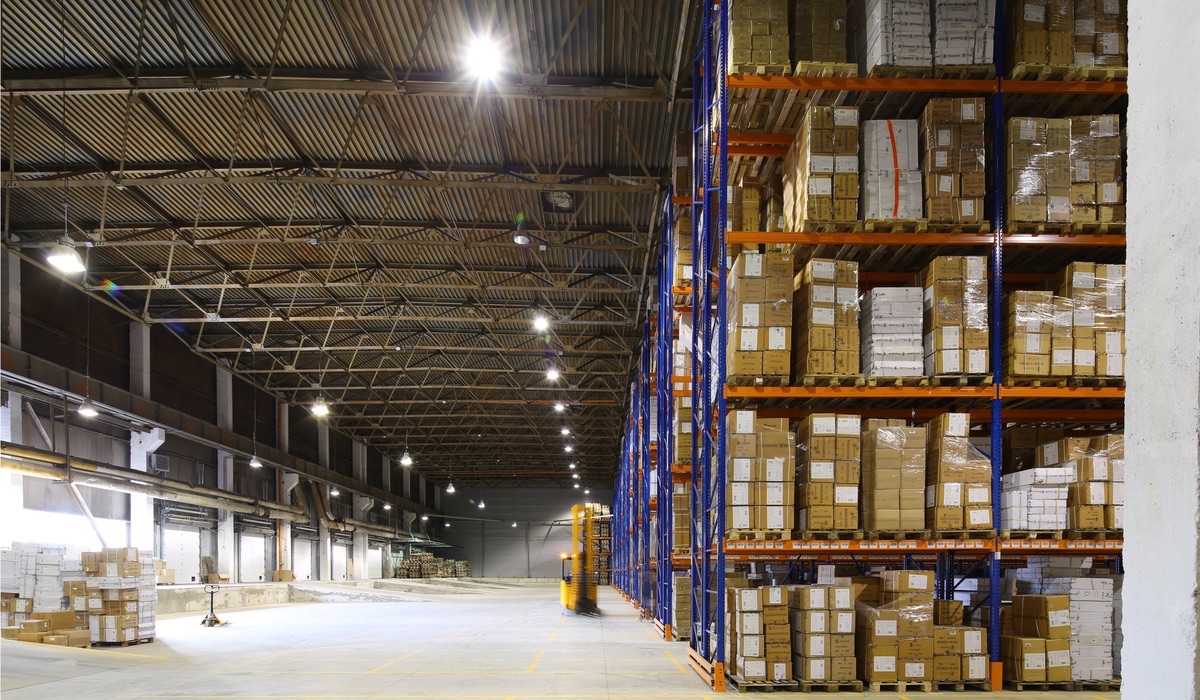
Managing inventory is all about balance. Making sure that you don’t have too much inventory thus face the risk of increased storage costs and a longer time to market having an effect on your return. You also need to make sure you don’t have too little inventory forcing people to shop elsewhere for a similar product. Both sides of the equation can have detrimental effects for your brand. Here we look at two inventory management tactics that are applied by two of the biggest global retailers:
3. Inventory management tactics
Managing inventory is all about balance. Making sure that you don’t have too much inventory thus face the risk of increased storage costs and a longer time to market having an effect on your return. You also need to make sure you don’t have too little inventory forcing people to shop elsewhere for a similar product. Both sides of the equation can have detrimental effects for your brand. Here we look at two inventory management tactics that are applied by two of the biggest global retailers:
 4. Quality Control

