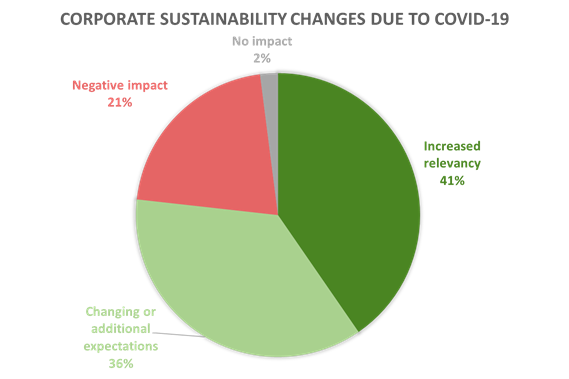
Die Herausforderungen, mit denen die Lieferketten konfrontiert sind, und die Notwendigkeit, sich auf kurzfristige Prioritäten zu konzentrieren, haben CSR und Nachhaltigkeit Bemühungen im Rampenlicht. Einige Unternehmen haben damit zu kämpfen, ihren Weg in Richtung Nachhaltigkeit beizubehalten und sich gleichzeitig an die "neue Normalität" anzupassen. Andere haben die Gelegenheit genutzt, sich neu zu orientieren und sich auf längerfristige Ziele und nachhaltigere Lieferketten zu konzentrieren.
In der Wirtschaft ist Nachhaltigkeit ein Synonym für Glaubwürdigkeit geworden.
Vor dem Hintergrund einer neuen Normalität ändern sich auch die Verbraucherpräferenzen, und die Bedeutung sozialer und ökologischer Belange nimmt zu. Laut einer Umfrage* des IBM Institute for Business Value (IBM) in Zusammenarbeit mit der National Retail Federation (NRF) sind sechs von zehn Verbrauchern bereit, ihre Einkaufsgewohnheiten zu ändern, um die Umweltbelastung zu verringern.
Unterstützung von Unternehmen bei ihren Bemühungen um Nachhaltigkeit, API beginnt im November mit einer neuen Reihe von Webinaren zum Thema Nachhaltigkeit.
Bleiben Sie dran und erfahren Sie mehr über unsere nächsten Themen.
*Forschungsstudie unter 18.980 Verbrauchern in 28 Ländern
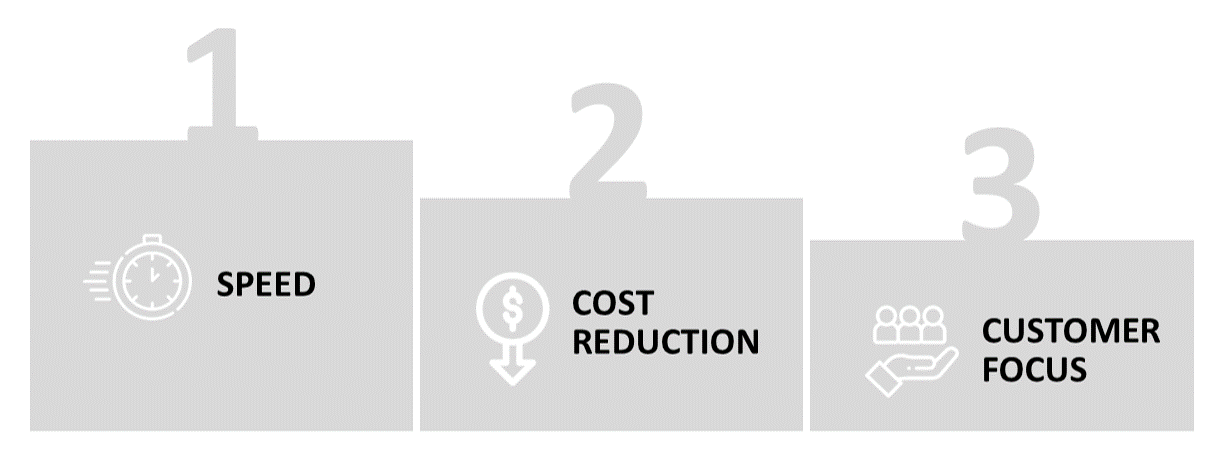
The uncertain ‘new normal’ we’re facing is forcing companies around the world to adopt strategies and contingency plans that address new practical challenges, such as the reduction of workforces and international travel restrictions. However, companies need to think about the effects these changes will have on their consumers and minimize any potential negative impacts on these important relationships. Ensuring the same levels of safety and quality while guaranteeing an efficient time-to-market is critical. The consumer products and retail industry is already changing to align with these issues through speed, cost reduction, and customer focus.
Most commonly cited reasons for changes due to COVID-19 in ‘Consumer Products and Retail’ industry
Source: McKinsey & Company, ‘The need for speed in the post-COVID-19 era – and how to achieve it’ survey, September 2020
But how to achieve a customer-centered strategy with an enhanced time-to-market while considering cost-reduction needs at the same time? Some of the elements required when workforces are limited and travel is restricted are:
Increased flexibility
Faster response
Complementary know-how
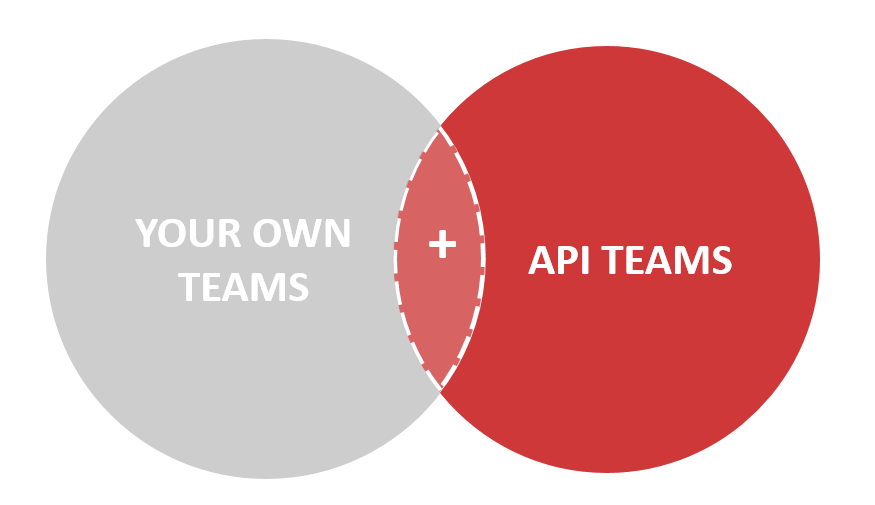
An Extension of Your Own Team
To support companies in their path toward the new normal, API is cooperating with brands and retailers’ internal quality and audit teams to complement them on-demand with a 360° approach to quality that provides optional solutions.
Our complementary technical support
API’s complementary technical support allows companies to benefit from additional support only when and where it’s needed with the flexibility to adapt as required. Some of the added value of our solutions include:
Complementary technical solutions related to quality management: larger capabilities + deeper and upstream support (eg., remote golden sample validation with techno-visualization to assist locally during the product development stage).
Extended geo coverage: delivering ‘A to Z’ services with dedicated support in areas where clients are not present and that are not easy not easy to travel to.
Additional expertise in specific product categories: complementary knowledge and additional areas of expertise
Interested in learning more about our specific solutions?
In the current context of travel disruption, the ‘normal practices’ adopted by many companies until now need to be reassessed. Brands and retailers must be present in factories in many cases to oversee requirements, including the evaluation of prototypes, the review of samples at the pre-production or production stage, and the selection of items for new collections. But how can companies achieve this given the current travel restrictions and without teams on-site?
Occasionally, factories can send samples to the quality teams closest to them or even to the head office. However, in most circumstances, this solution would be too costly and time-consuming. To facilitate a quick decision process and speedy time-to-market, API has harnessed the latest video technology to develop a series of remote solutions.
Assess and approve your pre-production samples live or utilize a critical eye on-site during product selection, guided by the latest technology by our team of experts
Our solutions AT THE INITIAL PRODUCT LEVEL include:
Product sample review and validation
Full and precise evaluation of prototype sample, engineering sample or golden sample
Quality check at early stage to allow further corrections and improvement
Collection review in showroom via video call at the moment of product selection:
Sample review
Conformity / non-conformity identification on mechanical issues
Risks & issues anticipation
Recommendations for amelioration
Some of the benefits of our remote solutions are:
Guidance by a team of experts on-site
Possibility to follow live, real-time events at factory / showroom through the latest technology
Quality and compliant products
Faster time-to-market vs. international shipments for approval
Support though all manufacturing stages
Thanks to our in-depth manufacturing knowledge and boots-on-the-ground experience, we guide you through the most critical decision processes and support you remotely with the latest technology. API puts our teams of experts at your disposal who specialize in different product categories to support all your needs remotely. Interested in learning more about how we can support you remotely with these or other solutions?
Der zunehmende Umweltdruck seitens der Regierungen und Verbände sowie die stärkere Vorliebe der Verbraucher für umweltfreundliche Produkte führen dazu, dass sich immer mehr Unternehmen der Notwendigkeit bewusst werden, ihren Weg zur Nachhaltigkeit zu beschleunigen.
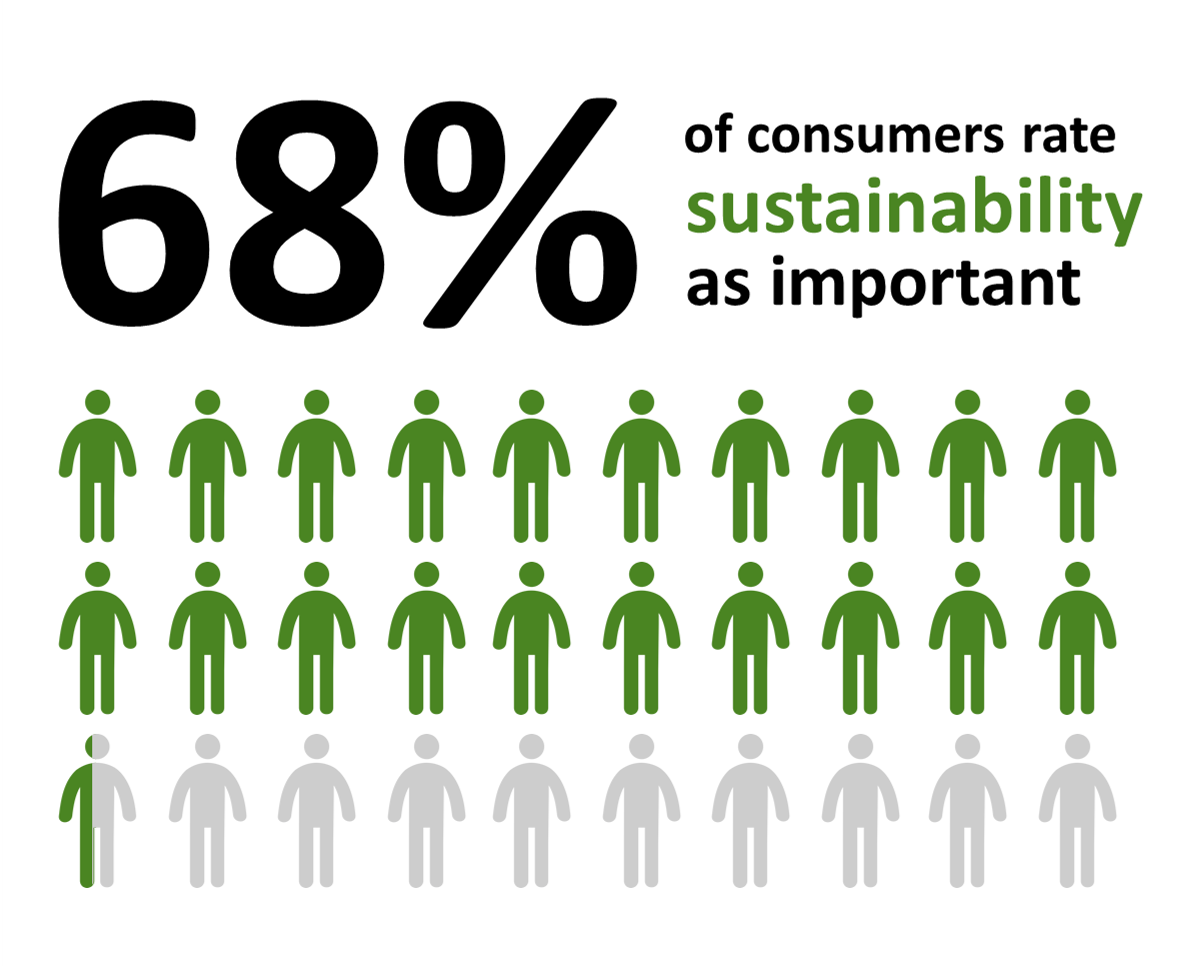
68% der Verbraucher bewerten Nachhaltigkeit als wichtig Quelle: CGS-Studie 2019 zu Handel und Nachhaltigkeit
Um ihnen auf diese Weise zu helfen, ICS - Initiative für Compliance und Nachhaltigkeit - stellt seinen Mitgliedern eine Reihe gemeinsamer Instrumente zur Verfügung, mit denen sie ihre Prüfungen gegenseitig abstimmen können, um die Prüfungsmüdigkeit zu verringern und Wissen und bewährte Verfahren auszutauschen.
ICS ist eine internationale Brancheninitiative, die darauf abzielt, die Arbeitsbedingungen in den globalen Lieferketten der ihr angeschlossenen Einzelhändler und Marken zu verbessern. Die ICS besteht aus 48 multinationalen Einzelhändlern und Marken aus den Bereichen Textil, Einzelhandel, Schuhe, Elektronik und Möbel*.
API ist für die Durchführung von ICS akkreditiert sozial und Umweltaudits um sicherzustellen, dass die Lieferanten und ihre Lieferketten mit dem ICS-Verhaltenskodex für Umweltfragen übereinstimmen. Die wichtigsten abgedeckten Bereiche sind:
Umweltmanagementsysteme (EMS)
Energienutzung, Verkehr und Treibhausgase (THG)
Wasserverbrauch
Abwasser und Abwasserabflüsse
Emissionen in die Luft und ozonabbauende Stoffe (ODS)
Abfallwirtschaft
Vermeidung von Umweltverschmutzung sowie gefährliche und potenziell gefährliche Stoffe
Verhütung und Bewältigung schwerer Unfälle
Ein engagiertes Umweltteam mit praktischer Erfahrung
Erfahrung mit der IKS-Umweltmethodik
Kenntnisse der ökologischen Nachhaltigkeit der Lieferkette
Leitung durch den Leiter der Abteilung Nachhaltigkeit mit einem Doktortitel in Nachhaltigkeit (PhD) und mehr als 10 Jahren Erfahrung
Zweisprachig mit einem klaren Verständnis der spezifischen lokalen Herausforderungen und der globalen Erwartungen
Tägliche Bewertungen in Fabriken weltweit
API kann unsere Kunden bei ihrer Umweltreise mit 360° Fachwissen über Verfahren, Fabriken und Produkte.
Möchten Sie mehr über unsere ICS-Umweltlösungen erfahren?
API freut sich, als Sponsor am Internationalen Virtuellen Symposium 2020 der ICPHSO teilzunehmen. Die Veranstaltung findet vom 27. bis 28. Oktober 2020 statt, in Verbindung mit der Internationalen Woche der Produktsicherheit der Europäischen Kommission.
Das diesjährige internationale Symposium steht unter dem Motto "Sicher nachhaltig: Untersuchung, wie sich das Konzept der Nachhaltigkeit auf die Sicherheit von Verbraucherprodukten auswirkt und diese gestaltet".
APIs neue Online-Plattform, API Link™, führt diesen Monat einige zusätzliche Funktionen ein. Zusätzlich zu den bereits enthüllte Funktionen such as a 24/7 overview of ongoing and finished orders and order tracking with key milestones, customers can now benefit from: – Kunden können nun profitieren von:
Endgültige Entscheidung zu 1-Klick-Bestellungen: Erledigen oder lehnen Sie Ihre Bestellungen schneller als je zuvor basierend auf relevanten Daten ab
Bericht zusammenfassung: Überblick über alle Ihre Berichte auf einen Blick
Online-Berichte: leicht zugängliche Berichte, die mit einem Klick an verschiedene Parteien weitergegeben und auf einer einzigen Plattform archiviert werden
Bestätigung von Angeboten online
Kunden, Lieferanten und Fabriken können von erhöhter Transparenz über Prozesse und Bestellstatus profitieren durch API Link™. Benutzerfreundliche Dashboards.
API is glad to be participating as a sponsor at the 2022 ICPHSO Annual Meeting and Training Symposium. The event will take place on February 14–17, 2022 in Washington, D.C. The four-day Annual Meeting and Training Symposium provides an opportunity for global health and safety professionals to participate in discussions that further enhance the safety of consumer products throughout the world.
Will you also attend the event? Book an appointment to talk to our team!
Visit ICPHSO’s website for more details about the event: https://icphso.org/
Household goods manufacturing and supply chain operations remain under significant pressure, forcing the speeding up of processes in some cases to meet tight deadlines. An increasing need for agility and flexibility has introduced new risks as well as shortcuts and vulnerabilities that can lead to compliance and regulations violations.
With the pace at which the many complex parts of a supply chain must move to keep up with changes and disruptions, brands and retailers should be working with suppliers that can guarantee reliable outcomes without compromising the integrity of their processes and products. Strong visibility and understanding of the supply chain and adequate supplier mapping are essential steps for avoiding quality and compliance situations that don’t go according to plan.
The most effective way to address these challenges is to map your suppliers by performing factory audits, identifying areas of risk ahead of time and ensuring you work only with the most reliable partners. A factory audit will make certain that your supplier can produce your product to your expected levels of quality without jeopardizing supply chain integrity or compliance in destination markets.
Factory audits also help assess the risks that may be present with a particular supplier and provide direction on how to manage those risks.
The decision to work with a particular supplier will ultimately be up to you, but a factory audit will mean your decision is based on a trusted risk assessment with a presented improvement strategy.
The criteria for selecting the right supplier will naturally vary and depend not only on international requirements and regulations but also on industry best practices and brand values and guidelines. For example, you may request that a supplier apply stricter environmental measures to ensure eco-friendlier processes and reduce their impact on the planet.
Our checklist sample takes you through what a brief assessment of your supplier’s quality systems might look like, and touch on quality management, social, and environmental compliance.
The checklist example covers three main sections and includes some of the more common points when evaluating supplier performance in these areas:
The following guidelines can be followed for each process:
N/A: Process not available or not evaluated.
0 – Major non-conformity: Absence of procedure or proof of significant discrepancies in implementation. Corrective action will be designed for this process.
1 – Minor non-conformity: Incomplete procedure or proof of discrepancies in implementation. Corrective action will be designed for this process.
2 – Acceptable: Procedures are available and implementation is acceptable; however, opportunities for improvement exist. An opportunity for improvement can be designed for this process.
3 – Good: Procedure and implementation are acceptable; no opportunity for improvement identified.
4 – Best practice: Factory has designed and implemented the industry best practice.
Quality Assurance & Technical Assessment
Technical assessments will obtain an objective picture of your supplier’s organization and evaluate their capabilities in the following areas, among others:
Adequate quality management system and framework to achieve acceptable quality levels.
Relevant product knowledge and the ability to produce the products in compliance with international regulations and customer expectations.
Capability to mass-produce on time while maintaining the required levels of quality and safety.
When evaluating a supplier’s capacity, some of the most frequently considered points include:
Quality manual and procedures demonstrate revision control (sign-offs and dates), history of changes.
Product quality yield data, problems and corresponding improvement actions, the status of preventive/corrective/audit results.
Strategische und taktische Ziele, Vorgaben, Aktionspläne usw.
Analyses of field failures, inspection yields, resource needs, internal audit results, corrective action statuses, etc.
Corrective actions, trend charts, meeting minutes, non-conformance frequency and cost analysis.
Management review meetings and corrective actions.
Investigating training aids and instructions at workstations.
Qualification records, certification history.
Testing records, production quality records, audit records, interview workers to validate training records.
Job descriptions, job skills assessment, training records, training manuals.
Example of a quality audit checklist:
API factory quality audit checklist
What If My Quality Assurance Score Is Below Standard?
Thanks to its manufacturing and product knowledge and experience on the field, API is able to customize its QA solutions based on your specific needs and requirements. API will provide the supplier information on how they can go about improving various things within a factory. This information will be relayed back you, the retailer, where you will gain insight into your potential supplier and their factory operations to ensure compliance across the board.
Social / Health & Safety Assessment
The objective of a social audit is to provide an unbiased image of a supplier organization and practices according to local laws and international standard as well as your internal code of conduct.
Thanks to an adequate assessment of your pool of suppliers, your company can protect its brand image and improve its competitiveness. Managing your social risk should bring associated costs saving and should also foster long-term cooperation with a selected pool of suppliers.
To evaluate your supplier’s ability to meet the expected social, health & safety requirements, some of the more critical areas typically covered by a social audit include:
Checking whether factories operate in compliance with laws specifically related to wages and compensation, working hours, child labor, forced labor, harassment, and abuse.
Examining conditions in production and residential facilities and their consistency with applicable laws and regulations
Reviewing emergency preparedness and response plans as well as monitoring and performance measurements
Evaluating whether all possible precautions are in place to reduce labor and safety risks
The social audit assesses the social systems and structures that your supplier has in place and is normally based on the standards as laid out by the SA8000 and ETI Based Code. As a professional third-party auditing company, API is able to provide their industry expertise and longtime experience to aid you in achieving your social compliance certification. In addition to this analysis, our team will also define a corrective action plan and can also help you in the implementation and follow-up of this list of actions.
Example of social audit checklist:
API factory social audit checklist
Environmental Audit Assessment
It’s not new that supply chains are under increasing scrutiny to ensure environmentally friendly processes. In the context that we are currently living it’s important to verify that your suppliers are aligned with the relevant requirements and regulations to ensure a sustainable supply chain, and that they comply as well with your brand requirements and expectations. The best way to obtain a good level of visibility is by performing and environmental audits assessment to evaluate all relevant criteria and improve the environmental and chemical performance of your suppliers.
In order to evaluate your supplier’s ability to respect the environmental requirements some of the most critical areas usually covered during an environmental audit will cover the below:
Umweltpolitik-Erklärung Dokument
Aufzeichnungen über behördliche/staatliche Inspektionen, Verfahren zur Messung und Überwachung umweltsensibler Tätigkeiten
Aufzeichnungen über Einkäufe, Abfallströme und Verbrauch; Bestandsverwaltungsprozeduren
Materialien, die keine Gefahrstoffe enthalten (RoHS/WEEE-konform) in der Produktion, biologisch abbaubare Materialien, Mehrwegbehälter oder -verpackungen, Recyclingprogramm, Verpackungsmaterialien aus recycelten Materialien
API sustainability team can help you assess the environmental and chemical performance of your suppliers with an accurate evaluation and adequate action plan to reduce the impact of your supplier’s processes and ensure that you are in the right path to achieve your sustainability goals and meet your customer’s demands.
Our on-the-ground expertise and our strong presence on the field allow us to have a deep knowledge of the factories processes, challenges and the applicable regulations. We understand your processes, factories and products, and are able to provide bespoke sustainability services that will result in higher levels of efficiency.
Example of environmental audit checklist:
API factory environmental audit checklist
KEY TAKEAWAYS
An adequate factory audit allows you to have a better visibility of your supply chain, starting with the relevant insights of your suppliers’ quality control processes and manufacturing capabilities, social and environmental practices to identify the best performing suppliers and those with the higher risk. This allows you to select your pool of suppliers accordingly and empowers you to strengthen those weaker processes where needed.
An adequate audit checklist will help ensure:
Ihre Qualitätssysteme sind auf dem neuesten Stand, organisiert und gut dokumentiert.
Vertrauen in die Auswahl Ihres Lieferanten auf Basis von Checklisten-Erkenntnissen.
Vertrauen in die Qualität des hergestellten Produkts.
confidence that your supplier is actively meeting compliance standards, social and environmental practices.
This approach allows you to build a more collaborative relationship with your supplier, where you supplier has a more invested approach to your brand and its product. It helps to ensure top-class quality systems and a mutually beneficial relationship between supplier and retailer and a better budget allocation to focus where risks are high.
Interested in learning more about how API can help you with our audit solutions?
On September 14, 2021, the new SCIP Dissemination Portal by the European Chemicals Agency (ECHA) went live, giving the public access to information about substances of concern (SVHC) in articles as such or in complex objects (Products). The portal’s launch increases the transparency over chemicals of concern in products and will help track products containing substances of very high concern until they reach the waste stage. It also allows consumers to make more informed purchasing decisions and to choose safer products.
Since January 2021, companies that supply articles containing substances of very high concern (SVHC) on the Candidate List in a concentration above 0.1% weight by weight (w/w) in the EU market have been required to submit information on these articles to the ECHA. The notifications are stored in the SCIP (Substances of Concern in Products) database, and will be publicly available via the portal throughout the entire lifecycle of the products and materials – including the waste stage – contributing to a safer circular economy.
In a recent announcement, the ECHA said that around 6,000 companies across the European Union have already complied with this new obligation, with more than four million relevant article notifications registered in the SCIP database.
Based on the information gathered so far, the most notified product categories include:
Machinery and their parts
Measuring instruments and their parts
Electronic equipment and their parts
Vehicles and their parts
Articles made of rubber
Furniture.
Wer muss die Informationen einreichen?
Companies that supply articles containing substances of very high concern (SVHC) on the Candidate List in a concentration above 0.1% weight by weight (w/w) in the EU market are required to submit, including:
EU producers and assemblers
EU importers
EU-Händler von Erzeugnissen und andere Akteure, die Erzeugnisse in Verkehr bringen.
Retailers and other actors that supply articles directly to consumers are not obligated to submit this information to ECHA.
What information needs to be submitted?
Informationen, die für die Identifizierung des Artikels relevant sind;
Name, Konzentrationsbereich und Ort des SVHC; und
Sonstige Informationen über die sichere Verwendung des Erzeugnisses, insbesondere wenn die oben genannten Informationen nicht ausreichen, um die ordnungsgemäße Entsorgung des Erzeugnisses als Abfall zu gewährleisten.
Do you have any questions about how the new SCIP database requirements affect your business?
Many governments around the world are using legislation to drive responsible business practices and positive impacts on people’s working conditions. These laws require companies to manage their operational impacts on people and the environment and report on their efforts. It’s important to know which of these laws apply to your business and how to comply.
One of the most recent changes in this area is the new Human Rights Due Diligence Law adopted by the German parliament on June 11, 2021.
From 2023, this law will require large companies to conduct supply chain due diligence activities. Companies will need to identify, prevent, and address human rights and environmental abuses within their own and their direct suppliers’ operations, and take actions if they find violations.
The law aims to ensure that social and environmental standards are maintained in large companies’ operations and supply chains to address the following risks:
Zwangsarbeit
Child labor
Diskriminierung
Violations to freedom of association
Unethical employment
Unsafe working conditions
Environmental degradation.
Who does this new law affect?
From 2023: Companies based in Germany with more than 3,000 employees, or German-registered branches of foreign companies with more than 3,000 employees.
From 2024: Companies based in Germany with more than 1,000 employees, or German-registered branches of foreign companies with more than 1,000 employees.
What do the affected companies need to do?
Set up a process to identify, assess, prevent, and remedy human rights and environmental risks and impacts in:
1. Your supply chain 2. Your own operation.
Ensure you provide ways for employees of indirect suppliers to file a complaint alerting the company to any human rights or environmental violations.
Publish an annual report outlining the steps you have taken to identify and address these risks.
How can affected companies prepare for this change?
If this – or any similar law – applies to your business, it’s most important to have a clear internal process to understand and assess your supply chain:
Step 1: Define your scope
Map your suppliers and put in place a preliminary risk analysis to better understand your supply chain and current CSR capabilities.
Step 2: Pre-assess your suppliers’ CSR conditions
Conduct a deeper evaluation to identify your most reliable suppliers, the ones requiring action, and those with zero tolerance issues. You can then prioritize your program and create an action plan.
Step 3: Apply relevant actions based on identified risks and priorities
Deploy an adequate action plan based on the identified issues and their risk levels and implement remediation programs to improve the suppliers’ performance.
Many other countries have enhanced their regulations on human rights, such as:
Australia: Modern Slavery Act 2018
France: Corporate Duty of Vigilance Law
Germany: CSR Directive Implementation Act
India: Business Responsibility and Sustainability Reporting
Italy: Legislative Decree no. 254
United Kingdom: Modern Slavery Act 2015
United States: Transparency in Supply Chains Act 2012 (State of California).
How API can help you prepare for these legislative requirements:
Documentary review
Preliminary risk assessment to help you prioritize issues
Factory audit
Ausbildung
COC/manual/audit guidelines creation and review
Program benchmarking services for strategic suppliers.