Toy Testing: How To Comply With En 71 & ASTM F963

Kategorien
Blog

Toy Testing: How To Comply With En 71 & ASTM F963

With the strict safety and quality standards of children’s toys, there is absolutely no room for non-compliance. Compliance issues can cause potential health hazards and in some cases fatalities. Here we discuss the importance of toy testing and provide you with an exact outline of toy safety regulations and all of the most recent updates to help you avoid compliance issues, so that you can continue to produce toys of the highest quality. The toy industry is a lucrative one with “toy sales in 2015 increasing by 4% over 2014 to $87.4billion…with estimated growth expected to exceed $90 billion in sales in 2016.”

There is surely continued opportunities for economic growth and sustainable innovation in this massive industry going into 2017 and beyond.

But, the toy market, and product safety specifically, makes it a volatile one.

What happens when due diligence is left by the wayside?

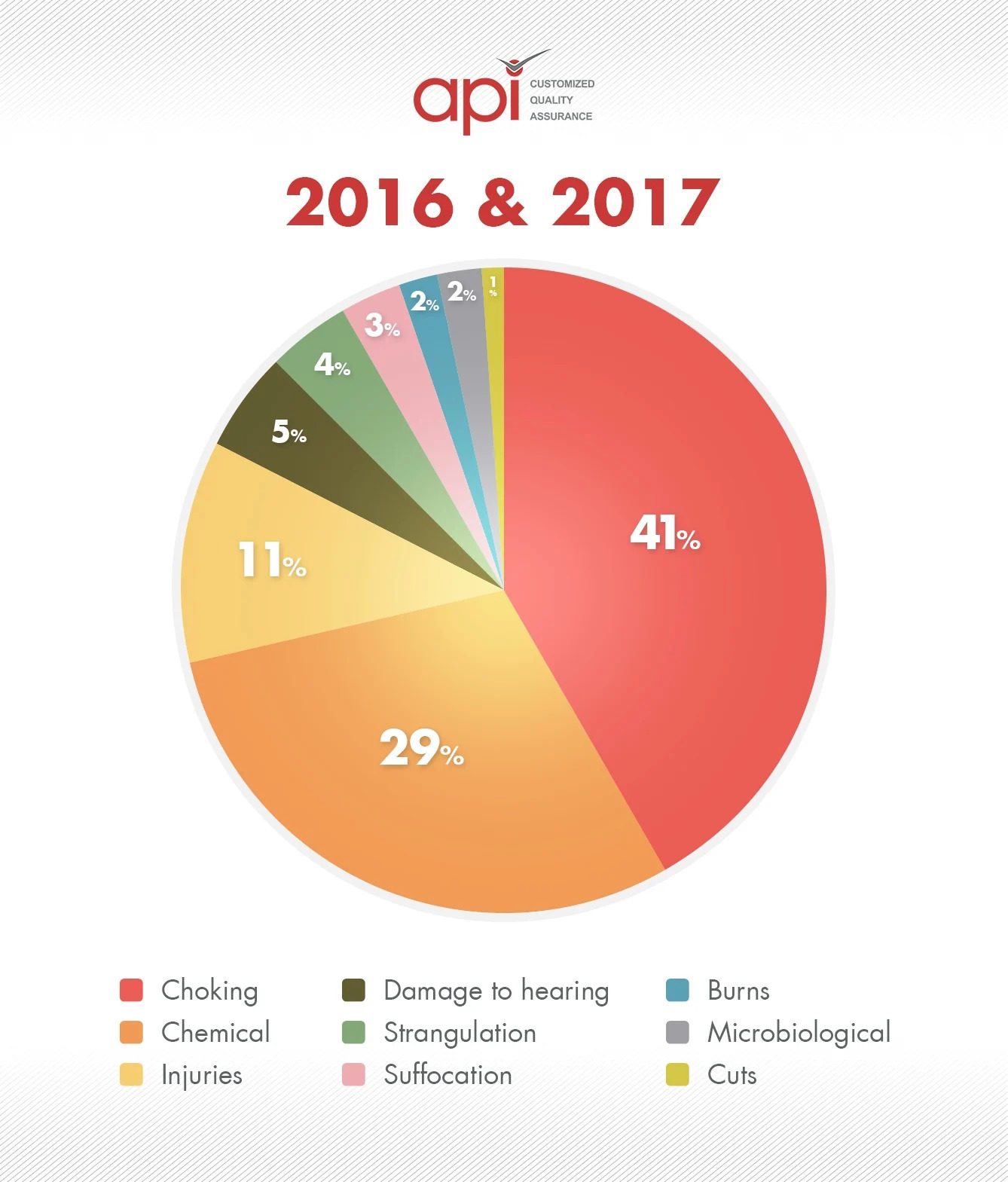
41% of toys that were recalled in the EU alone were due to choking hazards, whilst chemical compositions makes the second largest recall between January 2016 and July 2017.

By looking at the graph below, you will see the breakdown of recalls over this period of time:

Toy testing regulations and compliance issues

The stats above paint a clear picture for importers to abide by toy safety compliance standards, for it is not only in your best economic interest, but also for your brand’s protection and growth.

Today, children’s toys are subject to some of the strictest safety and quality standards in the retail marketplace due to the sensitive nature of their consumer base.

The question is…

How do importers keep up with the latest news in toy safety regulations to avoid potential disasters and recalls as reflected above?

In this blog post, I seek to highlight the EU EN71 safety standards that your imported toys need to comply with. I will also highlight the latest updates of this standard, to ensure you are up to date with the latest in toy compliance.

We also look at the US standard, ASTM F963, where we will highlight the latest updates to ensure that your products are in compliance. Lastly, I seek to provide you with actionable steps to achieving compliance according to these standards and what you can do to continue producing children’s toys of the highest quality.

EN 71

The EN71 is a set of European Product Safety standards that apply to all toys, sold in the European Union. The EN 71 also forms a part of the CE directive. As an importer of children’s toys you will need to ensure that the toys you are importing into Europe are labelled with this CE mark.

This mark basically stipulates that a particular toy is compliant with the safety regulations as laid out by the European Union and its safety standard.

Here is a table of what this standard is inclusive of, but I will also highlight the ones that have been updated recently so that you, know exactly what your products need to be compliant with;

TABLE of EN71

Toy testing & safety regulations - En 71

The latest EN71 update includes

The latest children’s toy update and revision of the above table is as follows;
The CEN has published Toy safety standard EN 71-12:2016 for n-nitrosamines and n-nitrosatable substances. This standard is expected to be harmonized under Toy Safety Directive 2009/48/EC by publication in the Official Journal of the European Union (OJEU).
Major change of the new version includes this;

  • More stringent limits of n-nitrosamines and n-nitrosatable substances for toys intended for use by children under 36 months and intended or likely to be placed into the mouth of the child.
  • a modified definition for ‘elastomer’ from ISO 472:2013 (Plastics – Vocabulary, for better clarity)
  • a new procedure for the extraction process for toys and parts of toys other than balloons
  • use of porous graphitic carbon (PGC) reversed phase (C18) high performance liquid chromatography (HLPC) columns as an additional option for analysis
  • an additional set of multiple reaction monitoring-transitions (MRM-transitions) for quantification and identification

What this revision should mean for your sourcing and production strategies

This standard is applicable to the following products;

  • Toys and parts of toys made from elastomers and intended for use by children under 36 months
  • Toys and parts of toys made from elastomers and intended to be placed in the mouth
  • Finger paints for children under 36 months

Manufacturers will need to provide evidence of compliance from the supplier of these materials, before the manufacturing of these items can proceed. There may also be a random sampling after mass production for post production testing to ensure you are not in violation of the above safety regulations.

ASTM F963-16

Das ASTM F 963-16, The Standard Consumer Safety Specification for Toy Safety, is a comprehensive standard that addresses numerous hazards that have been identified with toys.

Toy testing & safety regulations ASTM F963-16


The latest ASTM F963 update includes

  • Among the changes, the 2016 revision addresses ride-on toys with: a new curb impact requirement, a clarification of overload and stability requirements, and a strap exemption.
  • new labelling requirements for toys that have certain small coins or button batteries,
  • temperature and current-limiting requirements for lithium-ion batteries, and
  • new requirements for materials and toys that could expand if accidentally swallowed.
  • Other revisions include:

– new soaking and compression tests for magnets

– new requirements and clarifications related to microbiological safety;

– clarifications to heavy elements requirements for toy substrate materials

– revised requirements for toys involving projectiles; and,

– clarification of requirements and supplemental guidance for impact hazards.

What this revision should mean for your sourcing and production strategies

You will have noticed that all children’s toys that have been produced after 30 April 2017 needed to be tested according to ASTM F963-16.

According to ASTM F963-16 all toys that are intended for children of 12 years old and under need to be tested by a registered CPC third party testing and quality provider, who will then furnish you with the appropriate product specific CPC which declares that your product complies with the federal toy safety standard.

Suggestions for complying with these toy testing regulations

As an importer you may be feeling overwhelmed about adhering to the regulations as laid out above and while you should be doing everything you can to adhere to them, here we lay out a few suggestions of how to go about doing this;

  • You need to work towards improving quality control procedures by strictly monitoring the quality of raw materials. Do not fall into the trap of using cheaper, substandard materials. Whilst this may be appealing for cost reduction, you will be putting your brand at unnecessary risks.
  • Improving your products quality always needs to be a primary goal. Many of the new updates in regulation also stipulate the use of a third party quality provider as mandatory for your products compliance.
  • Ensure you use a third party company that is up to date with the latest in toy testing and safety regulations. This will reduce the risks of potential product recalls resulting in a bad image for your brand, but also a loss in revenue.
  • Seek new non-toxic environmentally-friendly raw materials. How do you go about sourcing your raw materials? This may step may be a little more difficult to pursue, but let’s take a look at Lego. Their blocks are made of plastic, but currently, they are investing loads of money and time into finding alternatives to plastic for their famous building blocks. It’s this kind of commitment that ensures a positive and innovative position in the market place.

Understanding the regulations and what they mean for your current sourcing strategy for children’s toys will help give appropriate direction and guidelines to your current competitive positioning in the market place.

By understanding these regulations and ensuring compliance according to them, you are able to guard yourself against potential product recalls and even potential lawsuits that could come from health and safety violations that are sadly too often found within children’s toys.

“API is equipped to meet the above product testing and safety requirements accordingly to ensure your brand’s safety and protection.”


Kategorien
Blog

Social Compliance Audit For Consumer Electronics

How should importers of consumer electronics avoid a supply chain which includes suppliers who use child labour, have dirty and unsafe conditions, or who don’t follow labour rules? Here we endeavour to outline how a social compliance audit for consumer electronics can positively position your brand in the market place. Conditions as mentioned above have made themselves all too familiar within the retail supply chain, and the worst part is that many retailers claim that they didn’t even know about this right up until before these tragedies became global news. So how can we prevent this? A social compliance audit. This audit can go a long way in preventing some of the damaging issues many brands of consumer electronic products, and indeed other items, are all too familiar with. Social Compliance Audit For Consumer Electronics A social compliance audit can be difficult to attain, but is an absolute necessity for that transparent supply chain your consumers today are demanding. A social compliance audit ensures that a factory and its practices are abiding by all local laws and that you meet all of the social obligations as set out by the guidelines of the audit, from fair wages to no instances of child labor in a factory. In this blog post, I will outline the exact procedure of this audit, the benefits it offers to your consumer electronics brand and how you can go about conducting this audit for yourself. So, let’s dive in…

What can consumer electronic importers can expect from a social compliance audit?

Consumer electronic brands endeavour toward social compliance for these main reasons;
  • Brand protection
  • To ensure your factory is clean and meets high levels of standards
I have gone on to create a list of what can be expected of a social compliance audit of your electronics factory, to help you better prepare for this; Onsite inspection – The auditors go around and inspect your factory for health and safety violations, this can also be inclusive of any sleeping quarters that may be on site, which will be relevant to the factory being audited. In the case of consumer electronics, which is less labour intensive, but has more machinery which may cause potential mechanical and electrical hazards. Therefore your auditor will spend more time assessing the safety and working environment, from sufficient fire exits to clear instructions of how to exit the building in the case of an emergency. They will also spend time assessing whether sufficient personal protective equipment (PPE) has been made available to each worker. Social Compliance Audit For Consumer Electronics - Document review Document reviews – Auditors will check all the documentation of the supplier to determine the presence of any possible child labour, an all too common violation within the consumer electronics industry. They also assess whether there are any violations of extended working hours and wages. They will also look into what types of social insurance are available to workers and review any fire and safety documentation, which will help to determine whether or not any safety precautions or plans are in place. They will also inspect whether or not there is any environmental monitoring being done and, if so, how it is conducted. Employee interviews – The auditors conduct interviews with the factory in question staff, where they ask them about their working hours, overtime, and about their holiday/leave time. Auditors also like to cross check these statements by interviewing factory management to ensure there are no discrepancies. This helps to clarify whether there are any instances of abuse or misconduct between staff and management. In the case of a re-audit these interviews will then be conducted again to ensure improvement plans are being implemented properly. Closing meeting with audit status – This meeting reveals the audit results of your CE factory and also makes suggestion for improvements. If you use a qualified third party quality management provider to conduct this audit, they will provide you with an improvement plan and customize it according to your needs. Continuous improvement – A reputable third party quality assurance solution provider will provide you with a plan of execution to rectify the shortcomings of a factory. To ensure the factory is executing the suggested improvements there are also unannounced visits by auditors to evaluate the factory’s improvement progress. Factories that attain a clean audit, will only be audited on an annual basis. In factories that achieve marginal results, they are often dropped in on unannounced and also receive audits on an annual basis. Factories that fail will then have a follow up audit again in a few months.
Protecting your electronics brand through a social compliance audit

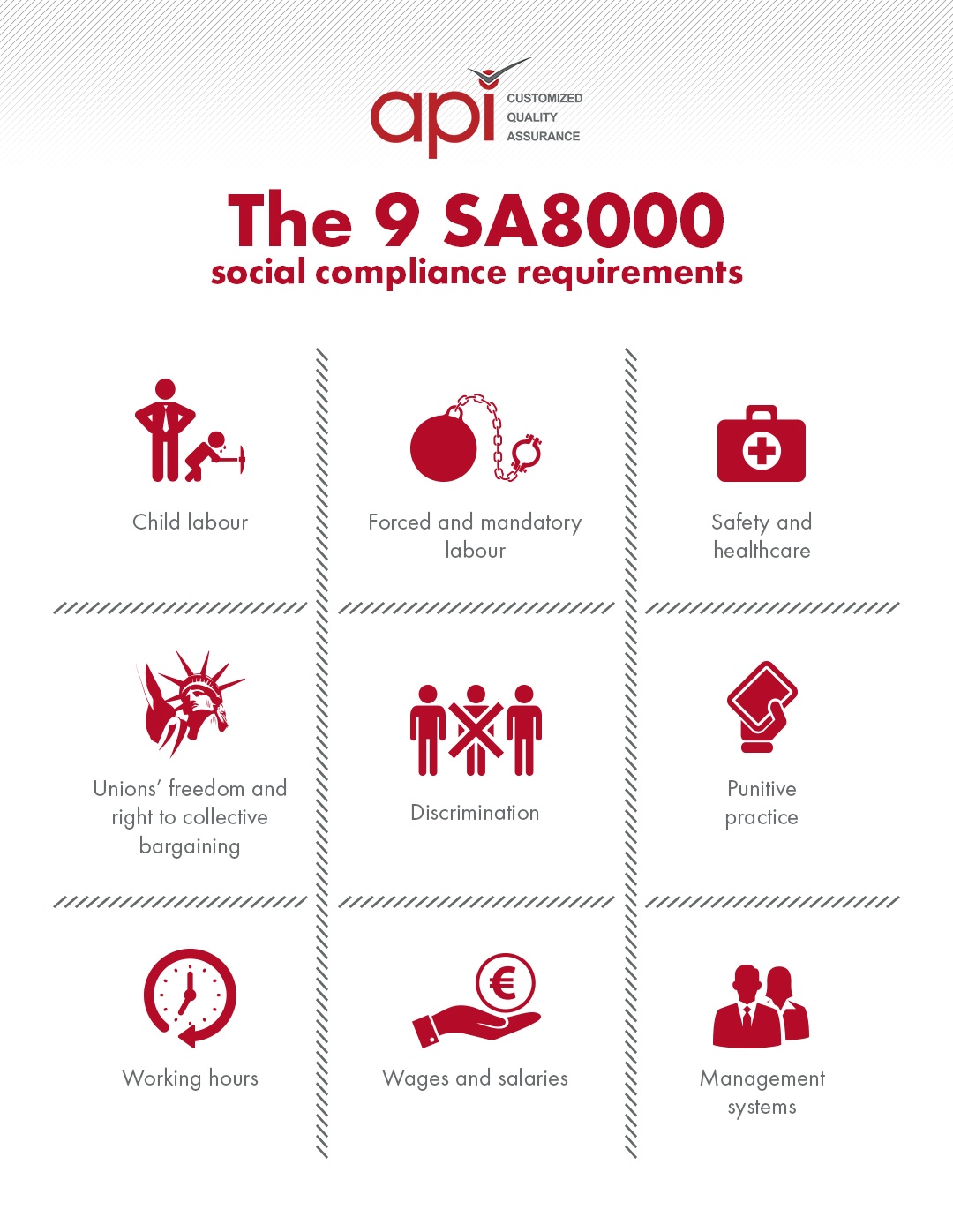
Attaining a pass on your social compliance audit report is a commitment that your organization makes to ensuring that you are socially responsible and that you are committed to treating your factory’s staff ethically and in compliance with global ethical standards. So the question is… Is your consumer electronics brand committed to achieving an ethically responsible supply chain? Let’s take a look at the standards as laid out by SA8000: Die 9 SA8000-Standards sind für soziale Integrität Pflicht:
  • Kinderarbeit – No children younger than 15 years of age may be employed by any factory.
  • Zwangsarbeit – No person may be employed by a factory if they haven’t offered to do so voluntarily or be forced to work under the threat of punishment or retaliation.
  • Gesundheit und Sicherheit – A safe and healthy workplace environment must be provided by the factory, who should also prevent any potential health and safety incidents and work related injury or illness from occurring. In the case of consumer electronics you would need to ensure that there is sufficient personal protective equipment within factories.
  • Vereinigungsfreiheit und Tarifverhandlungen - Mitarbeiter haben das Recht, Gewerkschaften zu bilden, beizutreten und gemeinsam für ihre Rechte zu verhandeln. Wer die Stimme der Belegschaft unterdrückt, bricht den Standard.
  • Diskriminierung - Chancengleichheit ist Gesetz. Ob Einstellung, Lohn, Beförderung oder Kündigung – Diskriminierung aufgrund von Herkunft, Geschlecht oder Überzeugung wird nicht geduldet.
  • Disziplinarverfahren - Körperliche Züchtigung, psychischer Druck oder verbale Demütigungen sind strikt verboten. Respektlose Behandlung von Arbeitnehmern darf weder praktiziert noch toleriert werden.
  • Arbeitszeiten - Schluss mit der grenzenlosen Ausbeutung. Der Betrieb muss Gesetze, Normen und Verträge zu Arbeitszeiten, Pausen und freien Tagen strikt einhalten.
  • Angemessene Entlohnung - Arbeit muss zum Leben reichen. Das Recht auf einen existenzsichernden Lohn ist die Basis für ein würdevolles Leben der Beschäftigten.
  • Managementsysteme - Damit SA8000 kein Papiertiger bleibt, müssen Richtlinien und Verfahren nicht nur existieren, sondern aktiv umgesetzt und ständig auf ihre Einhaltung überprüft werden.
Social Compliance Audit For Consumer Electronics - SA8000 In understanding the ethical compliance standards as laid out above, you are able to make informed decisions about the suppliers you choose to use in the manufacturing of your electrical products. Panasonic und Sony wurden in Lieferketten-Skandale verwickelt, that have created immense amounts of bad media coverage for the global electronic brands. Accused of unfair labor practices in factories, with vastly underpaid staff and electrical components that are said to be sourced from parts of the world known to be inclusive of child slave labour. With this in the media, consumers will begin to think twice about purchasing your product as they do not want to be affiliated with brands who are not achieving progress toward a transparent, sustainable retail supply chain as laid out by SA8000 guideline. Can your consumer electronics brand afford publicity like this? Achieving your social compliance audit will reduce any potential risks relating to the violations of global ethical standards, which puts your brand in a risky position and can cost your organization public shaming and embarrassment, scarring your brand. Dependent on the severity of the violation it could also cost you millions in lawsuits too. This type of audit provides the desired transparency many consumers are looking for within the retail supply chain. Today’s consumers are becoming more concerned with the way in which products are sourced and manufactured, and rightly so. So what are you doing to maintain consumer trust in your brand?

Who should conduct your factory’s social audit?

Many suppliers choose to conduct their own audits with in house teams, this method is untrustworthy which can produce bias results of the supplier.

Unless you have an extremely good relationship with the supplier in question and know for a fact that they are not going to lie on your audit report, then this way of passing a factory social audit is not our recommendation. Hiring an impartial third party quality management provider may be the answer They are viewed as independent parties with all the technical expertise to be able to produce unbiased reports and provide you with actionable improvement plans for you to progress forward in achieving your factory’s social compliance. Betriebliches Sozialaudit

Independent audits are also taken into higher consideration by NGO’s and the media to be a truer and an honest reflection of the findings within the factory.

By outsourcing this service you not only are able to protect your brand’s image, but you minimize any potential risks you might face by not having a social audit, that can prove to be costly for your brand in many more ways than just revenue loss. Many consumer electronic factories are still found in violation of unfair labor practices or extensive work hours. This doesn’t have to be… Let’s take a look at what Apple has implemented when underage labor is found within their factories; “If we find underage workers in our suppliers’ factories, we make the suppliers return the children to their homes, pay for their education at a school of their family’s choice, and continue to provide income for basic needs until they reach the legal working age. We also enlist a third-party organization to monitor the children’s progress and report back to us. After they complete their education, suppliers must offer them reemployment. In 2015, we found three cases of underage labor — and we will continue to look for it.” Apple has shown that ethical and fair practice within your factory is not impossible to attain. It will be up to you to implement an appropriate strategy to deal with the social challenges felt within consumer electronic factories. Apple is a global leader for consumer electronics, but is also innovating in the way that they say no to injustices in a supply chain and go above and beyond to achieve an ethical and fair supply chain to produce the high quality electronics that they offer. Are you willing to do what it takes to achieve that transparent supply chain? API can help you attain this goal as your third party auditing partner. Have you undertaken SC audits across your CE supply chain?  If you have any question about factory social audits, feel free to Kontaktieren Sie uns and we will be pleased to answer them and help where we can.
Kategorien
Blog

Qualitätsprüfung durch Dritte im Vergleich zur internen Qualitätsprüfung

Die Aufrechterhaltung der Effizienz Ihrer Lieferkette und der allgemeinen Produktqualität kann durch eine interne Qualitätsprüfungaber die Fragen sind; - Sind Sie wirklich in der Lage, die Zeit und die Ressourcen aufzubringen, die für eine effektive Messung und Verwaltung Ihrer Systeme erforderlich sind? - Sind Sie in der Lage, eine objektive Analyse des Zustands Ihrer Systeme durchzuführen? - Wie sichern Sie damit Ihren Platz auf dem Markt in den Augen Ihrer Kunden? Wenn Sie die Vor- und Nachteile der Durchführung eines internen Qualitätsaudits bzw. eines Qualitätsaudits durch Dritte kennen, können Sie nicht nur sicherstellen, dass Ihre Produkte die Mindestanforderungen erfüllen, sondern auch, dass sie den höchstmöglichen Qualitätsstandard aufweisen, und gleichzeitig gewährleisten, dass Sie Ihre Produktionsabläufe auf höchste Qualität ausrichten. Klingt das wie etwas, von dem Ihre Organisation profitieren kann? Lesen Sie weiter und erfahren Sie, welche Vorteile die Durchführung eines Qualitätsaudits durch eine dritte Partei im Gegensatz zum Einsatz eines internen Qualitätsauditteams bietet.

Sind Sie auf dem Laufenden über die neuesten Produktvorschriften?

Das Angebot und die Nachfrage in unserer heutigen globalen Einzelhandelslandschaft bedeuten, dass es immer notwendig ist, mit den Änderungen der Produktvorschriften Schritt zu halten.

Qualitätsaudit durch Dritte

Ein dritter Qualitätsanbieter hat über Verbände und ein Netz von cloudbasierten Online-Systemen Zugang zu Ressourcen, die die es ihnen ermöglichen, sich über die neuesten Produktvorschriften auf dem Laufenden zu halten. Der Zugang zu einem solchen Netz ist ein wesentlicher Bestandteil ihres Dienstleistungsangebots und zeichnet einen guten externen Dienstleister aus. Mit solchen Möglichkeiten können Sie Ihre Abläufe rationalisieren und Ihr Produkt schneller auf den Markt bringen, so dass Sie mit dem Angebots- und Nachfragedruck auf dem Markt mithalten können. Bei der Durchführung eines Qualitätsaudits durch eine dritte Partei müssen Sie jedoch sicherstellen, dass die von Ihnen ausgewählten Prüfer auf Ihre spezifische Produktkategorie spezialisiert sind. Auf diese Weise stellen Sie sicher, dass sie mit den wichtigsten Informationen über Produkte und Vorschriften auf dem Laufenden sind. Nehmen wir die weltweite Begeisterung für Zappelphilippe: Dieses Kinderspielzeug war schneller in den Regalen, als der Markt blinzeln konnte. Qualitätsprüfungsdienste durch Dritte - Fidget Spinner Es stellt sich heraus, dass mehr als 200 000 dieser Geräte mussten zurückgerufen werden aufgrund der Nichteinhaltung von Verfahrensvorschriften sowie der Tatsache, dass das Produkt kritische Mängel aufweist, was bedeutet, dass dieses Produkt dem Endverbraucher Schaden zufügen kann. Ein unabhängiger Qualitätsprüfer wäre in der Lage Ihnen einen unvoreingenommenen Inspektionsbericht zukommen lassenDadurch wird Ihre Marke vor Schäden und Produktrückrufen geschützt, die sehr kostspielig werden können.

Interne Qualitätsprüfung

Verlässlichkeit ist der Schlüssel. Ist Ihr internes Personal in der Lage, die nötige Zeit aufzubringen, um sicherzustellen, dass es alle relevanten Produktinformationen versteht, die Sie benötigen? Ihr Unternehmen verfügt zwar über das nötige Know-how, aber wahrscheinlich nicht über die Ressourcen oder Kapazitäten, um jemanden abzustellen, der sich mit den neuesten Vorschriften vertraut macht. Qualitätskontrolldienste durch Dritte - geografische NetzeViele Unternehmen verfügen nicht über die umfangreichen geografischen Netze, die größere Einzelhändler haben. Daher verbringen Ihre internen Mitarbeiter viel Zeit mit Reisen für Qualitätskontrollen und haben nicht genug Zeit, sich auf die Qualität eines Produkts zu konzentrieren. Dadurch verlangsamen sich oft die Produktionsprozesse, und die Zeit bis zur Markteinführung wird länger. Nehmen wir das Beispiel des Fidget Spinners: Wie groß ist die Wahrscheinlichkeit, dass Ihr internes Team von der Nichtkonformität erfährt, bevor das Produkt auf den Markt kommt? Denken Sie darüber nach. Ein Vorfall wie der oben beschriebene setzt Ihre Marke einem unnötigen Risiko aus, das zu schlechter Publicity und erheblichen Umsatzeinbußen führen kann. Dose Kann sich Ihre Organisation das leisten?

Verfügen Sie über das gesamte technische Know-how?

Produkttechnisches Fachwissen und umfassende Prüf- und Inspektionserfahrung sind ein unterschätztes Gut in der Lieferkette des Einzelhandels. Wie können Sie es zu Ihrem Vorteil nutzen?

Dritte Partei

Ein externer Qualitätsdienstleister kann Ihnen ein umfangreiches Netz an technischem Fachwissen in Bezug auf Ihr Produkt und Ihre Qualitätssysteme zur Verfügung stellen, von Werksaudits über Inspektions- und Prüfgeräte bis hin zu spezifischen Techniken, die erforderlich sind, um die Konformität Ihres Produkts zu gewährleisten. Qualitätskontrolldienste durch Dritte - technologisches NetzEinige Prüfgeräte sind möglicherweise nur für ein bestimmtes Produkt geeignet, oder die Prüfverfahren werden aktualisiert, um den jüngsten Änderungen der Vorschriften Rechnung zu tragen. Oft sind externe Anbieter in der Lage, technische Lösungen auf der Grundlage der oben genannten Spezifikationen anzubieten, zusammen mit Teams, die sich mit den neuen Prüfverfahren gut auskennen. Externe Anbieter schicken ihre Inspektoren oft zu Schulungen, damit sie sich mit neuen Geräten und Prüfverfahren vertraut machen können, um sicherzustellen, dass eine qualitativ hochwertige Dienstleistung mit einer minimalen Rückrufquote angeboten wird. Für externe Qualitätsdienstleister ist es von vorrangiger Bedeutung, über die neuesten Trends und Entwicklungen in Ihrer Branche auf dem Laufenden zu sein und die besten Verfahren zu kennen, die Sie befolgen sollten. Diese Art von Wissen und Erfahrung kann zu Ihrem Wettbewerbsvorteil genutzt werden.

Interne Qualität

Ihr internes Team mag zwar über das Wissen über das Innenleben Ihres Produkts und Ihre idealen Qualitätsverfahren verfügen, aber die Realität sieht so aus, dass dies nicht immer ausreichend ist. Um auf dem neuesten Stand zu bleiben und die neuesten Normen und Vorschriften zu überwachen, sind viele Ressourcen erforderlich. Außerdem muss sichergestellt werden, dass die gesamte Dokumentation ordnungsgemäß aktualisiert wird, was oft nicht der Fall ist. Diese begrenzten Ressourcen können zu unnötig komplexen Verfahren führen, die sich bis zum Himmel auftürmen, die aber durch eine gute strategische Planung und Strukturierung hätten vermieden werden können. Dies ist oft keine Stärke vieler kleinerer Organisationen. Der Schlüssel liegt darin, seine Stärken zu kennen und sich auf sie zu konzentrieren, um das Wachstum der Organisation zu fördern.

Geeignete Technologie für qualitativ hochwertige Verfahren

Der Einsatz einer geeigneten Technologie, die es Ihnen ermöglicht, Ihre operativen Fortschritte und Dinge wie Ihre Produktinspektionsberichte zu verfolgen, ist für die Rationalisierung Ihrer Qualitätsabläufe unerlässlich.

Dritte Partei

Es ist von entscheidender Bedeutung, dass externe Qualitätsanbieter über angemessene und geeignete Plattformen verfügen, um die Qualitätssysteme ihrer Kunden effektiv zu verwalten. Diese Plattformen müssen auch in der Lage sein, alle Daten ordnungsgemäß zu erfassen und zu verfolgen sowie bestimmte Aspekte der Dokumentation und Kommunikation zu verwalten. Diese Technologie liefert umfassende Daten, die Ihnen Einblicke in Ihre Lieferkette ermöglichen, die Ihnen sonst nicht zur Verfügung stünden. Diese Daten können in Strategien für Ihre Marke einfließen, von der Risikominderung über die Bestandsverwaltung bis hin zu der Art und Weise, wie Sie Produkttests in Ihrem Labor durchführen, und den Arten von Prüfberichten, die erstellt werden. Sie müssen wertvolle und umsetzbare Erkenntnisse liefern, damit Sie Ihre Qualitätssysteme optimieren können, um die Effizienz zu steigern, was zu einer höheren Produktionsrate und einer kürzeren Markteinführungszeit für Ihre Produkte führen sollte. Qualitätsprüfung durch Dritte - TCF-LösungIhr Produkt. Wenn Sie all dies zusammenzählen, werden Sie feststellen, dass die Gewinnspannen höher sind und dass Sie in der Lage sind, Angebot und Nachfrage Ihrer Produkte zu befriedigen, was Ihnen den gewünschten Wettbewerbsvorteil verschafft. Werfen wir einen kurzen Blick auf die Lösung Technical Compliance File; Dies ist eine Compliance-Lösung, die Ihnen einen zuverlässigen und genauen Einblick in Ihre Compliance-Prozesse ermöglicht. Sie wird über eine webbasierte Plattform angeboten und ist eine eine zentrale Anlaufstelle für alle Ihre Compliance-Dokumentemit Echtzeit-Updates und 24/7-Zugang und Einblick. Diese Art von Technologie ermöglicht Ihrer Organisation mehr Fokus, Kontrolle und Einblick.
Interne Qualität

Es kann eine Herausforderung sein, über aktuelle Technologien oder Systeme zu verfügen, da die internen Qualitätsteams immer noch stark auf manuelle Tabellenkalkulationen angewiesen sind, was viel zu viel Raum für menschliche Fehler lässt. Verzerrte Daten können weitreichende Folgen für Ihre Qualitätssysteme haben, die sich oft zu Produktrückrufen und finanziellen Verlusten für Ihre Marke auswachsen können. Oft wird über die Kostspieligkeit von Software diskutiert. Dies ist zwar ein stichhaltiges Argument, vor allem für KMU, die versuchen, sich über Wasser zu halten, was oft die einzige Priorität ist, aber es wird empfohlen, die schrittweise Integration von Technologie in Ihre Qualitätssysteme in Erwägung zu ziehen, um mit der Rationalisierung Ihrer Verfahren für mehr Effizienz zu beginnen. Eine der größten Herausforderungen besteht darin, die gesamte technische Dokumentation systematisch zu verwalten. Es ist wichtig, daran zu denken, dass die Behörden das Recht haben, die technischen Unterlagen einzusehen, die einen vollständigen Satz technischer Dokumente enthalten sollen. Einige Einzelhändler versuchen, diese technische Dokumentation durch ein internes Team zu sammeln, aber das ist oft ein ziemliches Durcheinander aufgrund verschiedener Industrienormen wie;
  • Der Hersteller ändert die Materialien von Zeit zu Zeit, weil er anderswo einen günstigeren Preis gefunden hat.
  • Der Käufer passt die bestellten Produkte an, um sie einzigartig und zu einem höheren Marktwert zu machen.
  • Die meisten Prüfberichte laufen nach einem Jahr ab, so dass die Dokumentation oft entweder abgelaufen oder nicht vorhanden ist.
Daher muss ein internes Team die Lieferanten immer wieder auffordern, alle gültigen Unterlagen zur Verfügung zu stellen, und gleichzeitig steht es unter dem internen Druck des Merchandising-Teams, die Lieferung freizugeben.

Rationalisierung des Freigabeprozesses für Ihre Sendungen

Es grenzt an ein kleines Wunder, wenn man die internationale Logistik ohne den Dominoeffekt der Albträume übersteht, die auf dem Weg dorthin auftreten. Ihre Sendungen bleiben im Zoll stecken aufgrund fehlerhafter Dokumentation führt zu einer Reihe von Verzögerungen für den Rest Ihres Vorgangs.

Dritte Partei

Die Zusammenarbeit mit einem dritten Qualitätsanbieter, der eine Schlüsselrolle bei der Freigabe von Sendungen spielen kann, kann dazu beitragen, dass Sie sich nicht selbst durch dieses Netz komplexer Logistik bewegen müssen. Qualitätskontrolldienste durch DritteInspektionsberichte sind für die Freigabe von Sendungen durch den Zoll unerlässlich. Es ist Sache des Einzelhändlers und Ihres Qualitätsanbieters, eine Richtlinie für die Bewertung der Berichte aufzustellen. Diese Richtlinie für die Berichtsbewertung bildet eine Grundlage für die Automatisierung, die den Umfang der manuellen Änderungen nach der Überprüfung der Berichte verringert. Die manuelle Überprüfung dieser Berichte verlangsamt die automatischen Versandprozesse immens und der gesamte Prozess wird weniger sinnvoll. Ein externer Qualitätsanbieter ist in der Lage, Sie mit Branchenkenntnissen und bewährten Verfahren in Bezug auf Ratingberichte zu versorgen. Außerdem können Sie Ihre Rating-Berichte an die Anforderungen Ihres Produkts anpassen. Sobald der Ratingbericht erstellt ist, kann Ihr Qualitätsdienstleister seine technischen Systeme nutzen, um tägliche Berichte sowohl an den Kunden als auch an das von Ihnen gewählte Frachtunternehmen zu senden. Dadurch wird der Freigabeprozess sowohl für Sie als auch für das Transportunternehmen wesentlich klarer und schneller. Der Berg an Papierkram - von Einfuhrlizenzen bis hin zu vollständigen Inspektionsberichten - ist für sie kein Problem mehr, so dass sie einen rationalisierten, effizienten Prozess für Ihr Unternehmen ermöglichen.

Interne Qualität

Wie oft sind Sie schon mit einer Sendung stecken geblieben, nur um zu erfahren, dass Sie nicht die richtigen Papiere haben? Qualitätskontrollen durch Dritte - ZollformalitätenDies ist häufig darauf zurückzuführen, dass die internen Qualitätskontrollteams viel reisen müssen, was bedeutet, dass sie nicht genug Zeit haben, um die Genehmigungen zu erteilen, die für eine rechtzeitige Freigabe der Sendungen erforderlich sind. Ich will mich nicht wiederholen, aber ein internes Team, das die mit dem Versand verbundene Logistik bewältigen kann, wäre zweifellos ein Traum, aber um sicher durch den Zoll zu kommen, muss man in all den anderen oben genannten Punkten effizient sein. Interne Teams, die nicht über genügend Zeit, Ressourcen und technisches Fachwissen verfügen, werden es schwer haben, mit Problemen fertig zu werden, die andernfalls hätten vermieden werden können. Also, so sieht es aus... Das Qualitätsmanagement ist ein komplexes System, das 100% Ihrer Aufmerksamkeit und Konzentration erfordert. Sind Sie in der Lage, diese Art von Zeit und Ressourcen zu investieren, um genau das zu gewährleisten? Das ist eine Frage, die viele nicht beantworten wollen, aber die Realität ist, dass Sie sich die Zeit und die Ressourcen nicht leisten können, die nötig sind, um ein vollständig optimiertes Qualitätssystem zu schaffen, das qualitativ hochwertige Produkte für Ihre Marke pünktlich produziert. Und was dann? Es könnte sich lohnen, einen externen Qualitätsdienstleister zu beauftragen, der Ihnen die Zeit und die Ressourcen zur Verfügung stellt, die Sie für die Rationalisierung Ihrer Lieferkettenabläufe benötigen. Ein externer Qualitätsdienstleister kann Ihnen Folgendes bieten; * Die neuesten Produktvorschriften * Technisches Fachwissen * Er verfügt über die geeignete Technologie, um Ihre Abläufe zu optimieren * Sie verfügen über das Know-how, wie Sie die internationale Logistik für Ihre Marke meistern können. So können Sie sich auf das konzentrieren, worin Sie gut sind: die Herstellung hochwertiger Produkte und die Schaffung eines weltweit wettbewerbsfähigen Vertrauensverhältnisses zu Ihren Kunden. Haben Sie Erfahrung in der Zusammenarbeit mit Qualitätskontrolldiensten von Dritten?

Kategorien
Blog

7 Steps To Prevent Product Defects in Household Goods

Finding a surefire way to prevent product defects and reduce them to zero is what good dreams are made of, but, sadly, the reality is usually closer to somewhat of a living nightmare for most importers. The hard truth is that without taking a systematic approach to tackling the production aspect of your supply chain from the very outset it will put your entire operation at risk. In this post we seek to help outline 7 specific steps that you can take to minimise the amount of product defects that you experience during your entire production process, all in the hope of preventing product defects, but also helping you take a more collaborative approach to dealing with your suppliers. When things start to go wrong It may happen that you’ll receive a batch of products with the incorrect dimensions, the wrong color stitching on a couch or become aware that the incorrect tests were done, resulting in non-compliance and regulations not being met. Meanwhile… Your shipment is now delayed (or worse), possibly stuck in customs and the mountain of problems and paperwork just keeps stacking up, a domino effect of production issues with no light at the end of the tunnel. So, what can you do to prevent product defects all together? It all starts with these 7 steps:
  1. Communicating product requirements with your QC staff and suppliers
  2. Communicating your specific requirements for packaging
  3. Defining onsite tests and inline tests with your supplier and factory
  4. Defining your classification terminology with your supplier
  5. Establishing a perfect sample
  6. Conducting DUPRO quality control
  7. Conducting after production quality control

Communicating your product requirements with your QC staff and suppliers can help prevent quality defects

Communicating your product specification with your supplier is essential to safe guarding against product defects. Steps to help prevent product defectsProduct specification can look anything like your products dimensions, the volume, it’s weight, the color and any specific labeling that it may need to meet regulation. In your specifications you need to ensure that you are as specific as you can possibly be, from specific color palettes to the maximum weight of an electric blender. The more specific you are, the easier it will be for your supplier to meet your specifications. These specifications will also provide your supplier’s quality control team with a standard/guide to monitor the production of the item appropriately. This is where the in-house vs outsourced inspection arguments come in. You need to establish whether an in-house team is fully capable of conducting all of the appropriate tests and reporting that is needed for your product, or whether it will be of greater benefit to outsource the professional expertise to a third party quality provider. As an importer, you need to ensure that you are up to date with all the latest regulation that is specific to your product. Are you? {{cta(‘37580c78-0398-44e8-8f88-7682a9c94777′,’justifycenter’)}}
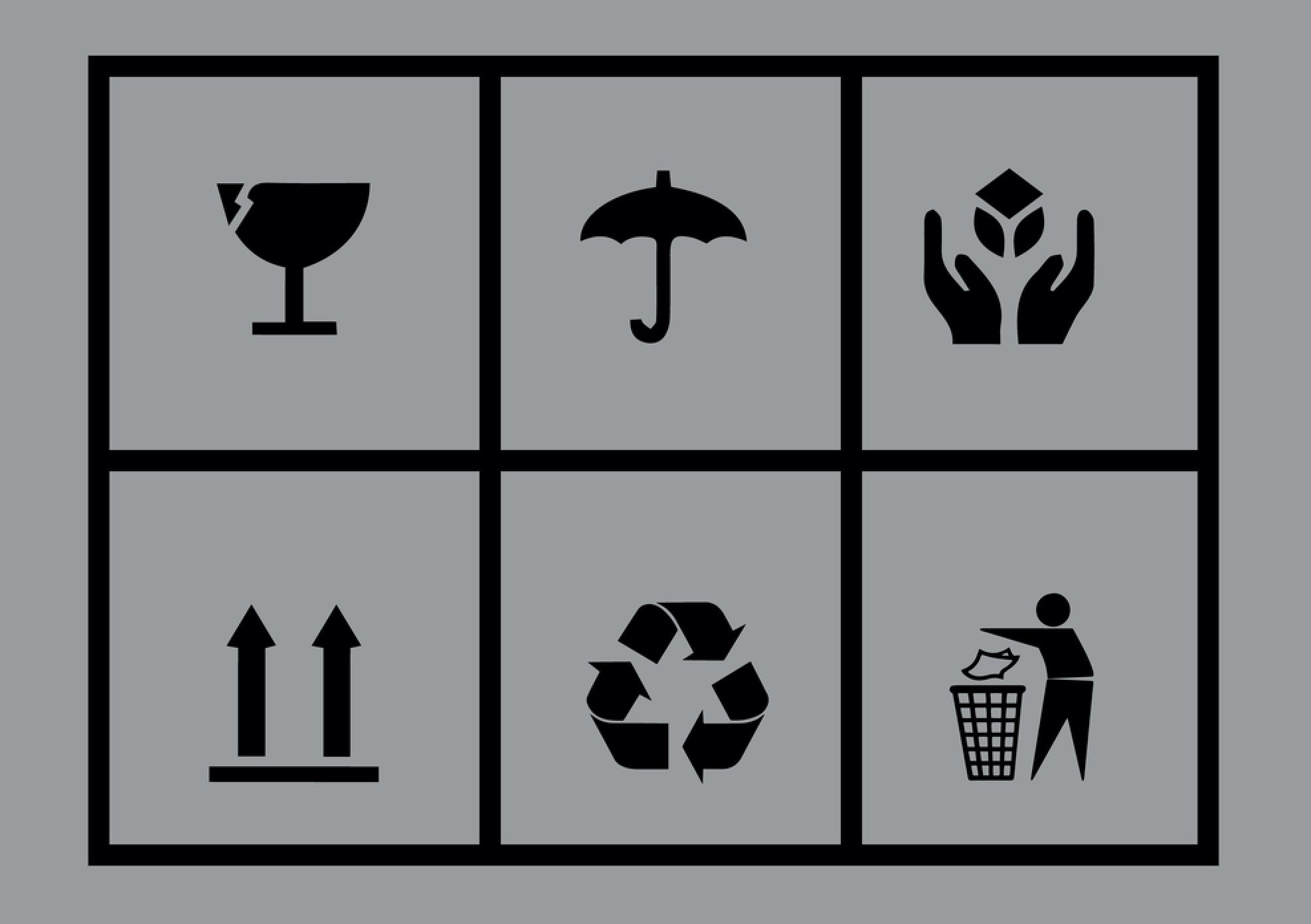
Communicate your packaging requirements to Prevent product defects

Your product needs to meet packaging requirements when shipped. This will often mean that all the necessary documentation will be present and/or visible on the package during the import and export customs process. You need to specify the packaging requirements and what exactly needs to be present on the outside of the box. This will safeguard against possible damage during shipment, ensuring their safe arrival. Packaging requirements to prevent product defects

What onsite tests and checks will you be doing?

Your quality control team, whether an in-house or outsourced team, have to be informed about the types of quality tests that need to be conducted on site. Once you confirm what tests are needed, your inspection team will need to know what testing equipment is needed per product. An electrical juicer for example will be tested differently to what tests will be needed for other product categories. If you choose to use an experienced third party quality provider you will be able to leverage their technical expertise, for example, the exact type of load testing that may be needed for a couch that is destined for the European market. An experienced third party provider will also have labs with controlled environments and all the right equipment to test your product, along with the constant monitoring of any updates in regulation that you may need to be aware of.  

Have you agreed upon the defect classification terminology?

Many importers choose to use the following classification terminology when dealing with their suppliers:

A critical defect – This is defined when the product may cause possible injury or harm to the end user. This product’s safety is compromised.

Preventing product defects - lab testingA laptop’s battery overheating that when unattended whilst charging can cause fires would be classified as a critical defect.
Where the product in question can cause injury to the end user, this results in product recalls and is hugely damaging to your brand.

A major defect – This is defined when its condition will affect the sale of the product in the marketplace, likely resulting in the end user returning it with dissatisfaction.

A coffee maker that does not heat the water adequately to make a decent, drinkable cup of coffee is classified as a major defect.

This product has caused dissatisfaction amongst its end users and they then return it to the store, likely reviewing the product online, which will have an impact on the future sales of that item.

A minor defect – This is defined when its defect is small, and will not affect its saleability in the marketplace and does not pose any harm or injury on the end user.

Take a wooden coffee table for example. Your quality control teams takes the product through its tests and they come across a scratch underneath the table.

This is a scratch that your end user will not see in normal use of the product or may never even see it for that matter. This is what we would classify as a minor defect where this product will still go to market as it will not cause any damage or harm to the end user.

But that’s not all…

What about a sample? I have left obtaining a sample for the end…as some importers don’t require a sample before production. While this is not a necessity, by adding this into your production procedure it can help you significantly reduce product defects that come from your selected supplier and factory. Once you have established the appropriate product requirements, you can then request a sample from your supplier. Once you receive your sample you need to analyze it and ensure that it meets all of your requirements, and then send it back to your supplier with either a confirmation to go ahead with your production, or with a list of further specifications that they need to meet. Well, what happens if it doesn’t meet your requirements? Samples will not always meet your specified product requirements. Often times you can catch this just by holding or looking at the product. But, more often than not a substandard product of will reach the end consumer opening your brand up to severe damage and risk. Preventing product defects - testing tools Therefore an important question you should be asking your supplier before all this is, how they will go about preventing any quality issues that may arise during your operation? Understanding how your supplier handles quality pressures and compliance procedures will help define what kind of relationship you have with them. Before mass production, your supplier needs to provide you with a technical compliance folder (TCF) which must contain full compliance reports from physical safety reports, to chemical safety to electrical safety. For any missing reports, your sample product will need to go through all of the testing procedures that is required to meet specific levels of compliance for your destination country. If after being tested and analyzed it does not pass the minimum requirements needed for the product, your factory should be able to provide you with a root cause analysis to address what went wrong and then advise on any corrective or preventive action plan. From here they will be able to make the adjustments as needed and you may also want them to send you another sample after they have made the adjustments that you specified.  

How to manage quality during your mass production process?

During the production process, there is often a variation in the quality of the products. This is why you should be employing a factory quality control team to minimize this scope of variation. This team does this through inline production checks that will identify any defects that can be amended on the production line. During your supplier selection phase you would have done an analysis on the success rate of your factory. This will help you determine whether or not you should outsource your inline inspections to a qualified third party quality provider. Their production line expertise will help raise the level of the overall quality system of the factory, therefore minimizing the number of product defects coming out of the factory.  

You can also secure the quality of your production through final inspection controls

preventing product defects - Sample test Managing product defects can also be addressed after mass production through a Endkontrolle (FRI) to check to filter out any last defects within your products. Often times samples are drawn after mass production for chemical testing and again during your first shipment and also in the case of a re-order shipment. Doing chemical tests on samples during these three stages is a way of ensuring that your products are still in compliance as contamination may have occurred on the production line or during your shipment process.

Wichtigste Erkenntnisse

Product defects are not ideal, suppliers hate them as much, if not more than you do. By following the guide laid out above, you will be setting a solid foundation on which to begin minimizing the amount of product defects that you experience. So let’s round this all up:
  • Communicate your product requirements
  • Communicate your packaging requirements
  • Defining onsite tests and inline tests
  • Defining your classification terminology
  • Establish a perfect sample
  • During production quality control process needs to be defined
  • After production quality control process needs to be defined
By following the steps as laid out above you will be achieving products of the highest quality every time. An insider’s tip! Build a collaborative relationship with your supplier. An often underrated element of preventing product defects is building a good collaborative relationship with your supplier. Go out of your way to develop this and it can have long term benefits for your organisation and the products that are manufactured.

IST DIE EINHALTUNG DER VORSCHRIFTEN EINE HERAUSFORDERUNG FÜR SIE?

CONTACT US TO BUILD A COMPLIANCE PROGRAM UNIQUE TO YOUR NEEDS TODAY

Kategorien
Blog

Comparing the old and the new in compliance software

Maintaining supply chain compliance is an issue retailers/importers have found more difficult to navigate in recent years with an increase in pressure from consumers for more ethical products, and the digitization of retail supply chains.

Dealing with compliance issues have long been managed by manual compliance document filing procedures, which may have provided one a greater level of control in some respects in the past, but also made it that much more difficult to stay on top of one’s supply chain with all the heavy paperwork.

The need for an update in the way that compliance was documented, implemented and achieved was evident.

This brought about the advent and introduction of an online compliance solution. Web-based filing presented an all-in-one platform that promised greater transparency, and control over one’s supply chain in real time.

However, even with this tool there are still retailers/importers today who rely on more traditional means by which to tackle ever evolving issues that can be more readily addressed with more the accurate reporting data, flexibility and speed of an online solution.

In this blog post we will take a look at the benefits of the online compliance software known as the TCF solution over traditional compliance filing procedures, in the hope of showcasing why bringing supply chain compliance into the online age is a must for your household goods business.

tcf_software_vs_traditional_compliance (2).jpg

Often times retailers locally and globally are unaware of the options that are available to them, and also what benefits they can have for their organization. This often leads to sticking with what you know, sticking to a solution that may not always have the best ROI for your organization.

Why is this TCF solution right for you?

TCF is an online compliance software solution that:

  • streamlines your compliance and regulatory operations
  • provides actionable insights into the performance of your suppliers
  • allows insight into areas of risk that you may not have seen before
  • is extremely cost effective and efficient

The kind of visibility that a solution like this promises goes very far to help increase your productivity, therefore having a positive impact on your ROI.  

Learn more about the TCF solution API provides for household goods here!

Achieving compliance traditionally is a challenge right from the start. The constant back and forth communication with your suppliers, with a flood of emails to your inbox to constantly keep track of, to the unreliable manual entry spreadsheets. There is too much room for human error here to remain as productive as what consumers today are demanding.  

The digital landscape we find ourselves in is all about keeping up with the constant demand of the retail supply chain. If your current compliance systems are holding you back with errors that can be avoided easily, then your supply chain may not be as competitive or as productive as it likely should be.

TAKE A DIVE INTO LEARNING ABOUT HOW RETAILERS WERE ABLE TO OVERCOME THEIR BIGGEST QA CHALLENGES TODAY! SIMPLY CLICK HERE TO GET YOUR CASE STUDY NOW

Kategorien
Blog

Compliance issues? You need this online software

Completing a Technical Compliance File as we know is a requirement by regulation. Consolidating compliance documents is an immense challenge and is a web of complexities that often creates confusion and uncertainty. The many rules and regulations that are needed for a specific product to attain a certain level of compliance are so complex that it can be unclear on how to begin addressing them let-alone having the in-house capabilities to begin addressing them.

“Is there a solution to this web of complexity?”

Eine in-house developed, web-based platform with 24/7 availability and safe storage of your documents has been created. A platform like this can create immense value for retailers, importers and quality directors, helping to alleviate some of the compliance pressures and complexities by keeping everything in one place.

In this post, I interview Aurelien Dalle, Chief Operating Officer for API, where we endeavor to uncover some of the frequently asked questions surrounding this new compliance software, and the benefits that it can provide for brands that struggle with compliance issues brought on by missing, incomplete or incorrect documentation.  

Q: What are some of the common challenges that organizations face with TCF and compliance in general?

  • There is often difficulty in having and keeping all the product, standards and regulation expertise and regulatory watch internally as more often than not it needs technical experts in many different fields to assist.
  • There is difficulty in keeping track of the documentation with no proper IT system for support and often relying on many emails and excel files for documents.compliance issues.jpg
  • In many organizations, the quality team is small. In some instances the only teams big enough to support such task are within the purchasing team and even then they are often in need of assistance from the laboratories for advice and judgement regarding compliance and quality in general.
  • That it is a huge and tedious task to map out the requirements for each product and to contact the suppliers to collect the all the documents. It can also be a wearisome task to review 50 page documents all in one day.

Q: What is the follow-up action after applying the TCF service?

  • If the client is unaware of the standards and regulations that are applicable to complete a TCF, the API TCF team can define and give recommendations on the scope of compliance (mandatory standards and technical documentation as well as recommended performance requirements) of the product for its destination market.
  • The API TCF team start contacting the suppliers by providing them access to the database and inform them, through the TCF tool about the exact requirements applying to the products so that suppliers can begin uploading the documents, should they already have the documentation on hand, otherwise the supplier will start arranging the necessary testing in laboratories.

Q: How can an organization benefit from this compliance software?

  • The TCF tool provides centralized information, that is available 24/7. We offer technical expertise from the API lab and automatic statistics to monitor specific supplier performance. There are also organized reminders embed in the system, tracking all sort of activity and dates within the tool.
  • Tracking of standards/documents validity and expiry dates and versioning, so the same file does not need to be re-checked for the following orders.

Q: What is the turn around time of a completed TCF?

The turnaround time is dependent on the supplier’s performance, so generally it can be from 1-2 weeks all the way up to 2-3 months. It can sometimes be more as some specific endurance tests span over several months.

Q: What are the benefits of using a web-based platform?

This software and its information is centralized and can be accessed from different countries. It minimizes the amount of emails sent and received while also reducing the number of collections of large documents. These documents are also then automatically and properly archived for each item.

Q: How do you ensure document security and confidentiality?

There is password protected access and secure encrypted pages that guarantee confidentiality. Therecompliance software - safe storage is also a dedicated IT team to ensuring the safety of the software and only API employees are allowed to make modifications to the platform.


There are many benefits to this TCF compliance software, an all inclusive solution that is able to streamline all of your compliance issues creating operational efficiency for your brand, increased visibility into your supplier and their performance as well as being able to mitigate against any unnecessary risks. 

An informative interview that has been able to clearly define the benefits of this solution do you have thoughts or questions regarding this? Contact Us!


IST DIE EINHALTUNG DER VORSCHRIFTEN EINE HERAUSFORDERUNG FÜR SIE?
KLICKEN SIE HIER, UM EIN COMPLIANCE-PROGRAMM ZU ERSTELLEN
UNIQUE TO YOUR NEEDS TODAY! 


Kategorien
Blog

[VIDEO] What is a Technical Compliance File (TCF)

Compliance and regulation has changed so much over the years with far more stricter regulations required for retail products today than ever before.The changing landscape has meant the very nature of compliance has become rather complex and difficult to achieve without adequate knowledge and expertise.

Compliance solution documentsMany of the compliance complexities that arise are in the collection and gathering of all the necessary documentation. Many manufacturers, importers and retailers today are still operating on outdated systems like spreadsheets, creating unreliable data and documentation, which creates an almost insurmountable task trying to maintain the information for each product reference.  

Often times professionals find themselves in a position of begging and pleading for documentation with nowhere to turn but to wait on the slow turning wheels of doing everything manually. Data, technology and cloud-based systems and solutions are where supply chains are headed.

Today’s consumers dictate the level of safety and performance they need to make a purchase of your product; this can either be seen as a challenge for your supply chain or as a golden opportunity.

What if there was an all inclusive compliance software that could streamline all your supplier and compliance operations in one place… accurately and reliably?

In this post, we seek to uncover the Technical Compliance File (TCF) solution – A compliance solution that will help relieve many of the compliance pressures that your supply chain currently faces.

What is a TCF?

Why a TCF?

At this point you may be wondering about the exact operating of this system, and what kind of benefits a compliance solution like this can have for your current operating systems. So let me tell you;

There are a number of reasons why retailers are in preference for this solution;

  • Technical expertise – There are dedicated teams to review what exact documents are required for the products and that the documents received are exactly what you are in need of, including all follow up with any supplier or factory that may be delaying you. These experts are also able to give technical advice where necessary, ensuring you don’t find yourself in a sticky supplier situation that can easily be avoided.
  • Online 24/7 access – The TCF solution has a 24/7 online dashboard with real-time updates allowingTCF compliance software you insight into your compliance status whenever you need it. There are also progress charts allowing you actionable insight into timelines and your supplier progress. This solution is also able to store all your documents for up to 10 years, ensuring your documents are safely stored for any future reference.  
  • Transparency – A solution like this can provide you with a real look into your supplier and/or manufacturer’s status in the workplace. It provides invaluable insights into the kind of supplier you have chosen to work with as you can track their compliance and regulatory progress online. 
  • Visibility – This allows you insight into what tests are being done and achieved in the lab, placing you in a better position of understanding the level of compliance your products are achieving.
  • Additional custom services – In having the expertise to analyze and determine the exact compliance and regulatory documents you are in need of, there are other custom services that can be offered if you find yourself short of an audit or specific product test that you need done to form a part of your TCF.
  • Separate supplier reporting – You are able to access reports on your organizational progress, but also your supplier’s progress. Your supplier is given access to a separate dashboard, so your information remains confidential.
  • Cost reduction – Streamlining the incredibly complex compliance process into one solution will be cost effective for your brand. Let me break this down for you; As mentioned earlier, a TCF is required as part of regulation, you already know what the process is in collecting documents from your factory, and all the follow-up communication that is required to get your documents. It’s often difficult and complex with little or slow results.

Regarding product compliance, let’s say for a furniture retailer, each item may need up to 30 documents (without counting all the submitted and rejected docs, which can be even more) to demonstrate compliance just for that product. As a retailer, you likely have more than 1 item that needs to achieve compliance, and with every document that is needed, each could take up to 30 minutes to evaluate properly, which equates to about 15 hours for just one product! If you have a whole range of products, you can begin to see how costly this whole process can become.

Risk Mitigation – The insight that this solution can provide into the most vulnerable areas of your supply chain can be invaluable information. The information that you will have access to should alert you to potential risks early on, allowing you the time to mitigate those potential risks. 

Enhancing your current quality management systems to include a web-based solution like this can set your brand at a benchmark above the rest.Compliance software web-based solution

As supply chains are increasingly becoming more digitally adaptive with cloud-based operating systems, it will be necessary for you to analyze your current solutions to be more adaptive to the current supply chain climate.

A comprehensive solution like this can create an operational efficiency for your supply chain that may have never even crossed your path. The benefits and increased visibility into your supply chain will be invaluable to optimizing your current quality systems.

In a better place of understanding this web-based solution, do you have thoughts or questions regarding the TCF? Leave your questions in the comments section; I would love to engage with you on this.

GET STARTED WITH YOUR VERY OWN COMPLIANCE PROGRAM TODAY!
CLICK HERE TO BEGIN 


Kategorien
Blog

Vermeiden Sie Compliance-Probleme mit unseren Qualitätssicherungslösungen

Die Qualitätssicherung ist für den effizienten Betrieb Ihrer Lieferkette und letztlich für das Ergebnis Ihrer Marke von entscheidender Bedeutung. Die Frage ist jedoch, wie oft Sie sich in Verfahrensänderungen verfangen, die Ihre Lieferkette in einem Netz von Komplexitäten gefangen halten, aus dem Sie nicht mehr herauskommen oder das Sie nicht mehr verstehen können.

Als Einzelhändler wissen Sie besser als jeder andere, dass diese Komplexität mit dem Management einer Lieferkette einhergeht, mit den ständigen Änderungen der Produktvorschriften und der Einhaltung von Vorschriften, mit Audit- und Inspektionsanforderungen und mit der Fähigkeit, Ihr Produkt rechtzeitig auf den Markt zu bringen, nachdem Sie alle erforderlichen Konformitäts- und Qualitätskontrollen ausreichend bestanden haben.

Qualitätssicherungslösungen.jpg

In diesem Stadium haben Sie entweder erwogen, alle Ihre betrieblichen Verfahren zu überarbeiten, um alle Änderungen, die befolgt werden müssen, zu berücksichtigen, oder Sie haben wahrscheinlich eine QA-Anbieter von dritter Seite. Dabei sollten Sie bedenken, dass Sie nicht allein sind. Das komplexe Geflecht, in das Sie sich verstrickt haben, kann effizient und genau nach Ihren Vorgaben bearbeitet werden.

"Was ich meine?"

Unsere Fallstudie wirft einen genaueren Blick auf die QA-Herausforderungen, mit denen zwei große europäische Einzelhändler konfrontiert waren, und zeigt auf, wie sie diese mithilfe von APIs überwunden haben einzigartig konzipierte QA-Lösungen.


Die Herausforderungen

Einzelhändler A - hat größere verfahrenstechnische Änderungen vorgenommen und musste feststellen, dass 50% seiner Sendungen aufgrund grundlegender Verfahrensverstöße zurückgehalten wurden, so dass sie als "schwebend" eingestuft wurden.

"Ich bin mir sicher, dass Sie wissen, wie sehr dies Ihre Lieferkette und Ihren Gewinn unter Druck setzen kann.

Einzelhändler B - Er begann mit einer großen Anzahl von Produktrückrufen aufgrund unvollständiger oder nicht verfügbarer technischer Konformitätsdateien.

Wenn Sie bereits Erfahrungen mit den Behörden gemacht haben, dann wissen Sie genau, wie kompliziert der Erwerb eines voll und ganz TCF ist!


Die Lösungen

Einzelhändler A - Nach der Einführung eines maßgeschneiderten Qualitätsmanagementprogramms konnte das Unternehmen die Zahl der ausstehenden Fälle von Nichteinhaltung von 50% auf 15% senken.

Einzelhändler B - Innerhalb eines Jahres ging die Anzahl der Produktrückrufe um 60% zurück, was auf die von API entwickelte Compliance-Software zurückzuführen ist.

maßgeschneiderte Qualitätssicherungslösungen und Fragen der Einhaltung von VorschriftenBeide Einzelhändler sahen sich innerhalb ihrer Lieferketten mit erheblichen Problemen konfrontiert, einer von ihnen hatte sogar zuvor die Dienste eines externen QS-Anbieters in Anspruch genommen, der jedoch keine Fortschritte bei der Bewältigung der Probleme mit ihnen machte.

"Es gibt keine Einheitslösung für die Qualitätssicherung".

Behalten Sie dies im Hinterkopf, wenn Sie über die Inanspruchnahme eines externen QS-Anbieters nachdenken.

Diese Fallstudie soll zeigen, wie wertvoll es ist, einen Anbieter zu beauftragen, der in der Lage ist, seine Qualitätssicherungslösungen genau auf Ihre Bedürfnisse und Anforderungen abzustimmen. So erhalten Sie wertvolle Einblicke in Ihre Lieferkette und können Risiken frühzeitig erkennen, aber auch eine Art Partnerschaft mit Ihr Anbieter, basierend auf Vertrauen und einer quantifizierbaren Lösung, dieg Wachstum und Nachhaltigkeit für Ihre Marke. 

Kategorien
Blog

Quality Vs Compliance – The Case For Supply Chain Synergy

The age old debate of quality vs compliance or compliance over quality is something that we still wrestle with today. By defining what these concepts mean, we can start to paint a picture of why one may take precedence over the other in your eyes: Quality – This specifically refers to the ability of a product or service to consistently meet and exceed customer expectation from its design to its functionality. Einhaltung der Vorschriften – This specifically refers to whether or not your product meets specific product compliance regulations so as to be responsibly bought or consumed by a customer. Now, depending on your brand’s positioning and goals, you will likely be placing value on one over the other, putting your brand at unnecessarily high risks that can result in avoidable costs for you. “Does it really have to be one over the other?”  When quality and compliance are able to strike a harmonious balance within your supply chain, you create operational efficiencies that are able to create opportunities for growth in the marketplace, something your brand can benefit from by setting you at a bench mark above the rest In this blog post, we seek to uncover the importance of both quality and compliance and the benefits they have to manufacturers, suppliers and retailers all over the world, ultimately taking a closer look at what the perfect union of these two concepts can mean for you.

The case for quality

When one speaks of the quality of a product from a manufacturing perspective, it refers to the external review of a product. It seeks to satisfy consumers through its quality with regards to design, functionality, durability and aesthetic appeal. Quality vs compliance - aesthetic furnitureThe quality of a product can be defined in many ways and is almost always dependent on your specific consumer and their definition of quality for your specific item. So in that light, you will need to know exactly what your consumer is looking for to create the quality your brand is looking to achieve. When a consumer sets out to look for a quality product, they want to feel as though they have paid less than what the actual product is worth, the quality of the product far surpassing the amount they ended up paying. Fulfilling the need to exceed the consumer’s expectations, this is what true quality is all about. If fulfilling the need to meet your consumer’s expectations is at the top of your company’s agenda, is it not essential for your brand’s products to meet a level of quality that does just that? Let me leave you pondering that for a bit. In attempting to understand your customer’s definition of quality, it will be important to note that fulfilling consumer expectation and experience forms a part of that definition. Let me give you an example; If a consumer orders a product that has met and passed all quality tests it needed to meet, that product for all intents and purposes is a quality item. But, if the order arrives later than promised or arrives with a missing screw or the incorrect color, the consumer may not define this product as an item of value and quality. Striving for product quality is a stems right from the raw materials used, to the way in which it arrives to your customer, therefore every step needs to be taken into consideration.
The case for compliance

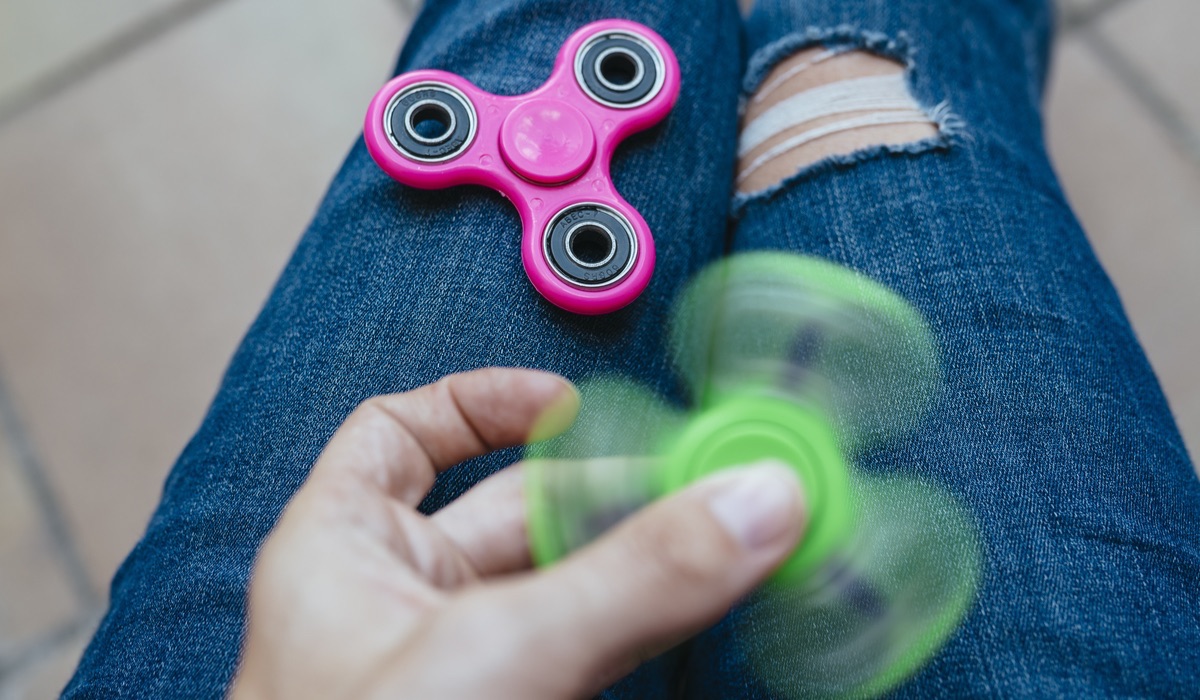
When a brand takes on compliance, it seeks to meet the minimum regulatory requirements specific to a product or item sold to a retailer. This may mean that although the product is not of the highest quality, it at least meets the minimum mandatory regulation requirements specific to it. Depending on your product’s destination market, it will likely need to comply with one or more of the following; * Product safety regulations * Substance regulations * Document requirements * Labeling requirements * Testing requirements You do not have to comply with all of these; as it will depend very much on your product and the market that it needs to enter. The importance of compliance is highlighted none the better than with the recent global Quality vs Compliance - Fidget Spinnerscraze of fidget spinners and, where 200, 000 of these spinners have been recalled due to it massive non-compliance failures. Many of these items that are being imported have been found to be non-compliant with the regulatory requirements specific to its markets. This is becoming a big problem as they have also proven to be a danger to children as the small parts they are made out of can and are causing serious harm. Where the confusion sets in, is that a product is capable of being compliant, but also not be the best quality product. The opposite is also true; you can have a quality item that does not meet all the regulatory requirements either. An issue like this can often arise within your supply chain whether it be in the design process, or even within the manufacturing process. This can create a high level of risk for your brand, and could land you in a position you do not want to be in.
The case for supply chain synergy

So as the debate goes, we seek to uncover the myth that quality supersedes compliance and vice versa. They need to work together, hand-in-hand, where they can create true value for your brand through optimized quality procedures from your factory to the consumers. Striving for compliance means to create operational efficiency for your supply chain. This means continuous improvements for your brand and its systems. These improvements can take the form of a compliance program which will begin to address the quality procedures (operationally and product quality) of your entire supply chain. The improvement of these systems will mean that you reduce your exposure to risk and also create a more visible and transparent supply chain, which consumers today base their buying decisions on. Always keep this in mind. A compliance program will also extend into the manner in which you select your supplier and evaluate the factory that your product will ultimately be made in. Ensuring that your supply chain is compliant will mean that you are essentially creating quality operating systems. Quality operating systems will mean that the product you produce is being made in the most optimal environment. A well-functioning environment where quality and compliance is a part of every operating system will flow into the very essence of your product, making consumers want to purchase your product at a price that they feel is undervalued for an item of such great quality Today’s consumer is empowered with access and knowledge into your product and your supply chain;Quality vs Compliance they want to know where its raw materials were sourced, how it was made, who made it and what its level of quality is. They ask themselves whether or not your product will be an investment in their lives. The key here will be to know your target market, know your consumer. If you do not know what they want, you will struggle to be their go-to brand; you will lose out on their brand evangelism and praise affecting your bottom line “Is this the type of brand and product you wish to create?” Retailers today are under so much pressure with the current supply and demand of products, that quality and/or compliance is not always a priority. “But, it should be!” Bad quality and non-compliance both mean that your brand is at an unnecessarily high risk with regards to meeting regulations and your reputation. It will be worth all the hard yards that you put in from the creation and design to the manufacturing and distribution of your products. This will help mitigate unnecessary risk, saving you money and precious time.


Schlussfolgerung

These two concepts can be integrated into your supply chain through a Quality Management System – “QMS is a set of policies, processes and procedures required for planning and execution of a product or service.” This should help you create a structured system for continuous improvements that can be made to all areas of your supply chain and its operations. Today’s empowered consumers show us just how important both quality and compliance are for your products and brand. It will be important to make these a priority in order to maintain that globally competitive advantage. If you are interested in learning how to build a compliance program that also addresses product compliance within your supply chain take a look at the eBook we wrote on how to go about doing just that.

Get started with your very own compliance program today!

Click here to begin

Kategorien
Blog

Shipment Stuck In Customs? 7 Steps To Avoid Import Delays

As a professional importer, a dreaded shipment delay is likely something that keeps you up all night and keeps you pacing the office all day. Then the day arrives! You get the call you’ve been waiting for alerting you that your shipment has arrived, and suddenly, your worst nightmare becomes a reality… Your goods are stuck in customs! Tackling customs is a bureaucratic nightmare most importers have had to deal with one time or another, and it’s something that if not dealt with quickly could spell a host of problems you’d much rather not have to deal with at all. What if you could avoid import delays all together? It’s all about the preparation of your import documentation. In this blog post, I want to provide you with a 7 step checklist that will help you navigate customs without a hitch or hassle in sight. We will take a look at the documentation that needs to be filled in correctly from start to finish, so you can say goodbye to your shipment stuck in customs for good! “So, what is the process?”

#1 An import license

Ensure that you have applied for an import license. You will not be able to ship your goods without this license. It specifies your permission to bring a certain amount of goods into a specific country and is only valid for a certain period of time. A top tip would be to create a file to keep all your import and shipping documents in one place. This may seem obvious, but with the mountain of paperwork that begins to pile up, it becomes easy to lose a document, which could result in a costly and time-consuming delay that could have been avoided with just a little bit of organization on your part.

Shipment stuck in customs - customs declaration

#2 An import declaration

This document is to merely state your intention as an importer to bring valid goods into a specific country. You need this document to verify you, as an importer, and to verify your goods in your destination country.

#3 Your invoice needs to be all inclusive

Your invoice needs to match your actual shipment. While this may seem like an obvious thing, it is often overlooked and can cause havoc during your customs clearance. An all inclusive invoice can look something like this:
  • Country of origin
  • Destination country
  • Name, surname, all possible contact information of both supplier and importer
  • In some cases, a Tax Id number will need to be provided
  • Payment method will all reference numbers and dates
  • Quantity of shipment
  • Total price of shipment
  • Total weight of shipment
  • A full description with the common naming of each item you are importing – I will touch base on this in my next point.
“Wait, there’s more…”

#4 Classification of goods

When classifying your goods for import, you need to be as in depth and detailed as possible with regards to each item that you are shipping. This classification of your goods will create a smoother process for the customs official, which will in turn ensure a faster turn around time for your shipment.

#5 Declaration of conformity

In many countries importers are in need of preparing a declaration of conformity; “What is a declaration of conformity?” “This is an official document confirming that the product was manufactured (as well as developed) in full compliance with all applicable requirements in place and technical rules that are described in certain Technical Regulations of Customs Union.” As an importer you will need to be aware of the specific regulations that your product needs to comply with in order to know which certification you need.

# 6 POA – Not a plan of action, a Power Of Attorney

Stcuk in customs - POAA POA is essential for filling out shippers exportation documents. This exportation document cannot be completed without a valid POA. Without it, your shipment will not be released, costing you time and money. “So, what happens when one of these documents are not in order?” You incur costs that begin adding up on a daily basis. Your shipment will be warehoused, where you will be billed for every day your shipment is there. It will be time consuming. Much of the paperwork mentioned above takes time to complete, but now you will be waiting on paperwork while raking up warehouse fees. This is not an ideal situation but can be avoided with thorough, well-kept, organized paperwork and a dash of patience to go along with it.

#7 Do use a customs agency

If you think that managing large orders on your own is something that you are willing to put all of your efforts and time into, then, by all means, go ahead. But my advice would be to use a customs agency. A customs agency has the expertise and knowledge to ensure that all the right paper work, permits, licensing and classifications are in order, so as to relieve yourself of those dreaded moments of hearing that your shipment is stuck in customs due to incorrect paperwork. They are also familiar with regulations and compliance standards that need to be met, that are also specific to your desired location and specific to your product.

Takeaways

Your documentation is absolutely crucial to a smooth customs experience. Nip customs issues in the bud by:
  • keeping all of your import documentation in one place
  • ensuring you have the right documentation that is specific to your product and destination country’s regulations
  • being clear in your classification of each and every item you are importing
  • not under valuing your product. If there is just a whiff of under valued items your shipment will be flagged, and you will get stuck unnecessarily which will prove to be a much more costly exercise for you
With these actionable steps, some sharpening of your organizational skills, and a bit of patience, you can begin to systematically tackle the paperwork that will see you through the import process.

compliance challenges?

Start building your own compliance program today – Click on the image below to get your free copy!