What you should know about Christmas tree testing

Categorías
Blogs

What you should know about Christmas tree testing

Christmas, a very special holiday celebrated all around the world, a sacred time spent with family and friends, houses adorned with traditional decorations and illuminated in a splendor of colors, all leading up to the childlike anticipation of Christmas day, the gifts, the food and the wine!

While it may still be quite a few months off for most people, it is now that time of year when suppliers and retailers the world over begin their arduous preparations for the very busy festive season ahead, starting with none other than the hallowed Christmas tree.

In 2015, 12.5 million artificial Christmas trees were purchased in the US alone at a Christmas tree testingpurchase price of $69.38 each, resulting in revenues totaling $854 million for manufacturers in that short period. As a holiday that approximately 2 billion people around the world celebrate, the market for Christmas and these trees is undeniably massive, not to mention the powerful potential for profits it promises.

But, what happens when things go wrong on the production line?

Between 2010 and 2014 fire fighters responded to an annual average of 200 homes that were reported to be on fire or burnt down in the US alone due to fires started by Christmas trees with a total damage of $16.2 million. Fires started by malfunctions in artificial trees highlight the critical importance of strict quality control measures needed in place during and after production, from the lighting within the tree, the temperatures they produce to the types of plastic that is used to manufacture the tree.

Can your company stand to lose millions because of negligence in the QC process? What about the implications brought about from families that lose their homes or worse?

Preventing unnecessary damages and losses before they happen should be at the top your Christmas wish list. In this blog post we talk to Francois Deudon, CEO of Asia Pacific Inspection, as we seek to understand the technicalities that go into the making of Christmas trees and the essential QC procedures/tests involved in the production of these products, helping to ensure a safer, happier and more ‘festive’ festive season for us all…

Q: What are some of the challenges involved in the manufacturing of Christmas trees in terms of quality?

Christmas tree branch bending procedureA: One of greatest challenges is ensuring that each branch is able to comply with the NFS 54200 / Decree 2003-1123 without any accessible sharp points. In order to comply with this requirement, an industrial practice of bending the end wire of each branch to prevent any accessible sharp points. Many Christmas trees contain hundreds of branches, so the quality control of suppliers plays a significant role so as to manage the potential risks.

Q: One of the biggest concerns that consumers have is the PVC content of an artificial tree – How do quality procedures overcome this kind of challenge?

A: The quality control involved from the design stage to the mass production stage is needed to manage this concern. In the design stage, a client will instruct the supplier that only qualified raw materials should be used to create this product. In the pre-production stage, raw materials or products should be submitted for testing to ensure that these qualified materials are used. Suppliers should not only use these qualified materials; but they should also be able to avoid contamination during the production process. The clients should then assess the chemical management system of the factory, when they choose a supplier. After the production is completed, the client could then appoint a third party company to pick a sample from the mass production for chemical testing to ensure only qualified materials are being used for production and that there is no chemical contamination.

Q: Are suppliers more aware of the raw material and construction of trees that need to comply to strict Christmas tree testing processinternational regulation?

A: The more experienced a supplier is the better he will understand the regulations of any given country. Here it will be the retailer or the importer’s responsibility to choose an appropriate supplier. This can be done through a technical audit, which could help measure the capability and capacity of suppliers, providing valuable information when choosing suppliers.

Q: Do you think stricter quality control or inspection measures can help reduce the amount of fires that are started each year due to artificial Christmas trees? How so?

A: Yes, the testing on mass production products will assess the flammability of artificial Christmas trees. It could also avoid unauthorized change of the materials during this mass production process.

Q: What quality tests are absolutely essential before shipping Christmas trees off to various distributors?

A: The flammability test, the sharp point sharp edge test and the REACH test are absolutely essential before shipping to any distributors.

Conclusion

While retailers and importers across the globe are preparing for all the holiday joys, what we have learnt is that it will be important to select the correct supplier, based on previous testing records or it may even be important to consider an audit that will help identify any procedural risks early on, as the scope of the festive season is too big to cut any corners as any faults of failure will have the potential to lose you millions. The various Christmas tree testing procedures will be important to ensuring that the festive season will be a safe and happy one all round.

Are YOUR QUALITY ASSURANCE SYSTEMS LETTING YOU DOWN?

FIX YOUR ISSUES TODAY WITH OUR FREE GUIDE BY CLICKING HERE!


Categorías
Blogs

10 cosas que aprenderá de un proveedor de calidad externo

¿Tiene la sensación de que, por mucho que planifique, el laberinto de la compleja logística siempre le atrapa? Gestionar con éxito sus sistemas de calidad es clave para el éxito de toda su operación. Mientras intenta mantenerse al tanto de su logística, recursos, planificación y estrategias dentro de su cadena de suministro, es posible que nunca haya considerado la contratación de un proveedor de calidad externo. En esta entrada del blog, nos proponemos analizar cómo puede beneficiarse de la contratación de un proveedor de calidad externo:

1. Experiencia - Un proveedor de calidad externo cuenta con una amplia gama de clientes, lo que crea una extensa red y una gran cantidad de conocimientos que se pondrán al servicio de su empresa. Tercer proveedor de calidad - peritaje.jpgcon procedimientos de calidad eficaces. También están al día de los últimos avances del sector y de las mejores prácticas a seguir. Como resultado, dispondrá de toda la experiencia y conocimiento sobre sus procedimientos de calidad a su disposición; esto puede ser muy valioso para sus procedimientos de calidad y logística.

2. Eficiencia - Un proveedor de calidad externo dispone de la infraestructura necesaria para gestionar toda la logística que necesite de todos los certificaciones y documentación a la tecnología necesaria para garantizarle una entrega puntual y un producto de alta calidad. Además de gestionar la logística, también aportan toda la experiencia técnica de contar con inspectores de productos locales y una amplia red para crear esa eficiencia en la logística que usted necesita.

3. Tecnología  El uso de la tecnología y el software adecuados para optimizar su cadena de suministro puede resultar demasiado caro para tenerlo en la empresa, por lo que aprovechar la tecnología que puede proporcionar una empresa de calidad externa puede ser el camino a seguir. Pueden ahorrarle tiempo y minimizar sus riesgos mediante el seguimiento de inventarios, la gestión de almacenes y pueden proporcionarle la certificación de conformidad de calidad según sus especificaciones.

4. Rendición de cuentas - Tras reunirse con su proveedor, será importante que acuerden una serie de expectativas que deberán cumplirse; un documento de este tipo les ayudará a responsabilizarse de los procedimientos operativos y de sus éxitos. También será importante que su proveedor de calidad demuestre si puede o no cumplir las expectativas fijadas.

5. Innovación. Gracias a su experiencia, son capaces de satisfacer y ajustarse a sus necesidades de la forma que consideren más adecuada, lo que les permite innovar para lograr los mejores resultados posibles para usted y sus procedimientos operativos.

6. Optimización - Junto con la tecnología y el software que utilizan, son capaces de identificar los riesgos potenciales antes de que se produzcan y de introducir mejoras continuas a lo largo del proceso. La optimización continua es clave para el éxito de cualquier procedimiento de calidad y cadena de suministro.

7. Red - La red de la que dispone una organización subcontratada puede ser amplia, lo que proporciona a su empresa la mejor relación calidad-precio, así como redes de eficacia probada para llevar a cabo sus operaciones. eficaz y eficiente.

8. Reducción de riesgos - Gracias a los recursos y la tecnología de que disponen, son capaces de minimizar los riesgos que usted experimentaría normalmente. Tendrán la capacidad de identificar los riesgos potenciales en una fase temprana, dejando margen suficiente para mitigarlos si es necesario.

9. Flexibilidad. La externalización tiene la flexibilidad necesaria para ajustarse a los rápidos cambios, movimientos y complejidades que se experimentan dentro de la cadena de suministro. Gestionar internamente ese tipo de cambios puede ser incluso la causa de riesgos dentro de la cadena de suministro.

10 cosas que aprenderá de un proveedor de calidad externo - Logística internacional

10. Logística internacional - La exportación y la importación internacionales requieren una buena dosis de logística y gestión para garantizar que su producto llegue a sus manos de forma segura y en buenas condiciones. Una empresa subcontratada es capaz de gestionar toda la logística internacional, desde las inspecciones de fábrica y la conformidad hasta las pruebas internacionales del producto.

La externalización de sus procedimientos de calidad y logística tendrá efectos en su cuenta de resultados, pero también puede crear la oportunidad de mejorar la calidad, credibilidad y eficacia de su marca, ayudándole a mantener una ventaja competitiva en el mercado. Al considerar sus actuales procesos logísticos y de calidad, puede considerar las ventajas de externalizarlos la próxima vez.

¿Está listo para empezar hoy mismo a optimizar sus procedimientos de calidad?

Categorías
Blogs

Procedimientos de control de calidad para optimizar la eficiencia de su cadena de suministro

¿Necesita optimizar sus procedimientos actuales de aseguramiento de la calidad? ¿No sabe por dónde empezar? Determinar la posición actual de sus sistemas de calidad puede ser difícil de comprender, con procedimientos complejos que analizar y la tecnología más nueva que es demasiado cara para adquirirla... En este eBook, analizamos cómo puede optimizar sus sistemas actuales a través de la estrategia y un análisis y planificación exhaustivos, que pondrán a su marca en una posición de oportunidad y crecimiento. Descargue nuestro GRATIS guía para optimizar sus sistemas de aseguramiento de calidad. Hacer esto no solo aumentará la calidad de los productos de su marca, sino que también mejorará la credibilidad de su marca, aumentando su ventaja competitiva.

Echa un vistazo nuestra guía completa sobre la optimización de sus sistemas de aseguramiento de la calidad.

En esta guía podrás:
  • Define claramente los desafíos de calidad que enfrentas actualmente
  • Defina claramente las soluciones que puede aplicar a sus sistemas actuales para mejorar.
  • ¿Cómo puedes implementar el soluciones en sus sistemas de calidad
  • También nos adentramos en cómo las marcas globales están adoptando diferentes soluciones de calidad y qué lecciones podemos aprender de ellas.
No tienes que gastar una fortuna intentando conseguir lo último y lo mejor tecnología para integrar a su cadena de suministro. Se trata de ser estratégico y analizar los desafíos y necesidades únicos dentro de su cadena de suministro y luego adoptar una tecnología que se adapte exactamente a eso. procedimientos de aseguramiento de la calidad
IKEA, por ejemplo, necesitaba una forma de reducir los costos de su cadena de suministro, así que lo hizo, a través del análisis y la planificación concibieron un concepto llamado Costo por contacto, este método se basa en el número de "toques" que recibe un producto a lo largo de todo el proceso de la cadena de suministro hasta que un cliente lo compra. Este concepto les permitió reducir sus costos, pero también les ayudó a lograr un mejor estrategia de gestión de inventarioEste concepto, a través de la planificación estratégica y el análisis, también fue innovador en su aplicación. Será importante vigilar qué marcas globales que está haciendo para que pueda realizar mejoras continuas en su cadena de suministro para mantener esa ventaja competitiva a través de procedimientos de garantía de calidad totalmente optimizados.

¿Está listo para comenzar a optimizar sus procedimientos de aseguramiento de calidad?

Solo haz clic aquí para solicitar tu Optimización de Calidad de Garantía Gratuita guía

Categorías
Blogs

Where Regional Brands Fail and Global Brands Succeed

Over the years there have been shifts in the supply chain, where gaining a competitive advantage through your entire supply chain can be essential to your success. It has become virtually impossible for a company on its own to reach this position. Today we see the power of the market in the customer’s hands, therefore without an agile, flexible supply chain, you may not be able to keep up with the demands of the market. It is an ever-changing landscape, that is defined no longer by the designer. In this blog post, we take a look at where regional household goods brands fail and what successes they can take from global brands.

Regional Failures

There are many reasons that can cause a regional retailer to experience supply chain failures, here we dive into a few of these reasons:

1.Risk Management strategies – Risk is a part of any and every supply chain. Regional retailers often put out fires all along the supply chain instead of preventing fires thr ough risk prediction. Many companies do not understand the value of having a risk management strategy, there is often the misconception that it is a costly strategy to have in place, while there is a cost to implementing this. Take into consideration what risk can cost you, more or less than having a strategy in place? This is multi-faceted and requires a strategic approach.

2.Delivery delays – With customers defining market trends and the speed at whichRegional household goods brand - delivery delays.jpgthey need products. You may find yourself at a loss with a delivery delay. Contingency plans are essential to ensuring your product gets to market. A contingency plan allows you to manage this without causing your brand any damage. These kinds of delays cause customer dissatisfaction pushing them to buy your product elsewhere.

3.Inventory Management – Inventory management is a complex procedure from ensuring you have enough inventory on hand to ensure you don’t run out of inventory in your warehouse. Both sides of this coin can have detrimental effects for your brand. Regional brands do not often know how to manage this balance effectively rendering the product either unwanted or leaving customers unsatisfied. Regionally inventory management is often done manually; this causes inconsistency with too much room for human error. This kind of procedure can often be costly and time-consuming.

Echa un vistazo nuestra guía completa on optimizing your quality assurance systems

Global Success

Global brands, have much larger and more complex supply chains to navigate and therefore face the same potential failures regional brands do, but this larger, more complex web of intricacies requires an efficient, well communicated operating procedure for every step of the process.

Regional household goods brand risk management.jpg1.Risk Management – Global brands take every procedure into account when understanding possible areas of risk. From sourcing to logistics to inventory management, each of these areas affects one another. If there is a problem with sourcing, it inadvertently affects the logistics of the entire operation. Therefore a brand such as Amazon needs to have a Risk Mitigation strategy that spans the entire operation.


An example of a risk strategy would be the adopting visibility tools that are used to keep track of various shipments in real-time that also enable you to take action in the case of a delay.

2.Delivery Delays – Global brands use software with real-time updates on their shipments. This technology helps to identify any problems or deficiencies in a timely manner. While this may not be preventative, it does make sure there are no surprises. To prevent these kind of mishaps, using a Transport Management System which promotes cross network communications.

 3.Inventory Management – When it comes to managing inventory on a global scale it is safe to say that softwareRegional Household goods brand - inventory management.jpg should be used. Automating this processes allows for transparency and an up to date inventory procedure.

Zoho Inventory is software that enables you to manage and keep track of your orders and inventory with real-time updates, keeping you ahead of your supply chain.

The above challenges don’t have to mean the end for your brand. Begin assessing which of these strategies will provide the biggest benefit to your supply chain, while some of them may cost you to put in place, ask yourself whether or not it may be worth it in the long run. We cannot predict the future or the way in which supply chains function under pressure, but you may want to find yourself in a position where you have the best possible strategies to deal with whatever challenges may come up, minimizing the potential risks your entire operation may face. The above-mentioned failures are to enlighten the perception around these specific strategies, with clear communication, an effective strategy and a plan of action you are likely to begin addressing those pressing supply chain challenges that you face. “Are you a brand that has struggled with the above mentioned?” “Were you able to address your challenges successfully?”

Need more help?

Check out our comprehensive guide to learn more about implementing a global quality assurance system here.

Categorías
Blogs

4 Supply Chain Solutions For Global Brands

Supply chain managers often read supply chain news and yearly trends in order to remain competitive and to determine how they can implement best practices. As we analyze these trends we often look towards global brands and to the way in which they manage their supply chains to achieve their goals. It can be hard and expensive for larger companies and organizations to quickly implement new strategies and adopt new processes in order to stay on top. To remain globally competitive there are particular strategies that are implemented to achieve those successes. In this blog post, we look at what supply chain solutions can be used to create more transparency, collaboration, and efficiency.

Supply Chain Management Challenges

Supply chain managers face a host of challenges and pressures to constantly keep up with all the moving and evolving parts. Here we list three of the biggest challenges that brands currently face that without being able to manage these effectively can have detrimental effects for you and your brand.
  • Managing Suppliers – As a supply chain manager you are responsible for knowing all there is to know about your suppliers, from how many suppliers you have to how many are needed specific to your brand. As with any supplier-related problems you need to be able to handle delays, this goes with the territory. Every interaction you have with the supplier needs to be effectively planned thought out in order to create consistency and a smooth running procedure.Supply Chain Solutions Supply Management .jpg
This can be done through clear communication, a set of agreed upon objectives to work towards, ensure that regular meetings are held in order to address any complications and progresses that are being made. Following these steps may seem obvious, but this can also be a time consuming until you are able to integrate this effectively into your strategy. This helps to build a stronger supplier relationship and will have long-term benefits for all involved.

Echa un vistazo nuestra guía completa para obtener más información sobre la implantación de un sistema global de garantía de calidad.

  • Risk Mitigation – Adopting a supply chain risk mitigation strategy may be the way to go to avoid the risks that arise. Risk mitigation strategies can include anything from supply chain flexibility to requesting internal supplier related processes to ensure all systems, procedures, and potential risks may be flagged with ample time to rectify if needs are.

Supply Chain Solutions Risk Mitigation .jpgIf we take a look at Targets mistake of launching the toddler sized Barbie SUV country-wide, the problem they faced was that their distribution centers were receiving inventory faster than they were distributing it to stores across the country. This meant that there were Target stores that had empty shelves with none of the promised items in store. They attributed this to inconsistencies between actual inventory and the computer records. A mistake like this will have cost millions in revenue loss, but also detrimental to both Target and Barbie. As a supply chain manager, it is up to you to ensure you suppliers and distribution centers operate on the same system to mitigate risks like this occurring.


  • Supplier relationship management– (SRM) works on a set of processes that drive consistent, clear interactions between the supplier and buyer, SRM programs build new capabilities that enable strategic sourcing and procurement to make the most of the supplier relationships. Effectively applying SRM as a part of your strategy can help achieve greater quality in your product, faster time to market and results for your bottom line, this owing to the successful implementation of an SRM system.
  • Management Inventory – Managing inventory is all about balance, always ensuring you have enough inventory on hand to be able to account for any unforeseen delays so that you do not go “out of stock”. On the other hand, you also do not want to have too much inventory, whether your product is perishable or your product goes out of style, a mismanaged inventory can have vast implications for both brand and supplier. Therefore an efficient inventory control system is crucial.Supply Chain Solutions managing inventory .jpg
If we take a look at Walmart, despite the precision and technologically advanced supply chain management system, they are continuously failing to restock popular products creating a disruption between the customer and their brand, also resulting in revenue loss. They have attributed this to a shortage of staff within their distribution centers, with not enough people to manage the vast amounts of inventory coming and needing to go. Implementing these supply chain solutions effectively will assist in alleviating some of the challenges and pressures that are experienced on a daily basis. These solutions should enable you to keep up with global trends and remain a strong competitor within the industry. Do you have any thoughts or experience on specific supply chain solutions that have had impact on your supplier relationships?

Need more help?

Check out our comprehensive guide to learn more about implementing a global quality assurance system. Simply click on the image below to download your FREE copy.

Categorías
Blogs

Fortalecer las relaciones con los proveedores 

Como profesional de la garantía de calidad, es probable que haya notado algunos de los principales cambios en la industria y cómo se han relacionado específicamente con su trabajo. Se ha pasado de un simple enfoque transaccional que no requería ningún tipo de fomento a una relación más orientada al proveedor que exige compromiso, aceptación y colaboración entre usted y su oficina de compras. Tampoco puede pasar desapercibido que también hay directrices y criterios de cumplimiento mucho más estrictos a los que atenerse. Teniendo esto en cuenta, es importante tomar nota de estos cambios y hacer los ajustes necesarios. Esto le permitirá mantenerse a la vanguardia de las tendencias mundiales y competir en un mercado global. En esta entrada del blog, exploraremos algunas de las tendencias históricas del aprovisionamiento global y lo que los cambios en estas tendencias pueden significar para usted y sus relaciones con los proveedores. A lo largo de los años, la revolución tecnológica ha optimizado todos los sectores del planeta, pasando de un enfoque transaccional de las compras a otro más estratégico, enfoque holístico a toda la cadena de suministro, haciendo hincapié en el fortalecimiento de las relaciones con los proveedores para optimizar plenamente toda la cadena de suministro.  

Evolución de la contratación global

cómo establecer relaciones duraderas con los proveedores .jpgAnalicemos algunas de las tendencias históricas del aprovisionamiento global. Un breve repaso nos proporcionará las razones por las que seguimos estas tendencias y lo que significan para hoy. Estas tendencias sustentan la forma en que actualmente vemos y llevamos a cabo el aprovisionamiento, por lo que es importante entender cómo ha evolucionado. A principios de los años 60 se prestaba mucha atención a las compras, aunque seguía siendo un puesto administrativo. A medida que avanzábamos hacia los años 70 se fue reconociendo la enormidad de la tarea, por lo que se convirtió en un departamento propio, un departamento centrado exclusivamente en las compras y todos los procedimientos que conllevan. A lo largo de la historia, la política, el medio ambiente y el gobierno afectan a todos los elementos de la economía y su funcionamiento cambia. El embargo petrolífero de finales de los 70 hizo que las compras pasaran a estar en manos de las empresas, lo que hizo que en los 80 las compras adoptaran un enfoque más estratégico en cuanto a calidad, cantidad, plazos, fiabilidad y estrategia. Como seguramente ya sabrán, en los 90 todo giraba en torno a la reducción de costes, a veces a expensas de la calidad. Aunque también hubo un mayor énfasis en el desarrollo de relaciones a largo plazo con los proveedores, con contratos a largo plazo. Esta era también alumbró una buena gestión de las relaciones con los proveedores. El sitio progresión de la tecnología se ha ido abriendo paso a lo largo de cada década, facilitando los sistemas de contratación y convirtiéndolos en un procedimiento más eficaz, por no decir que las complejidades de la contratación no han crecido paralelamente. Hoy en día, la tecnología está a la vanguardia de nuestras estrategias de aprovisionamiento, dando cabida a la eficiencia, la transparencia y la responsabilidad para trabajar hacia un enfoque más unificado, productivo y estratégico del aprovisionamiento.

Echa un vistazo nuestra guía completa para obtener más información sobre la implantación de un sistema global de garantía de calidad.

¿Qué significan para usted estos cambios en el abastecimiento?

Global Sourcing Relación a largo plazo con el proveedor.jpgEl aprovisionamiento global en su conjunto ha hecho imprescindible que las empresas mejoren sus procesos internos para seguir teniendo éxito y estar a la vanguardia de las tendencias mundiales. Esto no siempre es posible con la velocidad a la que evoluciona la tecnología. Puede que le resulte beneficioso adoptar estrategias específicas para ser más adaptable y dedicar tiempo a investigar continuamente los cambios que se producen para mantenerse a la cabeza de este sector en constante evolución. A continuación encontrará una lista de patrones de estrategias de aprovisionamiento que pueden resultarle útiles:
  • Abastecimiento orientado a la tecnología: La tecnología puede tener un impacto transformador en su cadena de suministro y sus sistemas de gestión, permitiendo innovaciones técnicas a su estrategia de abastecimiento, le ayudará a mantenerse a la vanguardia de las tendencias mundiales.
  • Aprovisionamiento global orientado a los costes: El objetivo es ahorrar costes. Esta estrategia puede ser útil para productos estandarizados con proveedores fácilmente accesibles.
  • Aprovisionamiento global orientado a la competencia: Una estrategia competitiva estratégica cuyo objetivo es obtener nuevas ideas de productos buscando una amplia gama de buenos proveedores para aumentar la competencia.
  • Aprovisionamiento global orientado a la colaboración: Este enfoque pone de relieve la colaboración con los proveedores en asociaciones a largo plazo que permiten el intercambio de información. satisfacción del cliente. Esto, a su vez, conduce a mejoras constantes a lo largo de su cadena de suministro.
Los patrones de estrategia para el aprovisionamiento global mencionados anteriormente le ayudarán a definir una visión clara para usted y sus estrategias de aprovisionamiento. IKEA se enfrentó a una prohibición de proveedores locales, lo que significaba que los proveedores locales no podían suministrarles, lo que les obligó a abastecerse de productos fuera de su país de origen, Suecia. Lo más importante a destacar aquí es cómo fomentaron y aprovecharon la creación de relaciones sólidas y duraderas con los proveedores durante este periodo, lo que les permitió mantener su posición en el mercado de muebles para el hogar de bajo coste. Ahora hay más colaboración entre los proveedores y las oficinas de compra, hay beneficios mutuos, de ahí el énfasis en crear relaciones sostenibles a largo plazo y más sólidas con los proveedores para aumentar la productividad y aliviar algunas de las presiones relacionadas con los proveedores. ¿Cómo le han afectado a usted específicamente estos cambios? ¿Cómo ha adaptado su forma de trabajar para adoptar este tipo de estrategias?  

Consulte nuestra completa guía para obtener más información sobre la implantación de un sistema global de garantía de calidad.

Simplemente haga clic aquí para descargar su copia GRATUITA.

Categorías
Blogs

Supply Chain Management Best Practices To Implement

Quality practices are essential to the success of your entire supply chain operation, knowing exactly what these practices are will help inform the steps you need to take in order to ensure success in your buying office. There are a number of factors that affect the successful implementation of quality practices in buying offices. In this blog post, we list seven supply chain management best practices that are critical success factors in ensuring successful operational efficiency.

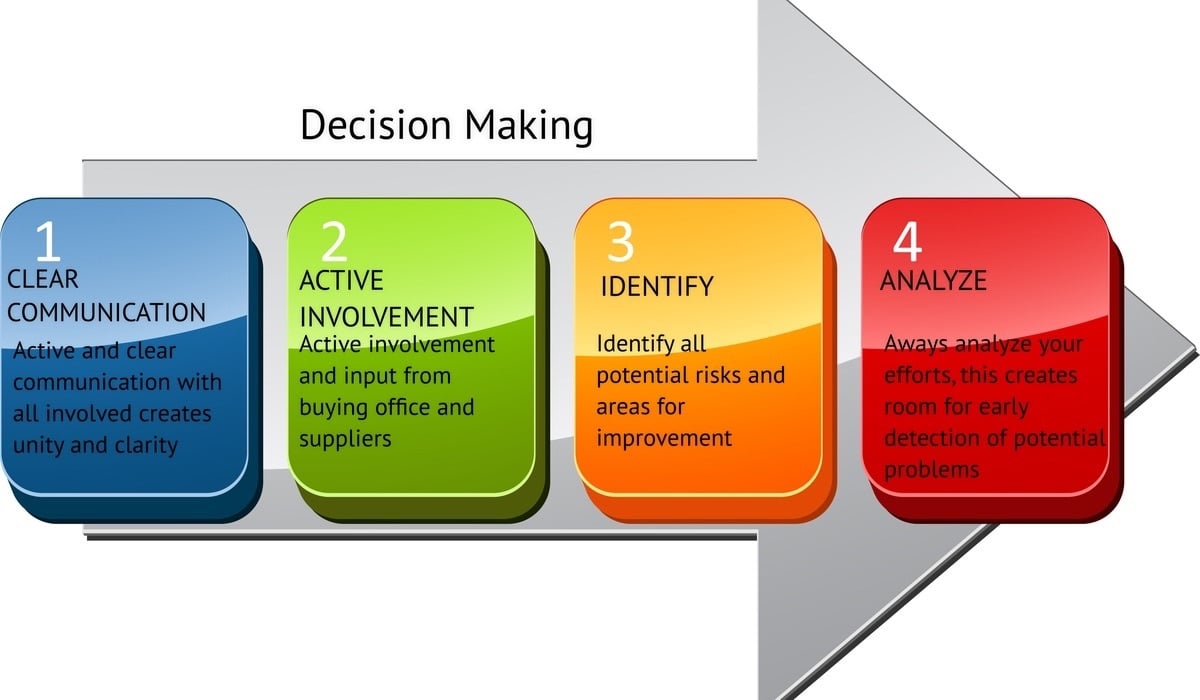
1. A committed organization, from the board down

Organizations that actively encourage the involvement of buying offices in decision making and welcomes input from suppliers to identify areas for potential productivity improvements have the best chance of successful implementation. IKEA as a world renown furniture retailer is a great example of involving buying offices in the decision-making process. They have tried to create an integrated system where there is clear communication through the entire operation. We know that this method of organizational commitment has had incredible amounts of success and to always keep this in mind as you conduct your organizational operations. Supply Chain Management Decision Making.jpg There is evidence that supply chains are often managed functionally with metrics, systems, and behaviors geared to managing the performance of a specific area. Whilst detailed functional knowledge and understanding are essential to delivering a quality product, a narrow view can lead to a potential misalignment of the different elements of the chain towards the end goal. Senior management needs to ensure that decisions which are taken at the top are not sub-optimised in the operational execution. In practical terms, this means a real transformation in how measurement systems are designed and implemented to ensure that there is a full understanding of how the business interlinks. Individual incentives and success need to be aligned for the achievement of overarching goals, not purely functional excellence.

2. Effective program management

In order to successfully implement a quality management system there are three key lessons to keep in mind:
  1. Do not be too ambitious with the timing and expectations of rapid results. New process and systems need time to mature and the flexibility to adapt and change in order to achieve the required results.
  2. It becomes easy to set lofty targets but in order to see results, it is important to align the strategic requirements with the quality system functionality.
  3. Data accuracy is critically important. It is impossible to improve what isn’t measured so understanding which measures are helping improve quality and which aren’t are essential to helping buying office achieve the standards required.
Let’s take a look at LEGO, they underwent a full restructuring of their supply chain in order to begin optimizing their functions to remain a strong global competitor. They experienced excessive supply chain challenges that resulted in millions in revenue loss. They were aware that something needed to be done. With rapid globalization, adopting a flexible and integrated supply chain and network is essential to remain a strong competitor.

Echa un vistazo nuestra guía completa para obtener más información sobre la implantación de un sistema global de garantía de calidad.

3. Consistent, pre-emptive communications.

We have already discussed the importance of data and effectively communicating it with buying offices. Below are factors to consider:
  • Supply Chain Management .jpgBe clear – This may sound like an obvious basic principle, but it’s vital to make sure the ‘narrative’ of the information comes across so that it is understood easier and its relevance and context are clear. Use a brief headline, to sum up, the information being communicated and focus on the key aspects of the data as well as why it is important and how it can be used.

  • Tailor it – When getting across the key benefits of the project, don’t just focus on general benefits and costs. Consider the context of the buying office you are addressing and tailor it to show how to address their concerns.
  • Be personal and pragmatic – It’s often more beneficial to convey information or communicate through direct channels, either in person or via the phone as opposed to less direct communication such as emails. A personal and pragmatic approach will get faster and better results when aiming to implement change.
The above factors create transparency throughout the supply chain, more and more retailers are are beginning to harness the true power of effective and strong communication throughout the entire supply chain, from communication with material suppliers to actual manufacturers. Transparency and effective, clear communication creates a sense of trust through the supply chain which will essentially have effects throughout the entire operation.

4. Take positive action to identify and manage key risks before they become issues.

Supply chain risk management .jpgRetailers can protect themselves from potential supply chain interruptions or delays associated with suppliers’ human rights, labor, environmental, and governance practices by ensuring buying offices have effective compliance programs and robust management systems. Here are steps to manage risk:

  • Align the buying office – Ensure that there is visibility and alignment of the value chain towards the ultimate goal of supplying the customer;
  • Creating ownership beyond silos – There needs to be ownership of the whole chain, not just the buying office, in such a way which allows the risks along the chain to be tackled;
  • Skills and capabilities to execute – The skills and competencies in each buying office must be secured. This starts with the functional skills in each area to provide the depth of executing a process.
Supply chains have become increasingly stretched not leaving much room for fault, therefore a successful risk management strategy can increase the effectiveness of your operation and minimize any identified or perceived risks.

5. Develop a framework with baseline targets, adapted as necessary.

Supply Chain Management in Buying Office.jpgInaccurate data, existing systems infrastructure, and entrenched business practices are common barriers to the implementation of quality management systems. The importance of getting existing processes in line with new technologies and methodologies serves to highlight the role of planning, as well as supporting the use of standardized frameworks for implementation. SCOR – The supply chain operations reference model, is a management tool that is used to address, improve, and communicate supply chain management decisions within a company and with suppliers and customers of a company. This model also helps to explain the processes along the entire supply chain and provides a basis for how to improve those processes. Let’s look at an example from Apple: The technology producer developed a set of standards which is implemented across its supply chain. The result was a supply chain more in tune with its organizational goals to reduce waste and create more sustainable products which in turn create value for its customers. In the end, they diverted more than 73,000 metric tons of waste from landfills, saved more than 3.8 billion gallons of freshwater and prevented more than 13,800 metric tons of carbon emissions.

6. Create a succession of manageable delivery milestones to maintain momentum and build confidence.

Realistic expectations are important to ensure the successful implementation of quality initiatives. Overreaching in time or scope could mean failing to implement measures that otherwise would have worked. It is important to be SMART:
  • Specific,
  • Measurable,
  • Achievable,
  • Realistic,
  • Timely.
Well defined goals, with consistent and measurable outputs, that are agreed to and attainable, that have the required resources to be successfully completed, and have specified timelines are a way to ensure the implementation plan has manageable deliverables. This process ensures that expectations are managed and that buying offices have a clear understanding of how to achieve success. Every individual needs to be made aware of the overall goals, but also the goals that relate specifically to his/her involvement in the process.

7. An actionable, owned, manageable and measurable set of business benefits

Before the WHAT comes to the WHY. It is important for buying offices to understand WHY the quality initiatives are being put in place. Getting their buy-in helps to ensure that everyone is “pulling the cart in the same direction”.  Working for a specific cause creates a banner under which the value chain can unite. Once buying offices know WHY they are doing something they are more likely to support WHAT needs to be done. It is also important to ensure that the benefits are tangible. Buying offices should be able to quantify the benefits so that they stay motivated and focused on the initiatives they are implementing. These quality practices are essential to the success of your entire supply chain operation, begin by analyzing whether any of these are currently being implemented. Analyze to what extent they are being integrated and begin optimizing these practices to ensure successful implementation of best practices. Have you implemented any of these? How have the been of benefit to you?

Need more help?

Consulte nuestra completa guía para obtener más información sobre la implantación de un sistema global de garantía de calidad.

Simplemente haga clic aquí para descargar su copia GRATUITA.

Categorías
Blogs

5 Reasons Why Your QA Procedures Are Not Implemented- Part 2

Acknowledging that quality assurance is an integrated process; here we endevour to delve into some more best practices to help empower you and your company with the ability to achieve its goals and objectives.

3. There is often no accountability

Quality assurance best practicesOnce you have done your best to involve all relevant parties in the quality assurance procedures, your next task is to keep your finger on the pulse. Management needs to make sure that the QA staff are accountable for success and failure. The deeds of the QA staff need to be monitored and made known. A report of the activities and outcomes of the QA staff’s work is a good way to make sure that they are made responsible for poor performance, or given the due credit for functioning well. With that said, do not fall into the trap of merely documenting success and failure. With accountability there need to be consequences for whatever results the QA team produces. Be sure to actively intervene if QA is consistently not meeting desired standards, and reward good performance to highlight the value of QA to the company. If QA staff are doing their job properly that might go unnoticed, do not make the mistake of undervaluing their role! Once again, it is important to maintain open transfer of information, so that the effectiveness of QA practices can be monitored, and adjustments made as they are needed. On that note, do not be too quick to blame personnel. When people are blamed they may become more likely to conceal problems, rather than attend to them by bringing them to light. First be sure that the details of the procedure are not at fault, and that clear communication channels are open to rectify mistakes. Only with constant feedback can future mistakes be mitigated. This is an area where assumptions are dangerous. Don’t assume that processes are being followed, or that the current way of doing things is always fine. Check in.

4. Not looking around you

Quality_Assurance_Management.jpgEven if your quality assurance procedures seem to be working fine, and you have integrated QA and open channels of communication, you may still be falling behind. Best practices are called that for a reason. They are tried and tested and shown to improve the success of companies. However, they are always progressing, and so should you. Do get complacent with what you have, or let hubris stand in the way of taking note of what works for others. Seeing what works for those in a similar field may greatly improve your business, through incorporating useful ideas, tools, or technologies they have that you would not necessarily have come up with. This is particularly pertinent in terms of technological advances and environmentally friendly practices, both of which are seeing rapid, astonishing developments around the world. Naturally, success is contextual – no best practice will fit perfectly for everyone. This creates space for molding best practices to suit your specific objectives. However, be wary that excessive experimentation, and both blindly following and completely ignoring outside advice, may be detrimental. Stay competitive by making sure that you have at least what your competitors have, and then add more and improve on existing ideas to give yourself the edge. To remain competitive you must remain vigilant of opportunities for innovation.

5. How often do we fail to pick our battles wisely? 

Team_Effort.jpgAll along I have emphasized that QA procedures are a team effort. You do not have the time to meet with everyone, answer all emails, and be everywhere at once. You also desire time off. The good news… You do not need to do everything on your own! You can pick your battles to optimize expenditure of time and money. When you do not have the requisite expertise, hiring a 3rd party company may be the way to go. This could free up time and some responsibility, allowing you to focus more on what you can manage. This will allow for all-round improvement in QA, generated by including more hands and minds to focus on doing and assessing the quality of specialized work. For QA, picking your battles may also mean critically assessing the whole process and deciding what most needs attention and monetary investment. This brings us back to those important trade-offs… Determining the priority level of each part of the quality assurance process will allow the optimum allocation of time and resources. This will rely on clear objectives for QA, and the standards set for each step of the process;

  • Carefully consider which parts of the QA process are the most vital, and label them.
  • Generate feedback from the differential investment, and tweak the investment as needed.
  • Be flexible, and cut your losses.
  • Meet acceptable, achievable standards – you do not need to be perfect in every minor detail if the product is still successful.

Closing Tips

shutterstock_590654183-2.jpgWith these five (See part one) potential shortcomings of your buying office’s approach to QA in mind, you will hopefully be able to improve your quality assurance procedures to meet higher standards. As a final note; Remember that QA is not quality control. QA is a multi-tier concept, which needs involvement from the beginning: from management defining the desired outcomes of the product to the production team streamlining the production process, to assessing the final product is acceptable and distributed efficiently. QA is not just testing the product works, which would be the objective of quality control. Buying offices need to be concerned with more than just the final product. Build quality into the product up front by involving representatives from all vital levels of the product (design teams, funding agencies, production managers, and consumers), so that QA is preventative, not an afterthought. Do not make QA about putting out fires, make it a process that means that you can focus on solving problems before they arise. This is not only easier but more cost and time effective. We have spent some time delving into some of the basic quality assurance procedures and how applying these to your operations will help alleviate some of the internal challenges that you currently experience. What do you think? Have you applied any of these QA steps? Are there any more that we should add to this, if so what are they?

Dive even deeper with our complimentary ebook

available for download here!

Categorías
Blogs

5 Reasons Why Your QA Procedures Are Not Implemented

Is your retail buying office falling behind with quality assurance procedures that should be taken on as best practice?

In this part one blog post, we delve into the reasons why your retail buying office could be falling behind, and not adopting the best practice quality assurance procedures that will keep your brand competing in the global market place. 

The goal of quality assurance (QA) used to be simple; make sure that a product performs the way it is supposed to.

Over time the goal has evolved, from simple post production judgments to a multi-step process that begins with management defining outcomes all the way to distribution. This evolution is ongoing, and it has seen the adoption of QA within modern companies become almost ubiquitous – from mortgage lenders to software developers, to engineering firms.

The reason, you ask?

QA is vital to success!

To keep your business competitive in a fast-paced world, you need to make sure that you’re keeping up with the best practices for QA. Best practices are clear processes integrated into every facet of product design, development, and implementation, which ensure the highest chance of achieving your objectives.

Now you know about QA, and you want the best practices. We’re here to help.

But first…

Acknowledge your weaknesses. While this may be difficult to do, there is immense value in spending the time analysing this.

Here are five reasons why your buying office could be falling behind, and not adopting the best practices for QA that will keep you competing in the global market: 


1. Forgetting that it’s a team effort

Quality_Assurance.jpg

With QA being an increasingly integrative process, as opposed to final product inspection, it has become important to realize that QA has become a team effort.

The responsibility here begins with senior management

The staff that management chooses to carry out QA reflects how seriously management considers that role. This choice is important because QA staff need to have relevant experience to meet the objectives and closely follow the processes required by management.

This part may seem obvious, but what is critical is that the staff need to be able to work with senior management. 

Mutual respect is key

A fully functioning QA team needs an open, responsive channel with senior management in order to perform their jobs properly. You do not want to be put in a position where there is a lack of communication from management, and subsequently, have the QA team blamed for not having the perspective of what they are required to do.

Alternatively, you also do not want the QA team struggling to resolve an issue because they cannot communicate with senior management about it. The role of a QA team is critical for the product success, so make sure that it is staffed with respected people that can be approached and worked with.

Other than QA staff choice, it is also key to have early involvement of the suppliers, designers, developers, consumers, and any other party involved in the process. 

The more interaction there is with suppliers, the more close monitoring there can be of the quality of the material and products.

Involvement of designers and developers will minimize later conflict on what is expected and what is possible. And the involvement of potential consumers is critical to assess the projected profitability of the product.

This will all allow an efficient QA process, which minimizes the need for final-stage inspections/testing that could be costly or find issues that are difficult to rectify at that late stage. It also allows for early termination of unprofitable enterprises, without the massive financial losses that would come from realizing that post production/purchase. 

QA_Best_Practises.png

Figure 1. Involving all relevant parties in the process early on will allow for inspections of the design, production protocol, and consumer interest before the product is actually manufactured. This will allow for integrated QA, reducing the need for post-production and final stage inspection/testing, and in some cases for the timely shutdown of unprofitable projects (Adapted from Hinckley 1997).

2. Inadequately defining your QA objectives can create misaligned goals

shutterstock_587443550.jpg

Involving more people in the QA process from conceptualisation to purchase raises the next important step toward improving QA.

For QA to function properly it is critical to clearly define the objectives.

Remember that with any product there will be trade-offs between the target quality, release date, budget, and consumer satisfaction. The relative importance of each of these factors is situational and needs to be decided on and formalized in detail.

An overarching, vague goal for QA such as “Achieve greater QA” can be difficult to attain if the QA personnel are not provided with clear objectives that deal with trade-offs. If you’re prepared to sacrifice time for higher quality, make this clear in the objectives so that the QA inspectors know what to prioritize.

Clarity is paramount.

When defining objectives, remember not to assume. The more detailed the objectives are, the easier they are to follow. With that said, beware of removing all autonomy from the QA process, because this will undermine the role of those carrying it out. Strike a balance that is clearly understood, but leaves maneuverability for the staff to know that their experience and skill is valued. In the same vein, make sure that everyone is on the same page as far as your set standards/benchmarks for quality go.

Keep the quality checks consistent, with well-defined checklists for each team unit in the process, which are not open to differential interpretation by the QA staff, the producers, and the buyers.

QA as a procedure has changed over the years to ensure there is success from production to distribution.

This is part one of a two part series on QA best practices and how they can empower you to help your company achieve the goals and objectives you set out to achieve. 

Help your buying office follow these best practices and more! 
Simply click here to download your FREE copy!

Categorías
Blogs

Do You Know The Purposes of Your Factory Quality Audit?

The state of retail has recently seen an increase in supply chain pressure from retail giants like Amazon that are increasing the pace at which supply chains need to operate. This increase in pressure and pace mean that your product needs to be on the shelves faster which puts large amounts of strain on your quality procedures, which can result in lower quality products hitting the market. This is risky. Quality is complex at the best of times, and as you juggle this increase in pace, it can be difficult to stay on top of the smaller cogs of the quality machine. So what are retailers doing to avoid potential low quality products? They have begun outsourcing their quality systems to qualified third-party providers to help alleviate some of that supply chain pressure. One of the primary solutions retailers opt for, is a quality audit – to highlight those weak spots within your supply chain and create a plan of action for how you can address them. In this blog post, we take a look at the purposes of a quality audit for your household goods brand; we take a brief look at what the benefits of outsourcing your quality procedures are and what these benefits can mean for your organization.

Three Ways To Do conduct an Audit

Auditing has become a crucial tool for managing and monitoring the implementation of the quality systems of many factories. Let’s take a look at the three ways that these audits can be performed;
  • In-house audit – This is performed internally by an in-house team. They measure the strengths and weakness of quality and production systems against any international/external standards and regulation. This form of auditing is unable to provide your organization with any form of certification.
  • Second-party audit – This is when an organization performs an audit of their potential supplier, to ensure that they can meet your production requirements. Often these audits can be completed onsite to review the internal technical processes of the supplier, but this audit can also be performed off-site in the form of documentation reviews. It will be up to your organization to define what exactly you want to audit to help you make a well-informed decision about your supplier. This type of audit has nothing to do with QMS certification, as only a registered third-party auditing organization can provide this.
  • Third-party audit – This is conducted by a qualified audit organization, that is not connected to the supplier or brand by any nature. MThird party Quality Audit.jpgany organizations consider third-party audits for many reasons, mainly they have come to the decision to create a quality management system (QMS) such as ISO 9001. A third-party auditor would come in and assess whether or not this organization meets the requirements as laid out by the above QMS. A third-party auditor will then provide your organization with a certification stipulating that you meet the requirements as laid out. This is often a preferred audit option as the results are unbiased and certification has become a competitive differentiator.

In defining the above, if we have not left you pondering which one is better then we have not done our job… The great old In-house Vs. Third Party debate; You may be thinking that you are capable of maintaining high levels of product quality through your in-house quality teams, and while this may be true for now, but you do need to ask whether or not you can maintain and meet the demands of that ever-increasing consumer nature. I think it may be worth re-looking at the debate with your bottom line, your resources and time in mind…

The Purposes Of A Quality Audit For Your Brand

In defining the purpose of an audit for your brand, you will be able to understand who should be conducting your audit. The main objectives are as follows;
  • Certification – Many household goods retailers that produce a product that contains high levels of risk, such as toys and electrical appliances, etc. and are wanting to do business in Europe will need to comply with the CE directive as laid out the European Commission. The management system of your supplier will need to be assessed according to any one of the ISO standards and the certified accordingly. Bear in mind that the auditing company you choose to use will need to be certified by a regulatory body to certify you.
  • Performance versus compliance/conformance audits – Many audits have different purposes. It will be important to try and make sure that if you are performing an internal audit, that you keep it as holistic as you possibly can. Your audit will need to assess compliance and performance. The audit report will need to identify the suppliers standing according to both of these categories.
  • Follow-up audit – An audit will often present findings that will need time to rectify, in which a follow-up will be needed to ensure that corrective actions have taken place.
With your purpose in mind, are you able to come to know who should be conducting your factory quality audits?

The five benefits of using a third-party quality auditor

If you are unsure of the benefits that a third-party quality provider can provide you take a quick look here;
  • Expertise – Third-party auditors undergo formal auditing training and experience to notice noncompliance and unethical situations. This wealth of knowledge and experience will be of benefit to your organization. Innovation - Third party Quality Audit.jpg
  • Efficiency –  A third-party auditor has the infrastructure to ensure they meet your organization’s auditing needs.
  • Technology – They have the appropriate tools and technology to ensure a successful audit of your supplier.
  • Accountability – A third-party auditor will have pledged to uphold a certain code of ethical conduct and are held accountable to the greater company policies, rules, and regulations.
  • Risk Reduction – A third-party auditor is trained to identify mishappenings within the quality systems of a potential supplier. This insight allows you to manage risk early on.

Puntos Clave

Producing high-quality products, with no defects that could result in recalls, is likely a top priority for you and your brand. Are you able to invest your time and more resource to ensure that your internal audits are of the highest quality, unbiased and according to the requirements of a QMS like ISO 9001? You may need to consider outsourcing your audits to certified third-party auditors. They will be able to provide you with QMS certification, performance and conformance evaluation, they can offer follow-up audits and also provide insight into improvement strategies that would be of benefit to a successful supplier relationship. All of the above are things that your consumers highly value, which will positively impact your bottom line and strategically place your brand in the marketplace.

WOULD YOUR COMPANY STAND TO BENEFIT FROM

PREVENTIVE QUALITY MANAGEMENT?