


¿Cómo evitar retrasos prolongados, retiradas de productos y posibles daños a la reputación de la marca debido a problemas de calidad en muebles antes de que sea demasiado tarde? Importar muebles desde el Sudeste Asiático es tan atractivo, si no más, que cualquier otro mercado del mundo, pero la logística, el cumplimiento normativo y los posibles desafíos de comunicación hacen que no siempre esté garantizado que los estándares de calidad del mercado de destino se cumplan. En esta entrada, vamos a explicar qué puedes hacer para asegurar que tus muebles lleguen con el más alto nivel de calidad y, en última instancia, dar a tu marca la ventaja competitiva que merece.
.png "Furniture inspection - DUPRO")
 Una inspección DUPRO puede evaluar algunos de estos puntos críticos en el momento adecuado, antes de que finalice la producción. La DUPRO puede centrarse en productos terminados, evaluar el estado de la producción y el sistema de calidad implementado en la línea de producción. En muchos casos, un sofá o mueble se inspecciona antes de que todo el pedido haya sido completado. Este tipo de inspección permite identificar cualquier problema de forma temprana y, por tanto, corregirlo in situ. Tu informe de inspección DUPRO debe incluir todos los problemas de calidad detectados durante el proceso de producción. Ningún problema es demasiado pequeño como para no ser incluido.
 It is at this point that you will need to re-communicate your products specifications to begin addressing those furniture items with “pending” status.
Sourcing in Asia is not without communication and language barriers. You can look to overcome these barriers by using a neutral third party quality provider who has the expertise in your sourcing area. Having boots on the ground will ensure that your product specifications are communicated correctly and clearly.
It is at this point that you will need to re-communicate your products specifications to begin addressing those furniture items with “pending” status.
Sourcing in Asia is not without communication and language barriers. You can look to overcome these barriers by using a neutral third party quality provider who has the expertise in your sourcing area. Having boots on the ground will ensure that your product specifications are communicated correctly and clearly.
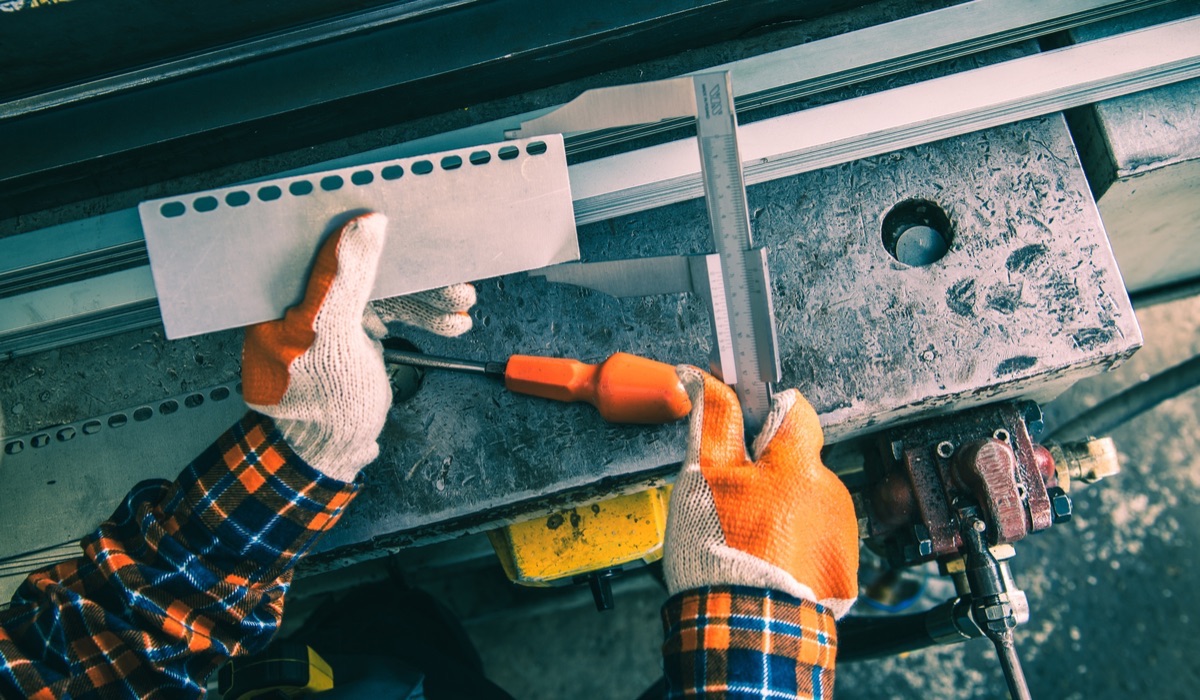 En esta etapa se selecciona una muestra aleatoria de muebles, que se revisan uno por uno para comprobar si cumplen con lo siguiente:
¿Has definido tu DCL (lista de clasificación de defectos)?
Este es a menudo un paso que se deja para el final, pero clasificarlo desde el principio ayuda a clarificar el significado de tu informe de inspección de mobiliario. Esta es la categoría de defectos más utilizada:- Defecto crítico - Un defecto crítico es aquel que el juicio y la experiencia indican que es probable que:
- Provoque condiciones peligrosas o inseguras para las personas que utilicen, mantengan o dependan de los productos; o
- Impida el desempeño de la función táctica de un artículo final importante. Un defectuoso crítico es una unidad de producto que contiene uno o más defectos críticos.
- Defecto importante — Un defecto que probablemente resulte en fallo o reduzca la capacidad de uso del producto para su propósito previsto.
- Defecto menor — Un defecto que no es probable que reduzca la capacidad de uso del producto para su propósito previsto, o una desviación de los estándares establecidos con poco impacto en el funcionamiento efectivo del producto.
DUPRO (inspección durante la producción) para resolver problemas de calidad en muebles lo antes posible
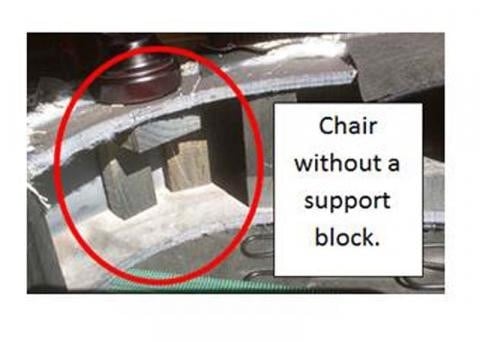
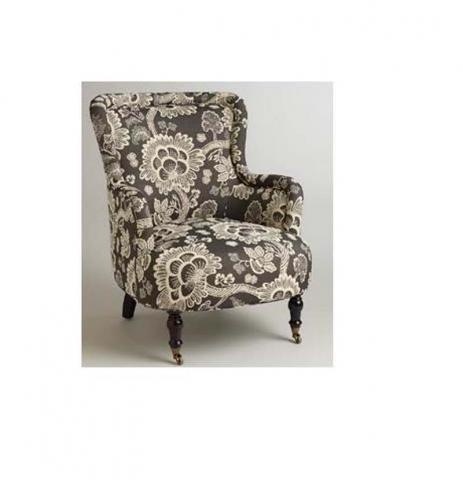
Esta suele ser una etapa crítica para garantizar que el mueble final alcance el nivel de calidad esperado. Como referencia, 2.700 sillas fueron retiradas del mercado debido a riesgos de caída causados por la rotura o flexión de las patas. La CPSC determinó que la estructura de las sillas tapizadas carecía de un bloque de soporte en la pata, lo cual iba en contra del diseño original.
Como en el caso de esta silla tapizada, nunca podrías verificar visualmente la estructura interna una vez que ha sido recubierta con tela tras finalizar la producción.
Una inspección DUPRO puede evaluar algunos de estos puntos críticos en el momento adecuado, antes de que finalice la producción. La DUPRO puede centrarse en productos terminados, evaluar el estado de la producción y el sistema de calidad implementado en la línea de producción. En muchos casos, un sofá o mueble se inspecciona antes de que todo el pedido haya sido completado. Este tipo de inspección permite identificar cualquier problema de forma temprana y, por tanto, corregirlo in situ. Tu informe de inspección DUPRO debe incluir todos los problemas de calidad detectados durante el proceso de producción. Ningún problema es demasiado pequeño como para no ser incluido.
Update your furniture specifications, based on the DUPRO feedback
Upon receiving your DUPRO furniture inspection report, you will need to go through every step of the report thoroughly. Look at what “pending” results there may be. You should have a strategy in place on how you address these “pending” quality issues.
It is at this point that you will need to re-communicate your products specifications to begin addressing those furniture items with “pending” status.
Sourcing in Asia is not without communication and language barriers. You can look to overcome these barriers by using a neutral third party quality provider who has the expertise in your sourcing area. Having boots on the ground will ensure that your product specifications are communicated correctly and clearly.
Actualiza las especificaciones de tus muebles con base en los resultados de la inspección DUPRO.
Es importante tener en cuenta que un análisis de causa raíz (RCA) no debe ser algo puntual que se implemente únicamente en casos aislados de defectos graves en producción. Debes contar con una estrategia de RCA clara sobre cómo gestionarás los productos de mobiliario defectuosos con tu proveedor. ¿No tienes una estrategia de RCA? Sigue los pasos que se describen a continuación:- Reconocimiento y definición del problema — Reconoce y define cuál es el problema en la producción de tus muebles.
- Identificación de las causas — Lleva a cabo el proceso de identificación de causas. La clave aquí es no dedicar demasiado tiempo a lluvias de ideas o esquemas mentales; no es necesario que sea un proceso largo.
- Identificación de soluciones — Basándote en las causas identificadas, debes determinar las mejores soluciones para evitar que el problema vuelva a ocurrir.
- Implementación de las soluciones — Si la calidad de tus muebles se ha visto comprometida en la línea de producción, debes empezar a aplicar las soluciones identificadas para prevenir futuras incidencias. La solución debe optimizar y mejorar tus procesos operativos. Si no lo hace, puede que necesites repetir los pasos anteriores hasta encontrar una solución adecuada.
A Una FRI (Inspección Final Aleatoria, por sus siglas en inglés) se basa en inspecciones por muestreo.
Una FRI es una inspección previa al envío de una pequeña muestra de tus muebles. Este tipo de inspección se utiliza para identificar posibles defectos de calidad derivados del proceso de producción.
En esta etapa se selecciona una muestra aleatoria de muebles, que se revisan uno por uno para comprobar si cumplen con lo siguiente:
- ¿Cumple con todas las especificaciones del producto que han sido definidas?
- ¿Cuántos defectos visuales presenta?
- ¿Qué pruebas in situ deben realizarse?
Puntos Clave
Los pasos descritos anteriormente deben planificarse y definirse estratégicamente para cada categoría de producto que adquieras. Los beneficios de estos tipos de inspección son:- Permiten detectar problemas de calidad en una fase temprana.
- Facilitan un análisis paso a paso de la causa raíz del problema, lo que te ayuda a evitar que vuelva a producirse.
- Ofrecen la posibilidad de reajustar y volver a comunicar las especificaciones del producto.


 A social compliance audit can be difficult to attain, but is an absolute necessity for that transparent supply chain your consumers today are demanding.
A social compliance audit ensures that a factory and its practices are abiding by all local laws and that you meet all of the social obligations as set out by the guidelines of the audit, from fair wages to no instances of child labor in a factory.
In this blog post, I will outline the exact procedure of this audit, the benefits it offers to your consumer electronics brand and how you can go about conducting this audit for yourself.
So, let’s dive in…
A social compliance audit can be difficult to attain, but is an absolute necessity for that transparent supply chain your consumers today are demanding.
A social compliance audit ensures that a factory and its practices are abiding by all local laws and that you meet all of the social obligations as set out by the guidelines of the audit, from fair wages to no instances of child labor in a factory.
In this blog post, I will outline the exact procedure of this audit, the benefits it offers to your consumer electronics brand and how you can go about conducting this audit for yourself.
So, let’s dive in…
 Document reviews – Auditors will check all the documentation of the supplier to determine the presence of any possible child labour, an all too common violation within the consumer electronics industry. They also assess whether there are any violations of extended working hours and wages. They will also look into what types of social insurance are available to workers and review any fire and safety documentation, which will help to determine whether or not any safety precautions or plans are in place. They will also inspect whether or not there is any environmental monitoring being done and, if so, how it is conducted.
Employee interviews – The auditors conduct interviews with the factory in question staff, where they ask them about their working hours, overtime, and about their holiday/leave time. Auditors also like to cross check these statements by interviewing factory management to ensure there are no discrepancies. This helps to clarify whether there are any instances of abuse or misconduct between staff and management. In the case of a re-audit these interviews will then be conducted again to ensure improvement plans are being implemented properly.
Closing meeting with audit status – This meeting reveals the audit results of your CE factory and also makes suggestion for improvements. If you use
Document reviews – Auditors will check all the documentation of the supplier to determine the presence of any possible child labour, an all too common violation within the consumer electronics industry. They also assess whether there are any violations of extended working hours and wages. They will also look into what types of social insurance are available to workers and review any fire and safety documentation, which will help to determine whether or not any safety precautions or plans are in place. They will also inspect whether or not there is any environmental monitoring being done and, if so, how it is conducted.
Employee interviews – The auditors conduct interviews with the factory in question staff, where they ask them about their working hours, overtime, and about their holiday/leave time. Auditors also like to cross check these statements by interviewing factory management to ensure there are no discrepancies. This helps to clarify whether there are any instances of abuse or misconduct between staff and management. In the case of a re-audit these interviews will then be conducted again to ensure improvement plans are being implemented properly.
Closing meeting with audit status – This meeting reveals the audit results of your CE factory and also makes suggestion for improvements. If you use 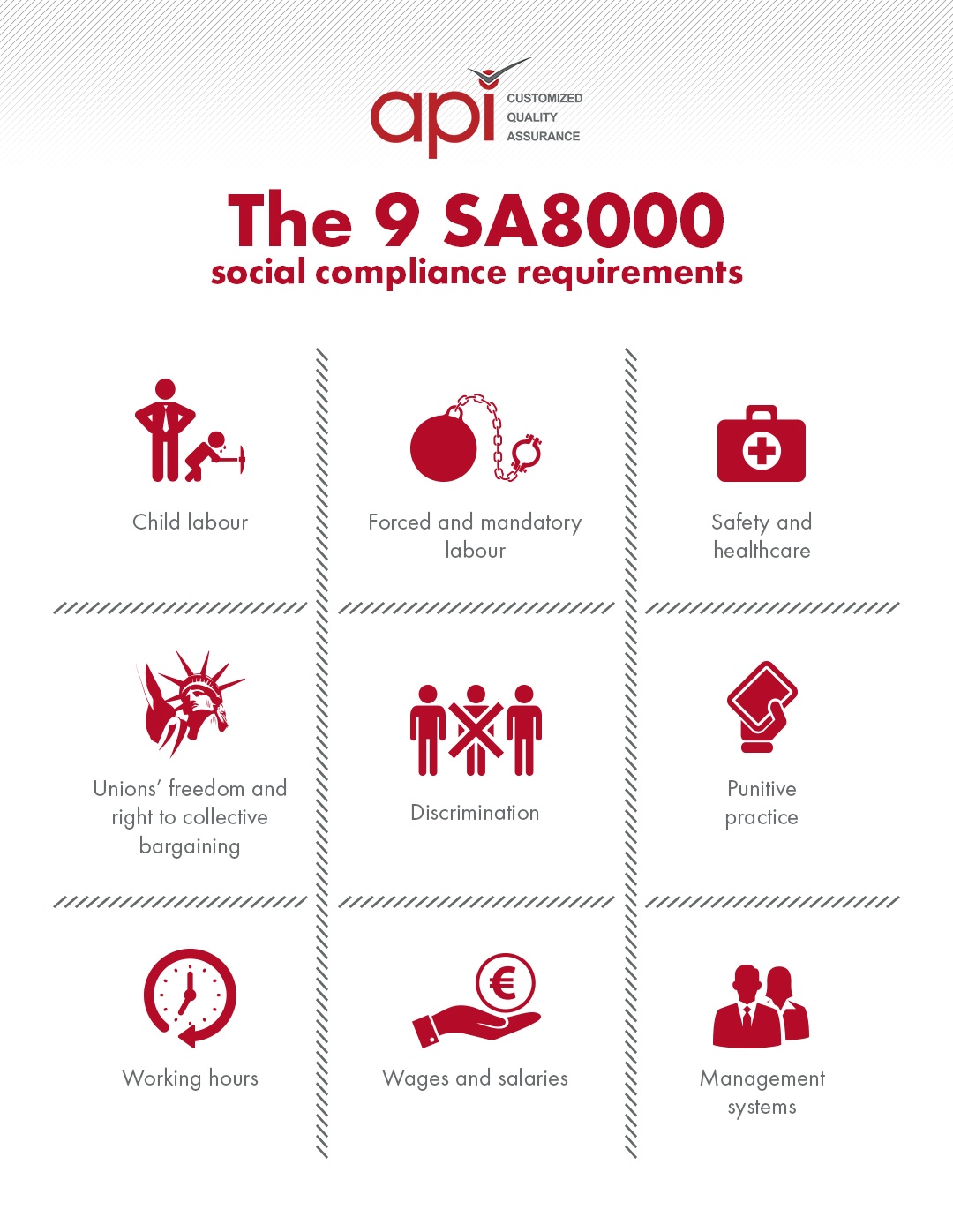 In understanding the ethical compliance standards as laid out above, you are able to make informed decisions about the suppliers you choose to use in the manufacturing of your electrical products.

 Resulta que
  Muchas organizaciones no disponen de las amplias redes geográficas que tienen los grandes minoristas.
Por lo tanto, su personal interno acaba dedicando mucho tiempo a viajar para realizar inspecciones de control de calidad, sin dedicar suficiente tiempo a centrarse en la calidad de un producto. Esto suele ralentizar los procesos de producción, con un tiempo eventual de comercialización más largo.
Si tomamos en consideración el ejemplo del Fidget Spinner, ¿cuál es la probabilidad de que su equipo interno sea consciente de esa no conformidad antes de que salga al mercado?
Piense en ello.
Un suceso como el anterior pone a su marca en un riesgo innecesario, con el potencial de una mala publicidad y una importante pérdida de ventas.
Puede ¿Se lo puede permitir su organización?
Muchas organizaciones no disponen de las amplias redes geográficas que tienen los grandes minoristas.
Por lo tanto, su personal interno acaba dedicando mucho tiempo a viajar para realizar inspecciones de control de calidad, sin dedicar suficiente tiempo a centrarse en la calidad de un producto. Esto suele ralentizar los procesos de producción, con un tiempo eventual de comercialización más largo.
Si tomamos en consideración el ejemplo del Fidget Spinner, ¿cuál es la probabilidad de que su equipo interno sea consciente de esa no conformidad antes de que salga al mercado?
Piense en ello.
Un suceso como el anterior pone a su marca en un riesgo innecesario, con el potencial de una mala publicidad y una importante pérdida de ventas.
Puede ¿Se lo puede permitir su organización?
 Algunos equipos de ensayo pueden ser exclusivos de un producto específico o si hay una actualización de los procedimientos de ensayo para incluir los cambios recientes en la normativa.
A menudo, los proveedores externos pueden ofrecer soluciones técnicas basadas en las especificaciones anteriores, junto con equipos que conocen bien los nuevos procedimientos de ensayo.
Los proveedores externos suelen enviar a sus inspectores a cursos de formación para que se familiaricen con los nuevos equipos y procedimientos de ensayo, a fin de garantizar un servicio de alta calidad con un índice mínimo de retirada de productos.
Para los proveedores de calidad externos es prioritario estar al día de las últimas tendencias y novedades de su sector, junto con las mejores prácticas que deben seguir.
Este tipo de conocimiento y experiencia puede aprovecharse para obtener una ventaja competitiva.
Algunos equipos de ensayo pueden ser exclusivos de un producto específico o si hay una actualización de los procedimientos de ensayo para incluir los cambios recientes en la normativa.
A menudo, los proveedores externos pueden ofrecer soluciones técnicas basadas en las especificaciones anteriores, junto con equipos que conocen bien los nuevos procedimientos de ensayo.
Los proveedores externos suelen enviar a sus inspectores a cursos de formación para que se familiaricen con los nuevos equipos y procedimientos de ensayo, a fin de garantizar un servicio de alta calidad con un índice mínimo de retirada de productos.
Para los proveedores de calidad externos es prioritario estar al día de las últimas tendencias y novedades de su sector, junto con las mejores prácticas que deben seguir.
Este tipo de conocimiento y experiencia puede aprovecharse para obtener una ventaja competitiva.
 su producto.
Si sumamos todo esto, empezaremos a ver márgenes de beneficio más altos y también habrá aumentado la capacidad de satisfacer la oferta y la demanda de nuestros productos, creando esa deseada ventaja competitiva.
Veamos brevemente la solución del Expediente de Conformidad Técnica;
Se trata de una solución de conformidad que le permite obtener información fiable y precisa sobre sus procesos de conformidad.
Se ofrece a través de una plataforma basada en web y es una
su producto.
Si sumamos todo esto, empezaremos a ver márgenes de beneficio más altos y también habrá aumentado la capacidad de satisfacer la oferta y la demanda de nuestros productos, creando esa deseada ventaja competitiva.
Veamos brevemente la solución del Expediente de Conformidad Técnica;
Se trata de una solución de conformidad que le permite obtener información fiable y precisa sobre sus procesos de conformidad.
Se ofrece a través de una plataforma basada en web y es una 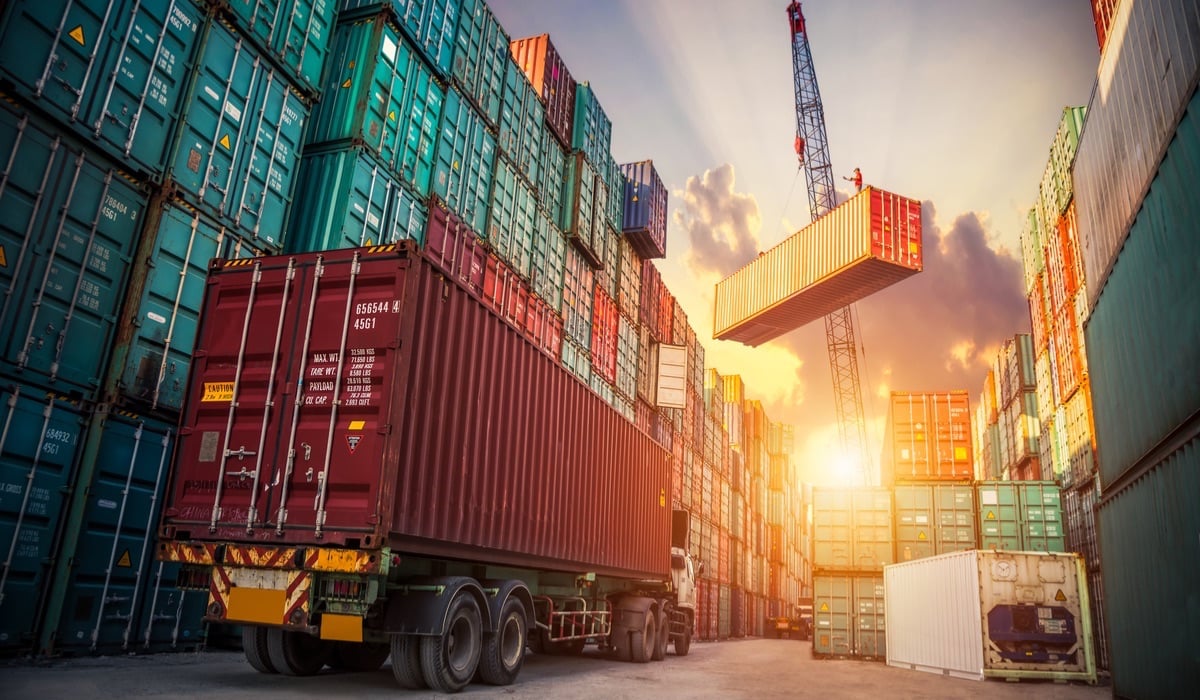 Los informes de inspección son esenciales para obtener el despacho de aduana de los envíos. Corresponderá al minorista, junto con su proveedor de calidad, establecer una pauta de calificación de los informes.
Esta pauta de calificación de informes constituye una base de automatización que reduce la cantidad de cambios manuales tras la revisión de los informes. La revisión manual de estos informes ralentiza enormemente los procesos de autoenvío y todo este proceso pierde sentido.
Un proveedor de calidad externo podrá proporcionarle los conocimientos del sector y las mejores prácticas relativas a los informes de calificación. También podrá personalizar sus informes de calificación en función de las necesidades de su producto.
Una vez creado este informe de calificación, su proveedor de calidad puede utilizar sus sistemas técnicos para enviar informes diarios tanto al cliente como a la empresa de carga que haya elegido. Esto crea un proceso de liberación mucho más claro y rápido tanto para usted como para la empresa de carga.
La montaña de papeleo, desde las licencias de importación hasta los informes de inspección completos, ellos lo tienen todo bajo control, lo que permite un proceso racionalizado y eficiente para su organización.
Los informes de inspección son esenciales para obtener el despacho de aduana de los envíos. Corresponderá al minorista, junto con su proveedor de calidad, establecer una pauta de calificación de los informes.
Esta pauta de calificación de informes constituye una base de automatización que reduce la cantidad de cambios manuales tras la revisión de los informes. La revisión manual de estos informes ralentiza enormemente los procesos de autoenvío y todo este proceso pierde sentido.
Un proveedor de calidad externo podrá proporcionarle los conocimientos del sector y las mejores prácticas relativas a los informes de calificación. También podrá personalizar sus informes de calificación en función de las necesidades de su producto.
Una vez creado este informe de calificación, su proveedor de calidad puede utilizar sus sistemas técnicos para enviar informes diarios tanto al cliente como a la empresa de carga que haya elegido. Esto crea un proceso de liberación mucho más claro y rápido tanto para usted como para la empresa de carga.
La montaña de papeleo, desde las licencias de importación hasta los informes de inspección completos, ellos lo tienen todo bajo control, lo que permite un proceso racionalizado y eficiente para su organización.
 Tradicionalmente, un equipo interno suele publicar los informes de inspección a medida que los recibe, lo que provoca retrasos importantes. Esto suele deberse a que los equipos internos de control de calidad tienen que viajar mucho, lo que significa que no tienen tiempo suficiente para realizar las aprobaciones necesarias para que los envíos se publiquen a tiempo.
No quiero parecer repetitivo, pero tener un equipo interno capaz de gestionar la logística de los envíos sería un sueño, sin duda, pero pasar la aduana con seguridad depende de ser eficiente en todos los demás puntos que he mencionado antes.
Los equipos internos que no dispongan del tiempo, los recursos y los conocimientos técnicos adecuados tendrán dificultades para hacer frente a problemas que, de otro modo, podrían haberse evitado.
Así que este es el trato...
La gestión de la calidad es un sistema complejo que requiere 100% de su atención y concentración.
Es usted capaz de dedicar tanto tiempo y recursos a garantizarlo?
Esta es una pregunta que muchos no quieren responder, pero la realidad es que a menudo no puede permitirse el tiempo y los recursos necesarios para crear sistemas de calidad totalmente optimizados que puedan producir productos de alta calidad para su marca y a tiempo.
Entonces, ¿qué?
Puede que merezca la pena considerar la posibilidad de contratar a un proveedor de calidad externo que pueda dedicarle el tiempo y los recursos que necesita para racionalizar las operaciones de su cadena de suministro.
Un proveedor externo de calidad puede proporcionarle;
* Lo último en regulación de productos
* Experiencia técnica
* Disponen de la tecnología adecuada para agilizar sus operaciones
* Tienen los conocimientos sobre cómo navegar por las aguas de la logística internacional para su marca.
Esto le dará margen para empezar a centrarse en lo que se le da bien: fabricar productos de alta calidad y crear un nivel de confianza con su consumidor que sea competitivo a escala mundial.
¿Tiene experiencia trabajando con servicios de inspección de calidad de terceros?
Tradicionalmente, un equipo interno suele publicar los informes de inspección a medida que los recibe, lo que provoca retrasos importantes. Esto suele deberse a que los equipos internos de control de calidad tienen que viajar mucho, lo que significa que no tienen tiempo suficiente para realizar las aprobaciones necesarias para que los envíos se publiquen a tiempo.
No quiero parecer repetitivo, pero tener un equipo interno capaz de gestionar la logística de los envíos sería un sueño, sin duda, pero pasar la aduana con seguridad depende de ser eficiente en todos los demás puntos que he mencionado antes.
Los equipos internos que no dispongan del tiempo, los recursos y los conocimientos técnicos adecuados tendrán dificultades para hacer frente a problemas que, de otro modo, podrían haberse evitado.
Así que este es el trato...
La gestión de la calidad es un sistema complejo que requiere 100% de su atención y concentración.
Es usted capaz de dedicar tanto tiempo y recursos a garantizarlo?
Esta es una pregunta que muchos no quieren responder, pero la realidad es que a menudo no puede permitirse el tiempo y los recursos necesarios para crear sistemas de calidad totalmente optimizados que puedan producir productos de alta calidad para su marca y a tiempo.
Entonces, ¿qué?
Puede que merezca la pena considerar la posibilidad de contratar a un proveedor de calidad externo que pueda dedicarle el tiempo y los recursos que necesita para racionalizar las operaciones de su cadena de suministro.
Un proveedor externo de calidad puede proporcionarle;
* Lo último en regulación de productos
* Experiencia técnica
* Disponen de la tecnología adecuada para agilizar sus operaciones
* Tienen los conocimientos sobre cómo navegar por las aguas de la logística internacional para su marca.
Esto le dará margen para empezar a centrarse en lo que se le da bien: fabricar productos de alta calidad y crear un nivel de confianza con su consumidor que sea competitivo a escala mundial.
¿Tiene experiencia trabajando con servicios de inspección de calidad de terceros?  La especificación del producto puede parecerse a las dimensiones de sus productos, el volumen, su peso, el color y cualquier etiquetado específico que pueda necesitar para cumplir con la normativa.
En sus especificaciones debe asegurarse de ser lo más específico posible, desde paletas de colores específicas hasta el peso máximo de una batidora eléctrica. Cuanto más específico sea, más fácil será para su proveedor cumplir sus especificaciones.
Estas especificaciones también proporcionarán al equipo de control de calidad de su proveedor un estándar/guía para supervisar adecuadamente la producción del artículo.
Aquí es donde
La especificación del producto puede parecerse a las dimensiones de sus productos, el volumen, su peso, el color y cualquier etiquetado específico que pueda necesitar para cumplir con la normativa.
En sus especificaciones debe asegurarse de ser lo más específico posible, desde paletas de colores específicas hasta el peso máximo de una batidora eléctrica. Cuanto más específico sea, más fácil será para su proveedor cumplir sus especificaciones.
Estas especificaciones también proporcionarán al equipo de control de calidad de su proveedor un estándar/guía para supervisar adecuadamente la producción del artículo.
Aquí es donde 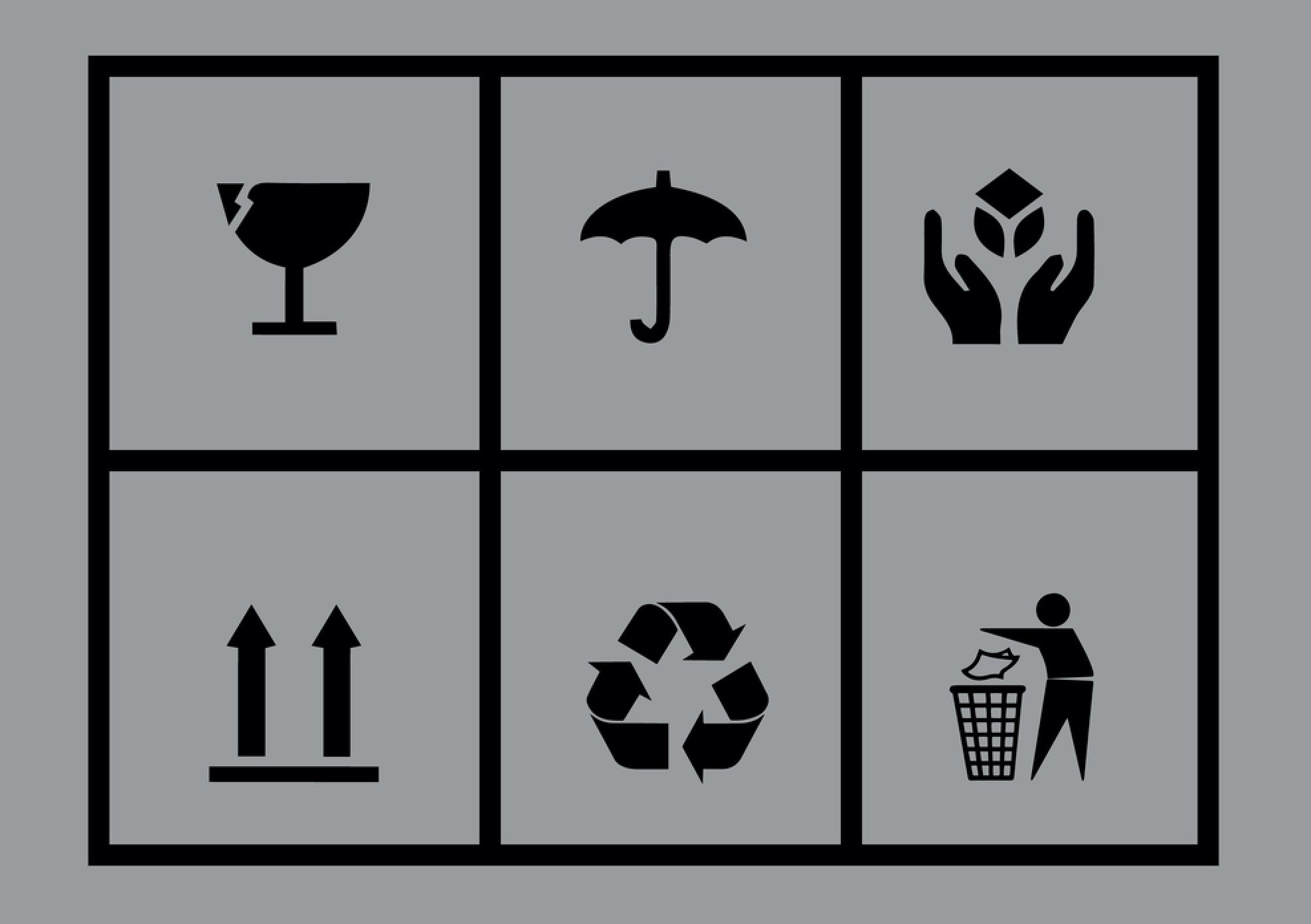
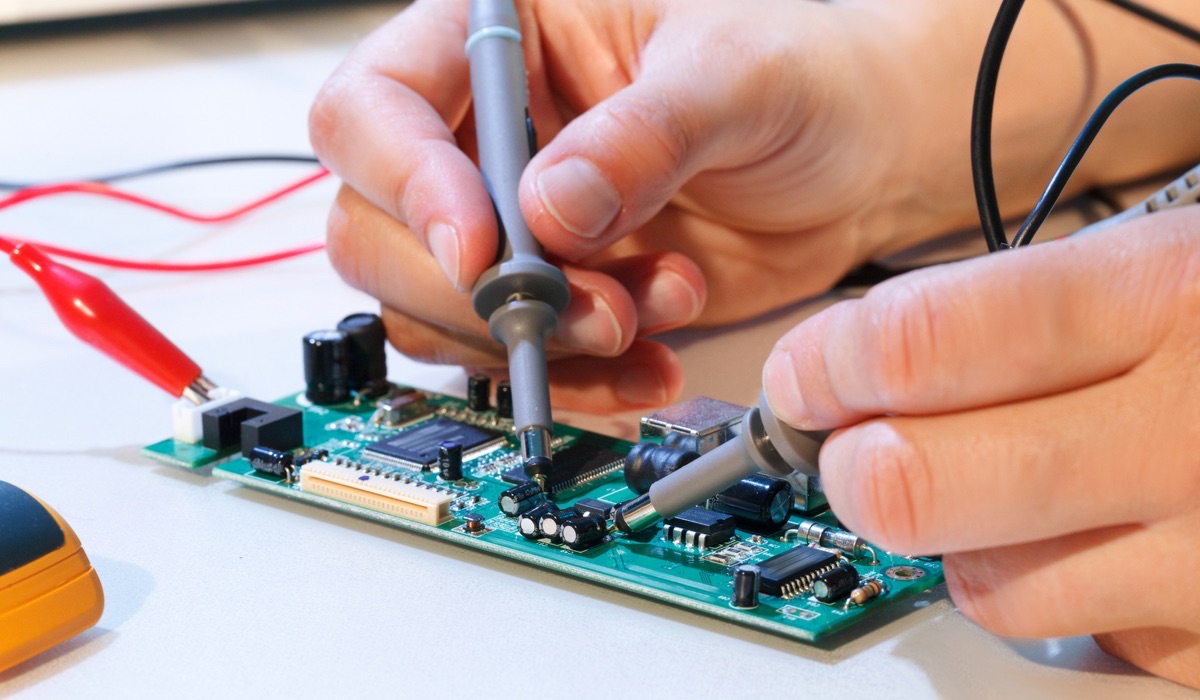 Un defecto crítico sería el sobrecalentamiento de la batería de un portátil que, si se deja desatendida mientras se carga, puede provocar incendios.
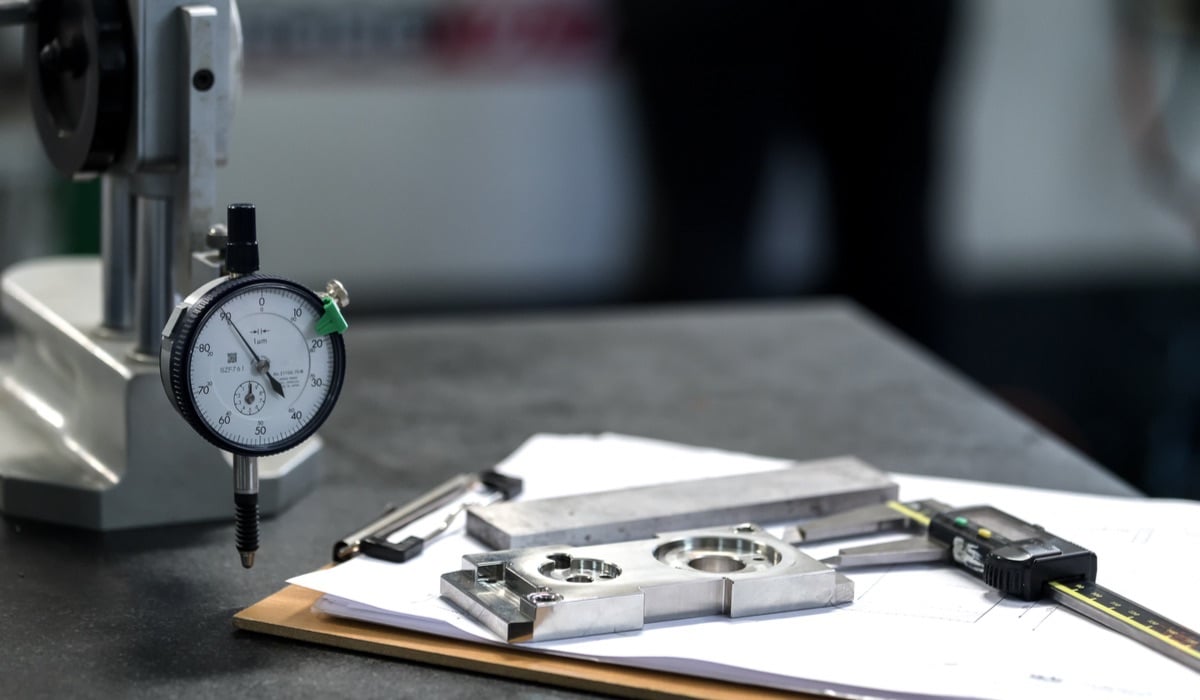 Por lo tanto, una pregunta importante que deberías hacerle a tu proveedor antes de todo esto es, ¿cómo evitarán cualquier problema de calidad que pueda surgir durante tu operación?
Comprender cómo tu proveedor maneja las presiones de calidad y los procedimientos de cumplimiento te ayudará a definir qué tipo de relación tienes con ellos.
Antes de la producción en masa, tu proveedor debe proporcionarte un
Por lo tanto, una pregunta importante que deberías hacerle a tu proveedor antes de todo esto es, ¿cómo evitarán cualquier problema de calidad que pueda surgir durante tu operación?
Comprender cómo tu proveedor maneja las presiones de calidad y los procedimientos de cumplimiento te ayudará a definir qué tipo de relación tienes con ellos.
Antes de la producción en masa, tu proveedor debe proporcionarte un .jpg)
 también hay un equipo informático dedicado a garantizar la seguridad del software y sólo los empleados de la API están autorizados a realizar modificaciones en la plataforma.
 Both of these retailers experienced significant challenges within their supply chains, one had even previously adopted the services of a 3rd party QA provider, who made no strides in overcoming their challenges with them.
 The quality of a product can be defined in many ways and is almost always dependent on your specific consumer and their definition of quality for your specific item. So in that light, you will need to know exactly what your consumer is looking for to create the quality your brand is looking to achieve.
When a consumer sets out to look for a quality product, they want to feel as though they have paid less than what the actual product is worth, the quality of the product far surpassing the amount they ended up paying. Fulfilling the need to exceed the consumer’s expectations, this is what true quality is all about.
If fulfilling the need to meet your consumer’s expectations is at the top of your company’s agenda, is it not essential for your brand’s products to meet a level of quality that does just that? Let me leave you pondering that for a bit.
In attempting to understand your customer’s definition of quality, it will be important to note that fulfilling consumer expectation and experience forms a part of that definition.
Let me give you an example; If a consumer orders a product that has met and passed all quality tests it needed to meet, that product for all intents and purposes is a quality item. But, if the order arrives later than promised or arrives with a missing screw or the incorrect color, the consumer may not define this product as an item of value and quality.
Striving for product quality is a stems right from the raw materials used, to the way in which it arrives to your customer, therefore every step needs to be taken into consideration.
The quality of a product can be defined in many ways and is almost always dependent on your specific consumer and their definition of quality for your specific item. So in that light, you will need to know exactly what your consumer is looking for to create the quality your brand is looking to achieve.
When a consumer sets out to look for a quality product, they want to feel as though they have paid less than what the actual product is worth, the quality of the product far surpassing the amount they ended up paying. Fulfilling the need to exceed the consumer’s expectations, this is what true quality is all about.
If fulfilling the need to meet your consumer’s expectations is at the top of your company’s agenda, is it not essential for your brand’s products to meet a level of quality that does just that? Let me leave you pondering that for a bit.
In attempting to understand your customer’s definition of quality, it will be important to note that fulfilling consumer expectation and experience forms a part of that definition.
Let me give you an example; If a consumer orders a product that has met and passed all quality tests it needed to meet, that product for all intents and purposes is a quality item. But, if the order arrives later than promised or arrives with a missing screw or the incorrect color, the consumer may not define this product as an item of value and quality.
Striving for product quality is a stems right from the raw materials used, to the way in which it arrives to your customer, therefore every step needs to be taken into consideration.
 craze of fidget spinners and, where 200, 000 of these spinners have been recalled due to it
  they want to know where its raw materials were sourced, how it was made, who made it and what its level of quality is. They ask themselves whether or not your product will be an investment in their lives.
The key here will be to know your target market, know your consumer. If you do not know what they want, you will struggle to be their go-to brand; you will lose out on their brand evangelism and praise affecting your bottom line
“Is this the type of brand and product you wish to create?”
Retailers today are under so much pressure with the current supply and demand of products, that quality and/or compliance is not always a priority.
“But, it should be!”
Bad quality and non-compliance both mean that your brand is at an unnecessarily high risk with regards to meeting regulations and your reputation. It will be worth all the hard yards that you put in from the creation and design to the manufacturing and distribution of your products. This will help mitigate unnecessary risk, saving you money and precious time.
they want to know where its raw materials were sourced, how it was made, who made it and what its level of quality is. They ask themselves whether or not your product will be an investment in their lives.
The key here will be to know your target market, know your consumer. If you do not know what they want, you will struggle to be their go-to brand; you will lose out on their brand evangelism and praise affecting your bottom line
“Is this the type of brand and product you wish to create?”
Retailers today are under so much pressure with the current supply and demand of products, that quality and/or compliance is not always a priority.
“But, it should be!”
Bad quality and non-compliance both mean that your brand is at an unnecessarily high risk with regards to meeting regulations and your reputation. It will be worth all the hard yards that you put in from the creation and design to the manufacturing and distribution of your products. This will help mitigate unnecessary risk, saving you money and precious time.

 A POA is essential for filling out shippers exportation documents. This exportation document cannot be completed without a valid POA. Without it, your shipment will not be released, costing you time and money.
“So, what happens when one of these documents are not in order?”
You incur costs that begin adding up on a daily basis. Your shipment will be warehoused, where you will be billed for every day your shipment is there. It will be time consuming. Much of the paperwork mentioned above takes time to complete, but now you will be waiting on paperwork while raking up warehouse fees. This is not an ideal situation but can be avoided with thorough, well-kept, organized paperwork and a dash of patience to go along with it.
A POA is essential for filling out shippers exportation documents. This exportation document cannot be completed without a valid POA. Without it, your shipment will not be released, costing you time and money.
“So, what happens when one of these documents are not in order?”
You incur costs that begin adding up on a daily basis. Your shipment will be warehoused, where you will be billed for every day your shipment is there. It will be time consuming. Much of the paperwork mentioned above takes time to complete, but now you will be waiting on paperwork while raking up warehouse fees. This is not an ideal situation but can be avoided with thorough, well-kept, organized paperwork and a dash of patience to go along with it.


