Comparing the old and the new in compliance software

Categorías
Blogs

Comparing the old and the new in compliance software

Maintaining supply chain compliance is an issue retailers/importers have found more difficult to navigate in recent years with an increase in pressure from consumers for more ethical products, and the digitization of retail supply chains.

Dealing with compliance issues have long been managed by manual compliance document filing procedures, which may have provided one a greater level of control in some respects in the past, but also made it that much more difficult to stay on top of one’s supply chain with all the heavy paperwork.

The need for an update in the way that compliance was documented, implemented and achieved was evident.

This brought about the advent and introduction of an online compliance solution. Web-based filing presented an all-in-one platform that promised greater transparency, and control over one’s supply chain in real time.

However, even with this tool there are still retailers/importers today who rely on more traditional means by which to tackle ever evolving issues that can be more readily addressed with more the accurate reporting data, flexibility and speed of an online solution.

In this blog post we will take a look at the benefits of the online compliance software known as the TCF solution over traditional compliance filing procedures, in the hope of showcasing why bringing supply chain compliance into the online age is a must for your household goods business.

tcf_software_vs_traditional_compliance (2).jpg

Often times retailers locally and globally are unaware of the options that are available to them, and also what benefits they can have for their organization. This often leads to sticking with what you know, sticking to a solution that may not always have the best ROI for your organization.

Why is this TCF solution right for you?

TCF is an online compliance software solution that:

  • streamlines your compliance and regulatory operations
  • provides actionable insights into the performance of your suppliers
  • allows insight into areas of risk that you may not have seen before
  • is extremely cost effective and efficient

The kind of visibility that a solution like this promises goes very far to help increase your productivity, therefore having a positive impact on your ROI.  

Learn more about the TCF solution API provides for household goods here!

Achieving compliance traditionally is a challenge right from the start. The constant back and forth communication with your suppliers, with a flood of emails to your inbox to constantly keep track of, to the unreliable manual entry spreadsheets. There is too much room for human error here to remain as productive as what consumers today are demanding.  

The digital landscape we find ourselves in is all about keeping up with the constant demand of the retail supply chain. If your current compliance systems are holding you back with errors that can be avoided easily, then your supply chain may not be as competitive or as productive as it likely should be.

TAKE A DIVE INTO LEARNING ABOUT HOW RETAILERS WERE ABLE TO OVERCOME THEIR BIGGEST QA CHALLENGES TODAY! SIMPLY CLICK HERE TO GET YOUR CASE STUDY NOW

Categorías
Blogs

¿Problemas de cumplimiento? Necesita este software en línea

Cumplimentar un Expediente Técnico de Conformidad, como sabemos, es un requisito exigido por la normativa. Consolidar los documentos de conformidad es un reto inmenso y es una red de complejidades que a menudo crea confusión e incertidumbre. Las numerosas normas y reglamentos necesarios para que un producto específico alcance un determinado nivel de conformidad son tan complejos que puede resultar poco claro cómo empezar a abordarlos, por no hablar de tener las capacidades internas para empezar a abordarlos.

"¿Existe una solución a esta maraña de complejidad?".

En plataforma web de desarrollo propio con disponibilidad 24/7 y almacenamiento seguro de sus documentos. Una plataforma como esta puede crear un valor inmenso para minoristas, importadores y directores de calidad, ayudando a aliviar algunas de las presiones y complejidades de cumplimiento al mantener todo en un solo lugar.

En este post, entrevisto a Aurelien Dalle, Director de Operaciones de API, donde tratamos de desvelar algunas de las preguntas más frecuentes en torno a este nuevo software de cumplimiento, y los beneficios que puede proporcionar a las marcas que luchan con problemas de cumplimiento provocados por la falta de documentación, incompleta o incorrecta.  

P: ¿Cuáles son algunos de los retos habituales a los que se enfrentan las organizaciones en relación con el FCT y el cumplimiento de la normativa en general?

  • A menudo resulta difícil disponer y mantener internamente todos los conocimientos sobre productos, normas y reglamentos, así como la vigilancia reglamentaria, ya que la mayoría de las veces se necesita la ayuda de expertos técnicos en muchos campos diferentes.
  • Es difícil hacer un seguimiento de la documentación, ya que no existe un sistema informático de apoyo adecuado y a menudo se depende de muchos correos electrónicos y archivos Excel para los documentos.problemas de cumplimiento.jpg
  • En muchas organizaciones, el equipo de calidad es pequeño. En algunos casos, los únicos equipos lo suficientemente grandes como para llevar a cabo esta tarea son los del equipo de compras, e incluso entonces suelen necesitar la ayuda de los laboratorios para que les asesoren y juzguen sobre la conformidad y la calidad en general.
  • Es una tarea ingente y tediosa determinar los requisitos de cada producto y ponerse en contacto con los proveedores para recopilar toda la documentación. También puede ser una tarea agotadora revisar documentos de 50 páginas en un solo día.

P: ¿Qué hay que hacer después de aplicar el servicio TCF?

  • Si el cliente desconoce las normas y reglamentos aplicables para completar un TCF, el equipo de TCF de API puede definir y dar recomendaciones sobre el alcance del cumplimiento (normas obligatorias y documentación técnica, así como requisitos de rendimiento recomendados) del producto para su mercado de destino.
  • El equipo del TCF de la API empieza a ponerse en contacto con los proveedores proporcionándoles acceso a la base de datos e informándoles, a través de la herramienta TCF, de los requisitos exactos que se aplican a los productos para que los proveedores puedan empezar a cargar los documentos, en caso de que ya tengan la documentación a mano; de lo contrario, el proveedor empezará a organizar las pruebas necesarias en laboratorios.

P: ¿Cómo puede beneficiarse una organización de este cumplimiento de la normativa? ¿software?

  • La herramienta TCF proporciona información centralizada, disponible 24 horas al día, 7 días a la semana. Ofrecemos conocimientos técnicos del laboratorio API y estadísticas automáticas para supervisar el rendimiento específico de los proveedores. También hay recordatorios organizados integrados en el sistema, que hacen un seguimiento de todo tipo de actividades y fechas dentro de la herramienta.
  • Seguimiento de las fechas de validez y caducidad de las normas/documentos y control de versiones, de modo que no sea necesario volver a comprobar el mismo archivo para los siguientes pedidos.

P: ¿Cuál es el plazo de entrega de un TCF completo?

El plazo de entrega depende del rendimiento del proveedor, así que en general puede ser de 1-2 semanas hasta 2-3 meses. A veces puede ser más, ya que algunas pruebas de resistencia específicas duran varios meses.

P: ¿Qué ventajas tiene utilizar una plataforma web?

Este software y su información están centralizados y se puede acceder a ellos desde distintos países. Minimiza la cantidad de correos electrónicos enviados y recibidos, al tiempo que reduce el número de colecciones de documentos de gran tamaño. Además, estos documentos se archivan de forma automática y adecuada para cada elemento.

P: ¿Cómo garantizan la seguridad y confidencialidad de los documentos?

Hay un acceso protegido por contraseña y páginas seguras encriptadas que garantizan la confidencialidad. Ensoftware de conformidad - almacenamiento seguro también hay un equipo informático dedicado a garantizar la seguridad del software y sólo los empleados de la API están autorizados a realizar modificaciones en la plataforma.

Son muchas las ventajas de este software de cumplimiento de las normas TCF, una solución integral capaz de agilizar todas sus cuestiones de cumplimiento, creando eficacia operativa para su marca, una mayor visibilidad de su proveedor y su rendimiento, así como la posibilidad de mitigar cualquier riesgo innecesario. 

Una entrevista informativa que ha sabido definir claramente las ventajas de esta solución ¿Tiene alguna idea o pregunta al respecto? Póngase en contacto con nosotros


¿SUPONE EL CUMPLIMIENTO DE LA NORMATIVA UN RETO PARA TI?
HAZ CLIC AQUÍ PARA CREAR UN PROGRAMA DE CUMPLIMIENTO
¡ÚNICO PARA SUS NECESIDADES HOY MISMO! 


Categorías
Blogs

[VIDEO] What is a Technical Compliance File (TCF)

Compliance and regulation has changed so much over the years with far more stricter regulations required for retail products today than ever before.The changing landscape has meant the very nature of compliance has become rather complex and difficult to achieve without adequate knowledge and expertise.

Compliance solution documentsMany of the compliance complexities that arise are in the collection and gathering of all the necessary documentation. Many manufacturers, importers and retailers today are still operating on outdated systems like spreadsheets, creating unreliable data and documentation, which creates an almost insurmountable task trying to maintain the information for each product reference.  

Often times professionals find themselves in a position of begging and pleading for documentation with nowhere to turn but to wait on the slow turning wheels of doing everything manually. Data, technology and cloud-based systems and solutions are where supply chains are headed.

Today’s consumers dictate the level of safety and performance they need to make a purchase of your product; this can either be seen as a challenge for your supply chain or as a golden opportunity.

What if there was an all inclusive compliance software that could streamline all your supplier and compliance operations in one place… accurately and reliably?

In this post, we seek to uncover the Technical Compliance File (TCF) solution – A compliance solution that will help relieve many of the compliance pressures that your supply chain currently faces.

What is a TCF?

Why a TCF?

At this point you may be wondering about the exact operating of this system, and what kind of benefits a compliance solution like this can have for your current operating systems. So let me tell you;

There are a number of reasons why retailers are in preference for this solution;

  • Technical expertise – There are dedicated teams to review what exact documents are required for the products and that the documents received are exactly what you are in need of, including all follow up with any supplier or factory that may be delaying you. These experts are also able to give technical advice where necessary, ensuring you don’t find yourself in a sticky supplier situation that can easily be avoided.
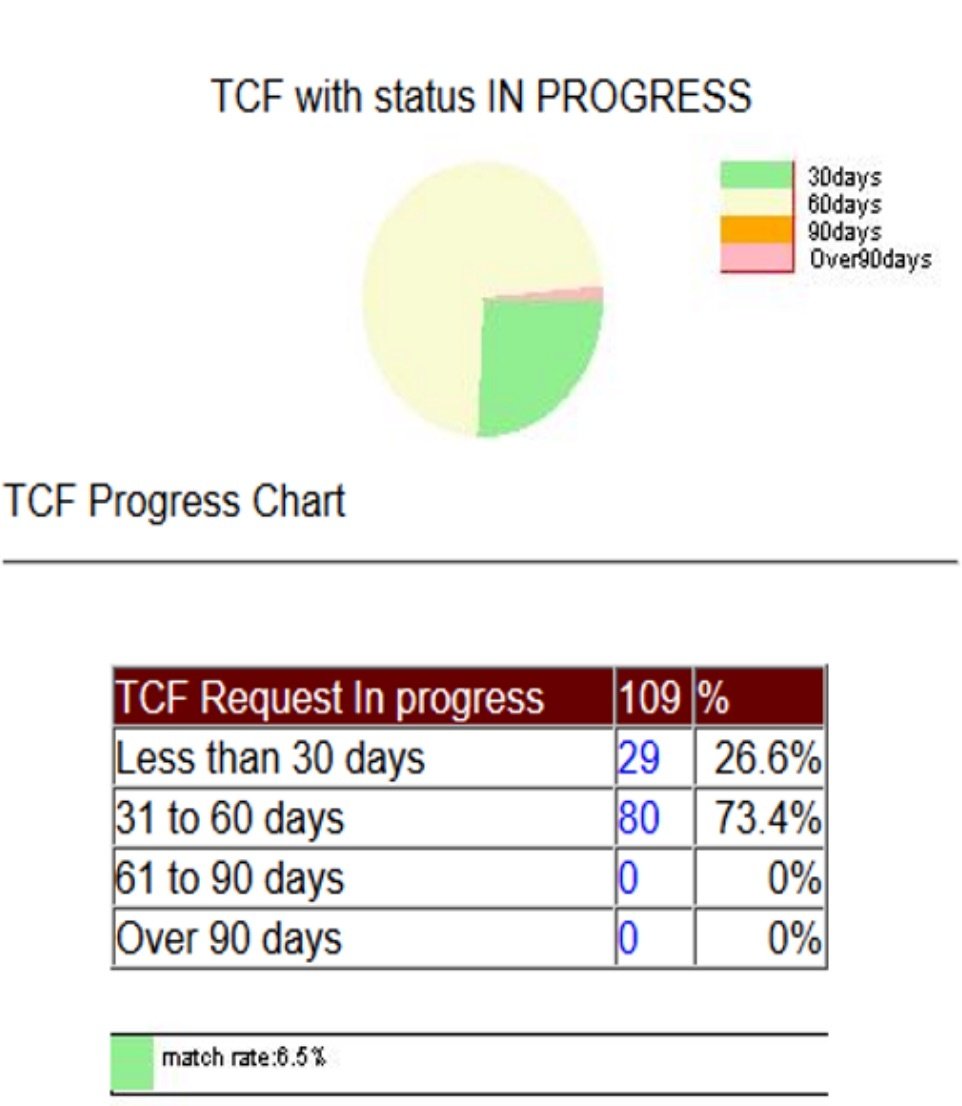
  • Online 24/7 access – The TCF solution has a 24/7 online dashboard with real-time updates allowingTCF compliance software you insight into your compliance status whenever you need it. There are also progress charts allowing you actionable insight into timelines and your supplier progress. This solution is also able to store all your documents for up to 10 years, ensuring your documents are safely stored for any future reference.  
  • Transparency – A solution like this can provide you with a real look into your supplier and/or manufacturer’s status in the workplace. It provides invaluable insights into the kind of supplier you have chosen to work with as you can track their compliance and regulatory progress online. 
  • Visibility – This allows you insight into what tests are being done and achieved in the lab, placing you in a better position of understanding the level of compliance your products are achieving.
  • Additional custom services – In having the expertise to analyze and determine the exact compliance and regulatory documents you are in need of, there are other custom services that can be offered if you find yourself short of an audit or specific product test that you need done to form a part of your TCF.
  • Separate supplier reporting – You are able to access reports on your organizational progress, but also your supplier’s progress. Your supplier is given access to a separate dashboard, so your information remains confidential.
  • Cost reduction – Streamlining the incredibly complex compliance process into one solution will be cost effective for your brand. Let me break this down for you; As mentioned earlier, a TCF is required as part of regulation, you already know what the process is in collecting documents from your factory, and all the follow-up communication that is required to get your documents. It’s often difficult and complex with little or slow results.

Regarding product compliance, let’s say for a furniture retailer, each item may need up to 30 documents (without counting all the submitted and rejected docs, which can be even more) to demonstrate compliance just for that product. As a retailer, you likely have more than 1 item that needs to achieve compliance, and with every document that is needed, each could take up to 30 minutes to evaluate properly, which equates to about 15 hours for just one product! If you have a whole range of products, you can begin to see how costly this whole process can become.

Risk Mitigation – The insight that this solution can provide into the most vulnerable areas of your supply chain can be invaluable information. The information that you will have access to should alert you to potential risks early on, allowing you the time to mitigate those potential risks. 

Enhancing your current quality management systems to include a web-based solution like this can set your brand at a benchmark above the rest.Compliance software web-based solution

As supply chains are increasingly becoming more digitally adaptive with cloud-based operating systems, it will be necessary for you to analyze your current solutions to be more adaptive to the current supply chain climate.

A comprehensive solution like this can create an operational efficiency for your supply chain that may have never even crossed your path. The benefits and increased visibility into your supply chain will be invaluable to optimizing your current quality systems.

In a better place of understanding this web-based solution, do you have thoughts or questions regarding the TCF? Leave your questions in the comments section; I would love to engage with you on this.

GET STARTED WITH YOUR VERY OWN COMPLIANCE PROGRAM TODAY!
CLICK HERE TO BEGIN 


Categorías
Blogs

Do You Know The Purposes of Your Factory Quality Audit?

The state of retail has recently seen an increase in supply chain pressure from retail giants like Amazon that are increasing the pace at which supply chains need to operate. This increase in pressure and pace mean that your product needs to be on the shelves faster which puts large amounts of strain on your quality procedures, which can result in lower quality products hitting the market. This is risky. Quality is complex at the best of times, and as you juggle this increase in pace, it can be difficult to stay on top of the smaller cogs of the quality machine. So what are retailers doing to avoid potential low quality products? They have begun outsourcing their quality systems to qualified third-party providers to help alleviate some of that supply chain pressure. One of the primary solutions retailers opt for, is a quality audit – to highlight those weak spots within your supply chain and create a plan of action for how you can address them. In this blog post, we take a look at the purposes of a quality audit for your household goods brand; we take a brief look at what the benefits of outsourcing your quality procedures are and what these benefits can mean for your organization.

Three Ways To Do conduct an Audit

Auditing has become a crucial tool for managing and monitoring the implementation of the quality systems of many factories. Let’s take a look at the three ways that these audits can be performed;
  • In-house audit – This is performed internally by an in-house team. They measure the strengths and weakness of quality and production systems against any international/external standards and regulation. This form of auditing is unable to provide your organization with any form of certification.
  • Second-party audit – This is when an organization performs an audit of their potential supplier, to ensure that they can meet your production requirements. Often these audits can be completed onsite to review the internal technical processes of the supplier, but this audit can also be performed off-site in the form of documentation reviews. It will be up to your organization to define what exactly you want to audit to help you make a well-informed decision about your supplier. This type of audit has nothing to do with QMS certification, as only a registered third-party auditing organization can provide this.
  • Third-party audit – This is conducted by a qualified audit organization, that is not connected to the supplier or brand by any nature. MThird party Quality Audit.jpgany organizations consider third-party audits for many reasons, mainly they have come to the decision to create a quality management system (QMS) such as ISO 9001. A third-party auditor would come in and assess whether or not this organization meets the requirements as laid out by the above QMS. A third-party auditor will then provide your organization with a certification stipulating that you meet the requirements as laid out. This is often a preferred audit option as the results are unbiased and certification has become a competitive differentiator.
In defining the above, if we have not left you pondering which one is better then we have not done our job… The great old In-house Vs. Third Party debate; You may be thinking that you are capable of maintaining high levels of product quality through your in-house quality teams, and while this may be true for now, but you do need to ask whether or not you can maintain and meet the demands of that ever-increasing consumer nature. I think it may be worth re-looking at the debate with your bottom line, your resources and time in mind…

The Purposes Of A Quality Audit For Your Brand

In defining the purpose of an audit for your brand, you will be able to understand who should be conducting your audit. The main objectives are as follows;
  • Certification – Many household goods retailers that produce a product that contains high levels of risk, such as toys and electrical appliances, etc. and are wanting to do business in Europe will need to comply with the CE directive as laid out the European Commission. The management system of your supplier will need to be assessed according to any one of the ISO standards and the certified accordingly. Bear in mind that the auditing company you choose to use will need to be certified by a regulatory body to certify you.
  • Performance versus compliance/conformance audits – Many audits have different purposes. It will be important to try and make sure that if you are performing an internal audit, that you keep it as holistic as you possibly can. Your audit will need to assess compliance and performance. The audit report will need to identify the suppliers standing according to both of these categories.
  • Follow-up audit – An audit will often present findings that will need time to rectify, in which a follow-up will be needed to ensure that corrective actions have taken place.
With your purpose in mind, are you able to come to know who should be conducting your factory quality audits?

The five benefits of using a third-party quality auditor

If you are unsure of the benefits that a third-party quality provider can provide you take a quick look here;
  • Expertise – Third-party auditors undergo formal auditing training and experience to notice noncompliance and unethical situations. This wealth of knowledge and experience will be of benefit to your organization. Innovation - Third party Quality Audit.jpg
  • Efficiency –  A third-party auditor has the infrastructure to ensure they meet your organization’s auditing needs.
  • Technology – They have the appropriate tools and technology to ensure a successful audit of your supplier.
  • Accountability – A third-party auditor will have pledged to uphold a certain code of ethical conduct and are held accountable to the greater company policies, rules, and regulations.
  • Risk Reduction – A third-party auditor is trained to identify mishappenings within the quality systems of a potential supplier. This insight allows you to manage risk early on.

Puntos Clave

Producing high-quality products, with no defects that could result in recalls, is likely a top priority for you and your brand. Are you able to invest your time and more resource to ensure that your internal audits are of the highest quality, unbiased and according to the requirements of a QMS like ISO 9001? You may need to consider outsourcing your audits to certified third-party auditors. They will be able to provide you with QMS certification, performance and conformance evaluation, they can offer follow-up audits and also provide insight into improvement strategies that would be of benefit to a successful supplier relationship. All of the above are things that your consumers highly value, which will positively impact your bottom line and strategically place your brand in the marketplace.

WOULD YOUR COMPANY STAND TO BENEFIT FROM

PREVENTIVE QUALITY MANAGEMENT?

Categorías
Blogs

Avoid Compliance Issues With Our Quality Assurance Solutions

Quality Assurance is essential to the efficient operating systems of your supply chain and, ultimately, your brand’s bottom line. But, the question is how often do you get caught up in procedural changes that leave your supply chain trapped in a web of complexities that you are unable to get out of or make sense of?

As a retailer, you know better than anyone that these complexities come with the territory of managing a supply chain, with the continuous changes in product regulation and compliance issues, to audit and inspection essentials, to also being able to get your product to market on time, having sufficiently passed all the compliance and quality inspections necessary.

Quality Assurance solutions.jpg

At this stage, you have either considered revising all of your operational procedures to encompass all the changes that need to be adhered to, or you have likely considered a third party QA provider. The thing to keep in mind here is that you are not alone. The web of complexities that have you entangled can be dealt with efficiently and according to your exact specification.

“What do I mean?”

Our case study takes a closer look at the QA challenges that two large European retailers were facing, and delves into exactly how they overcame this through API’s uniquely devised QA solutions.


The Challenges

Retailer A – Underwent major procedural changes and experienced 50% of their shipment being held due to basic procedural non-compliance rendering them “pending”.

“I am sure you are aware of how this can put huge pressure on your supply chain and bottom line.”

Retailer B – Began experiencing a large number of product recalls due to incomplete or unavailable Technical Compliance Files.

If you have had experience with the authorities, then you know exactly how complex acquiring a full and complete TCF is!


The Solutions

Retailer A – After implementing a customized quality management program, they were able to reduce their “pending” rate for non-compliance from 50% to 15%.

Retailer B – In a year they experienced a 60% decrease in the number of product recalls they had, owing to API’s in-house designed compliance software.

customized quality assurance solutions and compliance issuesBoth of these retailers experienced significant challenges within their supply chains, one had even previously adopted the services of a 3rd party QA provider, who made no strides in overcoming their challenges with them.

“There is no one size fits all approach to QA.”

Keep this in mind when you begin pondering over the use of an external QA provider.

This case study seeks to showcase the huge value in using a provider that is able to customize and tailor their quality assurance solutions based on your exact needs and requirements. This provides valuable insights into your supply chain allowing you to identify risks early, but also create somewhat of a partnership with your provider, based on trust and a quantifiable solution promoting growth and sustainability for your brand. 

Categorías
Blogs

DUPRO & Toy Testing: The Key To Improved Toy Quality

An average of more than 100 children’s toys are recalled every year due to critical defects. Recalls and quality issues can be prevented with DUPRO quality inspection and subsequent toy testing. Learn about what to expect during a DUPRO inspection and why it is the key to improved toy quality here.

Why A DUPRO Inspection for your children’s toy factory?

DUPRO inspection and toy testing More often than not performing an inspection after the production of toys is finished is problematic and too late to rectify any quality problems found within the product. Enter During Production Inspection (DUPRO). This inspection type is designed to catch quality issues right on the production line to prevent any delays in getting your product to market.

What Can You Expect Of A DUPRO Inspection?

A DUPRO inspection is one of the most commonly used quality inspection types and is normally carried out after mass production has begun when approximately 40% of your toys have been produced and 20% of them have already been packaged. A quality control inspector will normally go through the inspection line of your toy factory to identify any quality problems that may arise during the production processes. An inspector will have a checklist to assess the production, which is inclusive of the following;
  • Is the production of the toys conforming to the product specs as laid out by the importer/retailer?
  • Based on the sampling plan that was decided upon a quality control inspector will look at the children’s toys for any visual defects that may be present and analyze them against the acceptable quality limits as set by the importer/retailer.
  • An inspector will conduct on-site toy testing. This is dependent on the product of course, but many children’s toys will have a drop test performed to analyze a real-life simulation of the toy. The fidget spinner is a good example of the type of toy that would undergo an onsite drop test to ensure the inner bearings do not pop out. If they do not this item would be deemed safe and fit for use according to ASTM F963. Toy testing a fidget spinner
If the above criteria are not met, the supplier will then need to consider corrective action plans and possibly a Root-Cause Analysis (RCA) to work out the problem and devise improvement strategies based on the findings. This inspector will then produce a full detailed report with images of non-conforming toys and any notes that are deemed necessary and important, allowing you the insight into the quality of the work being done to complete your order. So, what do you do with a DUPRO report? Once your supplier receives the inspector’s findings within the report, your supplier will need to adjust the production process to ensure that the issues found are rectified. **NOTE – If you have to delay production to wait for your supplier to rectify what was found in the report, do so. ¿Por qué? Product recalls! You do not want to subject your brand to potential recalls that could result in costly law suits causing embarrassment to you and your brand.

Puntos Clave

A DUPRO primarily will;
  • Highlight your supplier’s conformity to product specifications
**TIP – It will be crucial for you to adequately and clearly define these for your supplier.
  • Analyze the acceptable quality limits as set by you
  • As a part of the DUPRO inspection, your QC inspector will perform basic on-site tests to evaluate the children’s toy quality and conformity.
Conducting a DUPRO quality inspection in itself is not recommended as industry best practice, as it does not showcase the average quality of toy that a supplier can produce. So, what is recommended then? It is recommended to couple your DUPRO inspection with a Inspección aleatoria final to ensure that your children’s toys conform to acceptable levels of quality as laid out by you the importer or retailer.

TAKE A DIVE INTO OUR QUALITY INSPECTION GUIDE THAT WILL HELP WITH IMPROVED PRODUCT QUALITY

Categorías
Blogs

Quality Vs Compliance – The Case For Supply Chain Synergy

The age old debate of quality vs compliance or compliance over quality is something that we still wrestle with today. By defining what these concepts mean, we can start to paint a picture of why one may take precedence over the other in your eyes: Quality – This specifically refers to the ability of a product or service to consistently meet and exceed customer expectation from its design to its functionality. Compliance – This specifically refers to whether or not your product meets specific product compliance regulations so as to be responsibly bought or consumed by a customer. Now, depending on your brand’s positioning and goals, you will likely be placing value on one over the other, putting your brand at unnecessarily high risks that can result in avoidable costs for you. “Does it really have to be one over the other?”  When quality and compliance are able to strike a harmonious balance within your supply chain, you create operational efficiencies that are able to create opportunities for growth in the marketplace, something your brand can benefit from by setting you at a bench mark above the rest In this blog post, we seek to uncover the importance of both quality and compliance and the benefits they have to manufacturers, suppliers and retailers all over the world, ultimately taking a closer look at what the perfect union of these two concepts can mean for you.

The case for quality

When one speaks of the quality of a product from a manufacturing perspective, it refers to the external review of a product. It seeks to satisfy consumers through its quality with regards to design, functionality, durability and aesthetic appeal. Quality vs compliance - aesthetic furnitureThe quality of a product can be defined in many ways and is almost always dependent on your specific consumer and their definition of quality for your specific item. So in that light, you will need to know exactly what your consumer is looking for to create the quality your brand is looking to achieve. When a consumer sets out to look for a quality product, they want to feel as though they have paid less than what the actual product is worth, the quality of the product far surpassing the amount they ended up paying. Fulfilling the need to exceed the consumer’s expectations, this is what true quality is all about. If fulfilling the need to meet your consumer’s expectations is at the top of your company’s agenda, is it not essential for your brand’s products to meet a level of quality that does just that? Let me leave you pondering that for a bit. In attempting to understand your customer’s definition of quality, it will be important to note that fulfilling consumer expectation and experience forms a part of that definition. Let me give you an example; If a consumer orders a product that has met and passed all quality tests it needed to meet, that product for all intents and purposes is a quality item. But, if the order arrives later than promised or arrives with a missing screw or the incorrect color, the consumer may not define this product as an item of value and quality. Striving for product quality is a stems right from the raw materials used, to the way in which it arrives to your customer, therefore every step needs to be taken into consideration.

The case for compliance

When a brand takes on compliance, it seeks to meet the minimum regulatory requirements specific to a product or item sold to a retailer. This may mean that although the product is not of the highest quality, it at least meets the minimum mandatory regulation requirements specific to it. Depending on your product’s destination market, it will likely need to comply with one or more of the following; * Product safety regulations * Substance regulations * Document requirements * Labeling requirements * Testing requirements You do not have to comply with all of these; as it will depend very much on your product and the market that it needs to enter. The importance of compliance is highlighted none the better than with the recent global Quality vs Compliance - Fidget Spinnerscraze of fidget spinners and, where 200, 000 of these spinners have been recalled due to it massive non-compliance failures. Many of these items that are being imported have been found to be non-compliant with the regulatory requirements specific to its markets. This is becoming a big problem as they have also proven to be a danger to children as the small parts they are made out of can and are causing serious harm. Where the confusion sets in, is that a product is capable of being compliant, but also not be the best quality product. The opposite is also true; you can have a quality item that does not meet all the regulatory requirements either. An issue like this can often arise within your supply chain whether it be in the design process, or even within the manufacturing process. This can create a high level of risk for your brand, and could land you in a position you do not want to be in.

The case for supply chain synergy

So as the debate goes, we seek to uncover the myth that quality supersedes compliance and vice versa. They need to work together, hand-in-hand, where they can create true value for your brand through optimized quality procedures from your factory to the consumers. Striving for compliance means to create operational efficiency for your supply chain. This means continuous improvements for your brand and its systems. These improvements can take the form of a compliance program which will begin to address the quality procedures (operationally and product quality) of your entire supply chain. The improvement of these systems will mean that you reduce your exposure to risk and also create a more visible and transparent supply chain, which consumers today base their buying decisions on. Always keep this in mind. A compliance program will also extend into the manner in which you select your supplier and evaluate the factory that your product will ultimately be made in. Ensuring that your supply chain is compliant will mean that you are essentially creating quality operating systems. Quality operating systems will mean that the product you produce is being made in the most optimal environment. A well-functioning environment where quality and compliance is a part of every operating system will flow into the very essence of your product, making consumers want to purchase your product at a price that they feel is undervalued for an item of such great quality Today’s consumer is empowered with access and knowledge into your product and your supply chain;Quality vs Compliance they want to know where its raw materials were sourced, how it was made, who made it and what its level of quality is. They ask themselves whether or not your product will be an investment in their lives. The key here will be to know your target market, know your consumer. If you do not know what they want, you will struggle to be their go-to brand; you will lose out on their brand evangelism and praise affecting your bottom line “Is this the type of brand and product you wish to create?” Retailers today are under so much pressure with the current supply and demand of products, that quality and/or compliance is not always a priority. “But, it should be!” Bad quality and non-compliance both mean that your brand is at an unnecessarily high risk with regards to meeting regulations and your reputation. It will be worth all the hard yards that you put in from the creation and design to the manufacturing and distribution of your products. This will help mitigate unnecessary risk, saving you money and precious time.

Conclusion

These two concepts can be integrated into your supply chain through a Quality Management System – “SGC is a set of policies, processes and procedures required for planning and execution of a product or service.” This should help you create a structured system for continuous improvements that can be made to all areas of your supply chain and its operations. Today’s empowered consumers show us just how important both quality and compliance are for your products and brand. It will be important to make these a priority in order to maintain that globally competitive advantage. If you are interested in learning how to build a compliance program that also addresses product compliance within your supply chain take a look at the eBook we wrote on how to go about doing just that.

Get started with your very own compliance program today!

Click here to begin

Categorías
Blogs

Golden Samples & Improved Quality (DIY & Tools Factory)

So you want to import DIY tools into Europe, you’ve sourced your supplier in Ningbo, China where you place an order for a shipment of a variety of DIY tools like hammers, star and flat screwdrivers as well as 8 meter tape measures. Your shipment arrives, but your hammer handles are the wrong color and the color of the flat and star screwdrivers are swapped around.If you have had these kind of experiences with quality that is below standard or defect rates that you just can’t seem to reduce, you may need to consider establishing a golden sample from your supplier to eliminate any unnecessary areas of risk.

¿Por qué?

Sourcing abroad is a challenge. As a means of overcoming this challenge, we recommend establishing a golden sample which is deemed industry best practice. Along with your golden sample you should consider the use of a third-party quality provider to ensure the quality of your sample is of the highest quality.

Why are golden samples important for improved product quality?

A golden sample allows you to evaluate the quality of product that your chosen supplier can produce.

This process gives you a baseline for how you will continue with your supplier. It will showcase how they interpret your product specifications and how they can stick to them.

**Insiders Tip

Have you communicated your product specs clearly?

Product specifications can be sent to your supplier in the form of drawings, sketches or images with the correct dimensions and color specifications. A hammer will have a particular color handle, the same with the screwdrivers, so be sure to mention this in your spec sheet.

There is no such thing as too much. Add everything to minimize any confusion.

¿Por qué?

You are up against cultural, language and distance barriers, so be as specific as you possibly can be.

Once you have received your golden sample from your supplier, you will need to evaluate whether the quality level is acceptable or not. Once you approve this, you can then give your DIY tool supplier the go-ahead for mass production.

What goes into approving a golden sample for DIY tools?

You need to make sure that your golden sample has met all product specifications along with the necessary compliance standards and regulations.

How do you go about this?

As you would normally do with production…

By inspection.

Your golden sample can be inspected for any visible defects; you can also send it off to a lab for corrosion and chemical testing.

Una corrosion test commonly used according to ISO 9227:2017;

Neutral salt spray (NSS) –  useful for detecting discontinuities, such as pores and other defects, in certain metallic, organic, anodic oxide and conversion coatings.

The type of chemical tests commonly used for plastic handles;

Polycyclic Aromatic Hydrocarbons (PAH) – Is a harmful carcinogenic. A consumer can be exposed when a product comes into direct and prolonged or repetitive contact with the skin or the mouth. High doses of this substance can lead to recalls like the below product;

Mallet recall.jpg

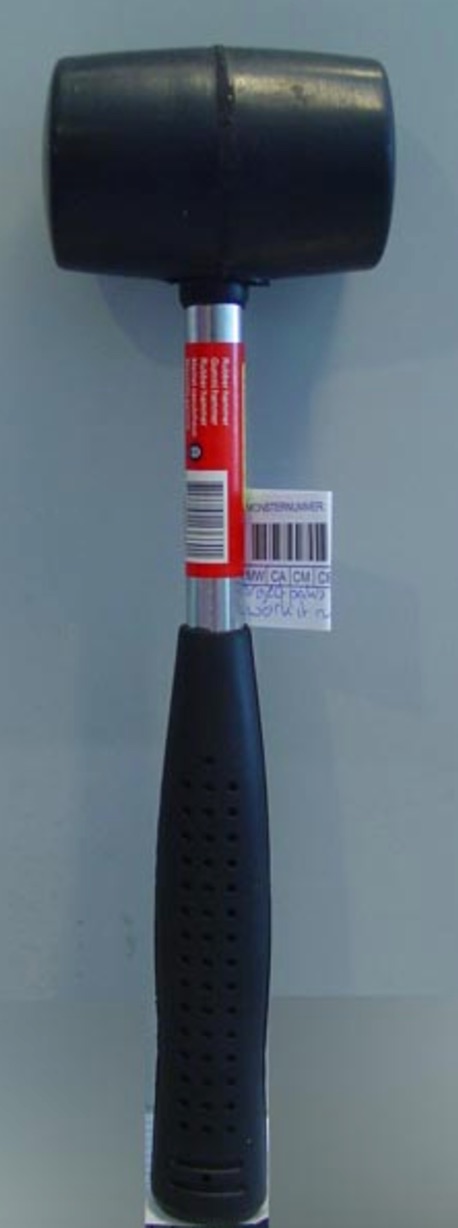
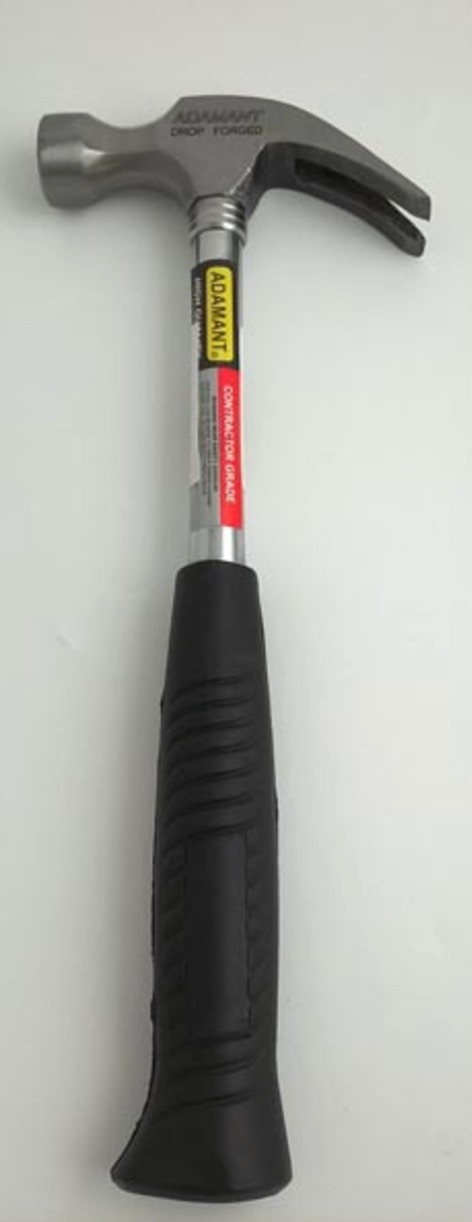
Short chain chlorinated paraffins (SCCPs) – SCCP’s persist in the environment and are toxic to aquatic organisms at low concentrations and bioaccumulate in wildlife and humans, posing a risk to human health and the environment. The below hammer handle contains SCCP’s (A banned substance) as well as PAH and has therefore resulted in a recall of the below hammer;

Hammer recall.jpg

There are three common testing types to ensure improved product quality for your DIY tools like;

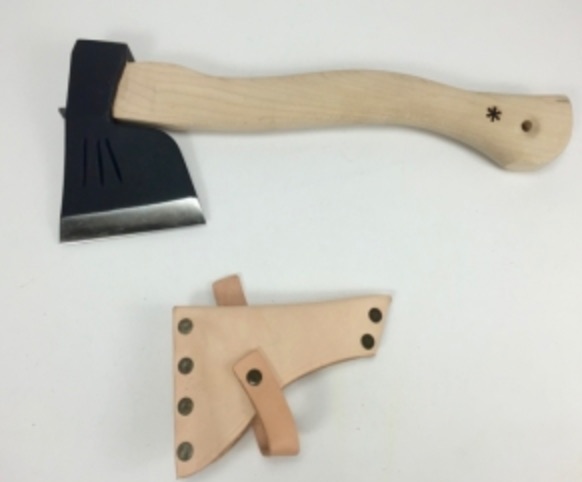
  • User testing; this kind of testing evaluates the ergonomics of the tools that have been produced. This evaluation will be based on your product specifications and the overall purpose of the product; e.g., A hammer to hammer nails into walls, so the handle length, grip, and head will be evaluated accordingly. An example of this would be the below axe in which the handle can crack after use, which dislodges the axe head, which poses a serious injury risk to the user or even bystanders.

Axe_Recall_.jpg

  • Pruebas comparativas can also be done. This test is done to evaluate yours against a competitor’s. The functionality, safety, and ergonomics will be evaluated. This kind of test will give you insight into the kind of quality your brand should be achieving.
  • Hardness testing – While this is not a testing requirement, this measurement forms an objective criteria for either the metal or plastic components of the item. For example; the hardness of the metal part of a hammer could affect the performance and durability of the product likewise the plastic could affect the feeling when holding the handle of the product.=

Therefore golden samples are not only used to evaluate acceptable quality limits for your DIY tools factory.

What do I mean?

A golden sample will be of huge value for your third-party quality inspection service provider so that they can compare what has been produced through the mass production process to that of the golden sample.

Puntos Clave

Establishing a golden sample is industry best practice, and it is never recommended to begin your mass production process without an approved sample.

This sample allows you to benchmark your supplier and hold them accountable to your acceptable quality levels.

Key things to remember;

  • Communicate your product specifications clearly. Bear in mind that you are facing cultural, language and distance barriers, so clarity and over communication is an absolute necessity.
  • Approving your golden sample requires due diligence; be sure to send your golden sample for the appropriate inspection and testing.
  • Know your testing and inspection procedures to ensure improved product quality for your brand.

Be sure to remember that your golden sample is reflective of an ideal quality standard from your supplier, and is not a reflection on the mass production process of the factory.

This method of reducing product defects for your brand will help avoid costly delays addressing defects after the fact. Adopting best practice sets you in the best possible position for sustainable and competitive growth.


TAKE A DIVE INTO OUR QUALITY INSPECTION GUIDE for IMPROVED PRODUCT QUALITY and reduced defect rates


Categorías
Blogs

Shipment Stuck In Customs? 7 Steps To Avoid Import Delays

As a professional importer, a dreaded shipment delay is likely something that keeps you up all night and keeps you pacing the office all day. Then the day arrives! You get the call you’ve been waiting for alerting you that your shipment has arrived, and suddenly, your worst nightmare becomes a reality… Your goods are stuck in customs! Tackling customs is a bureaucratic nightmare most importers have had to deal with one time or another, and it’s something that if not dealt with quickly could spell a host of problems you’d much rather not have to deal with at all. What if you could avoid import delays all together? It’s all about the preparation of your import documentation. In this blog post, I want to provide you with a 7 step checklist that will help you navigate customs without a hitch or hassle in sight. We will take a look at the documentation that needs to be filled in correctly from start to finish, so you can say goodbye to your shipment stuck in customs for good! “So, what is the process?”

#1 An import license

Ensure that you have applied for an import license. You will not be able to ship your goods without this license. It specifies your permission to bring a certain amount of goods into a specific country and is only valid for a certain period of time. A top tip would be to create a file to keep all your import and shipping documents in one place. This may seem obvious, but with the mountain of paperwork that begins to pile up, it becomes easy to lose a document, which could result in a costly and time-consuming delay that could have been avoided with just a little bit of organization on your part.

Shipment stuck in customs - customs declaration

#2 An import declaration

This document is to merely state your intention as an importer to bring valid goods into a specific country. You need this document to verify you, as an importer, and to verify your goods in your destination country.

#3 Your invoice needs to be all inclusive

Your invoice needs to match your actual shipment. While this may seem like an obvious thing, it is often overlooked and can cause havoc during your customs clearance. An all inclusive invoice can look something like this:
  • Country of origin
  • Destination country
  • Name, surname, all possible contact information of both supplier and importer
  • In some cases, a Tax Id number will need to be provided
  • Payment method will all reference numbers and dates
  • Quantity of shipment
  • Total price of shipment
  • Total weight of shipment
  • A full description with the common naming of each item you are importing – I will touch base on this in my next point.
“Wait, there’s more…”

#4 Classification of goods

When classifying your goods for import, you need to be as in depth and detailed as possible with regards to each item that you are shipping. This classification of your goods will create a smoother process for the customs official, which will in turn ensure a faster turn around time for your shipment.

#5 Declaration of conformity

In many countries importers are in need of preparing a declaration of conformity; “What is a declaration of conformity?” “This is an official document confirming that the product was manufactured (as well as developed) in full compliance with all applicable requirements in place and technical rules that are described in certain Technical Regulations of Customs Union.” As an importer you will need to be aware of the specific regulations that your product needs to comply with in order to know which certification you need.

# 6 POA – Not a plan of action, a Power Of Attorney

Stcuk in customs - POAA POA is essential for filling out shippers exportation documents. This exportation document cannot be completed without a valid POA. Without it, your shipment will not be released, costing you time and money. “So, what happens when one of these documents are not in order?” You incur costs that begin adding up on a daily basis. Your shipment will be warehoused, where you will be billed for every day your shipment is there. It will be time consuming. Much of the paperwork mentioned above takes time to complete, but now you will be waiting on paperwork while raking up warehouse fees. This is not an ideal situation but can be avoided with thorough, well-kept, organized paperwork and a dash of patience to go along with it.

#7 Do use a customs agency

If you think that managing large orders on your own is something that you are willing to put all of your efforts and time into, then, by all means, go ahead. But my advice would be to use a customs agency. A customs agency has the expertise and knowledge to ensure that all the right paper work, permits, licensing and classifications are in order, so as to relieve yourself of those dreaded moments of hearing that your shipment is stuck in customs due to incorrect paperwork. They are also familiar with regulations and compliance standards that need to be met, that are also specific to your desired location and specific to your product.

Takeaways

Your documentation is absolutely crucial to a smooth customs experience. Nip customs issues in the bud by:
  • keeping all of your import documentation in one place
  • ensuring you have the right documentation that is specific to your product and destination country’s regulations
  • being clear in your classification of each and every item you are importing
  • not under valuing your product. If there is just a whiff of under valued items your shipment will be flagged, and you will get stuck unnecessarily which will prove to be a much more costly exercise for you
With these actionable steps, some sharpening of your organizational skills, and a bit of patience, you can begin to systematically tackle the paperwork that will see you through the import process.

compliance challenges?

Start building your own compliance program today – Click on the image below to get your free copy!

Categorías
Blogs

Las especificaciones de los utensilios de cocina son la clave de la calidad

Las especificaciones del producto son un paso pequeño (aunque importante) que requiere un poco de información técnica, pero que puede tener una gran repercusión en la calidad del producto final.
Hoy en día, los importadores son más conscientes de la necesidad de definir las especificaciones con mayor claridad que antes, a fin de gestionar la calidad de sus productos con mayor eficacia.
Tampoco puede limitarse a mostrar a su proveedor una imagen del producto que desea que fabrique y esperar que llegue perfectamente.

¿Por qué?

El aprovisionamiento de utensilios de cocina es complejo por naturaleza, pero el de un país extranjero al propio tiene su propio conjunto de retos que debe conocer.
En esta entrada del blog, pretendo destacar la importancia de las especificaciones de los productos de utensilios de cocina para sus estrategias de abastecimiento y cómo estas mejores prácticas del sector pueden situar a su marca por delante de las demás.

Desafíos de comprar utensilios de cocina en el extranjero

Tanto si opta por abastecerse cerca de casa como en el extranjero, no cabe duda de que la comunicación es compleja en los mejores momentos. Al poner de relieve los retos que plantea la contratación en el extranjero, podemos identificar fácilmente las oportunidades para darles la vuelta.

Retos para la calidad de los productos - El material elegido para la fabricación influirá en el precio y la calidad del producto. La batería de cocina tendrá que someterse a pruebas de calor extremo y asegurarse de que es resistente a las manchas cuando entra en contacto con determinados líquidos. Si tiene asas de plástico, deberán ser resistentes al calor.

utensilios de cocina especificaciones del producto

Sus utensilios de cocina también deben someterse a pruebas químicas en un laboratorio para garantizar que los materiales utilizados cumplen la normativa europea.

Problemas de cumplimiento - Cuando seleccione a su proveedor, debe asegurarse de que cumple todas las normas sociales y medioambientales establecidas internacionalmente. Puede que tenga que darles tiempo para que consigan los documentos de cumplimiento pertinentes. Si no lo hace, pondrá a su marca y a sus consumidores en una situación de riesgo, en la que la confianza en su marca podría verse comprometida.

Al adquirir sus utensilios de cocina en el extranjero, también debe asegurarse de que sus productos cumplen los requisitos químicos de la FDA y los requisitos de calidad alimentaria de la UE.

Será importante asegúrese de comunicar claramente sus expectativas a su proveedor y eficazmente para minimizar cualquier contratiempo y problema.

Operaciones y logística -  Comprar los utensilios de cocina en el extranjero también conlleva sus pesadillas logísticas; desde las licencias de importación y exportación hasta el envío y embalaje de contenedores.

Idioma - Si compra utensilios de cocina en el extranjero, lo más probable es que se encuentre con problemas lingüísticos, pero puede superarlos de la siguiente manera;

  • Utilizar plantillas de información sobre producción y fabricación.
  • También puede considerar la traducción de documentos importantes.
  • Considere la posibilidad de recurrir a un proveedor de calidad externo con experiencia en su zona de aprovisionamiento y en especificaciones de utensilios de cocina.

Diferentes zonas horarias - Si trabajas en Europa y te abasteces en Asia, tendrás que enfrentarte a husos horarios muy diferentes.

Puede enviar a un empleado para que interactúe con su proveedor sobre el terreno. Es una gran oportunidad para conocer a su proveedor en persona y ver también el estado de la fábrica elegida.

Por qué son tan importantes las especificaciones de sus utensilios de cocina

Ahora que hemos echado un vistazo a los retos comunes de la compra de utensilios de cocina en el extranjero, vamos a ver por qué las especificaciones de sus utensilios de cocina son cruciales para definir el nivel de calidad de sus productos.

¿Cómo define las especificaciones de sus productos?

Puede definir su pliego de condiciones creando un documento que incluya:

  • Fotografías o bocetos del producto final deseado. Esta imagen o dibujo debe incluir también las dimensiones, desde el tamaño hasta el grosor del metal que necesita.
  • Debe incluir las materias primas necesarias para su producto. Esto es importante, ya que su proveedor tendrá que abastecerse de ellas si usted no lo ha hecho.
  • Es absolutamente necesario incluir cuál es su mercado de destino;
    • ¿Por qué? Su producto debe cumplir determinados requisitos normativos y es responsabilidad suya asegurarse de que así sea. Por ejemplo, si se destina a Europa, deberá cumplir la normativa alimentaria de la UE. Si se destina a EE.UU., deberá cumplir la normativa química de la FDA.

Hemos incluido un ejemplo de lo que puede ser una hoja de especificaciones del producto; es posible que desee añadir o quitar algo, pero esto es para dar una idea de cómo se puede ir rellenando una;
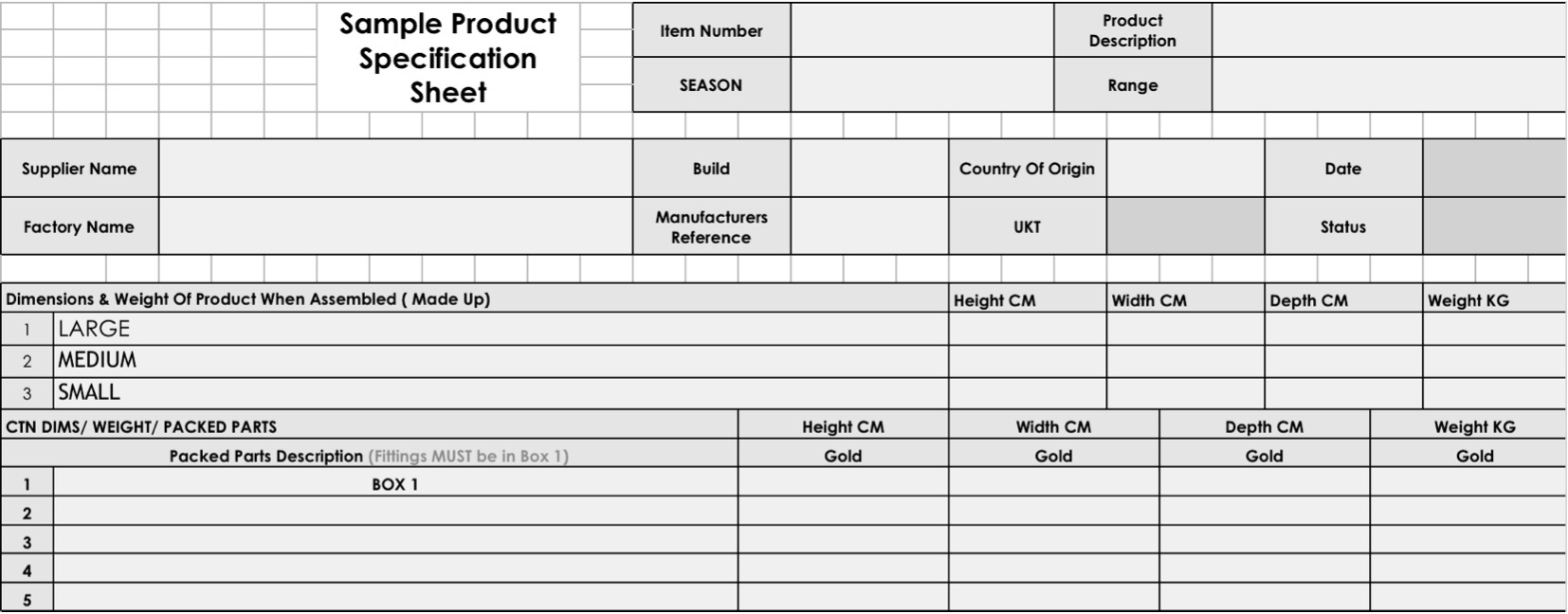
Mejora de la calidad del producto

¿Qué ocurre si no envía las especificaciones del producto a su proveedor?

¿Defectos, retiradas, pérdida de ingresos, daños a la marca? No es el panorama ideal, así que veamos los siguientes ejemplos que ponen de relieve la importancia de definir claramente las especificaciones de sus productos y lo que puede ocurrir si no lo hace;

Un problema material 

La sartén que se indica a continuación presenta riesgo de quemaduras porque el mango de plástico se calienta demasiado, alcanzando una temperatura de 94°C, y en la información del punto de venta no se indica que el producto deba utilizarse exclusivamente en placas de gas o eléctricas (resistencia en espiral).

Esto el producto no cumple la norma europea EN 12983 pertinente y por lo tanto tuvo que ser retirado.

Si no especifica los materiales necesarios para crear una sartén segura y que cumpla las normas destinada al mercado europeo, se expone a cometer costosos errores que pueden provocar graves pérdidas de ingresos y de confianza en su marca.
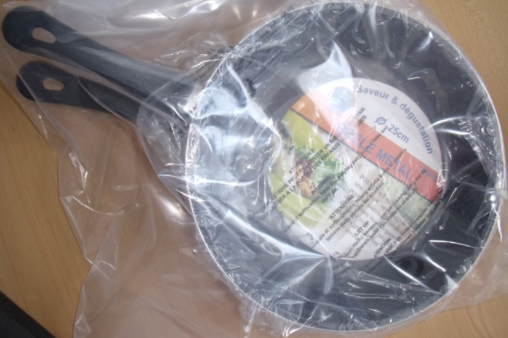
Captura de pantalla 2017-09-14 a las 8.08.50 AM.png

Cuestión de diseño del producto 

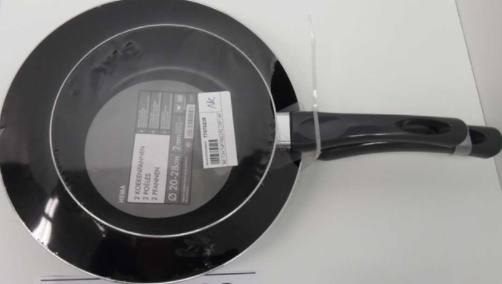
Esta sartén es inestable y puede volcarse a menos que haya suficiente peso en la sartén. Este diseño inestable ha provocado graves riesgos de quemaduras así como el producto retirado.

Un error caro de cometer.
PanSpecs.png

Como ya hemos dicho, si se abastece en Asia, se encontrará con barreras lingüísticas y culturales. Hay medidas que puede tomar para asegurarse de que su producto está perfectamente diseñado y cumple las normas del mercado de destino.

Si confía en las especificaciones del producto que envía a su proveedor, no olvide pedirle que lo feche y firme para indicar que acepta y comprende sus especificaciones.

Puntos Clave

La compra de utensilios de cocina en el extranjero puede presentar muchas complejidades, desde las barreras lingüísticas y culturales hasta la calidad y la conformidad del producto. El desarrollo de una estrategia de aprovisionamiento basada en las mejores prácticas del sector contribuirá a mejorar la calidad del producto, lo que posicionará positivamente su marca en el mercado.

Definir las especificaciones de sus utensilios de cocina contribuirá en gran medida a garantizar un bajo índice de defectos;

  • Planos o renders con directrices detalladas sobre tamaño, anchura, color, etc.
  • Su pliego de condiciones debe incluir las materias primas que necesita
  • Su hoja de especificaciones también debe indicar claramente a qué país se destina, para garantizar un producto conforme.

Al definir claramente las especificaciones de sus utensilios de cocina con su proveedor, se coloca en una posición positiva para crecer competitivamente y también se protege de cualquier riesgo innecesario.

DÉJENOS GUIARLE PASO A PASO POR UNA GUÍA DE INSPECCIÓN DE CALIDAD PARA

LA MEJORA DE LA CALIDAD DE SUS PRODUCTOS