



Consumers have always had the power to vote with their wallets and decide what they do and don’t buy. But in today’s online world, they have the power to not only influence what they buy but what others buy.
Empowered by the connectivity of social networks and the democratization of information, consumers are taking control of where, when, and how they engage with brands. This has effectively given consumers a role in the supply chain as they demand more personalized products and expect brands to adapt to their needs.
Now they have been given a voice, consumers are increasingly willing to share their opinions publicly and seek out what others have to say. In some categories, consumers are reluctant to make purchases without independent recommendations. This has not only disrupted the traditional purchasing process but puts additional pressure on brands, who need to ensure they bring to the market products that live up to their promises.
According to a report from the technology company PowerReviews, customer reviews have become the single most important factor when making purchasing decisions, ranking above other elements such as price and recommendations from family and friends.
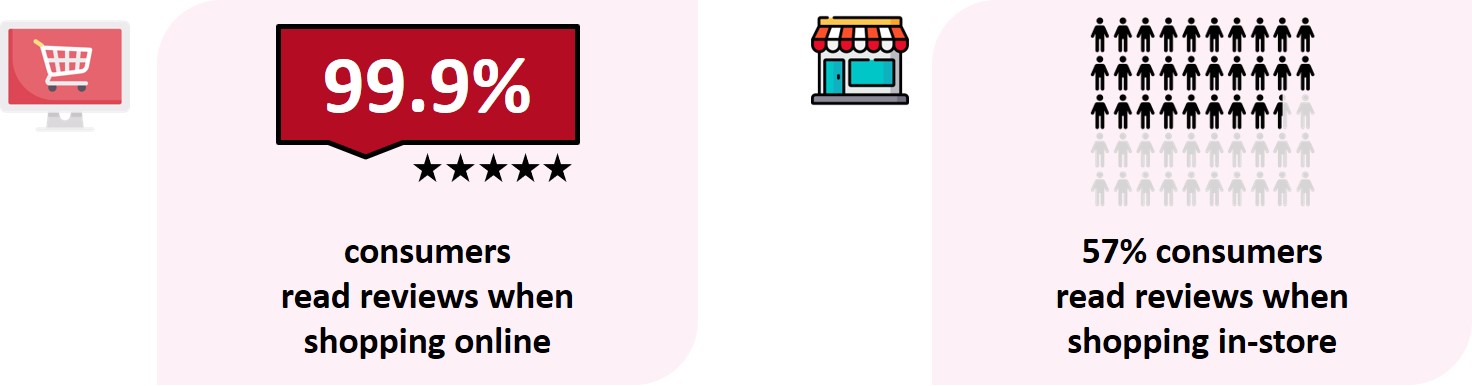
How to make customer reviews work for your brand
One of the key benefits of reviews is that this feedback lets brands know whether a product is relevant to its audience and whether it’s better than its competitors’.
Although positive reviews can naturally benefit brands in enormous ways, negative product reviews can have drastic impacts. They can not only affect the sales of the product but can escalate to the point of harming the brand image as a whole.
That said, bad reviews also provide an opportunity to improve and show customers that the brand is actively listening and willing to bring improved products to the market that aligns with customers’ quality and safety expectations. Customer reviews can also help find niches in the market yet to be explored, based on what customers feel is missing in a product or would be nice to have.
Navigating the masses of online reviews and identifying real issues and their root causes to make valuable improvements is not always easy. It might require support from a third party who can assess and identify issues and establish the appropriate recommendations.
Turning negative reviews into positive outcomes
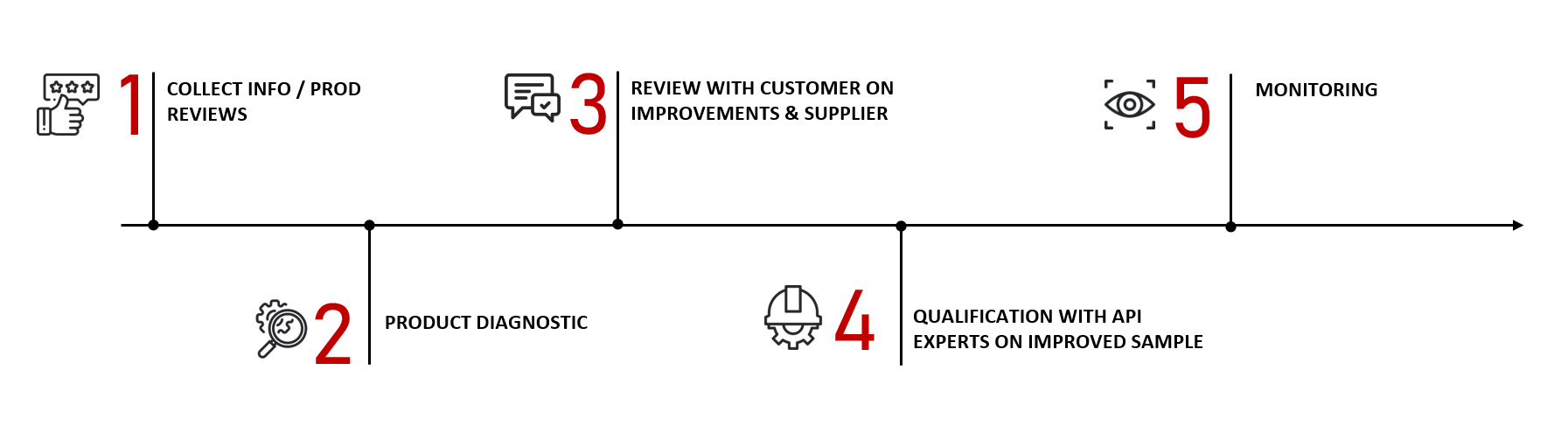
At API, we help our customers improve quality and safety at the product development stage to meet consumer expectations through a dedicated program that uses five steps to:
- help brands and retailers listen to and understand consumer feedback
- identify the causes of bad ratings
- establish recommendations for product improvements


 Marken und Einzelhändler können Beziehungen zu einer großen Anzahl von Lieferanten unterhalten, die bei größeren Unternehmen in die Tausende gehen können. Wenn das Volumen so groß ist, kann es schwierig sein, einzelne Lieferanten als etwas anderes zu betrachten als eine transaktionale Notwendigkeit für die Herstellung von Hartwaren. Marken und Einzelhändler, die ihre Zulieferer auf diese Weise sehen, verpassen jedoch möglicherweise, was ihre zuverlässigeren und fortschrittlicheren Zulieferer ihnen bieten können.
 Nach Angaben von Precedence Research wird der Markt für recyceltes Polyester (rPET) bis 2030 voraussichtlich ein Volumen von $14,23 Milliarden US-Dollar erreichen, was auf die steigende Nachfrage nach nachhaltigen Produkten seitens der Verbraucher, Regierungen und Nichtregierungsorganisationen zurückzuführen ist. Die Verwendung von rPET in Konsumgütern ist nicht mehr nur ein Trend, sondern in vielen Kategorien, darunter Spielzeug und Möbel, bereits Realität. Was mit Plüschtieren begann, die Füllungen aus rPET enthielten, entwickelt sich schnell zu anderen Anwendungen. Der dänische Spielzeugriese Lego hat seine ersten Prototypen von Bausteinen aus rPET aus weggeworfenen Flaschen angekündigt, und IKEA hat eine Reihe von Küchenmöbeln mit Kunststofffolien aus recycelten Flaschen auf den Markt gebracht. Viele andere Möbelmarken stellen Produkte aus rPET her, darunter Stühle und Hocker, Aufbewahrungsboxen, Badezimmerzubehör und vieles mehr.



 Effectively managing growing supply chain complexities is something that most purchasing managers/importers deal with on a day to day basis.
As your brand grows compliance issues you never knew were there (nor were prepared for) may rear their ugly head, and it’s up to you to begin pinpointing issues and plugging the holes your profits will fall through, before the consumers of today tear them open even wider.
Ensuring product compliance starts and ends with one thing:
A robust compliance program.
Effectively managing growing supply chain complexities is something that most purchasing managers/importers deal with on a day to day basis.
As your brand grows compliance issues you never knew were there (nor were prepared for) may rear their ugly head, and it’s up to you to begin pinpointing issues and plugging the holes your profits will fall through, before the consumers of today tear them open even wider.
Ensuring product compliance starts and ends with one thing:
A robust compliance program.
 purchase price of $69.38 each, resulting in revenues totaling
  A: One of greatest challenges is ensuring that each branch is able to comply with the
  international regulation?
 Let’s take a look at what Walmart did; They created what they call the Sustainability Index, which is essentially a scorecard for suppliers to be reported on from various social and environmental production factors.
Walmart has said that by the end of 2017 that 70% of its products will come from suppliers who participate through this Index, and as a benefits they will be endorsed as a sustainable partner and proud Walmart supplier.
Dienstleistungen
Supply chain compliance is an important issue to address, with many local retail brands realising that compliance needs to be a top priority to be achieved in order to achieve a globally competitive advantage in the market.
So how do we go about achieving just that?
Let’s take a look at what Walmart did; They created what they call the Sustainability Index, which is essentially a scorecard for suppliers to be reported on from various social and environmental production factors.
Walmart has said that by the end of 2017 that 70% of its products will come from suppliers who participate through this Index, and as a benefits they will be endorsed as a sustainable partner and proud Walmart supplier.
Dienstleistungen
Supply chain compliance is an important issue to address, with many local retail brands realising that compliance needs to be a top priority to be achieved in order to achieve a globally competitive advantage in the market.
So how do we go about achieving just that?
 1. Supply chain visibility – This refers to the data visibility made available within your supply chain; from where your raw materials come from, to your factory’s technical operations right through to your

