Outdoor Furniture Quality: Why General Production Expertise Isn’t Enough

Kategorien
Blog

Outdoor Furniture Quality: Why General Production Expertise Isn’t Enough

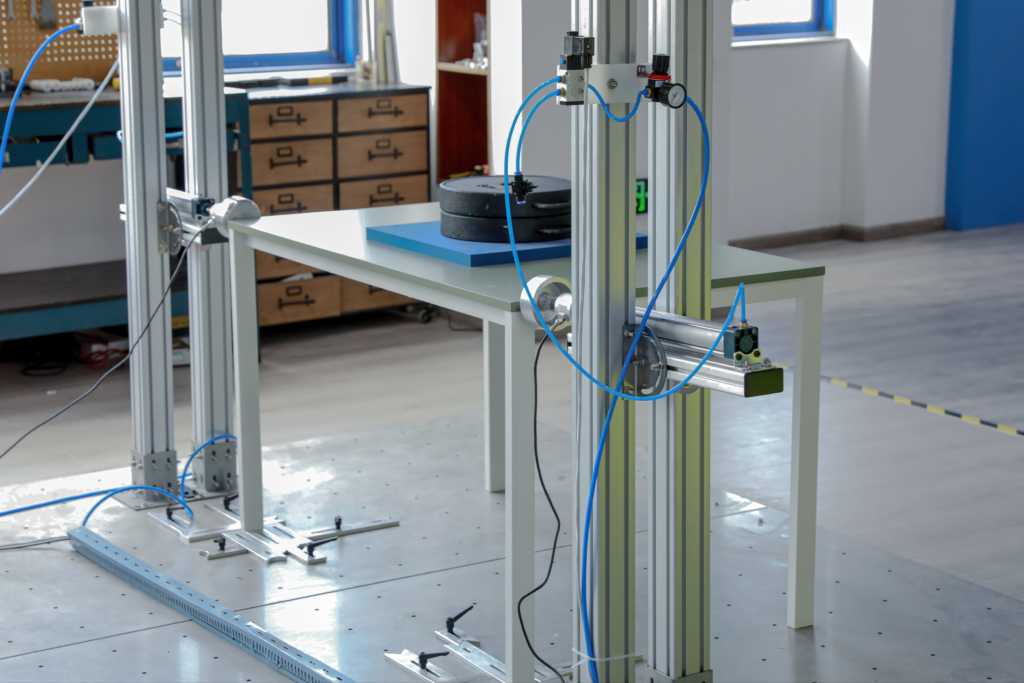
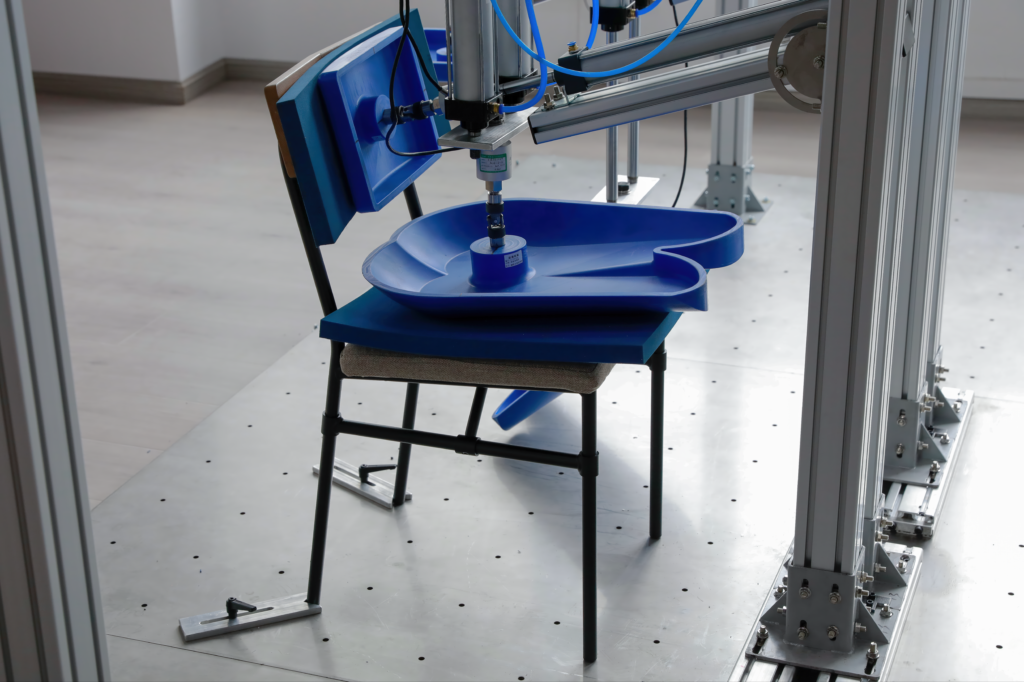
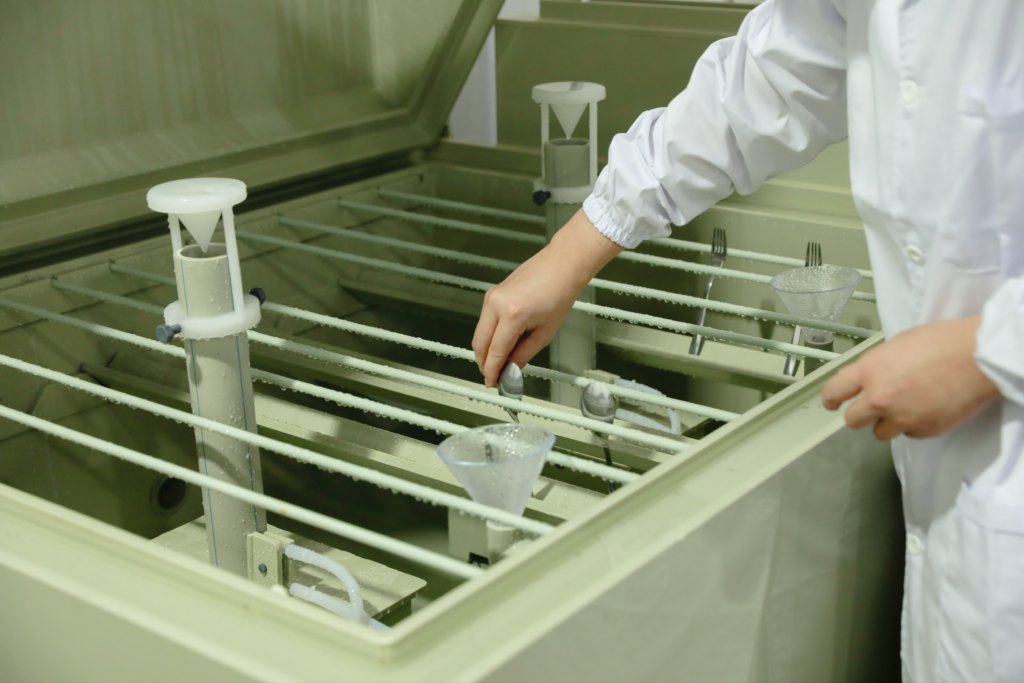
Outdoor furniture is a product category where supplier capability directly dictates durability, performance, customer satisfaction, and long-term brand reputation. Unlike its indoor counterparts, outdoor furniture must perform under intense humidity, UV exposure, rain, heat, and corrosion risks. For brands and retailers, this makes supplier selection more than a sourcing decision—it becomes a critical quality-risk decision.

The Pain Points for Brands and Retailers

Outdoor furniture quality issues can be difficult to detect early. A supplier may appear capable during commercial discussions, but the real risks are often found in production discipline, material control, technical know-how, and process consistency.

Pain Point

Why It Matters for Outdoor Furniture

Durability failures

Outdoor products must withstand weather exposure, repeated use, and changing environmental conditions. Weak material or process control leads to early deterioration and structural failure.

Late-stage quality issues

Defects found after production, shipment, or retail launch can increase rework, claims, returns, and replacement costs.

Inconsistent supplier execution

Even with approved specifications, poor daily execution can affect surface treatment, assembly stability, color consistency, rust prevention, and packaging quality.

Limited visibility 

Without technical oversight, it is difficult to know if a supplier can truly manage the complexities of outdoor-grade manufacturing.

The Solution: A Strategic Audit Approach

To ensure products are built to last, brands must go beyond a basic factory check. We provide a range of Supplier Audit Solutions—from Flash Audits for consistency checks to deep-dive Technical Assessments—that help you determine if a factory has the operational discipline to build products right the first time.

A specialized audit provides brands and retailers with a clear view of supplier capability before production begins. Key areas of evaluation include:

  • Material Traceability: Ensuring wood, metal, plastic, and resins meet specific grade standards to prevent early deterioration.
  • Technical Capacity: Confirming the factory has the specialized equipment and internal quality systems to manage complex surface treatments.
  • Product-Specific Risks: Addressing technical challenges like moisture level control, rust prevention, and UV resistance.
  • Operational Discipline: Verifying that teams follow the right procedures consistently in daily production, not just during initial evaluations.

These checks help sourcing teams answer practical questions: Can the factory control moisture levels? Does it understand outdoor performance risks? Are surface treatments and metal finishing managed properly? Are inspection checkpoints built into the line?

The Business Value: Reducing Risk Before Production

With the right audit approach, brands and retailers can identify capable suppliers earlier, compare supplier readiness more objectively, and reduce quality risks before production starts. This supports better product durability, more consistent performance, stronger customer loyalty, and better protection for brand reputation.

Outdoor furniture is built to perform outside, but that performance starts inside the factory. Supplier audits give brands and retailers a practical way to verify whether the supplier has the expertise, systems, and discipline needed to deliver products that are built to last outdoors.

As your household goods and toy quality expert, API can help you assess supplier capability and strengthen product quality before production begins. Talk to us to learn more.

Kategorien
Blog

Don’t Let Furniture Surface Defects Define Your Brand

Surface defects are more common than you think — here’s how to stay ahead of quality issues.

When consumers purchase new furniture, they expect perfection. A dining table, a sofa, or a wooden cabinet isn’t just a functional item; it is an investment in their home’s aesthetic. Because of this, surface defects like small scratches, dents, and uneven finishes are tiny issues that are too often ignored during production, yet they become glaring problems on the showroom floor.

For furniture brands and retailers, even with a perfectly set up supply chain, small oversights—like poorly applied varnish or mishandled 

raw materials—can silently multiply. By the time they reach the end consumer, they leave structurally sound pieces looking cheap, directly risking your brand’s reputation. 

The Hidden Cost of Aesthetic Inconsistency

It is easy to dismiss a 5mm scratch or a slight color variation as a minor production quirk. However, the challenges these defects create are very real and directly impact the bottom line:

  • Decreased Perceived Value: Aesthetic inconsistency instantly reduces the premium feel of the furniture. A customer who notices a poor finish will immediately question the overall build quality and durability of the piece, diminishing the brand’s perceived value.
  • Refunds and Recalls: Customers may ask for refunds or replacements upon delivery if the product does not meet their visual expectations. In worse scenarios, if these defects multiply across mass-production batches, brands might need to initiate costly product recalls or heavily discount their inventory to clear defective stock.

The key to preventing these issues isn’t just about reacting to mistakes as they happen. It is about implementing the right proactive checks and root-cause investigations before a single scratch has the chance to multiply across an entire shipment.

How to Safeguard Your Furniture Quality

To protect your brand’s value and maintain the aesthetic consistency your customers demand, end-to-end quality management must be integrated at every stage of the manufacturing lifecycle. API offers comprehensive quality assurance solutions that go beyond simple inspections, helping brands build resilient systems to prevent defects and resolve complex production challenges at the source.
the challenges these defects create are very real and directly impact the bottom line
  1. Initial Production Check & Material Validation

Quality assurance begins long before the assembly line moves. By implementing a proactive validation strategy, we verify that raw materials and wood components meet strict specifications—ensuring they are free from hidden defects, moisture issues, or poor grading before manufacturing even scales.

  1. Active Production Intervention & Prototype Alignment

As mass production scales, our technical experts move beyond simple observation to active intervention on the factory floor. This ensures the transition from prototype to full-scale production is seamless. By verifying finishes, hardware alignment, and assembly precision in real-time, we mitigate mishandling at the source and safeguard the integrity of your design throughout the manufacturing run.

  1. Technical Root Cause Investigation (IPPA/DuPRO)

When a specific defect keeps reappearing, simply discarding the defective items is not a sustainable strategy. Our forensic Product Failure Root Cause Investigation identifies the “weakest link” within the production process itself. By conducting on-site IPPA and verifying corrective actions through data-driven experiments, we provide the proof needed to eliminate recurring issues.

  1. Sustainable Supply Chain Empowerment (Factory Certified Auditor Program)

The most resilient supply chains are those that empower their manufacturers for continuous improvement. Through specialized Self-Inspection Training, we provide validation and certification for your suppliers. This empowers manufacturers to independently maintain your high-quality standards, completing the loop of a truly self-sustaining, end-to-end quality ecosystem.

Take Control of Your Supply Chain

Minor blemishes do not have to become major liabilities. By taking a proactive approach to quality assurance, furniture brands and retailers can ensure that every piece that leaves the factory floor perfectly reflects the quality their customers expect.

Kategorien
Blog

Compliance-Check: So vermeiden Sie die häufigsten Fehler bei Elektrospielzeug.

When it comes to manufacturing and distributing electrical toys, ensuring compliance is paramount. Electrical toys are among the most compliance-intensive products on the market today. A tiny screw could cost a child’s life — and your brand millions. With over 30 years of experience testing toys globally, the experts at API see one critical issue arise time and again: the battery compartment.

A design oversight as simple as a non-captive screw — one that can be fully removed and lost — leaves the battery compartment unsecured. By the time this defect is flagged at the distribution center, it is often too late, and the resulting financial repercussions for a brand can be enormous.

The Real Dangers of Unsecured Battery Compartments

The risks associated with unsecured battery compartments in toys are severe and immediate.

First, there is a significant Swallowing Risk. Children who gain access to loose batteries face severe hazards, including choking, devastating chemical burns, or even death if the battery is ingested.

Second, there are Short Circuit & Fire Risks. If a child inserts metal objects into an unsecured battery compartment, it can lead to overheating, potentially causing a fire or other fatal injuries.

Key Compliance Requirements

To mitigate these risks, regulatory bodies have established strict compliance requirements for battery-operated toys.

Region

Standard

Key Requirement

US

ASTM F963-23

Fasteners must remain attached to the toy or cover both before and after use and abuse testing.

EU/UK

EN IEC 62115:2020

Opening the cover with tools must not cause the screw to detach. This is validated by a rigorous 20N pull-force test.

How API Can Help Protect Your Brand and Consumers

Navigating these complex compliance landscapes requires expertise and vigilance. API offers comprehensive services to ensure your products meet all necessary safety standards:

  • Design-Stage Technical Advisory: We help identify compliance risks early, before production even begins, saving you time and money.
  • Pre-Shipment Inspections: Our rigorous inspections ensure that no non-compliant products slip through to the distribution center.
  • Accredited Laboratory Testing: We validate your products against the latest US and EU/UK standards, including comprehensive electrical testing.
Kategorien
Blog

Rückblick: Die ICPHSO 2026 und unsere wichtigsten Erkenntnisse

API auf der ICPHSO-Jahrestagung 2026 und dem Schulungssymposium

Beyond the Symposium: 
Transforming ICPHSO Insights into 2026 Supply Chain Resilience

Das ICPHSO 2026 Annual Symposium has concluded, leaving the consumer product safety community with a clear mandate: Adapt or be left behind. For the household goods and toy industries, the dialogue has shifted. It is no longer enough to manage quality through reactive measures; the future belongs to brands that can synthesize technical expertise with digital agility.

At API, we empower household goods and toys brands to lead the market. By combining our Manucaturing Expertise, Scientific Cross-Pollination, und Data Analytics, we are helping our partners turn these conference insights into tangible operational advantages.

The Elevation of eFiling: A Strategic Imperative

A major takeaway from this year’s symposium was the industry-wide shift toward eFiling. As global regulatory landscapes become more data-driven, the move toward electronic filing isn’t just a technical update—it is a fundamental change in how products reach the market.

eFiling represents the final step in the digitalization journey. It is where your quality data meets the regulatory gatekeeper. In an environment where speed-to-market is everything, having “filing-ready” documentation ensures that your compliance data moves as fast as your physical goods, eliminating the administrative bottlenecks that often lead to costly port delays and market entry friction.

Bridging the Gap: From Data to Results

The core challenge for many brands is the “Data Paradox”: having immense amounts of information but no clear path to execution. We help you bridge the gap from data to results through:

1. Risk-based Management
We don’t just identify hazards; we anticipate them. By analyzing historical performance and factory-floor trends, we help you protect your brand reputation. This includes uncovering positive risks — identifying areas where your supply chain is over-performing, allowing you to reallocate resources for maximum efficiency.

2. Focus on Science & Prevention
True safety is engineered, not audited. Our approach leverages scientific technical expertise to solve problems at the source. Whether it’s through Manufacturing Excellence in hardline goods or Scientific Cross-Pollination across industries, we ensure that safety is a foundational element of the production process, not an afterthought.

3. Quality Assurance Digitalization
Efficiency is driven through centralized quality data. By moving away from fragmented spreadsheets and manual reports, we provide a “single source of truth.” This digitalization is what enables expert TCF documentation and provides the transparency required for successful, delay-free eFiling in today’s demanding global market.

On-the-Ground Interventions

Insight without action is empty. To support these digital strategies, API continues to provide high-impact, physical solutions:

  • Dynamic & Flash Audits: Providing the control and transparency needed to pivot in a volatile market.
  • SWAT for SWAP: A specialized, expert-led intervention service designed to secure quality and safety during supplier relocation—minimizing the risks associated with supply chain shifts.

Your Roadmap Forward

As a key specialist within the Worms Sicherheit alliance, API is dedicated to pushing the boundaries of what quality assurance can achieve. ICPHSO 2026 reminded us that while the challenges are evolving, the tools to meet them—eFiling, Quality Assurance Digitalization, and Science-Based Prevention—are already here.

Are you ready to digitalize your compliance? Don’t let the momentum from Orlando fade. Contact the API team today to see how we can help you lead the market through precision, proactive energy, and technical strength.

Kategorien
Blog

Fallstudie: Jenseits von "Pass/Fail" zu echter Produktionstransparenz

Auditoren, die für ein Flash-Audit eine Fabrik betreten, mit Kontrollblättern und einem Tablet.

A global home improvement retailer  faced a persistent “visibility gap”: while factory audit scores often looked acceptable on paper, actual quality output remained inconsistent. To drive improvement, the retailer needed to move beyond static data and understand what was actually happening on the production floor every day .

The Challenge: The Limitations of Standard Inspections

The retailer suffered from several hurdles that prevented them from gaining a clear picture of factory operations: 

  •  The “Pass/Fail” Information Silo: Many suppliers relied on standard third-party inspections that only provided a binary “Pass” or “Fail” result. This offered no transparency into what was going wrong during production, making it impossible to identify root causes or implement the sustainable changes essential for quality improvement.
  • Erosion of Internal Ownership: Some factories lacked dedicated, independent QC staff and robust in-house QC processes, or they bypassed these controls during peak periods. This led to a lack of objective internal oversight
  • “Audit-Day” Performance: Audit results often reflected peak, closely monitored conditions; once auditors left, some factories cut corners during routine production, causing performance to deteriorate quickly.

Workers operating inside factory

The Solution: Flash Audit

To bridge the gap between documentation and  actual production execution, API implemented a  Flash Audit program. These are short, focused, on-site follow-ups designed to “ground-truth” shop-floor execution .

Unlike traditional audits or simple inspections, Flash Audits focused on:

  • Going Beyond Documentation: Verifying real practices against SOPs—moving beyond simple pass/fail results to provide actionable insights into the manufacturing process.
  • Targeted Visibility: Using 20–30 specific checkpoints tailored to high-risk areas to identify exactly where production was deviating from the quality plan. 
  • Continuous Accountability: Frequent, often unannounced, “light” audits ensured that performance was maintained consistently, not just during scheduled events.

Identifying Hidden Gaps: Strategic Furniture Supplier

The Flash Audit methodology was applied at a strategic furniture supplier in Asia, uncovering critical transparency gaps that standard inspections had missed:

  • Missing Process Controls: Semi-products from external factories were arriving with no inspection at reception, meaning defects were only caught at the final stage .
  • Incomplete Traceability: The audit revealed a lack of factory ID labels and data, making it impossible to track material batches through the production flow.
  • Technical Ambiguity: Engineering drawings were found to lack detailed size tolerance requirements, leaving workers without a clear standard for daily production.

The Results: Transformation Through Transparency

By implementing Flash Audits, the retailer achieved significant supply chain transformation within six months:

  •   20x Reduction in Rejection Rates: Enhanced visibility led to stabilized quality and a dramatic decrease in defects .
  • Faster Corrective Action: Suppliers improved their on-time Corrective Action Plan (CAP) closure by 70%, with the time taken to close issues dropping by 30–50% .
  • Reliable Performance Scorecards: The retailer could finally rely on a comprehensive and accurate scorecard that reflected real-world performance, not just “audit-day” preparation.
  • Strategic Cost Savings (CoNQ): Through earlier detection and faster corrective actions, Flash audits helped avoid an estimated $40 million in non-quality costs (rework, scrap, concessions, and returns/claims).

Kategorien
Blog

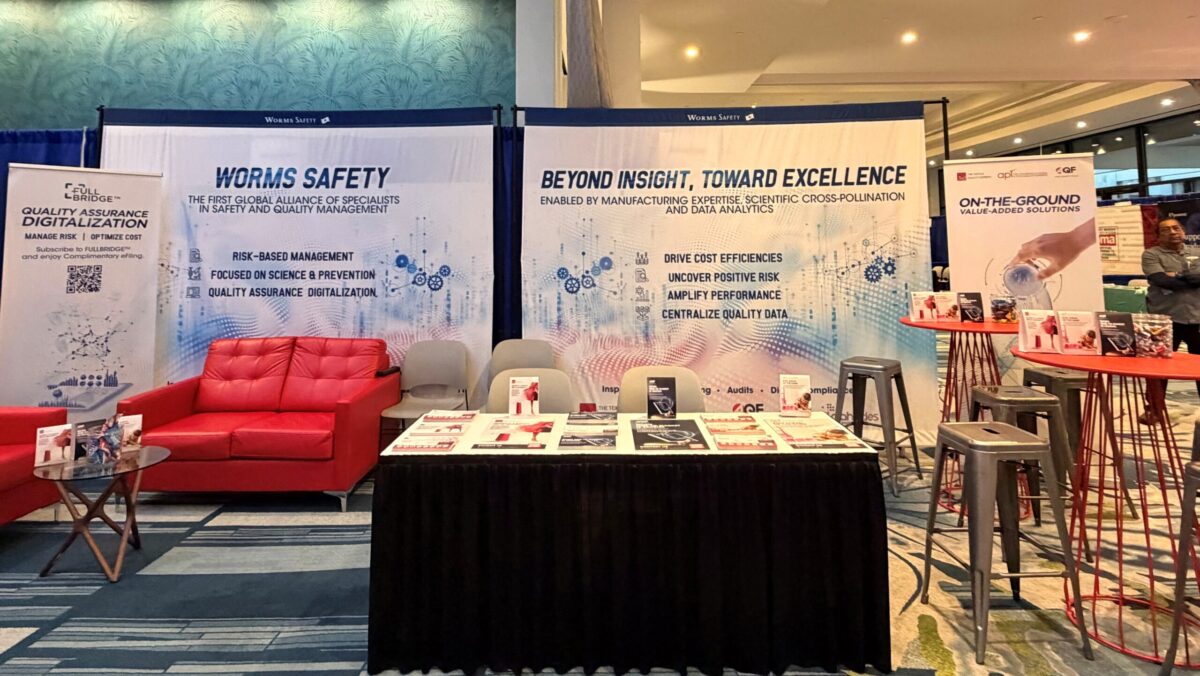
API auf der ICPHSO-Jahrestagung 2026 und dem Schulungssymposium

API auf der ICPHSO-Jahrestagung 2026 und dem Schulungssymposium
As a trusted partner in furniture and household goods quality, API is proud to join the WORMS SAFETY alliance at the ICPHSO 2026 Annual Meeting and Training Symposium. We invite you to meet our team in Orlando, Florida, from February 23-26, 2026, to discover how our specialized approach transforms household, furniture, and toy supply chains.
 
With over 900 million references inspected worldwide, API’s expertise spans furniture, home essentials, toys, and kitchenware. Our local teams are committed to safeguarding quality and building consumer trust. As part of the WORMS SAFETY alliance, we are enhancing our ability to deliver excellence through three core pillars:
  • Risk-Based Management: We help you anticipate risks, uncover positive risk, and prevent disruptions to protect your brand’s reputation.
  • Focused on Science & Prevention: We apply technical rigor and deep industry expertise to ensure excellence from the kitchen to the playroom, stopping quality issues before they start.
  • Quality Assurance Digitalization: We drive efficiency and transparency through data centralization, digital compliance, and real-time collaboration, empowering your supply chain.
ICPHSO’s 2026 Annual Meeting and Training Symposium
Datum: February 23-26, 2026
Stand 29 & 30
Veranstaltungsort: Hyatt Regency Grand Cypress
One Grand Cypress Blvd
Orlando, FL 32836

Partner with Us for Excellence

Visit our team at Booth #29 & 30 to discover how we can partner together to make excellence the global household standard. Learn how API and the WORMS SAFETY alliance are building a safer, more agile, and high-performing global supply chain for the household goods industry.
 
We look forward to connecting with you in Orlando!

About ICPHSO’s 2026 Annual Meeting and Training Symposium
Die International Consumer Product Health and Safety Organization (ICPHSO) ist ein internationales, neutrales Forum für Interessengruppen im Bereich Produktsicherheit, in dem sie lernen, sich vernetzen und Informationen austauschen können, um sicherere Verbraucherprodukte auf der ganzen Welt zu fördern.

ICPHSO is pleased to announce its 33rd Annual Meeting and Training Symposium , taking place in Orlando, Florida. This flagship event brings together global product safety professionals for four days of collaboration, learning, and networking. The Annual Symposium provides valuable content for a wide range of stakeholders, including industry professionals (product designers, manufacturers, importers, and retailers), standards developers, NGOs, consumer and parent advocates, test laboratories, academia, product safety experts, consultants, legal professionals, media representatives, trade associations, and regulators from around the world.

Weitere Informationen über das Symposium finden Sie auf der Website des ICPHSO: https://icphso.org/general/custom.asp?page=2026_annual_symposium

Kategorien
featured

Ressourcen-Bibliothek: Kostenlose eBooks, Leitfäden & Webinare

API resources library

Gehen Sie zur Ressourcenbibliothek und erhalten Sie Einblicke in die Branche mit den eBooks, Webinaren, Infografiken und Ressourcen, die von den API-Experten für Haushaltswaren- und Spielzeugqualität erstellt wurden!

Kategorien
Blog

Gesundheitscheck Ihrer Lieferkette: Identifizierung der 8 häufigsten Verstöße gegen SMETA

In today’s globalized marketplace, ethical and responsible business practices are no longer a niche concern but a core expectation. For companies operating within complex supply chains, ensuring compliance with social and ethical standards is paramount. The Sedex Members Ethical Trade Audit (SMETA) has emerged as one of the world’s most widely used social audit methodologies, providing a framework for assessing working conditions, health and safety, environmental performance, and business ethics.

A SMETA audit is not merely a pass/fail exercise. It is a collaborative process designed to identify areas for improvement and drive positive change. When non-compliances are identified, a Corrective Action Plan Report (CAPR) is created, outlining the steps required to address the issues within a specified timeframe.

From Regulation to Practice:
How SMETA Supports Supply Chain Due Diligence

Across multiple jurisdictions, companies are now subject to mandatory human rights and environmental due diligence requirements. These regulations require organisations to demonstrate that effective, risk-based systems are in place to identify, prevent, mitigate, and address adverse impacts within their supply chains. In this context, SMETA (Sedex Members Ethical Trade Audit) is commonly used as a voluntary due diligence tool to support supplier risk identification and monitoring.

  • EU Corporate Sustainability Due Diligence Directive (CSDDD) – Requires large companies to identify and address human rights and environmental impacts across their value chains
  • UK Modern Slavery Act 2015 – Requires transparency on actions taken to prevent forced labour and human trafficking
  • German Supply Chain Due Diligence Act (LkSG) – Requires structured human rights and environmental risk management systems
  • France’s Duty of Vigilance Law – Requires companies to implement vigilance plans covering human rights and environmental risks
  • California Garment Worker Protection Act (SB-62) – Strengthens accountability for labour practices and enforcement of supplier codes of conduct

SMETA—particularly 2-pillar audits (Labour Standards and Health & Safety) and 4-pillar audits (including Environment and Business Ethics) can support both social and environmental due diligence, when findings are integrated into governance, remediation, and monitoring processes.

Common SMETA Non-Compliances

Based on audit data and industry reports, a number of recurring non-compliances are frequently identified during SMETA audits. Understanding these common pitfalls is the first step toward proactive compliance.

Non-Compliance Category

Common Issues

Working Hours & Rest Days

Excessive overtime, failure to provide mandated rest days, exceeding legal weekly hour limits (48 hrs/week standard, 60 hrs/week maximum).

Wages & Benefits

Incorrect calculation of overtime pay, unauthorized deductions, failure to pay minimum wage.

Time Records

Incomplete, inaccurate, or falsified time records.

Health & Safety

Missing risk assessments, inadequate PPE, insufficient training. Chemical safety issues are the second most common non-compliance type.

Fire Safety

Blocked exits, faulty alarms, inadequate drills, expired extinguishers.

Chemical Management

Improper storage, missing or outdated Safety Data Sheets (SDS), lack of worker training.

Grievance & Disciplinary Procedures

Weak documentation, lack of formal processes, fear of retaliation.

Contractor & Subcontractor Control

Failure to ensure contractors meet ethical standards.

Proactive Compliance: Best Practices for Success

Organizations can take several proactive steps to embed ethical practices into their operations:

  • Conduct a thorough self-assessment before the official audit to identify and address potential issues
  • Develop a robust management system with clear policies and documentation for all SMETA areas
  • Engage and train your team so all employees understand SMETA requirements and their roles
  • Address previous audit findings to demonstrate continuous improvement
  • Foster a culture of continuous improvement by viewing audits as opportunities, not just compliance exercises

Schlussfolgerung

SMETA compliance is an ongoing journey, not a destination. By proactively addressing common non-compliances, organizations can build resilient, ethical, and sustainable supply chains, ensuring long-term business success while benefiting workers and the environment. 

Kategorien
Blog

Qualitätssicherung bei Holzmöbeln: Zentrale Herausforderungen und Lösungen

Schöne Holzmöbel in einem schönen Wohnzimmer

The global demand for wooden furniture continues to grow. In 2024, the global wooden furniture market was valued at approximately USD $593 billion, and it’s projected to surpass USD $989 billion by 2034, growing at a CAGR of 5.4%. Today’s buyers expect more than just style—they demand durability, product safety, and environmentally responsible choices. For manufacturers and brands, meeting these expectations requires more than excellent design; it calls for rigorous quality assurance at every stage of production— it isn’t just best practice but essential for regulatory compliance and preserving brand reputation in a competitive market.

What are the most common challenges in wooden furniture manufacturing, and what quality assurance solutions can help brands and manufacturers overcome those challenges? Keep reading to find out!

Key Quality Challenges in Wooden Furniture Manufacturing

Raw Material Quality

The quality of raw materials is the cornerstone of wooden furniture quality. Different wood species vary widely in grain, density, and strength, which directly affects the durability and appearance of wooden furniture. Natural materials like maple and oak might suffer from Insect damage, hidden knots, or internal cracks, and these defects may compromise structural integrity. Moreover, synthetic materials like plywood or particleboard may pose health risks to users due to the chemical additives incorporated during their manufacturing process.

Moisture and Climate Sensitivity

As is well known, wooden furniture is relatively sensitive to environmental conditions and humidity. High humidity may cause wood to swell, while low humidity may cause wood to shrink. Such inappropriate moisture level can lead to structural issues like warping, cracking, open joints, and bowing, affecting the overall quality of the wooden furniture. This makes maintaining relative humidity a major concern for wooden furniture brands and manufacturers, particularly in raw material warehouses and finished goods storage.

Manufacturing Defects Caused in Production 

Even with high-quality raw materials, wooden furniture can suffer from manufacturing defects if production processes are not carefully controlled. Common issues include weak or inconsistent joinery that leads to structural instability, uneven or poorly applied finishes such as stains, varnishes, or paints, and misaligned hardware like hinges, handles, or drawer tracks. In mass production, small errors can quickly multiply across entire batches, compromising both durability and aesthetics. Such defects not only increase rejection rates and rework costs but also pose risks to product safety and brand reputation.

Safety and Durability Standards

Meeting safety and durability standards is a critical challenge for wooden furniture manufacturers. Products must withstand daily use without tipping, breaking, or collapsing, especially for items like chairs, beds, and storage units. Meeting international standards for load, impact, and tipping resistance is vital for market access. Meanwhile, compliance with chemical limits, such as formaldehyde emissions, directly affects consumer safety. Any failure in these areas risks costly recalls, regulatory penalties, and serious damage to brand reputation.

Sustainability Risks and Requirements

Sustainability has become a defining challenge in wooden furniture manufacturing, with increasing pressure from both regulators and consumers. Brands must ensure that timber is legally sourced, traceable, and harvested in ways that do not contribute to deforestation. For example, the upcoming EU Deforestation Regulation (EUDR) requires detailed documentation of supply chains and proof of sustainable sourcing for market entry in Europe. Non-compliance may risk costly fines and reputational damage.

Quality Assurance Approaches to Overcome Those Challenges

On-Site Audits and Inspections

Im ersten Quartal 2025 rief eine britische Marke für gusseiserne Kochgeschirre verschiedene gusseiserne Kochgeschirre, die seit 2023 verkauft wurden, dringend zurück. Tests des britischen Office for Product Safety and Standards ergaben, dass das Kochgeschirr bei der Verwendung Schwermetalle freisetzen könnte, was ein ernstes Gesundheitsrisiko darstellt. Der Rückruf betraf mehrere Produkte, darunter Pfannen und Grillplatten, und die Kunden wurden aufgefordert, die Produkte sofort nicht mehr zu verwenden.

On-site inspections and audits are essential for identifying potential quality pitfalls in wooden furniture before they reach end consumers. Audits can verify if the supplier or manufacturer a brand works with is authentic and legally qualified to provide the requested limber or carry out the production. Inspectors on-site can check on the real production progress and finished products to compare with the requested requirements and catch any discrepancies early on. Common solutions include:

  • Warehouse Audit: Verify the warehouse condition is proper to store raw material or finished products, such as humidity and pest infestations
  • Prototype Sample Review: to review prototype samples at the factory to evaluate a prototype to assess risks and potential modification before mass production.
  • Pre-Production Inspection: Inspect the raw material to make sure they are qualified for use in production
  • Pre-Shipment Inspection: Inspect the finished products to see if they comply with the order requirements, and will also conduct some simple on-site tests to ensure real-life usage

Laboratory testing

Laboratory testing plays a vital role in uncovering hidden quality risks in wooden furniture. Unlike visual checks, lab tests evaluate performance under controlled conditions, such as load-bearing capacity, impact resistance, stability, and more. Chemical analysis can detect excessive formaldehyde emissions or harmful substances in coatings and adhesives, ensuring compliance with safety regulations. Moisture and durability tests further assess resistance to warping, cracking, or premature wear.

Sustainability and Traceability Supports

To adjust the sustainability and traceability challenges, risk-based and data-driven approaches can serve as great helpers. A risk-based approach helps wooden furniture makers prioritize high-impact sustainability and traceability issues. Additionally, data-driven solutions can leverage digital tools and supply chain analytics to ensure accurate sourcing records, compliance with regulations like EUDR, and greater transparency, ultimately reducing risks and strengthening consumer trust.

Choose API As Your Wooden Furniture Quality Assurance Partner

Wooden furniture is highly popular, but maintaining product quality in a rapidly changing market is no easy task. That’s where API comes to help.

API is the trusted partner in furniture and household goods quality. Our expertise spans furniture, home essentials, toys, and kitchenware—backed by local teams committed to safeguarding quality and building consumer trust.​ We have rich field experiences and is trusted by brands worldwide:

  • 29+ years in the quality assurance industry, building a global network of quality experts
  • 900M+ product references controlled since creation
  • 5,000+ factories visited per year

Ensuring quality in wooden furniture goes beyond craftsmanship—it requires rigorous laboratory testing, frequent product inspections, and continuous efforts in sustainability. By addressing challenges early, brands can safeguard product safety, meet global compliance standards, and build lasting trust with consumers. Strong quality assurance is not just protection—it’s a competitive advantage in today’s market. Kontaktieren Sie uns heute.

Kategorien
Blog

5 bemerkenswerte Rückrufe von Kochgeschirr - Erkenntnisse für eine bessere Qualitätssicherung

5 bemerkenswerte Rückrufe von Kochgeschirr - Erkenntnisse für eine bessere Qualitätssicherung

In der Welt der Kochgeschirrherstellung ist Sicherheit nicht verhandelbar. Von der Beschichtung über die Hitzebeständigkeit bis hin zum Design der Griffe muss jedes Detail den strengen Normen entsprechen. Wenn diese Standards nicht eingehalten werden, kann das verheerende Folgen haben - sowohl in finanzieller Hinsicht als auch für den Ruf. Hier sind fünf bemerkenswerte Rückrufe von Kochgeschirr, die den Herstellern als abschreckendes Beispiel dienen und die entscheidende Bedeutung der Qualitätssicherung unterstreichen.

1. Rückrufe von Schnellkochtöpfen weltweit führender Lifestyle-Marken (2025)

Geschätzte Kosten: Möglicherweise über $50 Millionen

Im Jahr 2025 rief eine weltweit führende Lifestyle-Marke rund 1,85 Millionen Multifunktions-Schnellkochtöpfe zurück. Anlass für den Rückruf waren Berichte, wonach die Deckel der Kocher geöffnet werden konnten, während sie noch unter Druck standen, so dass heißer Inhalt austrat und Verbrennungen verursachte. Bei der U.S. Consumer Product Safety Commission (CPSC) gingen 106 Berichte über Verbrennungen ein, darunter über 50 Fälle von Verbrennungen zweiten und dritten Grades. Schätzungen zufolge könnte dieser Rückruf die Marke über $50 Millionen kosten.

Wie die Produktinspektion den Rückruf des Schnellkochtopfs hätte verhindern können

Vor-Ort-Inspektionen von Schnellkochtöpfen umfassen oft kritische Vor-Ort-Tests, um eine sichere Nutzung zu gewährleisten. Funktionsprüfungen unter realen Bedingungen - wie z. B. ein Lecktest - können dazu beitragen, Probleme wie das Risiko fehlerhafter Komponenten frühzeitig zu erkennen und potenzielle Marktstörungen oder Produktrückrufe zu verhindern.

Wichtigste Erkenntnisse:

  • Testen Sie den realen Gebrauch, um die Sicherheit zu überprüfen
  • Erkennen kritischer Risiken vor der Markteinführung
  • Verhinderung kostspieliger Rückrufe durch frühzeitiges Eingreifen

2. Rückruf eines beliebten US-Getränkeartikels mit Auslösefunktion (2025)

Geschätzte Kosten: Nicht bekannt gegeben

Anfang 2025 rief eine beliebte US-Getränkemarke weltweit über 2,6 Millionen Reisebecher aus Edelstahl mit Auslösemechanismus zurück. Grund für den Rückruf war, dass sich die Deckel der Becher bei Hitzeeinwirkung und Drehung lösten, was zu 38 gemeldeten Verbrennungen führte. Die betroffenen Becher waren in verschiedenen Größen und Farben bei Händlern wie Amazon und Walmart erhältlich. Die Marke bietet einen kostenlosen Ersatzdeckel an, der mit den zurückgerufenen Produkten als Abhilfe verwendet werden kann.

Wie die Inspektion den Rückruf des Reisebechers hätte verhindern können

Eine gründliche Produktinspektion - insbesondere mit Schwerpunkt auf Funktionstests vor Ort - hätte helfen können, solche Qualitätsprobleme zu erkennen. Funktionstests vor Ort, wie z. B. Wärmeeinwirkungstests und physikalische Belastungstests, hätten dazu beitragen können, das Problem des sich ablösenden Deckels frühzeitig zu erkennen. Die Erkennung dieses Fehlers während der Inspektion hätte eine rechtzeitige Korrektur ermöglicht, bevor er den Endverbraucher erreicht.

Wichtigste Erkenntnisse:

  • Test auf Hitze- und Stressbeständigkeit
  • Simulieren Sie den täglichen Gebrauch, um Funktionsmängel zu erkennen
  • Vermeidung von Sicherheitsrisiken durch Früherkennung

3. Rückruf von gusseisernem Kochgeschirr einer britischen Marke (2025)

Geschätzte Kosten: Nicht bekannt gegeben

Im ersten Quartal 2025 rief eine britische Marke für gusseiserne Kochgeschirre verschiedene gusseiserne Kochgeschirre, die seit 2023 verkauft wurden, dringend zurück. Tests des britischen Office for Product Safety and Standards ergaben, dass das Kochgeschirr bei der Verwendung Schwermetalle freisetzen könnte, was ein ernstes Gesundheitsrisiko darstellt. Der Rückruf betraf mehrere Produkte, darunter Pfannen und Grillplatten, und die Kunden wurden aufgefordert, die Produkte sofort nicht mehr zu verwenden.

Wie Labortests giftige Inhaltsstoffe in Kochgeschirr aufspüren

Labortests spielen eine wichtige Rolle bei der Erkennung von Schadstoffen wie Schwermetallen, bevor Produkte den Verbraucher erreichen. Professionelle Tests helfen dabei, chemische Migrationsrisiken frühzeitig zu erkennen, und gewährleisten so Sicherheit und Konformität. Eine gründliche Prüfung der Migration in Kontakt mit Lebensmitteln an Produktionsmustern kann eine wirksame Lösung sein, um das Vorhandensein toxischer Inhalte in Koch- und Küchengeschirrprodukten festzustellen.

Wichtigste Erkenntnisse:

  • Erkennen giftiger Stoffe vor der Markteinführung
  • Simulieren Sie den realen Gebrauch, um die Sicherheit von Chemikalien zu bewerten
  • Sicherstellung der Einhaltung von Gesundheitsvorschriften durch routinemäßige Labortests

4. Rückruf der niederländischen Öfen einer bekannten Kochgeschirrmarke (2020)

Geschätzte Kosten: Nicht bekannt gegeben

Mitte 2020 rief ein führendes Unternehmen für keramikbeschichtetes Kochgeschirr etwa 11.160 holländische Öfen zurück. Der Rückruf erfolgte, weil die Deckel während des Gebrauchs explodieren könnten, was ein erhebliches Verletzungs- und Verbrennungsrisiko darstellt. Das Unternehmen hat vier Berichte von Verbrauchern über Vorfälle erhalten, darunter einen Bericht über Sachschäden, und es wurden keine Verletzungen gemeldet.

Wie die Produktinspektion bei der Ermittlung von Schwachstellen hätte helfen können

Umfassende Inspektionen - einschließlich wichtiger Schritte wie Dichtheitsprüfung, Versiegelungstest und Ermüdungstest - hätten potenzielle Probleme wie Undichtigkeiten und Schwachstellen im Deckel vor der Auslieferung erkennen können. Wenn diese Risiken frühzeitig erkannt werden, können Sicherheitsprobleme und kostspielige Rückrufe vermieden werden.

Wichtigste Erkenntnisse:

  • Simulation von Kochbedingungen zur Prüfung der Haltbarkeit
  • Identifizierung von Designfehlern vor der vollständigen Produktion
  • Verhinderung von Produktausfällen durch frühzeitige Kontrollen

5. Rückruf eines multifunktionalen Küchengeräts Maker Cooker (2018)

Geschätzte Kosten: Geschätzte niedrige Millionen

Im Jahr 2018 rief dieser Kochgeschirrhersteller eine Charge seiner Multikocher wegen Überhitzung zurück, die zum Schmelzen des Geräts führen und eine Brandgefahr darstellen könnte. Das Problem wurde mit einem Herstellungsfehler in Verbindung gebracht, der bestimmte Chargencodes betraf. Da etwa 100.000 Geräte betroffen waren, musste die Marke schnell handeln, um das Vertrauen der Verbraucher in einem hart umkämpften Markt zu erhalten. Dieser Fall unterstreicht die Bedeutung der Kontrolle auf Chargenebene und der frühzeitigen Problemerkennung bei intelligenten Küchengeräten.

Wie die Inspektion ein Überhitzungsproblem bei Kochgeschirr verhindern kann

Geräte für den täglichen Gebrauch wie Multicooker müssen ausfallsicher sein. Die produktionsbegleitende Inspektion (DUPRO) hilft, Probleme - wie fehlerhafte Sensoren, schlechte Isolierung oder instabile Materialien - frühzeitig im Herstellungsprozess zu erkennen. So können Markenhersteller Korrekturmaßnahmen ergreifen, während sich die Produkte noch in den Produktionslinien befinden, und kostspielige Nachbesserungen vor der vollständigen Montage verhindern.

Wichtigste Erkenntnisse:

  • Prüfung von Bauteilen in der Produktionsphase
  • Frühzeitiges Erkennen von Fehlern in Halbfertigprodukten
  • Erkennen Sie elektrische Gefahren und schützen Sie Verbraucher und den Ruf Ihrer Marke

Sicherheit ist das A und O bei Kochgeschirr, Qualitätssicherung ist der Schlüssel zur Sicherheit

Jeder der oben genannten Rückrufe von Kochgeschirr unterstreicht eine klare Botschaft: Die Sicherheit muss bei jedem Kochgeschirr im Mittelpunkt stehen. Von Dichtungsfehlern bis hin zur Materialsicherheit können selbst kleine Mängel ernsthafte Risiken bergen. Deshalb ist eine solide Qualitätssicherung unerlässlich, um die Einhaltung der Vorschriften zu gewährleisten.

Zu den wichtigsten Aspekten der Einhaltung der Vorschriften für Kochgeschirr gehören:

  • Materielle Sicherheit: Die Materialien des Kochgeschirrs sollten keine schädlichen Chemikalien oder Schwermetalle an die Lebensmittel abgeben, insbesondere wenn sie Hitze ausgesetzt sind.
  • Einhaltung der Vorschriften für den Kontakt mit Lebensmitteln: Vorschriften wie die der US-amerikanischen FDA und EU-Vorschriften (z. B. EN 12983) regeln Materialien, die mit Lebensmitteln in Berührung kommen, und stellen sicher, dass sie sicher sind und die Lebensmittel nicht verunreinigen.
  • Leistungsstandards: Kochgeschirr sollte Leistungsstandards in Bezug auf Wärmeverteilung, Wärmeleitung und Haltbarkeit erfüllen, wie sie in Normen wie EN 12983 festgelegt sind.
  • Chemische Sicherheit: Die Prüfung auf Stoffe wie PFAS (einschließlich PTFE) und andere Chemikalien ist entscheidend, um sicherzustellen, dass sie keine Gesundheitsrisiken darstellen.

Wie können Sie sicherstellen, dass die Vorschriften eingehalten werden, um Ihre Marke und die Endverbraucher zu schützen? Hier erfahren Sie, wie eine solide Qualitätssicherungsstrategie dazu beitragen kann, diese kostspieligen Fehler zu vermeiden:

  • Produktinspektion: Sicherstellen, dass die fertigen Produkte den von Ihnen vorgegebenen Produktspezifikationen und den erforderlichen Sicherheitsstandards entsprechen
  • Vor-Ort-Prüfung: Die Simulation des realen Gebrauchs hilft, Probleme mit der Haltbarkeit und der Sicherheit zu erkennen, die im täglichen Gebrauch auftreten können.
  • Lieferanten-Fabrik-Audits: Viele Kochgeschirrprodukte werden von Lieferanten aus Übersee hergestellt. Regelmäßige Audits und eine strengere Überwachung können sicherstellen, dass die Lieferanten Ihre Qualitätsstandards und Produktanforderungen vollständig verstehen.
  • Laboruntersuchungen: Labortests spielen eine wichtige Rolle bei der Überprüfung der Sicherheit, Qualität und Einhaltung von Vorschriften, insbesondere bei Produkten, die mit Lebensmitteln in Berührung kommen, wie Kochgeschirr. Dabei werden Schlüsselfaktoren wie die Zusammensetzung der Materialien, die Haltbarkeit der Beschichtungen, die Hitzetoleranz und das Risiko, dass schädliche Stoffe während der Verwendung in die Lebensmittel gelangen, bewertet.

Bei der Qualitätssicherung geht es nicht nur um das Ankreuzen von Kästchen - es geht um den Schutz Ihrer Kunden und Ihrer Marke. Eine kleine Investition in die Qualitätssicherung kann große Verluste verhindern, sowohl in finanzieller Hinsicht als auch in Bezug auf den Ruf.
Bleiben Sie kostspieligen Rückrufaktionen voraus. Schützen Sie Ihre Marke mit fachkundiger Qualitätssicherung für Kochgeschirr - von Lieferantenaudits bis hin zu Labortests und Produktinspektionen.

Kontaktieren Sie uns heute.