Mantener la eficiencia de su cadena de suministro y la calidad general de sus productos puede ser algo que puede gestionar a través de un auditoría interna de calidadpero las preguntas son;
- ¿Realmente puede dedicar el tiempo y los recursos necesarios para medir y gestionar eficazmente sus sistemas?
- ¿Es capaz de realizar un análisis objetivo del estado de sus sistemas?
- ¿Cómo garantiza esto su posición en el mercado a los ojos de sus clientes?
Si conoce los pros y los contras de realizar tanto una auditoría de calidad interna como una auditoría de calidad de terceros, podrá asegurarse no sólo de que sus productos superan los requisitos mínimos de conformidad, sino de que tienen el máximo nivel de calidad posible, al tiempo que garantiza que está racionalizando sus operaciones de producción para que sean de la máxima calidad.
¿Le parece algo de lo que su organización puede beneficiarse?
Siga leyendo para descubrir las ventajas de realizar una auditoría de calidad por terceros en lugar de recurrir a un equipo interno de auditoría de calidad.
 Resulta que más de 200 000 tuvieron que ser retirados debido al incumplimiento de los procedimientos, así como a que el producto presenta defectos críticos, lo que significa que este producto puede causar lesiones o daños a su consumidor final.
Un auditor de calidad externo podría proporcionarle un informe de inspección imparcialIncluya la información anterior, protegiendo así su marca de daños y retiradas de productos que pueden llegar a ser extremadamente costosos.
Resulta que más de 200 000 tuvieron que ser retirados debido al incumplimiento de los procedimientos, así como a que el producto presenta defectos críticos, lo que significa que este producto puede causar lesiones o daños a su consumidor final.
Un auditor de calidad externo podría proporcionarle un informe de inspección imparcialIncluya la información anterior, protegiendo así su marca de daños y retiradas de productos que pueden llegar a ser extremadamente costosos.
 Muchas organizaciones no disponen de las amplias redes geográficas que tienen los grandes minoristas.
Por lo tanto, su personal interno acaba dedicando mucho tiempo a viajar para realizar inspecciones de control de calidad, sin dedicar suficiente tiempo a centrarse en la calidad de un producto. Esto suele ralentizar los procesos de producción, con un tiempo eventual de comercialización más largo.
Si tomamos en consideración el ejemplo del Fidget Spinner, ¿cuál es la probabilidad de que su equipo interno sea consciente de esa no conformidad antes de que salga al mercado?
Piense en ello.
Un suceso como el anterior pone a su marca en un riesgo innecesario, con el potencial de una mala publicidad y una importante pérdida de ventas.
Puede ¿Se lo puede permitir su organización?
Muchas organizaciones no disponen de las amplias redes geográficas que tienen los grandes minoristas.
Por lo tanto, su personal interno acaba dedicando mucho tiempo a viajar para realizar inspecciones de control de calidad, sin dedicar suficiente tiempo a centrarse en la calidad de un producto. Esto suele ralentizar los procesos de producción, con un tiempo eventual de comercialización más largo.
Si tomamos en consideración el ejemplo del Fidget Spinner, ¿cuál es la probabilidad de que su equipo interno sea consciente de esa no conformidad antes de que salga al mercado?
Piense en ello.
Un suceso como el anterior pone a su marca en un riesgo innecesario, con el potencial de una mala publicidad y una importante pérdida de ventas.
Puede ¿Se lo puede permitir su organización?
 Algunos equipos de ensayo pueden ser exclusivos de un producto específico o si hay una actualización de los procedimientos de ensayo para incluir los cambios recientes en la normativa.
A menudo, los proveedores externos pueden ofrecer soluciones técnicas basadas en las especificaciones anteriores, junto con equipos que conocen bien los nuevos procedimientos de ensayo.
Los proveedores externos suelen enviar a sus inspectores a cursos de formación para que se familiaricen con los nuevos equipos y procedimientos de ensayo, a fin de garantizar un servicio de alta calidad con un índice mínimo de retirada de productos.
Para los proveedores de calidad externos es prioritario estar al día de las últimas tendencias y novedades de su sector, junto con las mejores prácticas que deben seguir.
Este tipo de conocimiento y experiencia puede aprovecharse para obtener una ventaja competitiva.
Algunos equipos de ensayo pueden ser exclusivos de un producto específico o si hay una actualización de los procedimientos de ensayo para incluir los cambios recientes en la normativa.
A menudo, los proveedores externos pueden ofrecer soluciones técnicas basadas en las especificaciones anteriores, junto con equipos que conocen bien los nuevos procedimientos de ensayo.
Los proveedores externos suelen enviar a sus inspectores a cursos de formación para que se familiaricen con los nuevos equipos y procedimientos de ensayo, a fin de garantizar un servicio de alta calidad con un índice mínimo de retirada de productos.
Para los proveedores de calidad externos es prioritario estar al día de las últimas tendencias y novedades de su sector, junto con las mejores prácticas que deben seguir.
Este tipo de conocimiento y experiencia puede aprovecharse para obtener una ventaja competitiva.
 su producto.
Si sumamos todo esto, empezaremos a ver márgenes de beneficio más altos y también habrá aumentado la capacidad de satisfacer la oferta y la demanda de nuestros productos, creando esa deseada ventaja competitiva.
Veamos brevemente la solución del Expediente de Conformidad Técnica;
Se trata de una solución de conformidad que le permite obtener información fiable y precisa sobre sus procesos de conformidad.
Se ofrece a través de una plataforma basada en web y es una una ventanilla única para todos sus documentos de conformidadcon actualizaciones en tiempo real y acceso y perspectiva 24 horas al día, 7 días a la semana.
Este tipo de tecnología permite a su organización una mayor concentración, control y conocimiento.
su producto.
Si sumamos todo esto, empezaremos a ver márgenes de beneficio más altos y también habrá aumentado la capacidad de satisfacer la oferta y la demanda de nuestros productos, creando esa deseada ventaja competitiva.
Veamos brevemente la solución del Expediente de Conformidad Técnica;
Se trata de una solución de conformidad que le permite obtener información fiable y precisa sobre sus procesos de conformidad.
Se ofrece a través de una plataforma basada en web y es una una ventanilla única para todos sus documentos de conformidadcon actualizaciones en tiempo real y acceso y perspectiva 24 horas al día, 7 días a la semana.
Este tipo de tecnología permite a su organización una mayor concentración, control y conocimiento.
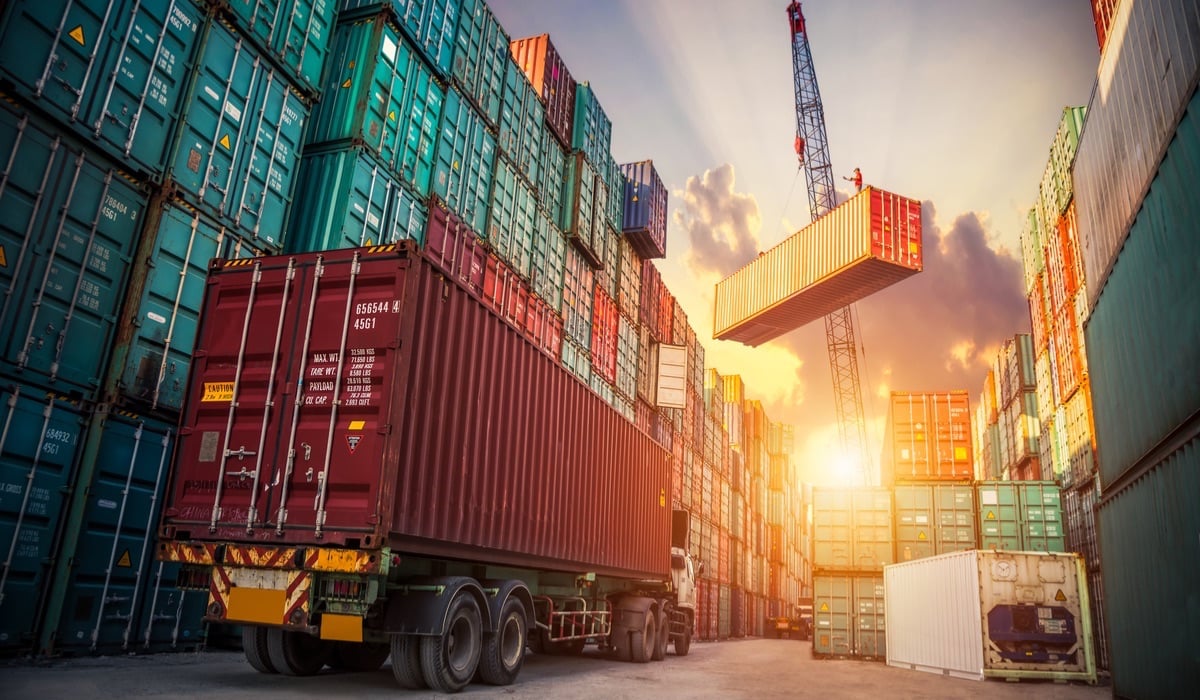 Los informes de inspección son esenciales para obtener el despacho de aduana de los envíos. Corresponderá al minorista, junto con su proveedor de calidad, establecer una pauta de calificación de los informes.
Esta pauta de calificación de informes constituye una base de automatización que reduce la cantidad de cambios manuales tras la revisión de los informes. La revisión manual de estos informes ralentiza enormemente los procesos de autoenvío y todo este proceso pierde sentido.
Un proveedor de calidad externo podrá proporcionarle los conocimientos del sector y las mejores prácticas relativas a los informes de calificación. También podrá personalizar sus informes de calificación en función de las necesidades de su producto.
Una vez creado este informe de calificación, su proveedor de calidad puede utilizar sus sistemas técnicos para enviar informes diarios tanto al cliente como a la empresa de carga que haya elegido. Esto crea un proceso de liberación mucho más claro y rápido tanto para usted como para la empresa de carga.
La montaña de papeleo, desde las licencias de importación hasta los informes de inspección completos, ellos lo tienen todo bajo control, lo que permite un proceso racionalizado y eficiente para su organización.
Los informes de inspección son esenciales para obtener el despacho de aduana de los envíos. Corresponderá al minorista, junto con su proveedor de calidad, establecer una pauta de calificación de los informes.
Esta pauta de calificación de informes constituye una base de automatización que reduce la cantidad de cambios manuales tras la revisión de los informes. La revisión manual de estos informes ralentiza enormemente los procesos de autoenvío y todo este proceso pierde sentido.
Un proveedor de calidad externo podrá proporcionarle los conocimientos del sector y las mejores prácticas relativas a los informes de calificación. También podrá personalizar sus informes de calificación en función de las necesidades de su producto.
Una vez creado este informe de calificación, su proveedor de calidad puede utilizar sus sistemas técnicos para enviar informes diarios tanto al cliente como a la empresa de carga que haya elegido. Esto crea un proceso de liberación mucho más claro y rápido tanto para usted como para la empresa de carga.
La montaña de papeleo, desde las licencias de importación hasta los informes de inspección completos, ellos lo tienen todo bajo control, lo que permite un proceso racionalizado y eficiente para su organización.
 Tradicionalmente, un equipo interno suele publicar los informes de inspección a medida que los recibe, lo que provoca retrasos importantes. Esto suele deberse a que los equipos internos de control de calidad tienen que viajar mucho, lo que significa que no tienen tiempo suficiente para realizar las aprobaciones necesarias para que los envíos se publiquen a tiempo.
No quiero parecer repetitivo, pero tener un equipo interno capaz de gestionar la logística de los envíos sería un sueño, sin duda, pero pasar la aduana con seguridad depende de ser eficiente en todos los demás puntos que he mencionado antes.
Los equipos internos que no dispongan del tiempo, los recursos y los conocimientos técnicos adecuados tendrán dificultades para hacer frente a problemas que, de otro modo, podrían haberse evitado.
Así que este es el trato...
La gestión de la calidad es un sistema complejo que requiere 100% de su atención y concentración.
Es usted capaz de dedicar tanto tiempo y recursos a garantizarlo?
Esta es una pregunta que muchos no quieren responder, pero la realidad es que a menudo no puede permitirse el tiempo y los recursos necesarios para crear sistemas de calidad totalmente optimizados que puedan producir productos de alta calidad para su marca y a tiempo.
Entonces, ¿qué?
Puede que merezca la pena considerar la posibilidad de contratar a un proveedor de calidad externo que pueda dedicarle el tiempo y los recursos que necesita para racionalizar las operaciones de su cadena de suministro.
Un proveedor externo de calidad puede proporcionarle;
* Lo último en regulación de productos
* Experiencia técnica
* Disponen de la tecnología adecuada para agilizar sus operaciones
* Tienen los conocimientos sobre cómo navegar por las aguas de la logística internacional para su marca.
Esto le dará margen para empezar a centrarse en lo que se le da bien: fabricar productos de alta calidad y crear un nivel de confianza con su consumidor que sea competitivo a escala mundial.
¿Tiene experiencia trabajando con servicios de inspección de calidad de terceros?
Tradicionalmente, un equipo interno suele publicar los informes de inspección a medida que los recibe, lo que provoca retrasos importantes. Esto suele deberse a que los equipos internos de control de calidad tienen que viajar mucho, lo que significa que no tienen tiempo suficiente para realizar las aprobaciones necesarias para que los envíos se publiquen a tiempo.
No quiero parecer repetitivo, pero tener un equipo interno capaz de gestionar la logística de los envíos sería un sueño, sin duda, pero pasar la aduana con seguridad depende de ser eficiente en todos los demás puntos que he mencionado antes.
Los equipos internos que no dispongan del tiempo, los recursos y los conocimientos técnicos adecuados tendrán dificultades para hacer frente a problemas que, de otro modo, podrían haberse evitado.
Así que este es el trato...
La gestión de la calidad es un sistema complejo que requiere 100% de su atención y concentración.
Es usted capaz de dedicar tanto tiempo y recursos a garantizarlo?
Esta es una pregunta que muchos no quieren responder, pero la realidad es que a menudo no puede permitirse el tiempo y los recursos necesarios para crear sistemas de calidad totalmente optimizados que puedan producir productos de alta calidad para su marca y a tiempo.
Entonces, ¿qué?
Puede que merezca la pena considerar la posibilidad de contratar a un proveedor de calidad externo que pueda dedicarle el tiempo y los recursos que necesita para racionalizar las operaciones de su cadena de suministro.
Un proveedor externo de calidad puede proporcionarle;
* Lo último en regulación de productos
* Experiencia técnica
* Disponen de la tecnología adecuada para agilizar sus operaciones
* Tienen los conocimientos sobre cómo navegar por las aguas de la logística internacional para su marca.
Esto le dará margen para empezar a centrarse en lo que se le da bien: fabricar productos de alta calidad y crear un nivel de confianza con su consumidor que sea competitivo a escala mundial.
¿Tiene experiencia trabajando con servicios de inspección de calidad de terceros?
¿Está al día de las últimas normativas sobre productos?
La oferta y la demanda de nuestro actual panorama minorista mundial hacen que siempre sea necesario estar al día de los cambios en la normativa sobre productos.Auditoría de calidad por terceros
Un proveedor de calidad externo tiene acceso a recursos a través de asociaciones y una red de sistemas en línea basados en la nube que les permiten estar al día de las últimas normativas sobre productos. El acceso a una red como ésta es una parte clave de su oferta de servicios, esto es lo que distinguirá a un proveedor de servicios externos de buena calidad. Capacidades como esta son capaces de racionalizar sus operaciones, lo que puede ayudarle a sacar su producto al mercado con mayor rapidez, permitiéndole mantenerse a la cabeza de las presiones de la oferta y la demanda que se sienten en el mercado. Sin embargo, al realizar una auditoría de calidad por terceros, deberá asegurarse de que los auditores que elija estén especializados en su categoría de producto específica; de este modo, se asegurará de que estén al día de la información más relevante sobre productos y normativas. Tomemos como ejemplo la moda mundial de los fidget spinners; este juguete infantil llegó a las estanterías más rápido de lo que el mercado podía parpadear.
Resulta que más de 200 000 tuvieron que ser retirados debido al incumplimiento de los procedimientos, así como a que el producto presenta defectos críticos, lo que significa que este producto puede causar lesiones o daños a su consumidor final.
Un auditor de calidad externo podría proporcionarle un informe de inspección imparcialIncluya la información anterior, protegiendo así su marca de daños y retiradas de productos que pueden llegar a ser extremadamente costosos.
Auditoría interna de calidad
La fiabilidad es clave. ¿Su personal interno puede dedicar el tiempo necesario a asegurarse de que comprende toda la información relevante sobre el producto que usted necesita? Aunque su organización tenga los conocimientos necesarios, es probable que no disponga de los recursos o la capacidad para dedicar a alguien que se asegure de que está bien documentado sobre las últimas normativas que se exigen.Muchas organizaciones no disponen de las amplias redes geográficas que tienen los grandes minoristas.
Por lo tanto, su personal interno acaba dedicando mucho tiempo a viajar para realizar inspecciones de control de calidad, sin dedicar suficiente tiempo a centrarse en la calidad de un producto. Esto suele ralentizar los procesos de producción, con un tiempo eventual de comercialización más largo.
Si tomamos en consideración el ejemplo del Fidget Spinner, ¿cuál es la probabilidad de que su equipo interno sea consciente de esa no conformidad antes de que salga al mercado?
Piense en ello.
Un suceso como el anterior pone a su marca en un riesgo innecesario, con el potencial de una mala publicidad y una importante pérdida de ventas.
Puede ¿Se lo puede permitir su organización?
¿Dispone de todos los conocimientos técnicos?
Los conocimientos técnicos sobre productos y la amplia experiencia en pruebas e inspecciones son un bien infravalorado en la cadena de suministro minorista, ¿cómo puede empezar a aprovecharlos en su beneficio?Terceros
Un proveedor de calidad externo puede poner a su disposición una amplia red de conocimientos técnicos relacionados con su producto y sus sistemas de calidad, desde auditorías de fábrica hasta equipos de inspección y ensayo y cualquier técnica específica que pueda ser necesaria para garantizar el cumplimiento de su producto.Algunos equipos de ensayo pueden ser exclusivos de un producto específico o si hay una actualización de los procedimientos de ensayo para incluir los cambios recientes en la normativa.
A menudo, los proveedores externos pueden ofrecer soluciones técnicas basadas en las especificaciones anteriores, junto con equipos que conocen bien los nuevos procedimientos de ensayo.
Los proveedores externos suelen enviar a sus inspectores a cursos de formación para que se familiaricen con los nuevos equipos y procedimientos de ensayo, a fin de garantizar un servicio de alta calidad con un índice mínimo de retirada de productos.
Para los proveedores de calidad externos es prioritario estar al día de las últimas tendencias y novedades de su sector, junto con las mejores prácticas que deben seguir.
Este tipo de conocimiento y experiencia puede aprovecharse para obtener una ventaja competitiva.
Calidad interna
Aunque su equipo interno puede tener conocimientos sobre el funcionamiento interno de su producto y sus procedimientos de calidad ideales, la realidad es que no siempre es suficiente. Mantenerse al día y supervisar lo último en normas y reglamentos requiere muchos recursos, a lo que se añade el reto de mantener y garantizar que toda la documentación se actualiza correctamente, lo que a menudo no ocurre. Esta cantidad limitada de recursos puede crear procedimientos innecesariamente complejos, que se amontonan hasta el cielo, pero que podrían haberse evitado con mucha planificación estratégica y estructura. Esto no suele ser el fuerte de muchas organizaciones pequeñas. La clave está en conocer tus puntos fuertes y centrarte en ellos para el crecimiento de tu organización.Tecnología adecuada para procedimientos de alta calidad
El uso de una tecnología adecuada que le permita hacer un seguimiento de su progreso operativo y de aspectos como los informes de inspección de sus productos es esencial para agilizar sus operaciones de calidad.Terceros
Es esencial que los proveedores de calidad externos dispongan de plataformas adecuadas y apropiadas para gestionar eficazmente los sistemas de calidad de sus clientes. Estas plataformas también deben ser capaces de registrar y hacer un seguimiento adecuado de todos los datos, así como de gestionar determinados aspectos de la documentación y la comunicación. Esta tecnología proporciona datos exhaustivos que permiten conocer mejor la cadena de suministro, algo que de otro modo no estaría disponible. Estos datos pueden aprovecharse en estrategias para su marca, desde la mitigación de riesgos a la gestión de inventarios, pasando por la forma en que realiza las pruebas de producto en su laboratorio y los tipos de informes de inspección que se están elaborando. Tiene que proporcionar información valiosa y práctica para que pueda optimizar sus sistemas de calidad y lograr una mayor eficiencia, lo que debería llevarle a una mayor tasa de producción y a una comercialización más rápida de sus productos.su producto.
Si sumamos todo esto, empezaremos a ver márgenes de beneficio más altos y también habrá aumentado la capacidad de satisfacer la oferta y la demanda de nuestros productos, creando esa deseada ventaja competitiva.
Veamos brevemente la solución del Expediente de Conformidad Técnica;
Se trata de una solución de conformidad que le permite obtener información fiable y precisa sobre sus procesos de conformidad.
Se ofrece a través de una plataforma basada en web y es una una ventanilla única para todos sus documentos de conformidadcon actualizaciones en tiempo real y acceso y perspectiva 24 horas al día, 7 días a la semana.
Este tipo de tecnología permite a su organización una mayor concentración, control y conocimiento.
Calidad interna
Disponer de tecnologías o sistemas actualizados puede suponer un reto porque los equipos de calidad internos siguen dependiendo en gran medida de hojas de cálculo de entrada manual, lo que crea demasiado margen para el error humano. Los datos sesgados pueden tener implicaciones de largo alcance para sus sistemas de calidad, que a menudo pueden desembocar en retiradas de productos y pérdidas económicas para su marca. A menudo se debate sobre el coste del software. Aunque se trata de un argumento válido, sobre todo para las PYME que intentan mantener la cabeza fuera del agua, que suele ser su única prioridad, se recomienda considerar la posibilidad de integrar poco a poco la tecnología en los sistemas de calidad para empezar a racionalizar los procedimientos y aumentar la eficacia. Uno de los mayores retos es la gestión sistemática de toda la documentación técnica. Es importante recordar que las autoridades tienen derecho a acceder al expediente técnico, que debe contener toda la documentación técnica. Algunos minoristas intentan recopilar esta documentación técnica a través de un equipo interno, pero a menudo es un poco lioso debido a diversas normas industriales como;- El fabricante cambia los materiales de vez en cuando porque ha encontrado un precio más barato en otro sitio
- El comprador personalizará los productos solicitados para que sean únicos y tengan un mayor valor de mercado.
- La mayoría de los informes de ensayo caducan un año después, por lo que a menudo la documentación está caducada o no existe.
agilizar el proceso de liberación de envíos
Navegar por las aguas de la logística internacional es poco menos que un pequeño milagro que hay que superar sin el efecto dominó de las pesadillas que se producen por el camino. Sus envíos se atascan en la aduana debido a una documentación incorrecta crea una serie de retrasos para el resto de su operación.Terceros
Trabajar con un proveedor de calidad externo que pueda desempeñar un papel clave en el proceso de liberación de envíos puede ayudar a evitar tener que navegar solo por esta compleja red logística.Los informes de inspección son esenciales para obtener el despacho de aduana de los envíos. Corresponderá al minorista, junto con su proveedor de calidad, establecer una pauta de calificación de los informes.
Esta pauta de calificación de informes constituye una base de automatización que reduce la cantidad de cambios manuales tras la revisión de los informes. La revisión manual de estos informes ralentiza enormemente los procesos de autoenvío y todo este proceso pierde sentido.
Un proveedor de calidad externo podrá proporcionarle los conocimientos del sector y las mejores prácticas relativas a los informes de calificación. También podrá personalizar sus informes de calificación en función de las necesidades de su producto.
Una vez creado este informe de calificación, su proveedor de calidad puede utilizar sus sistemas técnicos para enviar informes diarios tanto al cliente como a la empresa de carga que haya elegido. Esto crea un proceso de liberación mucho más claro y rápido tanto para usted como para la empresa de carga.
La montaña de papeleo, desde las licencias de importación hasta los informes de inspección completos, ellos lo tienen todo bajo control, lo que permite un proceso racionalizado y eficiente para su organización.
Calidad interna
¿Cuántas veces se le ha atascado un envío sólo para que le digan que no tiene la documentación correcta?Tradicionalmente, un equipo interno suele publicar los informes de inspección a medida que los recibe, lo que provoca retrasos importantes. Esto suele deberse a que los equipos internos de control de calidad tienen que viajar mucho, lo que significa que no tienen tiempo suficiente para realizar las aprobaciones necesarias para que los envíos se publiquen a tiempo.
No quiero parecer repetitivo, pero tener un equipo interno capaz de gestionar la logística de los envíos sería un sueño, sin duda, pero pasar la aduana con seguridad depende de ser eficiente en todos los demás puntos que he mencionado antes.
Los equipos internos que no dispongan del tiempo, los recursos y los conocimientos técnicos adecuados tendrán dificultades para hacer frente a problemas que, de otro modo, podrían haberse evitado.
Así que este es el trato...
La gestión de la calidad es un sistema complejo que requiere 100% de su atención y concentración.
Es usted capaz de dedicar tanto tiempo y recursos a garantizarlo?
Esta es una pregunta que muchos no quieren responder, pero la realidad es que a menudo no puede permitirse el tiempo y los recursos necesarios para crear sistemas de calidad totalmente optimizados que puedan producir productos de alta calidad para su marca y a tiempo.
Entonces, ¿qué?
Puede que merezca la pena considerar la posibilidad de contratar a un proveedor de calidad externo que pueda dedicarle el tiempo y los recursos que necesita para racionalizar las operaciones de su cadena de suministro.
Un proveedor externo de calidad puede proporcionarle;
* Lo último en regulación de productos
* Experiencia técnica
* Disponen de la tecnología adecuada para agilizar sus operaciones
* Tienen los conocimientos sobre cómo navegar por las aguas de la logística internacional para su marca.
Esto le dará margen para empezar a centrarse en lo que se le da bien: fabricar productos de alta calidad y crear un nivel de confianza con su consumidor que sea competitivo a escala mundial.
¿Tiene experiencia trabajando con servicios de inspección de calidad de terceros? .jpg)
 también hay un equipo informático dedicado a garantizar la seguridad del software y sólo los empleados de la API están autorizados a realizar modificaciones en la plataforma.
 Many of the compliance complexities that arise are in the collection and gathering of all the necessary documentation. Many manufacturers, importers and retailers today are still operating on outdated systems like spreadsheets, creating unreliable data and documentation, which creates an almost insurmountable task trying to maintain the information for each product reference.
 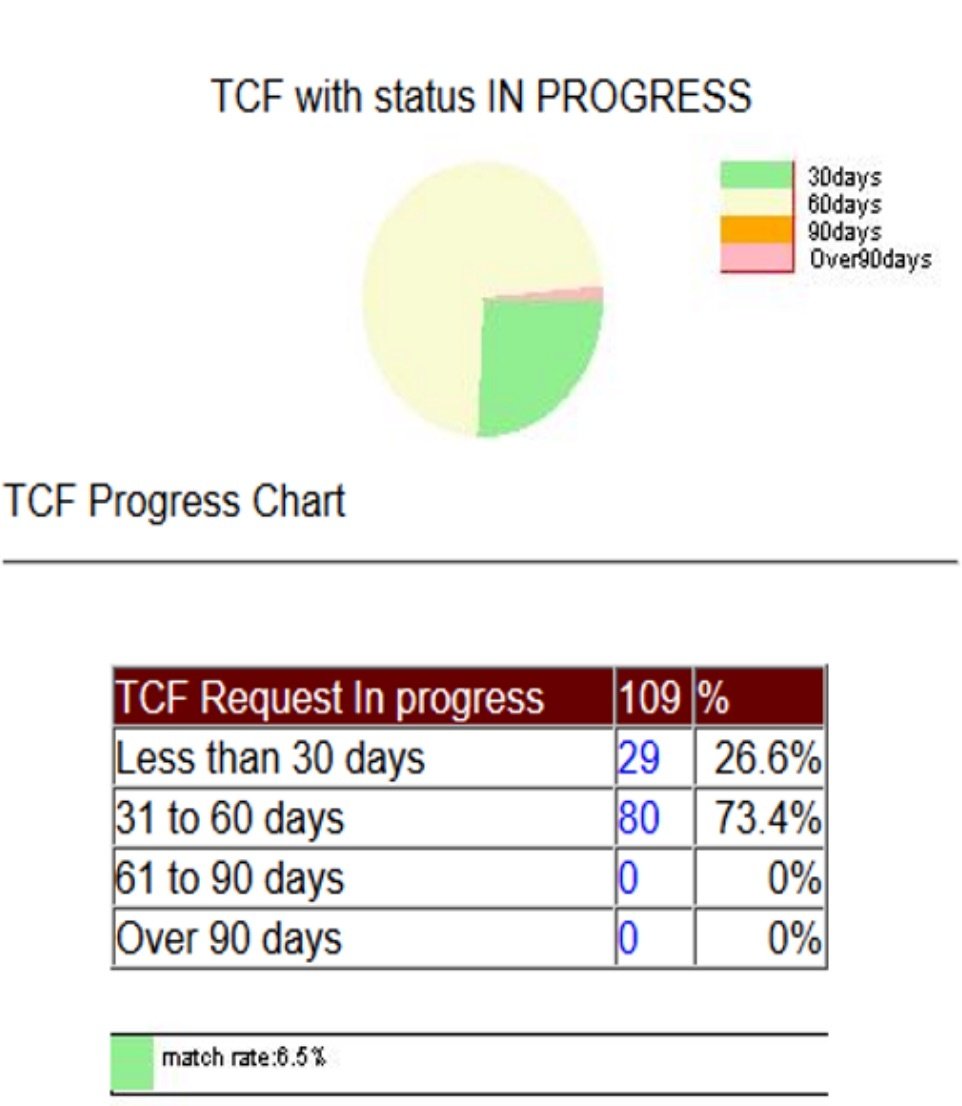 you insight into your compliance status whenever you need it. There are also progress charts allowing you actionable insight into timelines and your supplier progress. This solution is also able to store all your documents for up to 10 years, ensuring your documents are safely stored for any future reference.
 The quality of a product can be defined in many ways and is almost always dependent on your specific consumer and their definition of quality for your specific item. So in that light, you will need to know exactly what your consumer is looking for to create the quality your brand is looking to achieve.
When a consumer sets out to look for a quality product, they want to feel as though they have paid less than what the actual product is worth, the quality of the product far surpassing the amount they ended up paying. Fulfilling the need to exceed the consumer’s expectations, this is what true quality is all about.
If fulfilling the need to meet your consumer’s expectations is at the top of your company’s agenda, is it not essential for your brand’s products to meet a level of quality that does just that? Let me leave you pondering that for a bit.
In attempting to understand your customer’s definition of quality, it will be important to note that fulfilling consumer expectation and experience forms a part of that definition.
Let me give you an example; If a consumer orders a product that has met and passed all quality tests it needed to meet, that product for all intents and purposes is a quality item. But, if the order arrives later than promised or arrives with a missing screw or the incorrect color, the consumer may not define this product as an item of value and quality.
Striving for product quality is a stems right from the raw materials used, to the way in which it arrives to your customer, therefore every step needs to be taken into consideration.
The quality of a product can be defined in many ways and is almost always dependent on your specific consumer and their definition of quality for your specific item. So in that light, you will need to know exactly what your consumer is looking for to create the quality your brand is looking to achieve.
When a consumer sets out to look for a quality product, they want to feel as though they have paid less than what the actual product is worth, the quality of the product far surpassing the amount they ended up paying. Fulfilling the need to exceed the consumer’s expectations, this is what true quality is all about.
If fulfilling the need to meet your consumer’s expectations is at the top of your company’s agenda, is it not essential for your brand’s products to meet a level of quality that does just that? Let me leave you pondering that for a bit.
In attempting to understand your customer’s definition of quality, it will be important to note that fulfilling consumer expectation and experience forms a part of that definition.
Let me give you an example; If a consumer orders a product that has met and passed all quality tests it needed to meet, that product for all intents and purposes is a quality item. But, if the order arrives later than promised or arrives with a missing screw or the incorrect color, the consumer may not define this product as an item of value and quality.
Striving for product quality is a stems right from the raw materials used, to the way in which it arrives to your customer, therefore every step needs to be taken into consideration.
 craze of fidget spinners and, where 200, 000 of these spinners have been recalled due to it
  they want to know where its raw materials were sourced, how it was made, who made it and what its level of quality is. They ask themselves whether or not your product will be an investment in their lives.
The key here will be to know your target market, know your consumer. If you do not know what they want, you will struggle to be their go-to brand; you will lose out on their brand evangelism and praise affecting your bottom line
“Is this the type of brand and product you wish to create?”
Retailers today are under so much pressure with the current supply and demand of products, that quality and/or compliance is not always a priority.
“But, it should be!”
Bad quality and non-compliance both mean that your brand is at an unnecessarily high risk with regards to meeting regulations and your reputation. It will be worth all the hard yards that you put in from the creation and design to the manufacturing and distribution of your products. This will help mitigate unnecessary risk, saving you money and precious time.
they want to know where its raw materials were sourced, how it was made, who made it and what its level of quality is. They ask themselves whether or not your product will be an investment in their lives.
The key here will be to know your target market, know your consumer. If you do not know what they want, you will struggle to be their go-to brand; you will lose out on their brand evangelism and praise affecting your bottom line
“Is this the type of brand and product you wish to create?”
Retailers today are under so much pressure with the current supply and demand of products, that quality and/or compliance is not always a priority.
“But, it should be!”
Bad quality and non-compliance both mean that your brand is at an unnecessarily high risk with regards to meeting regulations and your reputation. It will be worth all the hard yards that you put in from the creation and design to the manufacturing and distribution of your products. This will help mitigate unnecessary risk, saving you money and precious time.
 As a quality manager who is responsible for producing toys you know that where quality is concerned the stakes are sky-high.
You need to know that toys adhere to the demands of every test they might face when being exported globally to markets with different demands.
At API, our quality inspectors and laboratories follow a comprehensive set of 8 toy quality testing steps (built through decades of experience) that helps quality managers effectively manage quality right from the outset.
This article will take a brief look at
As a quality manager who is responsible for producing toys you know that where quality is concerned the stakes are sky-high.
You need to know that toys adhere to the demands of every test they might face when being exported globally to markets with different demands.
At API, our quality inspectors and laboratories follow a comprehensive set of 8 toy quality testing steps (built through decades of experience) that helps quality managers effectively manage quality right from the outset.
This article will take a brief look at  Raw material quality control is paramount in helping to prevent product failure and ensuring a consistent level of quality that you and your customers expect.
Making sure that players in your supply chain are continuously subjected to testing of raw materials being used in your toy production, or when they decide to switch suppliers, verifies that the materials are at the level of quality you’re paying for and that no toxic elements such as lead and cadmium finding their way into your finished product.
Complying with chemical restrictions in raw materials laid out by the EU and US chemical content regulations such as REACH,
Raw material quality control is paramount in helping to prevent product failure and ensuring a consistent level of quality that you and your customers expect.
Making sure that players in your supply chain are continuously subjected to testing of raw materials being used in your toy production, or when they decide to switch suppliers, verifies that the materials are at the level of quality you’re paying for and that no toxic elements such as lead and cadmium finding their way into your finished product.
Complying with chemical restrictions in raw materials laid out by the EU and US chemical content regulations such as REACH,