Sostenibilidad: Construir hoy para beneficiarnos mañana

Categorías
Noticias

Sostenibilidad: Construir hoy para beneficiarnos mañana

COVID-19 has elevated the debate of the importance of sustainability in the long-term, increasing awareness among many companies of the need to consider social, ethical, and environmental standards above short-term profits. While some companies have implemented strong environmental policies in recent years, others have seized the opportunity to embed sustainability into their ‘new normal’ operations instead of considering it a ‘nice to have.’

Whether it is the adoption of transformational sustainability strategies or an approach at a reduced scale, companies can benefit from implementing policies and sustainability programs that make societal sense, positively impact the planet, and result in long-term savings for the company. Brands are increasingly aware of the positive impact of sustainability and the need to incorporate it into their strategies, with 40% of companies having reinforced their sustainability commitments during the COVID-19 pandemic, according to a survey from The Business of a Better World (BSR).

.
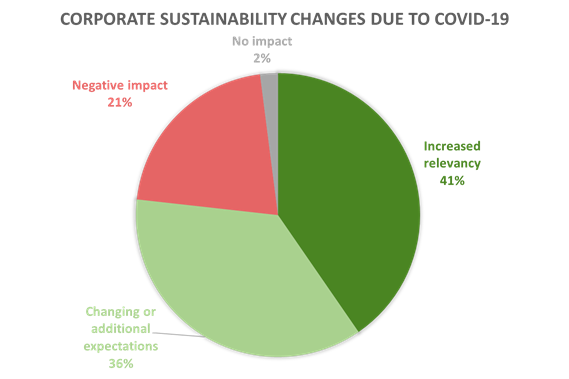
Source: ‘Corporate Sustainability & COVID-19’, May 2020, The Business of a Better World (BSR)

In an era of increasing consumer demand for environmental commitment, a solid sustainability strategy will not merely have a positive impact on customer preferences. It can also lead to economic savings as a result of, among other things, the reduction of water and energy consumption and waste.

To support brands on their path towards sustainability, API is launching a new series of free 30-minute sustainability webinars covering everything from adequate labeling and avoiding greenwashing to the analysis of the chemical management in the supply chain and the positive impact on savings that a sustainability strategy can bring. Register now for our upcoming webinars:

Footprint

December 03 – Footprint Study and Labelling

How can you promote your sustainability practices without greenwashing? 

Beginning with an overview of the different criteria required to calculate a product footprint, learn how to provide customers with verified information about ‘eco-labels.’

Register now

Chemical management

December 10 – Chemical Management in the Supply Chain
Brands, retailers, and suppliers are increasingly looking to improve their chemical management. The question remains: How do you assess the chemical risk and enhance the chemical performance of your supply chain? 

Regístrese ahora

Positive impacts

December 17 – Sustainability: Positive Impacts with Savings

While environmental sustainability is about taking care of the planet and its residents, it is also about saving money. Less waste, less consumption of water and energy, and fewer chemicals: sustainability is actually an investment in a company’s’ future. 


In this webinar, our expert will share concrete examples of how using the right processes can help companies match their environmental goals with their bottom line.


Regístrese ahora

Interested in other topics or trainings? 

Categorías
Noticias

Próximos seminarios web sobre sostenibilidad y RSE

The challenges faced by supply chains and the need to focus on short-term priorities have put CSR and sustainability efforts in the spotlight. Some companies have been struggling to maintain their path toward sustainability while adapting to the ‘new normal’. Others have taken the opportunity to rebuild and refocus on longer-term objectives and more sustainable supply chains.

‘In business, sustainability has become synonymous with credibility.’

In this context of a new normal, consumer preferences are also changing with an increase in the importance of social and environmental causes. According to a survey* by the IBM Institute for Business Value (IBM) in collaboration with the National Retail Federation (NRF), 6 in 10 consumers are willing to change their shopping habits to reduce their environmental impact.

Sustainability and CSR at the Bottom of the Line or a Strategic Priority?  [Upcoming webinars]

To help companies in their sustainability efforts, API is launching a new series of sustainability webinars starting in November.

Stay tuned for more about our upcoming topics.

*Research study of 18,980 consumers in 28 countries

Categorías
Blogs

Complement Your Own Team

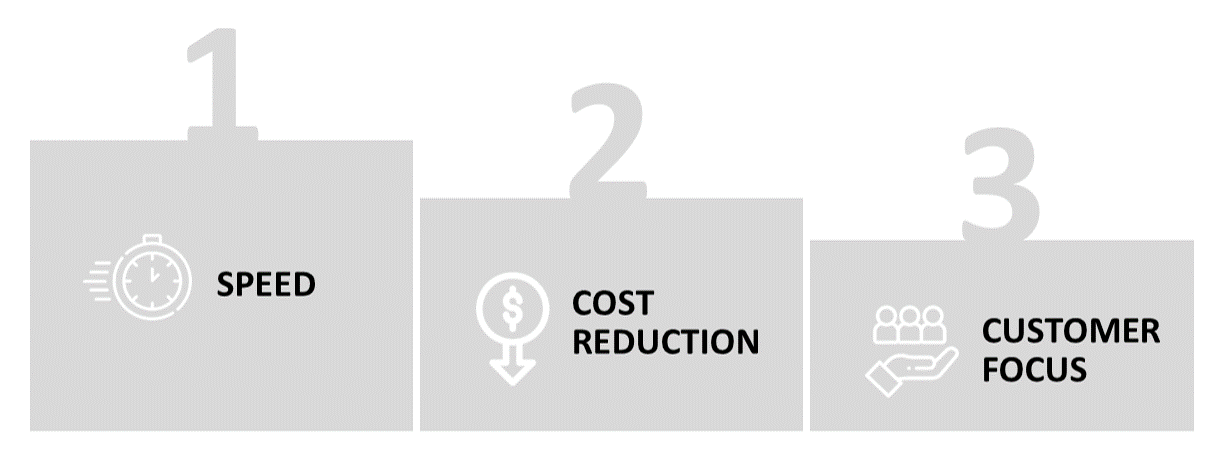
The uncertain ‘new normal’ we’re facing is forcing companies around the world to adopt strategies and contingency plans that address new practical challenges, such as the reduction of workforces and international travel restrictions. However, companies need to think about the effects these changes will have on their consumers and minimize any potential negative impacts on these important relationships. Ensuring the same levels of safety and quality while guaranteeing an efficient time-to-market is critical. The consumer products and retail industry is already changing to align with these issues through speed, cost reduction, and customer focus.


Most commonly cited reasons for changes due to COVID-19 in ‘Consumer Products and Retail’ industry

3 reasons_COVID19

Source: McKinsey & Company, ‘The need for speed in the post-COVID-19 era – and how to achieve it’ survey, September 2020


But how to achieve a customer-centered strategy with an enhanced time-to-market while considering cost-reduction needs at the same time? Some of the elements required when workforces are limited and travel is restricted are:

  • Increased flexibility
  • Faster response
  • Complementary know-how


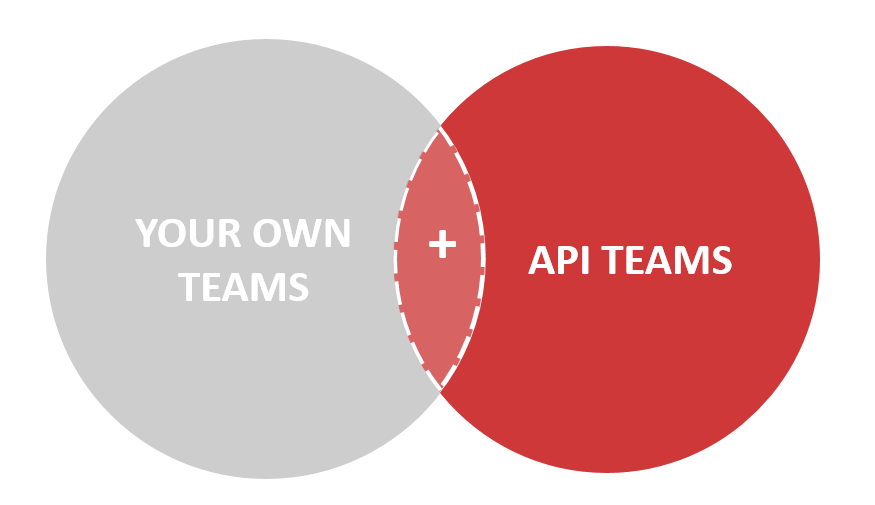
An Extension of Your Own Team

To support companies in their path toward the new normal, API is cooperating with brands and retailers’ internal quality and audit teams to complement them on-demand with a 360° approach to quality that provides optional solutions.


Our complementary technical support

API’s complementary technical support allows companies to benefit from additional support only when and where it’s needed with the flexibility to adapt as required. Some of the added value of our solutions include:

  • Complementary technical solutions related to quality management: larger capabilities + deeper and upstream support (eg., remote golden sample validation with techno-visualization to assist locally during the product development stage).
  • Extended geo coverage: delivering ‘A to Z’ services with dedicated support in areas where clients are not present and that are not easy not easy to travel to. 
  • Additional expertise in specific product categories: complementary knowledge and additional areas of expertise

Interested in learning more about our specific solutions?

Categorías
Blogs

Soporte Remoto: Una Extensión en Sitio de Tus Equipos

En el contexto actual de disrupción en los viajes, las "prácticas normales" adoptadas hasta ahora por muchas empresas deben ser reevaluadas. Las marcas y los minoristas deben estar presentes en las fábricas en muchos casos para supervisar los requisitos, incluida la evaluación de prototipos, la revisión de muestras en la etapa de preproducción o producción, y la selección de artículos para nuevas colecciones. Pero, ¿cómo pueden las empresas lograr esto dadas las restricciones de viaje actuales y sin equipos en el sitio? Ocasionalmente, las fábricas pueden enviar muestras a los equipos de calidad más cercanos a ellas o incluso a la sede central. Sin embargo, en la mayoría de las circunstancias, esta solución sería demasiado costosa y consumiría mucho tiempo. Para facilitar un proceso de toma de decisiones rápido y una rápida llegada al mercado, API ha aprovechado la última tecnología de video para desarrollar una serie de soluciones remotas. Silla
Evalúe y apruebe sus muestras de preproducción en vivo o utilice un ojo crítico en el sitio durante la selección de productos, guiado por la última tecnología por nuestro equipo de expertos.

Nuestras soluciones A NIVEL DE PRODUCTO INICIAL incluyen:

Revisión y validación de muestras de producto
  • Evaluación completa y precisa de la muestra prototipo, muestra de ingeniería o muestra de oro
  • Control de calidad en una etapa temprana para permitir correcciones y mejoras posteriores
Revisión de la colección en sala de exhibición mediante videollamada en el momento de la selección del producto:
  • Reseña de muestra
  • Identificación de conformidad / no conformidad en problemas mecánicos
  • Anticipación de riesgos y problemas
  • Recomendaciones para la mejora
Algunos de los beneficios de nuestras soluciones remotas son:
  • Orientación por un equipo de expertos en el lugar
  • Posibilidad de seguir eventos en vivo y en tiempo real en la fábrica / sala de exposición a través de la última tecnología
  • Productos de calidad y que cumplen con las normativas
  • Tiempo de comercialización más rápido frente a envíos internacionales para aprobación
  • Soporte durante todas las etapas de fabricación
Gracias a nuestro conocimiento profundo de fabricación y experiencia prácticate guiamos a través de los procesos de decisión más críticos y te apoyamos de forma remota con la última tecnologíaAPI pone a su disposición nuestros equipos de expertos que se especializan en diferentes categorías de productos para dar soporte a todas sus necesidades de forma remota. ¿Le interesa saber más sobre cómo podemos darle soporte de forma remota con estas u otras soluciones?
Categorías
Noticias

La sostenibilidad importa: Auditorías medioambientales del SCI

Increasing environmental pressure from governments and associations, and a more pronounced consumer preference for eco-friendly products, are making more and more companies aware of the need to speed up their sustainability journey.


La sostenibilidad importa: Auditorías medioambientales del SCI

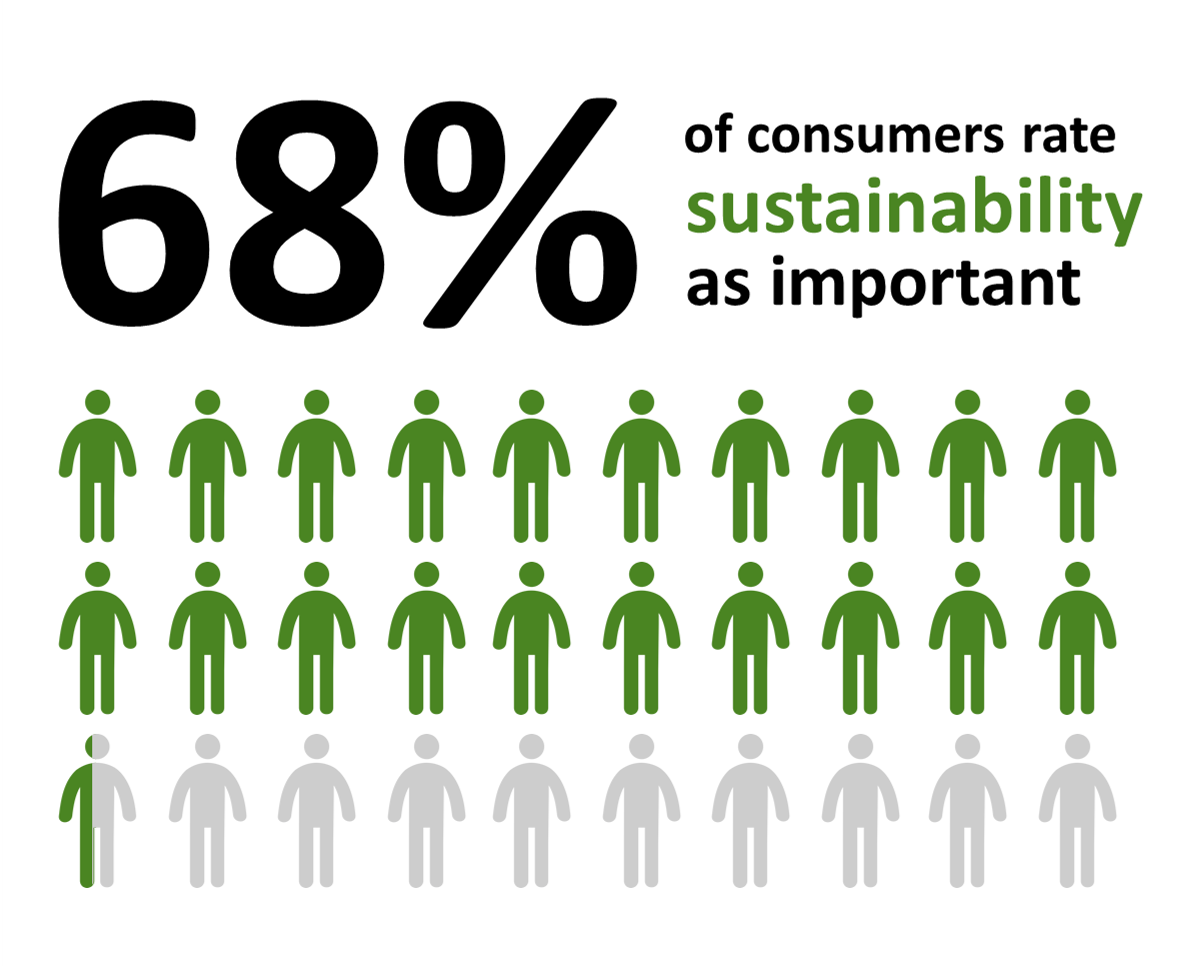
68% of consumers rate sustainability as important
Source: CGS’s 2019 Retail and Sustainability Survey

 
To help them in this way, ICS – Initiative for Compliance and Sustainability – brings to its members a set of common tools to mutualize their audits, contributing to the reduction of audit fatigue and sharing knowledge and best practices.

ICS is an international sectorial initiative that aims to enhance working conditions among the global supply chains of its member retailers and brands. ICS is composed of 48 multinational retailers and brands in the textile, retail, footwear, electronics, and furniture sectors.*

API is accredited to perform ICS social y environmental audits to help ensure that suppliers and their supply chains are aligned with the ICS Environmental Code of Conduct. The main areas covered include:

  • Environmental management systems (EMS)
  • Energy use, transport, and greenhouse gases (GHGs)
  • Water use
  • Wastewater and wastewater effluent
  • Emissions to air and ozone-depleting substances (ODS)
  • Waste management
  • Pollution prevention, and hazardous and potentially hazardous substances
  • Major incident prevention and management


A dedicated environmental team with hands-on experience

  • Experienced with ICS environmental methodology
  • Knowledge of supply chain environmental sustainability
  • Led by the head of sustainability with a doctorate in sustainability (PhD) and more than 10 years’ experience
  • Bilingual with a clear understanding of specific local challenges and global expectations

Daily assessments in factories worldwide

Sustainability Matters: ICS Environmental Audits Daily assessments in factories worldwide

API can support our customers in their environmental journey with 360° expertise in process, factories, and products.

Interested in learning more about our ICS environmental solutions?

*ICS logo and description are property of ICS

Categorías
Noticias

API en el SIMPOSIO VIRTUAL INTERNACIONAL ICPHSO 2020

API is glad to be participating as a sponsor at the 2020 ICPHSO International Virtual Symposium. The event will take place on October 27–28, 2020, in conjunction with the European Commission’s International Product Safety Week.

The focus of this year’s international symposium is ‘Safely sustainable: exploring how the concept of sustainability is impacting and shaping consumer product safety.’

Categorías
Noticias

API Link™: Nuevas funciones de la plataforma en línea de API

API Link™, API’s new online platform, introduces a few additional features this month. In addition to the functions already revealed such as a 24/7 overview of ongoing and finished orders and order tracking with key milestones, customers can now benefit from:  

  • Final decision on orders in 1 click: release or reject your orders faster than ever based on relevant data
  • Report summary: at-a-glance overview of all your reports
  • Online reports: easily accessible reports shared with different parties in 1 click and archived in a single platform
  • Confirmation of quotations online

Customers, suppliers and factories can benefit from increased visibility over processes and order status through API Link™ user-friendly dashboards.

Interested in learning more about our platform?

Categorías
Blogs

API at ICPHSO Annual Meeting and Training Symposium 2022

API is glad to be participating as a sponsor at the 2022 ICPHSO Annual Meeting and Training Symposium. The event will take place on February 14–17, 2022 in Washington, D.C. The four-day Annual Meeting and Training Symposium provides an opportunity for global health and safety professionals to participate in discussions that further enhance the safety of consumer products throughout the world.

Will you also attend the event? Book an appointment to talk to our team!

Visit ICPHSO’s website for more details about the event: https://icphso.org/ 

Categorías
Blogs

SCIP – visibility over hazardous chemicals in products

On September 14, 2021, the new SCIP Dissemination Portal by the European Chemicals Agency (ECHA) went live, giving the public access to information about substances of concern (SVHC) in articles as such or in complex objects (Products). The portal’s launch increases the transparency over chemicals of concern in products and will help track products containing substances of very high concern until they reach the waste stage. It also allows consumers to make more informed purchasing decisions and to choose safer products.

Since January 2021, companies that supply articles containing substances of very high concern (SVHC) on the Candidate List in a concentration above 0.1% weight by weight (w/w) in the EU market have been required to submit information on these articles to the ECHA. The notifications are stored in the SCIP (Substances of Concern in Products) database, and will be publicly available via the portal throughout the entire lifecycle of the products and materials – including the waste stage – contributing to a safer circular economy.

In a recent announcement, the ECHA said that around 6,000 companies across the European Union have already complied with this new obligation, with more than four million relevant article notifications registered in the SCIP database.

Based on the information gathered so far, the most notified product categories include:

  • Machinery and their parts
  • Measuring instruments and their parts
  • Electronic equipment and their parts
  • Vehicles and their parts
  • Articles made of rubber
  • Furniture. 

¿Quién debe presentar la información?

Companies that supply articles containing substances of very high concern (SVHC) on the Candidate List in a concentration above 0.1% weight by weight (w/w) in the EU market are required to submit, including:

  • EU producers and assemblers
  • EU importers
  • Distribuidores de artículos de la UE y otros agentes que comercializan artículos.

Retailers and other actors that supply articles directly to consumers are not obligated to submit this information to ECHA.

What information needs to be submitted?

  • Información pertinente para la identificación del artículo;
  • Nombre, rango de concentración y localización de la SVHC; y
  • Otra información sobre el uso seguro del artículo, especialmente si la información anterior no es suficiente para garantizar la correcta gestión del artículo como residuo.

 Do you have any questions about how the new SCIP database requirements affect your business? 

Categorías
Blogs

Germany’s new Supply Chain Due Diligence Act

Many governments around the world are using legislation to drive responsible business practices and positive impacts on people’s working conditions. These laws require companies to manage their operational impacts on people and the environment and report on their efforts. It’s important to know which of these laws apply to your business and how to comply.

One of the most recent changes in this area is the new Human Rights Due Diligence Law adopted by the German parliament on June 11, 2021.

From 2023, this law will require large companies to conduct supply chain due diligence activities. Companies will need to identify, prevent, and address human rights and environmental abuses within their own and their direct suppliers’ operations, and take actions if they find violations.

The law aims to ensure that social and environmental standards are maintained in large companies’ operations and supply chains to address the following risks:

  • Forced labor
  • Child labor
  • Discrimination
  • Violations to freedom of association
  • Unethical employment
  • Unsafe working conditions
  • Environmental degradation.

Who does this new law affect?

  • From 2023: Companies based in Germany with more than 3,000 employees, or German-registered branches of foreign companies with more than 3,000 employees.
  • From 2024: Companies based in Germany with more than 1,000 employees, or German-registered branches of foreign companies with more than 1,000 employees.

What do the affected companies need to do?

  • Set up a process to identify, assess, prevent, and remedy human rights and environmental risks and impacts in:

    1.  Your supply chain    
    2.  Your own operation.

  • Ensure you provide ways for employees of indirect suppliers to file a complaint alerting the company to any human rights or environmental violations.
  • Publish an annual report outlining the steps you have taken to identify and address these risks.

How can affected companies prepare for this change?

If this – or any similar law – applies to your business, it’s most important to have a clear internal process to understand and assess your supply chain:

Step 1: Define your scope

Map your suppliers and put in place a preliminary risk analysis to better understand your supply chain and current CSR capabilities.

Step 2: Pre-assess your suppliers’ CSR conditions

Conduct a deeper evaluation to identify your most reliable suppliers, the ones requiring action, and those with zero tolerance issues. You can then prioritize your program and create an action plan.

Step 3: Apply relevant actions based on identified risks and priorities

Deploy an adequate action plan based on the identified issues and their risk levels and implement remediation programs to improve the suppliers’ performance.

Many other countries have enhanced their regulations on human rights, such as:

  • Australia: Modern Slavery Act 2018
  • France: Corporate Duty of Vigilance Law
  • Germany: CSR Directive Implementation Act
  • India: Business Responsibility and Sustainability Reporting
  • Italy: Legislative Decree no. 254
  • United Kingdom: Modern Slavery Act 2015
  • United States: Transparency in Supply Chains Act 2012 (State of California).

How API can help you prepare for these legislative requirements:

  • Documentary review
  • Preliminary risk assessment to help you prioritize issues
  • Factory audit
  • remoto
  • COC/manual/audit guidelines creation and review
  • Program benchmarking services for strategic suppliers.