Antizipation von Spielzeugrisiken in den frühen Entwicklungsstadien

Kategorien
Blog

Antizipation von Spielzeugrisiken in den frühen Entwicklungsstadien

Die Spielzeug- und Kinderspielzeugindustrie ist dafür verantwortlich, die Sicherheit ihrer Produktkategorien zu gewährleisten, damit die Kleinen im Haus sicher spielen können. Die Herausforderung besteht darin, strenge Vorschriften einzuhalten und gleichzeitig die rechtzeitige Lieferung von Fertigwaren zu gewährleisten, die den Erwartungen der Verbraucher entsprechen. Die meisten Akteure in der Branche, darunter Hersteller, Importeure und Einzelhändler, konzentrieren sich bereits verstärkt auf die Sicherheit und die Einhaltung von Vorschriften. 

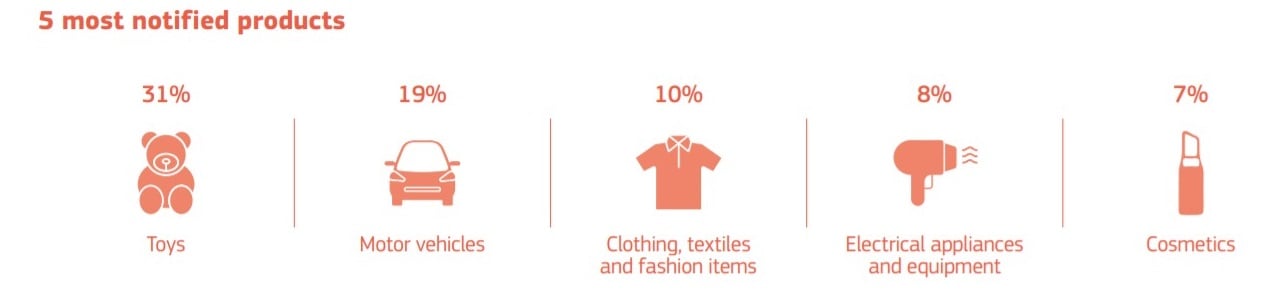
Obwohl Behörden und Verbraucherverbände weltweit die Sicherheit gefährdeter junger Verbraucher an erste Stelle setzen, werden immer noch viele Risiken und Verstöße aufgedeckt. Allein in Europa gehörte Spielzeug 2018 zu den am häufigsten gemeldeten Produkten, die 31% der RAPEX-Warnungen ausmachten.

RAPEX_2018_Kategorien
Quelle: RAPEX-Jahresbericht 2018

Es können viele Vorkehrungen getroffen werden, um die Lieferkette zu sichern und die Risiken während des gesamten Produktionsprozesses zu verringern, z. B. durch Fabrikaudits, Inline-Inspektionen oder Bewertungen während der Produktion. Es gibt jedoch einige Maßnahmen, die bereits vor Beginn der Produktion ergriffen werden können und es den Marken ermöglichen, Risiken zu antizipieren, darunter:  

Klassifizierung Spielzeug/Nicht-Spielzeug 

Obwohl die Spielzeugverordnungen in verschiedenen Ländern klare Vorgaben für die Einstufung eines Produkts als Spielzeug machen, gibt es einige Grenzprodukte, deren Einstufung gelegentlich schwierig ist. In einigen speziellen Fällen ist es notwendig, zusätzliche Kriterien zu bewerten, um ein Produkt als Spielzeug einzustufen. In Europa sieht die Richtlinie über die Sicherheit von Spielzeug beispielsweise die folgenden Kriterien vor: "Jedes Produkt, das dafür konzipiert oder bestimmt ist, von Kindern unter 14 Jahren zum Spielen verwendet zu werden, unabhängig davon, ob dies ausschließlich geschieht". Eine ähnliche Definition findet sich in den USA in der Norm ASTM F963: "Spielzeug - jeder Gegenstand, der als Spielzeug für Kinder unter 14 Jahren entworfen, hergestellt oder vermarktet wird".

Die Hauptschwierigkeit liegt hier im Begriff des "Spielgebrauchs" oder "Spielzeugs". Die meisten Gegenstände haben einen Spielwert für Kinder, aber das bedeutet nicht, dass sie unter die Kategorie Spielzeug fallen. Der "Spielwert" muss vom Hersteller beabsichtigt sein und darf sich nicht aus der Vorliebe des Kindes für einen Gegenstand ergeben. Wenn der Hersteller das Produkt als "Nicht-Spielzeug" bezeichnet, muss er diese Behauptung auch belegen können.

Angemessene Altersempfehlung und entsprechende Kennzeichnung

Dies zeigt die Sicherheit eines Spielzeugs auf der Grundlage der folgenden Fähigkeiten an:

  • Körperliche Fähigkeit des Kindes, mit dem Spielzeug zu spielen
  • Geistige Fähigkeit des Kindes, mit dem Spielzeug umzugehen
  • Spielbedürfnisse und Interessen auf verschiedenen Ebenen der kindlichen Entwicklung
  • Sicherheitsaspekte eines bestimmten Spielzeugs

Die Verbraucher verlassen sich bei der Auswahl eines Produkts, das den Interessen und Fähigkeiten des Kindes entspricht, auf die Altersempfehlung des Herstellers auf der Verpackung des Spielzeugs. Die Altersempfehlung spielt auch eine wichtige Rolle bei der Gewährleistung der Sicherheit des Kindes, da sie sicherstellt, dass es nicht mit zu kleinem Spielzeug konfrontiert wird, an dem es sich verschlucken kann.

Ein in der Branche häufig auftretendes Problem ist eine unzureichende Altersempfehlung, die in der Regel vor dem Versand bei einem Pre-Shipment-Test festgestellt wird. Wird dieses Problem am Ende der Produktion festgestellt, nachdem alle Verpackungen gedruckt wurden, müssen entweder alle Verpackungen neu gedruckt oder die entsprechende Kennzeichnung auf allen vorhandenen Verpackungen neu aufgeklebt werden. Dies führt zu zusätzlichen Kosten und zu einer Verzögerung des Versands.

Risikomanagement bei Entwurf oder Prototyp

Identifizierung der möglichen Risiken in Bezug auf:

  • Ersticken
  • Sturz oder Ertrinken
  • Erstickung und Strangulation
  • Andere Verletzungen


Zusätzlicher Mehrwert: Leistung und Spieltauglichkeit

Wenn ein Spielzeug auf den Markt gebracht wird, ist es nicht nur wichtig, die erwartete Nutzung zu berücksichtigen, sondern auch die tatsächliche und mögliche Nutzung durch das Kind zu simulieren. Auch wenn die gesetzlichen Vorschriften die Einhaltung von Sicherheitsstandards gewährleisten, besteht dennoch die Gefahr, dass kleine Kinder das Spielzeug missbrauchen. Solche Risiken können erkannt werden, wenn das Produkt unter Leistungsgesichtspunkten anhand angepasster, geprüfter Protokolle bewertet wird, die die Sicherheit noch einen Schritt weiter bringen.

So kann ein Produkt, das nicht an die Größe des Kindes angepasst ist, zusätzliche Risiken mit sich bringen, auch wenn der Artikel den Vorschriften entspricht. Wenn beispielsweise eine Maske zu groß für das Kind ist, kann sie die Sicht des Kindes beim Tragen behindern, was zu einem erhöhten Unfallrisiko führt.

Maske


Wie können diese Risiken antizipiert werden?

Wenn Sie sich auf das Fachwissen Dritter verlassen, können Sie diese Risiken durch Unterstützung in den frühen Entwicklungsphasen vorhersehen. Eine angemessene Risikobewertung bereits in den Phasen des Produktdesigns und des Prototyps kann Ihnen helfen, "misslungene" Ergebnisse bei Tests vor der Produktion oder, noch schlimmer, bei Tests vor der Auslieferung zu vermeiden. Dieses frühzeitige Eingreifen spart Ihnen Zeit und Geld.  

Dank unserer Produkt- und Fertigungsexpertise, die wir uns täglich vor Ort aneignen, können wir bei API Risiken erkennen und vorhersehen, bevor sie die Produktionslinie erreichen. Unsere Spielzeugexperten können Ihre Teams bereits in der Entwurfs- und Prototypenphase anleiten und bewerten und Ihnen dabei helfen, Risiken zu bewältigen und Ihre Produkte sicherer zu machen. Wir arbeiten eng mit Spielzeugausschüssen zusammen, halten uns über Änderungen von Normen und Vorschriften auf dem Laufenden und erhalten die neuesten Informationen über aktuelle Problembereiche und heiße Branchenthemen.

Einige unserer präventiven Lösungen für Spielzeug sind:

  • Produktvalidierungsbericht: Ausführlicher Bericht, der die Spezifikationen der goldenen Probe hervorhebt und kritische Punkte aufzeigt, die ein Sicherheits- oder Qualitätsrisiko darstellen könnten. Er umfasst eine Bewertung der Funktionalität und Leistung aus Sicht des Endnutzers sowie eine eingehende Bewertung der Spielzeugkennzeichnung.
  • Überprüfung der Kollektion: Produktüberprüfung im Ausstellungsraum, um Risiken und Nichtkonformität mechanischer Probleme zu erkennen, sowie Beratung durch unsere Experten und Empfehlungen zur Produktverbesserung.
  • Risikobewertung des Entwurfs oder des Prototyps: Risikobewertung in den ersten Phasen der Entwicklung. Sie ermöglicht es, kritische Punkte für Verbesserungen zu identifizieren und von unseren Experten Empfehlungen für eine erhöhte Produktsicherheit zu erhalten.
  • Überprüfung der Markierung: Überprüfung der vorschriftsmäßigen Kennzeichnung und der an die entsprechende Altersstufe angepassten Gebrauchsanweisung.
  • Empfehlungen zu Leistung und Spielfähigkeit: Angepasste, maßgeschneiderte Protokolle, die die Nutzung des Spielzeugs durch ein Kind simulieren.
  • Vorproduktionsprüfung

Sprechen Sie mit unseren Experten, um die richtige Lösung für Ihre Bedürfnisse zu finden und die Risiken in Ihrer Spielzeugproduktion zu antizipieren.

Kategorien
Blog

Technical Compliance – API’s I-TCF solution

An end to spending hours gathering technical compliance documents, thanks to API’s I-TCF solution

Brands around the globe have an obligation to ensure their product’s compliance with its market destination standards and regulations. But guaranteeing the accuracy and validity of all documents proving your product’s conformity is an arduous task. Many factors weigh in the complex job of ensuring compliance:

  • Stricter regulation and increased picking in stores
  • Need for improved traceability and records
  • Large number of product references requiring time and technical staff…

Authorities scrutinize the non-compliance and associated risks of the products entering their markets, where stricter penalties have been imposed on products with incomplete and invalid documentation. In Europe alone, 2,257 alerts were sent in 2018 through the Rapid Alert System, with 4,050 follow-up actions.

The 5 most notified products were:

Rapid Alert System - Technical Compliance - API's I-TCF solution

The 5 most notified risks:

Raid Alert System Technical Compliance - API's I-TCF solution

Quelle: EU Rapid Alert System for dangerous non-food products 2018 results

API can help your company comply with strict requirements and gather documentation demonstrating that compliance with our +15 years’ experience developing Product Integrity Technical Compliance File (I-TCF) solutions that:

  • Define the relevant scope of compliance
  • Collect and quickly validate high volume of documents
  • Have a proven track record of starting a program of 1,500 items in 8 weeks – average close time of 36 days

The I-TCF is a digital ID of your product and its proven compliance with the latest applicable standards and regulations, showing:

  • Anwendbare Protokolle
  • Validierung und Prüfung von Dokumenten
  • Langfristige Gültigkeit und Überwachung

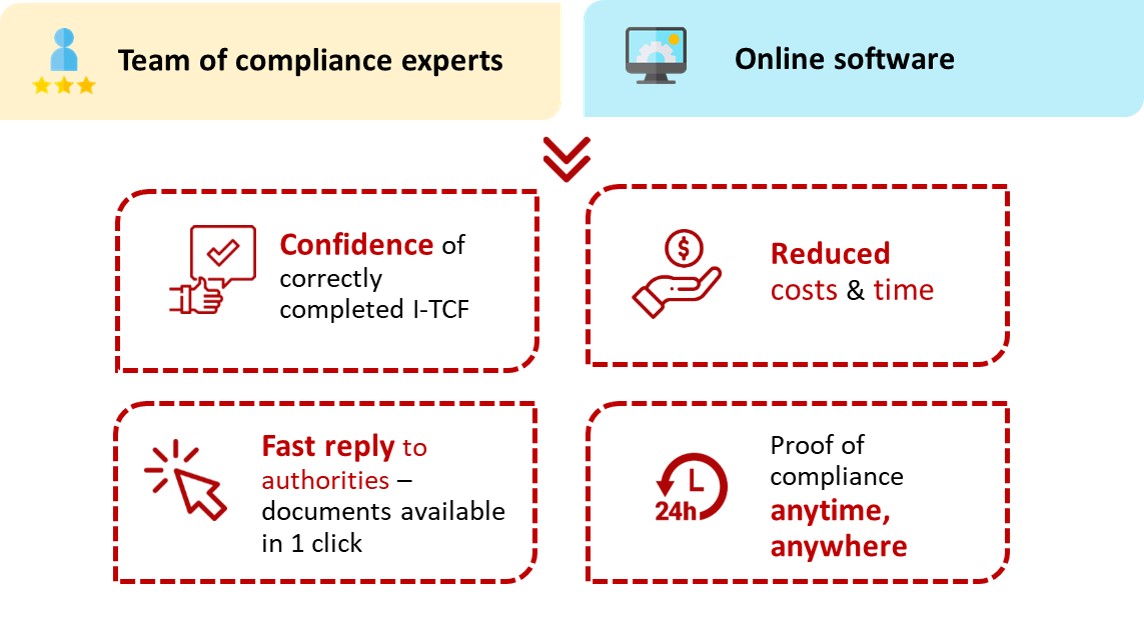
The benefits for your brand of API’s I-TCF solution?

Technical Compliance - API's I-TCF solution

Interested in finding our more about how our I-TCF solutions can help your brand?

Kategorien
Blog

Share your Quality Challenges With Us at ICPHSO Dublin

We’ll be exhibiting at ICPHSO’s International Symposium 2019 in Dublin on 24-25 October, a two-day symposium for product safety stakeholders to learn, network and share information.

Are you also attending the event? Come and discuss your unsolved quality challenges with our team and gain insights from our customers’ technical success stories!

A client’s example:

Icphso 2019 Share your Unsolved Quality Challenges With Our Team

Buchen Sie einen Termin für ein Gespräch mit unserem Team!

Kategorien
Blog

DIY & Home Improvement: Our 20+ Years’ Expertise

While the DIY and home improvement segment is growing at a considerable speed, brands and retailers face an increasing number of challenges. In addition to greater competition, diversification and the rise of e-commerce, market players must deal with the risks associated with production for a very large product range that still lacks harmonized and mandatory global standards. On the other side, consumers are expecting higher levels of product functionality and performance while maintaining the durability and safety of the products purchased.

With these factors in mind, at API we put at your disposal our 20+ years’ experience working with some of the industry’s top players. We can help you minimize risks and meet your consumers’ expectations with our in-depth quality solutions for DIY and tools covering all the stages of your supply chain.

Our solutions include:

https://campaign-image.com/zohocampaigns/180659000003544031_zc_v34_diy_solutions_api_aug.png

Interested in discussing your challenges with our experts?

Kategorien
Blog

Audits for Supply Chain Sustainability and Transparency

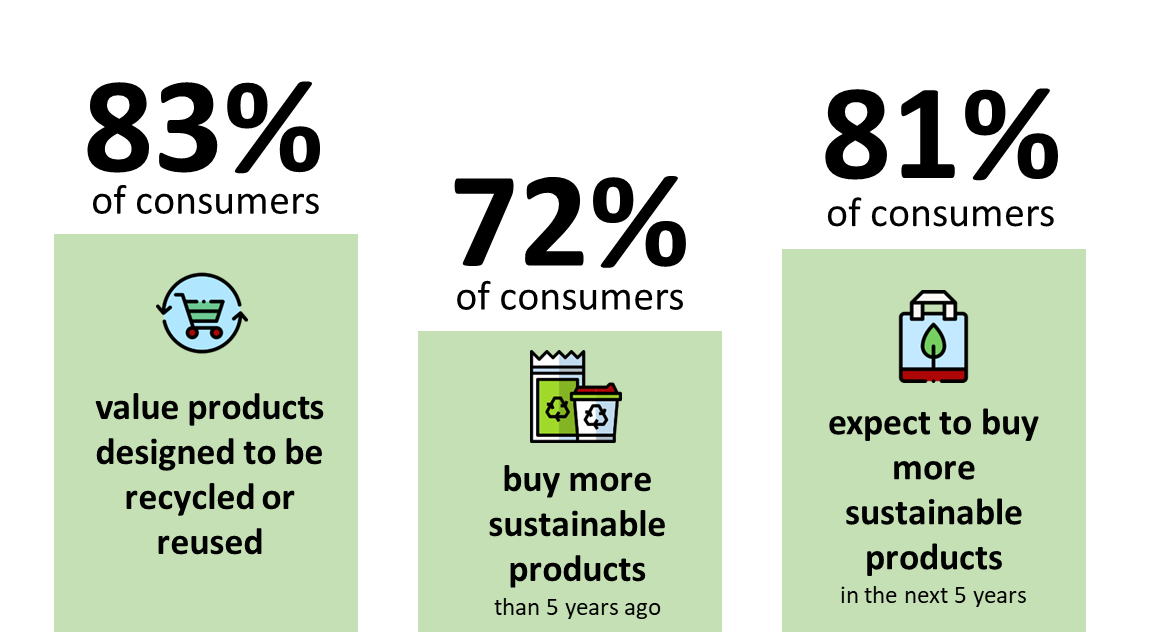
The supply chain is changing, with increasing consumer demand for sustainable products. Many large and small brands are struggling to adapt to this new demand for transparency at every stage of the product’s lifecycle: from the raw materials to the disposal or recycling at the end of the product’s life.

Sustainability is a key consideration influencing buying decisions together with quality, price, and health and safety:

Source: Accenture Survey April 2019 on 6,000 consumers in 11 countriesacross North America, Europe and AsiaSource: Accenture Survey April 2019 on 6,000 consumers in 11 countries across North America, Europe and Asia

Source: Accenture Survey April 2019 on 6,000 consumers in 11 countries
across North America, Europe and Asia

At API we can help you truly evaluate, verify and improve the environmental impact of your factories and processes to allow you to provide additional transparency to your consumers. Our team has more than a decade of experience in supply chain environmental sustainability across various products categories and a deep understanding of the different industry initiatives. We are, for example, one of the companies able to refer to the Higg Index* to provide verification and training solutions. We are uniquely positioned to understand the manufacturing process and its challenges thanks to our specialists being on the ground at the factories in real time.

We can support you from scratch in evaluating your supply chain with globally accredited assessment audit checklists or API’s tailor-made environmental audits checklists. Our personalized service, which follows API’s comprehensive environmental checklist and adapted corrective action plans, includes wide-ranging areas of assessment:

  • Environmental Management Systems (EMS)
  • Energy & Green House Gas Emissions (GHG)
  • Water consumption
  • Waste Water / Effluent Treatment
  • Emissions to air
  • Hazardous waste management
  • Hazardous chemical management

Interested in learning more about our environmental audit solutions?

Kategorien
Blog

API-Audit: Akkreditiert zur Durchführung von ICS-Audits

API-Audit:Die API-Abteilung für operative Prüfungen ist von der ICS akkreditiert, soziale und umweltbezogene Audits gemäß dem ICS-Verhaltenskodex durchzuführen. ICS - Initiative für Compliance und Nachhaltigkeit – ist eine internationale branchenspezifische Initiative, die darauf abzielt, die Arbeitsbedingungen in den globalen Lieferketten ihrer Mitgliedsunternehmen (Einzelhändler und Marken) zu verbessern. Die ICS besteht aus 43 multinationalen Einzelhändlern und Marken aus den Sektoren Textil, Einzelhandel, Schuhwaren, Elektronik und Möbel. ICS-Mitglieder arbeiten mit gemeinsamen Werkzeugen zusammen, um Audits zu bündeln und so zur Reduzierung der "Audit-Müdigkeit" beizutragen, während sie gleichzeitig Wissen und bewährte Verfahren austauschen*.

https://campaign-image.com/zohocampaigns/180659000003436046_zc_v52_ics_logo.png

Als Spezialisten unseres Fachs, die aus unserer riesigen praktischen Branchenerfahrung schöpfen, stehen wir den ICS-Mitgliedern und Fabriken zur Seite, um sie bei der Verbesserung zu begleiten. Unsere Lösungen, die der ICS-Methodik entsprechen, umfassen:

  • ICS soziale und umweltbezogene Audits
  • Nachverfolgung und Lösungen

Interessierten Sie sich für unsere ICS-Auditlösungen?

*ICS-Logo und Beschreibung sind Eigentum von ICS

Kategorien
Blog

Improve Your Social Compliance

Corporate Social Responsibility (CSR) has evolved in recent years from being a ‘beneficial asset’ to a compliance requirement that’s also gaining influence in the buyers’ decision-making process. In 2018, 69% of consumers said they were influenced by brands’ ethical values and authenticity*. An adequate social compliance plan can support your brand in going one step beyond with associated benefits such an increased productivity. These benefits include, for example, an end to duplicated work processes or the implementation of better time management within your workforce.

At API, we offer tailor-made social audit assessments utilizing our experts’ knowledge in developing programs adapted to your needs, and implement ad-hoc plans based on the specific requirements that matter the most to you. We can help you meet your social compliance objectives and challenges that follow:

  • Global industry initiatives & local labor laws: Our experience, expertise and specialization ensure fast and comprehensive results
  • Your own code(s) of conduct: Our industry knowledge and on-the-ground know-how will evaluate and reinforce your objectives – because CSR could be a key asset for brand reputation and differentiation
  • API’s standard: We help you from scratch through personalized service specific to these areas

Looking to implement an effective corrective action plan after completion of a social compliance audit? You can benefit from API’s manufacturing experience and deep industry expertise that enables us to suggest informed and productive technical improvements. API’s technical experts will help you identify main factory issues and their root causes with a professional follow-up. You can increase your factory’s productivity with its available resources thanks to our experts’ recommendations on optimum corrective strategies.

Example: Increased supplier’s productivity based on its resources

Improved Social Compliance: Enhanced Brand Reputation and Supplier Productivity

Interested in our social audit solutions?

*Survey of 30,000 consumers in 35 countries, 2018 (Accenture)

Kategorien
Blog

Fit for Use & Performance Testing

Fit for Use & Performance Testing: Meeting Consumer Expectations by Going Beyond Simple Standardized and Regulatory Tests


In the increasingly competitive global marketplace, retailers face numerous issues when sourcing products. Their greatest challenge is to live up to — and even exceed — growing consumer expectations in a market saturated with products.

Since consumers have a wealth of options to choose from, they are no longer satisfied with products that merely meet their basic needs. They consider the minutest of details in regards to quality, construction, features, and price of products.

In considering knives, for example, consumers are no longer satisfied with a product that can simply slice their vegetables and meat. They look for knives with ergonomic handles that retain their edge for an extended period and meet a dozen other additional expectations.

In this competitive and demanding landscape, the necessity of Fit for Use and Performance Testing should not be underestimated.

Knives Sourcing Case Study

The following is a case study on sourcing knives. The purpose of this case study is to give a brief example of the various tests that will be conducted during a Fit for Use & Performance and about how a knife’s performance can be compared to that of IKEA knives and other competitors.

Add a heading


Benefits to the Client

  • Help you  source knives that can pass a wide range of advanced performance tests. This can establish a benchmark for the product based on your brand current products and other similar products on the market. This standard can be used as a basis on which to make future products and improvements.
  • Come up with technical ad-hoc solutions for product performance.
  • Get an edge on the competitors by sourcing the most advanced knives possible.
  • Weeding out products that miss the mark on quality in terms of performance.

As you can see, in this global consumer-driven age, the necessity of Fit for Use & Performance Testing is absolutely crucial.

At API, we offer our clients a host of tailored solutions powered by our sister company AXIS to help your products stand out and go beyond the regulatory requirements of your destination markets. Our common objective? Your products fit their purpose and provide outstanding technical grounds to be chosen by your customers.

With 300+ product categories covered, 3,000+ tests performed, and +1,800 ad-hoc tests developed, AXIS – technological resource center of WORMS SAFETY – is able to provide tailor-made fit-for-use performance assessments of all household goods. AXIS has 20+ years’ experience in mechanical properties and performance, climatic aging, colorimetry and dimensional measurement.

Interested in learning more about how performance testing can bring competitive advantages to your products? Contact us today to receive a professional consultation and find out more about our Fit for Use and Performance solutions.

Kategorien
Blog

Sustainable Practices For Manufacturing Hard Goods

Implementing sustainable business strategies is getting increasingly popular in the manufacturing industry as more prominent international and local industry players of all sizes acknowledge the long-term value of sustainable management for business growth and resilience.

Sustainable manufacturing starts with building a sustainability team for effective collaboration between managers, material experts, process engineers, product designers, production, procurement specialists, and environmental, health, and safety officers.

Engaging representatives from every department helps organizations to evaluate all the key sustainability aspects of the manufacturing process and understand how to work more effectively to save resources, time, and money.

Sustainable manufacturing has a lot to offer:

  • Integrating sustainability across business functions improves production processes and profitability
  • Using innovation, scenario planning, and strategic analysis reduces environmental, health, and safety risks and associated financial losses
  • Improving environmental performance helps ensure compliance with increasingly stringent regulatory constraints
  • Optimizing operational efficiencies reduces resource costs and industrial waste from production
  • Introducing stakeholder engagement policies helps train and retain qualified employees, builds long-term business viability and resilience
  • Strengthening brand reputation and public trust with a visible commitment to sustainability enhances sales and competitiveness on the market attracting new customers, partners, and investors.

Sustainable/Recycled Raw Materials

Choosing sustainable raw or recycled materials improves the resource efficiency and safety of the manufacturing, prevents eco-toxicity, extends the lifespan of many instruments and equipment, minimizing the risks and need for repairs.

Recycling materials preserves their embodied energy, so the amount of energy required for the recycling process is usually far less than the energy used for the primary production. The largest energy savings can be achieved by recycling metals and thus avoiding the energy-intensive mining and processing of ore. For example, recycling aluminium from scrap uses 88-95% less energy than primary aluminium production, secondary copper results in 15-65% energy savings. Lead can be effectively recycled multiple times without losing its properties with 60-75% energy savings compared to the primary lead production. Energy savings from recycling iron and steel can be up to 72%, beryllium recycling saves 80%, and 50% for recycling cadmium. An estimated 40% of the nickel used in the production of stainless steel comes from post-consumer stainless steel scrap resulting in 90% energy savings for the secondary nickel production. However, when it comes to recycling paper, although the secondary production requires 40% less energy than the primary production, more fossil fuels can actually be required for paper recycling.

Smart solutions like using antimicrobial copper alloys to protect solid surfaces from microbial contamination instead of using enhanced chemical cleaning protocols can prevent the spread of bacterial infections and reduce human exposure to toxic substances from the cleaning products. The EPA has registered 500 copper alloys including brass and bronze as capable of killing 99.9% of disease-causing, potentially deadly bacteria within two hours even after recontamination.

ECO Design

Sustainable product design strategies allow manufacturers to evaluate and address the environmental impacts throughout the entire life cycle of the product, optimize resource consumption, minimize energy use and waste during production and transportation of the products.

Incorporating sustainability considerations into product development ensures the long-term availability of materials and resources, helps achieve compliance with product quality and safety regulations, and avoid using harmful materials that can be restricted in some countries or highly likely to be banned in the future. Material choices and product design should incorporate the recycling capability and publish the specifications in their product declarations.

Sustainable Packaging 

Sustainable packaging logistics help develop integrated packaging, product, and supply chain systems to ensure safe, efficient, and effective handling, transportation, distribution, storage, retail, use, reuse, recovery, and disposal of goods, minimizing the negative environmental impacts and risks, while maximizing the social and consumer value, sales, and profits. For example, replacing wasteful single-use containers, plastic, Styrofoam, cardboard, and pallets with reusable, recycled, and recyclable packaging like collapsible bulk boxes helps optimize the shipping, storage, and handling of hard goods.

The Sustainable Packaging Coalition defines the following criteria for sustainable packaging:

  • Designed to optimize the material and energy use
  • Sourced, manufactured, transported, and recycled using clean production technologies and best practices, renewable energy sources
  • Maximum use of renewable and recycled materials
  • Satisfying the market demand for performance and cost.
  • Healthy, safe, and beneficial for individuals and communities throughout the entire life cycle and in all probable end of life scenarios
  • Effectively recovered and utilized in biological and/or industrial cradle to cradle cycles.

Analysis of sustainable packaging logistics strategies shows that an upfront investment in sustainability actually accelerates the economic growth and profitability due to significant savings from multiple reuses, easier handling, less labor for assembling boxes and crates, smaller floor space use during storage and shipping, and reduced packaging costs per piece. Sustainable packaging gives a strategic competitive advantage to manufacturers, as it shows their commitment to implement the best industry practices, improves public trust, and strengthens their brand reputation.

Recycling Programs

Manufacturers are the primary consumers of recycled materials obtained from end-of-life products and industrial scrap, and they can also contribute to closed-loop material recycling. Incorporating waste recovery and recycling in-house as part of the manufacturing process or supplying scrap materials from production to other companies for recycling can reduce your company’s waste and associated costs. Utilizing scrap processing solutions and including post-consumer recycled materials like metal, plastic, paper, glass, rubber, electronics, or textiles as part of your manufacturing process can bring significant savings of energy, raw materials, and reduction in emissions from production.   

It is important to remember that recycling is not the ultimate sustainable solution as it also consumes energy and water contributing to resource depletion and pollution. An efficient recycling program for manufacturing requires a detailed analysis of the environmental footprint including energy use at each phase of the recycling processes to determine the most sustainable recycling routes. To optimize the recycling processes, manufacturers must carefully develop their sustainable recycling strategies and the supporting structures, systems, performance goals, key performance indicators, measurements, and performance monitoring protocols.

Sustainable Factories

Incorporating diverse business intelligence tools, specialized sustainability software, artificial intelligence, and the Internet of Things (IoT) into your factory operations can help you predict, model, plan, monitor, and evaluate the efficiency of factory operations, adapt manufacturing workflows, conduct preventative maintenance, coordinate, and implement robust environmental, health, safety, and quality control systems to ensure continual performance improvement. The International Organization for Standardization has just released a new voluntary standard ISO/IEC 30141, Internet of Things (IoT)Reference architecture that provides a framework with reusable designs and industry best practices that can help establish reliable, safe, secure systems for smart, sustainable manufacturing by gathering the key performance data, protecting the privacy, and preventing disruptions from cyber attacks and natural disasters

Sustainable Energy

The carbon footprint from manufacturing operations can be reduced through various energy-efficient solutions, and not all of them require much capital investment. The International Renewable Energy Agency (IRENA) estimates that renewables could reach up to 27% of the total manufacturing energy consumption by 2030 with the availability of affordable sustainable, biomass sources, and can further grow up to 34% due to carbon emissions trading. IRENA’s analysis shows that energy efficiency and renewable energy production are the most cost-effective methods for reducing the energy-related industrial CO2 emissions, but to achieve the climate objectives of the Paris Agreement renewables deployment must accelerate six times faster than today.

Investing in green energy production systems to support the manufacturing process like using biomethane obtained from renewable resources instead of the natural gas can make manufacturing self-sufficient and carbon-neutral. Rethinking the lighting positions, schedule, and intensity of lights to target work areas more effectively helps avoid wasting energy, reduce electricity bills, and improve the working conditions for employees.

Hazardous Waste

Manufacturing waste often contains elements classified as hazardous, which may accumulate in production areas that are difficult to access, posing health and safety risks to employees. Using non-toxic materials for production, finding sustainable alternatives to traditional chemical solutions, and extending the life cycle of the chemistry, can significantly reduce the quantity of waste production, prevent employee exposure to toxic solvents and fumes, reduce costs for hazardous material disposal, and ease the environmental regulatory burden on the company.

API Sustainability Services

Our team unites experts in sustainable manufacturing practices with extensive experience in environmental management, material assessment, and recycling.

API Recycling Verification Services will help verify and validate the authenticity of your recycled products, processes, and raw material sources.

Supply chain traceability and verification

  • Tracking your products back to the source and authenticating the raw material sources.
  • Assessment and validation of the percentage of post-consumer recycled content, post-industrial recycled content or total recycled content contained in a product

Recycled product footprint – calculating the sustainability impacts of your recycled products

Aufbereitung und Validierung recycelter Inhalte – consulting service to help you ensure a recycled product has the right percentage of recycled content

Contact us today to receive a professional consultation on introducing effective sustainability strategies, incorporating recycling programs into your manufacturing process, developing supporting protocols, systems, performance goals, indicators, measurements, and more.

For more information about sustainability in manufacturing, click here.

All data is quoted from and belongs to published literature. API does not hold any responsibility for the accuracy, timeliness or validity of any data or information.

Kategorien
Blog

Complement Your Own Team

The uncertain ‘new normal’ we’re facing is forcing companies around the world to adopt strategies and contingency plans that address new practical challenges, such as the reduction of workforces and international travel restrictions. However, companies need to think about the effects these changes will have on their consumers and minimize any potential negative impacts on these important relationships. Ensuring the same levels of safety and quality while guaranteeing an efficient time-to-market is critical. The consumer products and retail industry is already changing to align with these issues through speed, cost reduction, and customer focus.


Most commonly cited reasons for changes due to COVID-19 in ‘Consumer Products and Retail’ industry

3 reasons_COVID19

Source: McKinsey & Company, ‘The need for speed in the post-COVID-19 era – and how to achieve it’ survey, September 2020


But how to achieve a customer-centered strategy with an enhanced time-to-market while considering cost-reduction needs at the same time? Some of the elements required when workforces are limited and travel is restricted are:

  • Increased flexibility
  • Faster response
  • Complementary know-how


An Extension of Your Own Team

To support companies in their path toward the new normal, API is cooperating with brands and retailers’ internal quality and audit teams to complement them on-demand with a 360° approach to quality that provides optional solutions.


Our complementary technical support

API’s complementary technical support allows companies to benefit from additional support only when and where it’s needed with the flexibility to adapt as required. Some of the added value of our solutions include:

  • Complementary technical solutions related to quality management: larger capabilities + deeper and upstream support (eg., remote golden sample validation with techno-visualization to assist locally during the product development stage).
  • Extended geo coverage: delivering ‘A to Z’ services with dedicated support in areas where clients are not present and that are not easy not easy to travel to. 
  • Additional expertise in specific product categories: complementary knowledge and additional areas of expertise

Interested in learning more about our specific solutions?