Kennen Sie die Ziele Ihres Qualitätsaudits im Unternehmen?

Kategorien
Blogs

Kennen Sie die Ziele Ihres Qualitätsaudits im Unternehmen?

Der Zustand des Einzelhandels hat in letzter Zeit eine Zunahme des Drucks in der Lieferkette von Einzelhandelsriesen wie Amazon, die das Tempo, mit dem die Lieferketten arbeiten müssen, erhöhen. Diese Zunahme des Drucks und des Tempos bedeutet, dass Ihr Produkt schneller in den Regalen sein muss, was Ihre Qualitätsverfahren stark belastet, was dazu führen kann, dass Produkte von geringerer Qualität auf den Markt kommen. Das ist riskant. Qualität ist in den besten Zeiten ein komplexes Thema, und während Sie mit dem erhöhten Tempo jonglieren, kann es schwierig sein, den Überblick über die kleineren Rädchen der Qualitätsmaschine zu behalten. Was tun die Einzelhändler also, um potenziell minderwertige Produkte zu vermeiden? Sie haben begonnen Auslagerung ihrer Qualitätssysteme auf qualifizierte Drittanbieter zurückgreifen, um den Druck in der Lieferkette zu mindern. Eine der wichtigsten Lösungen, für die sich Einzelhändler entscheiden, ist ein Qualitätsaudit - um die Schwachstellen in Ihrer Lieferkette aufzuzeigen und einen Aktionsplan zu erstellen, wie Sie diese beheben können. In diesem Blogbeitrag werfen wir einen Blick auf den Zweck von ein Qualitätsaudit für Ihre HaushaltswarenmarkeIm Folgenden werden die Vorteile des Outsourcings Ihrer Qualitätsverfahren kurz erläutert und was diese Vorteile für Ihr Unternehmen bedeuten können.

Drei Wege zur Durchführung eines Audits

Audits sind zu einem wichtigen Instrument für die Verwaltung und Überwachung der Umsetzung von Qualitätssystemen in vielen Betrieben geworden. Werfen wir einen Blick auf die drei Arten, wie diese Audits durchgeführt werden können;
  • Interne Prüfung - Dies wird intern von einem internen Team durchgeführt. Sie messen die Stärken und Schwächen von Qualitäts- und Produktionssystemen anhand internationaler/externer Normen und Vorschriften. Diese Form des Audits kann Ihrem Unternehmen keine Zertifizierung verschaffen.
  • Prüfung durch eine zweite Partei - Dabei führt ein Unternehmen ein Audit bei seinem potenziellen Lieferanten durch, um sicherzustellen, dass dieser Ihre Produktionsanforderungen erfüllen kann. Häufig können diese Audits vor Ort durchgeführt werden, um die internen technischen Prozesse des Lieferanten zu überprüfen, aber dieses Audit kann auch außerhalb des Unternehmens in Form von Dokumentationsprüfungen durchgeführt werden. Es hängt von Ihrem Unternehmen ab, was genau Sie prüfen wollen, um eine fundierte Entscheidung über Ihren Lieferanten zu treffen. Diese Art von Audit hat nichts mit einer QMS-Zertifizierung zu tun, da diese nur von einer registrierten, unabhängigen Prüforganisation durchgeführt werden kann.
  • Prüfung durch Dritte - Dies wird von einer qualifizierten Prüforganisation durchgeführt, die in keiner Weise mit dem Lieferanten oder der Marke verbunden ist. MQualitätsaudit durch Dritte.jpgOrganisationen ziehen Audits durch Dritte aus vielen Gründen in Betracht, vor allem aber, weil sie beschlossen haben, ein Qualitätsmanagementsystem (QMS) wie ISO 9001 einzuführen. Ein unabhängiger Prüfer kommt und bewertet, ob die Organisation die Anforderungen des oben genannten QMS erfüllt oder nicht. Ein unabhängiger Prüfer wird Ihrer Organisation dann eine Zertifizierung ausstellen, die besagt, dass Sie die festgelegten Anforderungen erfüllen. Dies ist häufig eine bevorzugte Auditoption, da die Ergebnisse unvoreingenommen sind und die Zertifizierung zu einem Unterscheidungsmerkmal im Wettbewerb geworden ist.
Wenn wir Sie bei der Definition der oben genannten Begriffe nicht ins Grübeln gebracht haben, welcher davon besser ist, dann haben wir unsere Aufgabe nicht erfüllt... Die große alte Debatte "Intern" gegen "Dritte". Debatte über Dritte; Sie denken vielleicht, dass Sie in der Lage sind, mit Ihren internen Qualitätsteams ein hohes Maß an Produktqualität aufrechtzuerhalten, und das mag im Moment auch noch stimmen, aber Sie müssen sich fragen, ob Sie die Anforderungen der immer stärker werdenden Verbraucher aufrechterhalten und erfüllen können oder nicht. Ich denke, es lohnt sich, die Debatte mit Blick auf Ihr Endergebnis, Ihre Ressourcen und Ihre Zeit neu zu betrachten...

Die Ziele eines Qualitätsaudits für Ihre Marke

Bei der Definition der Zweck einer Prüfung für Ihre Marke, können Sie verstehen, wer Ihr Audit durchführen sollte. Die wichtigsten Ziele sind die folgenden;
  • Zertifizierung - Viele Haushaltswarenhändler, die Produkte mit hohem Risikopotenzial herstellen, wie z. B. Spielzeug und Elektrogeräte, und die in Europa tätig werden wollen, müssen die CE-Richtlinie der Europäischen Kommission einhalten. Das Managementsystem Ihres Lieferanten muss nach einer der ISO-Normen bewertet und entsprechend zertifiziert werden. Bedenken Sie, dass das von Ihnen gewählte Prüfungsunternehmen von einer Aufsichtsbehörde zertifiziert sein muss, um Sie zu zertifizieren.
  • Wirtschaftlichkeitsprüfungen im Gegensatz zu Konformitäts- und Regelmäßigkeitsprüfungen - Viele Audits haben unterschiedliche Ziele. Wenn Sie ein internes Audit durchführen, sollten Sie darauf achten, dass Sie es so ganzheitlich wie möglich gestalten. Bei Ihrem Audit müssen Sie die Einhaltung der Vorschriften und die Leistung bewerten. Im Auditbericht müssen die Lieferanten nach diesen beiden Kategorien eingestuft werden.
  • Follow-up-Audit - Bei einer Prüfung werden häufig Feststellungen gemacht, die erst nach einer gewissen Zeit behoben werden können. In diesem Fall ist ein Follow-up erforderlich, um sicherzustellen, dass Abhilfemaßnahmen ergriffen wurden.
Sind Sie in der Lage, mit Blick auf Ihr Ziel herauszufinden, wer Ihr Projekt durchführen sollte? Qualitätsaudits im Werk?

Die fünf Vorteile des Einsatzes eines externen Qualitätsprüfers

Wenn Sie sich nicht sicher sind, welche Vorteile Ihnen ein externer Qualitätsanbieter bieten kann, werfen Sie einen kurzen Blick auf diese Seite;
  • Fachwissen - Die externen Prüfer haben eine formale Prüfungsausbildung und Erfahrung, um Verstöße und unethische Situationen zu erkennen. Dieser Wissens- und Erfahrungsschatz wird Ihrer Organisation von Nutzen sein. Innovation - Qualitätsaudit durch Dritte.jpg

  • Effizienz -  Ein externer Prüfer verfügt über die nötige Infrastruktur, um die Prüfungsanforderungen Ihres Unternehmens zu erfüllen.
  • Technik - Sie verfügen über die geeigneten Instrumente und Technologien, um ein erfolgreiches Audit bei Ihrem Lieferanten zu gewährleisten.
  • Rechenschaftspflicht - Ein externer Prüfer hat sich verpflichtet, einen bestimmten ethischen Verhaltenskodex einzuhalten, und ist für die Einhaltung der übergeordneten Unternehmensrichtlinien, Regeln und Vorschriften verantwortlich.
  • Risikominderung - Ein unabhängiger Prüfer ist darin geschult, Missstände in den Qualitätssystemen eines potenziellen Lieferanten zu erkennen. Dieser Einblick ermöglicht es Ihnen, Risiken frühzeitig zu steuern.


Wichtigste Erkenntnisse

Die Herstellung hochwertiger Produkte ohne Mängel, die zu Rückrufen führen könnten, hat für Sie und Ihre Marke wahrscheinlich höchste Priorität. Sind Sie in der Lage, Ihre Zeit und mehr Ressourcen zu investieren, um sicherzustellen, dass Ihre internen Audits von höchster Qualität, unvoreingenommen und gemäß den Anforderungen eines QMS wie ISO 9001 sind? Vielleicht sollten Sie Folgendes in Betracht ziehen Auslagerung Ihrer Audits an zertifizierte Drittprüfer. Sie sind in der Lage, Ihnen eine QMS-Zertifizierung, eine Leistungs- und Konformitätsbewertung zu bieten, sie können Folgeaudits anbieten und auch Einblicke in Verbesserungsstrategien geben, die für eine erfolgreiche Lieferantenbeziehung von Nutzen wären. All dies sind Dinge, die Ihre Kunden sehr schätzen, die sich positiv auf Ihr Endergebnis auswirken und Ihre Marke auf dem Markt strategisch positionieren.

WÜRDE IHR UNTERNEHMEN PROFITIEREN VON

PRÄVENTIVES QUALITÄTSMANAGEMENT?

Kategorien
Blogs

Vermeiden Sie Compliance-Probleme mit unseren Qualitätssicherungslösungen

Die Qualitätssicherung ist für den effizienten Betrieb Ihrer Lieferkette und letztlich für das Ergebnis Ihrer Marke von entscheidender Bedeutung. Die Frage ist jedoch, wie oft Sie sich in Verfahrensänderungen verfangen, die Ihre Lieferkette in einem Netz von Komplexitäten gefangen halten, aus dem Sie nicht mehr herauskommen oder das Sie nicht mehr verstehen können.

Als Einzelhändler wissen Sie besser als jeder andere, dass diese Komplexität mit dem Management einer Lieferkette einhergeht, mit den ständigen Änderungen der Produktvorschriften und der Einhaltung von Vorschriften, mit Audit- und Inspektionsanforderungen und mit der Fähigkeit, Ihr Produkt rechtzeitig auf den Markt zu bringen, nachdem Sie alle erforderlichen Konformitäts- und Qualitätskontrollen ausreichend bestanden haben.

Qualitätssicherungslösungen.jpg

In diesem Stadium haben Sie entweder erwogen, alle Ihre betrieblichen Verfahren zu überarbeiten, um alle Änderungen, die befolgt werden müssen, zu berücksichtigen, oder Sie haben wahrscheinlich eine QA-Anbieter von dritter Seite. Dabei sollten Sie bedenken, dass Sie nicht allein sind. Das komplexe Geflecht, in das Sie sich verstrickt haben, kann effizient und genau nach Ihren Vorgaben bearbeitet werden.

"Was ich meine?"

Unsere Fallstudie wirft einen genaueren Blick auf die QA-Herausforderungen, mit denen zwei große europäische Einzelhändler konfrontiert waren, und zeigt auf, wie sie diese mithilfe von APIs überwunden haben einzigartig konzipierte QA-Lösungen.


Die Herausforderungen

Einzelhändler A - hat größere verfahrenstechnische Änderungen vorgenommen und musste feststellen, dass 50% seiner Sendungen aufgrund grundlegender Verfahrensverstöße zurückgehalten wurden, so dass sie als "schwebend" eingestuft wurden.

"Ich bin mir sicher, dass Sie wissen, wie sehr dies Ihre Lieferkette und Ihren Gewinn unter Druck setzen kann.

Einzelhändler B - Er begann mit einer großen Anzahl von Produktrückrufen aufgrund unvollständiger oder nicht verfügbarer technischer Konformitätsdateien.

Wenn Sie bereits Erfahrungen mit den Behörden gemacht haben, dann wissen Sie genau, wie kompliziert der Erwerb eines voll und ganz TCF ist!


Die Lösungen

Einzelhändler A - Nach der Einführung eines maßgeschneiderten Qualitätsmanagementprogramms konnte das Unternehmen die Zahl der ausstehenden Fälle von Nichteinhaltung von 50% auf 15% senken.

Einzelhändler B - Innerhalb eines Jahres ging die Anzahl der Produktrückrufe um 60% zurück, was auf die von API entwickelte Compliance-Software zurückzuführen ist.

maßgeschneiderte Qualitätssicherungslösungen und Fragen der Einhaltung von VorschriftenBeide Einzelhändler sahen sich innerhalb ihrer Lieferketten mit erheblichen Problemen konfrontiert, einer von ihnen hatte sogar zuvor die Dienste eines externen QS-Anbieters in Anspruch genommen, der jedoch keine Fortschritte bei der Bewältigung der Probleme mit ihnen machte.

"Es gibt keine Einheitslösung für die Qualitätssicherung".

Behalten Sie dies im Hinterkopf, wenn Sie über die Inanspruchnahme eines externen QS-Anbieters nachdenken.

Diese Fallstudie soll zeigen, wie wertvoll es ist, einen Anbieter zu beauftragen, der in der Lage ist, seine Qualitätssicherungslösungen genau auf Ihre Bedürfnisse und Anforderungen abzustimmen. So erhalten Sie wertvolle Einblicke in Ihre Lieferkette und können Risiken frühzeitig erkennen, aber auch eine Art Partnerschaft mit Ihr Anbieter, basierend auf Vertrauen und einer quantifizierbaren Lösung, dieg Wachstum und Nachhaltigkeit für Ihre Marke. 

Kategorien
Blogs

DUPRO & Toy Testing: The Key To Improved Toy Quality

An average of more than 100 children’s toys are recalled every year due to critical defects. Recalls and quality issues can be prevented with DUPRO quality inspection and subsequent toy testing. Learn about what to expect during a DUPRO inspection and why it is the key to improved toy quality here.

Why A DUPRO Inspection for your children’s toy factory?

DUPRO inspection and toy testing More often than not performing an inspection after the production of toys is finished is problematic and too late to rectify any quality problems found within the product. Enter During Production Inspection (DUPRO). This inspection type is designed to catch quality issues right on the production line to prevent any delays in getting your product to market.


What Can You Expect Of A DUPRO Inspection?

A DUPRO inspection is one of the most commonly used quality inspection types and is normally carried out after mass production has begun when approximately 40% of your toys have been produced and 20% of them have already been packaged. A quality control inspector will normally go through the inspection line of your toy factory to identify any quality problems that may arise during the production processes. An inspector will have a checklist to assess the production, which is inclusive of the following;
  • Is the production of the toys conforming to the product specs as laid out by the importer/retailer?
  • Based on the sampling plan that was decided upon a quality control inspector will look at the children’s toys for any visual defects that may be present and analyze them against the acceptable quality limits as set by the importer/retailer.
  • An inspector will conduct on-site toy testing. This is dependent on the product of course, but many children’s toys will have a drop test performed to analyze a real-life simulation of the toy. The fidget spinner is a good example of the type of toy that would undergo an onsite drop test to ensure the inner bearings do not pop out. If they do not this item would be deemed safe and fit for use according to ASTM F963. Toy testing a fidget spinner
If the above criteria are not met, the supplier will then need to consider corrective action plans and possibly a Root-Cause Analysis (RCA) to work out the problem and devise improvement strategies based on the findings. This inspector will then produce a full detailed report with images of non-conforming toys and any notes that are deemed necessary and important, allowing you the insight into the quality of the work being done to complete your order. So, what do you do with a DUPRO report? Once your supplier receives the inspector’s findings within the report, your supplier will need to adjust the production process to ensure that the issues found are rectified. **NOTE – If you have to delay production to wait for your supplier to rectify what was found in the report, do so. Warum? Product recalls! You do not want to subject your brand to potential recalls that could result in costly law suits causing embarrassment to you and your brand.

Wichtigste Erkenntnisse

A DUPRO primarily will;
  • Highlight your supplier’s conformity to product specifications
**TIP – It will be crucial for you to adequately and clearly define these for your supplier.
  • Analyze the acceptable quality limits as set by you
  • As a part of the DUPRO inspection, your QC inspector will perform basic on-site tests to evaluate the children’s toy quality and conformity.
Conducting a DUPRO quality inspection in itself is not recommended as industry best practice, as it does not showcase the average quality of toy that a supplier can produce. So, what is recommended then? It is recommended to couple your DUPRO inspection with a Letzte Stichprobenkontrolle to ensure that your children’s toys conform to acceptable levels of quality as laid out by you the importer or retailer.

TAKE A DIVE INTO OUR QUALITY INSPECTION GUIDE THAT WILL HELP WITH IMPROVED PRODUCT QUALITY

Kategorien
Blogs

Quality Vs Compliance – The Case For Supply Chain Synergy

The age old debate of quality vs compliance or compliance over quality is something that we still wrestle with today. By defining what these concepts mean, we can start to paint a picture of why one may take precedence over the other in your eyes: Quality – This specifically refers to the ability of a product or service to consistently meet and exceed customer expectation from its design to its functionality. Einhaltung der Vorschriften – This specifically refers to whether or not your product meets specific product compliance regulations so as to be responsibly bought or consumed by a customer. Now, depending on your brand’s positioning and goals, you will likely be placing value on one over the other, putting your brand at unnecessarily high risks that can result in avoidable costs for you. “Does it really have to be one over the other?”  When quality and compliance are able to strike a harmonious balance within your supply chain, you create operational efficiencies that are able to create opportunities for growth in the marketplace, something your brand can benefit from by setting you at a bench mark above the rest In this blog post, we seek to uncover the importance of both quality and compliance and the benefits they have to manufacturers, suppliers and retailers all over the world, ultimately taking a closer look at what the perfect union of these two concepts can mean for you.

The case for quality

When one speaks of the quality of a product from a manufacturing perspective, it refers to the external review of a product. It seeks to satisfy consumers through its quality with regards to design, functionality, durability and aesthetic appeal. Quality vs compliance - aesthetic furnitureThe quality of a product can be defined in many ways and is almost always dependent on your specific consumer and their definition of quality for your specific item. So in that light, you will need to know exactly what your consumer is looking for to create the quality your brand is looking to achieve. When a consumer sets out to look for a quality product, they want to feel as though they have paid less than what the actual product is worth, the quality of the product far surpassing the amount they ended up paying. Fulfilling the need to exceed the consumer’s expectations, this is what true quality is all about. If fulfilling the need to meet your consumer’s expectations is at the top of your company’s agenda, is it not essential for your brand’s products to meet a level of quality that does just that? Let me leave you pondering that for a bit. In attempting to understand your customer’s definition of quality, it will be important to note that fulfilling consumer expectation and experience forms a part of that definition. Let me give you an example; If a consumer orders a product that has met and passed all quality tests it needed to meet, that product for all intents and purposes is a quality item. But, if the order arrives later than promised or arrives with a missing screw or the incorrect color, the consumer may not define this product as an item of value and quality. Striving for product quality is a stems right from the raw materials used, to the way in which it arrives to your customer, therefore every step needs to be taken into consideration.

The case for compliance

When a brand takes on compliance, it seeks to meet the minimum regulatory requirements specific to a product or item sold to a retailer. This may mean that although the product is not of the highest quality, it at least meets the minimum mandatory regulation requirements specific to it. Depending on your product’s destination market, it will likely need to comply with one or more of the following; * Product safety regulations * Substance regulations * Document requirements * Labeling requirements * Testing requirements You do not have to comply with all of these; as it will depend very much on your product and the market that it needs to enter. The importance of compliance is highlighted none the better than with the recent global Quality vs Compliance - Fidget Spinnerscraze of fidget spinners and, where 200, 000 of these spinners have been recalled due to it massive non-compliance failures. Many of these items that are being imported have been found to be non-compliant with the regulatory requirements specific to its markets. This is becoming a big problem as they have also proven to be a danger to children as the small parts they are made out of can and are causing serious harm. Where the confusion sets in, is that a product is capable of being compliant, but also not be the best quality product. The opposite is also true; you can have a quality item that does not meet all the regulatory requirements either. An issue like this can often arise within your supply chain whether it be in the design process, or even within the manufacturing process. This can create a high level of risk for your brand, and could land you in a position you do not want to be in.
The case for supply chain synergy

So as the debate goes, we seek to uncover the myth that quality supersedes compliance and vice versa. They need to work together, hand-in-hand, where they can create true value for your brand through optimized quality procedures from your factory to the consumers. Striving for compliance means to create operational efficiency for your supply chain. This means continuous improvements for your brand and its systems. These improvements can take the form of a compliance program which will begin to address the quality procedures (operationally and product quality) of your entire supply chain. The improvement of these systems will mean that you reduce your exposure to risk and also create a more visible and transparent supply chain, which consumers today base their buying decisions on. Always keep this in mind. A compliance program will also extend into the manner in which you select your supplier and evaluate the factory that your product will ultimately be made in. Ensuring that your supply chain is compliant will mean that you are essentially creating quality operating systems. Quality operating systems will mean that the product you produce is being made in the most optimal environment. A well-functioning environment where quality and compliance is a part of every operating system will flow into the very essence of your product, making consumers want to purchase your product at a price that they feel is undervalued for an item of such great quality Today’s consumer is empowered with access and knowledge into your product and your supply chain;Quality vs Compliance they want to know where its raw materials were sourced, how it was made, who made it and what its level of quality is. They ask themselves whether or not your product will be an investment in their lives. The key here will be to know your target market, know your consumer. If you do not know what they want, you will struggle to be their go-to brand; you will lose out on their brand evangelism and praise affecting your bottom line “Is this the type of brand and product you wish to create?” Retailers today are under so much pressure with the current supply and demand of products, that quality and/or compliance is not always a priority. “But, it should be!” Bad quality and non-compliance both mean that your brand is at an unnecessarily high risk with regards to meeting regulations and your reputation. It will be worth all the hard yards that you put in from the creation and design to the manufacturing and distribution of your products. This will help mitigate unnecessary risk, saving you money and precious time.
Schlussfolgerung

These two concepts can be integrated into your supply chain through a Quality Management System – “QMS is a set of policies, processes and procedures required for planning and execution of a product or service.” This should help you create a structured system for continuous improvements that can be made to all areas of your supply chain and its operations. Today’s empowered consumers show us just how important both quality and compliance are for your products and brand. It will be important to make these a priority in order to maintain that globally competitive advantage. If you are interested in learning how to build a compliance program that also addresses product compliance within your supply chain take a look at the eBook we wrote on how to go about doing just that.

Get started with your very own compliance program today!

Click here to begin

Kategorien
Blogs

Golden Samples & Improved Quality (DIY & Tools Factory)

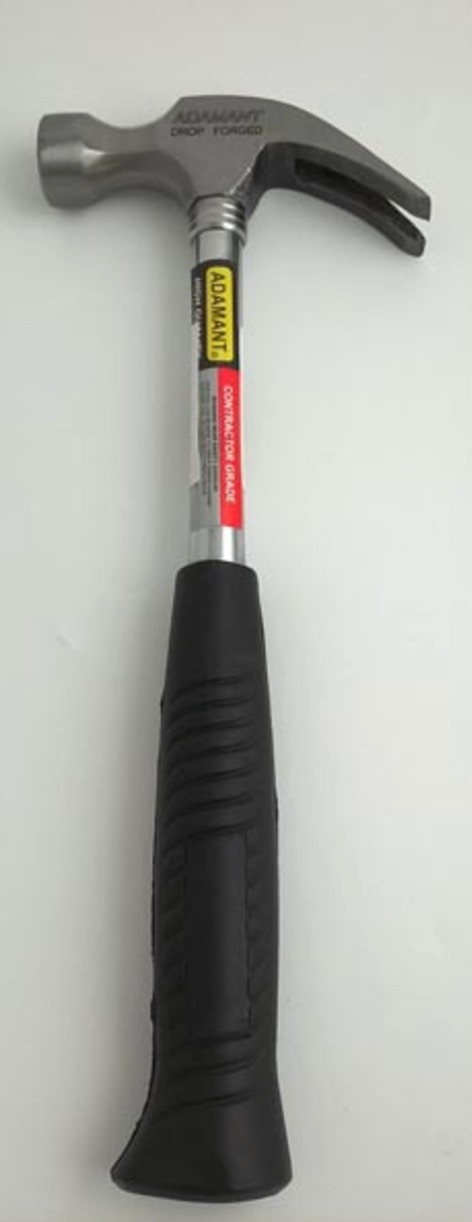
So you want to import DIY tools into Europe, you’ve sourced your supplier in Ningbo, China where you place an order for a shipment of a variety of DIY tools like hammers, star and flat screwdrivers as well as 8 meter tape measures. Your shipment arrives, but your hammer handles are the wrong color and the color of the flat and star screwdrivers are swapped around.If you have had these kind of experiences with quality that is below standard or defect rates that you just can’t seem to reduce, you may need to consider establishing a golden sample from your supplier to eliminate any unnecessary areas of risk.

Warum?

Sourcing abroad is a challenge. As a means of overcoming this challenge, we recommend establishing a golden sample which is deemed industry best practice. Along with your golden sample you should consider the use of a third-party quality provider to ensure the quality of your sample is of the highest quality.

Why are golden samples important for improved product quality?

A golden sample allows you to evaluate the quality of product that your chosen supplier can produce.

This process gives you a baseline for how you will continue with your supplier. It will showcase how they interpret your product specifications and how they can stick to them.

**Insiders Tip

Have you communicated your product specs clearly?

Product specifications can be sent to your supplier in the form of drawings, sketches or images with the correct dimensions and color specifications. A hammer will have a particular color handle, the same with the screwdrivers, so be sure to mention this in your spec sheet.

There is no such thing as too much. Add everything to minimize any confusion.

Warum?

You are up against cultural, language and distance barriers, so be as specific as you possibly can be.

Once you have received your golden sample from your supplier, you will need to evaluate whether the quality level is acceptable or not. Once you approve this, you can then give your DIY tool supplier the go-ahead for mass production.

What goes into approving a golden sample for DIY tools?

You need to make sure that your golden sample has met all product specifications along with the necessary compliance standards and regulations.

How do you go about this?

As you would normally do with production…

By inspection.

Your golden sample can be inspected for any visible defects; you can also send it off to a lab for corrosion and chemical testing.

Die corrosion test commonly used according to ISO 9227:2017;

Neutral salt spray (NSS) –  useful for detecting discontinuities, such as pores and other defects, in certain metallic, organic, anodic oxide and conversion coatings.

The type of chemical tests commonly used for plastic handles;

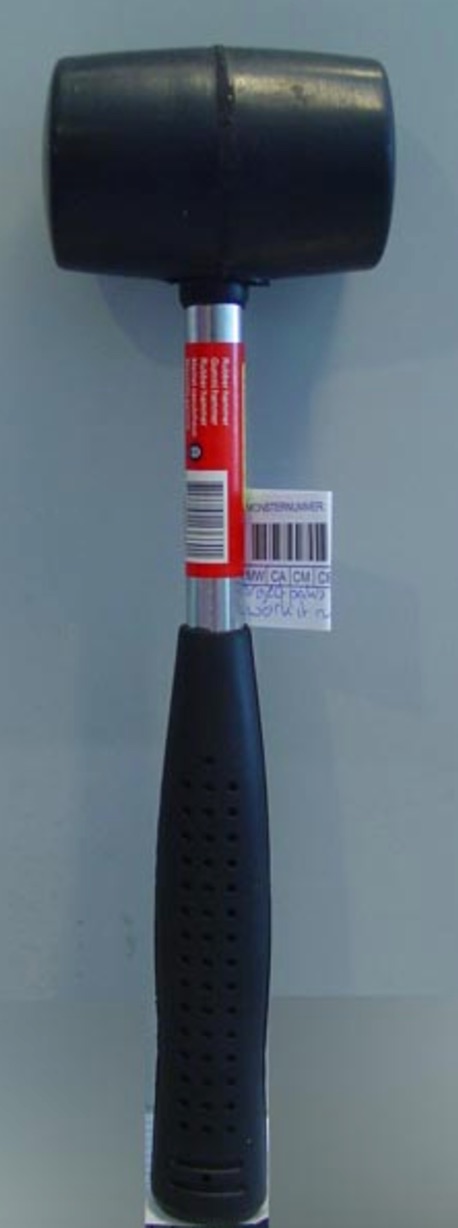
Polycyclic Aromatic Hydrocarbons (PAH) – Is a harmful carcinogenic. A consumer can be exposed when a product comes into direct and prolonged or repetitive contact with the skin or the mouth. High doses of this substance can lead to recalls like the below product;

Mallet recall.jpg

Short chain chlorinated paraffins (SCCPs) – SCCP’s persist in the environment and are toxic to aquatic organisms at low concentrations and bioaccumulate in wildlife and humans, posing a risk to human health and the environment. The below hammer handle contains SCCP’s (A banned substance) as well as PAH and has therefore resulted in a recall of the below hammer;

Hammer recall.jpg

There are three common testing types to ensure improved product quality for your DIY tools like;

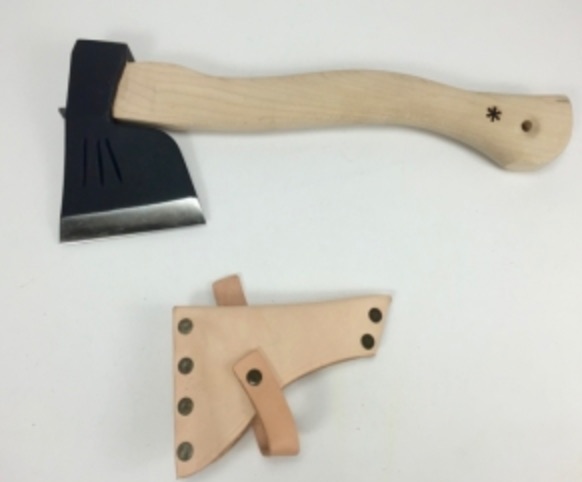
  • User testing; this kind of testing evaluates the ergonomics of the tools that have been produced. This evaluation will be based on your product specifications and the overall purpose of the product; e.g., A hammer to hammer nails into walls, so the handle length, grip, and head will be evaluated accordingly. An example of this would be the below axe in which the handle can crack after use, which dislodges the axe head, which poses a serious injury risk to the user or even bystanders.

Axe_Recall_.jpg

  • Vergleichende Tests can also be done. This test is done to evaluate yours against a competitor’s. The functionality, safety, and ergonomics will be evaluated. This kind of test will give you insight into the kind of quality your brand should be achieving.
  • Hardness testing – While this is not a testing requirement, this measurement forms an objective criteria for either the metal or plastic components of the item. For example; the hardness of the metal part of a hammer could affect the performance and durability of the product likewise the plastic could affect the feeling when holding the handle of the product.=

Therefore golden samples are not only used to evaluate acceptable quality limits for your DIY tools factory.

What do I mean?

A golden sample will be of huge value for your third-party quality inspection service provider so that they can compare what has been produced through the mass production process to that of the golden sample.

Wichtigste Erkenntnisse

Establishing a golden sample is industry best practice, and it is never recommended to begin your mass production process without an approved sample.

This sample allows you to benchmark your supplier and hold them accountable to your acceptable quality levels.

Key things to remember;

  • Communicate your product specifications clearly. Bear in mind that you are facing cultural, language and distance barriers, so clarity and over communication is an absolute necessity.
  • Approving your golden sample requires due diligence; be sure to send your golden sample for the appropriate inspection and testing.
  • Know your testing and inspection procedures to ensure improved product quality for your brand.

Be sure to remember that your golden sample is reflective of an ideal quality standard from your supplier, and is not a reflection on the mass production process of the factory.

This method of reducing product defects for your brand will help avoid costly delays addressing defects after the fact. Adopting best practice sets you in the best possible position for sustainable and competitive growth.


TAKE A DIVE INTO OUR QUALITY INSPECTION GUIDE for IMPROVED PRODUCT QUALITY and reduced defect rates


Kategorien
Blogs

Shipment Stuck In Customs? 7 Steps To Avoid Import Delays

As a professional importer, a dreaded shipment delay is likely something that keeps you up all night and keeps you pacing the office all day. Then the day arrives! You get the call you’ve been waiting for alerting you that your shipment has arrived, and suddenly, your worst nightmare becomes a reality… Your goods are stuck in customs! Tackling customs is a bureaucratic nightmare most importers have had to deal with one time or another, and it’s something that if not dealt with quickly could spell a host of problems you’d much rather not have to deal with at all. What if you could avoid import delays all together? It’s all about the preparation of your import documentation. In this blog post, I want to provide you with a 7 step checklist that will help you navigate customs without a hitch or hassle in sight. We will take a look at the documentation that needs to be filled in correctly from start to finish, so you can say goodbye to your shipment stuck in customs for good! “So, what is the process?”

#1 An import license

Ensure that you have applied for an import license. You will not be able to ship your goods without this license. It specifies your permission to bring a certain amount of goods into a specific country and is only valid for a certain period of time. A top tip would be to create a file to keep all your import and shipping documents in one place. This may seem obvious, but with the mountain of paperwork that begins to pile up, it becomes easy to lose a document, which could result in a costly and time-consuming delay that could have been avoided with just a little bit of organization on your part.

Shipment stuck in customs - customs declaration

#2 An import declaration

This document is to merely state your intention as an importer to bring valid goods into a specific country. You need this document to verify you, as an importer, and to verify your goods in your destination country.

#3 Your invoice needs to be all inclusive

Your invoice needs to match your actual shipment. While this may seem like an obvious thing, it is often overlooked and can cause havoc during your customs clearance. An all inclusive invoice can look something like this:
  • Country of origin
  • Destination country
  • Name, surname, all possible contact information of both supplier and importer
  • In some cases, a Tax Id number will need to be provided
  • Payment method will all reference numbers and dates
  • Quantity of shipment
  • Total price of shipment
  • Total weight of shipment
  • A full description with the common naming of each item you are importing – I will touch base on this in my next point.
“Wait, there’s more…”

#4 Classification of goods

When classifying your goods for import, you need to be as in depth and detailed as possible with regards to each item that you are shipping. This classification of your goods will create a smoother process for the customs official, which will in turn ensure a faster turn around time for your shipment.

#5 Declaration of conformity

In many countries importers are in need of preparing a declaration of conformity; “What is a declaration of conformity?” “This is an official document confirming that the product was manufactured (as well as developed) in full compliance with all applicable requirements in place and technical rules that are described in certain Technical Regulations of Customs Union.” As an importer you will need to be aware of the specific regulations that your product needs to comply with in order to know which certification you need.

# 6 POA – Not a plan of action, a Power Of Attorney

Stcuk in customs - POAA POA is essential for filling out shippers exportation documents. This exportation document cannot be completed without a valid POA. Without it, your shipment will not be released, costing you time and money. “So, what happens when one of these documents are not in order?” You incur costs that begin adding up on a daily basis. Your shipment will be warehoused, where you will be billed for every day your shipment is there. It will be time consuming. Much of the paperwork mentioned above takes time to complete, but now you will be waiting on paperwork while raking up warehouse fees. This is not an ideal situation but can be avoided with thorough, well-kept, organized paperwork and a dash of patience to go along with it.
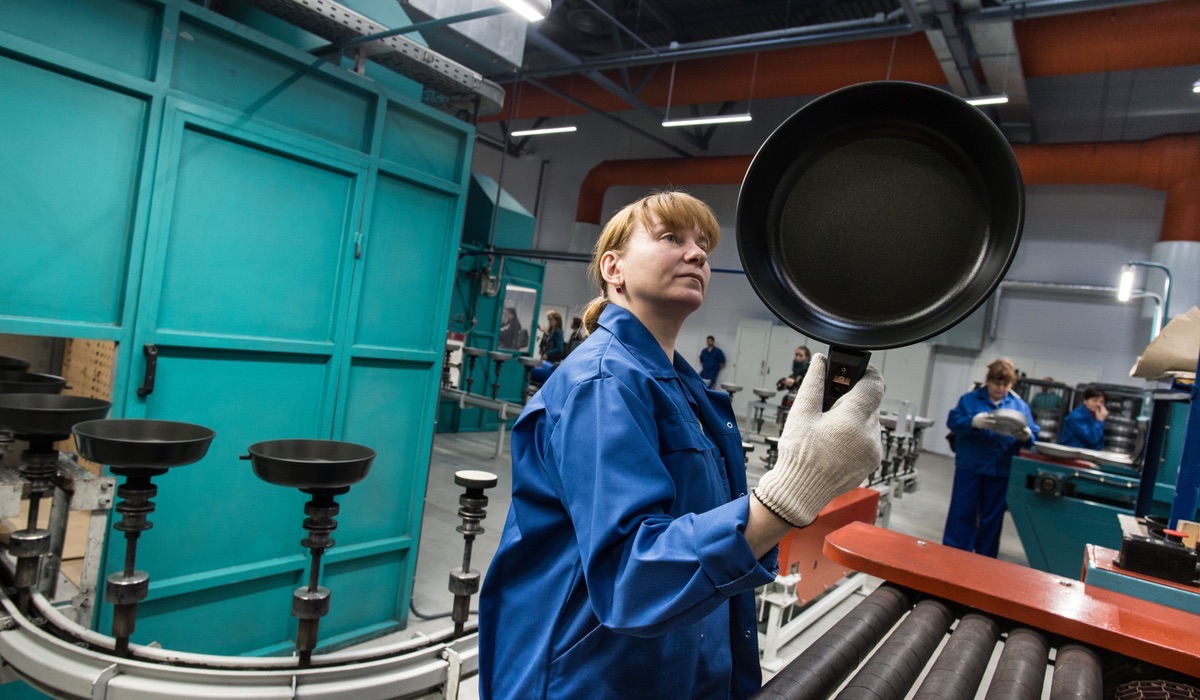
#7 Do use a customs agency

If you think that managing large orders on your own is something that you are willing to put all of your efforts and time into, then, by all means, go ahead. But my advice would be to use a customs agency. A customs agency has the expertise and knowledge to ensure that all the right paper work, permits, licensing and classifications are in order, so as to relieve yourself of those dreaded moments of hearing that your shipment is stuck in customs due to incorrect paperwork. They are also familiar with regulations and compliance standards that need to be met, that are also specific to your desired location and specific to your product.

Takeaways

Your documentation is absolutely crucial to a smooth customs experience. Nip customs issues in the bud by:
  • keeping all of your import documentation in one place
  • ensuring you have the right documentation that is specific to your product and destination country’s regulations
  • being clear in your classification of each and every item you are importing
  • not under valuing your product. If there is just a whiff of under valued items your shipment will be flagged, and you will get stuck unnecessarily which will prove to be a much more costly exercise for you
With these actionable steps, some sharpening of your organizational skills, and a bit of patience, you can begin to systematically tackle the paperwork that will see you through the import process.

compliance challenges?

Start building your own compliance program today – Click on the image below to get your free copy!

Kategorien
Blogs

Cookware Product Specifications Are Key For Quality

Product specifications a small (albeit important) step that requires a bit of technical input, but one that can have a vast implications for the quality of your end product.
Importers today are becoming more aware of defining specifications more clearly than before, so as to manage their product quality more effectively.
You also cannot simply think that showing your supplier an image of the product you would like them to manufacture and expect it to arrive perfectly.

Warum?

Sourcing cookware is complex in nature, but sourcing abroad from a foreign country to your own has its own set of challenges that you need to be aware of.
In this blog post, I seek to outline the importance of cookware product specifications for your sourcing strategies and how these industry best practices can set your brand ahead of the rest.

Challenges of sourcing your cookware abroad

Whether you choose to source closer to home or abroad, there is no doubt about the complexities in communication at the best of times. In highlighting the challenges of sourcing abroad we are able to easily identify opportunities for turning these around.

Product quality challenges – The material chosen for production will influence the price and quality of the product. The cookware will need to be tested for extreme high heats and ensure that it is stain resistant when brought into contact with certain liquids. If there are plastic handles on the cookware they will need to be heat resistant.

cookware product specifications

Your cookware should also be chemically tested in a lab to ensure the materials used are in compliance with European regulation.

Compliance problems – You need to ensure that when you select your supplier they are in compliance with all social and environmental standards as internationally laid out. You may need to give them time achieve the relevant compliance documents. Failure to do this and you put your brand and your consumers in a risky position, where trust in your brand is potentially compromised.

In sourcing your cookware abroad you also need to ensure that your products are in chemical compliance according to the chemical FDA and the EU food grade requirements.

It will be important to make sure that you communicate your expectations to your supplier clearly and effectively so as to minimize any comebacks and problems.

Operations and Logistics –  Sourcing your cookware abroad also comes with its fair share of logistical nightmares; from import and export licenses to shipping and packing of containers.

Language – If you are sourcing cookware abroad, the likelihood is that you will encounter language problems, but you can overcome this through the following;

  • Use templates of production and manufacturing information.
  • You may also consider translation for important documents.
  • Consider a third party quality provider with expertise in your sourcing zone and experience in cookware specifications.

Different time zones – If you are based in Europe and sourcing in Asia you will be facing vastly different time zones.

You can send an employee to interact with your supplier on the ground. This is a great opportunity to meet your supplier in person and also see the state of your chosen factory.

Why your cookware product specifications are so important

Now that we have taken a look into the common challenges of sourcing cookware abroad, let’s take a dive into why your cookware product specifications are crucial in defining your products level of quality.

How do you define your product specifications?

You can go about defining your specifications by creating a document that is inclusive of:

  • Pictures or sketched images of your desired end product. This picture or drawing needs to be inclusive of dimensions as well from the sizing to the thickness of metal you require.
  • You need to include what raw materials are required for your product. This is important as your supplier will need to source this if you have not.
  • You absolutely have to include what your destination market is;
    • Warum? Your product has to meet certain specified regulatory compliances, it is your responsibility to make sure that it does. E.g. If it is destined for Europe it will need to comply with the EU food grade. If it is destined for the USA it will need to comply with the chemical FDA.

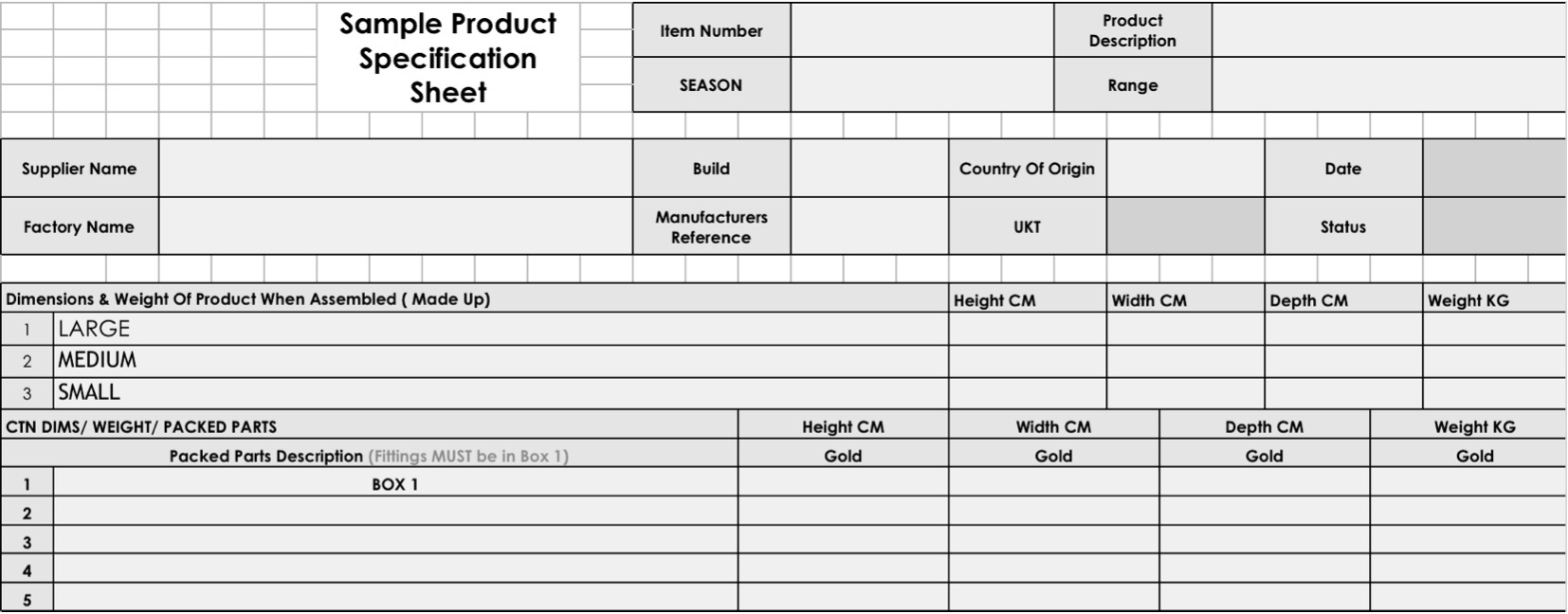
We have included an example of what a product spec sheet may look like; you may want to add or subtract from this, but this is to give an idea of how you can go about filling one out;

Improved product quality

What happens if you don’t send through your product specifications to your supplier?

Defects, recalls, a loss in revenue, brand damage? Not an ideal picture, so let’s take a look at the following examples that highlight the importance defining your product specs clearly and what can happen if you don’t;

A material problem 

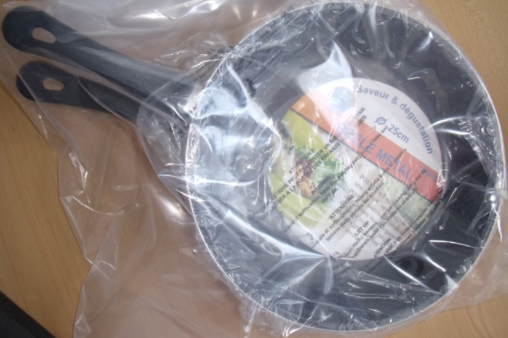
The below frying pan poses a risk of burns because the plastic handle becomes too hot, reaching a temperature of 94°C, and no indication is given in the information at the point of sale that the product should be used exclusively on gas or electric (spiral resistance) hot plates.

This product does not comply with the relevant European standard EN 12983 and therefore had to be recalled.

Without specifying the materials needed to create a safe and compliant frying pan destined for the European market place you open yourself up to costly mistakes that can lead to serious loss in revenue and loss of trust in your brand.

Screen Shot 2017-09-14 at 8.08.50 AM.png

Product design issue 

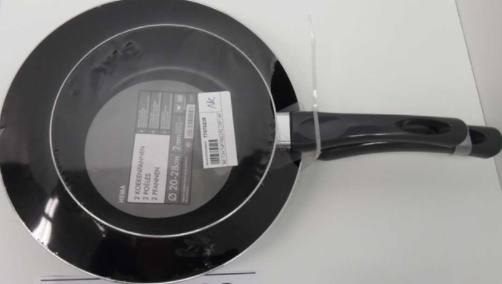
This frying pan is unstable and can tip over unless there is sufficient weight in the frying pan. This unstable design has resulted in serious burn risks as well as the product being recalled.

An expensive mistake to make.

PanSpecs.png

As mentioned above if you are sourcing in Asia, you will encounter language and cultural barriers. There are steps you can take to ensuring your product is perfectly designed and compliant for its destination market.

If you are confident in the product specifications you send to your supplier, be sure to ask them to date and sign it to indicate their acceptance and understanding of your specifications.

Wichtigste Erkenntnisse

Sourcing your cookware and kitchenware abroad can have many complexities from language and cultural barriers to the quality and compliance of your product. Developing a sourcing strategy that is based on sound industry best practice will assist in improved product quality that is set to positively position your brand in the marketplace.

Defining your cookware product specifications will go a long way in ensuring low defect rates, you can go about this by;

  • Drawings or renderings with detailed guidelines on size, width, colour etc.
  • Your specification sheet needs to include what raw materials you require
  • Your specification sheet also needs to clearly state which country its destined for, so as to ensure a compliant product.

In clearly defining your cookware product specifications with your supplier you put yourself in a positive position for competitive growth and you also protect yourself from any unnecessary risks.

LET US TAKE YOU THROUGH A STEP-BY-STEP QUALITY INSPECTION GUIDE FOR

YOUR IMPROVED PRODUCT QUALITY


Kategorien
Blogs

Improve Product Compliance with Good Supplier Relationships

When it comes down to accurately communicating quality expectations, importer/supplier relationships matter. The way importers of old dealt with their suppliers has indeed come a long way from the humble medium of email correspondence. Expectations were simply laid out, and promises were made of securing the lowest possible cost per unit and a compliant product, delivered in the fastest possible time. The distant nature of the entire process meant that importers were often kept in the dark when the pressure of an increase in the demand of products hit. The factory often suffered setbacks and compromised on all of their promises purely to maintain the relationship, as long as the quota was met and the order was sent out. Fact is, working within the confines of a relationship like this was high risk. Luckily, times have changed, technology has advanced and smart importers have learned to bring their suppliers a lot closer into the fold from the very beginning. This type of engagement creates an open platform where expectations are communicated and agreed upon clearly, so that each partner can meet the needs of the other, and hold each other accountable when things go awry. With the current volatility of global markets and increased amount of product recalls we are seeing, building a mutually beneficial relationship with your supplier to ensure product compliance has never been as important as it is today. In this post we will share 3 tips to help you ensure improved product compliance by showing you how you can (and should) be building good supplier relationships for your brand today. #1 IMPROVED PRODUCT COMPLIANCE STARTS WITH COMMUNICATION As an importer you will have likely experienced the challenges of communication with your supplier, whether it be a language barrier or simply them not keeping you in the loop. What you may not have come to realize is that the manner in which you communicate with your supplier may be a part of your struggle. “So how will you communicate? Email?” Whilst this platform forms the basis of almost all business related matters with its easy access, it is a platform that keeps us somewhat at arm’s length and often misunderstandings happen, creating a back and forth flurry of emails that becomes incredibly difficult to keep track of, creating more confusion than any kind of clarity. “If not email, then what?” There are a host of other professional communication tools that you can use to your advantage, but before we dive into what those tools are, let’s get old school… Pick up the telephone. As obvious as it may sound, a personal call will go a long way to helping clear up any and all confusion at once, freeing up your inbox and allowing your thoughts and expectations to be understood more clearly. Now, just jumping on the phone with no clear direction will not be a good use of your time, or your supplier’s time. Prepare a list of questions that you may have to address any misgivings you may have. This will save you both time and provide clarity going forward. Let’s take a look at some of the communication tools that are out there that can begin aiding a communicative relationship between you and your supplier;

Skype -This is an online messaging application that also has video and voice chat services.

Zoom – This application provides convenient video conferencing services for any meetings that you want to include your supplier in on.

Whatsapp -A mobile application that allows for instant messaging and in-app calling.

When it comes to clearing up product specifications, you may find that the above toolsGood supplier relationships - Clear communication will provide an easier platform to discuss these matters in-depth, with absolute understanding and clarity. Personally I find Zoom a favorite for all conference calling, it has helped me stay in touch with a lot more ease than just relying on email. Now that we have spoken about the means of communication, we need to address the frequency and manner of communication. “How often do you phone your supplier to just talk about basic business operations?” The more constant the flow of communication is, the more you will begin to get to know your supplier, and where your business sits in the grander scheme of their operations (and how much they stand to lose if they make mistakes). This level of trust that you begin to build with your supplier will help to keep them honest and accountable if you happen to receive a delivery of products that are non compliant. This kind of communication provides clarity and indicates to your supplier that you trust them to fix the problem to achieve the level of compliance that your company has set as the standard.

#2 IMPROVED PRODUCT COMPLIANCE STARTS WITH AGREEABLE PAYMENT TERMS (AND STICKING TO THEM)

Cash flow that affects the bottom line is a very real struggle. The margins for many suppliers is always very thin. So when you do not pay, it puts your supplier in a really difficult position, and not only for you (and how they treat your order of products), but for their other customers too. This kind of behavior will break any form of trust. Suppliers will often take a note of Good supplier relationships - clear payment termsimporters that do not pay on time so as to avoid those kinds of risks for themselves in the future. What is advisable with regards to payment is ensuring that you have laid out all your payment terms with your supplier. In doing this you create a level of transparency with your supplier which can prove to be invaluable. If you have been in this position before, as I am sure you have, I would say that the best practice here would be the same as tip #1; Communication You need to communicate your situation immediately, creating an honest and open relationship with your supplier which will put you in good stead for future orders.

#3 IMPROVED PRODUCT COMPLIANCE STARTS WITH SETTING CLEAR GOALS AND EXPECTATIONS

Ensure that your goals are clearly communicated upfront. This can be done in the initial meeting with a potential supplier if you are able to visit their factory, or via correspondence. You should draw up a document stating your expectations from the get-go, along with a set of achievable goals that need to be reached. A document like this will also need to be clear about the level of product and supply chain compliances that need to be achieved.

This goes for your supplier as well. They too will have expectations of you. Write these down to ensure absolute clarity between both parties.

The longer you work with a supplier, the more familiar they become with the way in which you prefer to operate. Good supplier relationships - goal setting This knowledge creates an improvement in their service to you as operational times and quality procedures are improved accordingly. If any issues arise, your supplier will also be able to handle them more effectively, and continue to stay in line with your brand’s compliance standards. While these tips may seem overly obvious, if you can perfect them you will be well on your way to building a strong, healthy supplier relationship that will have far-reaching benefits for you; from improved delivery times to high quality compliant products for your brand. This is only some of what you can do to begin aiding a trustworthy long-term supplier relationship.
Schlussfolgerung

Creating a high level of compliance and transparency has become crucial to business success. Today, consumers are more concerned and aware of where their products come from and the manner in which they were made than they ever were. Better importer/supplier collaboration helps foster growth for your brand as your products are able to get to the market faster, and represent the quality you promise your customers. Your supplier will also begin to firmly recognize the importance of your business, and start to take real ownership of the end products and their quality. “How has creating a good supplier relationship been of benefit to creating a compliant, transparent supply chain for you, and if it hasn’t, why do you think so? Let me know your thoughts in the comments section below.

Is compliance a challenge for you?

CLICK  BELOW to Build a compliance program

unique to your needs today

Kategorien
Blogs

Evaluating third-party toy testing partners?

Toy safety is the number one priority for parents around the world. Taking measures to conduct toy testing and maintaining compliance across various international toy safety standards shows customers in your destination market that safety matters to you too, and ultimately, that your products are suitable for all children to use and can be sold there.

 API are committed to assisting all toy brands and importers with expert quality assurance solutions that address issues from the very outset of toy conception and design, to inline inspection and pre-shipment testing, all the way up to loading checks and warehouse inspection.

Deciding which third-party provider is the most suitable partner to put your products to the test can be a difficult one, but it doesn’t have to be.

We have taken the liberty of drawing up a list of frequently asked questions (FAQ) about our toy testing and quality assurance solutions that will help provide you with peace of mind before you get in touch with us.

“Which quality assurance solutions does API provide for toys?”

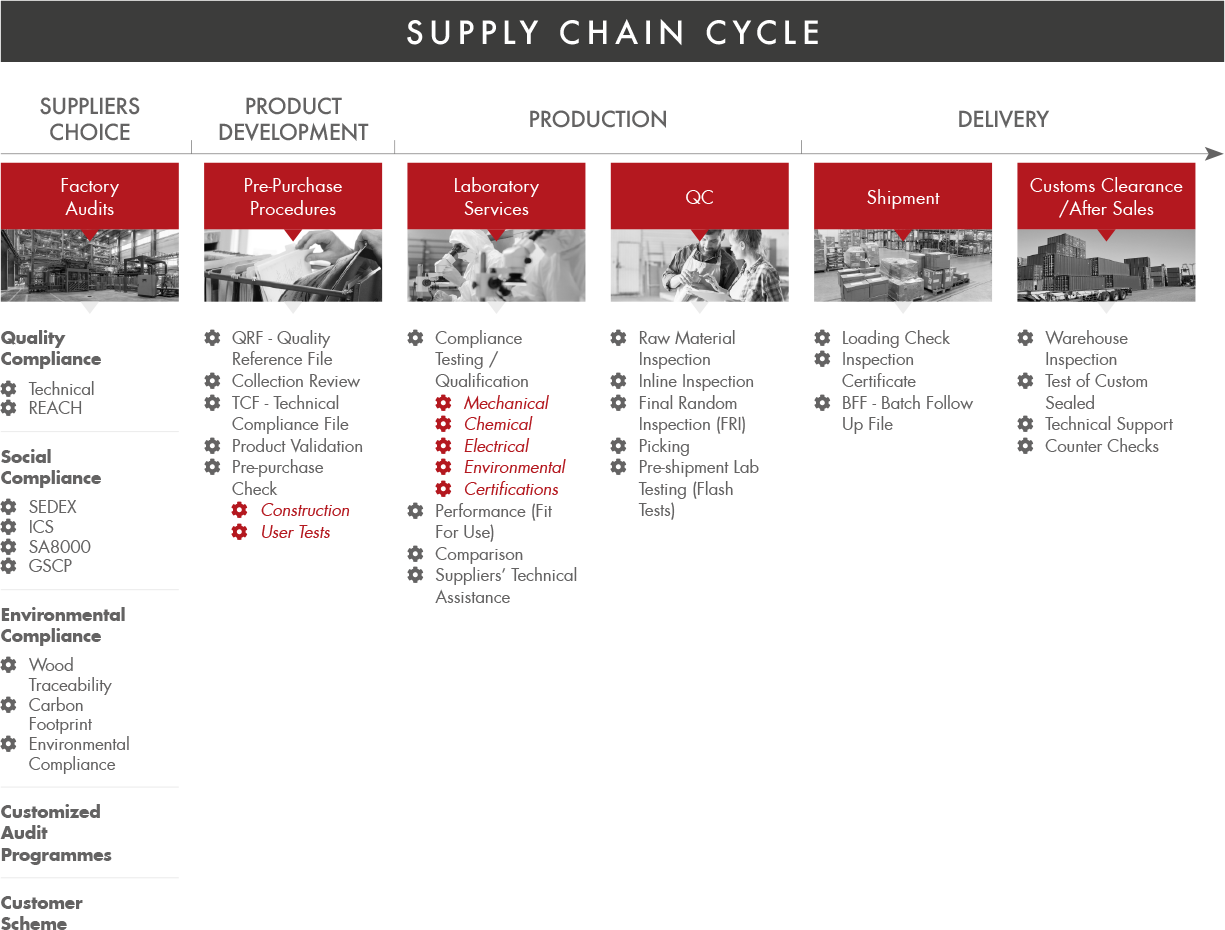
API offers coverage throughout all of the stages in your supply chain which include factory audits, Laboruntersuchungen and inspection services.

Toy testing services throughout the supply chain cycle


“How do I find out what risks and dangers my toys may present?”

Through comprehensive design evaluation and hazard assessments, API can help you identify potentially dangerous design features and mechanical risks from the outset. All of this can help you save on costly redesign and engineering resources related to product modification, and more serious quality and safety issues later down the line.

Furthermore, the evaluation also helps to identify all of the necessary tests that you would need to submit your product to.

“Which directives and standards does API adhere to in their toy testing and certification?”

While EN 71 and EN 62115 apply in the EU, the ISO standards for international testing and standards such as ASTM and CPSIA are valid in the USA. API helps to certify and test your toys in accordance with the requirements of your destination market, ensuring that you remain compliant no matter where your business expands to.

“What is the turn-around time for international toy tests with API?”

The turn-around time for our toy testing procedures are as follows:

  • Standard: 5 days
  • Express: 3 days
  • Emergency: 1 day

What compliance documentation is needed to ensure conformity of toys?”

Whether your brand is directly or indirectly affected by Directive 2009/48/EC, it is of vital importance to ensure the collection and gathering of all the necessary technical documentation needed from your manufacturer to demonstrate the conformity of the product to the applicable requirements of the TSD (Toy Safety Directive).

API’s Technical Compliance File (TCF) solution is a one process procedure that consists of 5 steps to ensure total product compliance:


“What accreditations does API hold in the toy quality space?”

API is a member of AFNOR ( Agence Francaise de Normalisation) and the Toys Standardization Committee in France.

This puts API in a unique position to update your company regarding the latest developments and discussions on toy regulations before new regulations are officially published.

We can provide you with a European Notified Body endorsed report by our French lab Albhades Provence, a member company of the Worms group.

The benefit of this is that when the Notified Body is convinced of a product’s compliance, it issues a certificate of conformity to confirm this. Only a notified body is entitled to do so.

API was also one of the first foreign entities to officially operate inspection services in China.

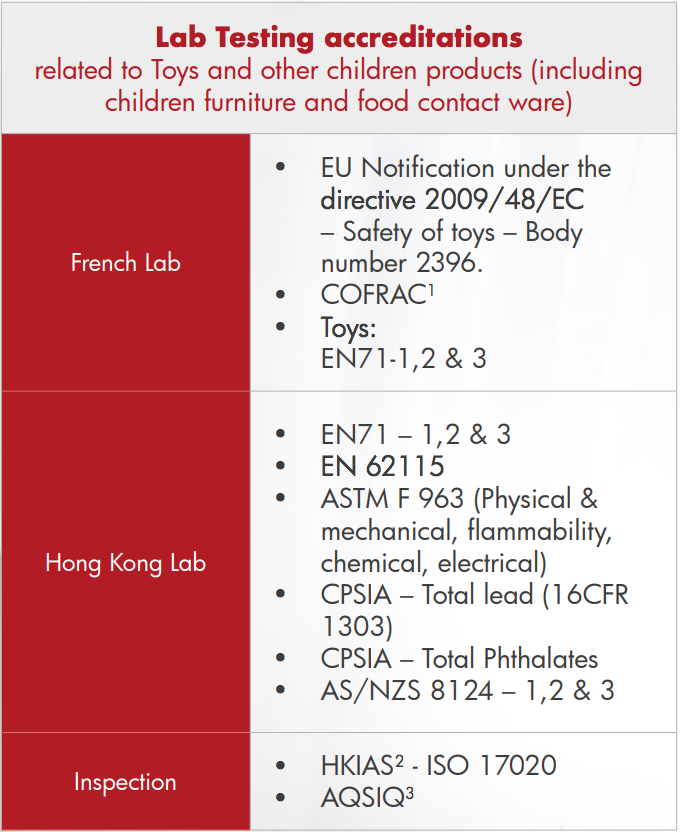
Our testing laboratories, of which we have 5 in Asia and 1 in Europe, hold the following accreditations:


Laboratory toy testing accreditations


“How is API uniquely positioned to provide me with the best quality assurance solutions?”

API prides itself on being able to focus on the unique issues each and every one of its clients faces by offering tailored solutions to address them.

Our team of ‘on the ground’ specialists are well-versed in a wide range of complex product categories, helping us to deliver more personalised services that include:

  • Dedicated key account manager

Each client has their own dedicated key account manager to handle their quality assurance needs, keeping an open line of communication with the client at all times for added peace of mind.

  • Direct contact with our laboratory specialists

When urgent decisions need to be made, having real-time information from the experts conducting your testing can help you avoid any costly delays. This is a service not usually provided by other quality assurance providers.

  • Assistance when you need it

Get in touch with your dedicated key account manager any time during Asian business hours on weekdays. Should you require further technical assistance, our experts are standing by to answer your queries within 24hrs, regardless of when you need them.


Do you have any other toy testing queries you’d like us to answer?

Feel free to Kontaktieren Sie uns or simply leave a comment below and we’ll get back to you as soon as possible.

Kategorien
Blogs

Heavy Metals Testing in Toys: EN 71-3 and ASTM F963-17

Heavy metals testing in toys and safety requirements have become increasingly stringent in recent years, and with due cause: 29% of recalls in 2016/2017 were due to chemical hazards alone. The onus lies on manufacturers and importers to comply with safety standards, ensuring that toys are manufactured according to the latest specifications. In this post we look at the new updates for toy safety regulations, the tests to be performed to meet the new safety specifications, as well as the steps you should take to avoiding heavy metal migration in toys and preventing future quality issues. It’s little wonder then that the new limits for the EN 71-3 standard as set out by the European Union (EU) will become mandatory as of 28 October 2018. Additionally, ASTM International published a direct final rule on 4 December 2017, approving ASTM F963-17 as the obligatory standard. The chemical composition of toys can pose an alarming threat to a child’s health. Toys can contain traces of heavy metals such as antimony, arsenic, bromine, cadmium, chromium, lead and mercury. These heavy metals can cause a range of harmful effects, from respiratory disorders to neurodevelopmental issue, from cancer and even to death. As these effects are untreatable, when it comes to heavy metal migration in toys, prevention is better than cure, which is what the safety specifications seek to ensure.

Why the need for safety regulations arose

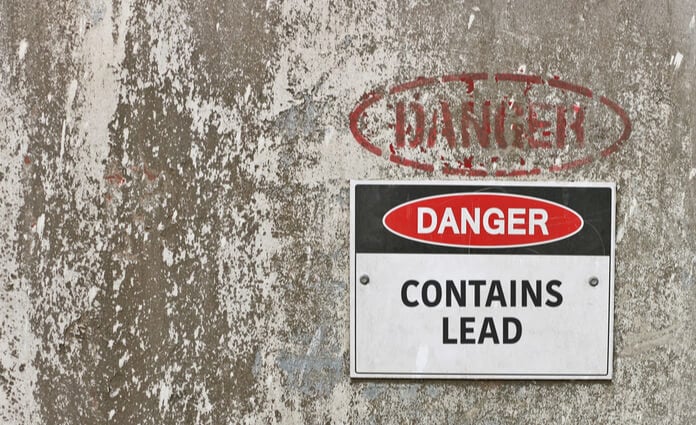
Toy quality control plays a role in not only ensuring the health of consumers, but also in brand reputation. However, the use of the toxic metal, lead, in the manufacture of toys has not been banned. Lead is often found in chalk, crayons, modelling clay, paint and varnish plus it is widely used as a stabilising material in the manufacture of PVC.

Cost is one of the common reasons toys are manufactured with materials containing heavy metals. For example, lead-based paints are up to 30% cheaper than paint with lower lead levels. In the highly competitive toy manufacturing market, many factories will attempt to lower overheads and boost profits by using cheaper leaded paint on toys.

A 2015 study, which was performed by Nepal’s Society for Legal and Environmental Analysis and Development Research in conjunction with Ministry of Science Technology and Environment, analysed the heavy metal content of 100 toys. This research showed that 99% of the toy samples contained a higher level of chromium than the limit of multiple countries. Additionally, 26% of the samples contained lead contamination while 13% held traces of cadmium and every sample had more zinc than the limits allowed by ISO or the US. In another case study, published in the Journal of Taibah University for Science in November 2017, 25 toys imported from China to Nigeria were sampled for potentially toxic materials. Ternary acid digestion and Atomic Absorption Spectrophotometry determined the potentially toxic metals in the sample. Alarmingly, the total concentrations of potentially toxic metals in the samples were 36.1-107mg/kg for lead, 3.55-40.7mg/kg for cadmium, 1.83-38.9mg/kg for chromium and 9.78-159mg/kg for copper. In an unregulated market, it’s clear that heavy metal migration could run rife, with potentially disastrous consequences.

Updates to toy safety regulations

Heavy metals testing in toys for leadTo minimise the possibility of heavy metal migration in toy manufacturing, the EU has tightened the regulations of toy quality control. Testing according to the revised EN71-3 standard includes 19 elements and the migration limits have been revised. The update has divided toys into three categories:

  • Category 1: Dry, brittle, powder-like or pliable materials.
  • Category 2: Liquid or sticky materials
  • Category 3: Scraped-off materials

The limits for lead – which were previously set at 13,5mg/kg in dry material, 3,4mg/kg in liquid material and 160mg/kg in scraped off material – have been revised and the new limits are 2.0mg/kg, 0.5mg/kg and 23mg/kg respectively.

It is a requirement of the CPSC that toys manufactured after 30 April 2017 are tested according to the ASTM F963-17 standard, which covers eight heavy metals. Manufacturers and importers of children’s products must certify, in a written Children’s Product Certificate (CPC) based on test results from a CPSC-accepted laboratory, that their children’s products comply with applicable children’s product safety rules.

What tests must be performed to meet the safety specifications?

It’s vital that third-party laboratories are accredited to ensure compliance. Labs must be able to determine their measurement uncertainty and correctly interpret if this result complies with the migration limits of EN 71-3. To accurately measure heavy metal content, raw material chemical testing should be carried out:

  • Raw Material Chemical Testing
Tests are carried out for the full range of common toxic chemicals and elements, including phthalates, lead, mercury, and cadmium.

Pre-testing raw materials before they’re crafted into toys avoids taking goods to market that are unsafe for use, and that can lead to costly redesigns or recalls.

API offers RSL (restricted substances list) screening services and toy testing to assure that your products comply with the latest REACH and EN 71-3 safety requirements.

Under the ASTM F963-17 regulations, laboratories must also test compliance for eight heavy metals including toy substrate metals. These include arsenic, barium, cadmium, chromium, lead, mercury, and selenium. The soluble limits for each (in parts per million) are as follows: arsenic: 60ppm, arsenic 25ppm, barium 1 000ppm, cadmium 75ppm, chromium 60ppm, lead 90ppm, mercury 60ppm, selenium 500ppm.

How to prevent heavy metals from entering your raw materials

Toy raw material quality control

Prevention is better than cure, particularly with toy safety control. Follow these steps to circumvent heavy metals entering your raw materials:
  • Raw material quality control is vital to ensure compliance, as well as chemical testing. Ensure accountability in your supplier chain through regular testing of raw materials. API offers a Restricted Substances List (RSL) screening service. Through this screening service, we can quickly determine whether non-compliant products need to be re-tested. We also advise that our clients undertake a chemical test for the full range of toxic chemicals, including cadmium, lead, mercury and phthalates.
  • You can successfully avoid putting your brand’s reputation at risk by using only high-quality materials, rather than sub-standard, cheaper alternatives.
  • Source environmentally-friendly, non-toxic raw materials rather than those which contain lead and other heavy metals.
  • Use an accredited, reliable third-party quality provider that is up-to-date in toy testing and safety regulations. Our Hong Kong laboratory is accredited by major accreditation bodies globally to perform laboratory testing for the American, Australasian and European markets.
  • With API’s DUPRO/Inline inspection, we can assist you in achieving EN 71-3 compliance. For full assurance of toy quality control, a DUPRO inspection will monitor the production line when at least 25% of the order has been completed. The DUPRO tests whether irregularities from the Initial Production Check have been corrected.
If a test comes back positive, an evaluation of the formula of the material/varnish should be carried out in order to highlight ingredients that may have caused the failure. Such ingredients should be changed or the material/varnish should be replaced with a safe one.

How API can assist with Toy Safety compliance

At API, we offer our clients a host of tailored solutions to enable you to meet your regulatory requirements. We are dedicated to staying abreast of the latest regulations and updates across international markets. From lab testing to certification to inspection, we ensure your factory is compliant with global safety and legal standards. We provide customised factory audits according to your needs and protocols as well as combined audits (technical and social as well as social and environmental.) As one of the first foreign entities to offer accredited inspection services in China across all consumer product categories, our Hong Kong laboratory has EN 71-1, 2 and 3 accreditation, EN 62115 as well as ASTM F963-17 (physical and mechanical, flammability, chemical and electrical.) Contact us today for assistance with EN 71-3 and ASTM F963-17 compliance.
de_DEGerman