Nueva plataforma de integridad y conformidad de productos de API: I-TCF

Categorías
Noticias

Nueva plataforma de integridad y conformidad de productos de API: I-TCF

Brands and retailers globally are obligated to ensure their products are compliant with market destination standards and regulations. However, many factors make ensuring compliance a tricky task, including stricter regulations and increasing picking stores by the local authorities, the need for improved traceability and records, and the large number of references requiring time and technical staff.

Defining the applicable scope across different product categories requires expertise, while gathering all the necessary documentation from various supply chain stakeholders is a time-consuming task. This administrative burden also brings risk and the need for technical review, as nearly one document in every three reviewed by our experts is found to be not compliant. In many instances, it isn’t easy to handle this internally due to issues such as:

  • Complexity with keeping records up to date
  • Multiplicity of suppliers with different maturity and contact persons (to stay competitive and ensure good pricing, brands tend to diversify).
  • Multiple documents and files requiring the right expertise to collect the right documents, need to know the regulation covering the product in order to ask for the right docs
  • No dedicated team for the task: Dull task for brand’s engineers, very administrative. But cannot be done by someone without technical knowledge.
  • Process too slow vs. rotation of collections too fast
  • Significant time required
  • No proper interface to coordinate document collection and review


Introducing API’s I-TCF platform

To alleviate this challenge, API has launched its new I-TCF platform. Leveraging our 15 years’ experience in this service and the valuable feedback from our clients we have designed a new user-friendly platform that supports our I-TCF solutions, enabling you to easily keep your eyes on what matters: the completed files, the ones under completion, and those that will expire soon.

The I-TCF, or Integrity and Technical Compliance File, is a digital ID of your product and its proven compliance with the latest applicable standards and regulations, including:

  • Protocolos aplicables
  • Document validation/rejection
  • Validity over time

The platform introduces a new way to manage documentation, proving compliance with increased visibility on products and status, such as:

  • Quality overview of your products
  • Document status and tracking
  • Alerts management
  • Regulatory watch

Suppliers can now benefit from the easy-to-use system by uploading the documents required to complete your I-TCF, receiving regular updates about your I-TCF status, as well as guidance from our experts on the next steps needed for any rejected documentation.

How API’s I-TCF platform can benefit your brand

  • Confidence in a correctly completed I-TCF
  • Fast reply to authorities – documents available in one click
  • Reduced time and costs, allowing internal teams to focus on core added-value missions:
    API’s team of experts complementing your teams on specific product categories
  • Executing document collection and verification

Interested in learning more about API’s I-TCF platform?

Categorías
Noticias

API comparte su experiencia en el sector en ICPHSO 2021

API will address the ‘new normal’ and share technical insights and expertise at the ICPHSO (International Consumer Product Health and Safety Organization) 2021 Annual Virtual Meeting and Symposium.
During a plenary session on ‘Practical Strategies for Business Continuity, Ongoing Product Safety, and Increased Visibility,’ Jennifer Miller, the senior director of business development, North America, for SgT (API’s sister company), will discuss the impacts of COVID-19 on supply chains and how companies should adapt to ensure business continuity and ongoing safety and quality through a ‘boots on the ground’, preventative approach.

About the Session

Plenary 3: “Practical Strategies for Business Continuity, Ongoing Product Safety, and Increased Visibility”

Thursday February 25, from 8:15AM to 9:00AM ET

Ensuring supply chain continuity while managing risk and disruption has become a key priority globally. Practices that ran smoothly before COVID-19 must now be reassessed, with the need to evaluate vendors and suppliers more carefully and develop processes that protect resilience. Traditional onsite product controls have been challenged by ongoing travel restrictions, budget constraints, lack of transparency, and more, compelling businesses to adapt and find new ways to safeguard continuity.

Securing product safety and quality in this ‘new normal’ requires visibility over the entire supply chain to better understand its composition and processes for greater traceability. With the help of advanced technologies and adaptable tools, teams can also remotely monitor this improved transparency to ensure product safety and quality in an unprecedented era.

Interested in learning more about this or other topics?

Categorías
Noticias

Base de datos SCIP para las declaraciones de SEP - a partir del 5 de enero

A partir del 5 de enero de 2021, entrará en vigor la nueva base de datos SCIP - Sustancias preocupantes en artículos como tales o en objetos complejos (Productos). Establecida en virtud de la Directiva marco sobre residuos (DMR), la base de datos exige a las empresas que suministran artículos que contienen sustancias extremadamente preocupantes (SEP) de la lista de sustancias candidatas en una concentración superior a 0,1% peso por peso (p/p) en el mercado de la UE que presenten información sobre estos artículos a la Agencia Europea de Sustancias y Preparados Químicos (ECHA).

Las empresas de los segmentos de artículos domésticos y juguetes también tienen que responder a esta nueva directiva cuando sus artículos o envases contengan una concentración superior a la permitida. Lo más probable es que los productos con menor riesgo de presentar tales niveles de concentración sean los fabricados con materiales inorgánicos como el metal o el vidrio. Por otro lado, los bienes de consumo fabricados con plástico, caucho o con altos niveles de tinta, pintura o pegamento tienen más posibilidades de estar en riesgo. El espectro de productos que pueden verse afectados es amplio, y abarca desde artículos como juguetes o artículos hinchables, hasta maletas, muebles de exterior y otros enseres domésticos. 

Esta base de datos recoge información sobre sustancias preocupantes, con el objetivo de disminuir la generación de residuos que contienen sustancias peligrosas y promover su sustitución. También contribuirá a una economía circular más segura, proporcionando a los operadores de residuos más información sobre las sustancias peligrosas presentes en los residuos que procesan, facilitando la clasificación de los residuos y mejorando la calidad de los materiales reciclados gracias a una mayor visibilidad sobre las sustancias químicas. También permitirá a los consumidores tomar decisiones de compra más informadas y elegir productos más seguros.


¿Qué hay que presentar?

  • Información pertinente para la identificación del artículo;
  • Nombre, rango de concentración y localización de la SVHC; y
  • Otra información sobre el uso seguro del artículo, especialmente si la información anterior no es suficiente para garantizar la correcta gestión del artículo como residuo.

¿Quién debe presentar la información?

Las empresas que suministran artículos que contienen sustancias extremadamente preocupantes (SVHC) de la lista de sustancias candidatas deben estar presentes en un artículo en una concentración superior a 0,1 % peso por peso, incluidas:

  • Productores y ensambladores de la UE;
  • Importadores de la UE
  • Distribuidores de artículos de la UE y otros agentes que comercializan artículos.

Los minoristas y otros agentes que suministran artículos directamente a los consumidores no están obligados a presentar información a la ECHA.


¿Tiene alguna pregunta sobre cómo pueden afectar a su empresa los nuevos requisitos de la base de datos SCIP?

Categorías
Noticias

Enmienda: Reglamento europeo sobre plásticos en contacto con alimentos

Según las actualizaciones del Reglamento (UE) 2020/1245 en septiembre de 2020, la Unión Europea introdujo modificaciones en el Reglamento (UE) nº 10.2011 sobre materiales y objetos plásticos destinados a entrar en contacto con alimentos. El nuevo reglamento entró en vigor el 23 de septiembre de 2020.

Los cambios más significativos son:

Lista de sustancias autorizadas de la Unión (anexo I)

  1. Algunas enmiendas sobre las siguientes sustancias:
  • 1-3-fenilendiamina (CAS 108-45-2)
  • Trióxido de antimonio (1309-64-4).
  1. Se han añadido tres nuevas entradas.

Migración específica (anexo II)

  1. Metales pesados - Se añaden 9 metales pesados a los 9 ya existentes (en total 18 metales pesados):
  • Arsénico, cadmio, cromo, europio, gadolinio, lantano, plomo, mercurio y terbio. 
  1. Aminas aromáticas primarias (PAA) - se modifican los límites de detección de PAA:
    • ≤ 0,002 mg/kg para cada PAA enumerado en la entrada 43 del anexo XVII del Reglamento REACH nº 1907/2006, y no se especifica ningún límite de migración en el cuadro 1 del anexo 1.
    • ≤ 0,01 mg/kg para la suma de PAA no enumerados en la entrada 43 del anexo XVII del Reglamento REACH, y no se especifica ningún límite de migración en el anexo I.


Declaración de conformidad (anexo IV)

  • Se incluyen la identificación y la cantidad de sustancias presentes en los materiales intermedios.


Pruebas de conformidad (anexo V)

  1. Para materiales y artículos de uso repetido:
    1. La migración específica entre pruebas posteriores no aumenta (es decir, SM1 > SM2 > SM3). 
    2. También debe verificarse la estabilidad del material y de los artículos. En caso de estabilidad insuficiente, NO se establecerá la conformidad del material, incluso en los casos en que no se supere el límite específico en ninguna de las tres pruebas.

  2. Para las condiciones generales de las pruebas de migración:
    • OM0 (nuevo) - 30 minutos a 40°C para materiales utilizados únicamente a temperatura fría o ambiente durante 30 minutos o menos.
    • OM4 - la condición de reflujo está disponible como una de las opciones.


Disposiciones transitorias

  • Los materiales y objetos plásticos que cumplan el Reglamento 10/2011 en su versión aplicable antes del 23 de septiembre de 2020, y que se hayan comercializado por primera vez antes del 23 de marzo de 2021, podrán seguir comercializándose hasta el 23 de septiembre de 2022, y permanecer en el mercado hasta que se hayan vendido todas las existencias
  • Los nuevos materiales y artículos fabricados después del 23 de septiembre de 2020 deberán cumplir la nueva normativa a partir del 23 de marzo de 2021.

¿Tiene alguna pregunta sobre este u otros cambios normativos?

Categorías
Noticias

Sostenibilidad: Construir hoy para beneficiarnos mañana

COVID-19 has elevated the debate of the importance of sustainability in the long-term, increasing awareness among many companies of the need to consider social, ethical, and environmental standards above short-term profits. While some companies have implemented strong environmental policies in recent years, others have seized the opportunity to embed sustainability into their ‘new normal’ operations instead of considering it a ‘nice to have.’

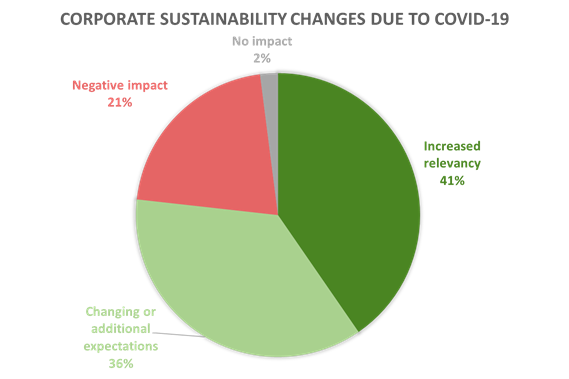
Whether it is the adoption of transformational sustainability strategies or an approach at a reduced scale, companies can benefit from implementing policies and sustainability programs that make societal sense, positively impact the planet, and result in long-term savings for the company. Brands are increasingly aware of the positive impact of sustainability and the need to incorporate it into their strategies, with 40% of companies having reinforced their sustainability commitments during the COVID-19 pandemic, according to a survey from The Business of a Better World (BSR).

.

Source: ‘Corporate Sustainability & COVID-19’, May 2020, The Business of a Better World (BSR)

In an era of increasing consumer demand for environmental commitment, a solid sustainability strategy will not merely have a positive impact on customer preferences. It can also lead to economic savings as a result of, among other things, the reduction of water and energy consumption and waste.

To support brands on their path towards sustainability, API is launching a new series of free 30-minute sustainability webinars covering everything from adequate labeling and avoiding greenwashing to the analysis of the chemical management in the supply chain and the positive impact on savings that a sustainability strategy can bring. Register now for our upcoming webinars:

Footprint

December 03 – Footprint Study and Labelling

How can you promote your sustainability practices without greenwashing? 

Beginning with an overview of the different criteria required to calculate a product footprint, learn how to provide customers with verified information about ‘eco-labels.’

Register now

Chemical management

December 10 – Chemical Management in the Supply Chain
Brands, retailers, and suppliers are increasingly looking to improve their chemical management. The question remains: How do you assess the chemical risk and enhance the chemical performance of your supply chain? 

Regístrese ahora

Positive impacts

December 17 – Sustainability: Positive Impacts with Savings

While environmental sustainability is about taking care of the planet and its residents, it is also about saving money. Less waste, less consumption of water and energy, and fewer chemicals: sustainability is actually an investment in a company’s’ future. 


In this webinar, our expert will share concrete examples of how using the right processes can help companies match their environmental goals with their bottom line.


Regístrese ahora

Interested in other topics or trainings? 

Categorías
Noticias

Próximos seminarios web sobre sostenibilidad y RSE

The challenges faced by supply chains and the need to focus on short-term priorities have put CSR and sustainability efforts in the spotlight. Some companies have been struggling to maintain their path toward sustainability while adapting to the ‘new normal’. Others have taken the opportunity to rebuild and refocus on longer-term objectives and more sustainable supply chains.

‘In business, sustainability has become synonymous with credibility.’

In this context of a new normal, consumer preferences are also changing with an increase in the importance of social and environmental causes. According to a survey* by the IBM Institute for Business Value (IBM) in collaboration with the National Retail Federation (NRF), 6 in 10 consumers are willing to change their shopping habits to reduce their environmental impact.

Sustainability and CSR at the Bottom of the Line or a Strategic Priority?  [Upcoming webinars]

To help companies in their sustainability efforts, API is launching a new series of sustainability webinars starting in November.

Stay tuned for more about our upcoming topics.

*Research study of 18,980 consumers in 28 countries

Categorías
Noticias

API en la Spielwarenmesse 2022, Feria del Juguete de Núremberg

We are pleased to announce our participation at the Spielwarenmesse® 2022 in Nuremberg on 2-6 February 2022.

Are you also attending the Toy Fair? Come and visit us at our booth B-07 in Hall 3A and discover API’s new solutions and best practices for Toys Quality Management. Book your appointment to talk to our team! 

Api Solutions For Toys: Leveraging Product and Manufacturing Expertise

En API, nuestra experiencia en productos y fabricación -adquirida a diario, sobre el terreno- nos permite identificar y anticipar riesgos antes de que lleguen a la línea de producción. Nuestros expertos en juguetes pueden orientar y evaluar a sus equipos desde las fases de diseño y prototipo, ayudándole a gestionar los riesgos y a hacer que sus productos sean más seguros. Trabajamos en estrecha colaboración con los comités de juguetes, manteniéndonos al día de los cambios en las normas y reglamentos y recibiendo las últimas noticias sobre las áreas de preocupación actuales y los temas candentes de la industria.

Algunas de nuestras soluciones expertas para juguetes a lo largo de toda la cadena de suministro incluyen:

  • Asistencia al desarrollo
  • Pruebas de cumplimiento
  • Pruebas de aptitud para el juego
  • Validación documental: Expediente de integridad y conformidad técnica
  • en remoto
  • Factory assessments (technical, CSR, environmental audits)
  • Soluciones de sostenibilidad
  • Asistencia técnica
  • En la Evaluación del Proceso de Producción
  • Técnico dedicado
Categorías
Noticias

¿Dejar China? Consejos para una transición sin problemas

A spate of recent incidents has seen global supply chains shifting away from China, including Covid-19 pressures, geopolitical tensions, container scarcity, power breaks, and more. Reshoring, offshoring, and nearshoring were some of the most used terms in 2020 in numerous industries as companies seek alternatives to reduce their reliance on the world’s manufacturing superpower.

While many companies have traditionally turned to other sourcing countries in Asia, brands are increasingly looking for sourcing alternatives closer to home. For example, European brands are finding they can better control uncertainties and keep a closer eye on their supply chains by turning to sourcing opportunities in Eastern Europe and nearby countries such as Tunisia.

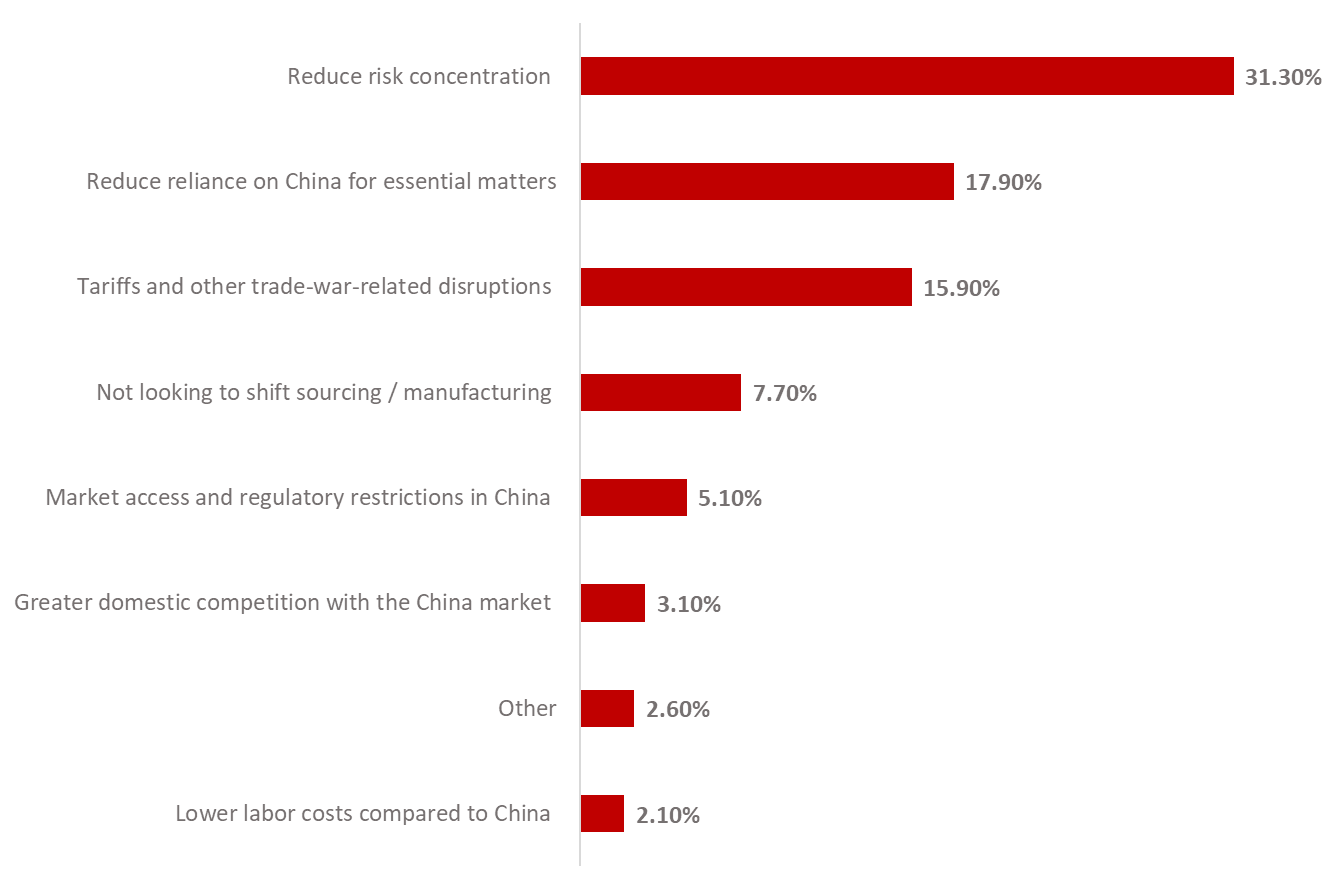
Market research shows some of the below as the main factors to shift sourcing / manufacturing out of China: 

Leaving China? Tips on a smooth sourcing transition Source: Supplychaindive.com, Apr 2021 - 'Supply chains do the math on reshoring's pros and cons'

Source: Supplychaindive.com, Apr 2021 – ‘Supply chains do the math on reshoring’s pros and cons’

The benefits of sourcing closer to home include the flexibility of being near to customers and the market, improved lead times, and greater stability in the availability of products and raw materials, shipment schedules, and other stock issues. However, changing sourcing locations brings its own set of challenges. 

Shifting to a new sourcing location means exchanging a well-known supply chain with a new pool of suppliers that can introduce complications. If many brands are relocating to a new sourcing location at once, driving up demand, the factories – despite their maturity – may not have the workforce or capabilities to meet these needs. Other issues may arise in different areas, including CSR concerns such as migrant worker, forced labor, home-based workers in substandard workshops, freedom of association, and more.

Taking some key things into account can ease the transition and reduce complications:

Tips for a smooth transition to sourcing close to home

  • Get to know your new suppliers: A technical audit will give you visibility over the supplier’s real capabilities, maturity, setup, management system, respect for social and environmental requirements, and more.
  • Ensure the supplier has the right processes in place: Your new supplier must have the workforce and capabilities to meet your brand’s quality standards. New hires need to be familiar with the production process and the products to avoid costly mistakes. It’s also important to have a well-trained enfoque del control de calidad. team that can manage product quality checks and identify these results for hazard and risk analysis for you.
  • Seek support from a qualified third party: To navigate the uncertainty of starting from scratch with a new supplier, relying on the support of a qualified third party can help facilitate this changeover and ensure the most critical points are addressed for a stable transition.


At API, our extensive expertise supports our customers in establishing new sourcing strategies near their destination countries, including:

Want to know more about how API can act as an extension of your team and support your new sourcing challenges and objectives?

Categorías
Noticias

Simposio ICPHSO 2021 patrocinado por API

API sponsored one more year the ICPHSO International Symposium that took place online this year on October 27 and 28 bringing together some of the top international brands and retailers.

During these two day-conference brands such as Decathlon, Hasbro and Lego shared their views on the perspectives on the future of consumer product safety.

The ICPHSO Virtual International Symposium is a global symposium that includes participation from regulators, producers, retailers, test labs, consultants, law firms, academia, consumers, product safety experts, media and others on best product safety practices, emerging hazards and trends, product recalls and the design and sale of safe consumer products from inception through end of life and sustainability issues. More information about ICPHSO can be found on their website: https://icphso.org/

Categorías
Noticias

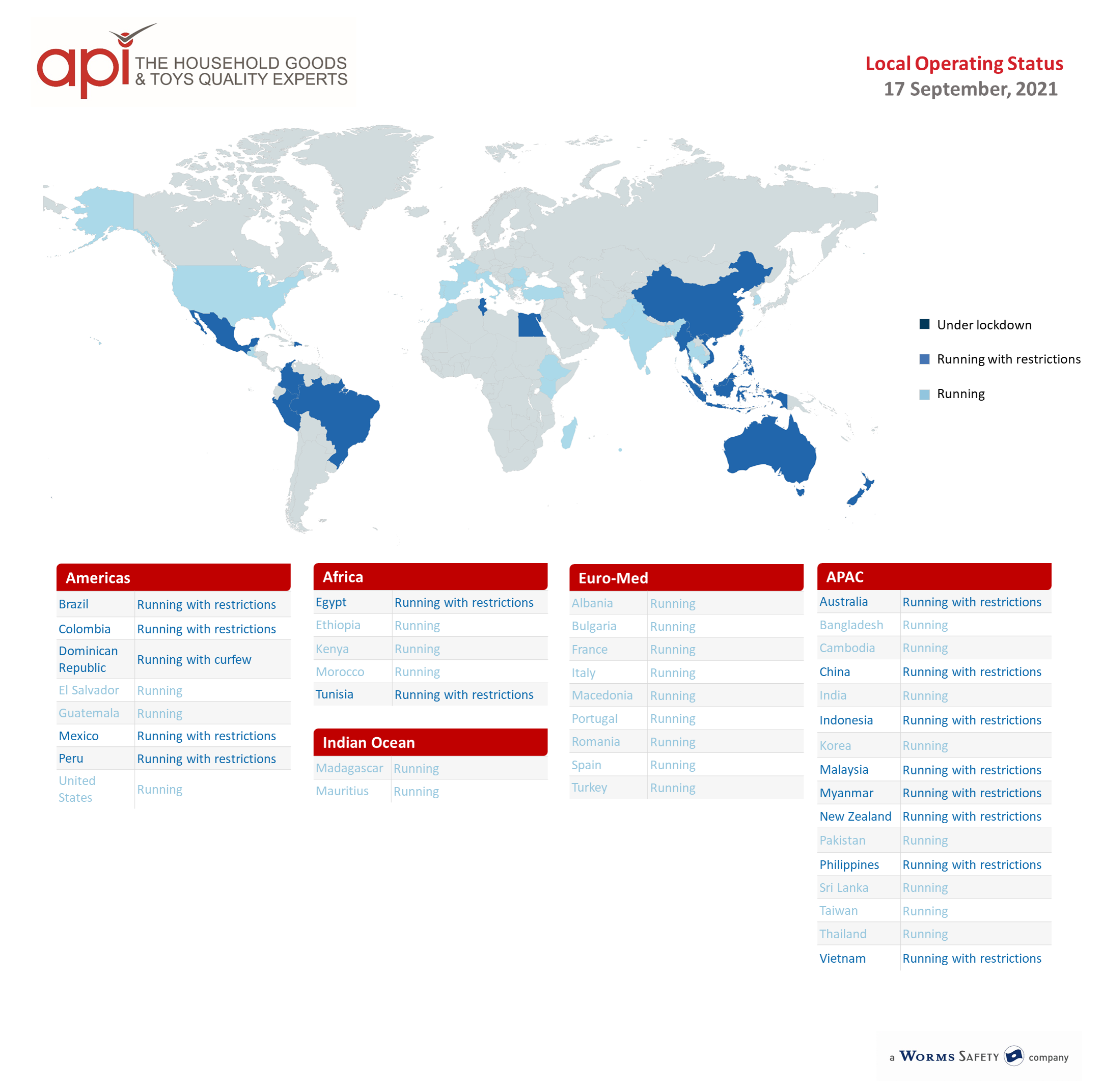
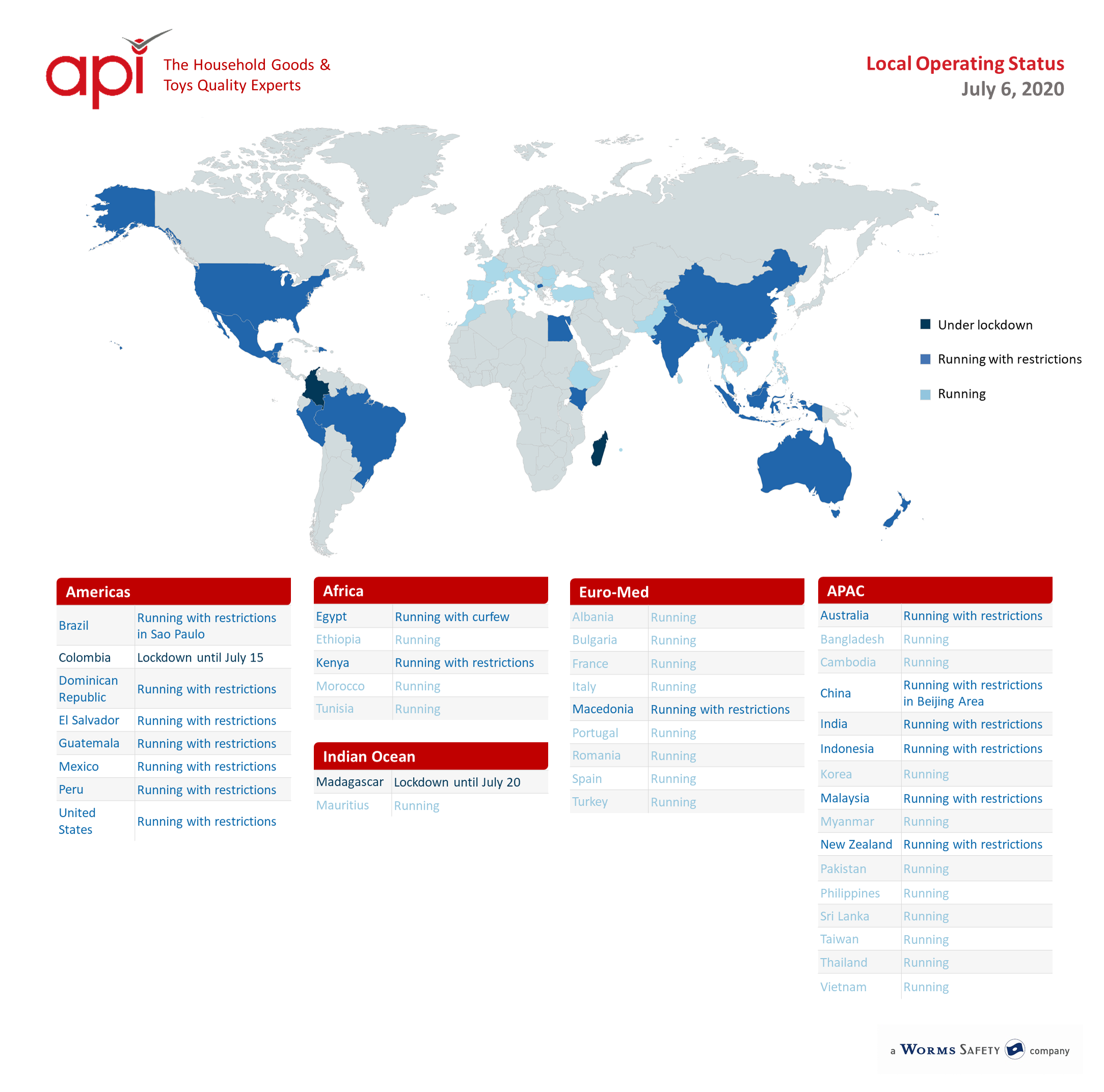
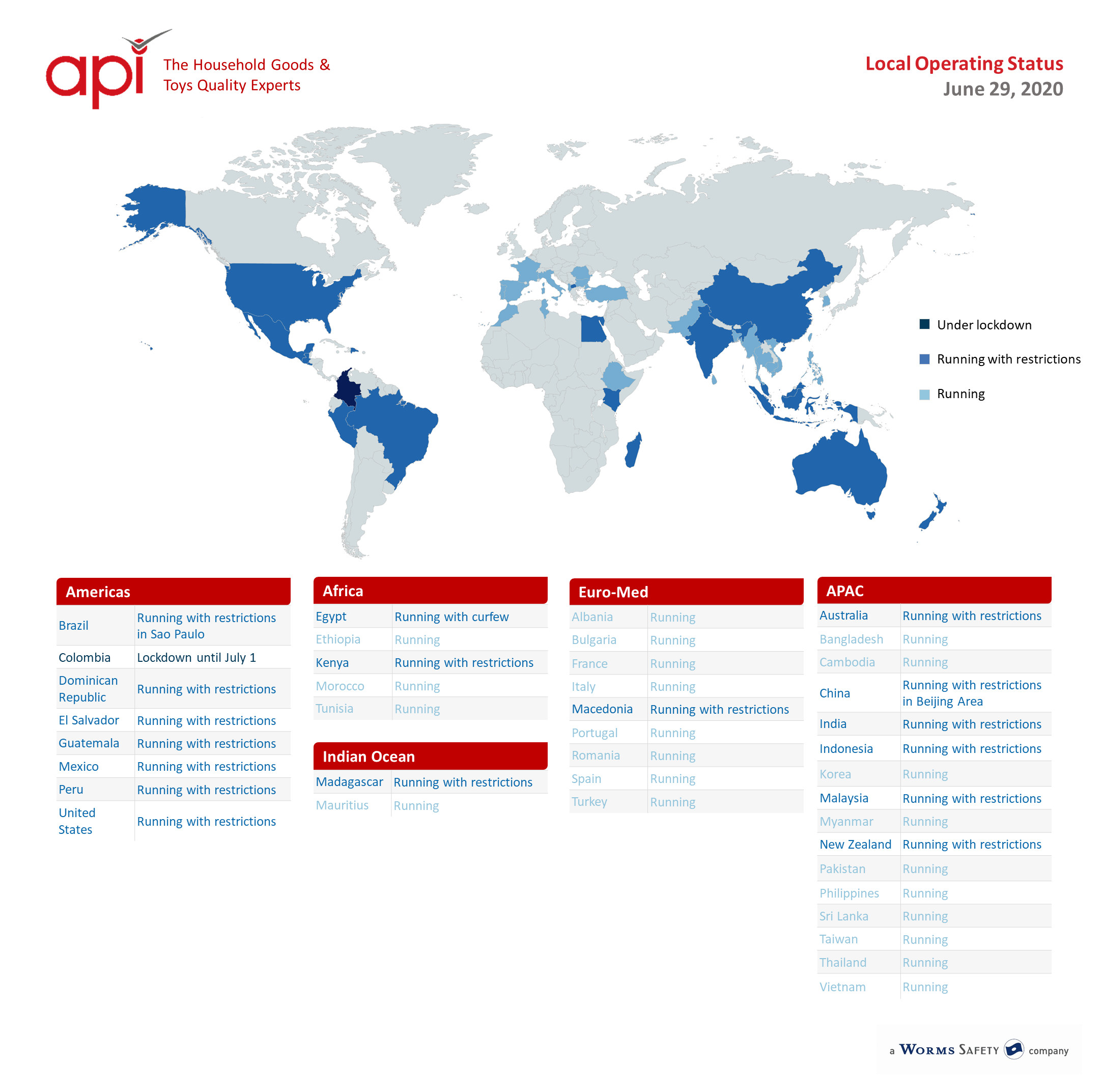
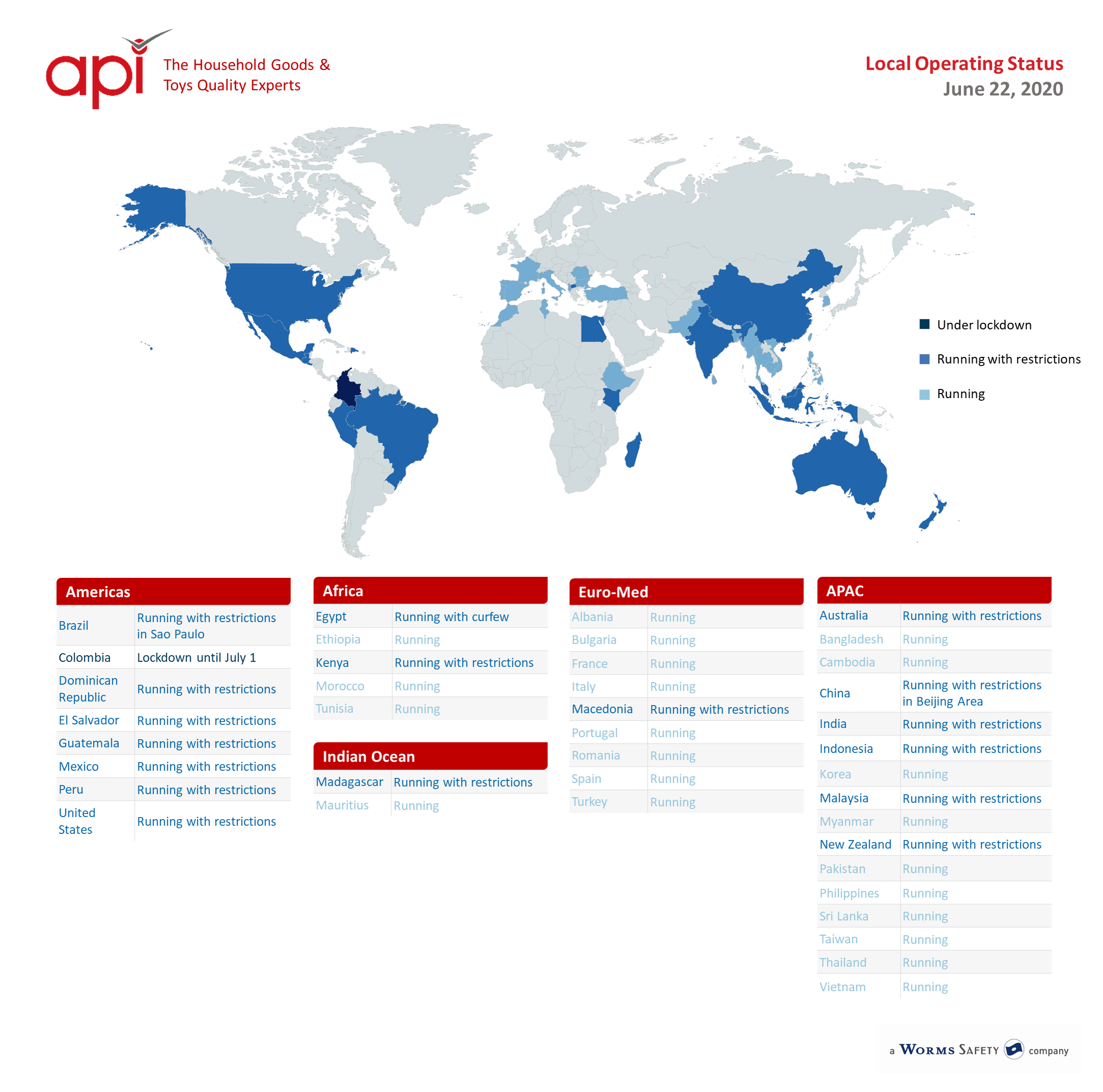
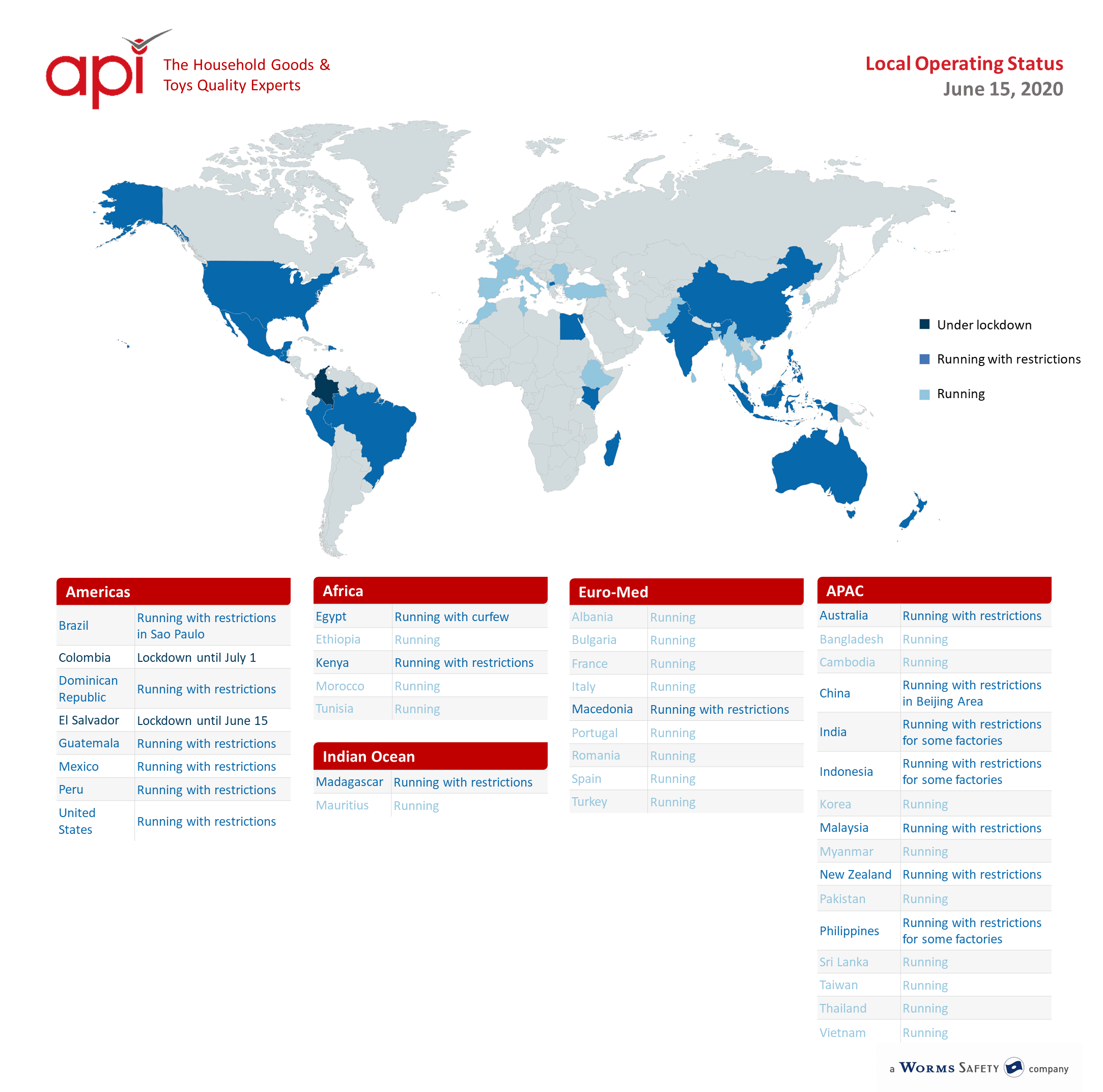
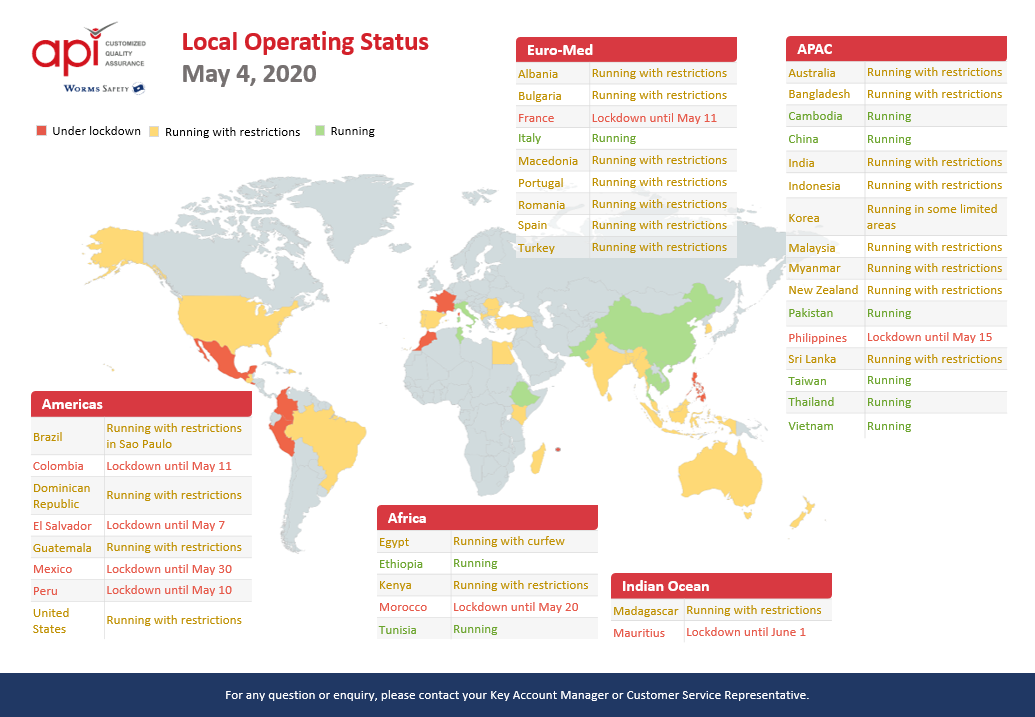
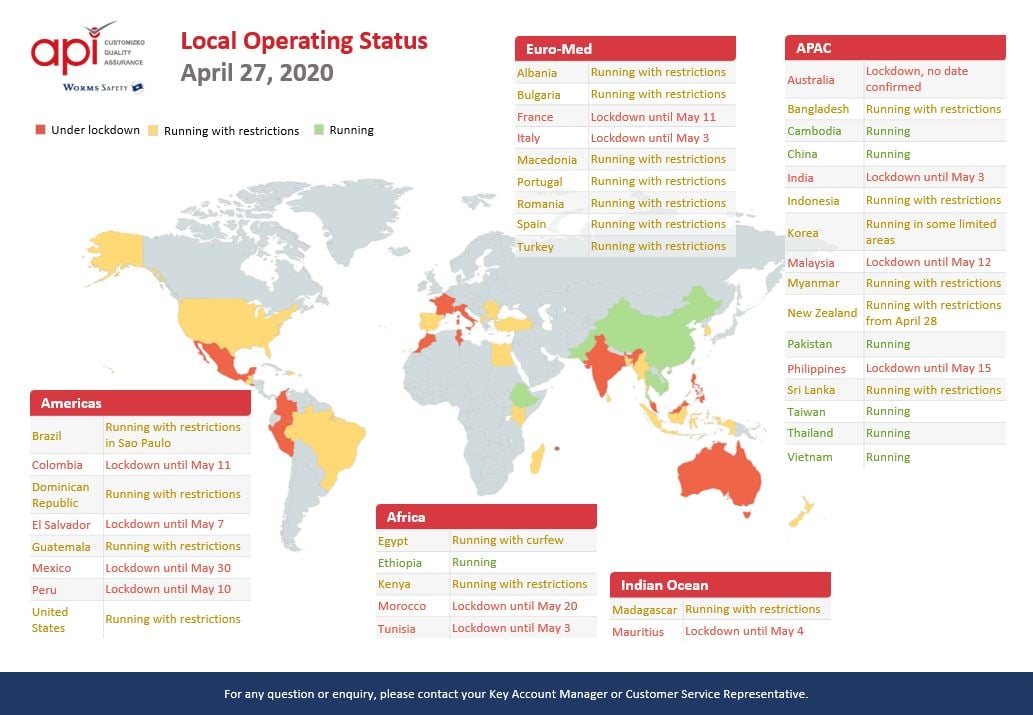
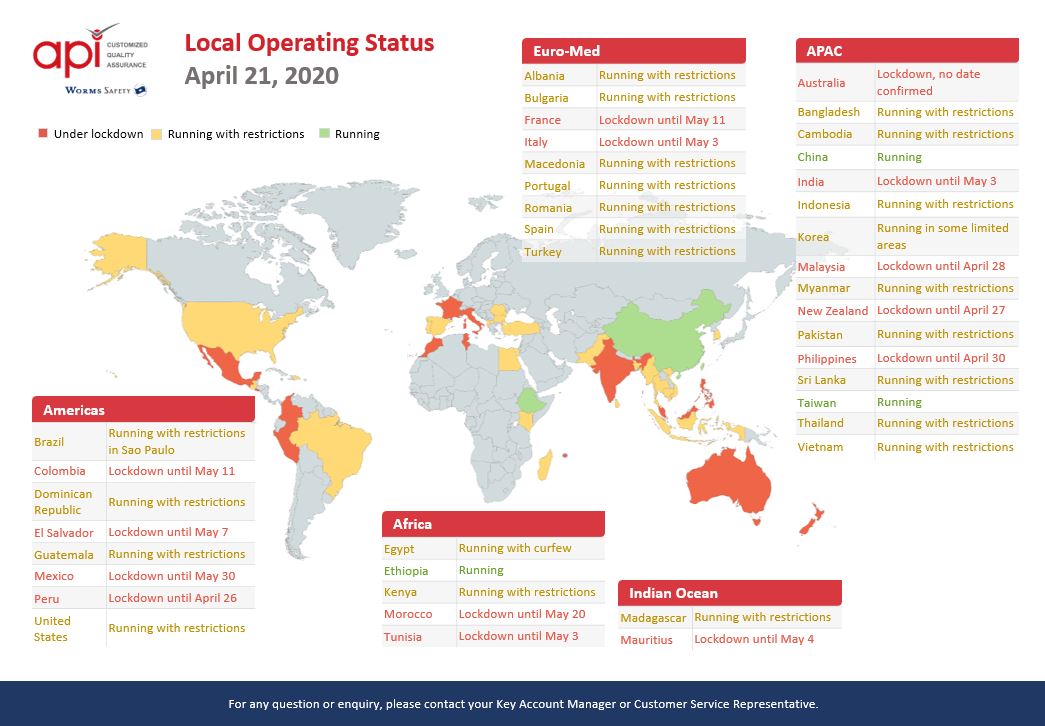
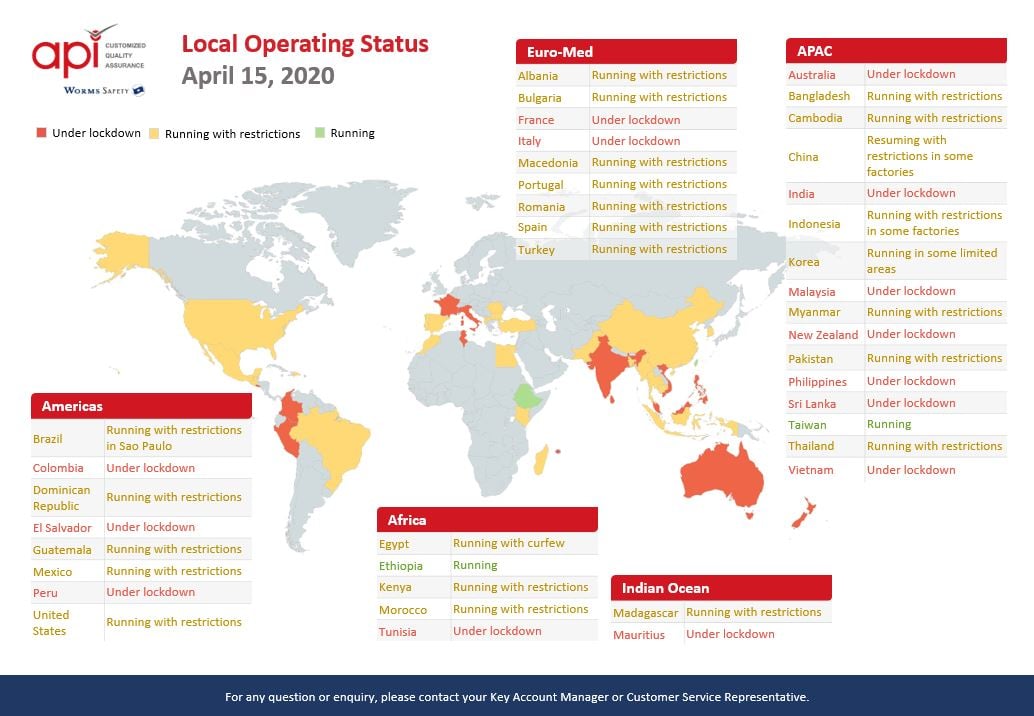
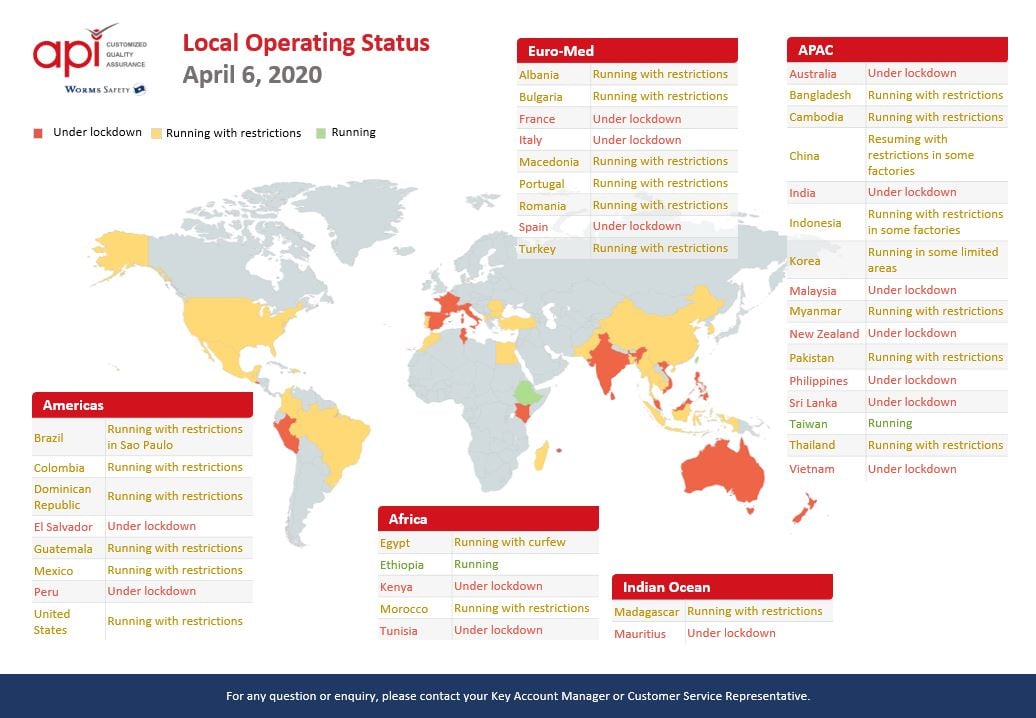
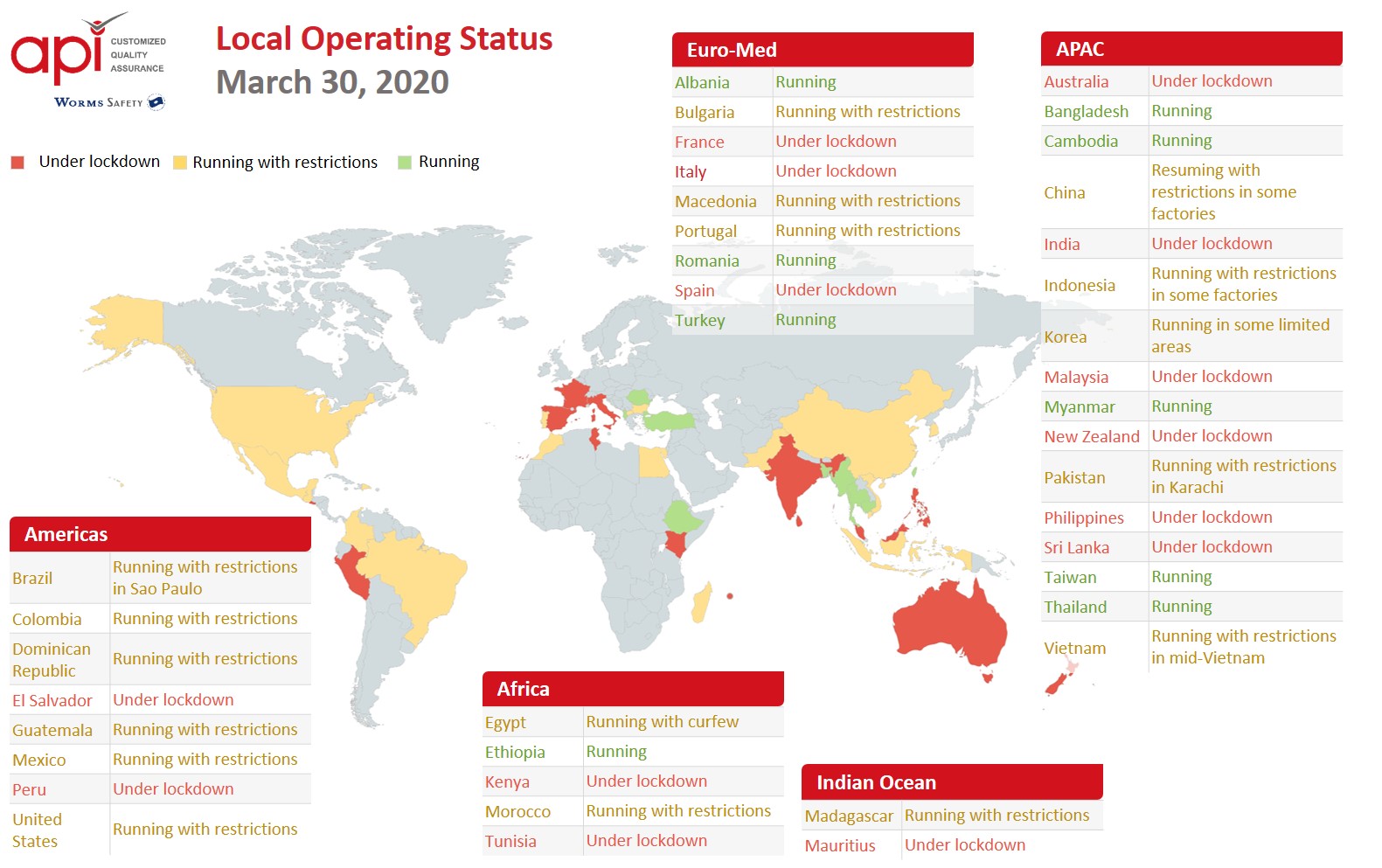
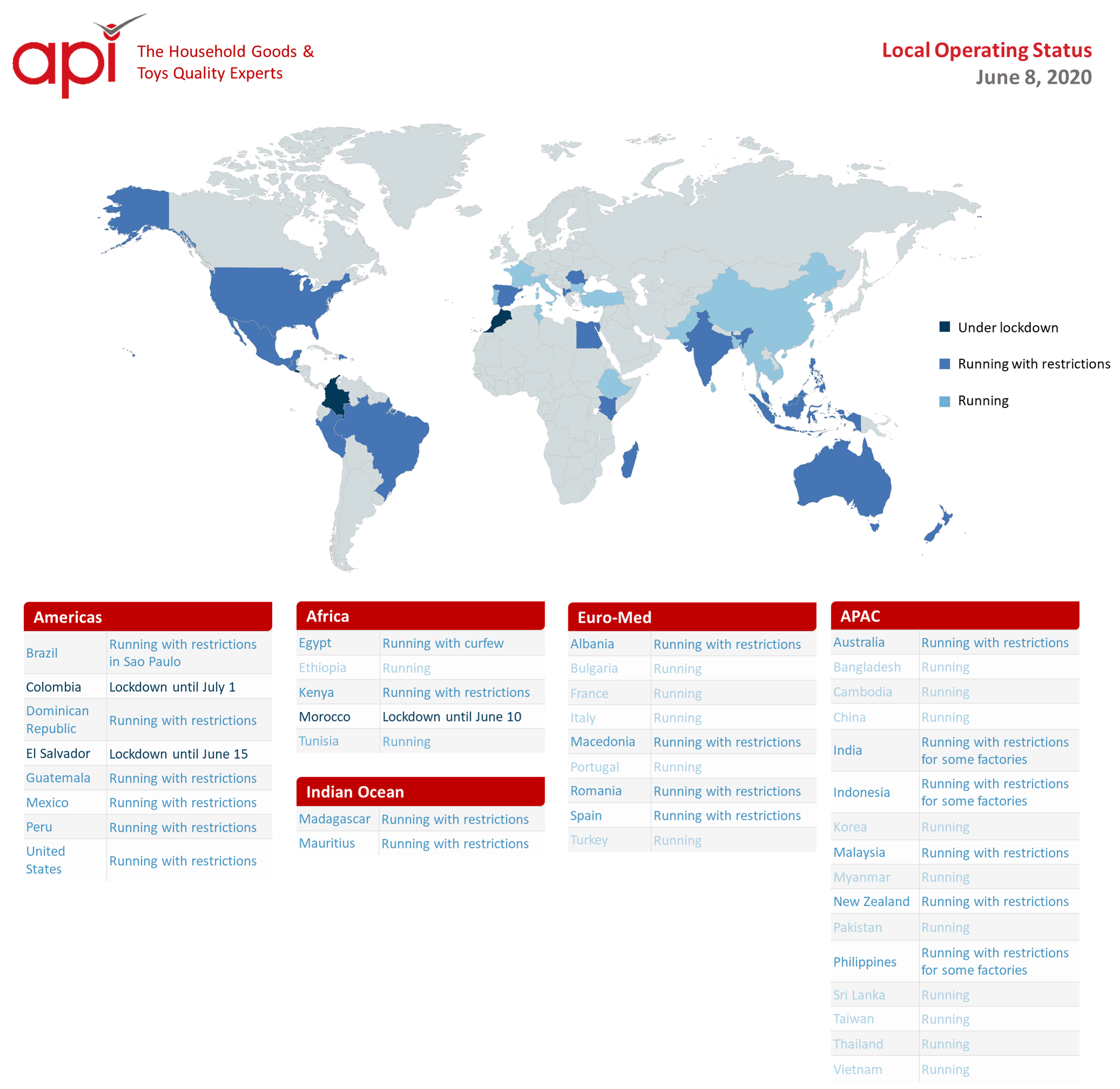
COVID-19: Resumen global de países operativos

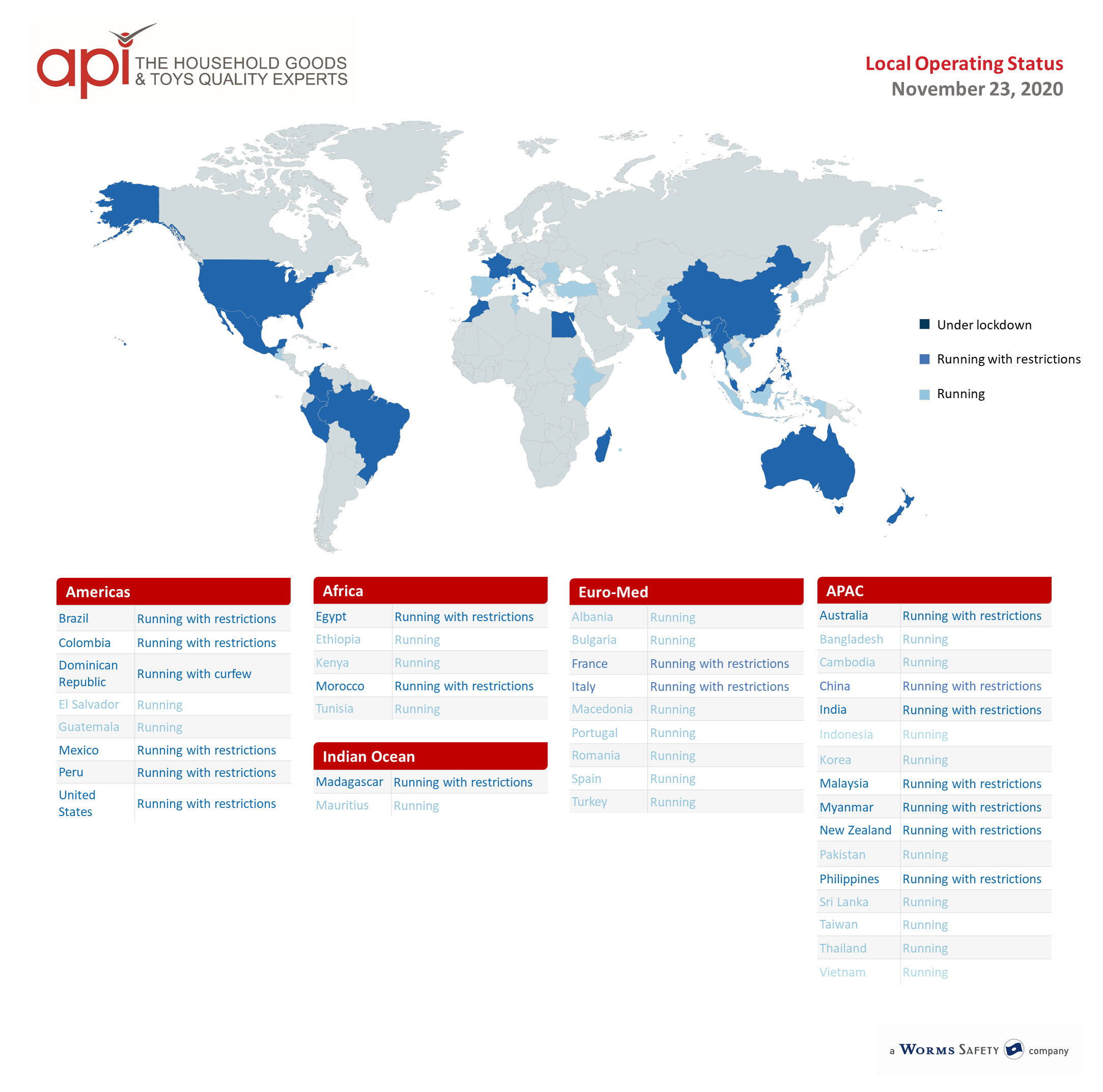
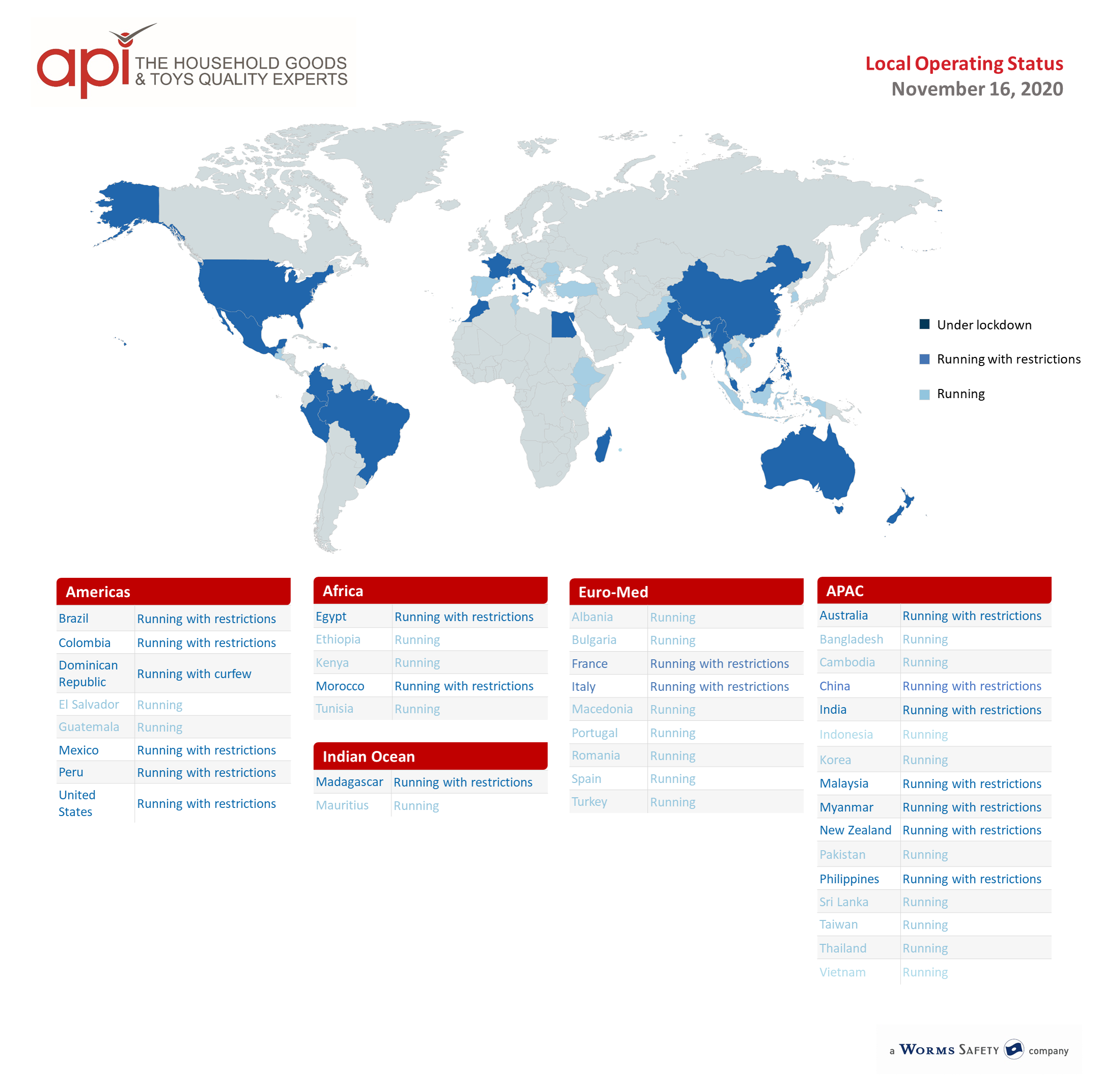
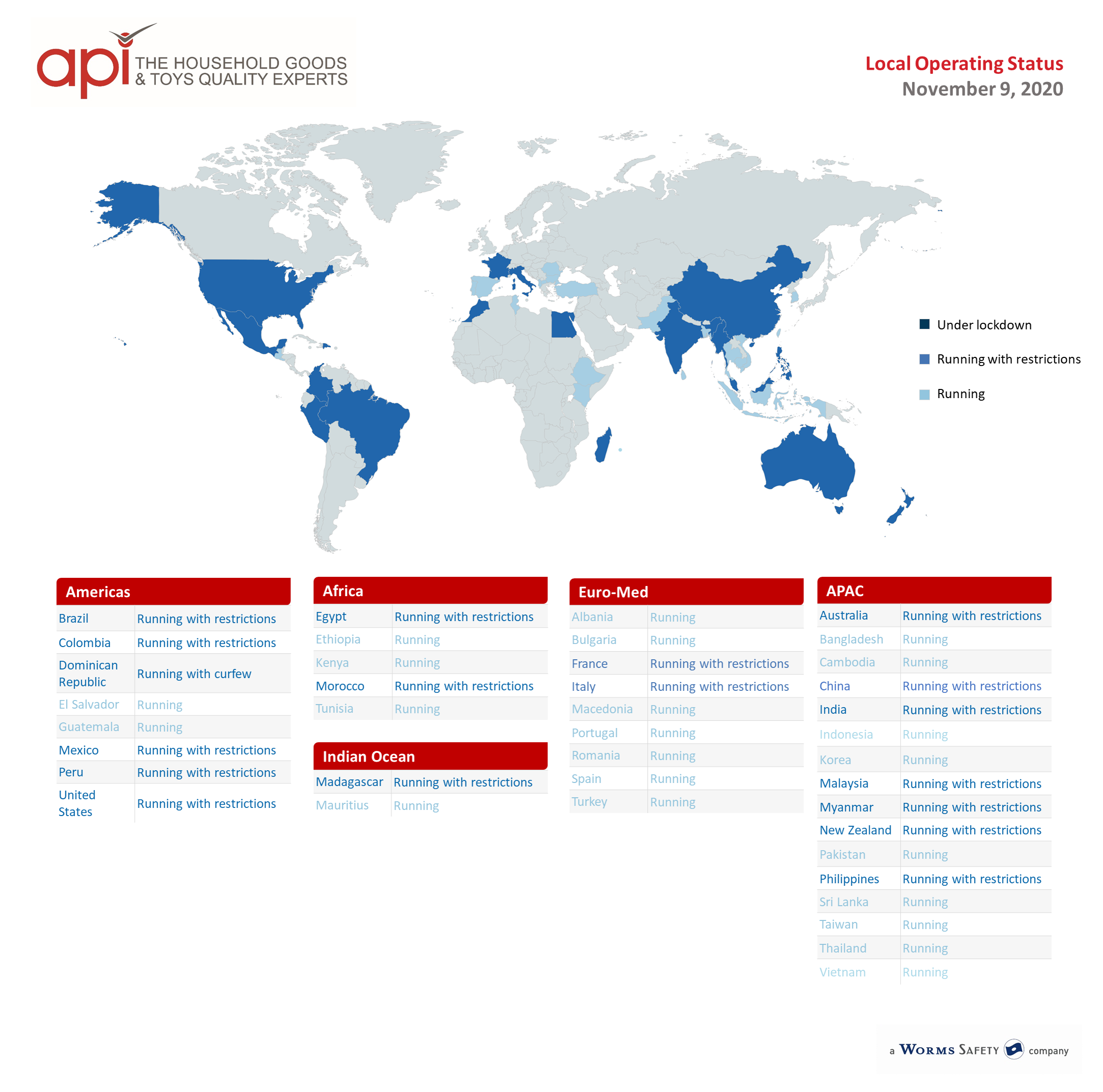
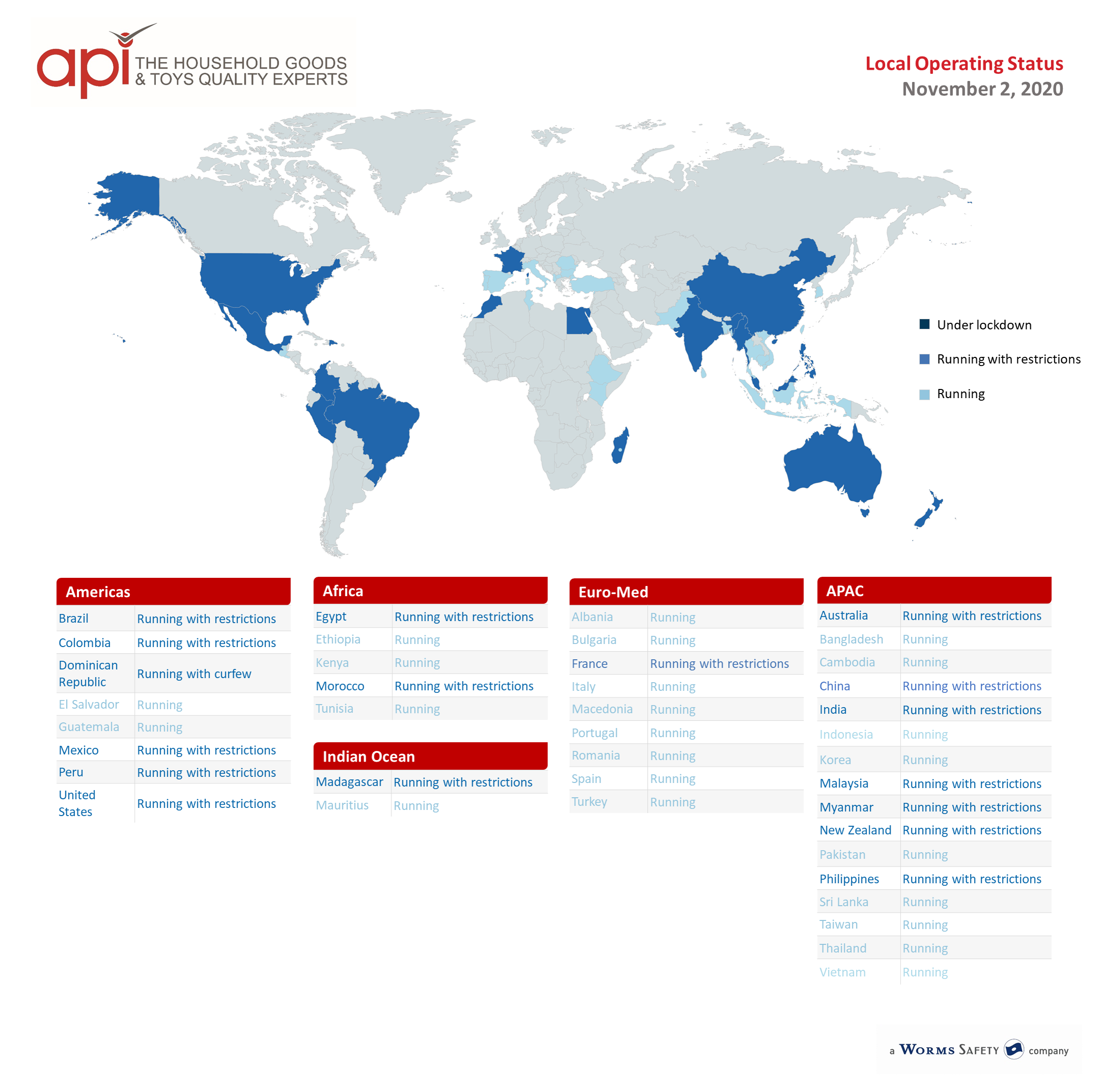
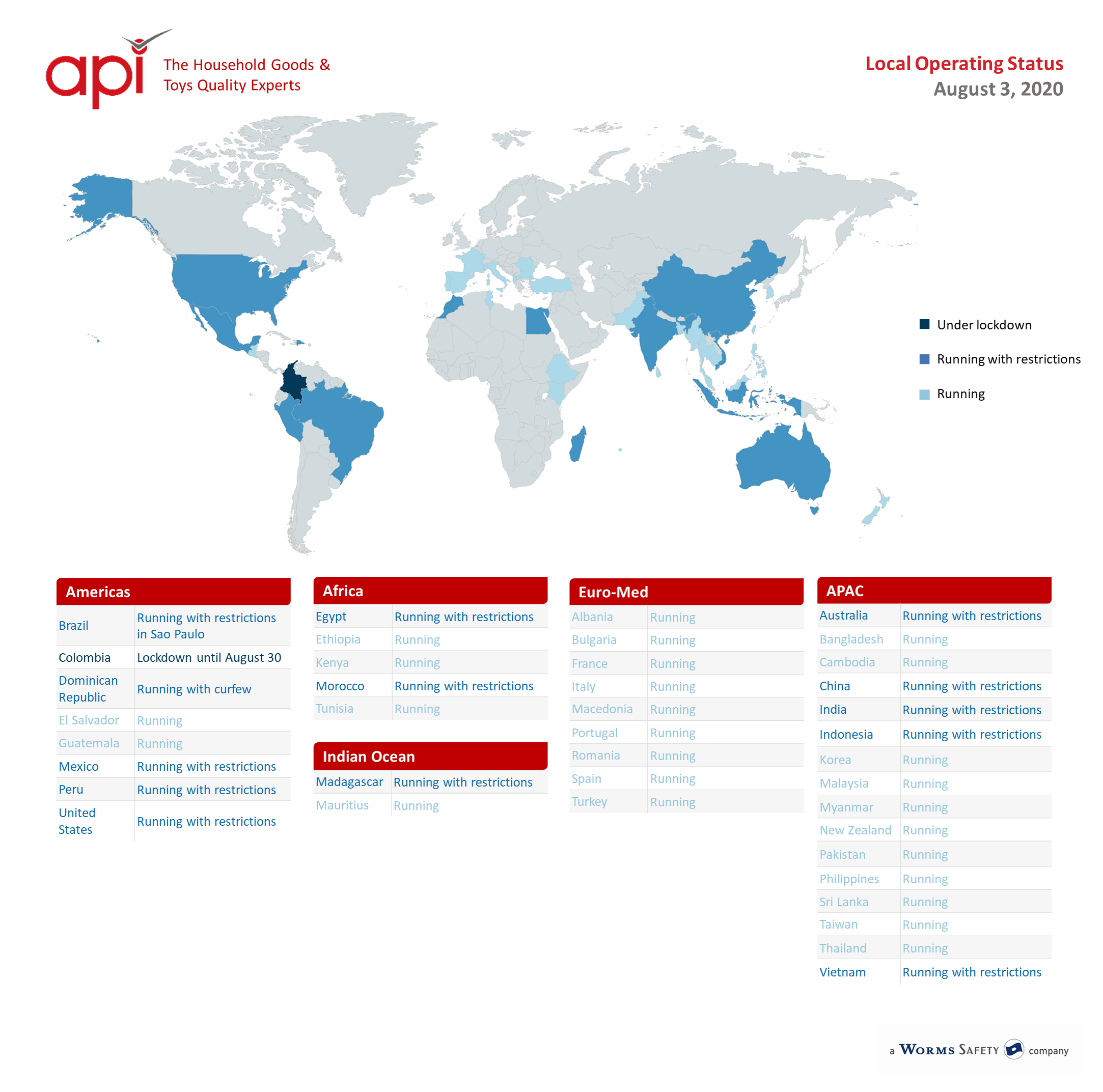
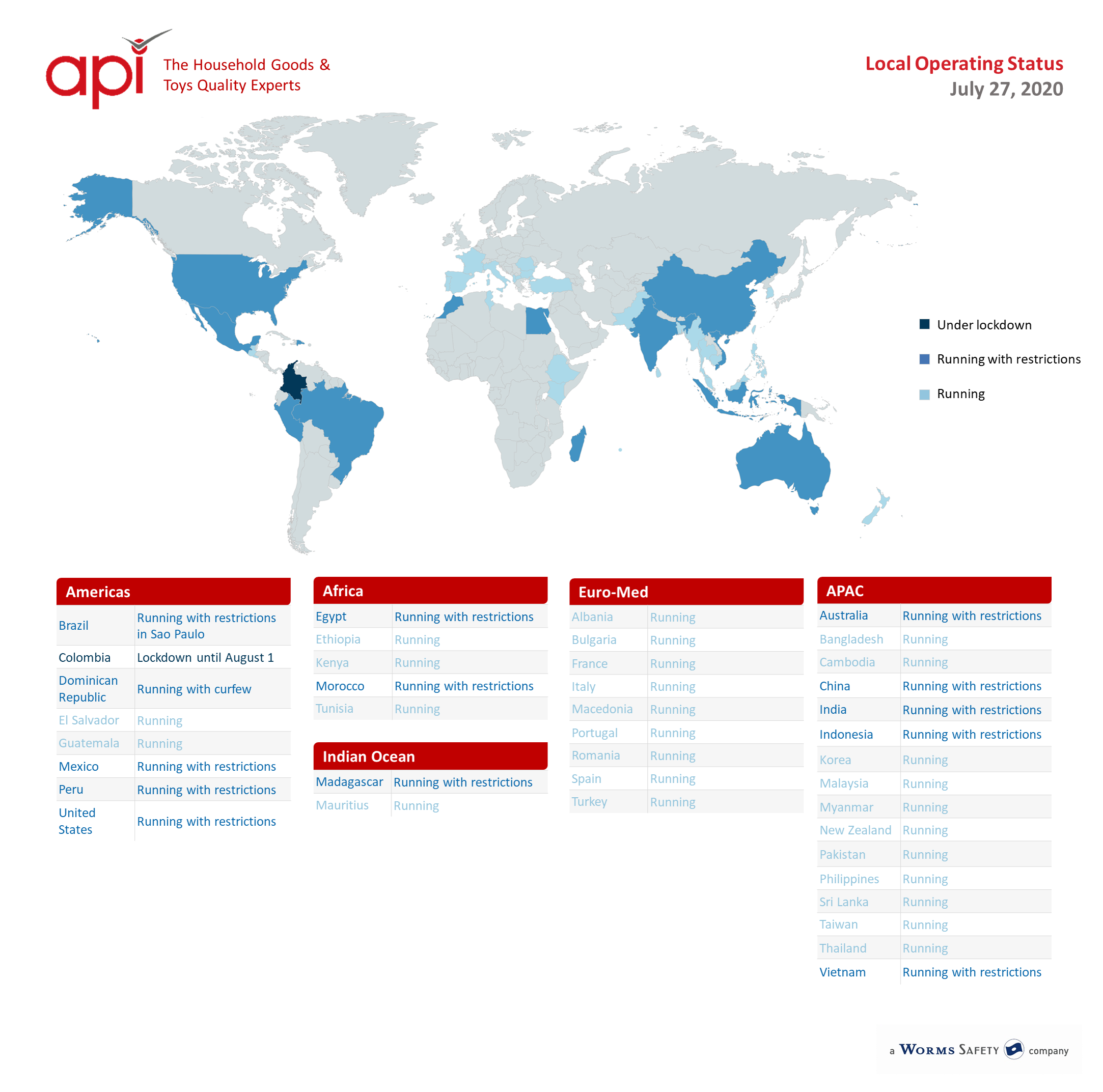
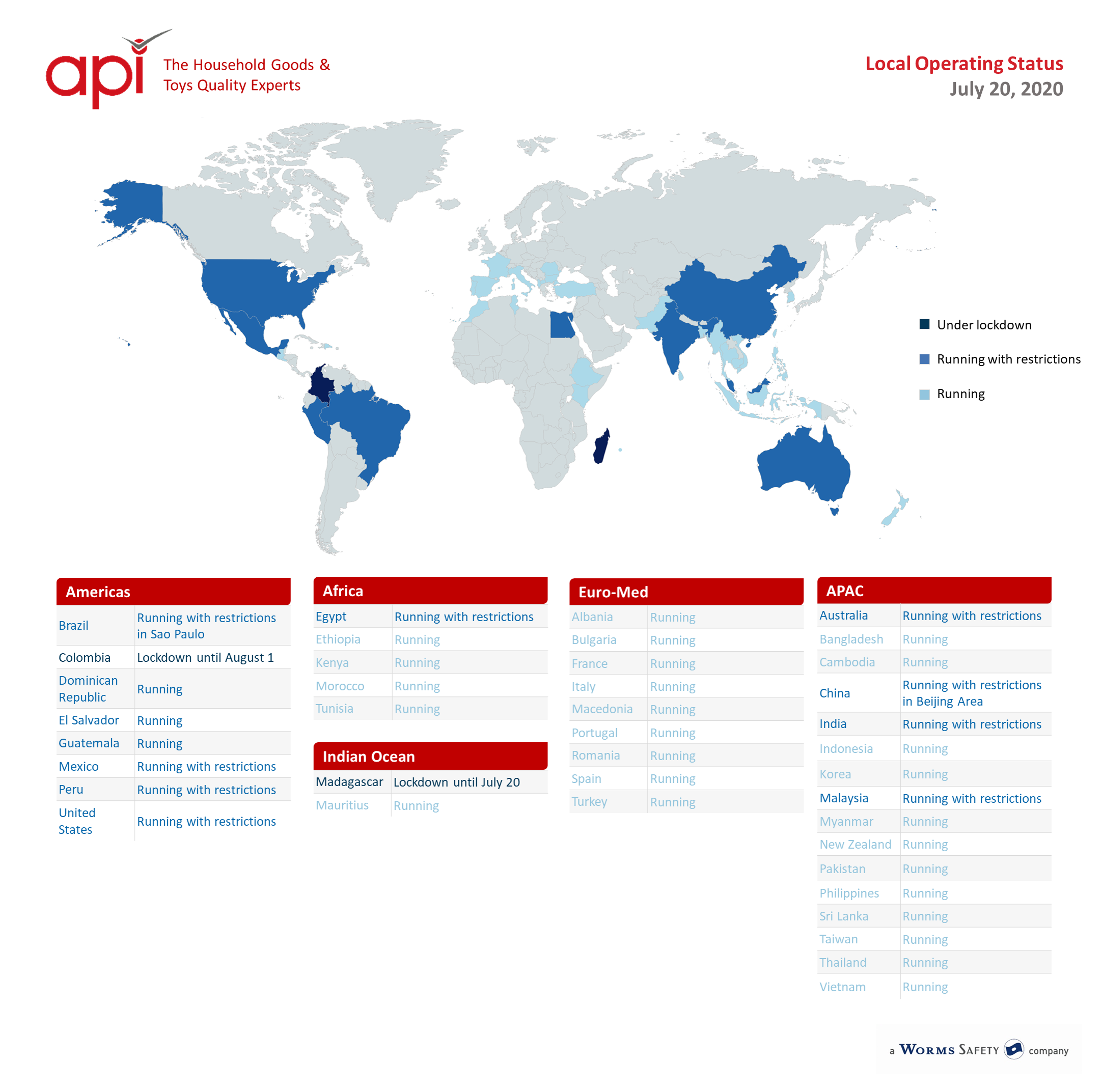
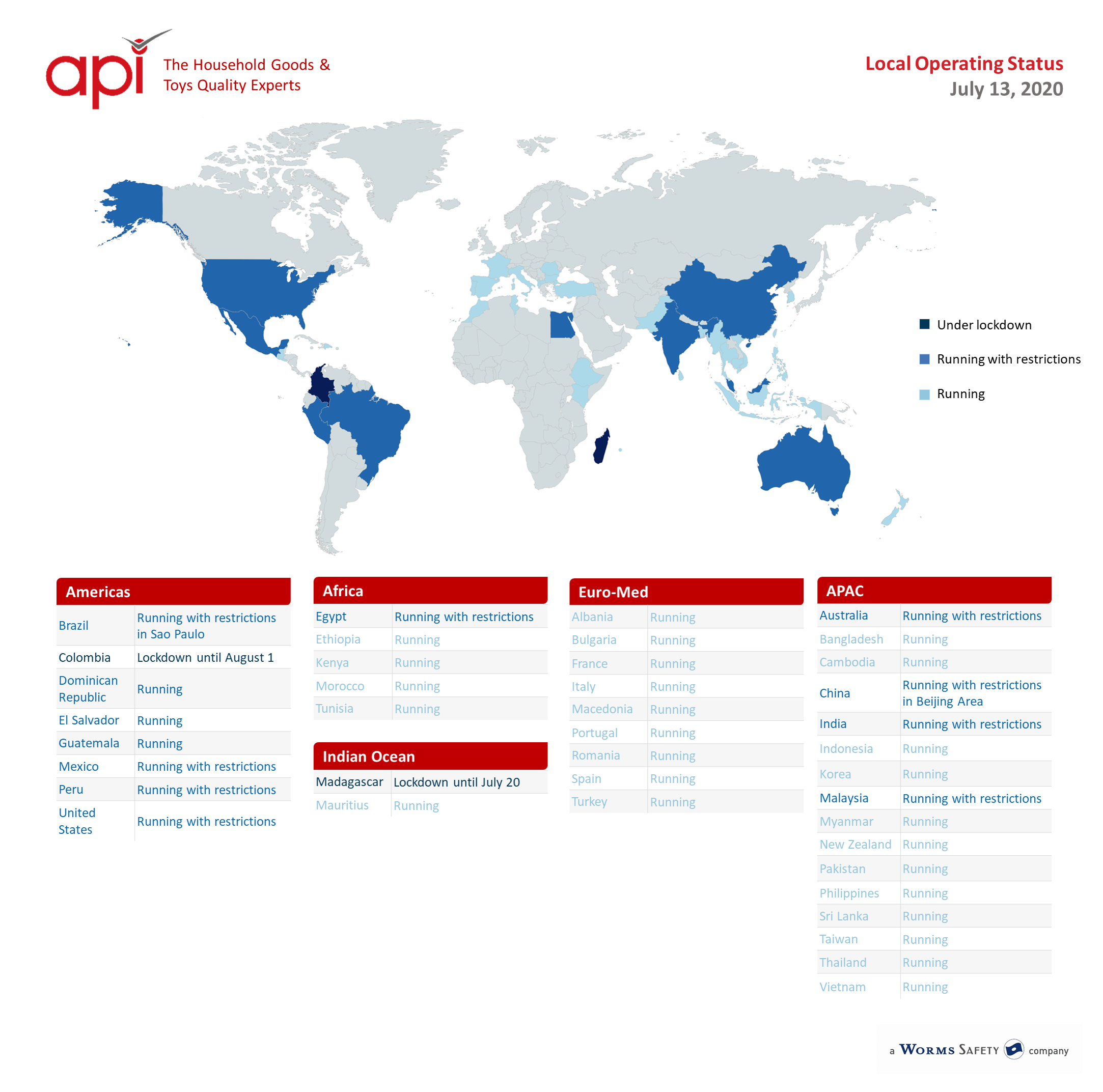
Acceda a nuestra actualización del estado operativo local por países. Tenga en cuenta que el resumen se actualizará si se produce un cambio de estado en alguno de los países cubiertos. 

Los equipos de API están siguiendo la evolución de COVID-19 y comunicándose con los clientes y sus proveedores caso por caso. Póngase en contacto con su gestor de cuentas clave o representante de atención al cliente si tiene alguna pregunta. 


17 de septiembre de 2021

Panorama general_17.09.2021_API

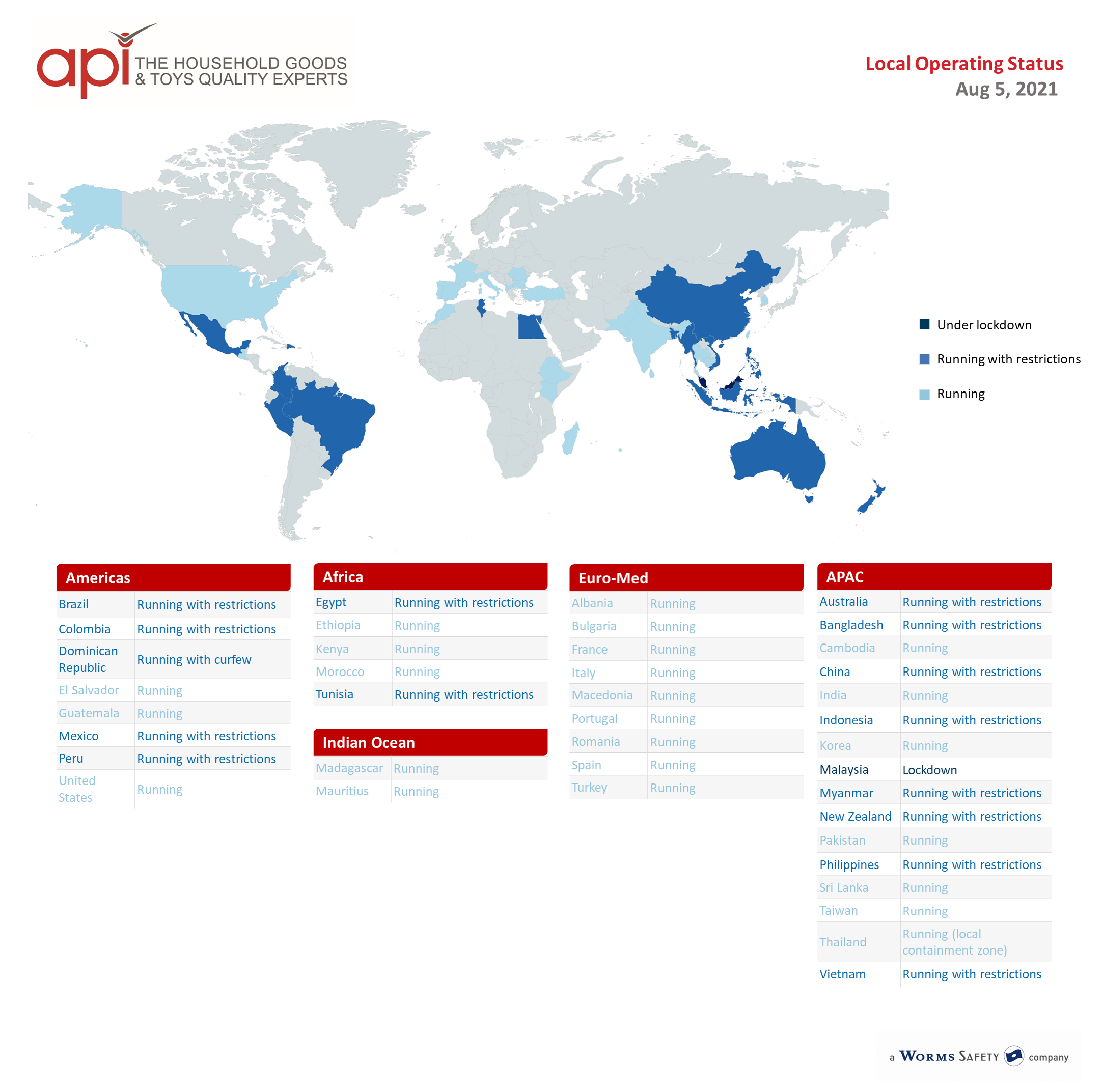
5 de agosto de 2021Panorama mundial_agosto 05_2021

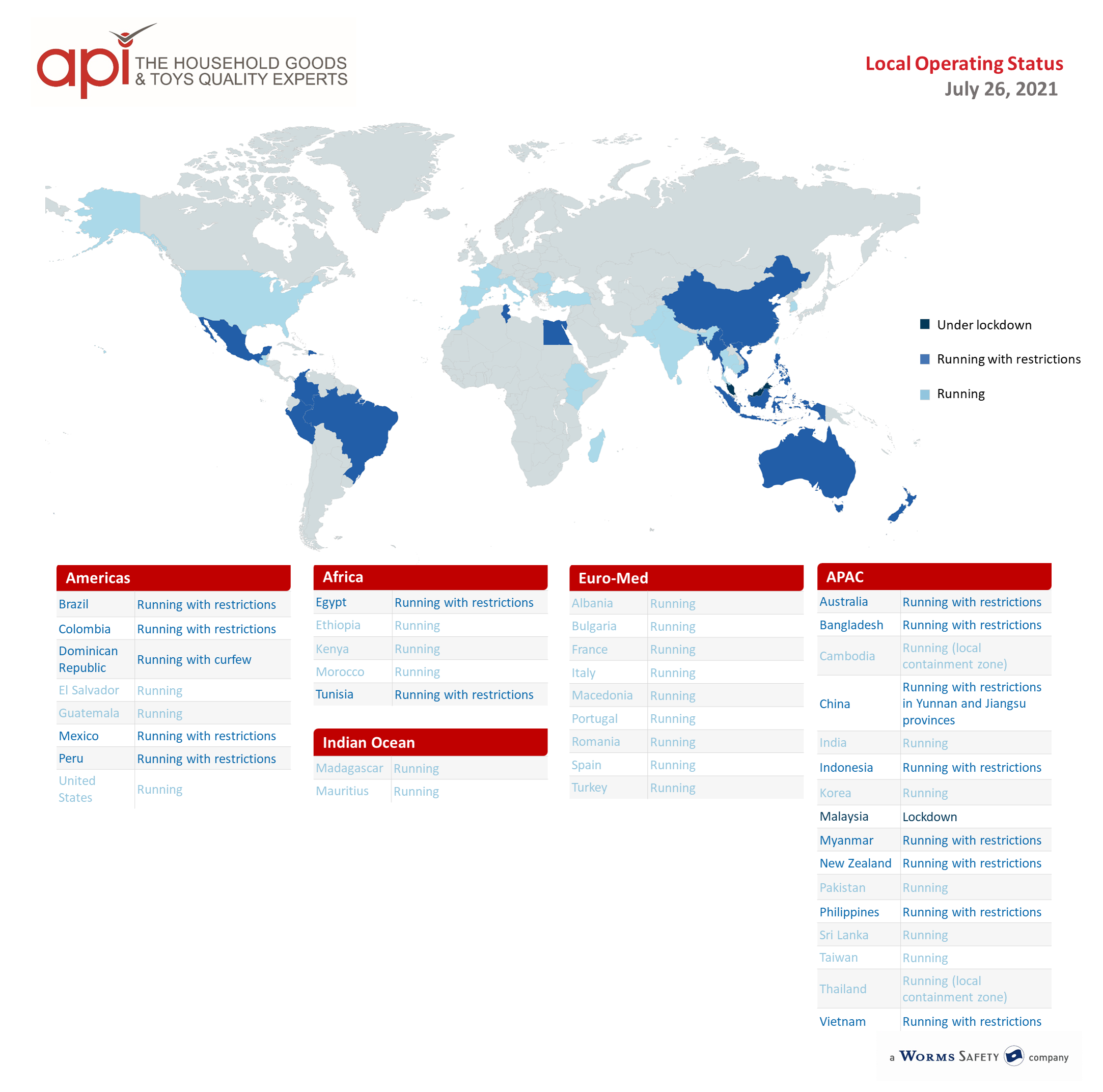
26 de julio de 2021

26.07.2021_O


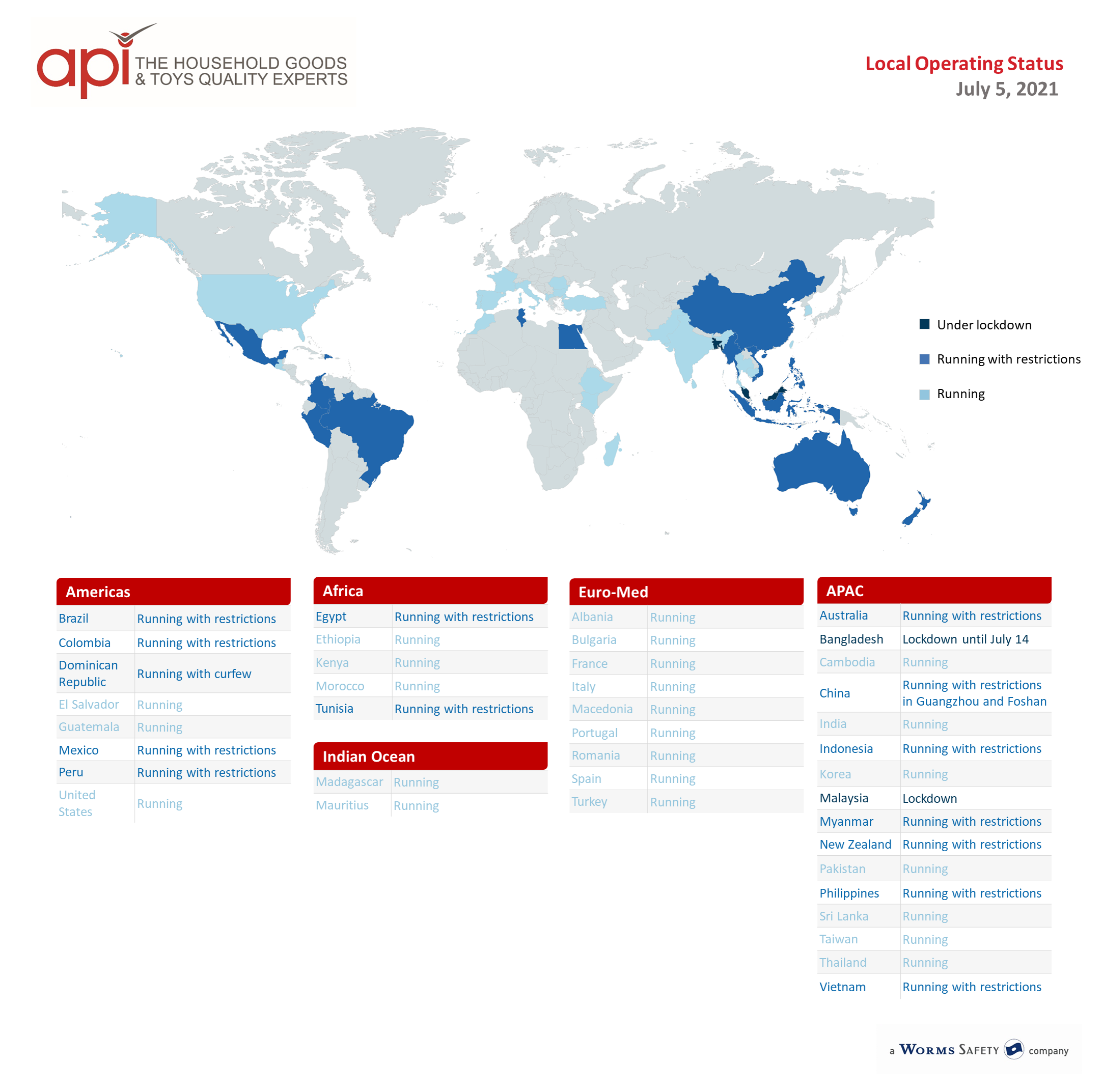
5 de julio de 2021

05.07.2021_operations

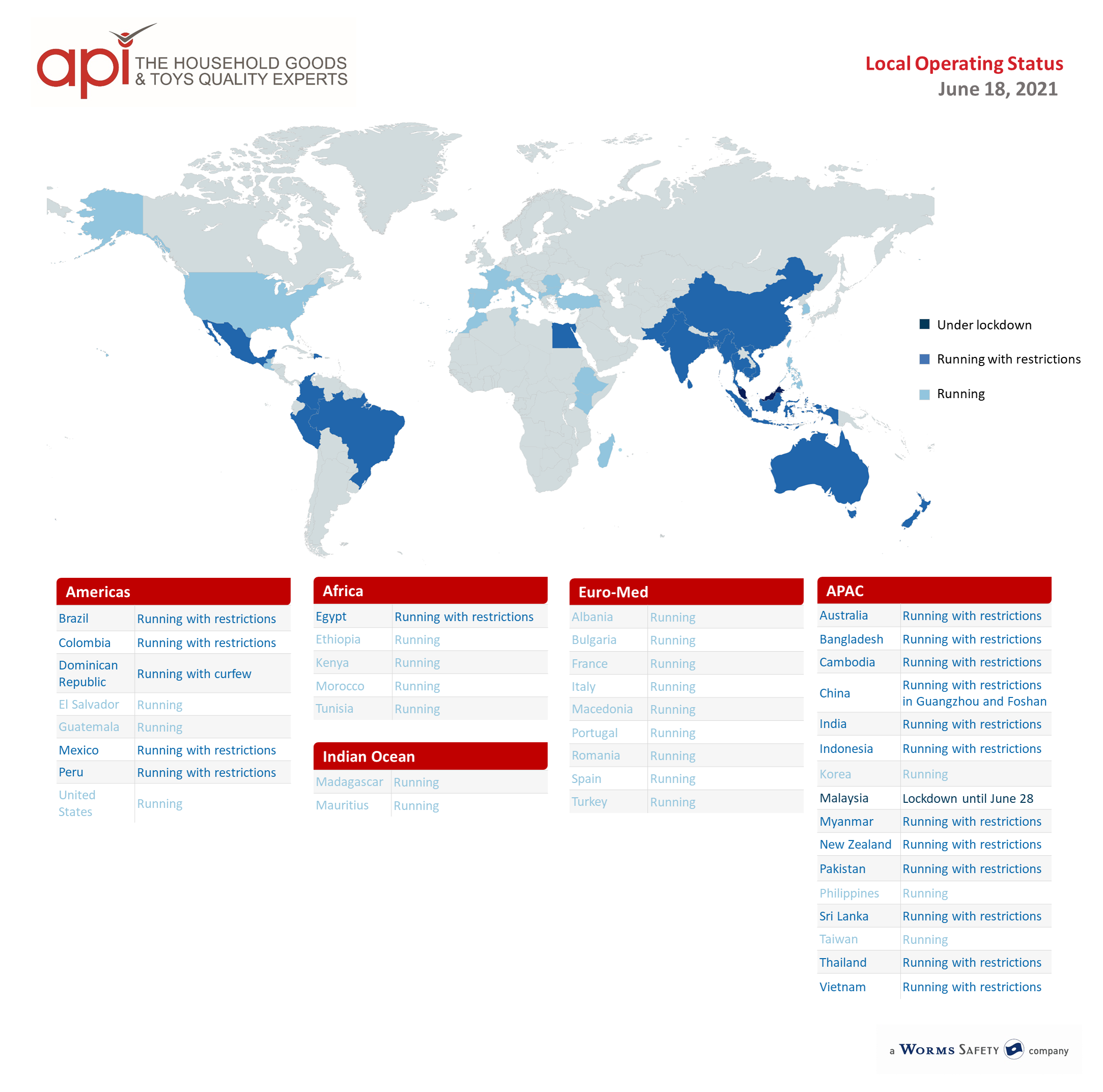
18 de junio de 2021

18.06.2021_global overview

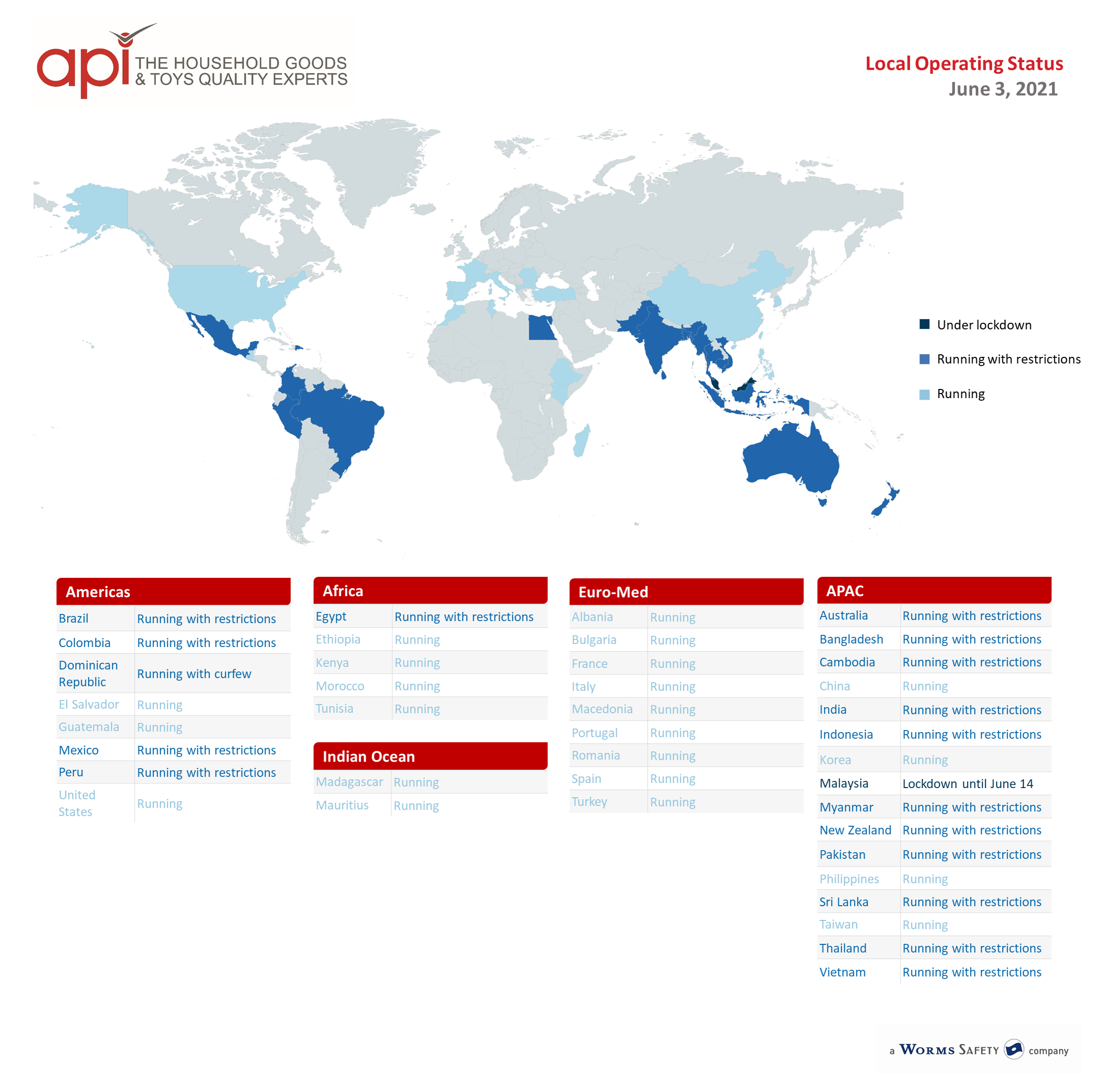
3 de junio de 2021

Estado GLobal_03.06.2021


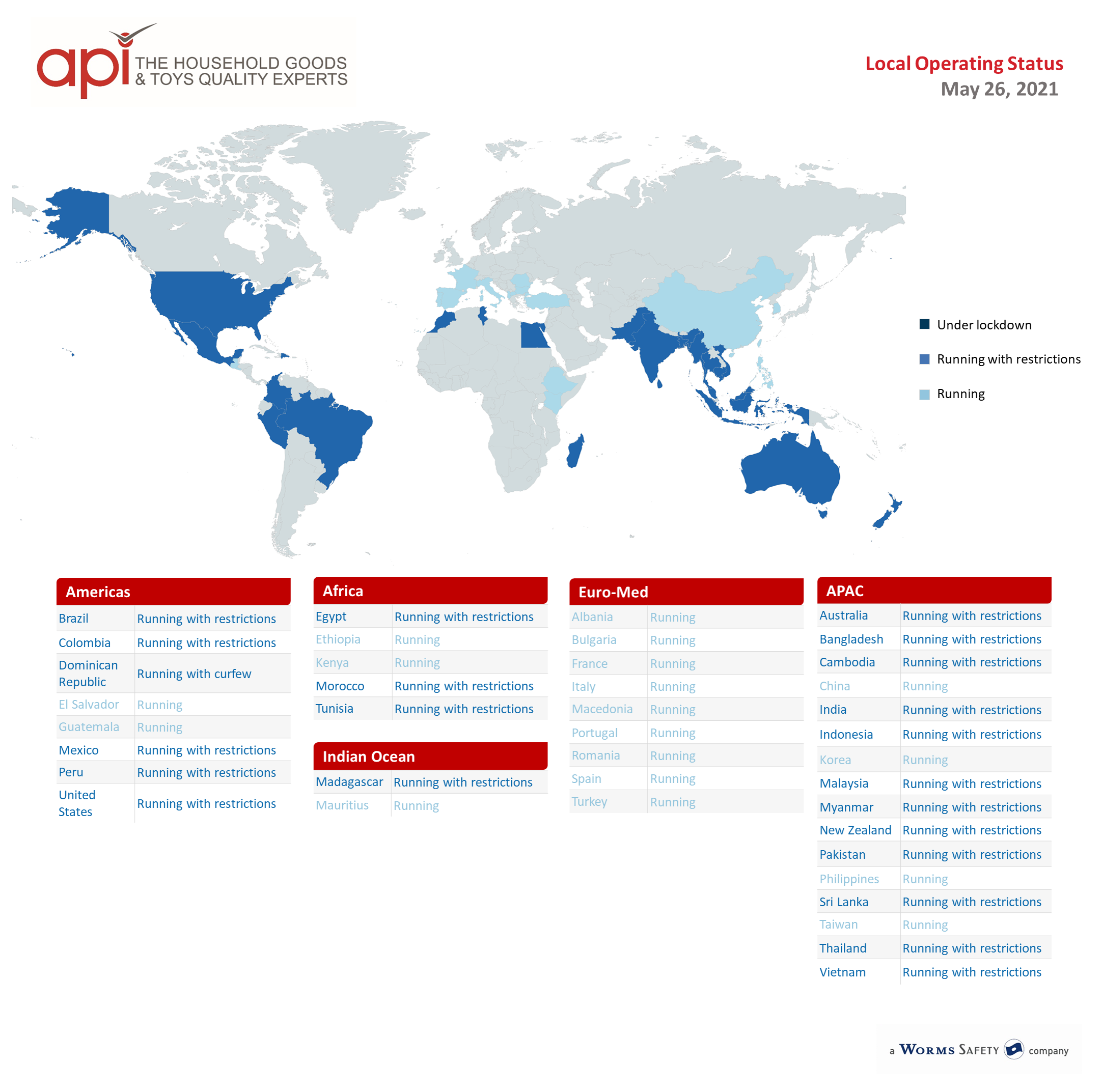
26 de mayo de 2021

26 mayo_2021_Panorama mundial

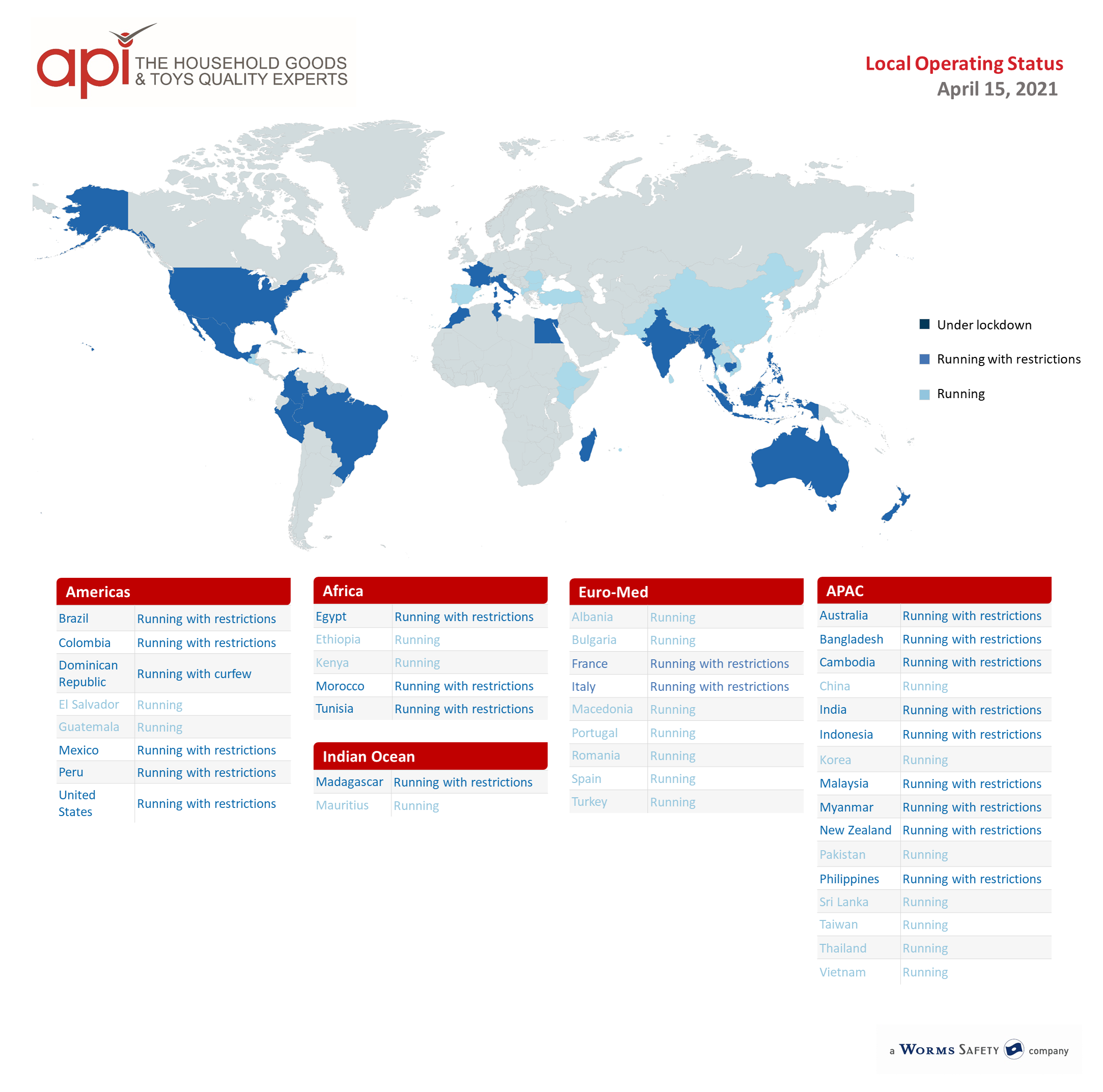
15 de abril de 2021

Panorama mundial_abr 15

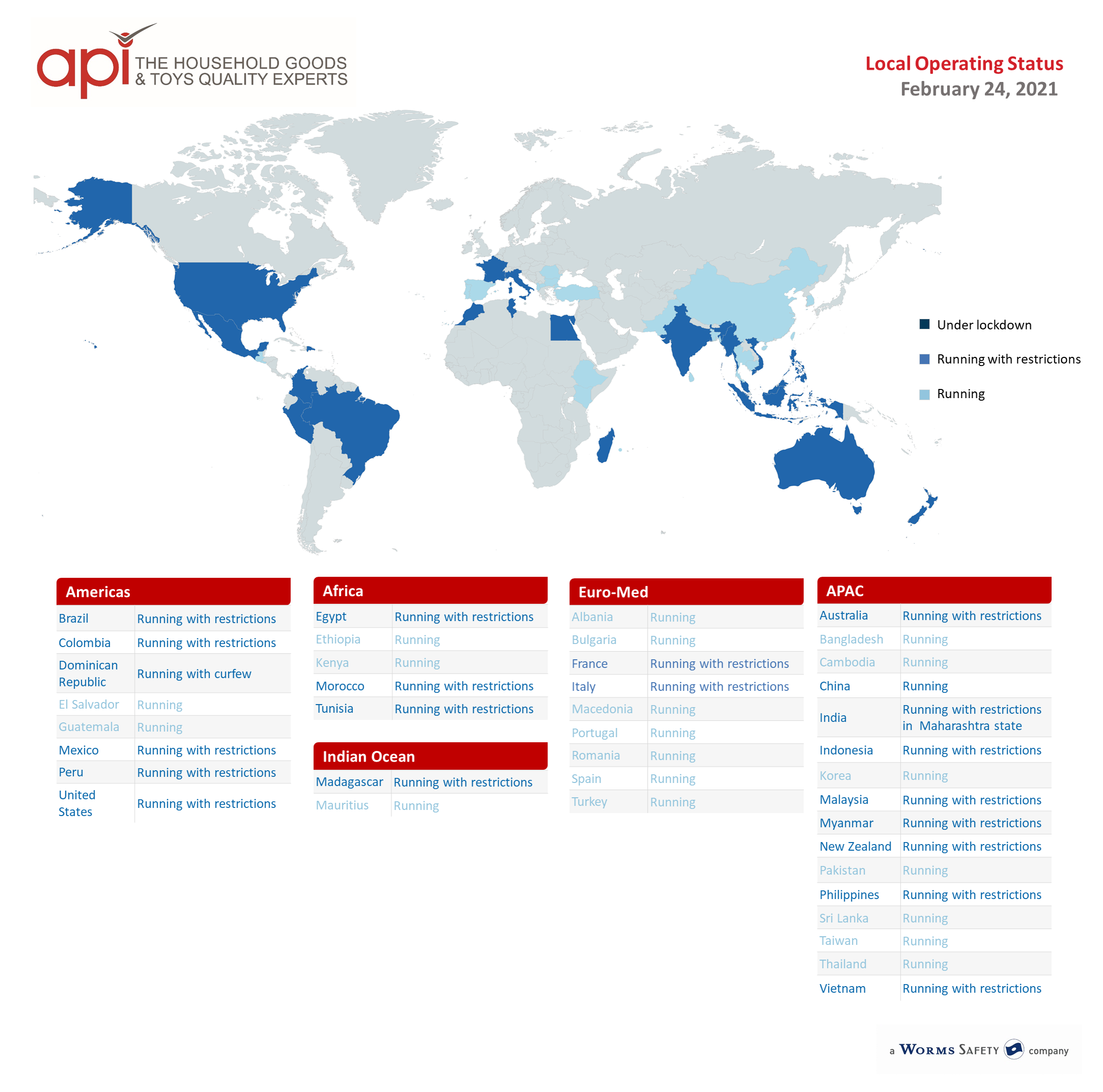
24 de febrero de 2021

24Feb_Operaciones

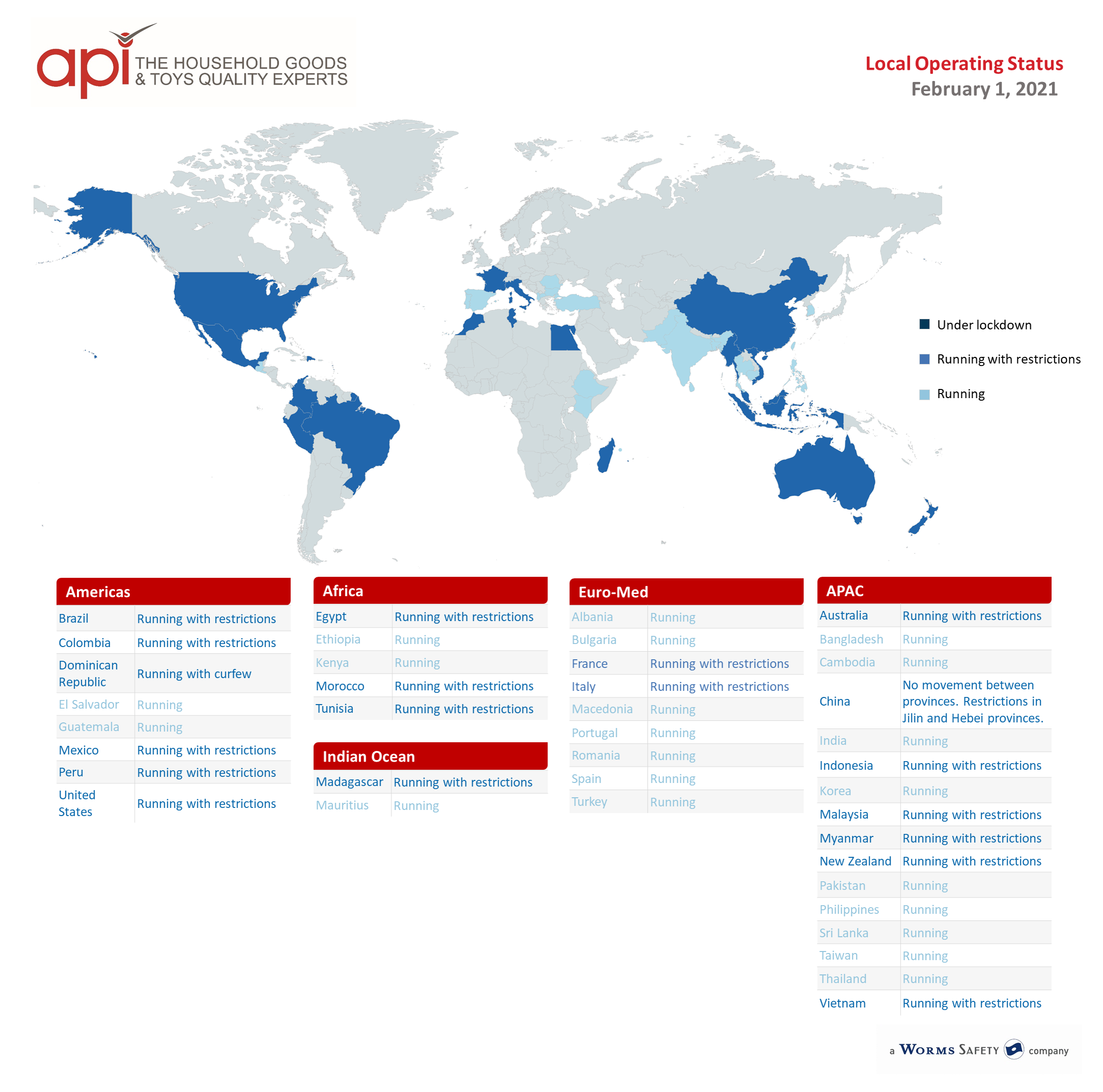
1 de febrero de 2021

01.02.2021_Overview_API

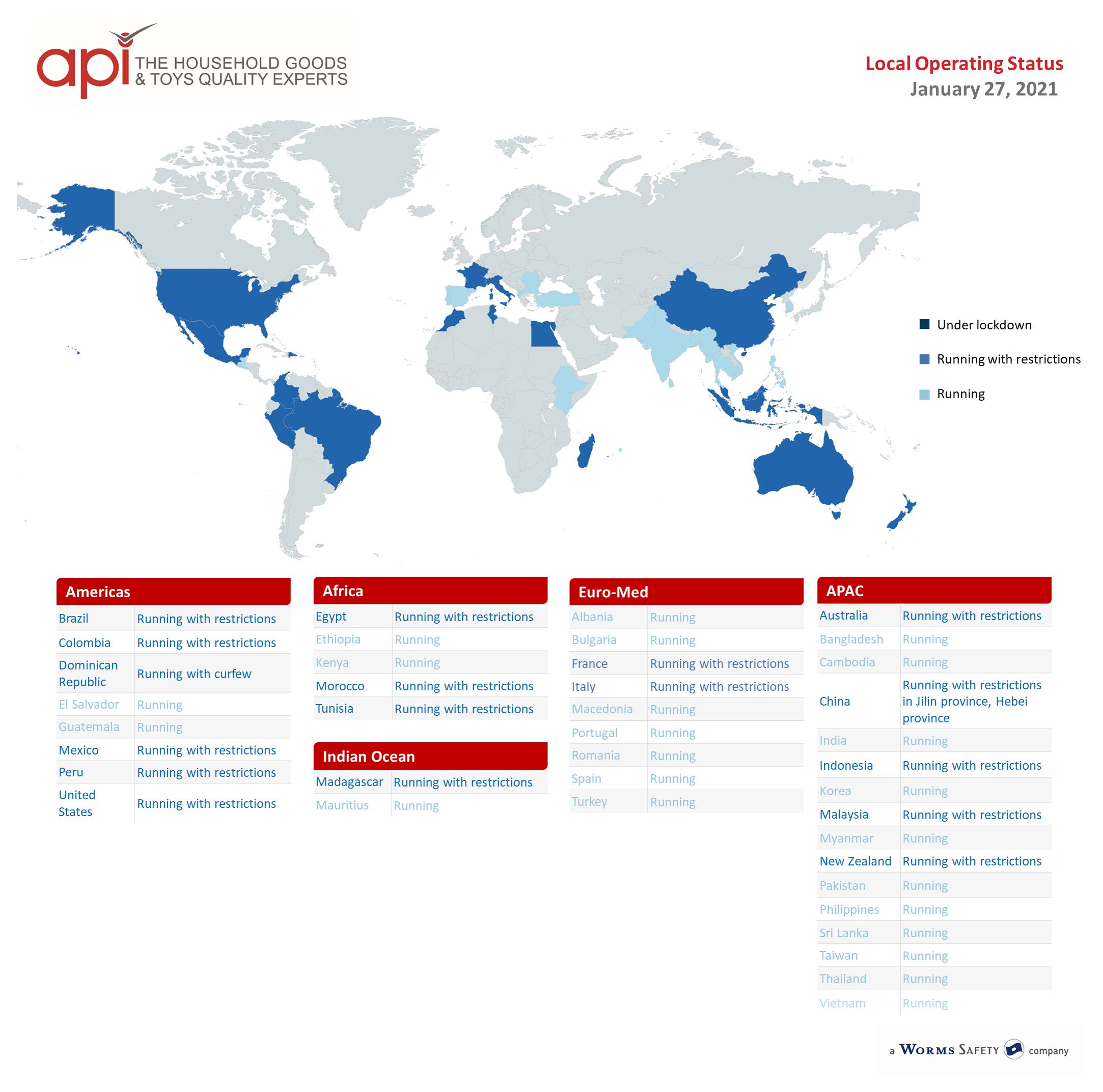
27 de enero de 2020API_27.01.2021_Resumen global

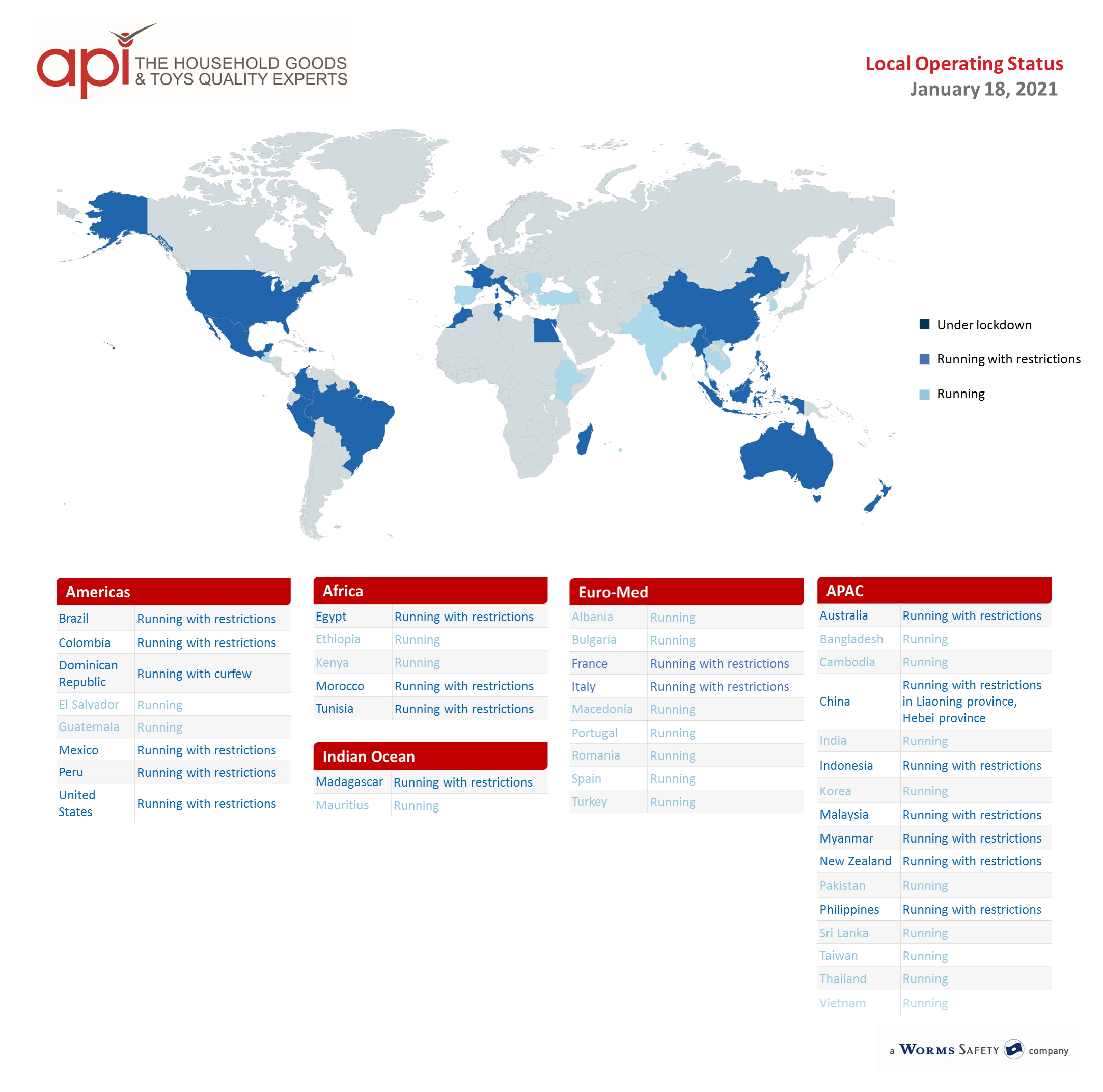
18 de enero de 2020

18_Ene_2021_N

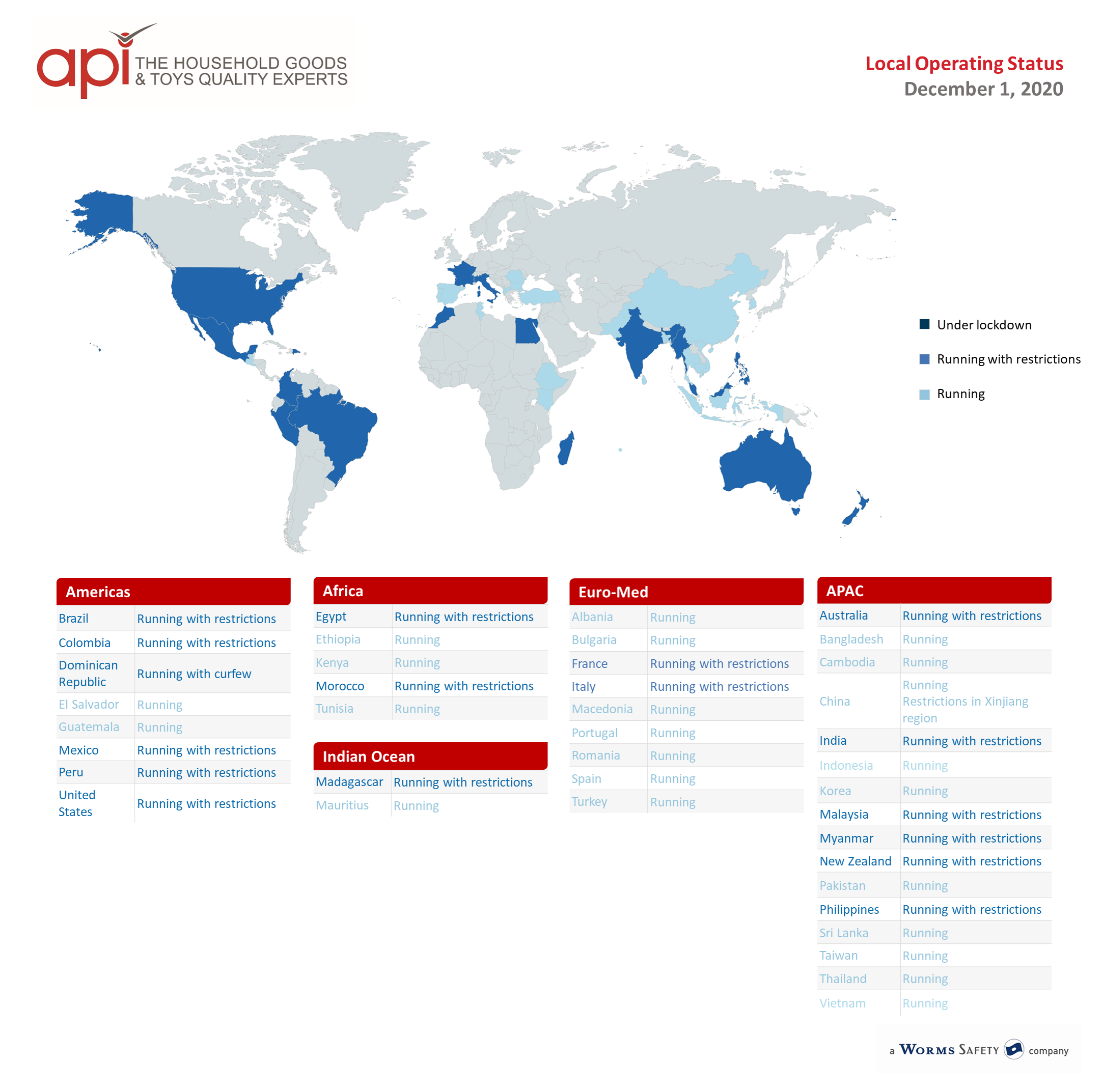
01 de diciembre de 2020

Estado de funcionamiento local_dic 1-1

23 de noviembre de 2020

Situación global por país_Nov 23


16 de noviembre de 2020

Nov 16_Estado global por país

9 de noviembre de 2020

Estado de funcionamiento local_Nov 9_N


2 de noviembre de 2020

Nov 2_global overview


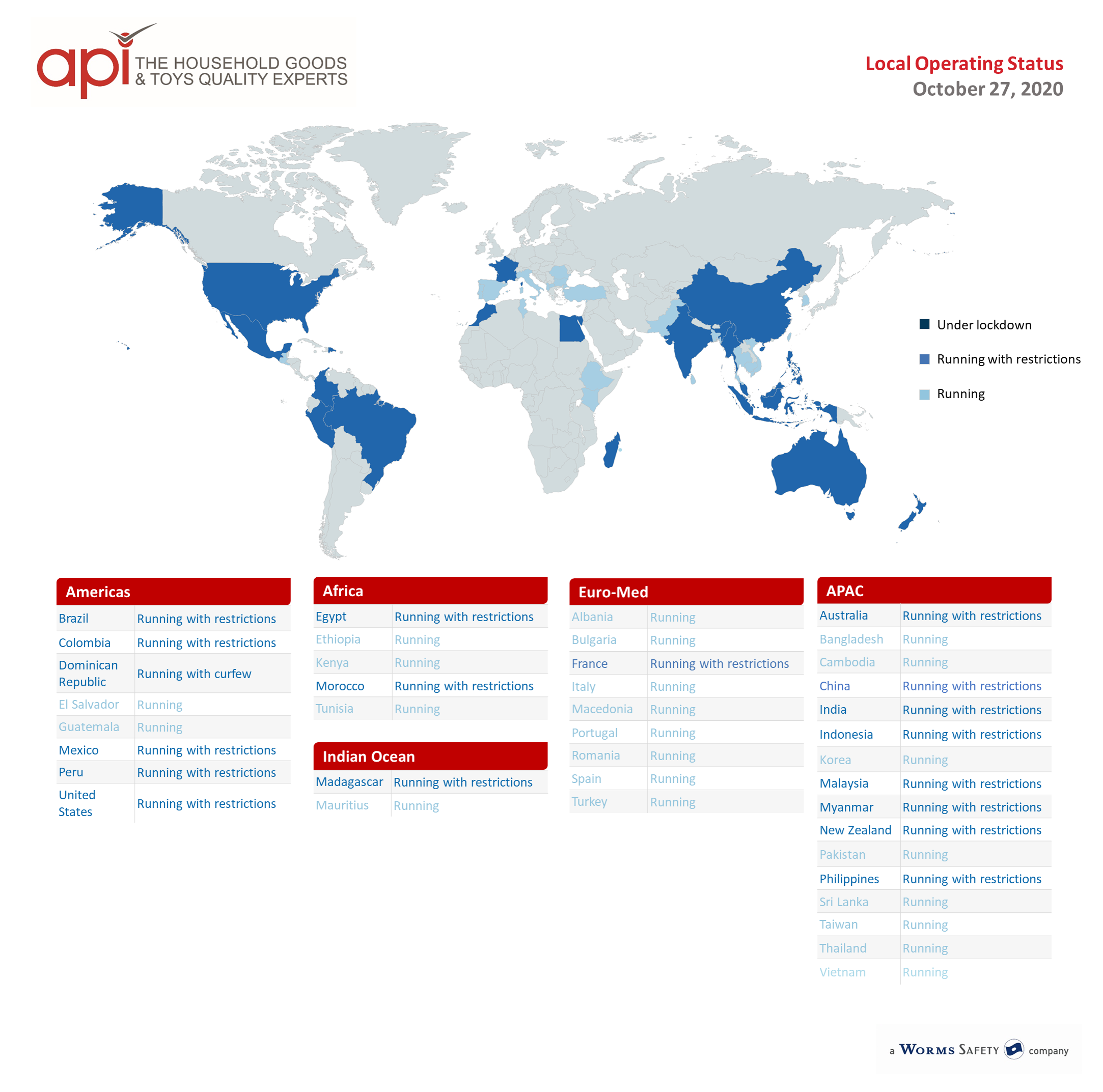
27 de octubre de 2020

Situación global por país_Oct 27

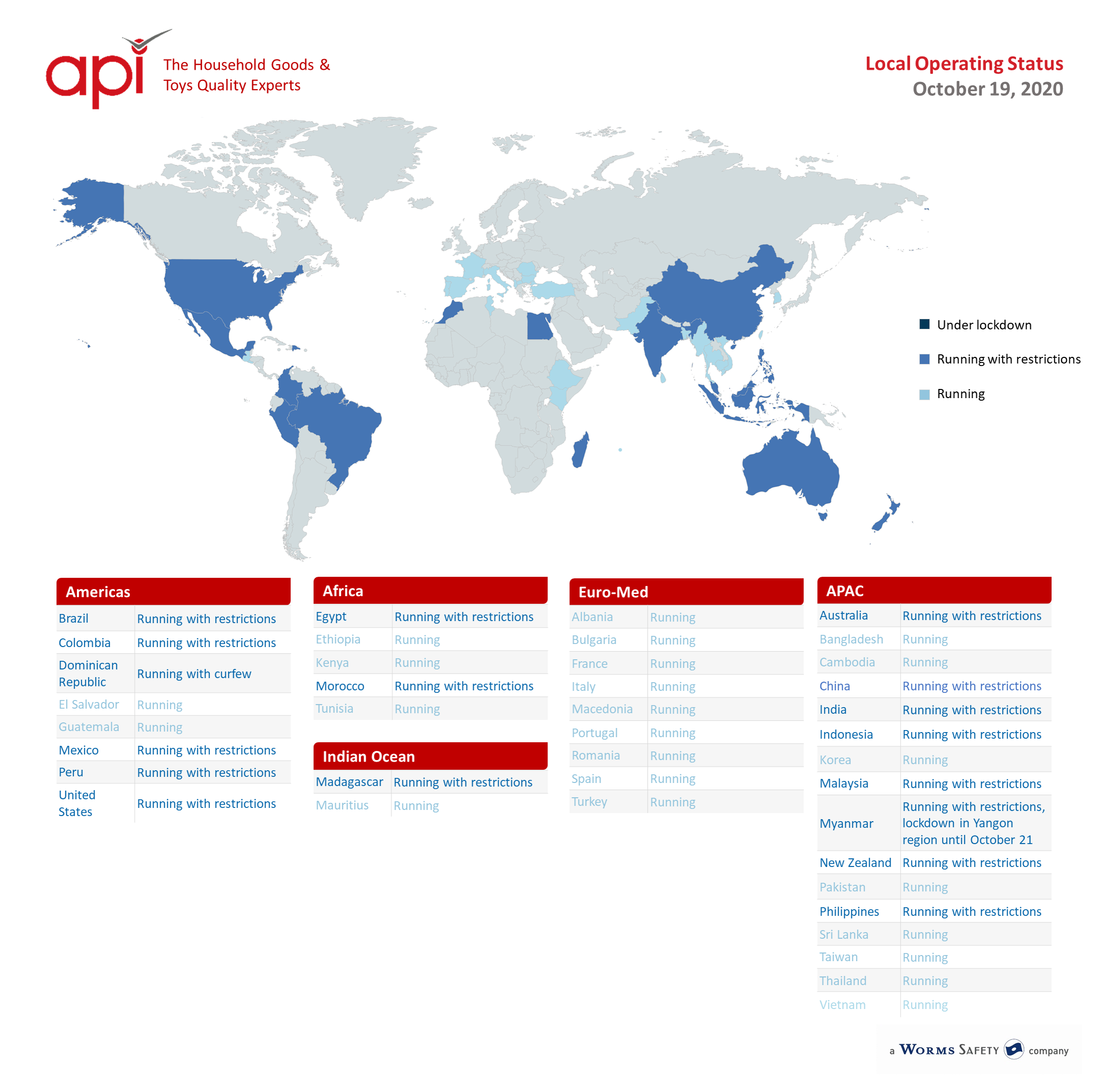
19 de octubre de 2020

Situación global por país_Oct 19


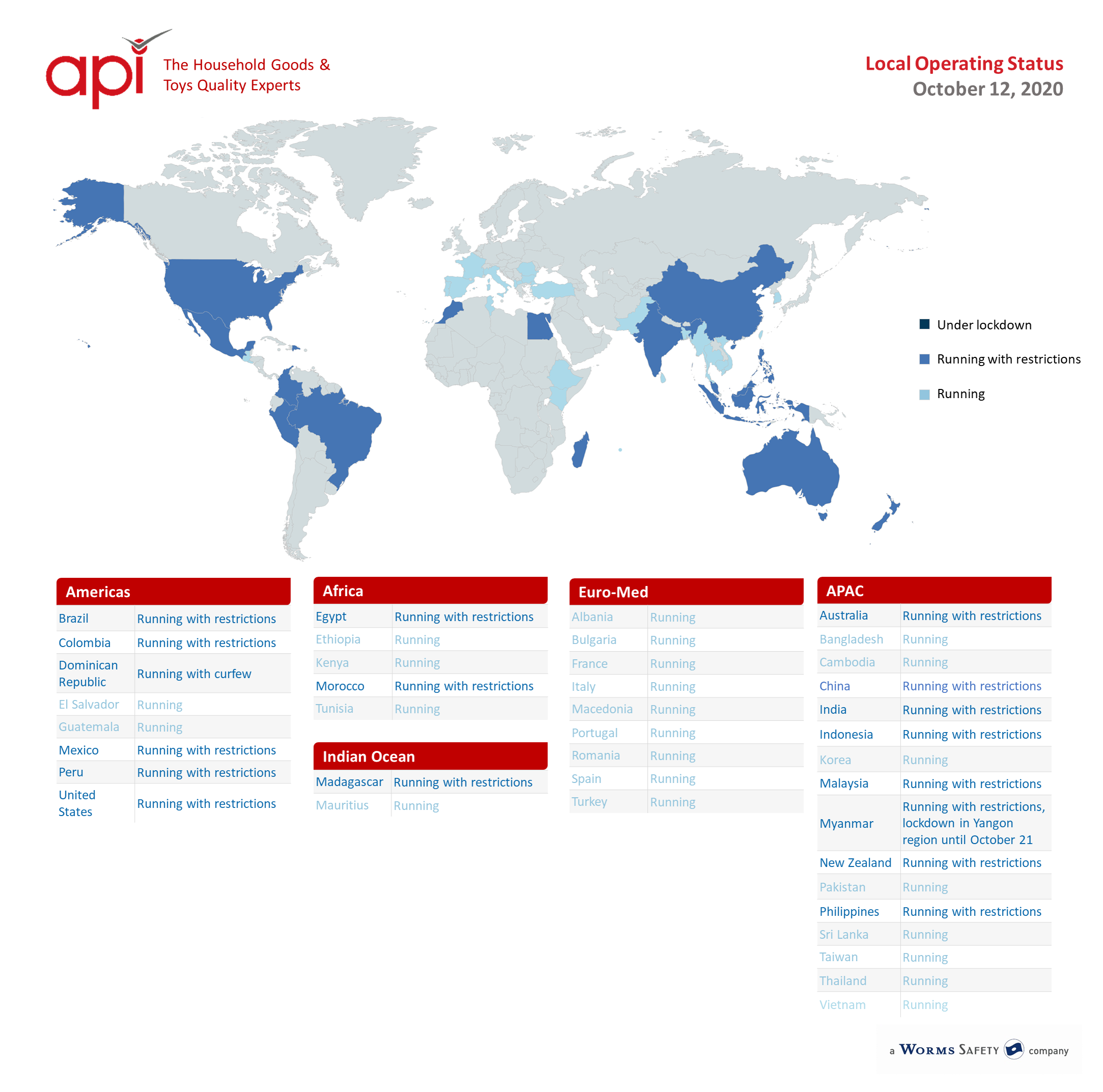
12 de octubre de 2020

Oct 12_Global_API

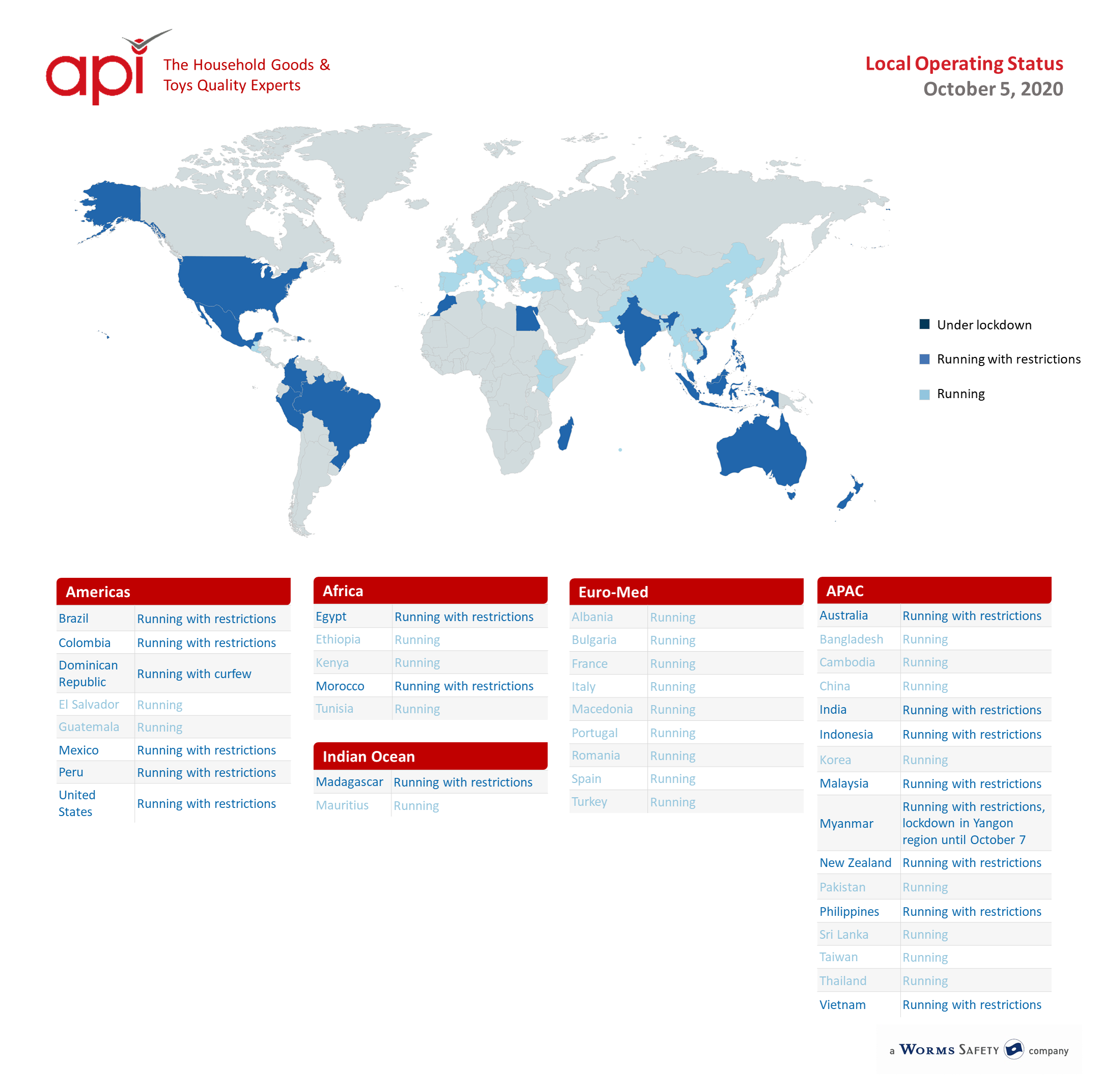
5 de octubre de 2020

5 de octubre_Descripción general


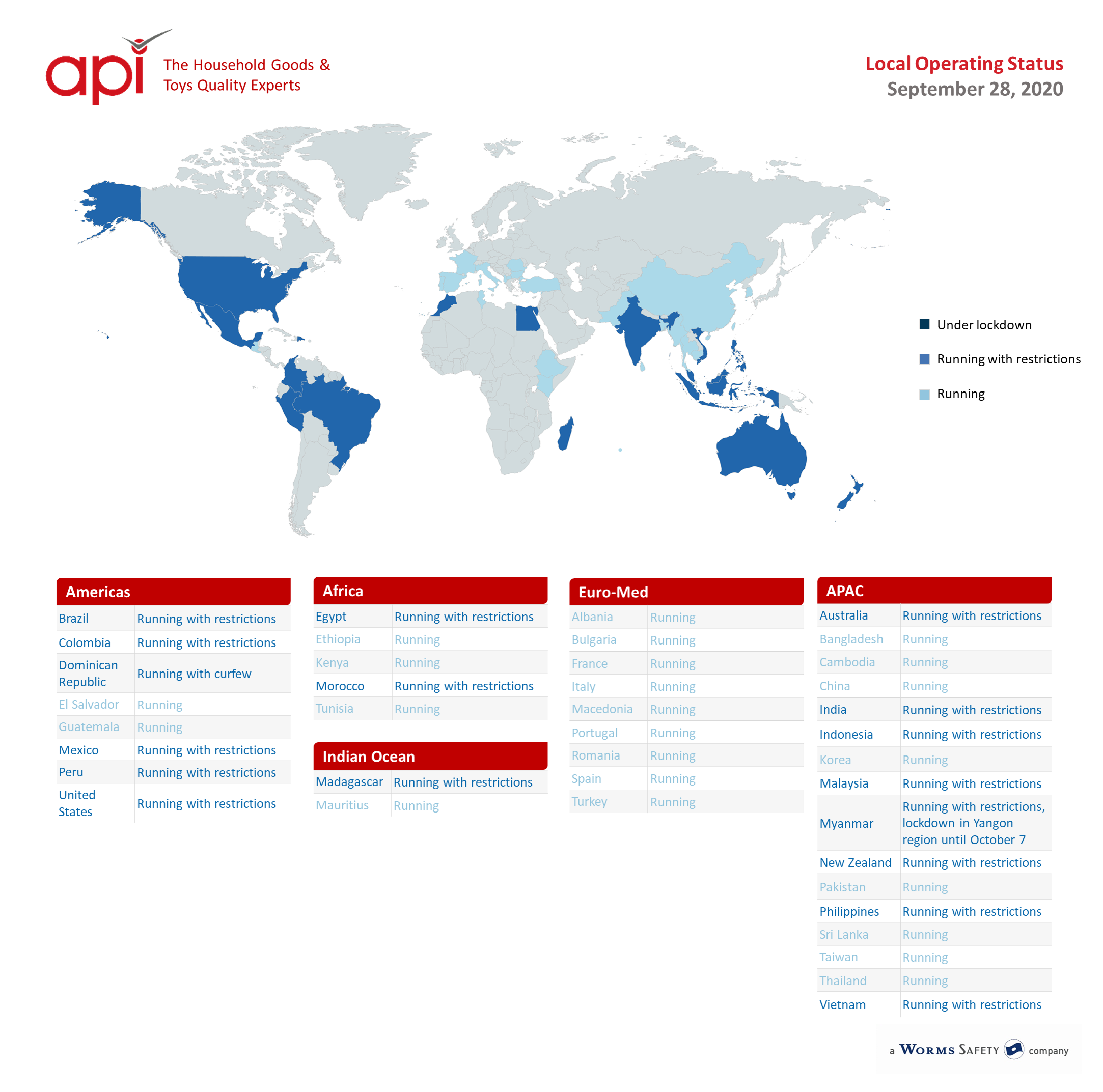
28 de septiembre de 2020

Panorama mundial 28.09.2020


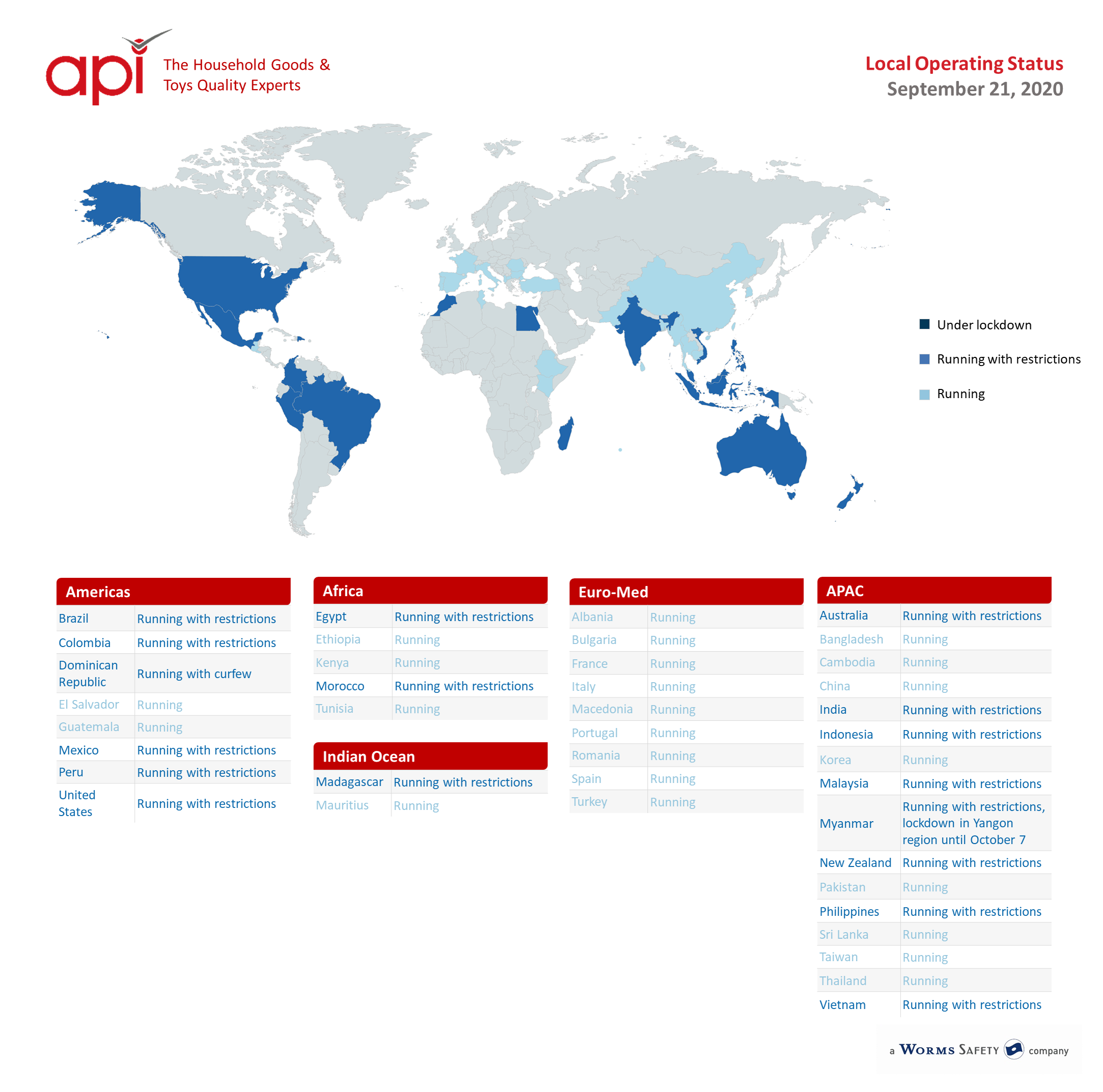
21 de septiembre de 2020

21 Sept_Global


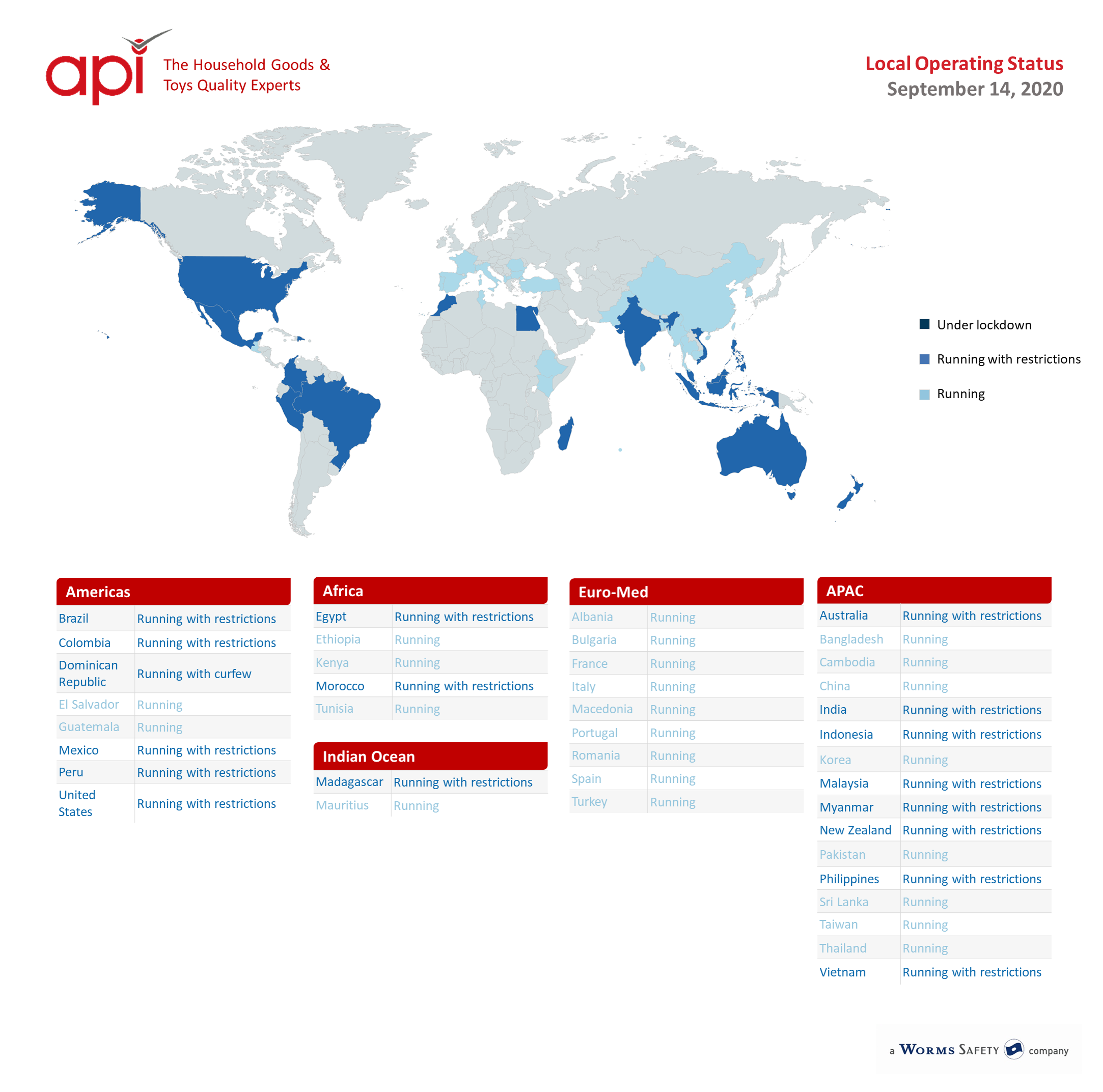
14 de septiembre de 2020

14 de septiembre

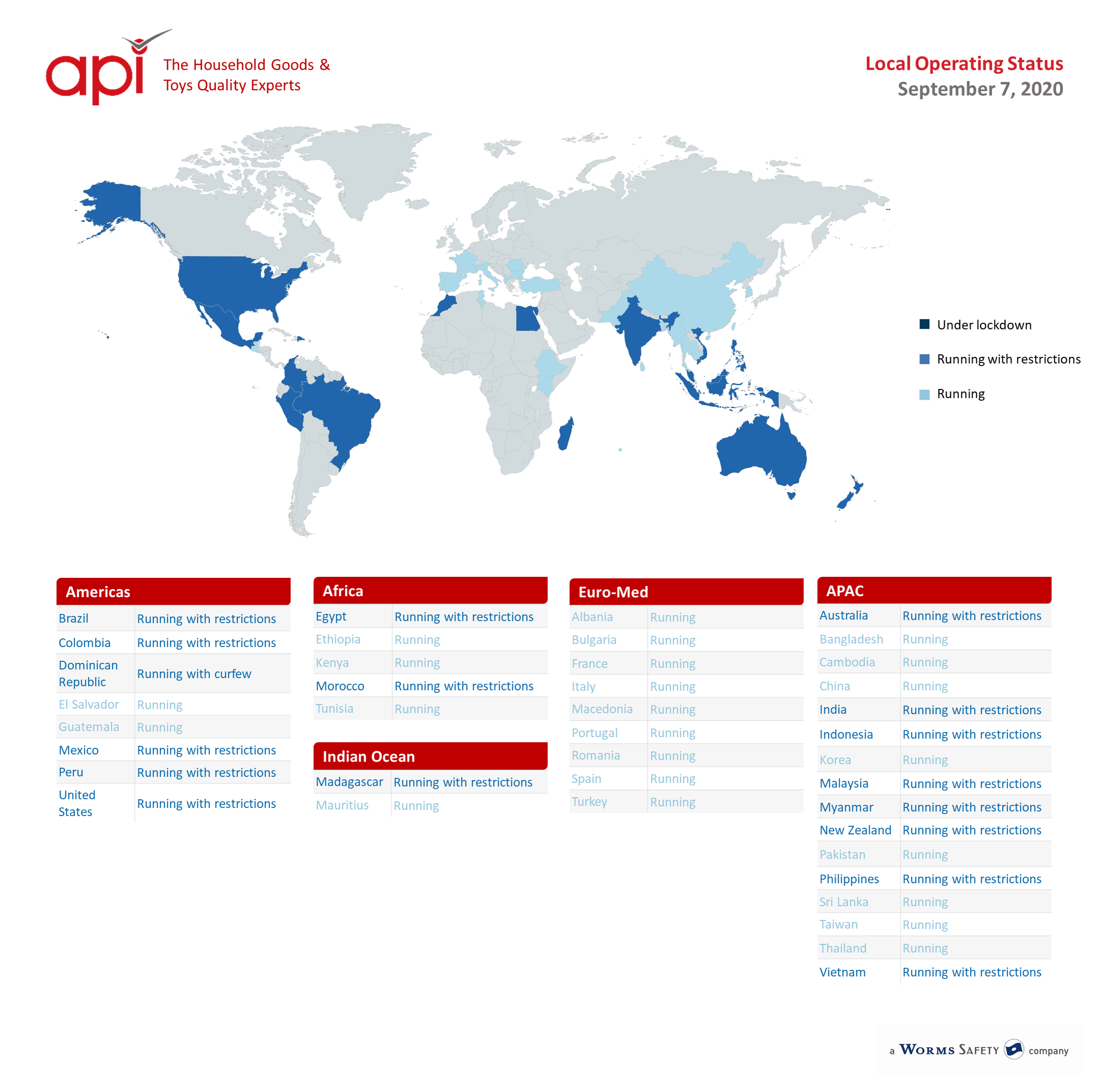
7 de septiembre de 2020

Sept 7_Web_global

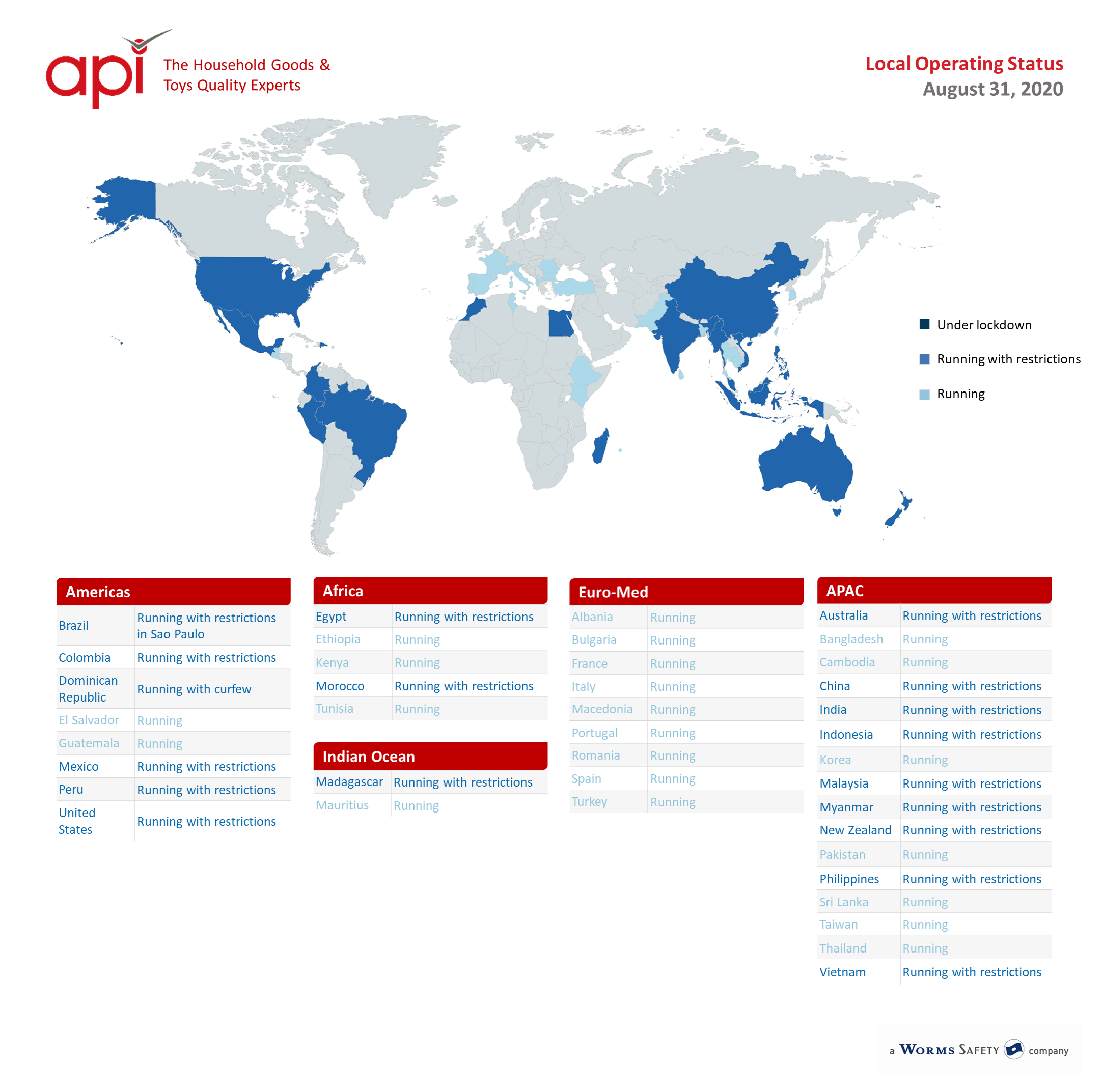
31 de agosto de 2020

31.08.2020_E


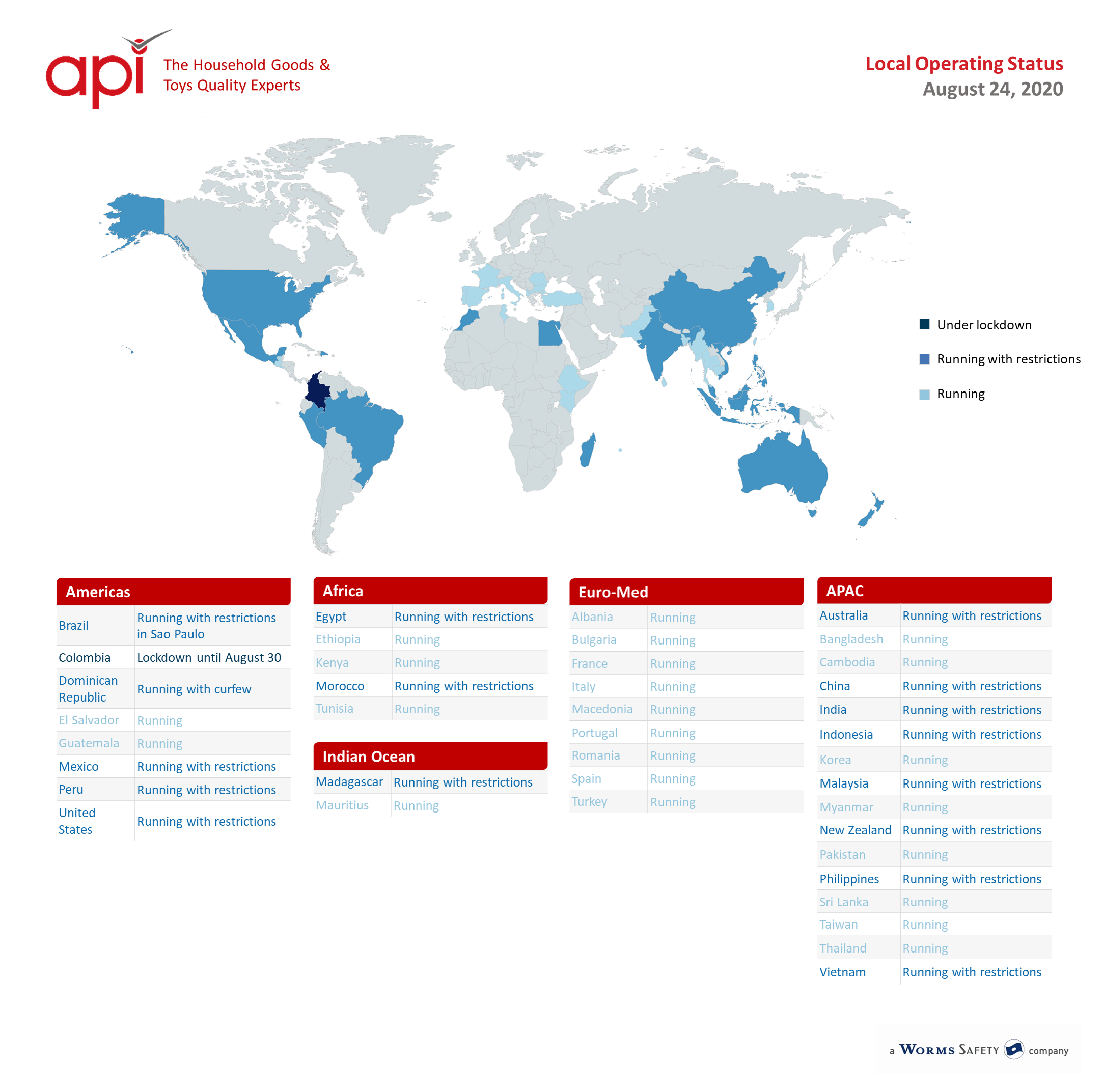
24 de agosto de 2020

24_agosto_análisis

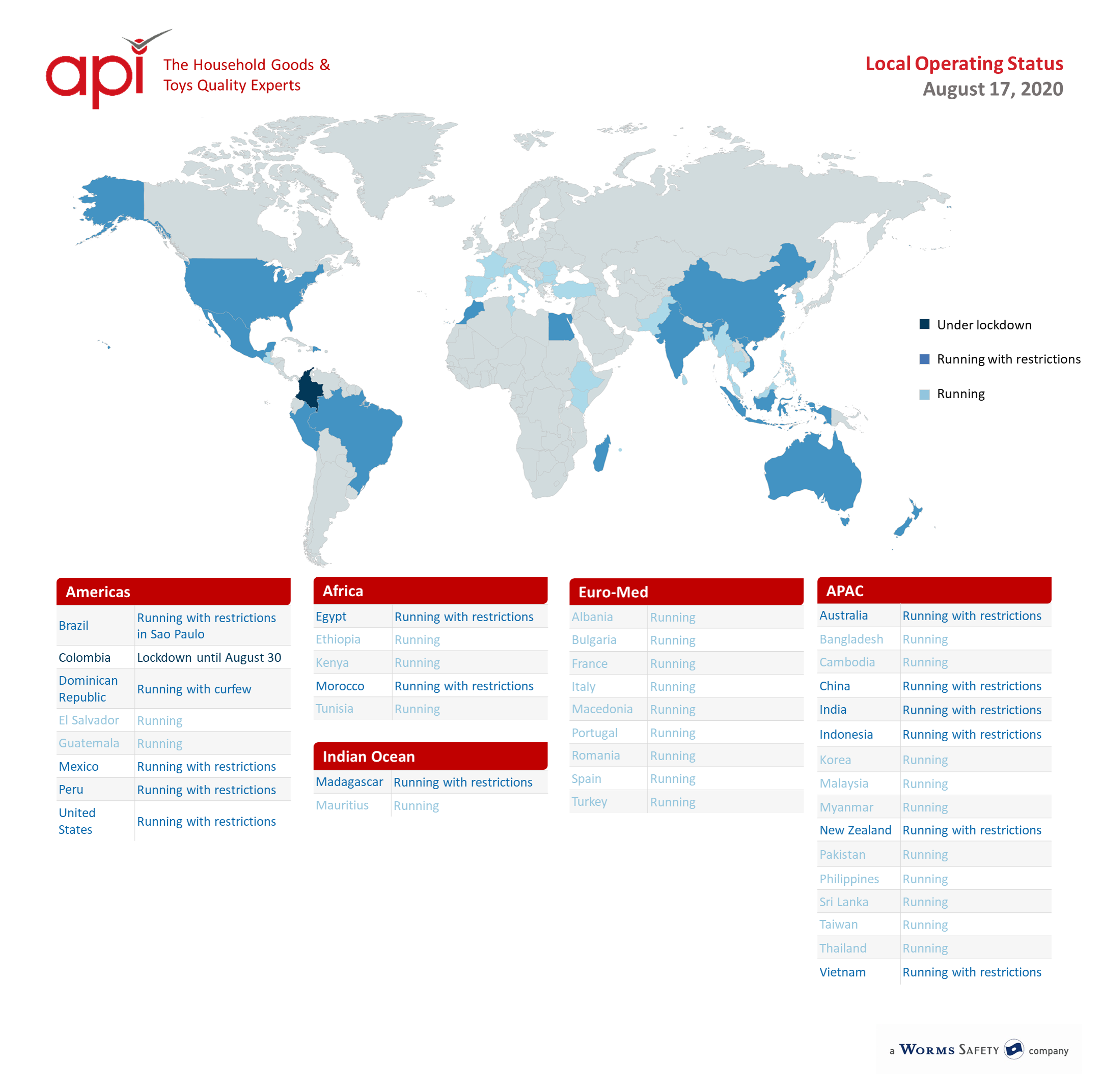
17 de agosto de 2020

Aug_17_Overview

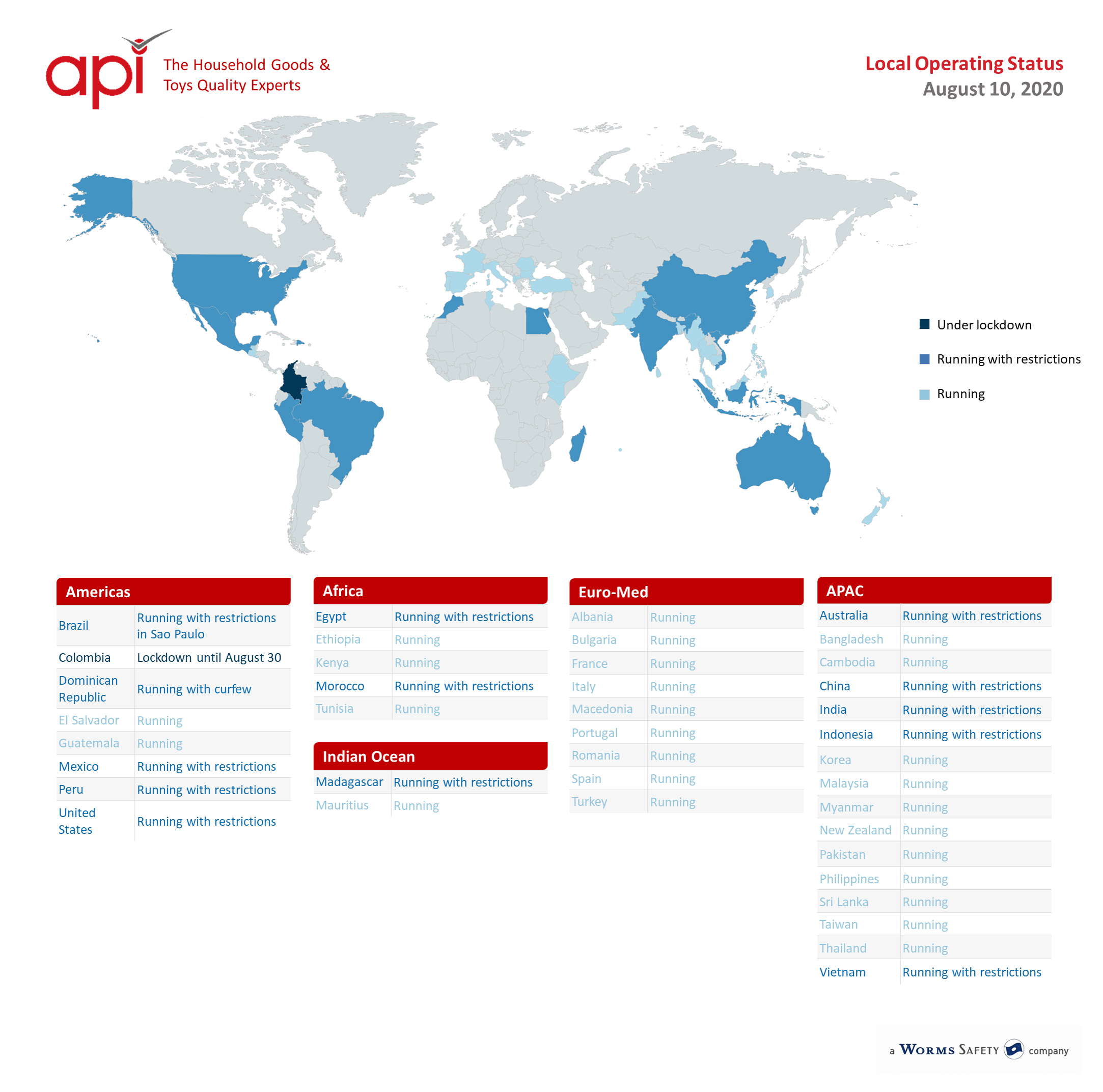
10 de agosto de 2020

Ago 10_Descripción general


3 de agosto de 2020

Aug_3_Overview


Julio 27, 2020

27 de julio_R


Julio 20, 2020

Panorama general_20-1 de julio

13 de julio de 2020

13.07.2020_global overview

6 de julio de 2020

6 de julio

29 de junio de 2020

29.06.2020_Descripción general

22 de junio de 2020

22.06.2020_análisis


15 de junio de 2020

API_15.06.2020_Overview


8 de junio de 2020

Junio 08_2020_API


Ver mapas anteriores: 

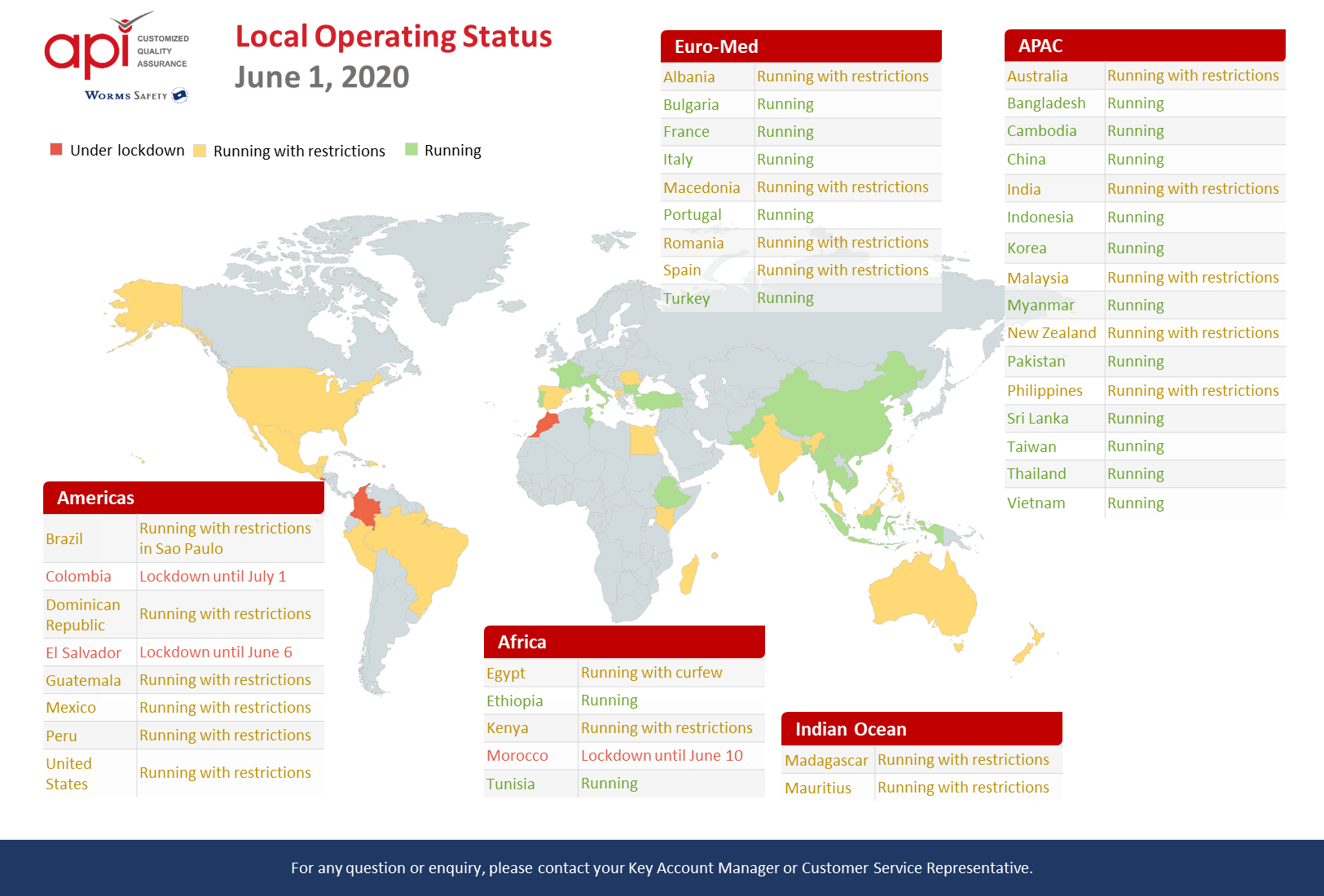
1 de junio de 2020

01.06.2020_Descripción general


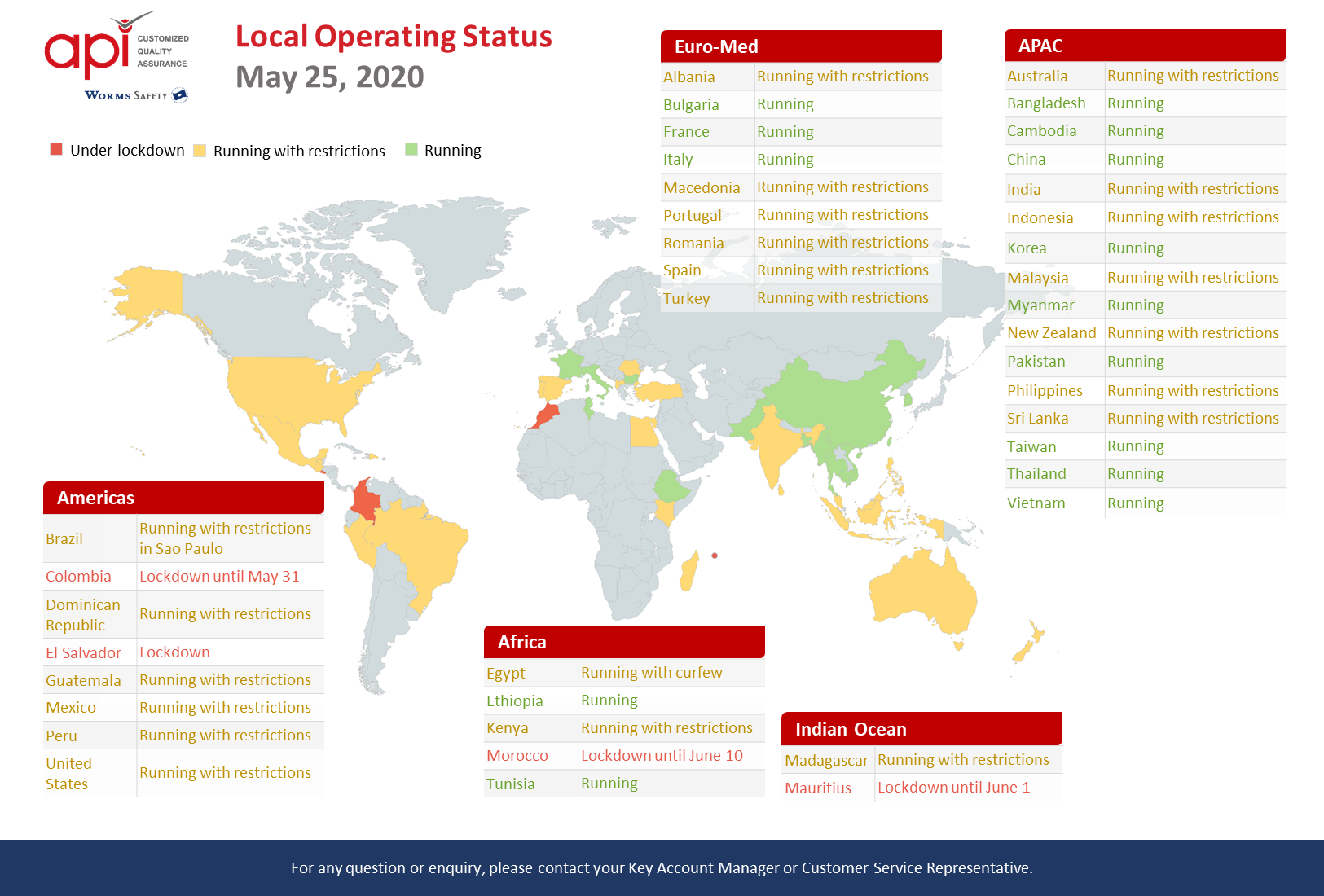
25 de mayo de 2020

Mayo_25


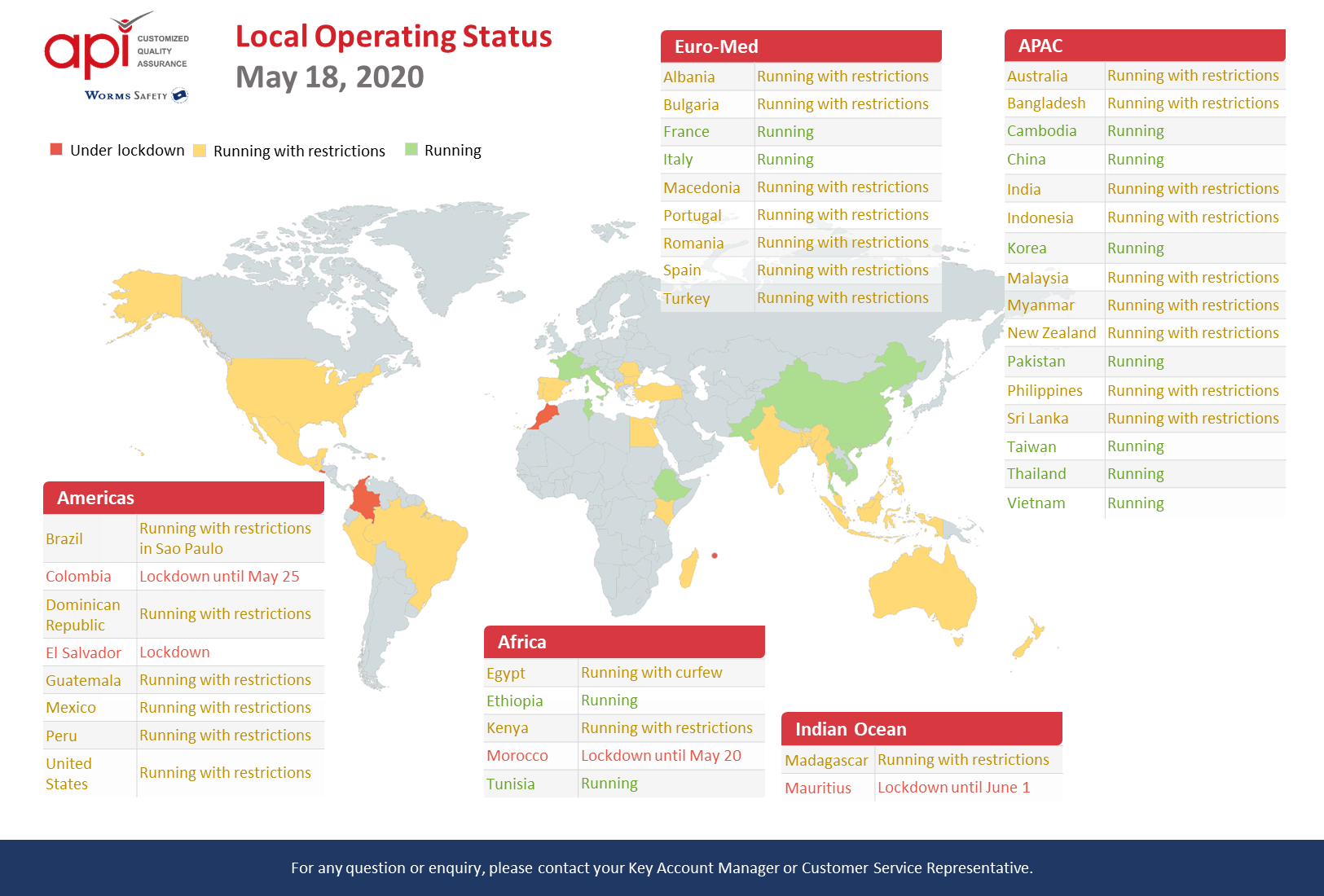
18 de mayo de 2020

18.05.2020_estado por país


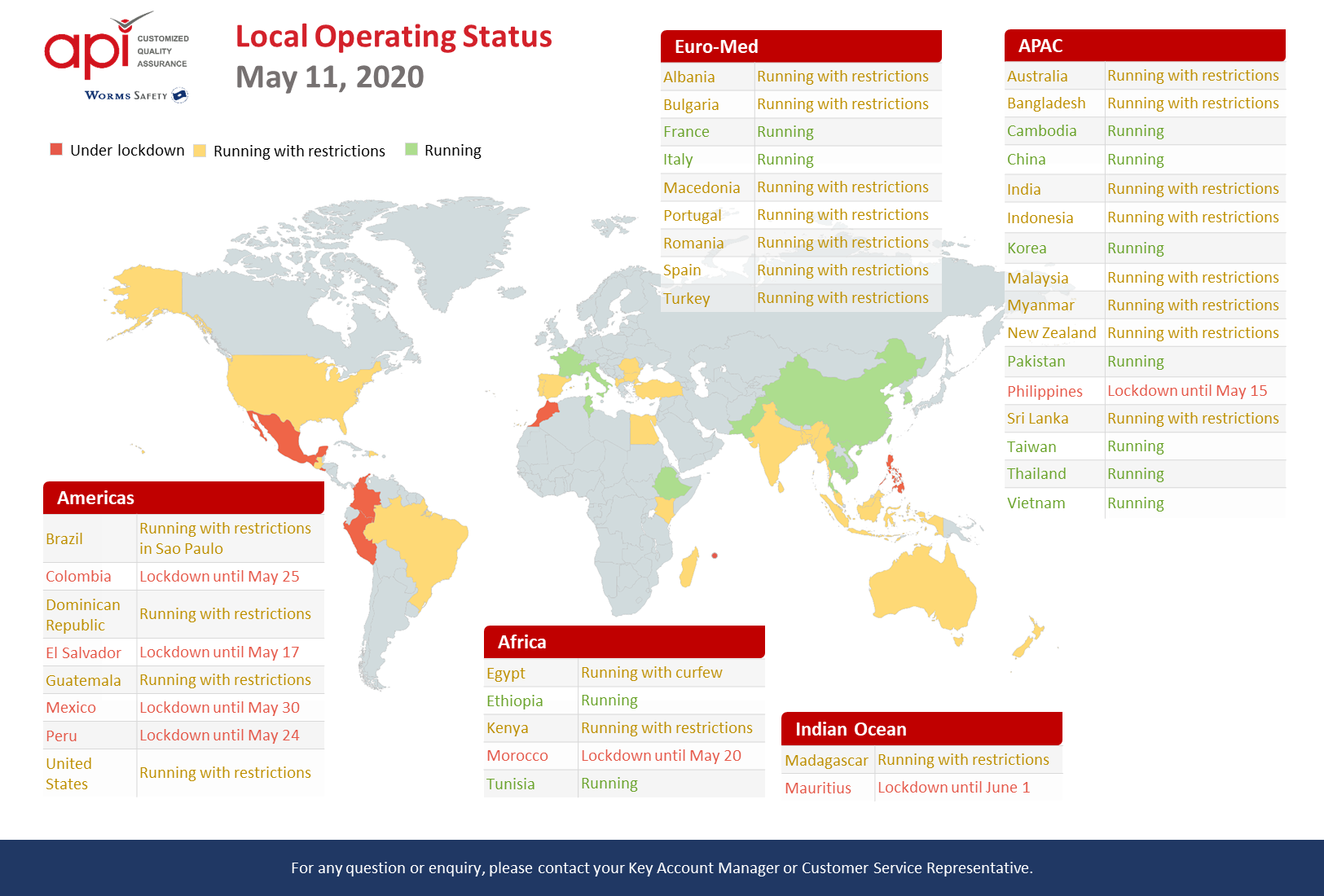
11 de mayo de 2020

11.05.2020_Estado por país_API


4 de mayo de 2020

May_4_2020_Countries Status


27 de abril de 2020

27.04.2020_Estado operativo local


21 de abril de 2020

21.04.2020_Países


15 de abril de 2020

Situación global por países_15 de abril


6 de abril de 2020

API_6_abril_2020


30 de marzo de 2020

API_30.03.2020_overview


Para cualquier pregunta o consulta, póngase en contacto con su gestor de cuentas clave o representante del servicio de atención al cliente.