
Die Aufrechterhaltung der Effizienz Ihrer Lieferkette und der allgemeinen Produktqualität kann durch eine interne Qualitätsprüfungaber die Fragen sind;
- Sind Sie wirklich in der Lage, die Zeit und die Ressourcen aufzubringen, die für eine effektive Messung und Verwaltung Ihrer Systeme erforderlich sind?
- Sind Sie in der Lage, eine objektive Analyse des Zustands Ihrer Systeme durchzuführen?
- Wie sichern Sie damit Ihren Platz auf dem Markt in den Augen Ihrer Kunden?
Wenn Sie die Vor- und Nachteile der Durchführung eines internen Qualitätsaudits bzw. eines Qualitätsaudits durch Dritte kennen, können Sie nicht nur sicherstellen, dass Ihre Produkte die Mindestanforderungen erfüllen, sondern auch, dass sie den höchstmöglichen Qualitätsstandard aufweisen, und gleichzeitig gewährleisten, dass Sie Ihre Produktionsabläufe auf höchste Qualität ausrichten.
Klingt das wie etwas, von dem Ihre Organisation profitieren kann?
Lesen Sie weiter und erfahren Sie, welche Vorteile die Durchführung eines Qualitätsaudits durch eine dritte Partei im Gegensatz zum Einsatz eines internen Qualitätsauditteams bietet.
 Es stellt sich heraus, dass mehr als 200 000 dieser Geräte mussten zurückgerufen werden aufgrund der Nichteinhaltung von Verfahrensvorschriften sowie der Tatsache, dass das Produkt kritische Mängel aufweist, was bedeutet, dass dieses Produkt dem Endverbraucher Schaden zufügen kann.
Ein unabhängiger Qualitätsprüfer wäre in der Lage Ihnen einen unvoreingenommenen Inspektionsbericht zukommen lassenDadurch wird Ihre Marke vor Schäden und Produktrückrufen geschützt, die sehr kostspielig werden können.
Es stellt sich heraus, dass mehr als 200 000 dieser Geräte mussten zurückgerufen werden aufgrund der Nichteinhaltung von Verfahrensvorschriften sowie der Tatsache, dass das Produkt kritische Mängel aufweist, was bedeutet, dass dieses Produkt dem Endverbraucher Schaden zufügen kann.
Ein unabhängiger Qualitätsprüfer wäre in der Lage Ihnen einen unvoreingenommenen Inspektionsbericht zukommen lassenDadurch wird Ihre Marke vor Schäden und Produktrückrufen geschützt, die sehr kostspielig werden können.
 Viele Unternehmen verfügen nicht über die umfangreichen geografischen Netze, die größere Einzelhändler haben.
Daher verbringen Ihre internen Mitarbeiter viel Zeit mit Reisen für Qualitätskontrollen und haben nicht genug Zeit, sich auf die Qualität eines Produkts zu konzentrieren. Dadurch verlangsamen sich oft die Produktionsprozesse, und die Zeit bis zur Markteinführung wird länger.
Nehmen wir das Beispiel des Fidget Spinners: Wie groß ist die Wahrscheinlichkeit, dass Ihr internes Team von der Nichtkonformität erfährt, bevor das Produkt auf den Markt kommt?
Denken Sie darüber nach.
Ein Vorfall wie der oben beschriebene setzt Ihre Marke einem unnötigen Risiko aus, das zu schlechter Publicity und erheblichen Umsatzeinbußen führen kann.
Dose Kann sich Ihre Organisation das leisten?
Viele Unternehmen verfügen nicht über die umfangreichen geografischen Netze, die größere Einzelhändler haben.
Daher verbringen Ihre internen Mitarbeiter viel Zeit mit Reisen für Qualitätskontrollen und haben nicht genug Zeit, sich auf die Qualität eines Produkts zu konzentrieren. Dadurch verlangsamen sich oft die Produktionsprozesse, und die Zeit bis zur Markteinführung wird länger.
Nehmen wir das Beispiel des Fidget Spinners: Wie groß ist die Wahrscheinlichkeit, dass Ihr internes Team von der Nichtkonformität erfährt, bevor das Produkt auf den Markt kommt?
Denken Sie darüber nach.
Ein Vorfall wie der oben beschriebene setzt Ihre Marke einem unnötigen Risiko aus, das zu schlechter Publicity und erheblichen Umsatzeinbußen führen kann.
Dose Kann sich Ihre Organisation das leisten?
 Einige Prüfgeräte sind möglicherweise nur für ein bestimmtes Produkt geeignet, oder die Prüfverfahren werden aktualisiert, um den jüngsten Änderungen der Vorschriften Rechnung zu tragen.
Oft sind externe Anbieter in der Lage, technische Lösungen auf der Grundlage der oben genannten Spezifikationen anzubieten, zusammen mit Teams, die sich mit den neuen Prüfverfahren gut auskennen.
Externe Anbieter schicken ihre Inspektoren oft zu Schulungen, damit sie sich mit neuen Geräten und Prüfverfahren vertraut machen können, um sicherzustellen, dass eine qualitativ hochwertige Dienstleistung mit einer minimalen Rückrufquote angeboten wird.
Für externe Qualitätsdienstleister ist es von vorrangiger Bedeutung, über die neuesten Trends und Entwicklungen in Ihrer Branche auf dem Laufenden zu sein und die besten Verfahren zu kennen, die Sie befolgen sollten.
Diese Art von Wissen und Erfahrung kann zu Ihrem Wettbewerbsvorteil genutzt werden.
Einige Prüfgeräte sind möglicherweise nur für ein bestimmtes Produkt geeignet, oder die Prüfverfahren werden aktualisiert, um den jüngsten Änderungen der Vorschriften Rechnung zu tragen.
Oft sind externe Anbieter in der Lage, technische Lösungen auf der Grundlage der oben genannten Spezifikationen anzubieten, zusammen mit Teams, die sich mit den neuen Prüfverfahren gut auskennen.
Externe Anbieter schicken ihre Inspektoren oft zu Schulungen, damit sie sich mit neuen Geräten und Prüfverfahren vertraut machen können, um sicherzustellen, dass eine qualitativ hochwertige Dienstleistung mit einer minimalen Rückrufquote angeboten wird.
Für externe Qualitätsdienstleister ist es von vorrangiger Bedeutung, über die neuesten Trends und Entwicklungen in Ihrer Branche auf dem Laufenden zu sein und die besten Verfahren zu kennen, die Sie befolgen sollten.
Diese Art von Wissen und Erfahrung kann zu Ihrem Wettbewerbsvorteil genutzt werden.
 Ihr Produkt.
Wenn Sie all dies zusammenzählen, werden Sie feststellen, dass die Gewinnspannen höher sind und dass Sie in der Lage sind, Angebot und Nachfrage Ihrer Produkte zu befriedigen, was Ihnen den gewünschten Wettbewerbsvorteil verschafft.
Werfen wir einen kurzen Blick auf die Lösung Technical Compliance File;
Dies ist eine Compliance-Lösung, die Ihnen einen zuverlässigen und genauen Einblick in Ihre Compliance-Prozesse ermöglicht.
Sie wird über eine webbasierte Plattform angeboten und ist eine eine zentrale Anlaufstelle für alle Ihre Compliance-Dokumentemit Echtzeit-Updates und 24/7-Zugang und Einblick.
Diese Art von Technologie ermöglicht Ihrer Organisation mehr Fokus, Kontrolle und Einblick.
Ihr Produkt.
Wenn Sie all dies zusammenzählen, werden Sie feststellen, dass die Gewinnspannen höher sind und dass Sie in der Lage sind, Angebot und Nachfrage Ihrer Produkte zu befriedigen, was Ihnen den gewünschten Wettbewerbsvorteil verschafft.
Werfen wir einen kurzen Blick auf die Lösung Technical Compliance File;
Dies ist eine Compliance-Lösung, die Ihnen einen zuverlässigen und genauen Einblick in Ihre Compliance-Prozesse ermöglicht.
Sie wird über eine webbasierte Plattform angeboten und ist eine eine zentrale Anlaufstelle für alle Ihre Compliance-Dokumentemit Echtzeit-Updates und 24/7-Zugang und Einblick.
Diese Art von Technologie ermöglicht Ihrer Organisation mehr Fokus, Kontrolle und Einblick.
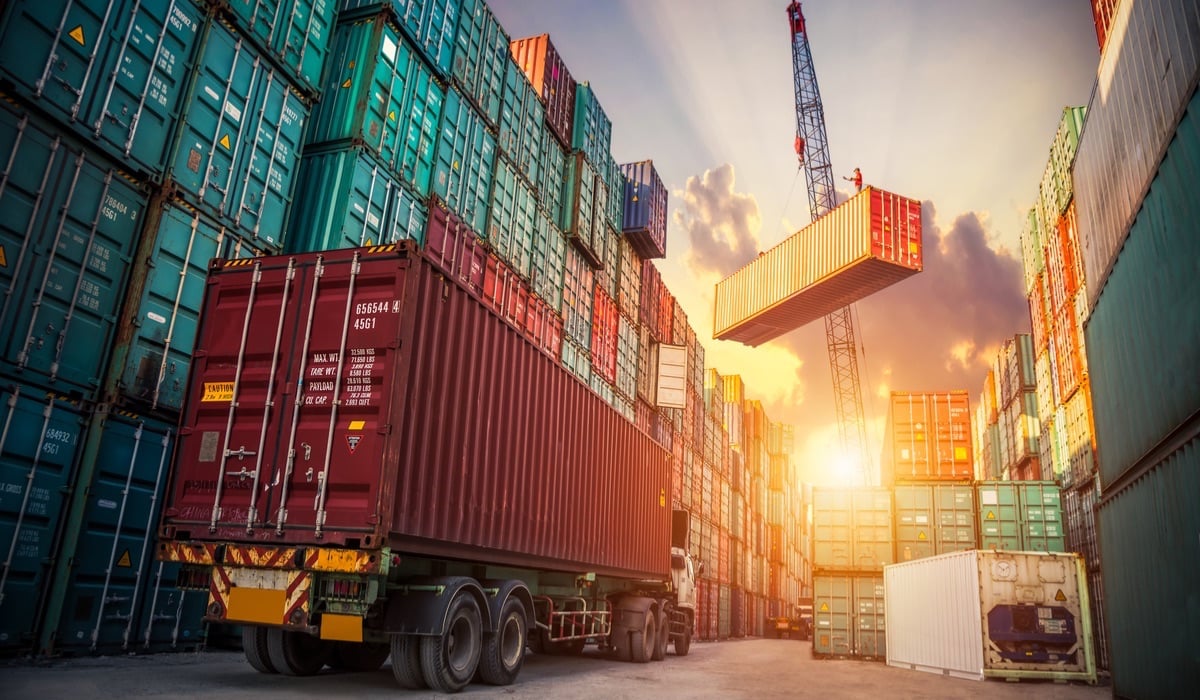 Inspektionsberichte sind für die Freigabe von Sendungen durch den Zoll unerlässlich. Es ist Sache des Einzelhändlers und Ihres Qualitätsanbieters, eine Richtlinie für die Bewertung der Berichte aufzustellen.
Diese Richtlinie für die Berichtsbewertung bildet eine Grundlage für die Automatisierung, die den Umfang der manuellen Änderungen nach der Überprüfung der Berichte verringert. Die manuelle Überprüfung dieser Berichte verlangsamt die automatischen Versandprozesse immens und der gesamte Prozess wird weniger sinnvoll.
Ein externer Qualitätsanbieter ist in der Lage, Sie mit Branchenkenntnissen und bewährten Verfahren in Bezug auf Ratingberichte zu versorgen. Außerdem können Sie Ihre Rating-Berichte an die Anforderungen Ihres Produkts anpassen.
Sobald der Ratingbericht erstellt ist, kann Ihr Qualitätsdienstleister seine technischen Systeme nutzen, um tägliche Berichte sowohl an den Kunden als auch an das von Ihnen gewählte Frachtunternehmen zu senden. Dadurch wird der Freigabeprozess sowohl für Sie als auch für das Transportunternehmen wesentlich klarer und schneller.
Der Berg an Papierkram - von Einfuhrlizenzen bis hin zu vollständigen Inspektionsberichten - ist für sie kein Problem mehr, so dass sie einen rationalisierten, effizienten Prozess für Ihr Unternehmen ermöglichen.
Inspektionsberichte sind für die Freigabe von Sendungen durch den Zoll unerlässlich. Es ist Sache des Einzelhändlers und Ihres Qualitätsanbieters, eine Richtlinie für die Bewertung der Berichte aufzustellen.
Diese Richtlinie für die Berichtsbewertung bildet eine Grundlage für die Automatisierung, die den Umfang der manuellen Änderungen nach der Überprüfung der Berichte verringert. Die manuelle Überprüfung dieser Berichte verlangsamt die automatischen Versandprozesse immens und der gesamte Prozess wird weniger sinnvoll.
Ein externer Qualitätsanbieter ist in der Lage, Sie mit Branchenkenntnissen und bewährten Verfahren in Bezug auf Ratingberichte zu versorgen. Außerdem können Sie Ihre Rating-Berichte an die Anforderungen Ihres Produkts anpassen.
Sobald der Ratingbericht erstellt ist, kann Ihr Qualitätsdienstleister seine technischen Systeme nutzen, um tägliche Berichte sowohl an den Kunden als auch an das von Ihnen gewählte Frachtunternehmen zu senden. Dadurch wird der Freigabeprozess sowohl für Sie als auch für das Transportunternehmen wesentlich klarer und schneller.
Der Berg an Papierkram - von Einfuhrlizenzen bis hin zu vollständigen Inspektionsberichten - ist für sie kein Problem mehr, so dass sie einen rationalisierten, effizienten Prozess für Ihr Unternehmen ermöglichen.
 Dies ist häufig darauf zurückzuführen, dass die internen Qualitätskontrollteams viel reisen müssen, was bedeutet, dass sie nicht genug Zeit haben, um die Genehmigungen zu erteilen, die für eine rechtzeitige Freigabe der Sendungen erforderlich sind.
Ich will mich nicht wiederholen, aber ein internes Team, das die mit dem Versand verbundene Logistik bewältigen kann, wäre zweifellos ein Traum, aber um sicher durch den Zoll zu kommen, muss man in all den anderen oben genannten Punkten effizient sein.
Interne Teams, die nicht über genügend Zeit, Ressourcen und technisches Fachwissen verfügen, werden es schwer haben, mit Problemen fertig zu werden, die andernfalls hätten vermieden werden können.
Also, so sieht es aus...
Das Qualitätsmanagement ist ein komplexes System, das 100% Ihrer Aufmerksamkeit und Konzentration erfordert.
Sind Sie in der Lage, diese Art von Zeit und Ressourcen zu investieren, um genau das zu gewährleisten?
Das ist eine Frage, die viele nicht beantworten wollen, aber die Realität ist, dass Sie sich die Zeit und die Ressourcen nicht leisten können, die nötig sind, um ein vollständig optimiertes Qualitätssystem zu schaffen, das qualitativ hochwertige Produkte für Ihre Marke pünktlich produziert.
Und was dann?
Es könnte sich lohnen, einen externen Qualitätsdienstleister zu beauftragen, der Ihnen die Zeit und die Ressourcen zur Verfügung stellt, die Sie für die Rationalisierung Ihrer Lieferkettenabläufe benötigen.
Ein externer Qualitätsdienstleister kann Ihnen Folgendes bieten;
* Die neuesten Produktvorschriften
* Technisches Fachwissen
* Er verfügt über die geeignete Technologie, um Ihre Abläufe zu optimieren
* Sie verfügen über das Know-how, wie Sie die internationale Logistik für Ihre Marke meistern können.
So können Sie sich auf das konzentrieren, worin Sie gut sind: die Herstellung hochwertiger Produkte und die Schaffung eines weltweit wettbewerbsfähigen Vertrauensverhältnisses zu Ihren Kunden.
Haben Sie Erfahrung in der Zusammenarbeit mit Qualitätskontrolldiensten von Dritten?
Dies ist häufig darauf zurückzuführen, dass die internen Qualitätskontrollteams viel reisen müssen, was bedeutet, dass sie nicht genug Zeit haben, um die Genehmigungen zu erteilen, die für eine rechtzeitige Freigabe der Sendungen erforderlich sind.
Ich will mich nicht wiederholen, aber ein internes Team, das die mit dem Versand verbundene Logistik bewältigen kann, wäre zweifellos ein Traum, aber um sicher durch den Zoll zu kommen, muss man in all den anderen oben genannten Punkten effizient sein.
Interne Teams, die nicht über genügend Zeit, Ressourcen und technisches Fachwissen verfügen, werden es schwer haben, mit Problemen fertig zu werden, die andernfalls hätten vermieden werden können.
Also, so sieht es aus...
Das Qualitätsmanagement ist ein komplexes System, das 100% Ihrer Aufmerksamkeit und Konzentration erfordert.
Sind Sie in der Lage, diese Art von Zeit und Ressourcen zu investieren, um genau das zu gewährleisten?
Das ist eine Frage, die viele nicht beantworten wollen, aber die Realität ist, dass Sie sich die Zeit und die Ressourcen nicht leisten können, die nötig sind, um ein vollständig optimiertes Qualitätssystem zu schaffen, das qualitativ hochwertige Produkte für Ihre Marke pünktlich produziert.
Und was dann?
Es könnte sich lohnen, einen externen Qualitätsdienstleister zu beauftragen, der Ihnen die Zeit und die Ressourcen zur Verfügung stellt, die Sie für die Rationalisierung Ihrer Lieferkettenabläufe benötigen.
Ein externer Qualitätsdienstleister kann Ihnen Folgendes bieten;
* Die neuesten Produktvorschriften
* Technisches Fachwissen
* Er verfügt über die geeignete Technologie, um Ihre Abläufe zu optimieren
* Sie verfügen über das Know-how, wie Sie die internationale Logistik für Ihre Marke meistern können.
So können Sie sich auf das konzentrieren, worin Sie gut sind: die Herstellung hochwertiger Produkte und die Schaffung eines weltweit wettbewerbsfähigen Vertrauensverhältnisses zu Ihren Kunden.
Haben Sie Erfahrung in der Zusammenarbeit mit Qualitätskontrolldiensten von Dritten?
Sind Sie auf dem Laufenden über die neuesten Produktvorschriften?
Das Angebot und die Nachfrage in unserer heutigen globalen Einzelhandelslandschaft bedeuten, dass es immer notwendig ist, mit den Änderungen der Produktvorschriften Schritt zu halten.Qualitätsaudit durch Dritte
Ein dritter Qualitätsanbieter hat über Verbände und ein Netz von cloudbasierten Online-Systemen Zugang zu Ressourcen, die die es ihnen ermöglichen, sich über die neuesten Produktvorschriften auf dem Laufenden zu halten. Der Zugang zu einem solchen Netz ist ein wesentlicher Bestandteil ihres Dienstleistungsangebots und zeichnet einen guten externen Dienstleister aus. Mit solchen Möglichkeiten können Sie Ihre Abläufe rationalisieren und Ihr Produkt schneller auf den Markt bringen, so dass Sie mit dem Angebots- und Nachfragedruck auf dem Markt mithalten können. Bei der Durchführung eines Qualitätsaudits durch eine dritte Partei müssen Sie jedoch sicherstellen, dass die von Ihnen ausgewählten Prüfer auf Ihre spezifische Produktkategorie spezialisiert sind. Auf diese Weise stellen Sie sicher, dass sie mit den wichtigsten Informationen über Produkte und Vorschriften auf dem Laufenden sind. Nehmen wir die weltweite Begeisterung für Zappelphilippe: Dieses Kinderspielzeug war schneller in den Regalen, als der Markt blinzeln konnte.
Es stellt sich heraus, dass mehr als 200 000 dieser Geräte mussten zurückgerufen werden aufgrund der Nichteinhaltung von Verfahrensvorschriften sowie der Tatsache, dass das Produkt kritische Mängel aufweist, was bedeutet, dass dieses Produkt dem Endverbraucher Schaden zufügen kann.
Ein unabhängiger Qualitätsprüfer wäre in der Lage Ihnen einen unvoreingenommenen Inspektionsbericht zukommen lassenDadurch wird Ihre Marke vor Schäden und Produktrückrufen geschützt, die sehr kostspielig werden können.
Interne Qualitätsprüfung
Verlässlichkeit ist der Schlüssel. Ist Ihr internes Personal in der Lage, die nötige Zeit aufzubringen, um sicherzustellen, dass es alle relevanten Produktinformationen versteht, die Sie benötigen? Ihr Unternehmen verfügt zwar über das nötige Know-how, aber wahrscheinlich nicht über die Ressourcen oder Kapazitäten, um jemanden abzustellen, der sich mit den neuesten Vorschriften vertraut macht.Viele Unternehmen verfügen nicht über die umfangreichen geografischen Netze, die größere Einzelhändler haben.
Daher verbringen Ihre internen Mitarbeiter viel Zeit mit Reisen für Qualitätskontrollen und haben nicht genug Zeit, sich auf die Qualität eines Produkts zu konzentrieren. Dadurch verlangsamen sich oft die Produktionsprozesse, und die Zeit bis zur Markteinführung wird länger.
Nehmen wir das Beispiel des Fidget Spinners: Wie groß ist die Wahrscheinlichkeit, dass Ihr internes Team von der Nichtkonformität erfährt, bevor das Produkt auf den Markt kommt?
Denken Sie darüber nach.
Ein Vorfall wie der oben beschriebene setzt Ihre Marke einem unnötigen Risiko aus, das zu schlechter Publicity und erheblichen Umsatzeinbußen führen kann.
Dose Kann sich Ihre Organisation das leisten?
Verfügen Sie über das gesamte technische Know-how?
Produkttechnisches Fachwissen und umfassende Prüf- und Inspektionserfahrung sind ein unterschätztes Gut in der Lieferkette des Einzelhandels. Wie können Sie es zu Ihrem Vorteil nutzen?Dritte Partei
Ein externer Qualitätsdienstleister kann Ihnen ein umfangreiches Netz an technischem Fachwissen in Bezug auf Ihr Produkt und Ihre Qualitätssysteme zur Verfügung stellen, von Werksaudits über Inspektions- und Prüfgeräte bis hin zu spezifischen Techniken, die erforderlich sind, um die Konformität Ihres Produkts zu gewährleisten.Einige Prüfgeräte sind möglicherweise nur für ein bestimmtes Produkt geeignet, oder die Prüfverfahren werden aktualisiert, um den jüngsten Änderungen der Vorschriften Rechnung zu tragen.
Oft sind externe Anbieter in der Lage, technische Lösungen auf der Grundlage der oben genannten Spezifikationen anzubieten, zusammen mit Teams, die sich mit den neuen Prüfverfahren gut auskennen.
Externe Anbieter schicken ihre Inspektoren oft zu Schulungen, damit sie sich mit neuen Geräten und Prüfverfahren vertraut machen können, um sicherzustellen, dass eine qualitativ hochwertige Dienstleistung mit einer minimalen Rückrufquote angeboten wird.
Für externe Qualitätsdienstleister ist es von vorrangiger Bedeutung, über die neuesten Trends und Entwicklungen in Ihrer Branche auf dem Laufenden zu sein und die besten Verfahren zu kennen, die Sie befolgen sollten.
Diese Art von Wissen und Erfahrung kann zu Ihrem Wettbewerbsvorteil genutzt werden.
Interne Qualität
Ihr internes Team mag zwar über das Wissen über das Innenleben Ihres Produkts und Ihre idealen Qualitätsverfahren verfügen, aber die Realität sieht so aus, dass dies nicht immer ausreichend ist. Um auf dem neuesten Stand zu bleiben und die neuesten Normen und Vorschriften zu überwachen, sind viele Ressourcen erforderlich. Außerdem muss sichergestellt werden, dass die gesamte Dokumentation ordnungsgemäß aktualisiert wird, was oft nicht der Fall ist. Diese begrenzten Ressourcen können zu unnötig komplexen Verfahren führen, die sich bis zum Himmel auftürmen, die aber durch eine gute strategische Planung und Strukturierung hätten vermieden werden können. Dies ist oft keine Stärke vieler kleinerer Organisationen. Der Schlüssel liegt darin, seine Stärken zu kennen und sich auf sie zu konzentrieren, um das Wachstum der Organisation zu fördern.Geeignete Technologie für qualitativ hochwertige Verfahren
Der Einsatz einer geeigneten Technologie, die es Ihnen ermöglicht, Ihre operativen Fortschritte und Dinge wie Ihre Produktinspektionsberichte zu verfolgen, ist für die Rationalisierung Ihrer Qualitätsabläufe unerlässlich.Dritte Partei
Es ist von entscheidender Bedeutung, dass externe Qualitätsanbieter über angemessene und geeignete Plattformen verfügen, um die Qualitätssysteme ihrer Kunden effektiv zu verwalten. Diese Plattformen müssen auch in der Lage sein, alle Daten ordnungsgemäß zu erfassen und zu verfolgen sowie bestimmte Aspekte der Dokumentation und Kommunikation zu verwalten. Diese Technologie liefert umfassende Daten, die Ihnen Einblicke in Ihre Lieferkette ermöglichen, die Ihnen sonst nicht zur Verfügung stünden. Diese Daten können in Strategien für Ihre Marke einfließen, von der Risikominderung über die Bestandsverwaltung bis hin zu der Art und Weise, wie Sie Produkttests in Ihrem Labor durchführen, und den Arten von Prüfberichten, die erstellt werden. Sie müssen wertvolle und umsetzbare Erkenntnisse liefern, damit Sie Ihre Qualitätssysteme optimieren können, um die Effizienz zu steigern, was zu einer höheren Produktionsrate und einer kürzeren Markteinführungszeit für Ihre Produkte führen sollte.Ihr Produkt.
Wenn Sie all dies zusammenzählen, werden Sie feststellen, dass die Gewinnspannen höher sind und dass Sie in der Lage sind, Angebot und Nachfrage Ihrer Produkte zu befriedigen, was Ihnen den gewünschten Wettbewerbsvorteil verschafft.
Werfen wir einen kurzen Blick auf die Lösung Technical Compliance File;
Dies ist eine Compliance-Lösung, die Ihnen einen zuverlässigen und genauen Einblick in Ihre Compliance-Prozesse ermöglicht.
Sie wird über eine webbasierte Plattform angeboten und ist eine eine zentrale Anlaufstelle für alle Ihre Compliance-Dokumentemit Echtzeit-Updates und 24/7-Zugang und Einblick.
Diese Art von Technologie ermöglicht Ihrer Organisation mehr Fokus, Kontrolle und Einblick.
Interne Qualität
Es kann eine Herausforderung sein, über aktuelle Technologien oder Systeme zu verfügen, da die internen Qualitätsteams immer noch stark auf manuelle Tabellenkalkulationen angewiesen sind, was viel zu viel Raum für menschliche Fehler lässt. Verzerrte Daten können weitreichende Folgen für Ihre Qualitätssysteme haben, die sich oft zu Produktrückrufen und finanziellen Verlusten für Ihre Marke auswachsen können. Oft wird über die Kostspieligkeit von Software diskutiert. Dies ist zwar ein stichhaltiges Argument, vor allem für KMU, die versuchen, sich über Wasser zu halten, was oft die einzige Priorität ist, aber es wird empfohlen, die schrittweise Integration von Technologie in Ihre Qualitätssysteme in Erwägung zu ziehen, um mit der Rationalisierung Ihrer Verfahren für mehr Effizienz zu beginnen. Eine der größten Herausforderungen besteht darin, die gesamte technische Dokumentation systematisch zu verwalten. Es ist wichtig, daran zu denken, dass die Behörden das Recht haben, die technischen Unterlagen einzusehen, die einen vollständigen Satz technischer Dokumente enthalten sollen. Einige Einzelhändler versuchen, diese technische Dokumentation durch ein internes Team zu sammeln, aber das ist oft ein ziemliches Durcheinander aufgrund verschiedener Industrienormen wie;- Der Hersteller ändert die Materialien von Zeit zu Zeit, weil er anderswo einen günstigeren Preis gefunden hat.
- Der Käufer passt die bestellten Produkte an, um sie einzigartig und zu einem höheren Marktwert zu machen.
- Die meisten Prüfberichte laufen nach einem Jahr ab, so dass die Dokumentation oft entweder abgelaufen oder nicht vorhanden ist.
Rationalisierung des Freigabeprozesses für Ihre Sendungen
Es grenzt an ein kleines Wunder, wenn man die internationale Logistik ohne den Dominoeffekt der Albträume übersteht, die auf dem Weg dorthin auftreten. Ihre Sendungen bleiben im Zoll stecken aufgrund fehlerhafter Dokumentation führt zu einer Reihe von Verzögerungen für den Rest Ihres Vorgangs.Dritte Partei
Die Zusammenarbeit mit einem dritten Qualitätsanbieter, der eine Schlüsselrolle bei der Freigabe von Sendungen spielen kann, kann dazu beitragen, dass Sie sich nicht selbst durch dieses Netz komplexer Logistik bewegen müssen.Inspektionsberichte sind für die Freigabe von Sendungen durch den Zoll unerlässlich. Es ist Sache des Einzelhändlers und Ihres Qualitätsanbieters, eine Richtlinie für die Bewertung der Berichte aufzustellen.
Diese Richtlinie für die Berichtsbewertung bildet eine Grundlage für die Automatisierung, die den Umfang der manuellen Änderungen nach der Überprüfung der Berichte verringert. Die manuelle Überprüfung dieser Berichte verlangsamt die automatischen Versandprozesse immens und der gesamte Prozess wird weniger sinnvoll.
Ein externer Qualitätsanbieter ist in der Lage, Sie mit Branchenkenntnissen und bewährten Verfahren in Bezug auf Ratingberichte zu versorgen. Außerdem können Sie Ihre Rating-Berichte an die Anforderungen Ihres Produkts anpassen.
Sobald der Ratingbericht erstellt ist, kann Ihr Qualitätsdienstleister seine technischen Systeme nutzen, um tägliche Berichte sowohl an den Kunden als auch an das von Ihnen gewählte Frachtunternehmen zu senden. Dadurch wird der Freigabeprozess sowohl für Sie als auch für das Transportunternehmen wesentlich klarer und schneller.
Der Berg an Papierkram - von Einfuhrlizenzen bis hin zu vollständigen Inspektionsberichten - ist für sie kein Problem mehr, so dass sie einen rationalisierten, effizienten Prozess für Ihr Unternehmen ermöglichen.
Interne Qualität
Wie oft sind Sie schon mit einer Sendung stecken geblieben, nur um zu erfahren, dass Sie nicht die richtigen Papiere haben?Dies ist häufig darauf zurückzuführen, dass die internen Qualitätskontrollteams viel reisen müssen, was bedeutet, dass sie nicht genug Zeit haben, um die Genehmigungen zu erteilen, die für eine rechtzeitige Freigabe der Sendungen erforderlich sind.
Ich will mich nicht wiederholen, aber ein internes Team, das die mit dem Versand verbundene Logistik bewältigen kann, wäre zweifellos ein Traum, aber um sicher durch den Zoll zu kommen, muss man in all den anderen oben genannten Punkten effizient sein.
Interne Teams, die nicht über genügend Zeit, Ressourcen und technisches Fachwissen verfügen, werden es schwer haben, mit Problemen fertig zu werden, die andernfalls hätten vermieden werden können.
Also, so sieht es aus...
Das Qualitätsmanagement ist ein komplexes System, das 100% Ihrer Aufmerksamkeit und Konzentration erfordert.
Sind Sie in der Lage, diese Art von Zeit und Ressourcen zu investieren, um genau das zu gewährleisten?
Das ist eine Frage, die viele nicht beantworten wollen, aber die Realität ist, dass Sie sich die Zeit und die Ressourcen nicht leisten können, die nötig sind, um ein vollständig optimiertes Qualitätssystem zu schaffen, das qualitativ hochwertige Produkte für Ihre Marke pünktlich produziert.
Und was dann?
Es könnte sich lohnen, einen externen Qualitätsdienstleister zu beauftragen, der Ihnen die Zeit und die Ressourcen zur Verfügung stellt, die Sie für die Rationalisierung Ihrer Lieferkettenabläufe benötigen.
Ein externer Qualitätsdienstleister kann Ihnen Folgendes bieten;
* Die neuesten Produktvorschriften
* Technisches Fachwissen
* Er verfügt über die geeignete Technologie, um Ihre Abläufe zu optimieren
* Sie verfügen über das Know-how, wie Sie die internationale Logistik für Ihre Marke meistern können.
So können Sie sich auf das konzentrieren, worin Sie gut sind: die Herstellung hochwertiger Produkte und die Schaffung eines weltweit wettbewerbsfähigen Vertrauensverhältnisses zu Ihren Kunden.
Haben Sie Erfahrung in der Zusammenarbeit mit Qualitätskontrolldiensten von Dritten? .jpg)
 is also a dedicated IT team to ensuring the safety of the software and only API employees are allowed to make modifications to the platform.
 Many of the compliance complexities that arise are in the collection and gathering of all the necessary documentation. Many manufacturers, importers and retailers today are still operating on outdated systems like spreadsheets, creating unreliable data and documentation, which creates an almost insurmountable task trying to maintain the information for each product reference.
 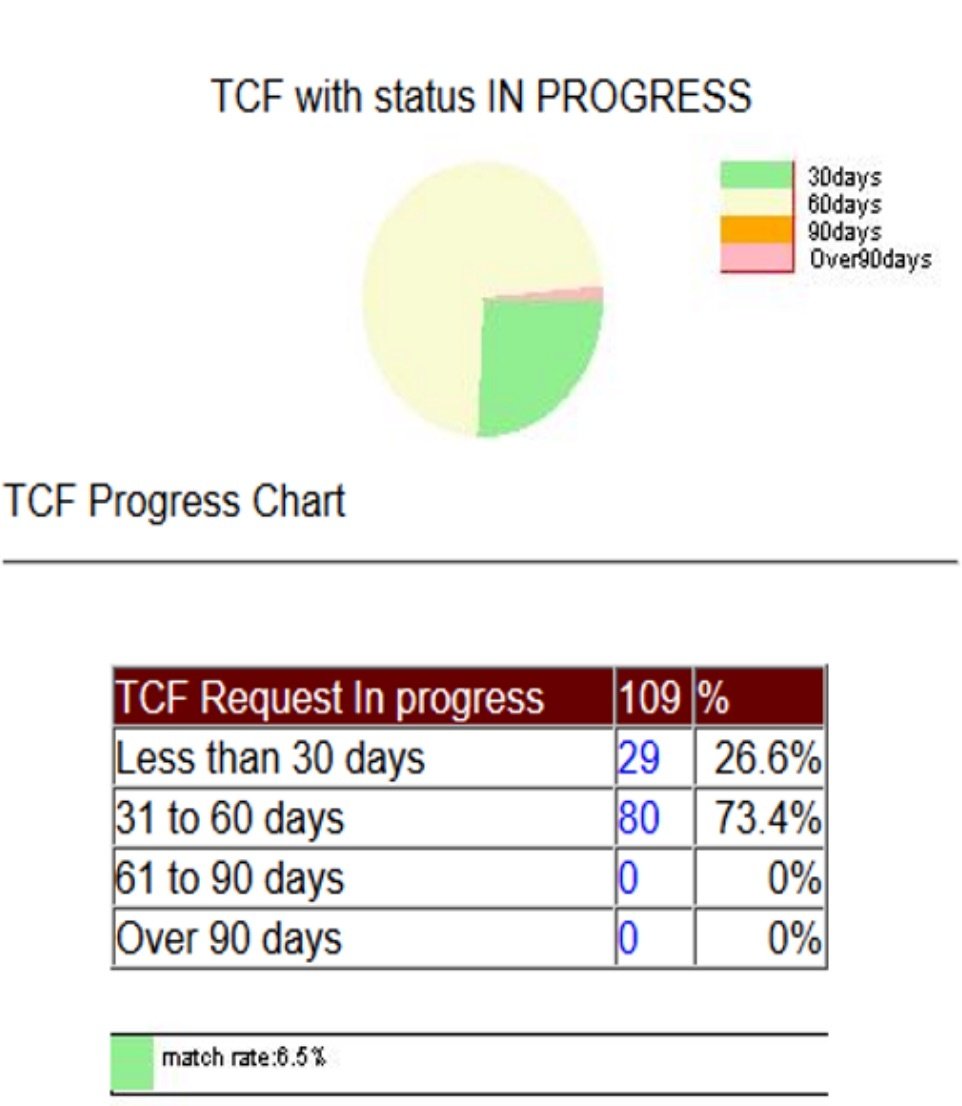 you insight into your compliance status whenever you need it. There are also progress charts allowing you actionable insight into timelines and your supplier progress. This solution is also able to store all your documents for up to 10 years, ensuring your documents are safely stored for any future reference.
 The quality of a product can be defined in many ways and is almost always dependent on your specific consumer and their definition of quality for your specific item. So in that light, you will need to know exactly what your consumer is looking for to create the quality your brand is looking to achieve.
When a consumer sets out to look for a quality product, they want to feel as though they have paid less than what the actual product is worth, the quality of the product far surpassing the amount they ended up paying. Fulfilling the need to exceed the consumer’s expectations, this is what true quality is all about.
If fulfilling the need to meet your consumer’s expectations is at the top of your company’s agenda, is it not essential for your brand’s products to meet a level of quality that does just that? Let me leave you pondering that for a bit.
In attempting to understand your customer’s definition of quality, it will be important to note that fulfilling consumer expectation and experience forms a part of that definition.
Let me give you an example; If a consumer orders a product that has met and passed all quality tests it needed to meet, that product for all intents and purposes is a quality item. But, if the order arrives later than promised or arrives with a missing screw or the incorrect color, the consumer may not define this product as an item of value and quality.
Striving for product quality is a stems right from the raw materials used, to the way in which it arrives to your customer, therefore every step needs to be taken into consideration.
The quality of a product can be defined in many ways and is almost always dependent on your specific consumer and their definition of quality for your specific item. So in that light, you will need to know exactly what your consumer is looking for to create the quality your brand is looking to achieve.
When a consumer sets out to look for a quality product, they want to feel as though they have paid less than what the actual product is worth, the quality of the product far surpassing the amount they ended up paying. Fulfilling the need to exceed the consumer’s expectations, this is what true quality is all about.
If fulfilling the need to meet your consumer’s expectations is at the top of your company’s agenda, is it not essential for your brand’s products to meet a level of quality that does just that? Let me leave you pondering that for a bit.
In attempting to understand your customer’s definition of quality, it will be important to note that fulfilling consumer expectation and experience forms a part of that definition.
Let me give you an example; If a consumer orders a product that has met and passed all quality tests it needed to meet, that product for all intents and purposes is a quality item. But, if the order arrives later than promised or arrives with a missing screw or the incorrect color, the consumer may not define this product as an item of value and quality.
Striving for product quality is a stems right from the raw materials used, to the way in which it arrives to your customer, therefore every step needs to be taken into consideration.
 craze of fidget spinners and, where 200, 000 of these spinners have been recalled due to it
  they want to know where its raw materials were sourced, how it was made, who made it and what its level of quality is. They ask themselves whether or not your product will be an investment in their lives.
The key here will be to know your target market, know your consumer. If you do not know what they want, you will struggle to be their go-to brand; you will lose out on their brand evangelism and praise affecting your bottom line
“Is this the type of brand and product you wish to create?”
Retailers today are under so much pressure with the current supply and demand of products, that quality and/or compliance is not always a priority.
“But, it should be!”
Bad quality and non-compliance both mean that your brand is at an unnecessarily high risk with regards to meeting regulations and your reputation. It will be worth all the hard yards that you put in from the creation and design to the manufacturing and distribution of your products. This will help mitigate unnecessary risk, saving you money and precious time.
they want to know where its raw materials were sourced, how it was made, who made it and what its level of quality is. They ask themselves whether or not your product will be an investment in their lives.
The key here will be to know your target market, know your consumer. If you do not know what they want, you will struggle to be their go-to brand; you will lose out on their brand evangelism and praise affecting your bottom line
“Is this the type of brand and product you wish to create?”
Retailers today are under so much pressure with the current supply and demand of products, that quality and/or compliance is not always a priority.
“But, it should be!”
Bad quality and non-compliance both mean that your brand is at an unnecessarily high risk with regards to meeting regulations and your reputation. It will be worth all the hard yards that you put in from the creation and design to the manufacturing and distribution of your products. This will help mitigate unnecessary risk, saving you money and precious time.
 As a quality manager who is responsible for producing toys you know that where quality is concerned the stakes are sky-high.
You need to know that toys adhere to the demands of every test they might face when being exported globally to markets with different demands.
At API, our quality inspectors and laboratories follow a comprehensive set of 8 toy quality testing steps (built through decades of experience) that helps quality managers effectively manage quality right from the outset.
This article will take a brief look at
As a quality manager who is responsible for producing toys you know that where quality is concerned the stakes are sky-high.
You need to know that toys adhere to the demands of every test they might face when being exported globally to markets with different demands.
At API, our quality inspectors and laboratories follow a comprehensive set of 8 toy quality testing steps (built through decades of experience) that helps quality managers effectively manage quality right from the outset.
This article will take a brief look at  Raw material quality control is paramount in helping to prevent product failure and ensuring a consistent level of quality that you and your customers expect.
Making sure that players in your supply chain are continuously subjected to testing of raw materials being used in your toy production, or when they decide to switch suppliers, verifies that the materials are at the level of quality you’re paying for and that no toxic elements such as lead and cadmium finding their way into your finished product.
Complying with chemical restrictions in raw materials laid out by the EU and US chemical content regulations such as REACH,
Raw material quality control is paramount in helping to prevent product failure and ensuring a consistent level of quality that you and your customers expect.
Making sure that players in your supply chain are continuously subjected to testing of raw materials being used in your toy production, or when they decide to switch suppliers, verifies that the materials are at the level of quality you’re paying for and that no toxic elements such as lead and cadmium finding their way into your finished product.
Complying with chemical restrictions in raw materials laid out by the EU and US chemical content regulations such as REACH, 


 German
  English