
Your brand is only as reliable and trustworthy as the quality of products you put out into the market.
Without a robust product compliance program in place, the integrity of your brand is bound to be compromised sooner or later.
Our complimentary eBook ‘How to Build Systems to Ensure Product Compliance in Large Supply Chains’ lays the foundation for building a robust compliance program to help you avoid costly mishaps and begin overcoming compliance issues today.
 Effectively managing growing supply chain complexities is something that most purchasing managers/importers deal with on a day to day basis.
As your brand grows compliance issues you never knew were there (nor were prepared for) may rear their ugly head, and it’s up to you to begin pinpointing issues and plugging the holes your profits will fall through, before the consumers of today tear them open even wider.
Ensuring product compliance starts and ends with one thing:
A robust compliance program.
Effectively managing growing supply chain complexities is something that most purchasing managers/importers deal with on a day to day basis.
As your brand grows compliance issues you never knew were there (nor were prepared for) may rear their ugly head, and it’s up to you to begin pinpointing issues and plugging the holes your profits will fall through, before the consumers of today tear them open even wider.
Ensuring product compliance starts and ends with one thing:
A robust compliance program.
Product Compliance is Key To Your Success
Effectively managing growing supply chain complexities is something that most purchasing managers/importers deal with on a day to day basis.
As your brand grows compliance issues you never knew were there (nor were prepared for) may rear their ugly head, and it’s up to you to begin pinpointing issues and plugging the holes your profits will fall through, before the consumers of today tear them open even wider.
Ensuring product compliance starts and ends with one thing:
A robust compliance program.
Building a compliance program
A working compliance program addresses the rules, standards, regulations and requirements that your company or brand sets for its suppliers. These standards will create the accountability within the supply chain that consumers today are looking for. At this stage if you are pondering on the necessity and importance of compliance, take a look at this: In 2007, Mattel had to recall 1.5 million lead covered toys due to negligence. The company ended up having to pay a $12.3 million settlement with another $2.3 million in civil penalties for violating a lead paint ban.“Can your company afford a mistake like this?”
‘How to Build Systems to Ensure Product Compliance in Large Supply Chains’
- Why compliance is necessary now more than ever
- How to turn your compliance challenges into opportunities for growth
- Die specific audits that are needed for compliance in your supply chain
- How to go about creating a compliance culture for your brand
 purchase price of $69.38 each, resulting in revenues totaling
  A: One of greatest challenges is ensuring that each branch is able to comply with the
  international regulation?
 Let’s take a look at what Walmart did; They created what they call the Sustainability Index, which is essentially a scorecard for suppliers to be reported on from various social and environmental production factors.
Walmart has said that by the end of 2017 that 70% of its products will come from suppliers who participate through this Index, and as a benefits they will be endorsed as a sustainable partner and proud Walmart supplier.
Lösungen
Supply chain compliance is an important issue to address, with many local retail brands realising that compliance needs to be a top priority to be achieved in order to achieve a globally competitive advantage in the market.
So how do we go about achieving just that?
Let’s take a look at what Walmart did; They created what they call the Sustainability Index, which is essentially a scorecard for suppliers to be reported on from various social and environmental production factors.
Walmart has said that by the end of 2017 that 70% of its products will come from suppliers who participate through this Index, and as a benefits they will be endorsed as a sustainable partner and proud Walmart supplier.
Lösungen
Supply chain compliance is an important issue to address, with many local retail brands realising that compliance needs to be a top priority to be achieved in order to achieve a globally competitive advantage in the market.
So how do we go about achieving just that?
 1. Supply chain visibility – This refers to the data visibility made available within your supply chain; from where your raw materials come from, to your factory’s technical operations right through to your
  with efficient quality procedures. They are also up to date with the latest developments in the industry along with the best practices to follow. As a result, you have all the expertise and
 The purchasing department of any organization has many functions from procurement of raw materials all the way through to the load testing of various household goods through to policy compliance. Each of these components requires the leadership and technical skill and know-how of a quality manager to ensure the entire procedure is run effectively and according to set
  – Every brand strives to increase their credibility within the global market, this standard can help you maintain that competitive advantage, as suppliers who have this standard are often selected over and above those who do not.
2. Improvement of customer satisfaction – At its very core this standard is about the improvement of customer satisfaction, through thorough planning and efficient implementation where the end user is satisfied with the functionality, quality of the product to the way in which it was delivered.
3. Better process integration – By understanding and analyzing your processes you will clearly be able to find improvements that need to be made. These are based on hard that is collected to make these improvements to your procedures.
4. Improve your evidence for decision making – Evidence-based decision-making is based on hard data. Decisions can then be made based on data which can allow for proper allocation of resources and in turn having cost benefits for your brand.
5. Create a continual improvement culture – By instilling a continuous improvement cycle within your buying office, you will not only increase your outputs, but also the quality and standard of your procedures and end product, and also creating that customer satisfaction.
A Quality Management system is essential to ensuring
– Every brand strives to increase their credibility within the global market, this standard can help you maintain that competitive advantage, as suppliers who have this standard are often selected over and above those who do not.
2. Improvement of customer satisfaction – At its very core this standard is about the improvement of customer satisfaction, through thorough planning and efficient implementation where the end user is satisfied with the functionality, quality of the product to the way in which it was delivered.
3. Better process integration – By understanding and analyzing your processes you will clearly be able to find improvements that need to be made. These are based on hard that is collected to make these improvements to your procedures.
4. Improve your evidence for decision making – Evidence-based decision-making is based on hard data. Decisions can then be made based on data which can allow for proper allocation of resources and in turn having cost benefits for your brand.
5. Create a continual improvement culture – By instilling a continuous improvement cycle within your buying office, you will not only increase your outputs, but also the quality and standard of your procedures and end product, and also creating that customer satisfaction.
A Quality Management system is essential to ensuring  2. Strategic partnerships
 3. Inventory management tactics
Managing inventory is all about balance. Making sure that you don’t have too much inventory thus face the risk of increased storage costs and a longer time to market having an effect on your return. You also need to make sure you don’t have too little inventory forcing people to shop elsewhere for a similar product. Both sides of the equation can have detrimental effects for your brand. Here we look at two inventory management tactics that are applied by two of the biggest global retailers:
3. Inventory management tactics
Managing inventory is all about balance. Making sure that you don’t have too much inventory thus face the risk of increased storage costs and a longer time to market having an effect on your return. You also need to make sure you don’t have too little inventory forcing people to shop elsewhere for a similar product. Both sides of the equation can have detrimental effects for your brand. Here we look at two inventory management tactics that are applied by two of the biggest global retailers:
 4. Quality Control
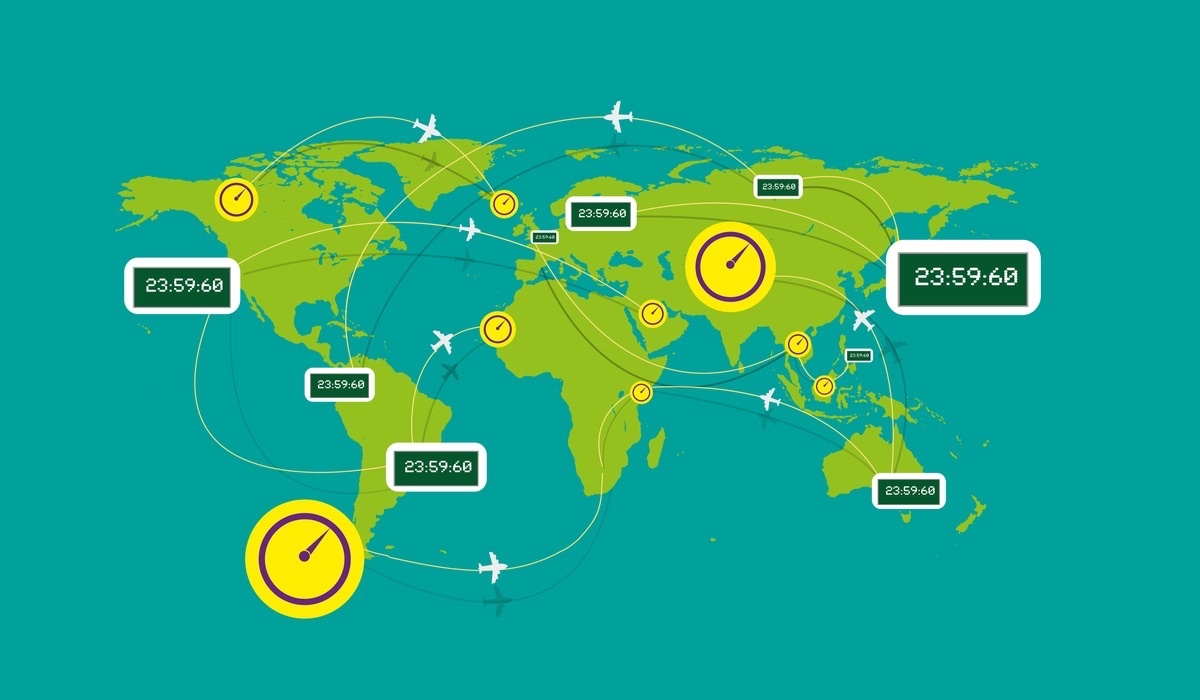 they need products. You may find yourself at a loss with a delivery delay. Contingency plans are essential to ensuring your product gets to market. A
  1.Risk Management – Global brands take every procedure into account when understanding possible areas of risk. From sourcing to logistics to inventory management, each of these areas affects one another. If there is a problem with sourcing, it inadvertently affects the logistics of the entire operation. Therefore a brand such as Amazon needs to have a Risk Mitigation strategy that spans the entire operation.


 German
  English